

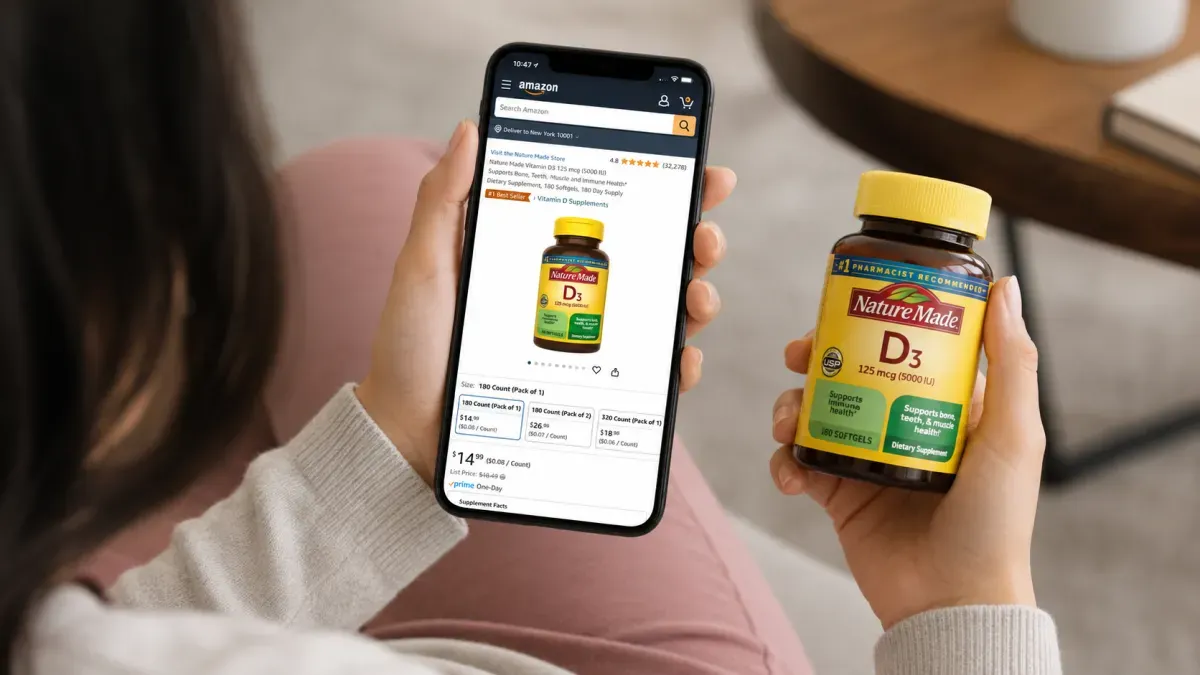

If you are an avid online shopper or frequently browse platforms like Amazon, you have probably noticed a bizarre phenomenon: a product you added to your cart just a few hours ago has suddenly dropped by 23 cents or spiked by 15 cents for no apparent reason.
These constant, micro-fluctuations are neither random nor glitches in the system. Behind these seemingly trivial price changes lies one of the most sophisticated combinations of Artificial Intelligence and consumer psychology: Dynamic Pricing. Amazon alters its prices over 250 million times a day. This means the price of a single item can morph every 10 minutes on average!
But what exactly is this e-commerce giant chasing with these single-digit cent adjustments, and how is our brain being hardwired into this game?

1. How Algorithms Decide for Our Wallets
At the heart of this strategy is an ultra-advanced AI algorithm. Amazon doesn't just look at its warehouse inventory; its system continuously evaluates multiple real-time signals:
- Competitor Monitoring: The algorithm constantly tracks rival prices (like Walmart or Target) and slashes its own price by a few cents to guarantee it holds the «cheapest option» title.
- Your Browsing Fingerprint: The time of day you visit, whether you are browsing on a high-end iPhone or a desktop, and even how fast you scroll, all serve as psychological signals to the system.
- Sales Velocity: If an item suddenly starts selling rapidly within an hour, the price nudges up. If sales stagnate, it drops a few cents to trigger a purchasing impulse.
2. The Psychological Traps Behind a Few Cents
Why doesn’t Amazon just slash a $50 item down to $40 out of nowhere, choosing instead to adjust it to $49.74? The answer is hardwired into human evolutionary psychology.
A) The Thrill of the Hunt
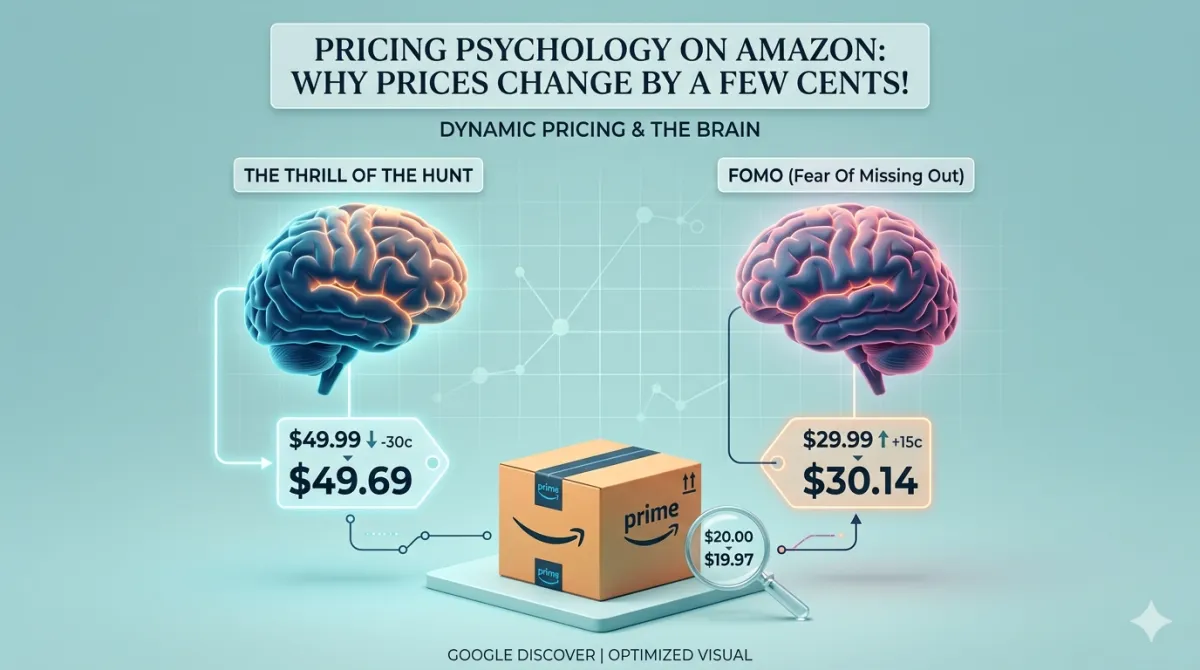
When you notice a price drop from $29.99 to $29.62, your brain doesn't just see a 37-cent saving; it processes it as a exclusive bargain. Behavioral psychology shows that humans often derive more dopamine from «finding a good deal» than from the product itself. These micro-movements give you the illusion of a living, breathing marketplace where you caught the perfect wave.
B) The "Left-Digit Effect" and Odd Pricing
Our brains process numbers from left to right. A price shift from $20.00 to $19.97 creates a massive psychological shift. Even though the difference is a mere 3 cents, your subconscious instantly categorizes the item in the «$10 range» rather than the «$20 range.» Amazon plays with cents to keep the price right on the edge of your spending threshold.
C) Fabricating FOMO (Fear of Missing Out)
When prices are constantly in motion, it signals to the shopper that the current deal is highly volatile. If you don't buy it right now, you might have to pay more in the next hour. This constant fluctuation creates a manufactured sense of urgency, bypassing your rational thinking and fast-tracking you straight to the checkout button.
Read More


3. The "Loss Leader" Strategy: Calibrating Your Perception
There is a brilliant psychological trick Amazon plays: they sacrifice margins on high-profile items to milk profits from the details.
Amazon keeps the prices of highly searched, benchmark items (like the latest gaming console or a trending TV) aggressively low and hyper-volatile to cement the global mindset that «Amazon is always the cheapest place on Earth.» However, once you add that item to your cart, the algorithm might quietly hike the price of the necessary HDMI cable or wall mount—items where your price sensitivity is much lower—ensuring Amazon wins its profit back.
How to Beat the Dynamic Pricing Algorithm
Now that the curtain has been pulled back, here is how you can use the algorithm's rules to your advantage:
- Deploy Price Trackers: Use specialized tools like CamelCamelCamel or Keepa. They expose the lifetime price chart of any Amazon product, letting you know if you are looking at a genuine discount or just an hourly spike.
- The «Cart Abandonment» Tactic: Leaving an item sitting in your cart signals to the algorithm that you are hesitant. To nudge you over the finish line, the system will often drop the price by a few cents over the next 24 hours.
- Go Incognito: Clear your browser cookies or use an incognito window. This prevents the algorithm from tailoring a premium price based on your historical interest in the product.
Ultimately, those fluctuating cents on Amazon are a beautifully orchestrated symphony of Big Data and modern behavioral psychology—a subtle dance designed to make you click «Buy Now» just a little bit faster.