

 18 November 2026
Black Friday is one of the busiest shopping events of the year, with retailers promoting discounts across countless products. However, rushing into purchases or trusting every advertised offer can lead to unnecessary spending and disappointing deals. Here are 12 common Black Friday shopping mistakes and simple ways to avoid them.
Read More


Don't Make These 12 Black Friday Shopping Mistakes!
 Inside the List
12 Items

Shopping Without a Budget
Set your spending limit before browsing
Decide how much you can comfortably spend before looking at Black Friday offers, and keep track of your purchases.

Buying Things You Don't Actually Need
A discount doesn't make every purchase worthwhile.
Buying something simply because it is discounted can lead to unnecessary spending and products that remain unused.

Trusting the Advertised Discount Percentage
Big discount numbers don't always mean big savings.
A product advertised as heavily discounted may still cost more than similar products elsewhere or than it did previously.

Ignoring the Product's Price History
Check whether the price has genuinely dropped.
Looking at previous prices can help reveal whether a Black Friday offer is genuinely attractive or simply a familiar price presented as a special deal.
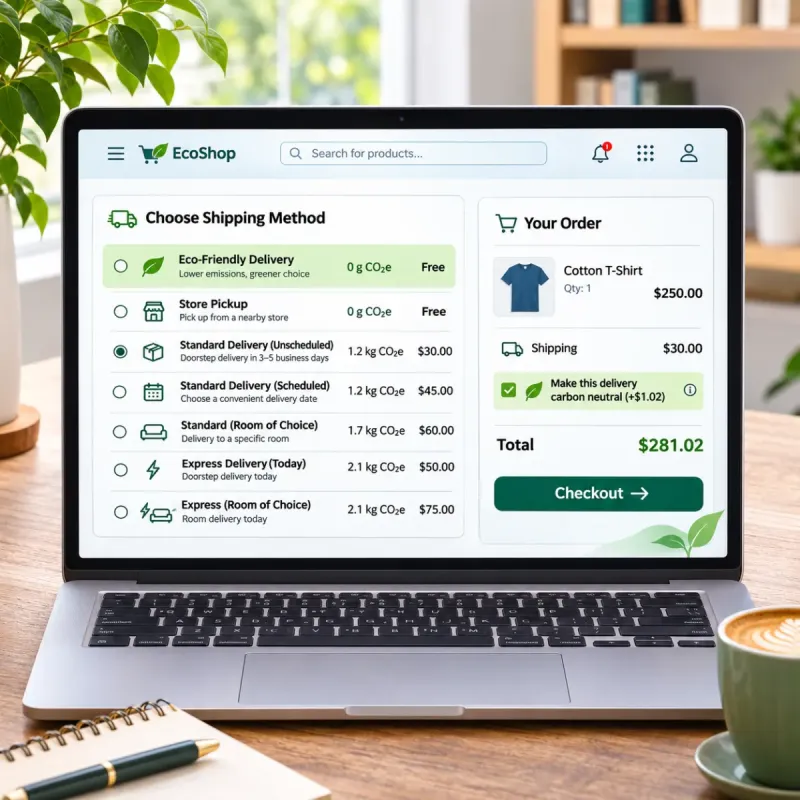
Forgetting Extra Costs
Always check the final checkout price.
A seemingly inexpensive deal may become less attractive once shipping, handling, taxes, or additional fees are included.

Choosing the Wrong Product Version
Check the exact model before purchasing.
Always review the model number, size, specifications, color, and included accessories to make sure the discounted item matches your expectations.

Ignoring the Seller's Reputation
Make sure you know who you're buying from.
An attractive offer from an unfamiliar seller deserves extra attention. Look for clear contact information, a credible business presence, and independent customer feedback.

Skipping Customer Reviews
Learn from other customers' experiences.
Reading a range of customer reviews can reveal recurring product problems, unexpected limitations, or concerns about the seller.

Overlooking Return Policies and Warranties
Understand your options if something goes wrong.
Check return deadlines, refund conditions, warranty coverage, and who pays return shipping. In the EU, many online purchases have a 14-day withdrawal period, although exceptions apply.

Rushing Because of Countdown Timers
Don't let urgency replace careful thinking.
Some shopping pages use countdowns and low-stock messages to encourage quick decisions, so take time to check the product before purchasing.

Clicking Suspicious Shopping Links
Check links before opening.
Be cautious with unexpected promotional messages and social media ads. Visit a retailer's official website directly instead of trusting unfamiliar links.

Spending More Just to Save More
Spending less is not the same as saving more.
Adding extra products to reach a discount threshold or qualify for free delivery can increase spending without providing meaningful value.