
 12 November 2026
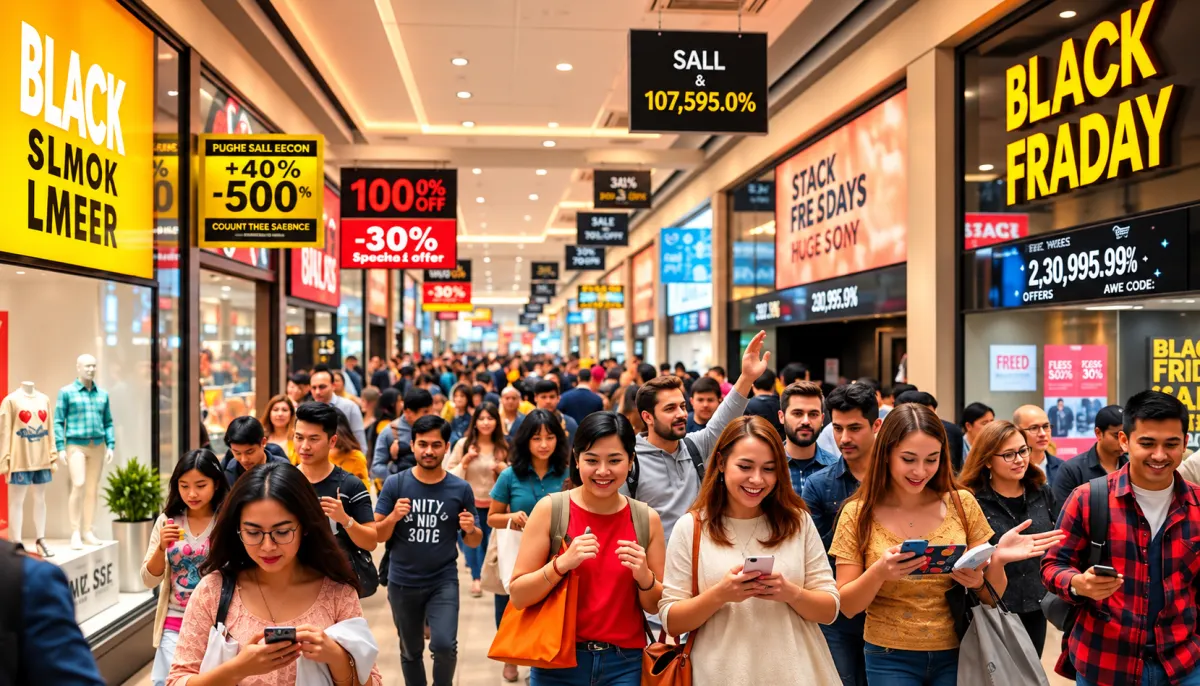
Black Friday is famous for massive discounts, crowded stores, and shoppers hunting for incredible deals. But there's much more to this annual shopping tradition than advertised prices and long checkout lines.
The name itself has a surprising history, Cyber Monday has an unexpected origin, and some of the biggest shopping records might sound almost impossible. Even a few popular stories about Black Friday turn out to be completely false!
Mind-Blowing Surprises Behind America's Biggest Shopping Frenzy!
Whether you love holiday shopping or simply enjoy unusual historical facts, these 11 discoveries will give you a whole new perspective on one of America's most famous shopping traditions.
Read More


1. Black Friday Originally Had Nothing to Do With Shopping!
Long before Black Friday became associated with holiday discounts, the phrase was connected to a financial crisis in the United States. On September 24, 1869, an attempt by two investors to manipulate the gold market ended in disaster, causing gold prices to collapse and creating widespread financial panic. The event became known as Black Friday.
This happened more than a century before modern Black Friday shopping became a major retail tradition. It's a fascinating reminder that the name existed long before anyone associated it with crowded stores, shopping bags, or special offers.
2. Philadelphia Police Helped Give Black Friday Its Shopping-Day Name!
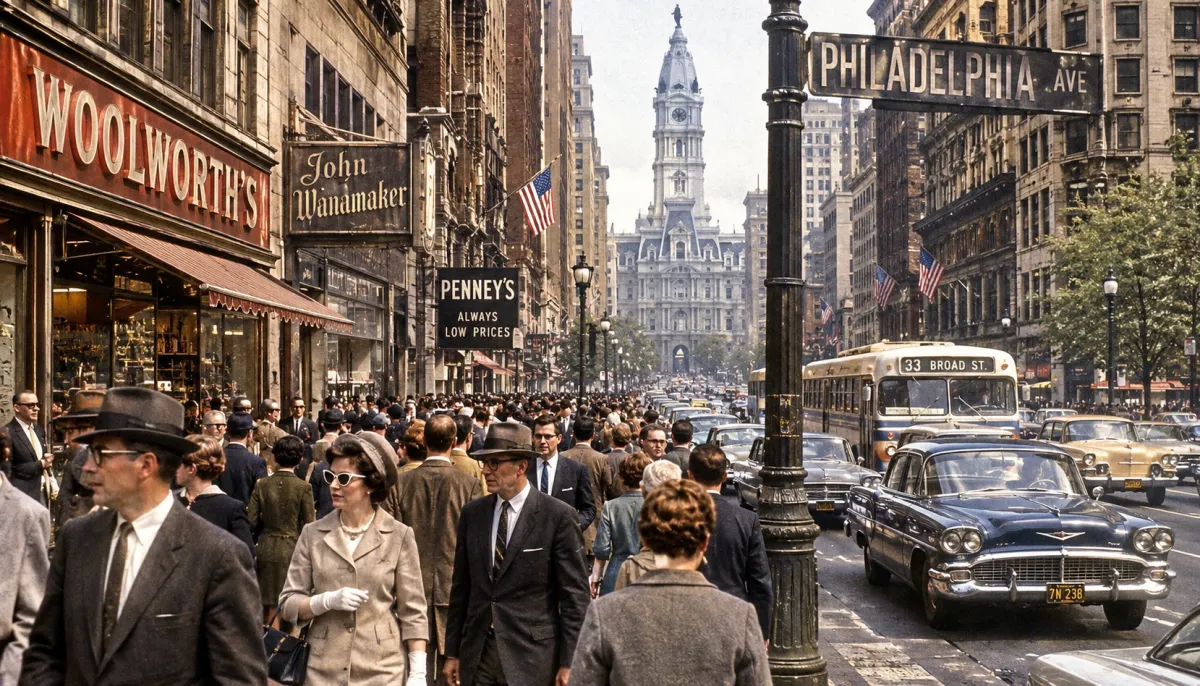
The connection between Black Friday and holiday shopping is often traced to Philadelphia during the 1950s and 1960s. The day after Thanksgiving attracted enormous crowds, including shoppers and visitors arriving for the annual Army–Navy football game. The resulting traffic jams and busy streets created extra work for local police officers.
According to the historical account, officers used the phrase Black Friday to describe the exhausting day. At first, the name had little to do with attractive discounts or retailers making profits. It was simply a description of the crowds and chaos that followed Thanksgiving.
3. Some Retailers Tried to Rename It "Big Friday"!
Not everyone was happy with the name Black Friday. Since the word "black" could suggest something negative, some Philadelphia business leaders wanted to give the shopping day a more cheerful and positive identity. Their proposed alternative was Big Friday.
The idea was to encourage people to associate the day with shopping excitement rather than traffic problems and exhausted police officers. However, the suggested name never became popular. Black Friday eventually won, becoming one of the most recognizable shopping terms in the world.
4. The "Red to Black" Explanation Came Much Later!
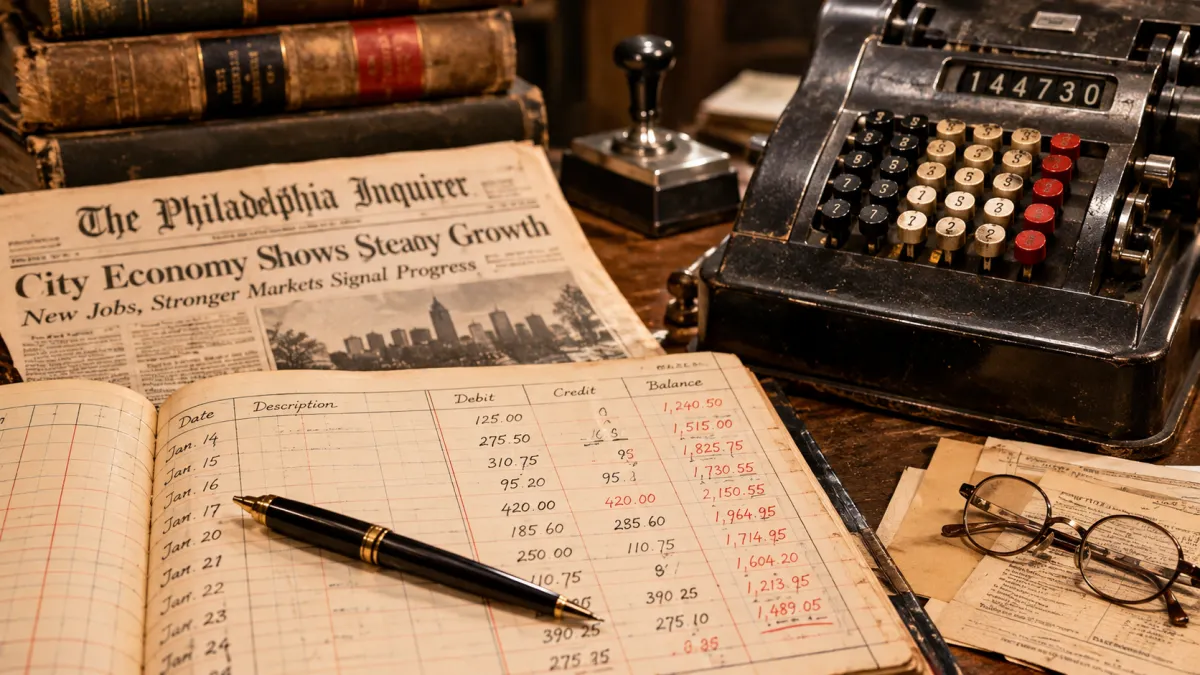
You've probably heard that Black Friday got its name because retailers traditionally recorded financial losses in red ink and profits in black ink. According to this popular explanation, the shopping rush helped businesses move from being "in the red" to being "in the black."
Although this sounds like a reasonable explanation, it wasn't the original reason for the name. Historical evidence connects the shopping-day nickname to Philadelphia's crowds and traffic problems much earlier. The accounting explanation became popular later, helping give the name a more positive business meaning.
5. The Story About Enslaved People Being Sold at Discounts Is Completely False!
One of the most disturbing stories circulating online claims that Black Friday originated when enslaved people were supposedly sold at reduced prices in the United States. Despite occasionally appearing in social media posts, this claim has no credible historical evidence behind it.
Historical research instead connects the shopping-day name to Philadelphia's post-Thanksgiving crowds and traffic. The phrase also had an earlier association with the financial crisis of 1869. It's worth knowing the difference between a genuinely surprising historical fact and a shocking story that has simply spread online without evidence.
6. Cyber Monday Was Created Because Online Shopping Was Becoming Popular!
Cyber Monday might sound like a shopping event that has existed since the early days of the internet, but the name is surprisingly recent. It was introduced in 2005 by Shop.org after retailers noticed that online shopping activity often increased on the Monday following Thanksgiving.
At the time, many people had faster internet connections at their workplaces than at home. This made office computers a convenient way to browse online stores and place orders. Retailers recognized the opportunity and began promoting the day as Cyber Monday. What started as a marketing idea eventually became a major part of the holiday shopping season.
7. Cyber Monday Made More Money Online Than Black Friday in 2025!
Many people assume Black Friday must be the biggest online shopping day of the year, but recent figures tell a different story. According to Adobe Analytics, U.S. online spending reached approximately $14.25 billion on Cyber Monday in 2025, compared with $11.8 billion on Black Friday.
That means Cyber Monday generated around $2.45 billion more in online sales than Black Friday. The numbers show how much holiday shopping has changed over the years, with online retailers playing an increasingly important role. Black Friday may still dominate attention in many stores, but it doesn't automatically win every online shopping record.
8. Cyber Week Generated More Than $44 Billion in Online Spending!
Black Friday and Cyber Monday may get most of the attention, but the shopping activity between them is enormous too. Adobe Analytics reported that U.S. consumers spent approximately $44.2 billion online during Cyber Week in 2025, covering the five days from Thanksgiving through Cyber Monday.
That's an extraordinary amount of online spending in less than a week. It also shows why retailers increasingly treat the entire holiday weekend as one major shopping period rather than focusing on a single day. For shoppers, it means promotional events and online deals can continue well beyond Black Friday itself.

9. Small Business Saturday and GivingTuesday Have Their Own Special Days!
Black Friday isn't the only event that takes place around Thanksgiving. Small Business Saturday was launched in 2010 to encourage consumers to support independent businesses and local shops. It takes place on the Saturday immediately after Thanksgiving and offers a different focus from the big retail promotions of Black Friday.
Then there's GivingTuesday, which began in 2012 as a movement encouraging people to support charitable causes and take part in acts of generosity. Together, these two events show that the Thanksgiving shopping period isn't only about major retailers and discounts. It also includes opportunities to support local communities and help others.
10. More Than 202 Million People Shopped During Thanksgiving Weekend in 2025!
The scale of Thanksgiving weekend shopping in the United States is truly impressive. According to the National Retail Federation, an estimated 202.9 million consumers shopped during the five-day period from Thanksgiving through Cyber Monday in 2025.
This estimate includes people who shopped in physical stores, online, or through both channels. It highlights just how important this period has become for American retailers and consumers. With so many people taking part in only five days, it's easy to understand why businesses prepare months in advance for the holiday shopping rush.
11. Thanksgiving's Date Wasn't Always Set in the Same Way!
Today, most Americans know that Thanksgiving takes place on the fourth Thursday of November. However, this wasn't always the rule. Before 1941, the date could vary because presidents announced when the holiday would be celebrated each year.
In 1939, President Franklin D. Roosevelt moved Thanksgiving earlier in November in an attempt to extend the holiday shopping season. The decision caused confusion because different states observed different dates. Eventually, Congress passed legislation in 1941 establishing Thanksgiving as the fourth Thursday of November. That decision helped create the familiar calendar around which the modern Black Friday shopping season developed.
Conclusion
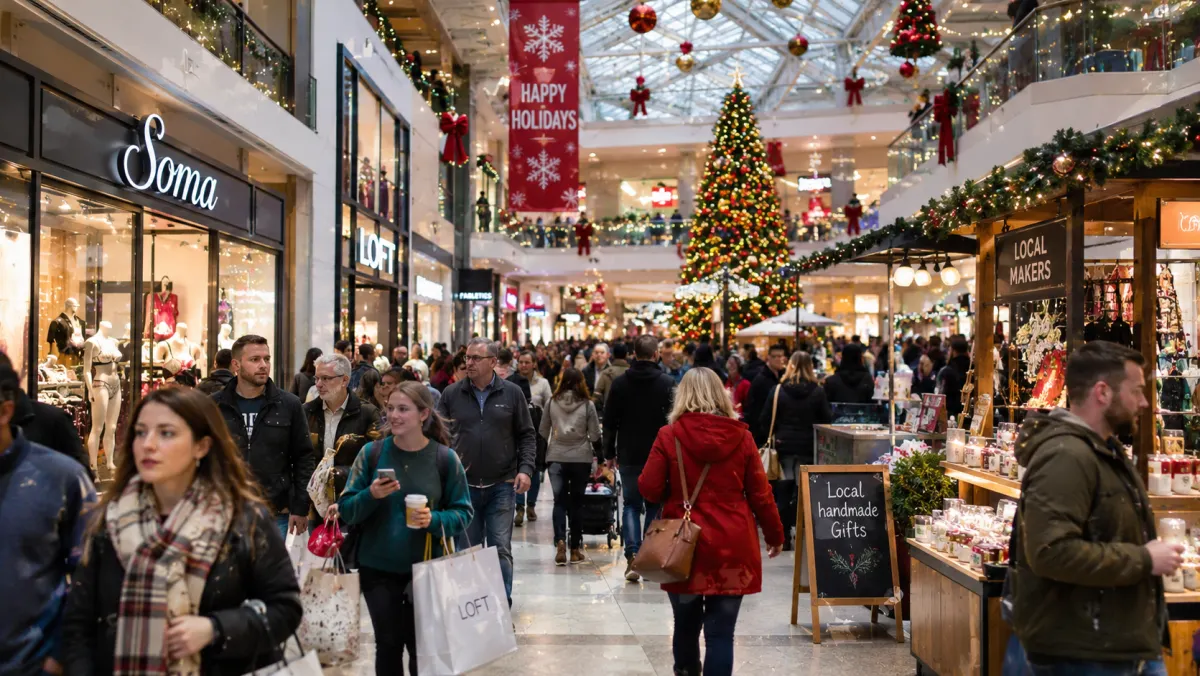
Black Friday is much more than a day of discounts and crowded shopping malls. Its history includes a 19th-century financial crisis, a nickname connected to Philadelphia traffic, unsuccessful attempts at rebranding, and the rise of online shopping events that now generate billions of dollars.
Perhaps the most surprising part is how much the tradition has changed. What once described a chaotic day in one American city has grown into an international shopping phenomenon involving millions of consumers.
Next time Black Friday arrives, you'll know that behind all those sale signs lies a history full of unexpected stories!