


 25 November 2026
Some moments are so ordinary that we assume everyone experiences them, yet we rarely bring them up in conversation. You might replay an awkward exchange, forget what you came into a room for, or check your phone without even thinking about it. These small experiences are part of everyday life—and they may be more familiar to others than you realize.
13 Fascinating Facts About the Human Brain
17 Unspoken Experiences That Connect Us More Than We Realize
 Inside the List
17 Items

Replaying Old Conversations in Your Head
Revisiting words after a conversation
Our brain often replays social interactions to understand what happened, especially after uncomfortable moments. Research calls this post-event processing.

Remembering Embarrassing Moments Years Later
When an awkward moment suddenly returns.
Emotionally meaningful experiences can attract attention and become memorable. Remembering an embarrassing moment does not mean it was as important to other people as it feels to you.

Rehearsing Conversations Before They Happen
Planning what to say before saying it.
Imagining future situations can help people organize their thoughts and prepare for possible outcomes. It is one way the mind uses past experience to think about what might happen next.

Thinking You Heard Someone Call Your Name
Hearing something that makes you look around.
People are especially attentive to familiar and personally meaningful sounds, including their own names. In a noisy or distracting environment, it can be easy to mistake another sound for something familiar.
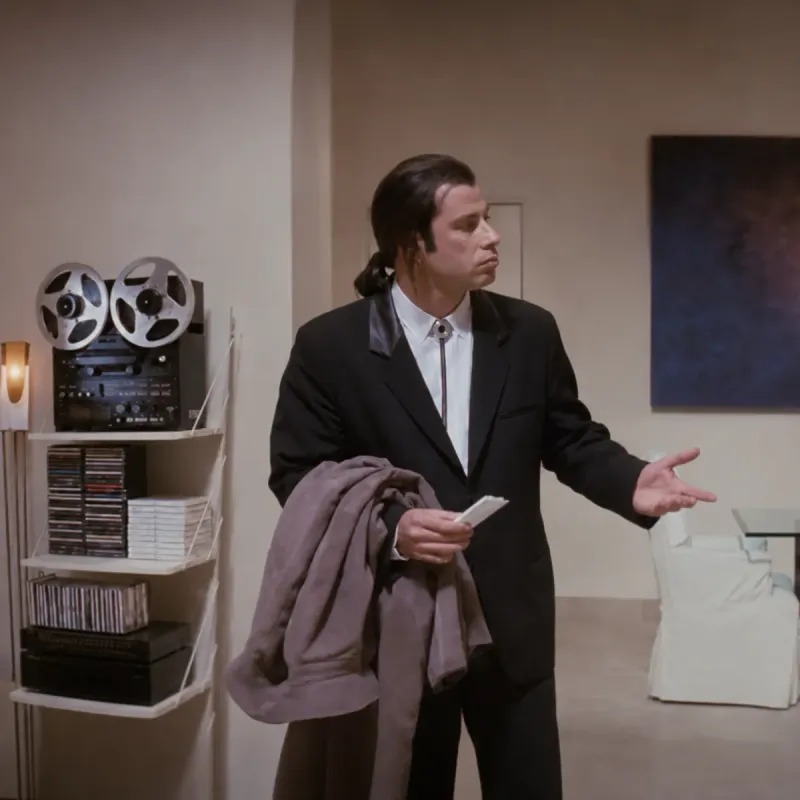
Forgetting Why You Walked Into a Room
Arriving somewhere and forgetting your purpose.
Researchers suggest that entering a new space can affect memory because the brain separates experiences into different events, making previous information harder to recall.

Checking Your Phone Without a Real Reason
Unlocking your phone without knowing why.
Smartphone checking can become a habitual response during quiet or unoccupied moments. Researchers have even developed a scale to study checking that happens without notifications or a specific goal.
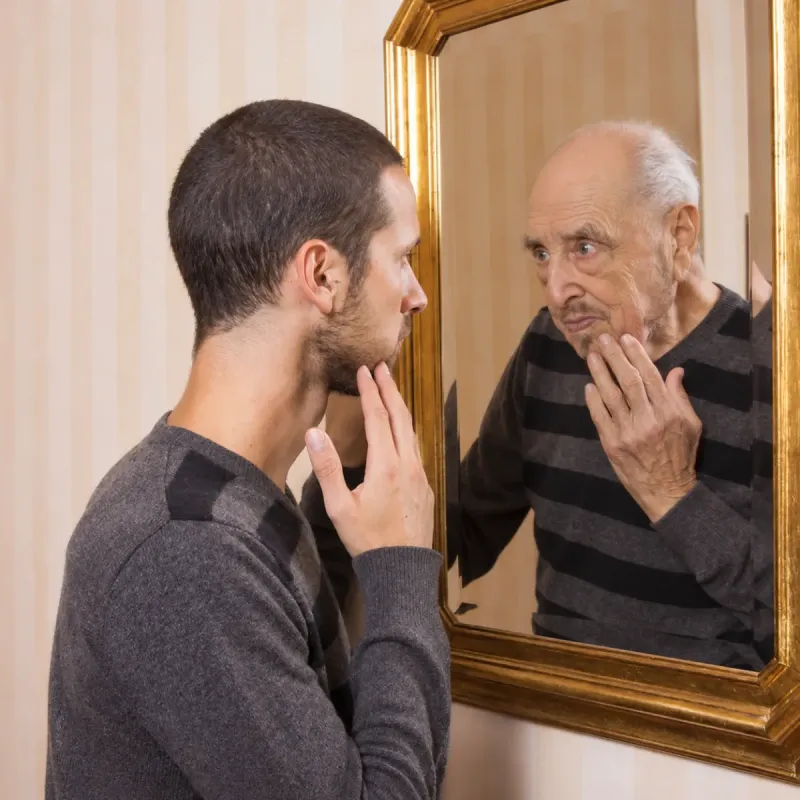
Feeling Like Time Moves Faster as You Get Older
Wondering where the years went.
Studies suggest that people may perceive time as passing faster with age, although this varies between individuals and researchers are still exploring why.

Smiling at the Wrong Moment
Smiling when the situation is serious.
Facial expressions are influenced by more than happiness. Nervousness, social pressure, and attempts to manage an uncomfortable interaction can all affect how people express themselves.

Thinking of the Perfect Comeback Too Late
Finding the right words after the moment passes.
Real conversations require people to listen, understand, and respond quickly. Thinking about the exchange afterward gives you more time to consider different responses without the pressure of keeping the conversation going.

Feeling Strange When Looking at Old Photos of Yourself
Seeing an old version of yourself differently.
Photographs connect visual details with autobiographical memories. They can bring back feelings and memories associated with a particular time, even when your perspective on that period has changed.
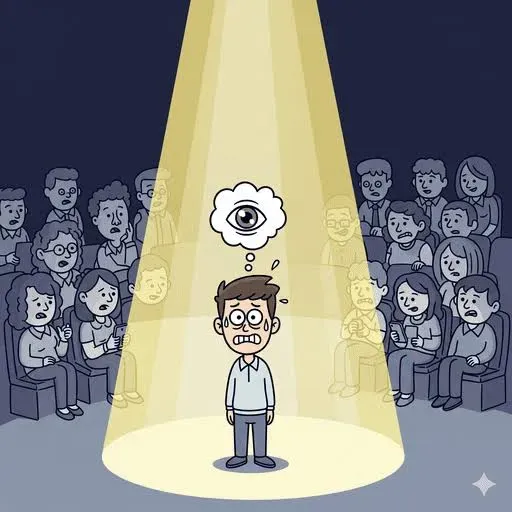
Feeling Like Everyone Notices Your Small Mistakes
Assuming a tiny mistake caught everyone's attention.
Psychologists call this tendency the spotlight effect. Research suggests that people can overestimate how much others notice their appearance and actions.

Feeling Awkward During Goodbyes
Not knowing exactly how to end a conversation.
Ending an interaction requires people to recognize social cues and coordinate their next move. When neither person is quite sure who should end the conversation, the goodbye can become unexpectedly awkward.
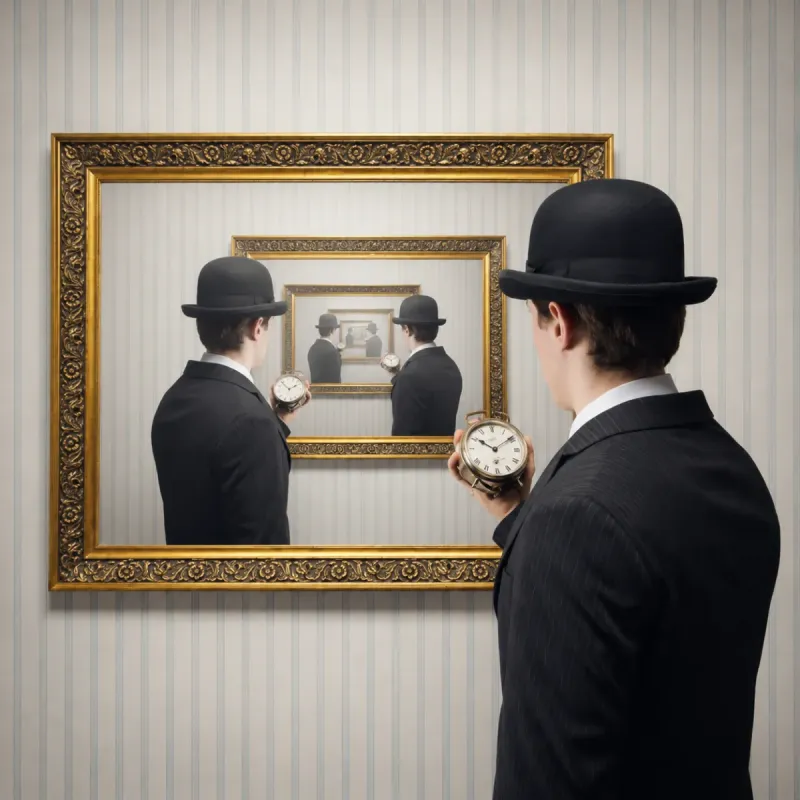
Experiencing an Unexpected Sense of Familiarity
Feeling like you have experienced a moment before.
This experience is called déjà vu. Researchers have explored several possible explanations involving memory, familiarity, and attention. It is a recognized experience reported by many people.

Putting Off Small Tasks
Delaying something that would take only minutes.
Starting a task can feel less appealing than doing something immediately enjoyable or familiar. Sometimes, the difficulty is not the task itself but the effort of switching attention and getting started.

Missing a Time in Your Life You Didn't Fully Appreciate
Looking back and wishing you had noticed more.
Memories are often understood differently as time passes. With distance, people may notice details and appreciate experiences that did not seem particularly meaningful when they were happening.

Acting Differently When You're Alone
Having habits you rarely show other people.
People often adjust their behavior depending on their surroundings and who is present. Being alone removes some social expectations, making it easier to behave spontaneously.

Wondering What Other People Really Think of You
Trying to understand how others see you.
People naturally care about social feedback because relationships matter, but facial expressions or short responses don't always reveal what others are thinking.