
 21 November 2026
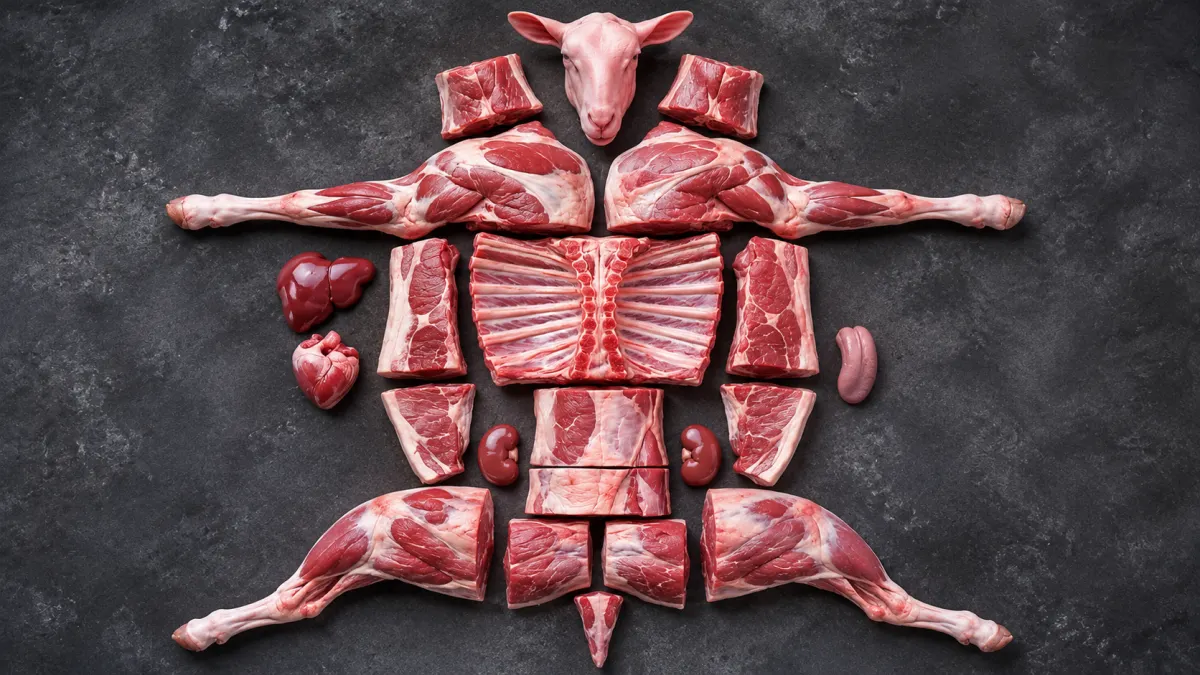
Not all lamb cuts are the same. Each part of the animal offers different textures, flavors, and cooking possibilities. From tender chops and juicy legs to flavorful shanks and ribs, here's a visual guide to the main cuts of lamb and where they come from.
Lamb Explained: Can You Name These 19 Cuts of Meat?
 Inside the List
19 Items
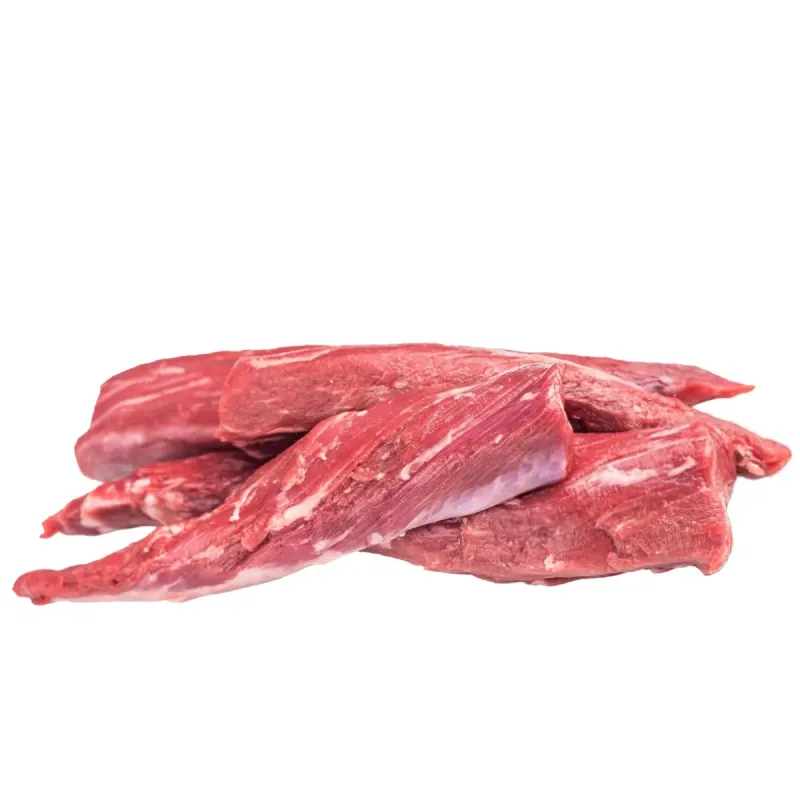
Lamb Tenderloin
A small and delicate muscle
The tenderloin is a small muscle located along the inside of the loin. Because it does relatively little work, it is especially tender and cooks quickly.
- Small muscle
- Very tender
- Quick cooking
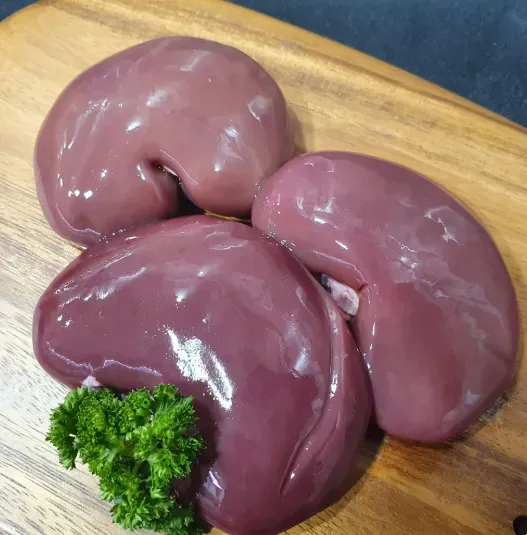
Lamb Kidney
A small cut with a distinctive flavor
Lamb kidneys are small organ meats with a firm texture and concentrated flavor. They are commonly grilled, pan-fried, or used in traditional pies and stews.
- Organ meat
- Firm texture
- Grilling and pan-frying
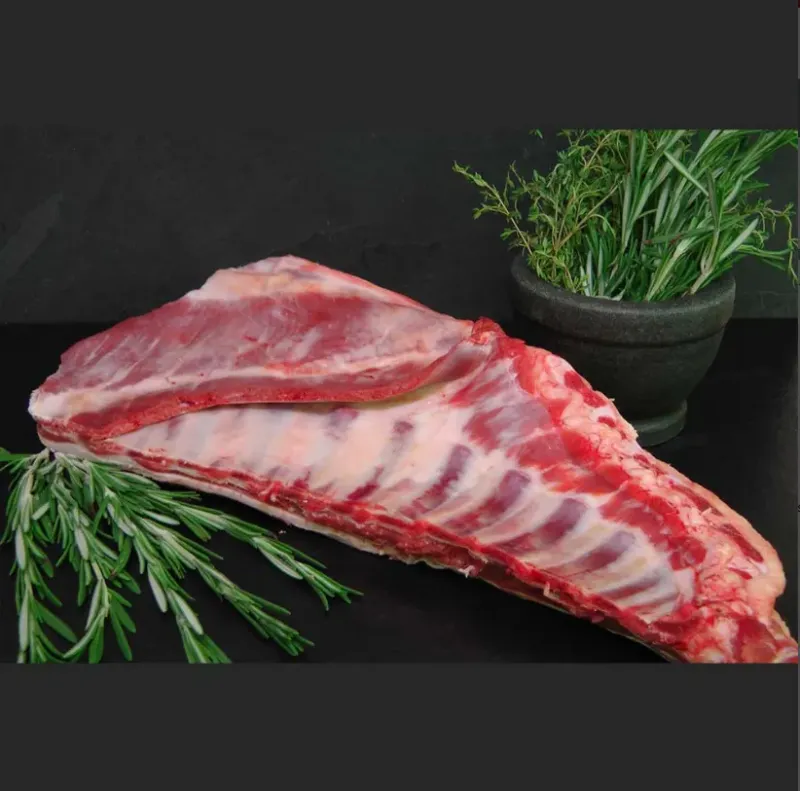
Lamb Flank
A flavorful section from the belly
Lamb flank comes from the lower abdominal area and contains muscle fibers that benefit from marinating and suitable cooking methods such as braising or grilling.
- Lower abdominal section
- Flavorful meat
- Marinating and braising

Lamb Tongue
A tender cut after slow cooking
Lamb tongue is a small organ meat that becomes tender after simmering. Once cooked and peeled, it can be sliced and served in various dishes.
- Organ meat
- Simmering
- Tender sliced meat
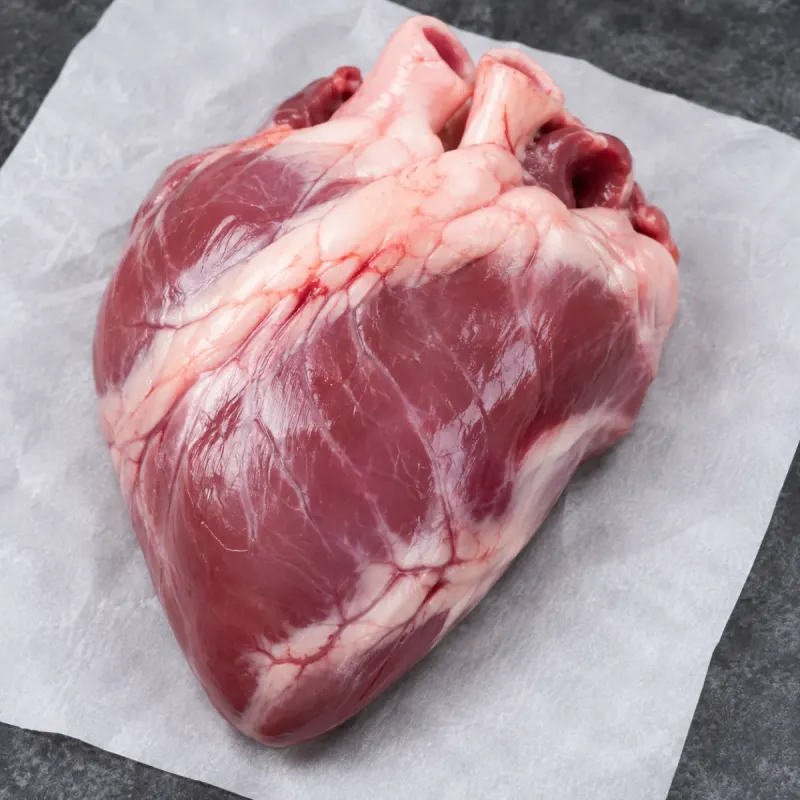
Lamb Heart
A lean and firm-textured cut
Lamb heart is a muscular organ with a firm texture and rich flavor. It can be trimmed, sliced, and grilled or cooked in stews.
- Lean organ meat
- Firm texture
- Grilling and stewing
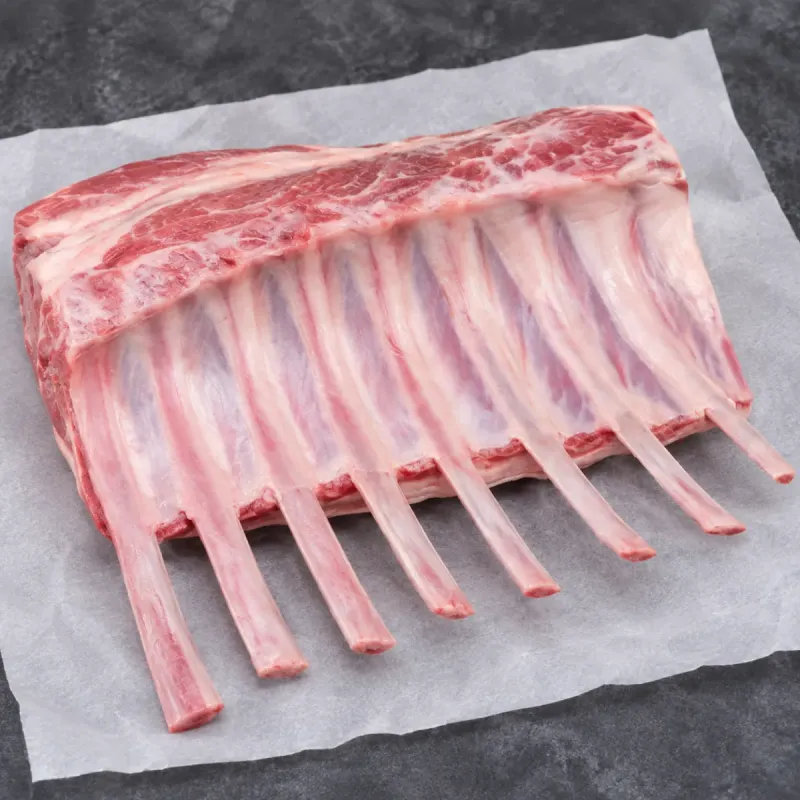
Lamb Rack
The famous rib section
The lamb rack comes from the rib section and is prized for its tenderness and presentation. It is often roasted whole or cut into individual rib chops.
- Rib section
- Tender meat
- Roasting and rib chops
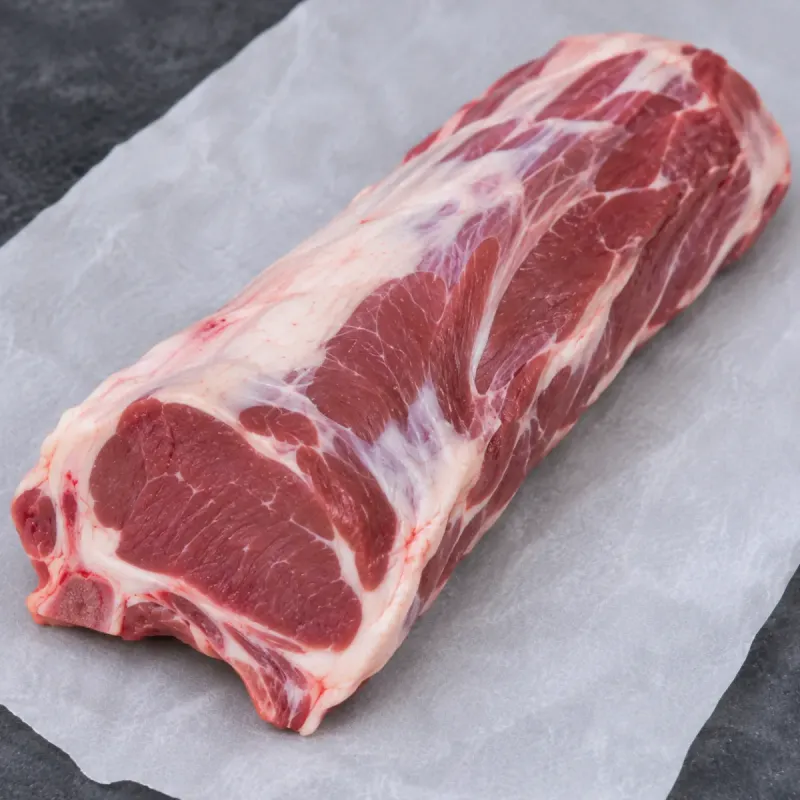
Lamb Loin
One of the most prized lamb sections
The loin runs along the back of the lamb between the ribs and hindquarters. It produces tender cuts that are commonly grilled, pan-seared, or roasted.
- Back section
- Naturally tender
- Grilling and roasting
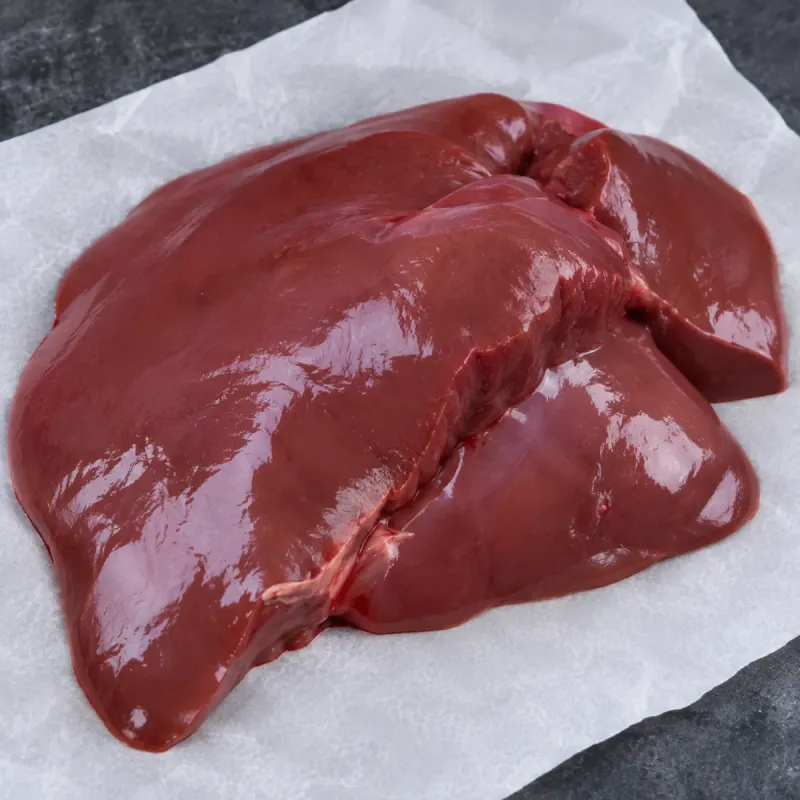
Lamb Liver
A nutrient-rich lamb organ
Lamb liver is a soft-textured organ meat with a distinctive, rich flavor. It is commonly pan-fried, grilled, or included in traditional recipes.
- Organ meat
- Distinctive flavor
- Pan-frying and grilling
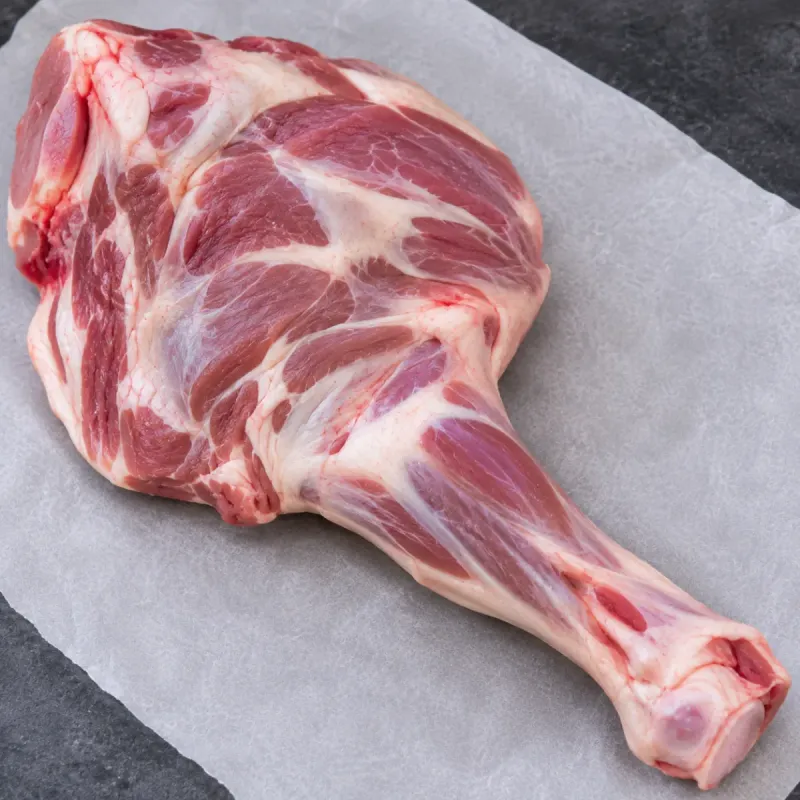
Lamb Front Leg
A meaty section of the front limb
The front leg includes several muscles that can be prepared as separate cuts or cooked together. It is commonly roasted or divided into smaller portions.
- Front limb
- Multiple muscles
- Roasting and braising

Lamb Fore Shank
A tough cut that turns tender
The fore shank comes from the lower front leg. Its connective tissue breaks down during long, moist cooking, producing tender and flavorful meat.
- Lower front leg
- High connective tissue
- Slow braising
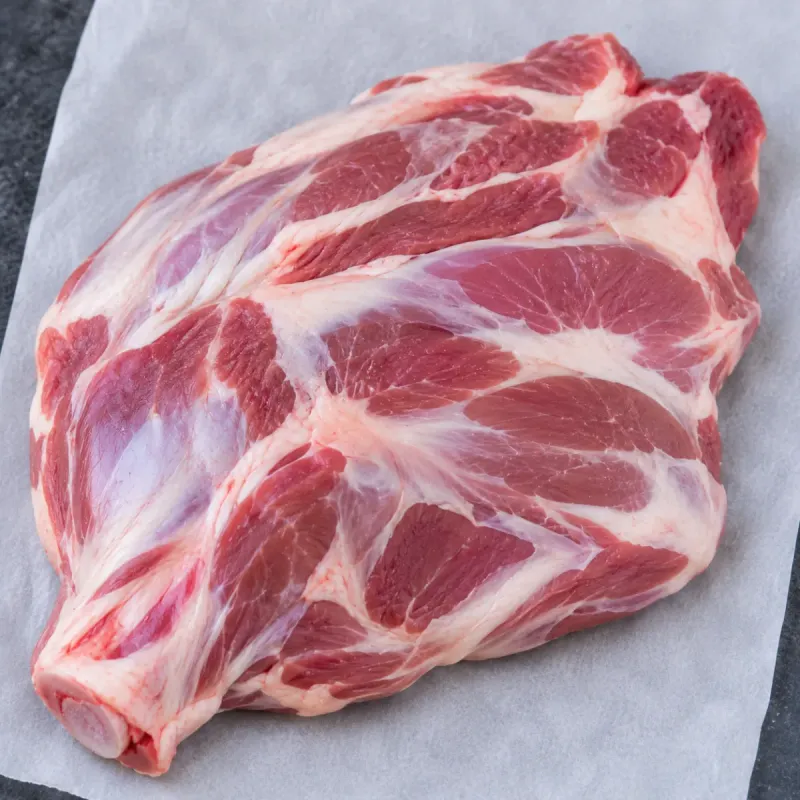
Lamb Shoulder
A flavorful cut for roasting
Lamb shoulder contains several muscles and a good amount of connective tissue, making it ideal for slow roasting, braising, and pulled lamb dishes.
- Rich marbling
- Bone-in or boneless
- Roasting and braising
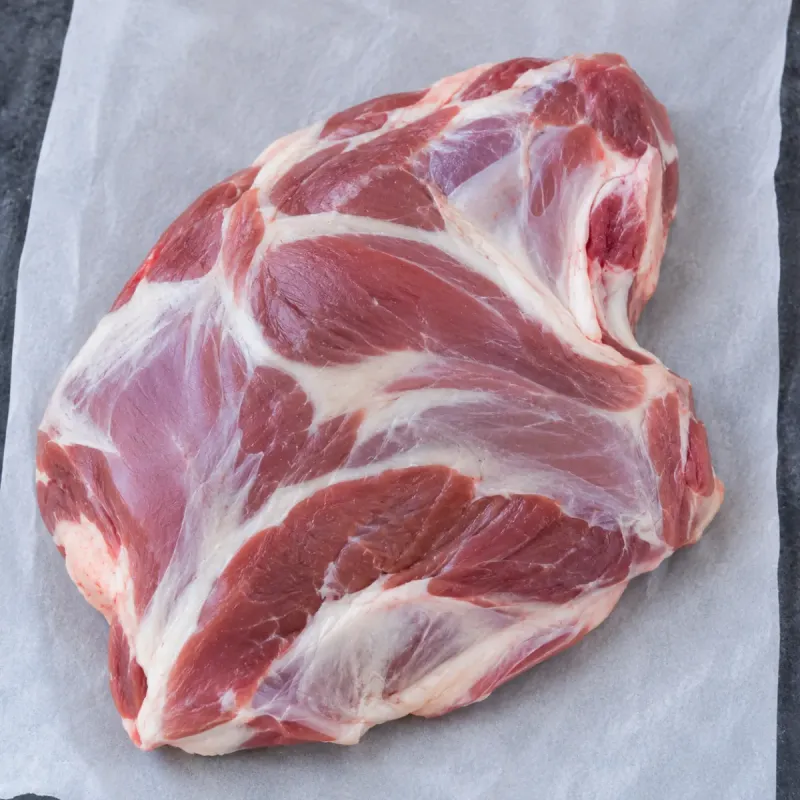
Lamb Chuck
A versatile cut with rich flavor
The chuck comes from the shoulder area and contains a combination of muscle and connective tissue. It is well suited to slow roasting and braising.
- Shoulder section
- Well-marbled portions
- Slow cooking
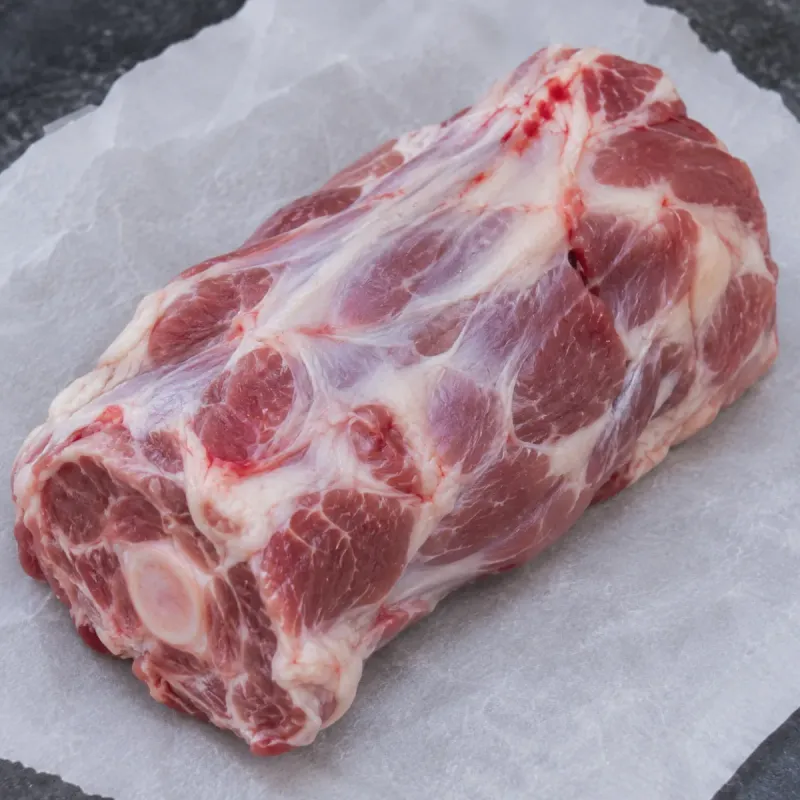
Lamb Neck
A rich cut for slow cooking
Lamb neck contains connective tissue and flavorful meat that becomes tender when cooked slowly. It works particularly well in stews, braises, and hearty dishes.
- Rich flavor
- Connective tissue
- Stews and braises
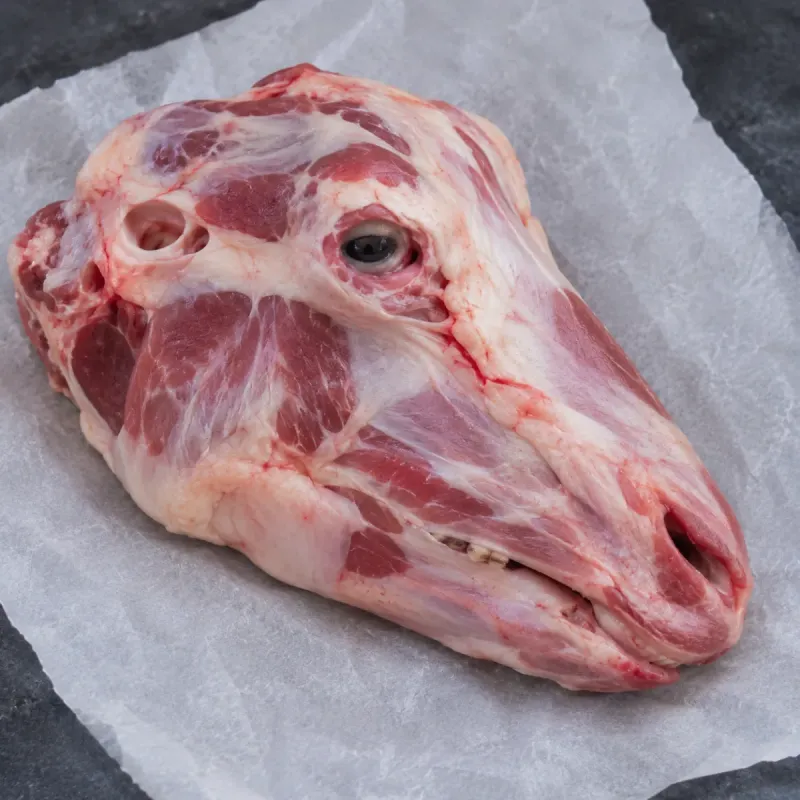
Lamb Head
The head of the lamb
Lamb head is a traditional cut used in various cuisines. Depending on the preparation, it can be slow-cooked, roasted, or used in regional dishes.
- Head meat
- Traditional cooking
- Slow cooking
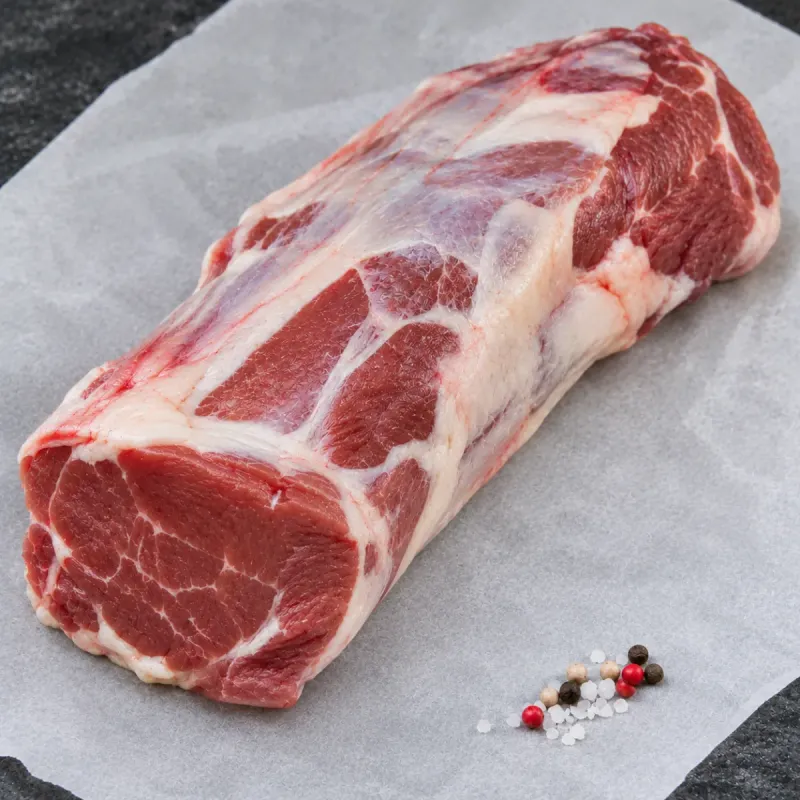
Lamb Sirloin
A tender section near the hindquarters
Lamb sirloin comes from the area between the loin and leg. It offers a balance of tenderness and flavor and can be grilled, roasted, or pan-seared.
- Rear back section
- Tender texture
- Grilling and roasting
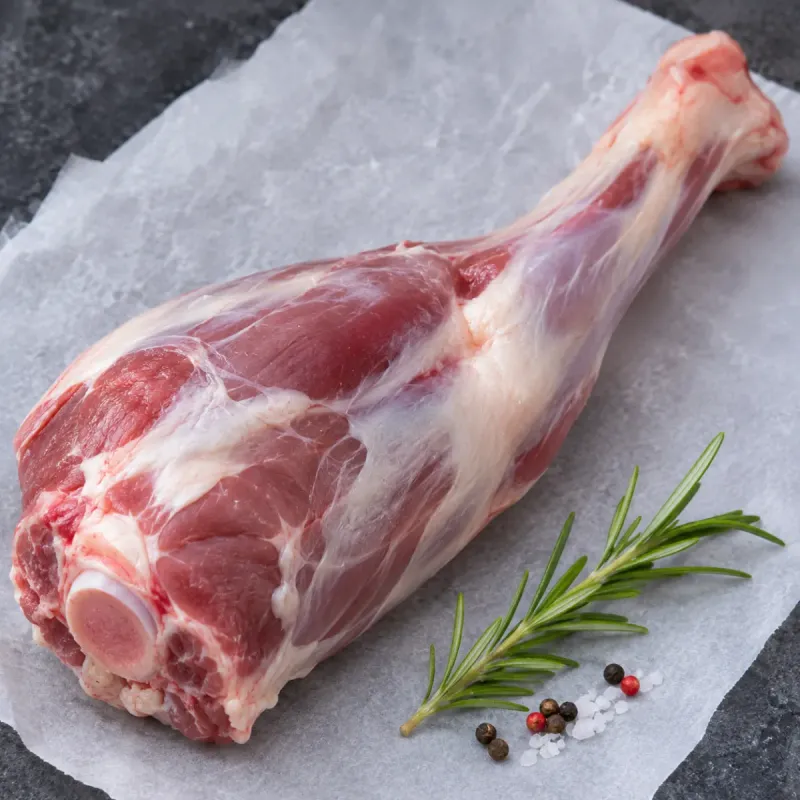
Lamb Hind Shank
A rich cut from the lower back leg
The hind shank comes from the lower rear leg and contains connective tissue that softens during slow, moist cooking. It is a popular choice for braised lamb dishes.
- Lower rear leg
- Rich connective tissue
- Slow braising

Lamb Rump
A flavorful cut from the hindquarters
Lamb rump comes from the upper rear section near the leg. It has a balance of lean meat and fat and can be roasted or cut into steaks.
- Upper hindquarters
- Lean and fatty portions
- Roasting and steaks
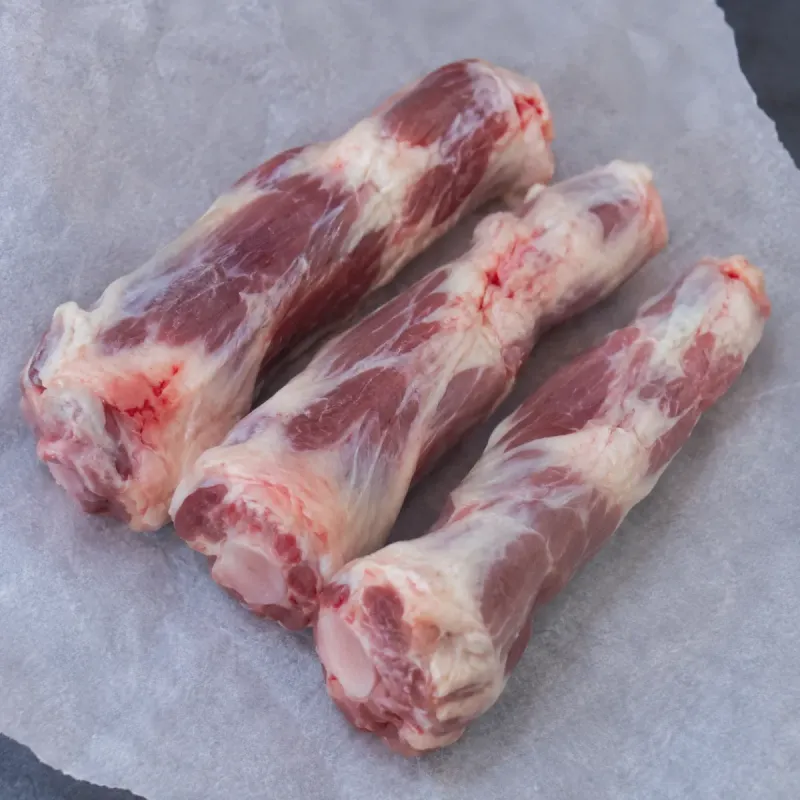
Lamb Tail
A small and distinctive lamb section
Lamb tail is a small cut that may contain fat and connective tissue. Its preparation and culinary use vary across regional food traditions.
- Small cut
- Fatty tissue
- Regional cooking
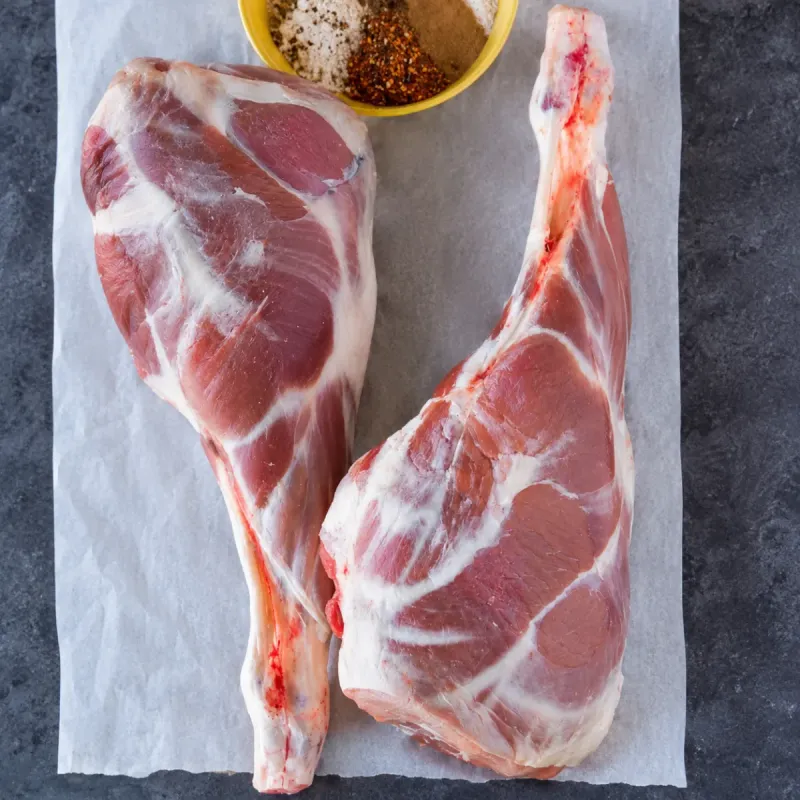
Lamb Leg
A popular cut for family meals
Lamb leg is a large, versatile cut from the hindquarters. It can be roasted whole, boned and rolled, or divided into smaller steaks and portions.
- Hindquarter cut
- Bone-in or boneless
- Roasting and grilling