

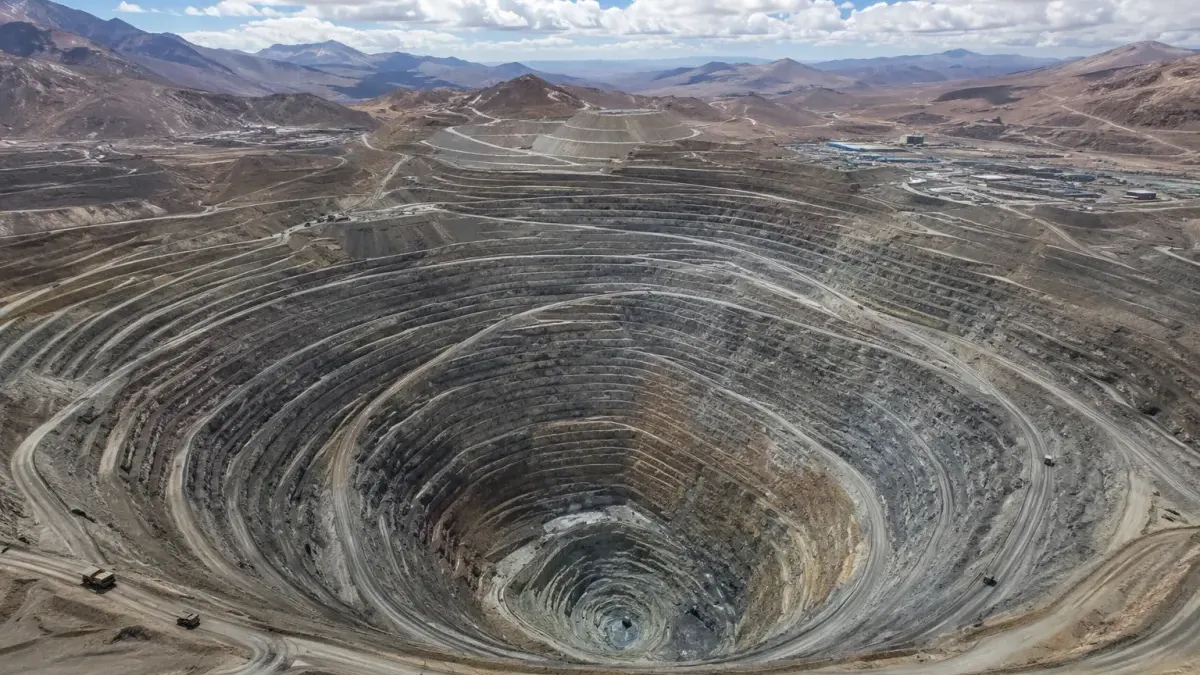
How Is a Mine Discovered?
Every mine begins with a search for hidden mineral deposits beneath the Earth's surface. The journey from discovery to production typically follows five major stages: exploration, drilling, evaluation, construction, and extraction.
Exploration
Geologists use geological mapping, geophysical surveys, geochemical testing, drones, satellite imagery, and GPS technology to identify unusual patterns in rocks and soil that may indicate valuable mineral deposits.
Core Drilling
The most important exploration tool is core drilling. Diamond-tipped drill bits extract cylindrical rock samples from deep underground, sometimes reaching depths of several thousand meters. These samples reveal whether a deposit is large enough and rich enough to justify mining.
Feasibility Studies
Before construction begins, mining companies conduct years of economic, environmental, and engineering studies. This stage often lasts between three and fourteen years.
A High-Risk Industry
Fewer than 1% of exploration projects ever become operating mines, making mining one of the highest-risk industries in the world.
Read More

How Long Does a Mine Last?
The lifespan of a mine depends on the size of its reserves, commodity prices, and available mining technology.
Some operations remain productive for only a few decades, while others continue operating for more than a century. New discoveries, higher metal prices, and technological advances can significantly extend a mine's life.
15 of the Largest and Most Extraordinary Mines in the World
1. Escondida Mine, Chile
Primary Mineral: Copper
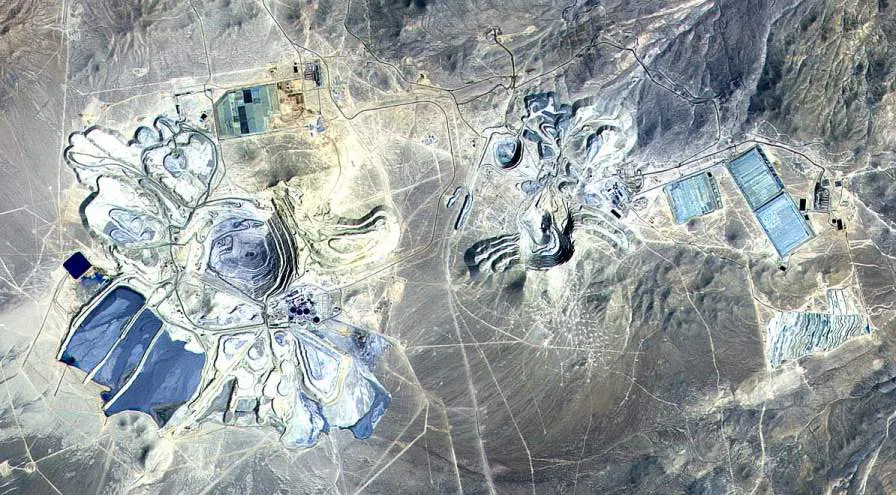
Located in Chile's Atacama Desert, Escondida is the world's largest copper mine. The open pit stretches nearly 4 kilometers long and more than 2.5 kilometers wide. It supplies roughly 5% of global copper production, making it one of the most important industrial sites on the planet.
Why It Matters
The copper produced here is used in power grids, electric vehicles, electronics, and renewable energy infrastructure worldwide.
2. Bingham Canyon Mine, USA
Primary Mineral: Copper
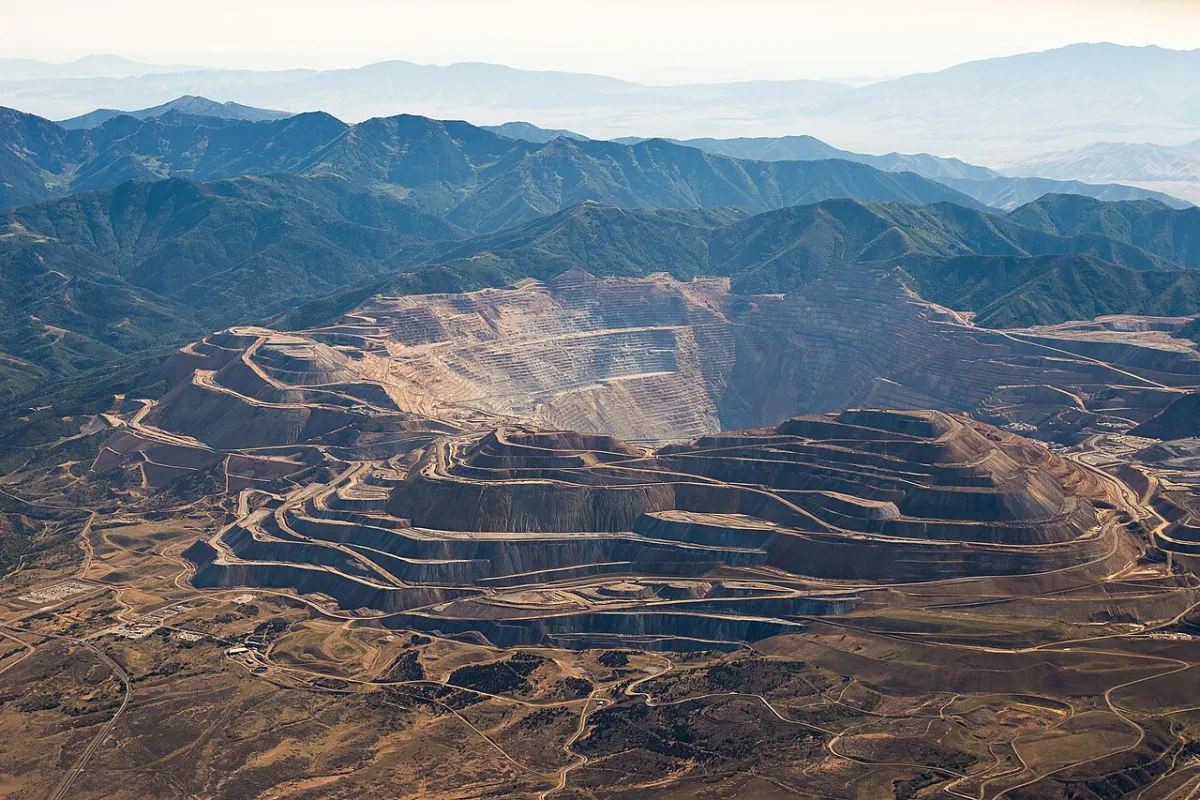
Often called the Kennecott Mine, Bingham Canyon is the largest man-made excavation on Earth by volume. The pit measures approximately 4 kilometers across and more than 1.2 kilometers deep.
Incredible Fact
The mine is so large that it can be identified from space under favorable conditions.
3. Grasberg Mine, Indonesia
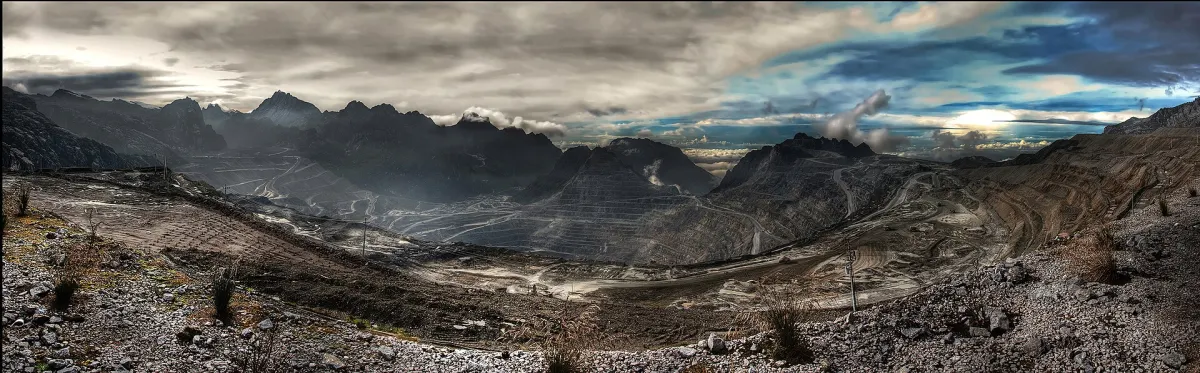
Primary Minerals: Copper and Gold
Situated at an elevation of over 4,200 meters in Papua, Grasberg is one of the richest mineral deposits ever discovered. The operation includes both open-pit and underground mining systems and employs thousands of workers.
Incredible Fact
Grasberg contains some of the highest-grade copper and gold reserves ever mined.
4. Muruntau Mine, Uzbekistan
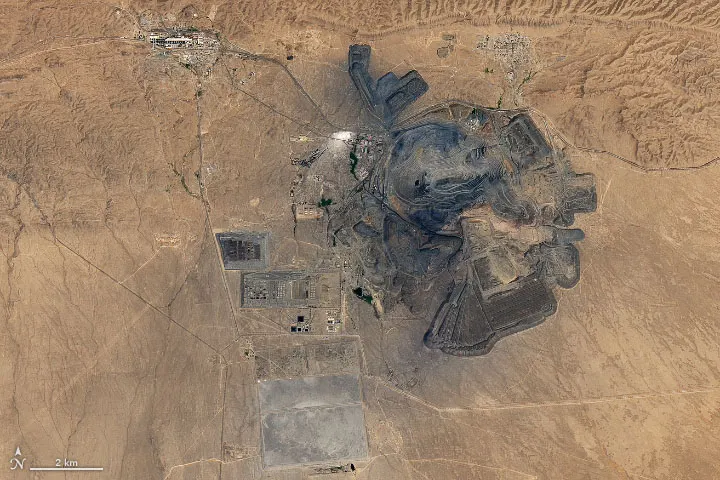
Primary Mineral: Gold
Muruntau is widely regarded as the largest open-pit gold mine on Earth. Located in the remote Kyzylkum Desert, the pit extends roughly 5.5 kilometers long and 3.5 kilometers wide.
Incredible Fact
Annual gold production exceeds one and a half million ounces.
5. Nevada Gold Mines, USA
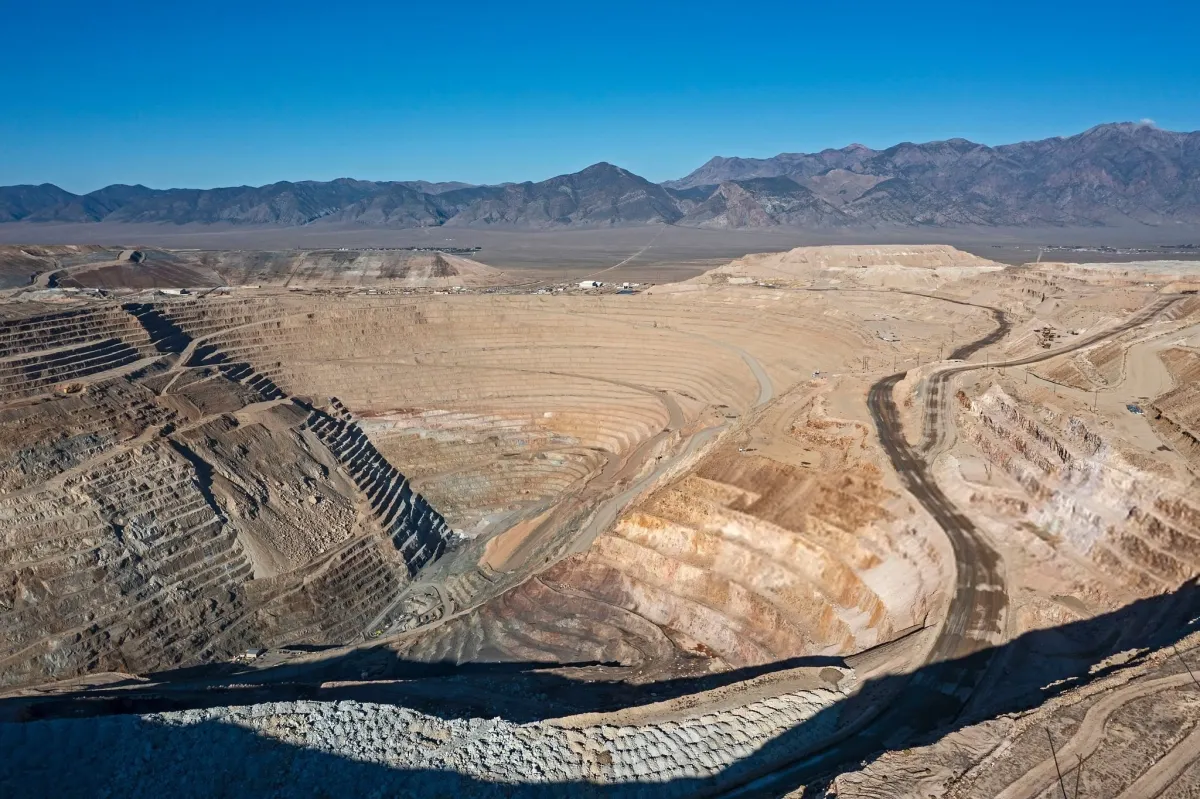
Primary Mineral: Gold
Created through a partnership between Barrick and Newmont, Nevada Gold Mines combines multiple open-pit and underground operations into a single giant mining complex.
Incredible Fact
It remains one of the largest gold-producing mining systems in the world.
6. Carajás Mine, Brazil
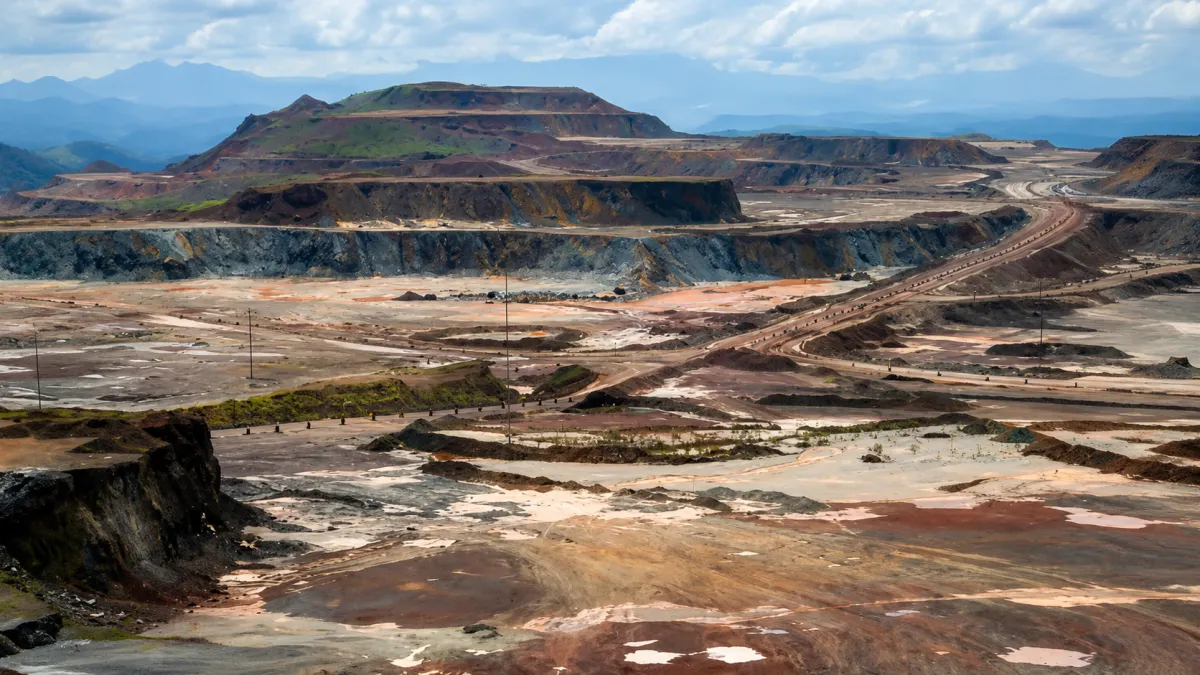
Primary Mineral: Iron Ore
Carajás contains one of the largest known iron ore reserves on the planet, estimated at more than 7 billion tonnes.
Incredible Fact
The ore quality is so high that it is among the most sought-after iron ore deposits globally.
7. Chuquicamata Mine, Chile
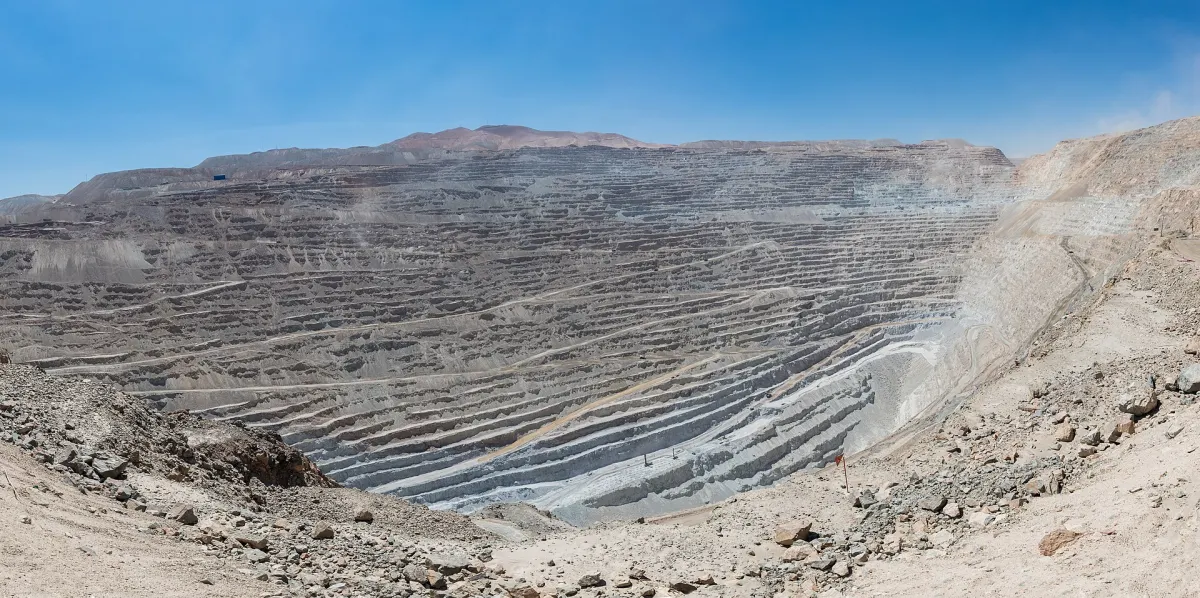
Primary Mineral: Copper
Chuquicamata is one of the deepest open-pit mines ever developed, exceeding 850 meters in depth.
Incredible Fact
A major underground expansion is expected to keep the operation productive for decades to come.
8. Olimpiada Mine, Russia
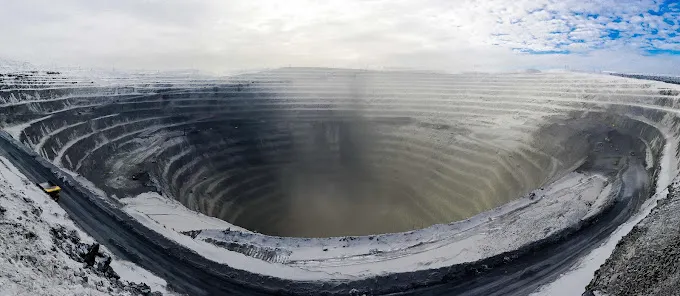
Primary Mineral: Gold
This mine contains refractory gold ore, meaning the gold is trapped inside sulfide minerals and cannot be recovered using conventional processing methods.
Incredible Fact
Specialized bio-oxidation technology uses billions of microorganisms to help unlock the gold.
9. Mponeng Mine, South Africa
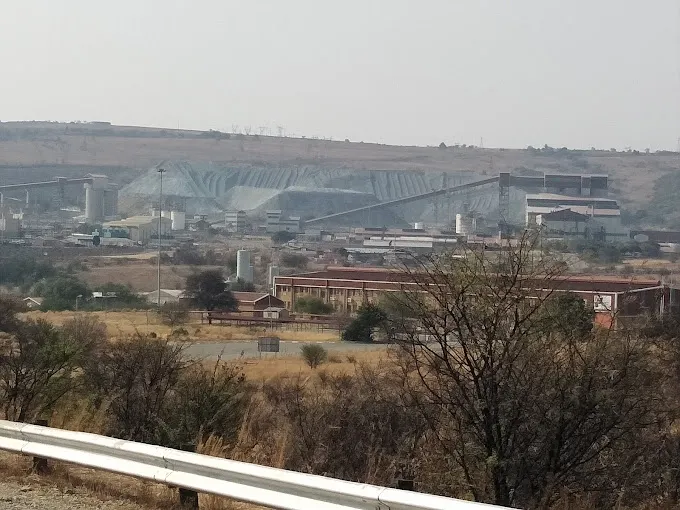
Primary Mineral: Gold
Mponeng is the deepest operating mine in the world, extending more than 4 kilometers beneath the surface.
Incredible Fact
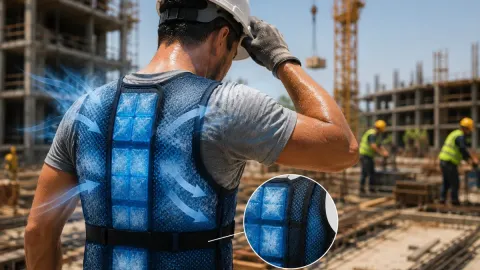
Rock temperatures can exceed 60°C (140°F), requiring massive cooling systems to make underground work possible.
10. Simandou Project, Guinea
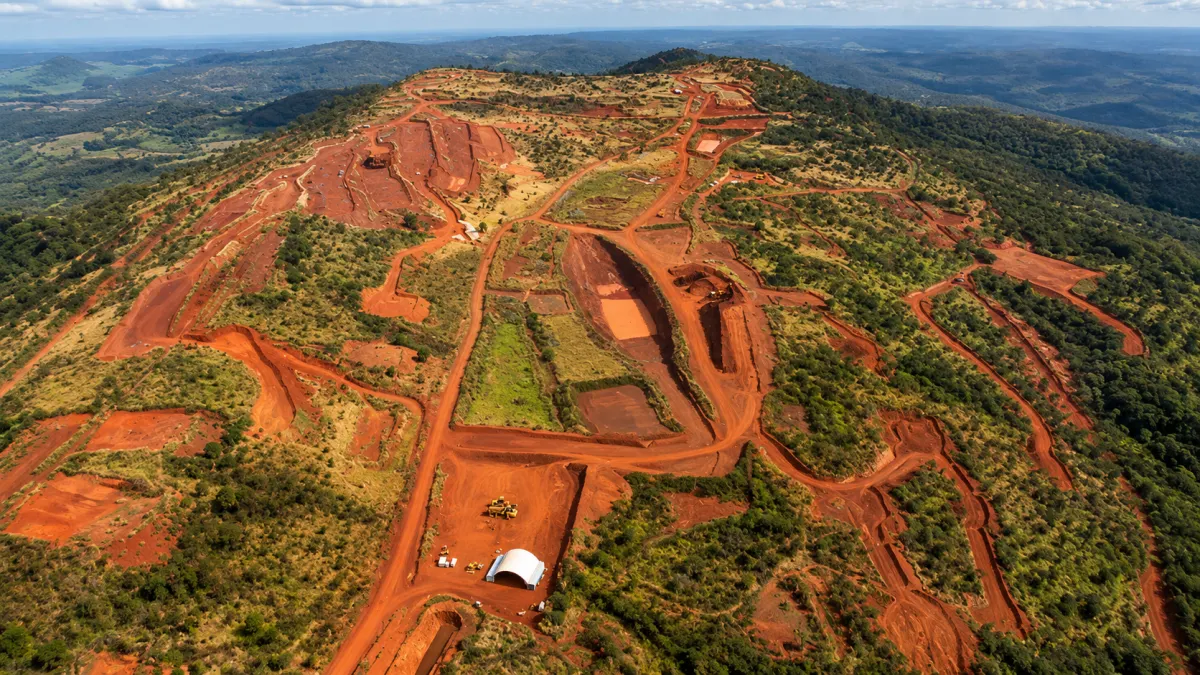
Primary Mineral: High-Grade Iron Ore
Simandou is considered one of the most important undeveloped iron ore deposits ever discovered.
Incredible Fact
Developing the project required hundreds of kilometers of railway and major port infrastructure.
11. Morenci Mine, USA
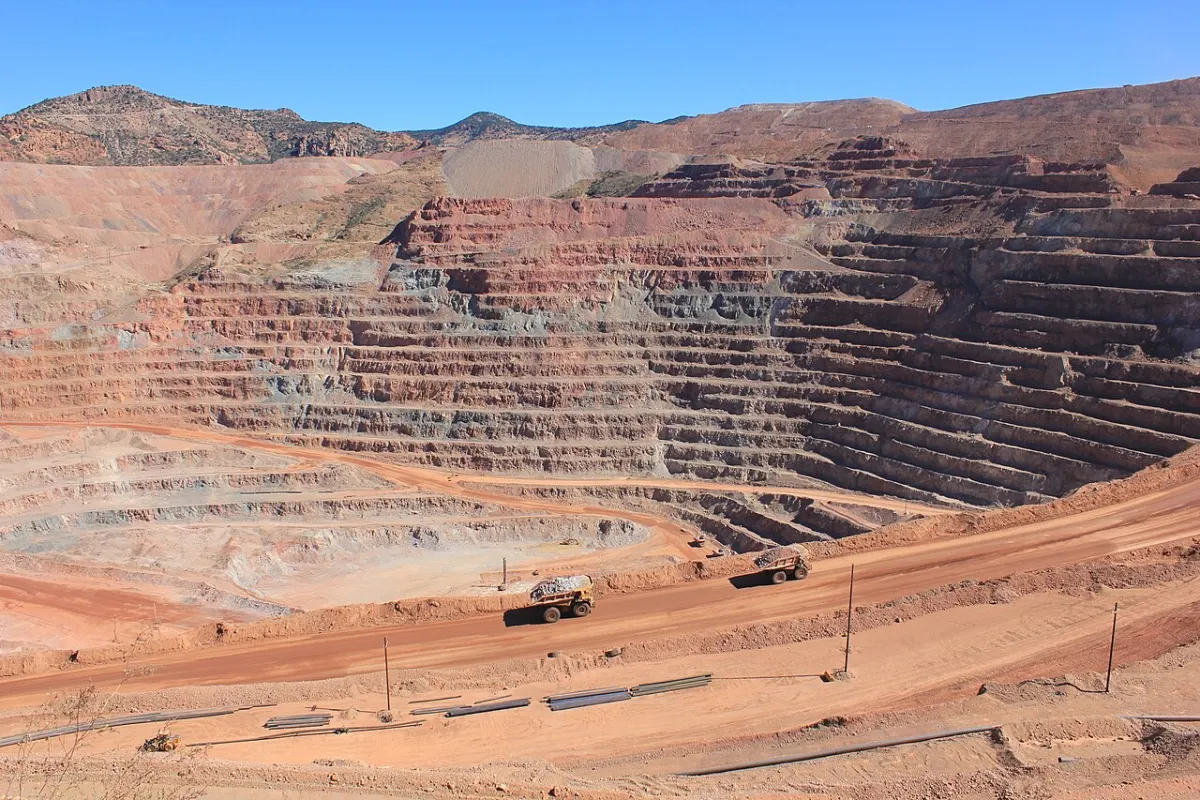
Primary Mineral: Copper
Morenci is the largest copper producer in North America and has been operating in various forms since the nineteenth century.
12. Goldstrike Mine, USA
Primary Mineral: Gold
Goldstrike has produced tens of millions of ounces of gold and remains one of the most significant mining operations in North America.
13. Kiruna Mine, Sweden
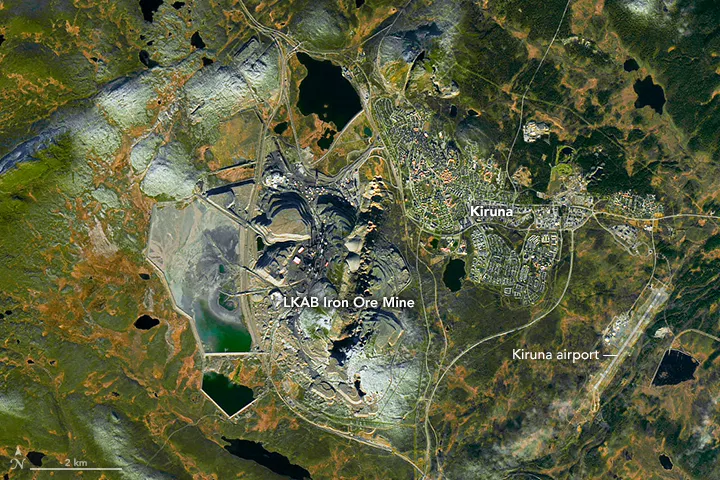
Primary Mineral: Iron Ore
Kiruna is the world's largest underground iron ore mine.
Incredible Fact
Mining activity has become so extensive that parts of the nearby city are being relocated.
14. Udachny Mine, Russia
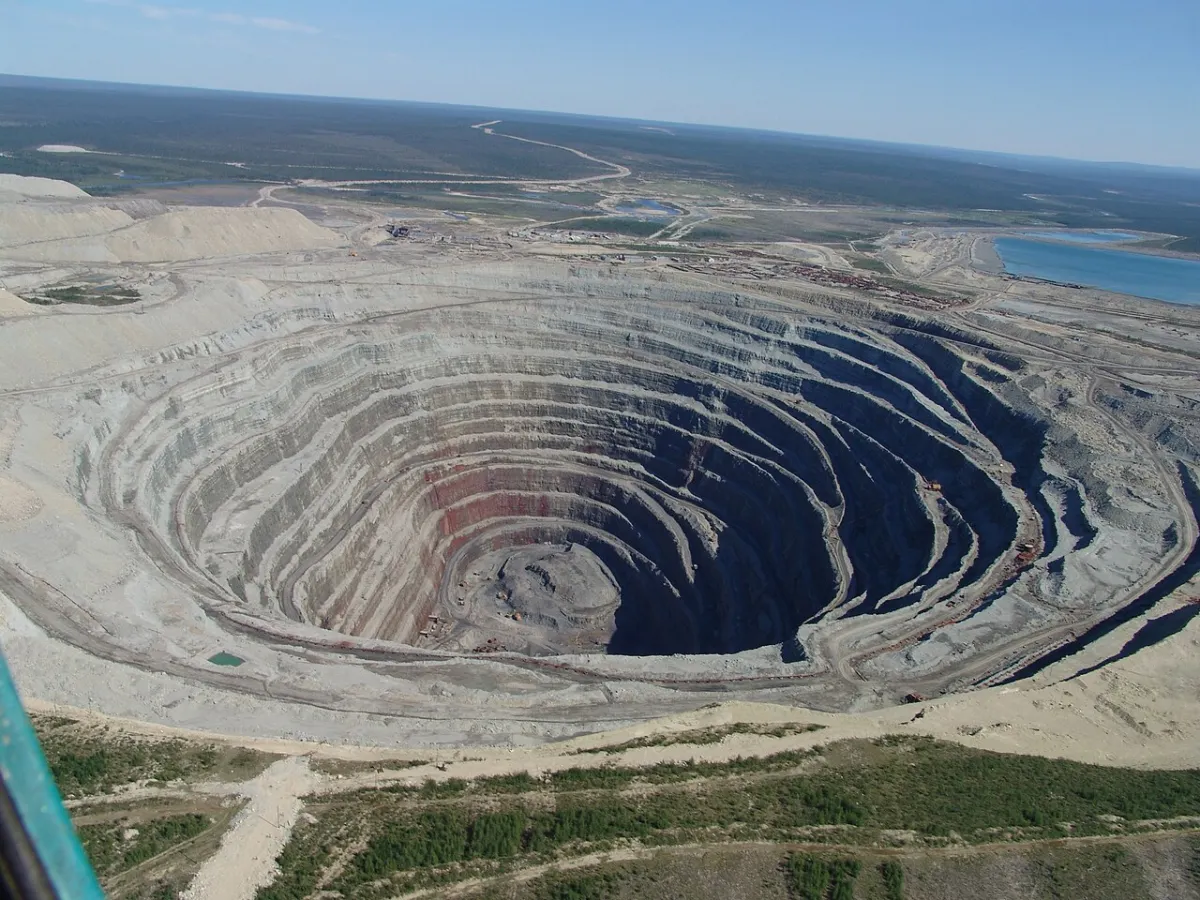
Primary Mineral: Diamonds
Located in Siberia, Udachny operates in one of the harshest climates on Earth, where winter temperatures can fall below -60°C.
15. Olympic Dam, Australia
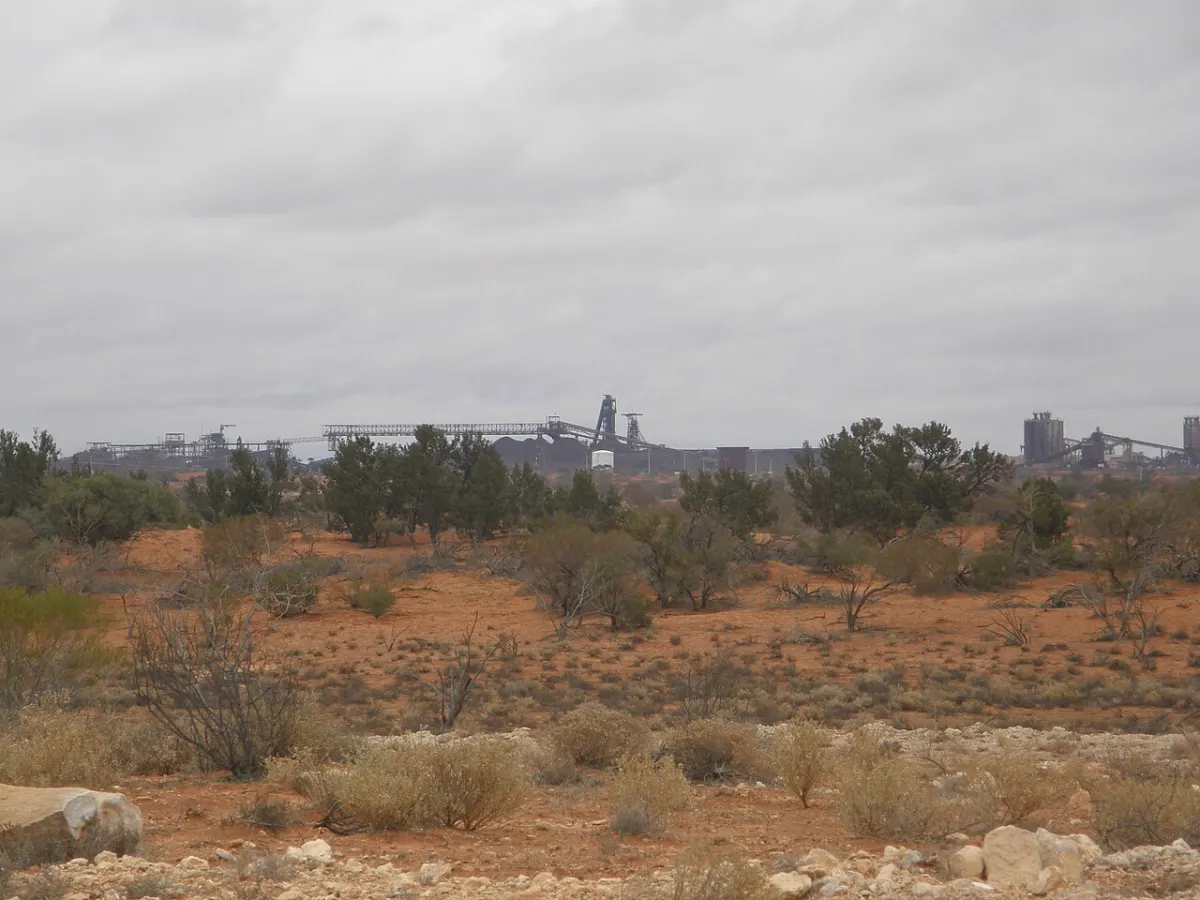
Primary Minerals: Copper, Uranium, Gold, and Silver
Olympic Dam is unique because it produces multiple strategic minerals from a single operation.
Incredible Fact
It contains the largest known uranium resource in the world.
What Causes a Mine to Close?
Most mines shut down for one of three reasons:
- The economically recoverable ore is exhausted.
- Commodity prices fall below profitable levels.
- Environmental, technical, or regulatory challenges become too costly.
However, advances in mining technology can sometimes give aging mines a second life. Converting a giant open-pit operation into an underground mine has extended the lifespan of several world-class mining projects by decades.