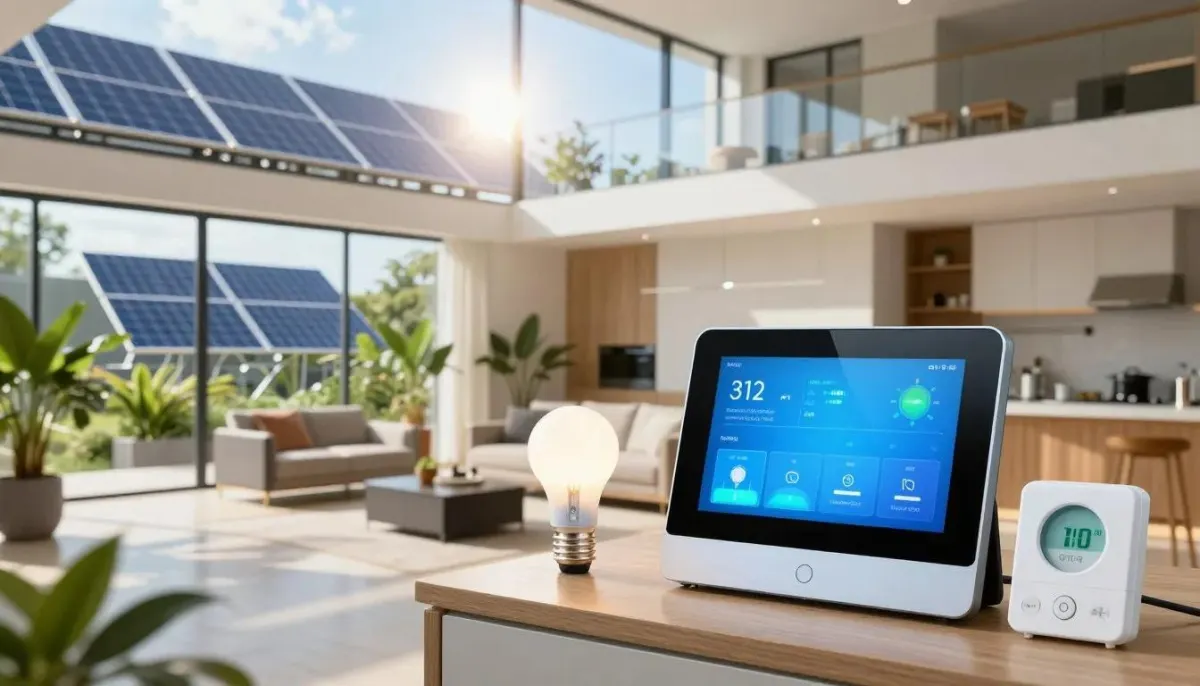

Using less energy at home can lower utility costs and reduce demand on energy systems. The best steps depend on the home, climate, equipment, and household routine, but many improvements begin with simple habits.
Make Your Home More Energy-Efficient with Simple Everyday Changes!
These eleven ideas focus on everyday actions and sensible upgrades. For electrical, heating, or building work, follow manufacturer guidance and use a qualified professional when needed.
Detailed Reviews
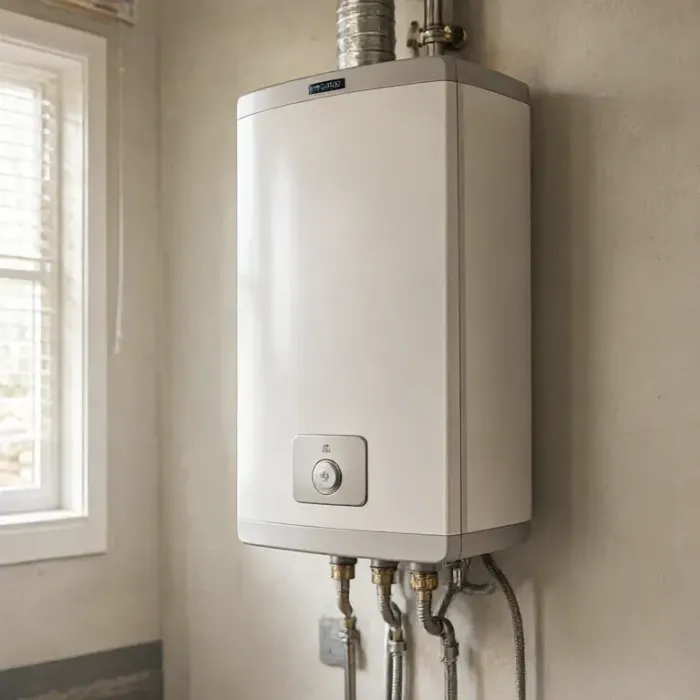
Use Hot Water More Efficiently
Reduce unnecessary hot-water use throughout the day.
Fix dripping hot-water taps, take shorter showers, and avoid unnecessary hot-water use. Always follow safety guidance when adjusting water heaters.
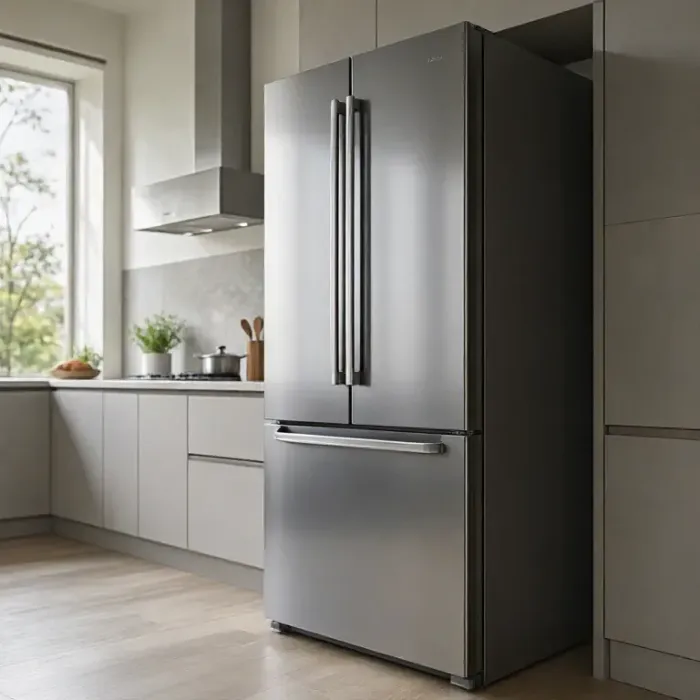
Choose Energy-Efficient Appliances
Think about long-term energy use when replacing household equipment.
Compare energy labels and running costs when replacing old appliances. Choosing the right size and efficiency level can reduce long-term electricity consumption.
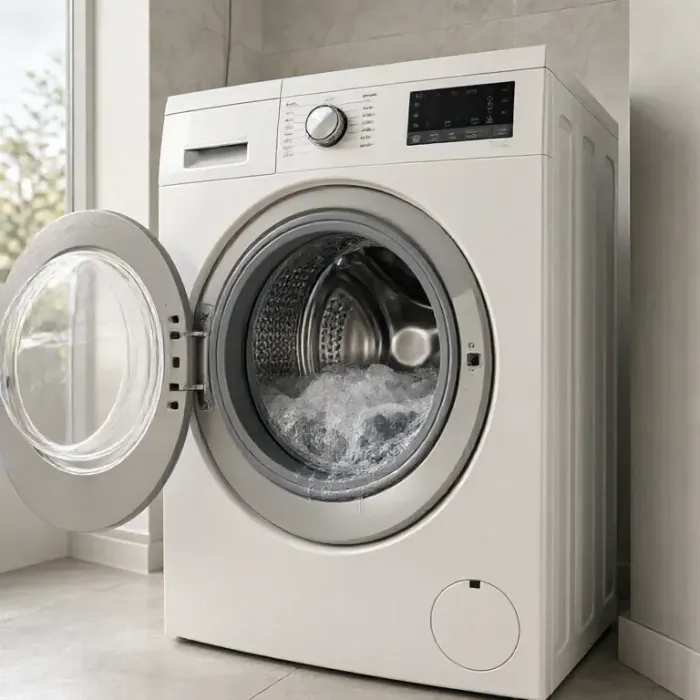
Wash Clothes More Efficiently
Get more from every laundry cycle.
Choose cold-water cycles when suitable, wash full loads, and air-dry clothes when practical. These habits can reduce laundry-related energy use.
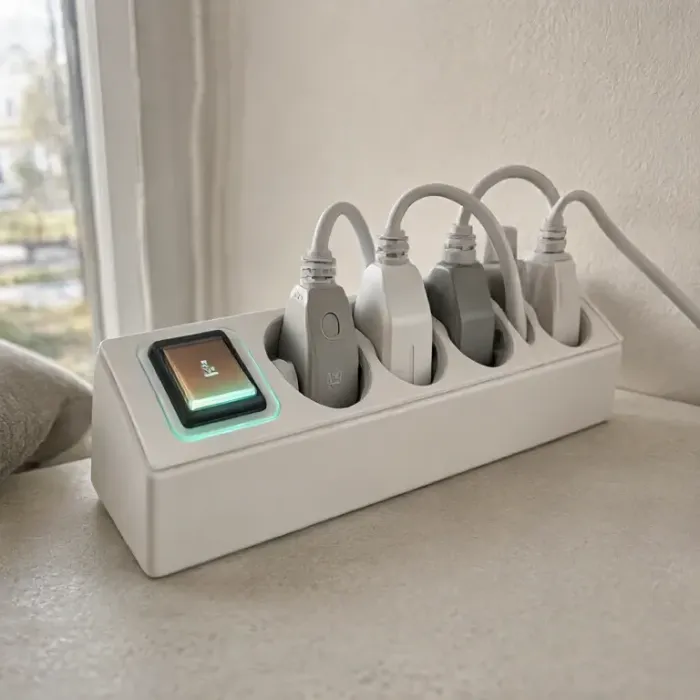
Reduce Standby Power From Electronics
Don't let unused electronics consume power unnecessarily.
Turn off unused electronics or use suitable power strips to manage them. Avoid disconnecting devices that require continuous power or safe shutdowns.
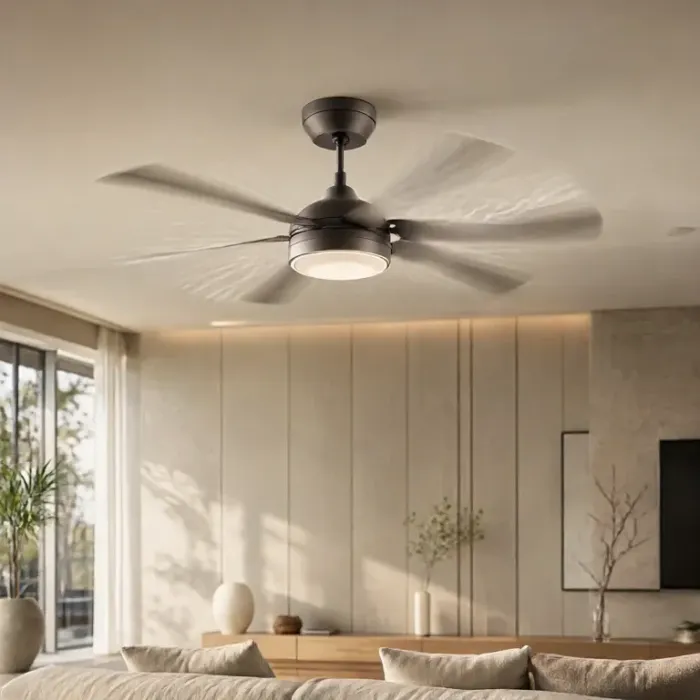
Use Fans More Efficiently
Improve comfort by moving air around occupied rooms.
Use ceiling or portable fans to improve air circulation. Switch them off when rooms are empty, since fans cool people rather than spaces.
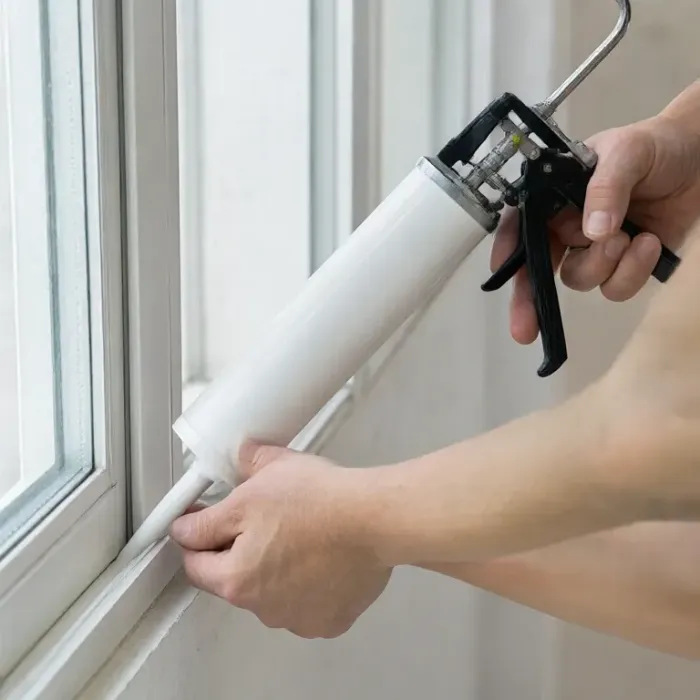
Seal Drafts Around Doors and Windows
Stop unwanted air leaks from making rooms less comfortable.
Use suitable weatherstripping or caulk to reduce air leaks. Sealing gaps helps maintain indoor temperatures and reduces unnecessary heating or cooling.
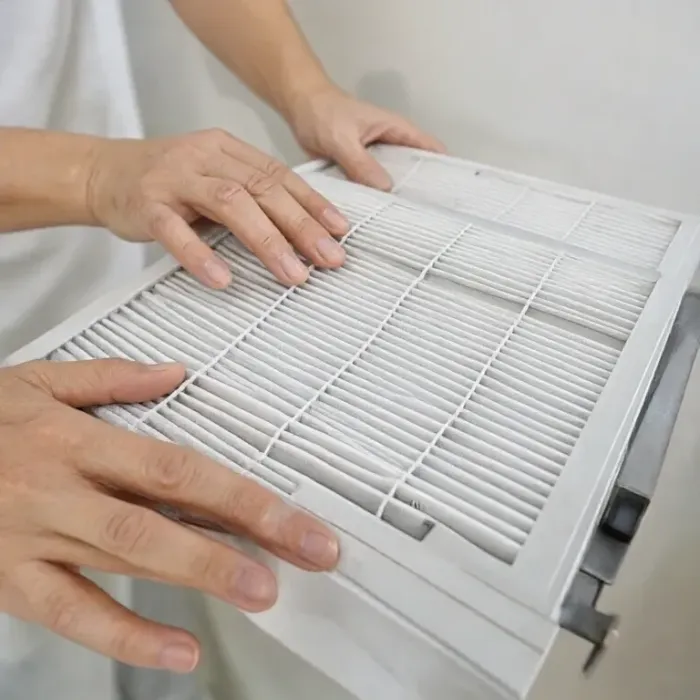
Keep Heating and Cooling Filters Clean
A little maintenance can help your system work properly.
Check your system's filters regularly and clean or replace them as recommended. Clean filters support better airflow and efficient operation.
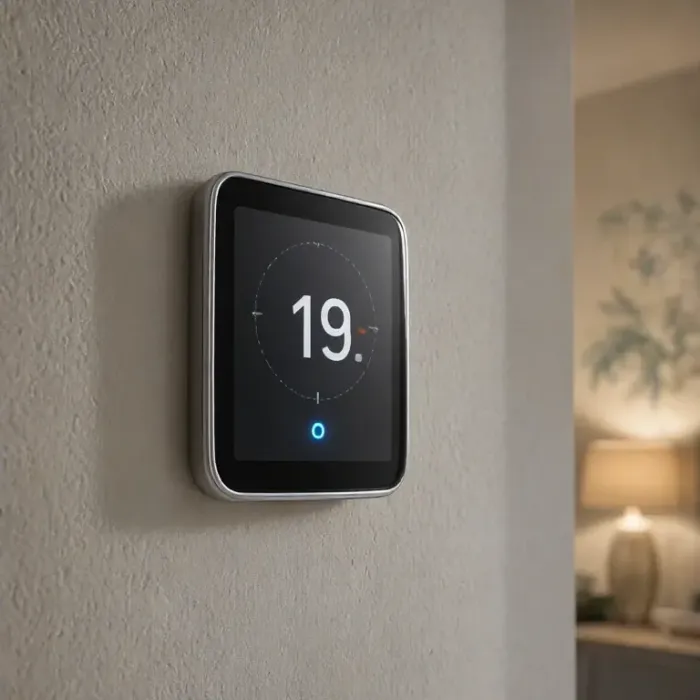
Adjust Heating and Cooling Settings
Keep your home comfortable without heating or cooling unnecessarily.
Set your thermostat according to your daily routine. Programmable controls can help avoid unnecessary heating or cooling while keeping your home comfortable.
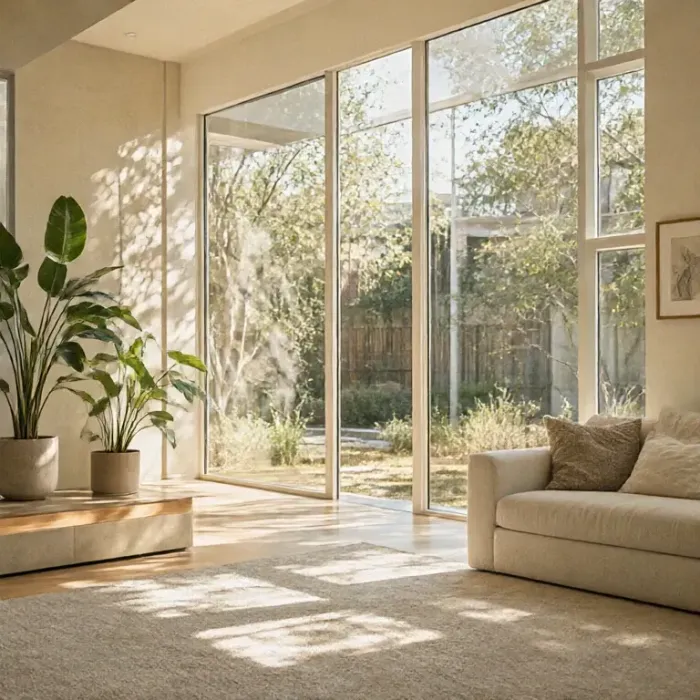
Make the Most of Natural Daylight
Let sunlight brighten your rooms whenever possible
Open curtains during the day to brighten your rooms naturally. In summer, use blinds to prevent excessive indoor heat.
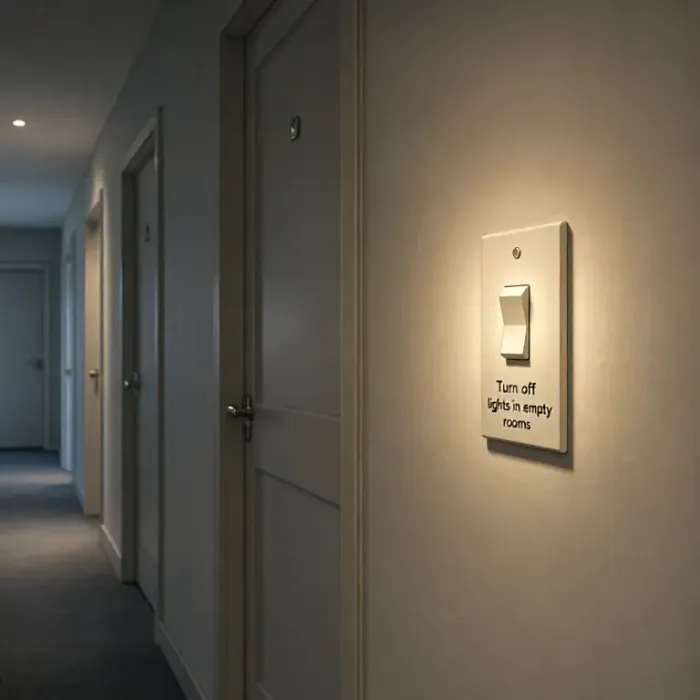
Turn Off Lights in Empty Rooms
Make switching off the lights part of your daily routine
Switch off lights whenever you leave a room. This simple habit prevents unnecessary electricity use and helps reduce household energy consumption.
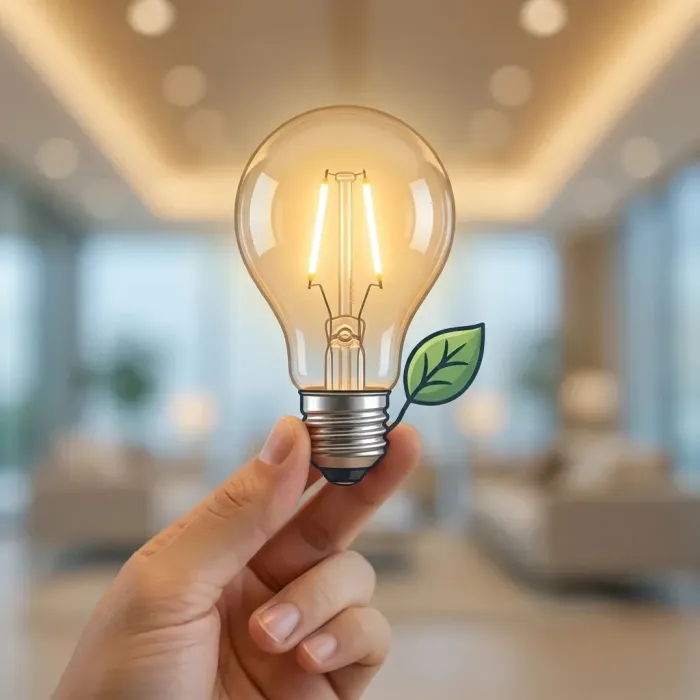
Switch to LED Lighting
A simple lighting upgrade can make a noticeable difference
Replace traditional bulbs with energy-efficient LEDs. They use less electricity, last longer, and come in different brightness levels to suit every room.