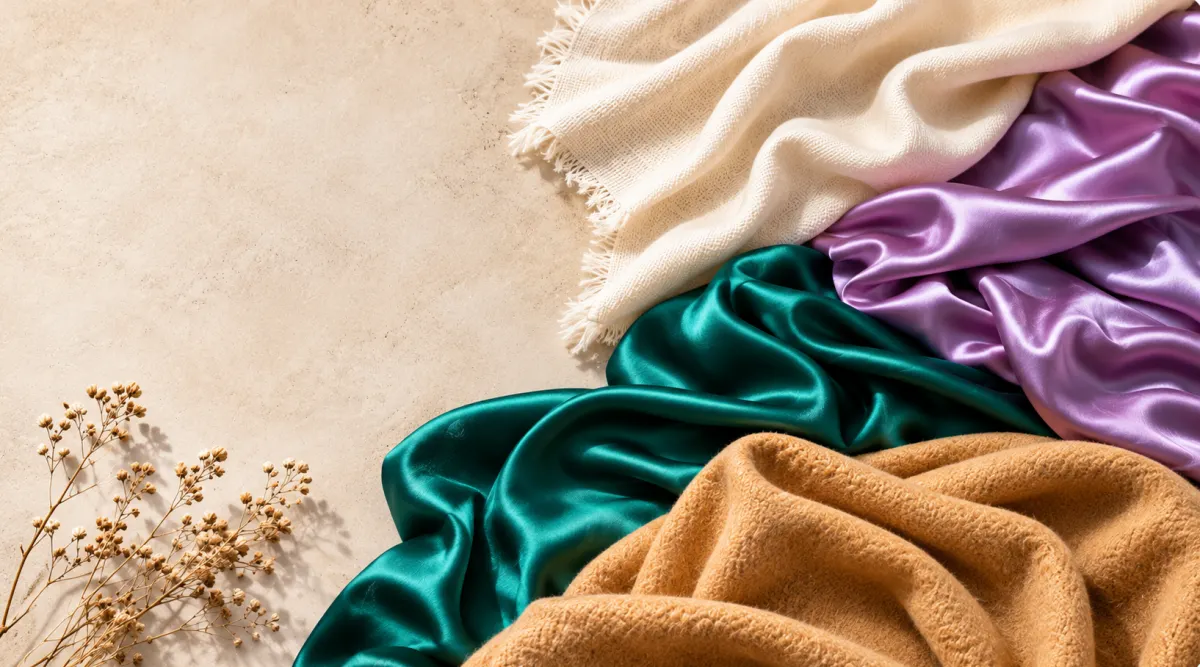

Fabrics play an important role in everyday life, from the clothes we wear to the furniture and accessories we use at home. But not all fabrics are made the same way. Some are lightweight and breathable, while others are thick, stretchy, durable, or designed to keep you warm.
Understanding the different types of fabric can help you choose the right material for clothing, sewing projects, and home décor. Whether you're looking for breathable cotton, luxurious silk, durable denim, or cozy wool, each fabric has its own characteristics and practical uses.
Here's a closer look at 25 common types of fabric, including their features and where they're most often used.
25 Different Types of Fabric and Their Uses
1. Cotton Fabric
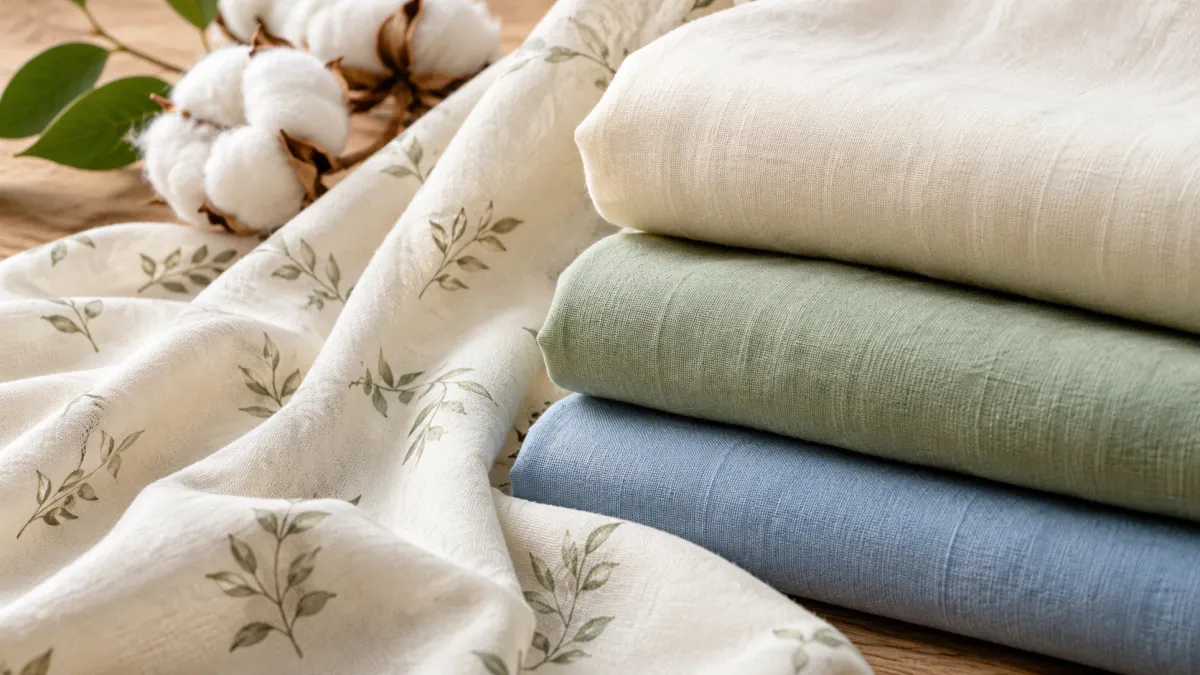
Cotton is a natural fabric made from the fibers of the cotton plant. It's soft, breathable, and absorbs moisture well, making it comfortable for everyday use. Cotton is commonly used for T-shirts, underwear, casual shirts, bedding, and summer clothing.
2. Polyester Fabric
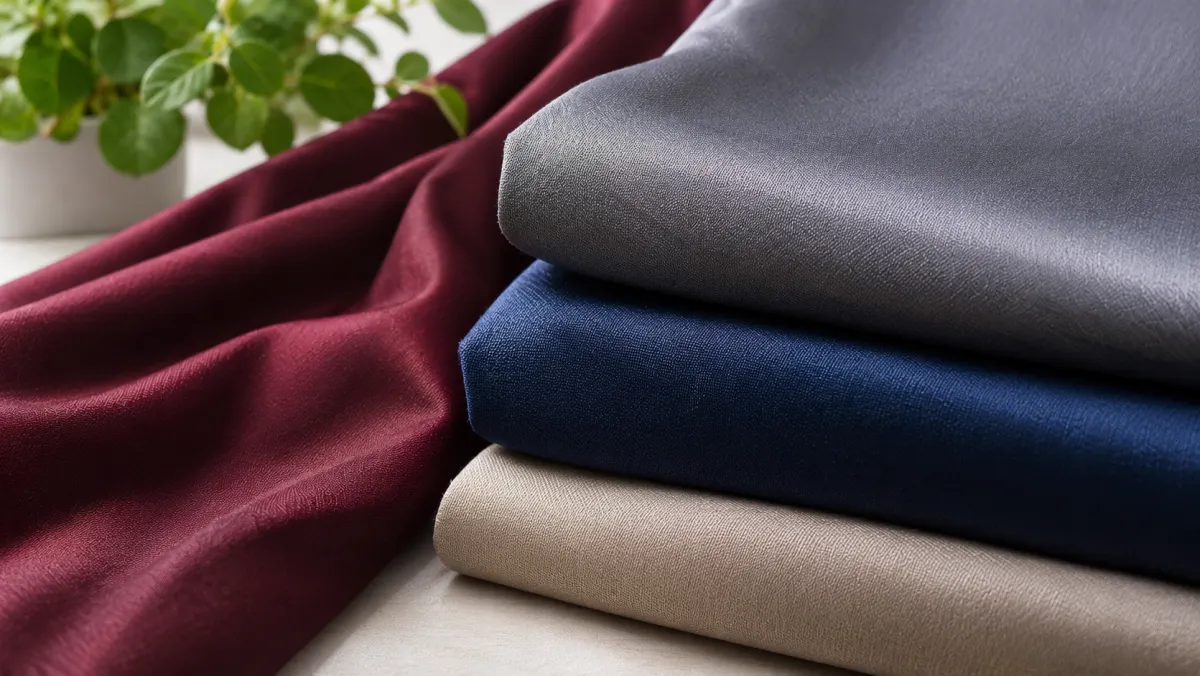
Polyester is a synthetic fabric known for its durability, wrinkle resistance, and quick-drying properties. It holds its shape well and requires relatively little maintenance. Common uses include sportswear, jackets, curtains, and everyday clothing.
3. Denim Fabric
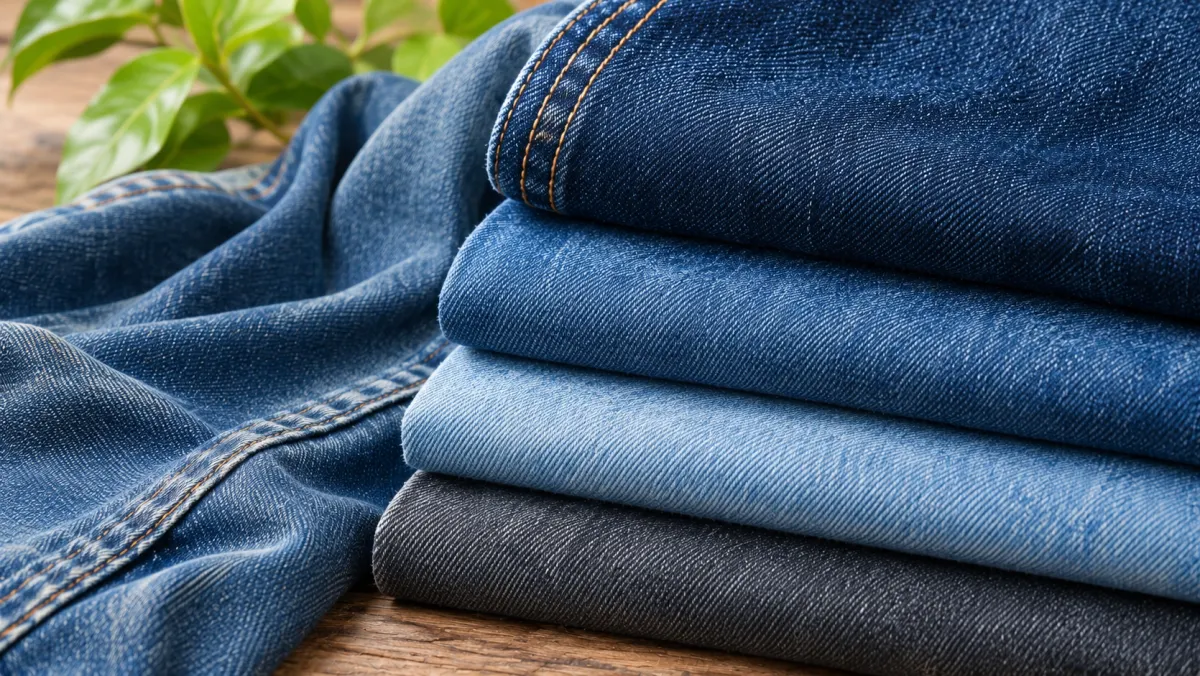
Denim is a durable cotton fabric made with a distinctive twill weave. Its strength and casual appearance make it a popular choice for jeans, jackets, shirts, skirts, and other everyday clothing.
4. Wool Fabric
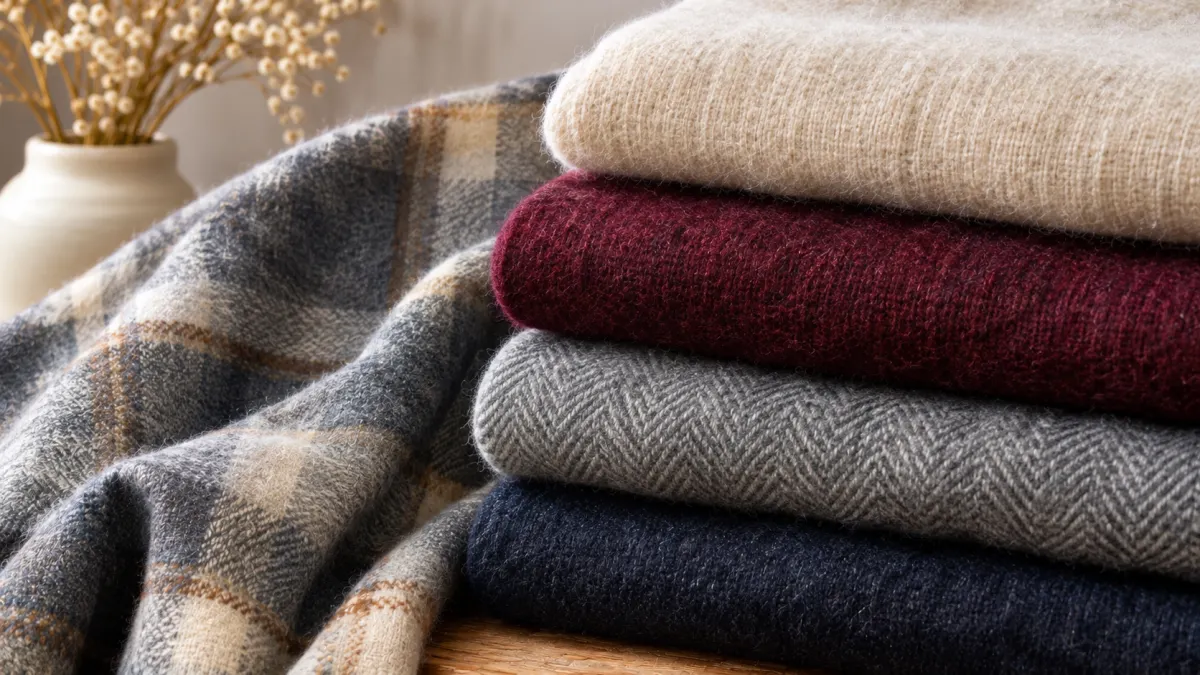
Wool is a natural fiber most commonly obtained from sheep. It's valued for its ability to retain heat while remaining breathable. Wool is widely used in sweaters, winter coats, scarves, blankets, and other cold-weather clothing.
5. Silk Fabric
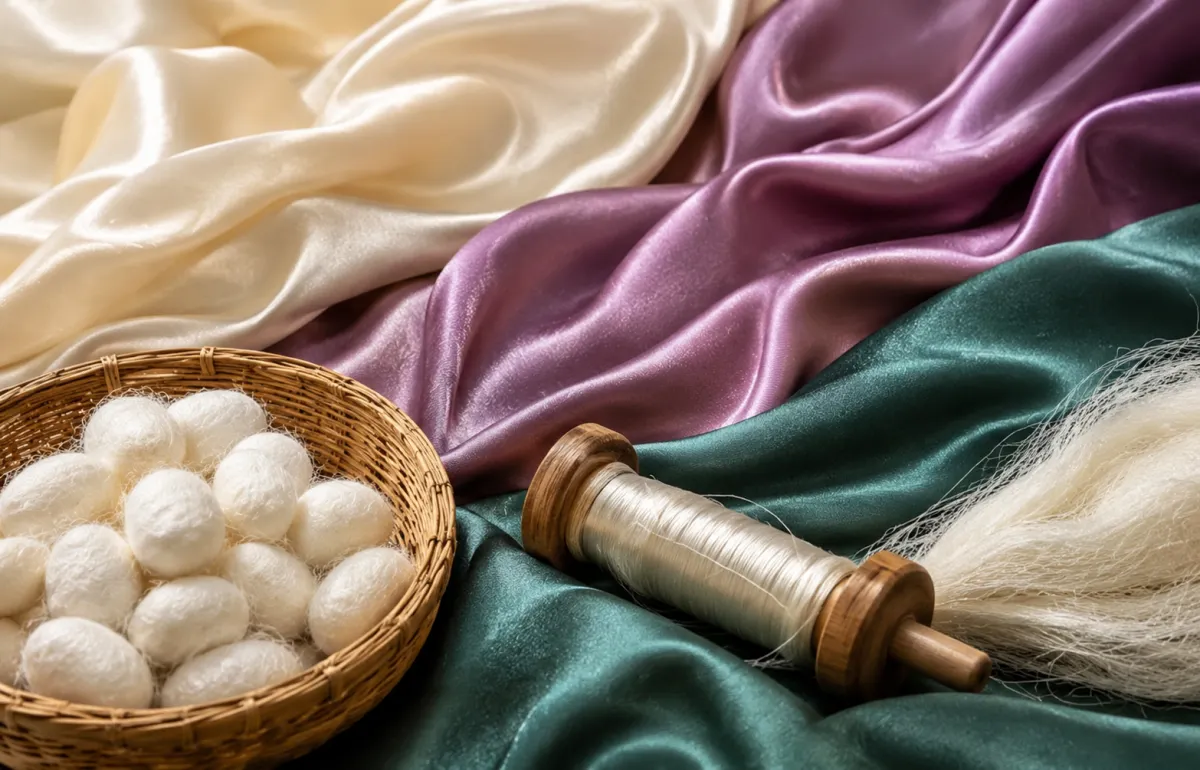
Silk is a natural protein fiber produced by silkworms. It has a smooth texture, a natural sheen, and a lightweight feel. It's often used for luxury clothing, evening dresses, scarves, sleepwear, and decorative bedding.
6. Linen Fabric
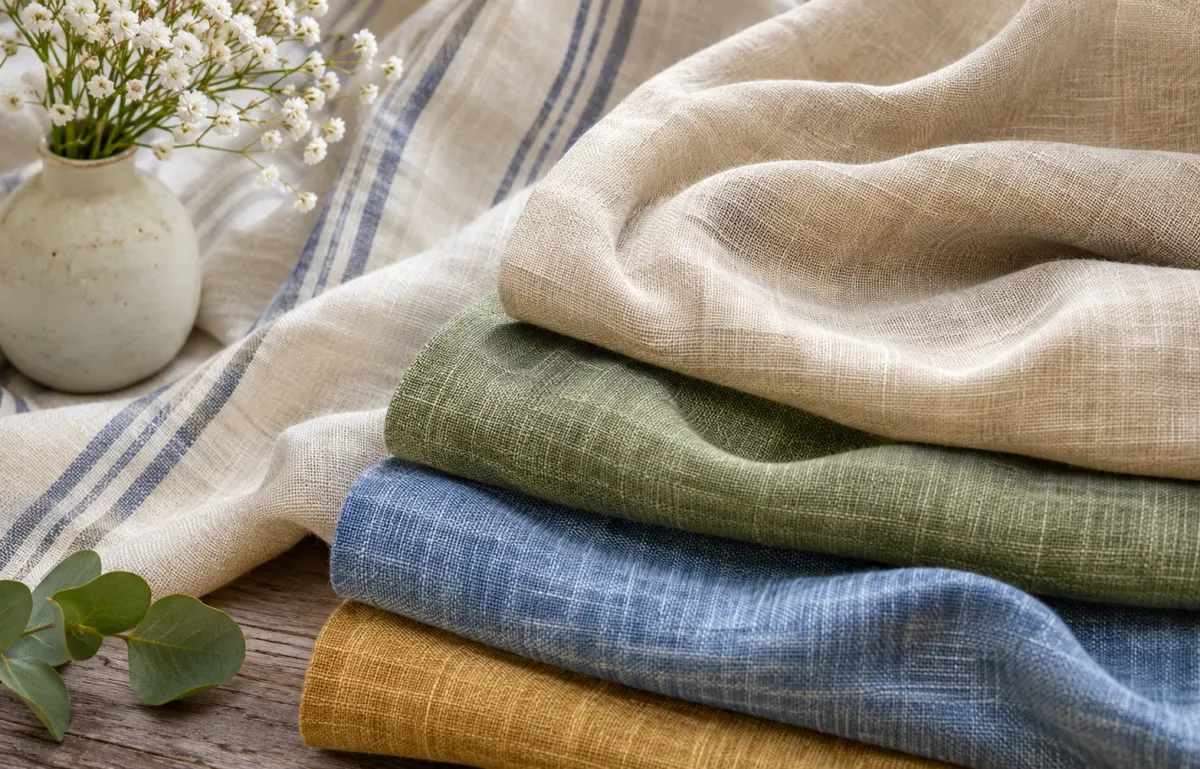
Linen is made from the fibers of the flax plant. It's lightweight, breathable, and absorbs moisture, making it particularly suitable for warm weather. Linen is commonly used for summer shirts, trousers, dresses, tablecloths, and bedding.
7. Leather Fabric
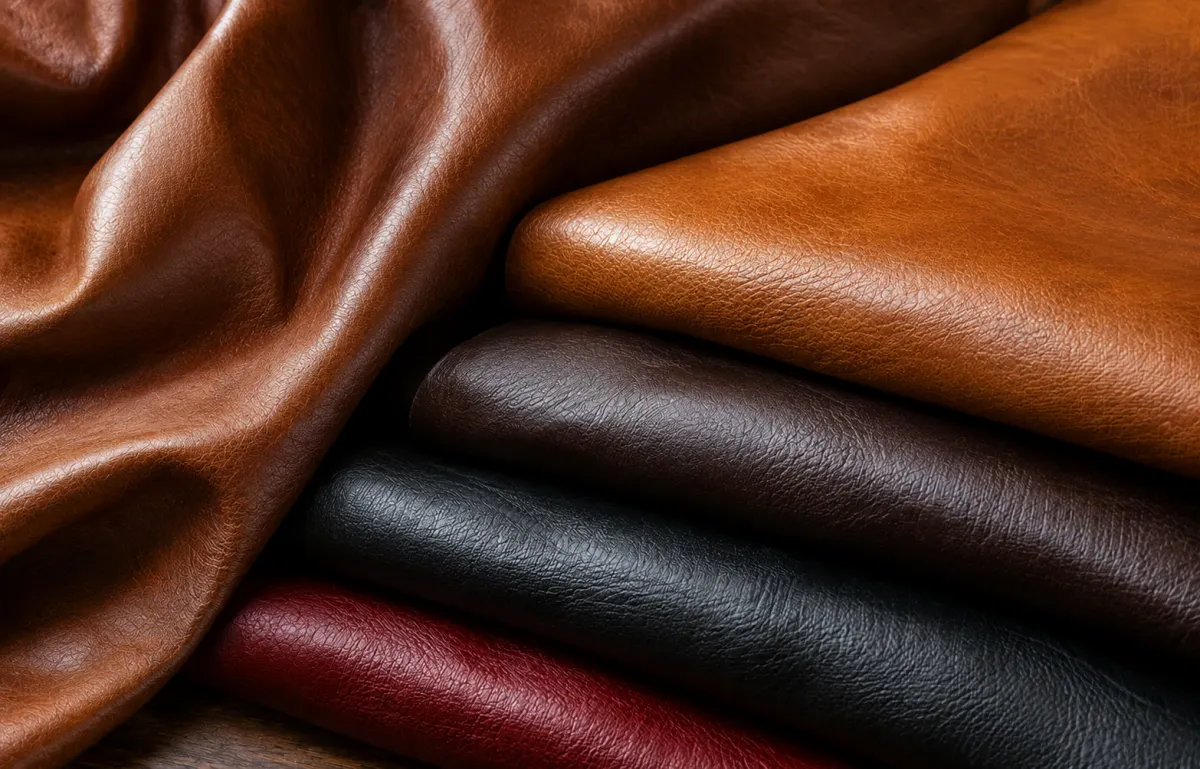
Leather is made from processed animal hides rather than woven fibers. It's known for its durability, distinctive texture, and long-lasting quality. Common applications include jackets, shoes, handbags, belts, and furniture upholstery.
8. Nylon Fabric
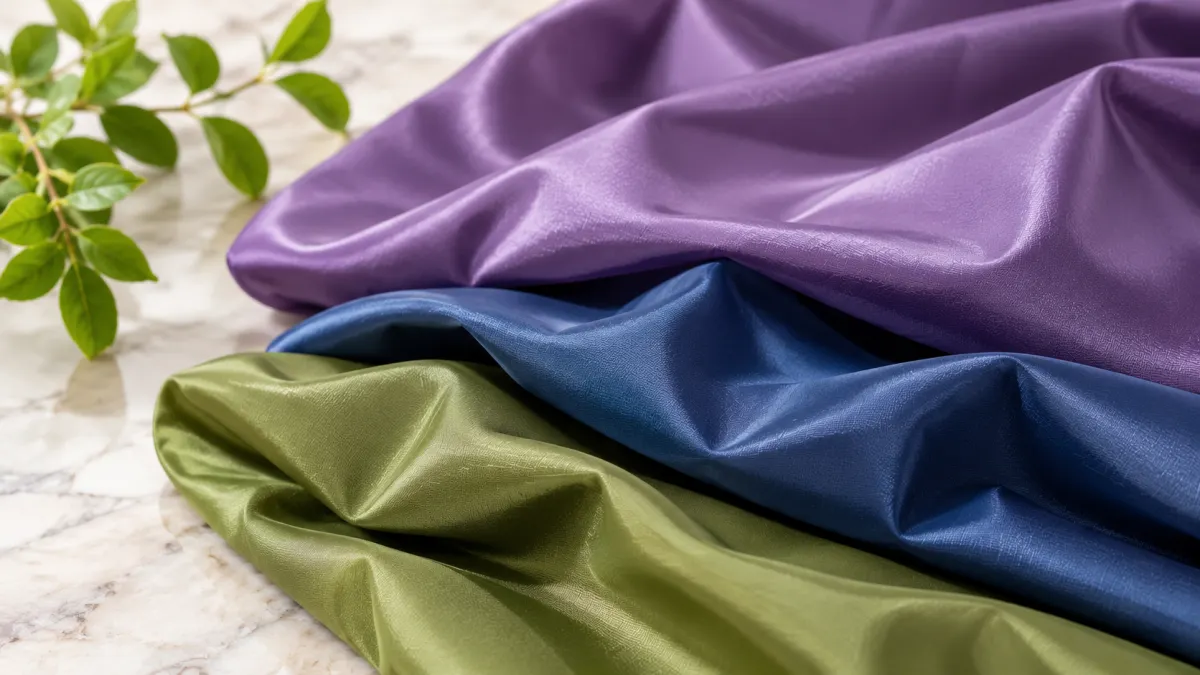
Nylon is a synthetic material that's lightweight, strong, and resistant to abrasion. It also dries relatively quickly, making it useful for activewear, jackets, socks, swimwear, umbrellas, and outdoor equipment.
9. Satin Fabric
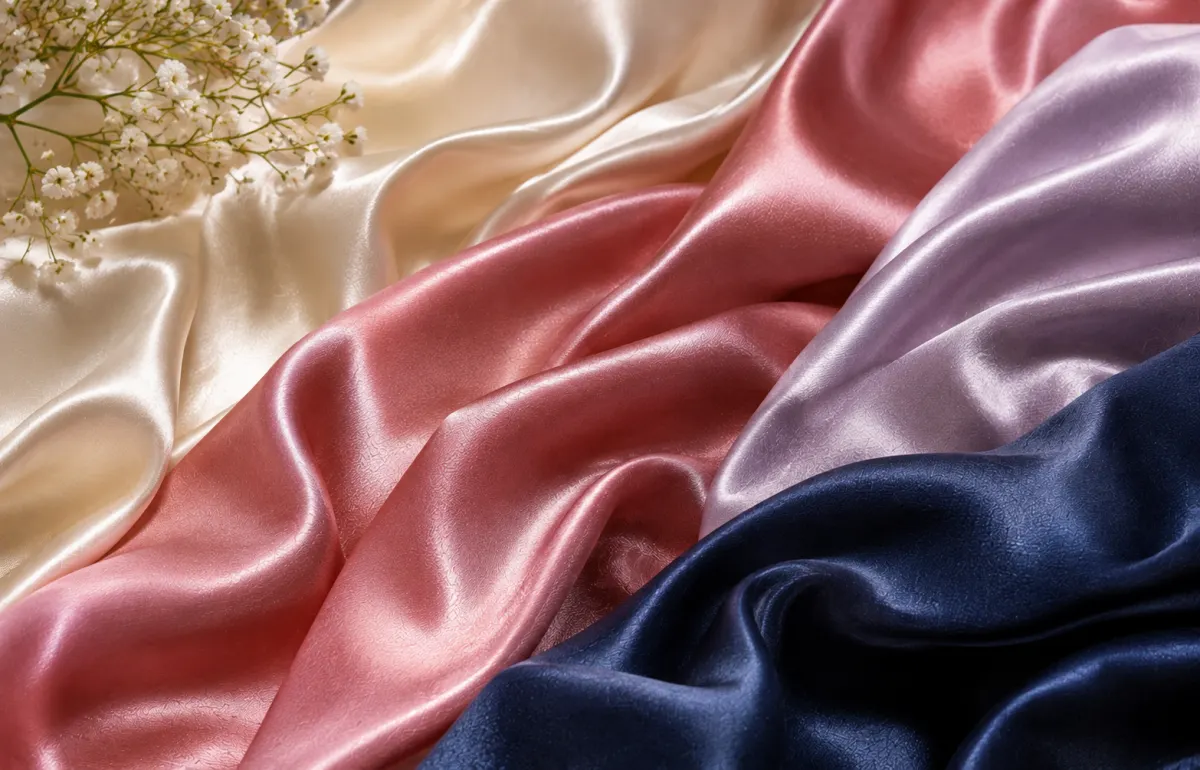
Satin is a fabric structure known for its smooth surface and glossy finish. It can be produced using silk, polyester, or other fibers. Satin is commonly used for evening gowns, wedding dresses, lingerie, pillowcases, and decorative bedding.
10. Velvet Fabric
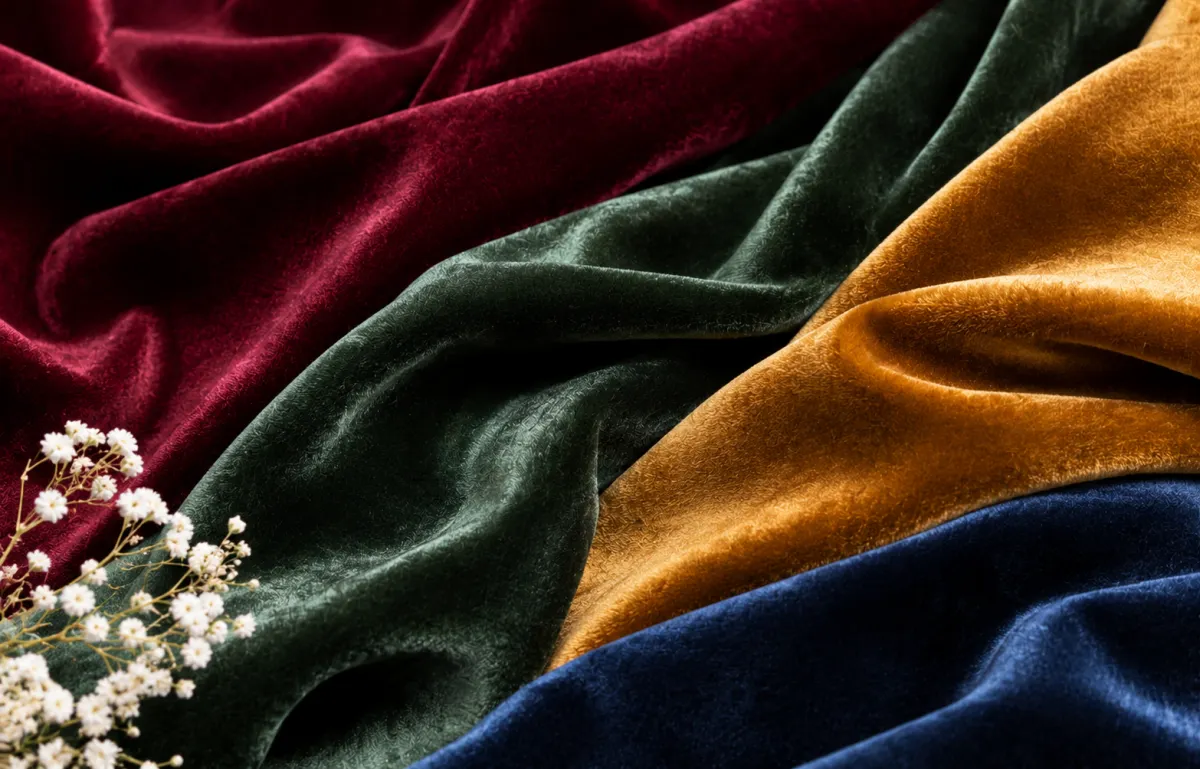
Velvet is a soft fabric with a dense, short pile that gives it a rich texture and elegant appearance. It's frequently used for formal clothing, jackets, dresses, curtains, upholstery, and decorative accessories.
11. Fleece Fabric
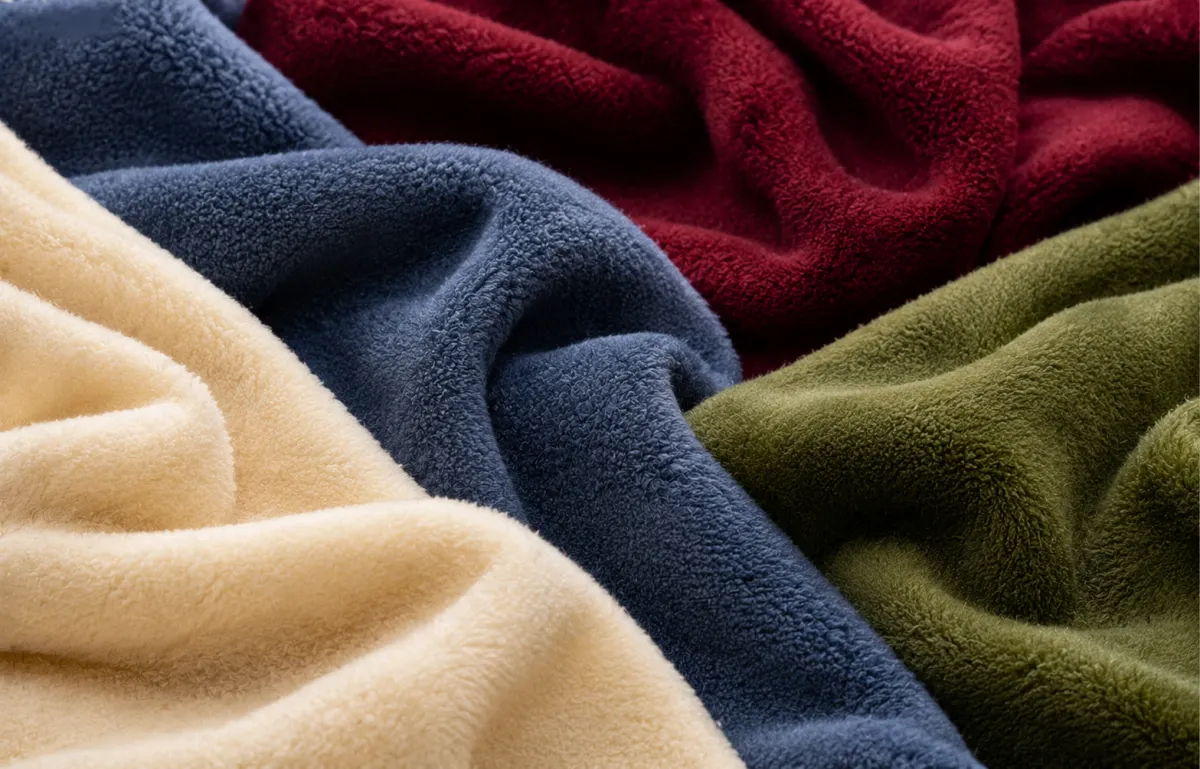
Fleece is a soft, lightweight fabric, usually made from polyester. Its ability to trap warmth makes it popular for cold-weather clothing. You'll often find fleece in hoodies, sweatshirts, jackets, blankets, and outdoor apparel.
12. Chiffon Fabric
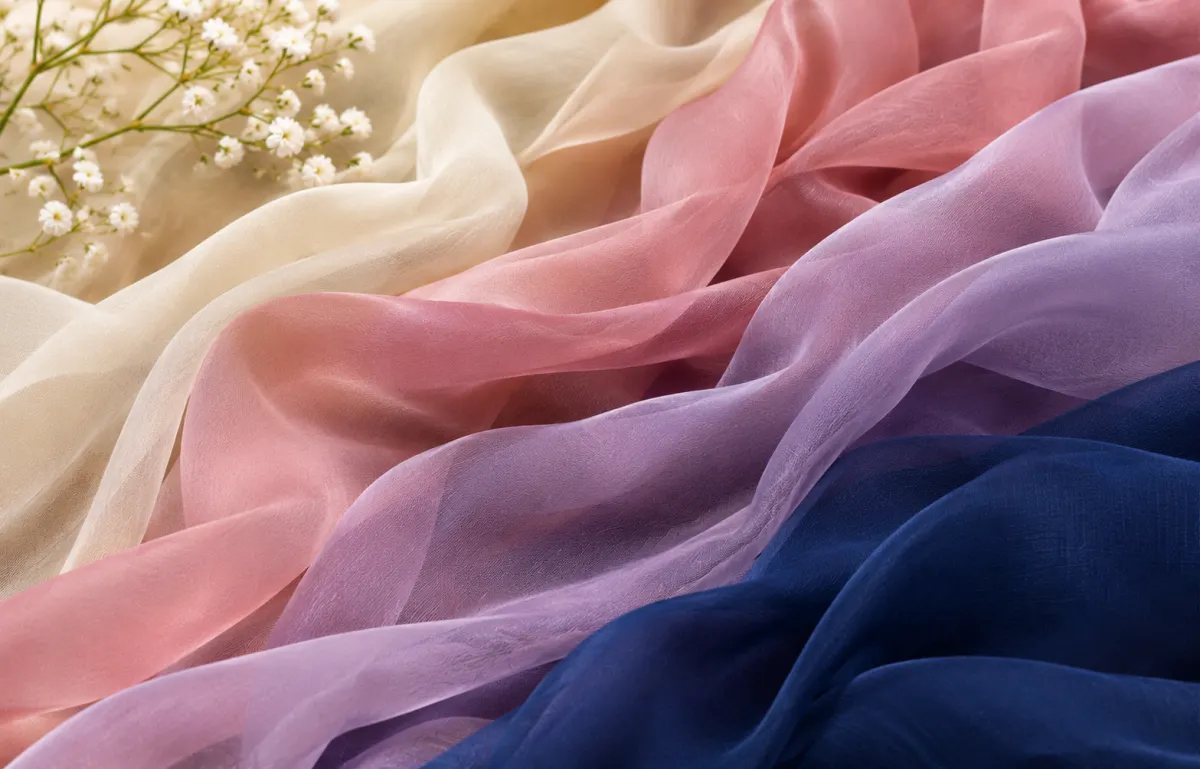
Chiffon is a lightweight, sheer fabric with a delicate, flowing appearance. It can be made from silk or synthetic fibers such as polyester. It's commonly used for evening dresses, blouses, scarves, and decorative clothing details.
13. Lace Fabric
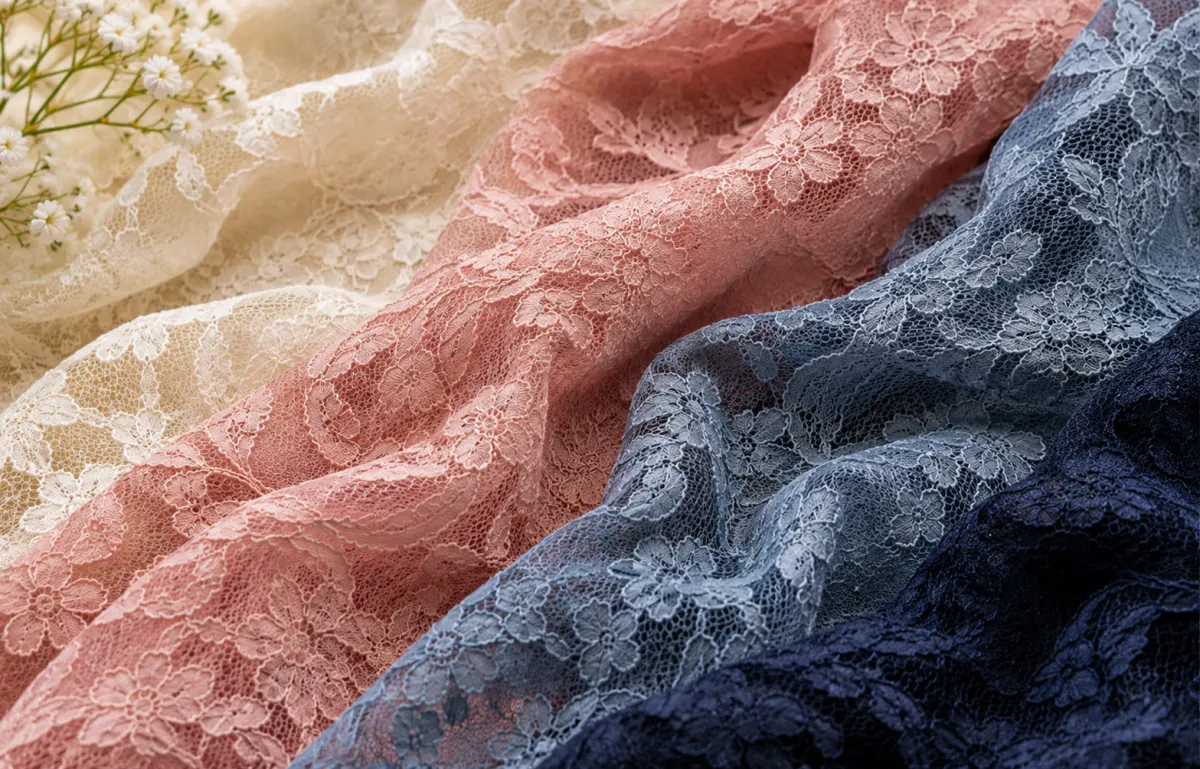
Lace is an openwork fabric featuring decorative patterns, often with floral designs. It adds a delicate touch to clothing and is widely used for wedding dresses, lingerie, eveningwear, sleeves, collars, and decorative trims.
14. Canvas Fabric
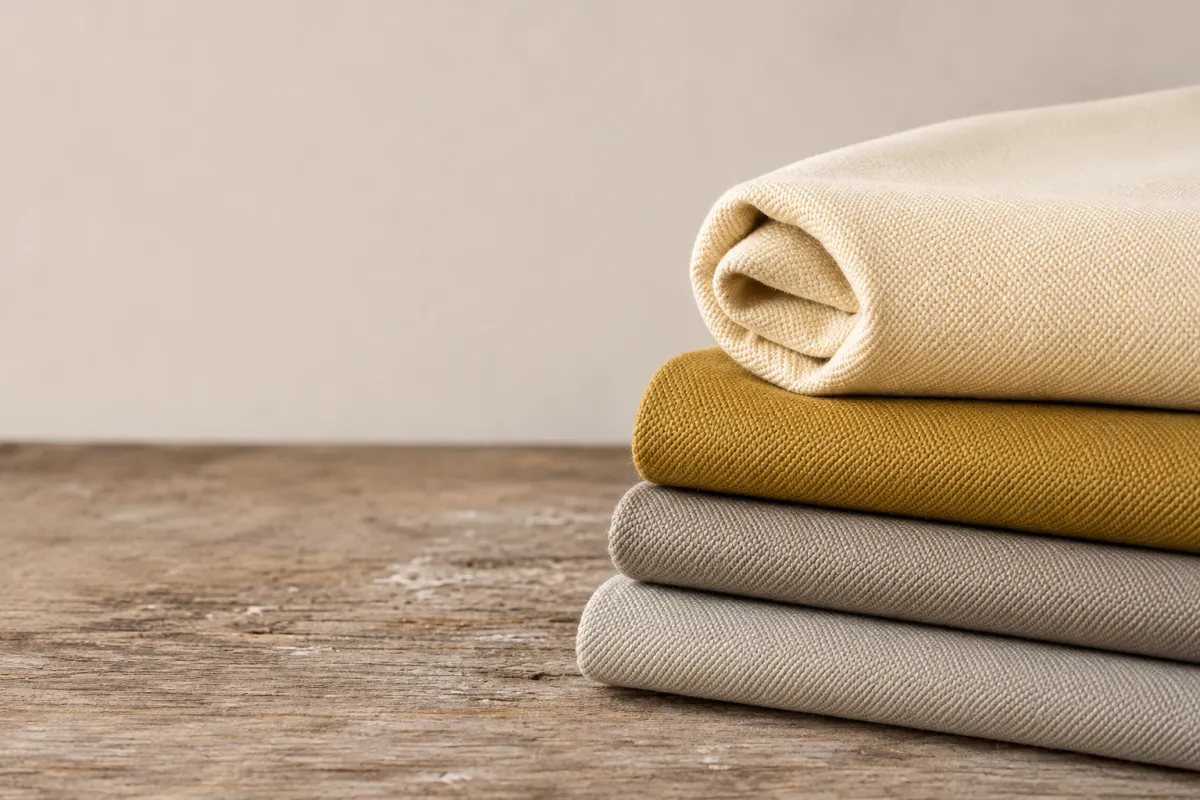
Canvas is a heavy-duty fabric typically made from cotton or synthetic fibers. Its strong construction makes it suitable for products that need to withstand regular use. Common applications include tote bags, shoes, tents, outdoor covers, and art canvases.
15. Flannel Fabric
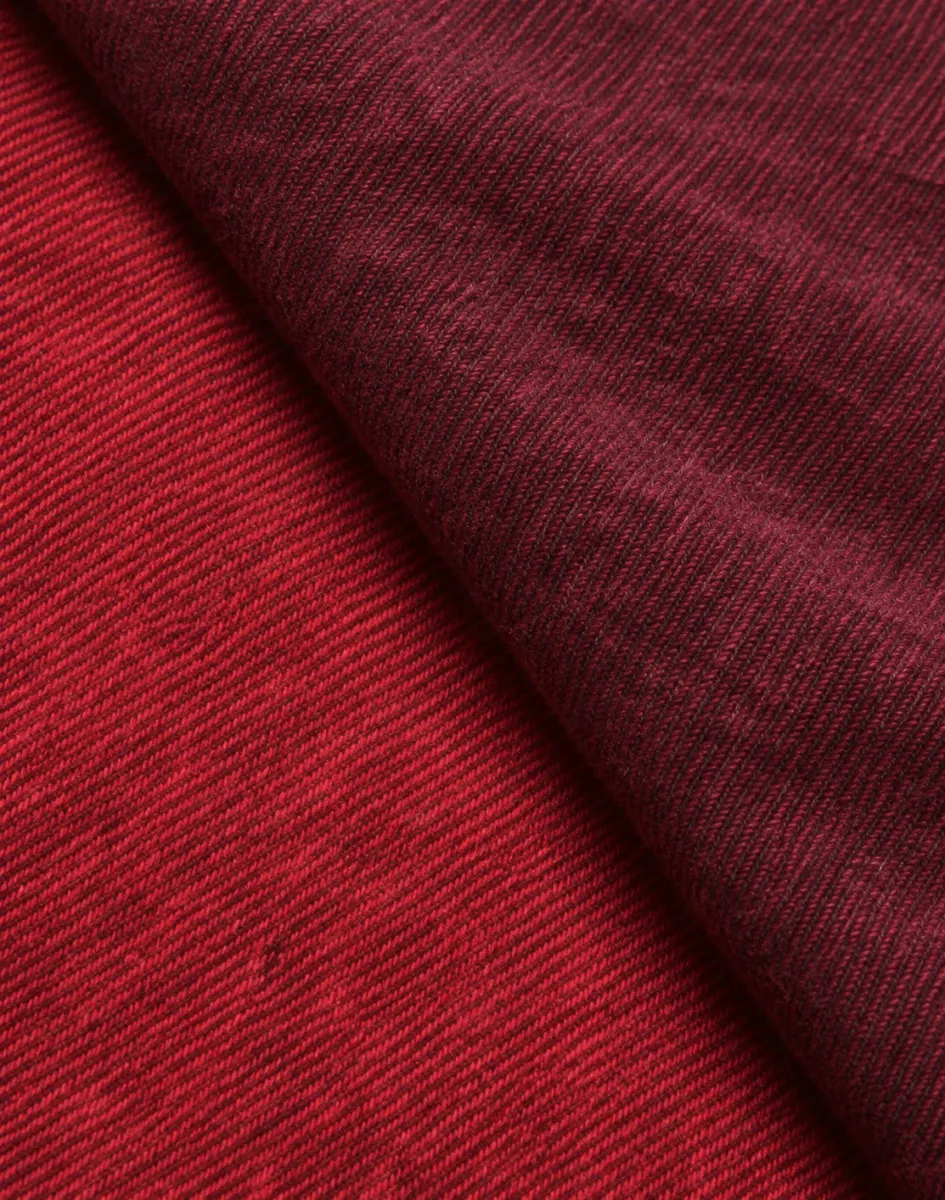
Flannel is a soft fabric with a slightly brushed surface that gives it a warm and comfortable feel. It's commonly made from cotton or wool and is used for pajamas, shirts, bedsheets, blankets, and winter clothing.
16. Suede Fabric
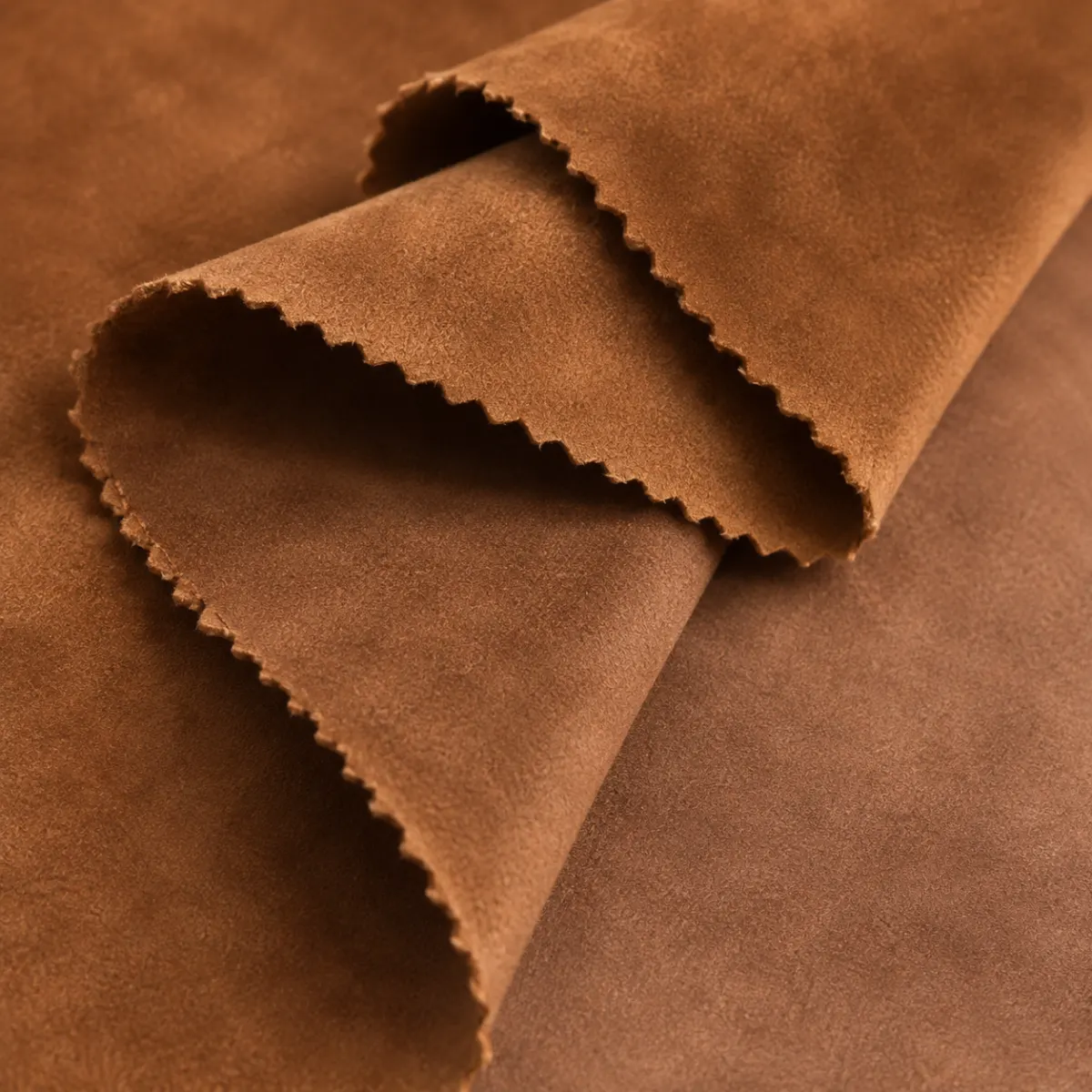
Suede is a type of leather with a soft, brushed surface and a matte finish. It's usually made from the underside of animal skin. Suede is commonly used for shoes, handbags, jackets, boots, and fashion accessories.
17. Rayon Fabric
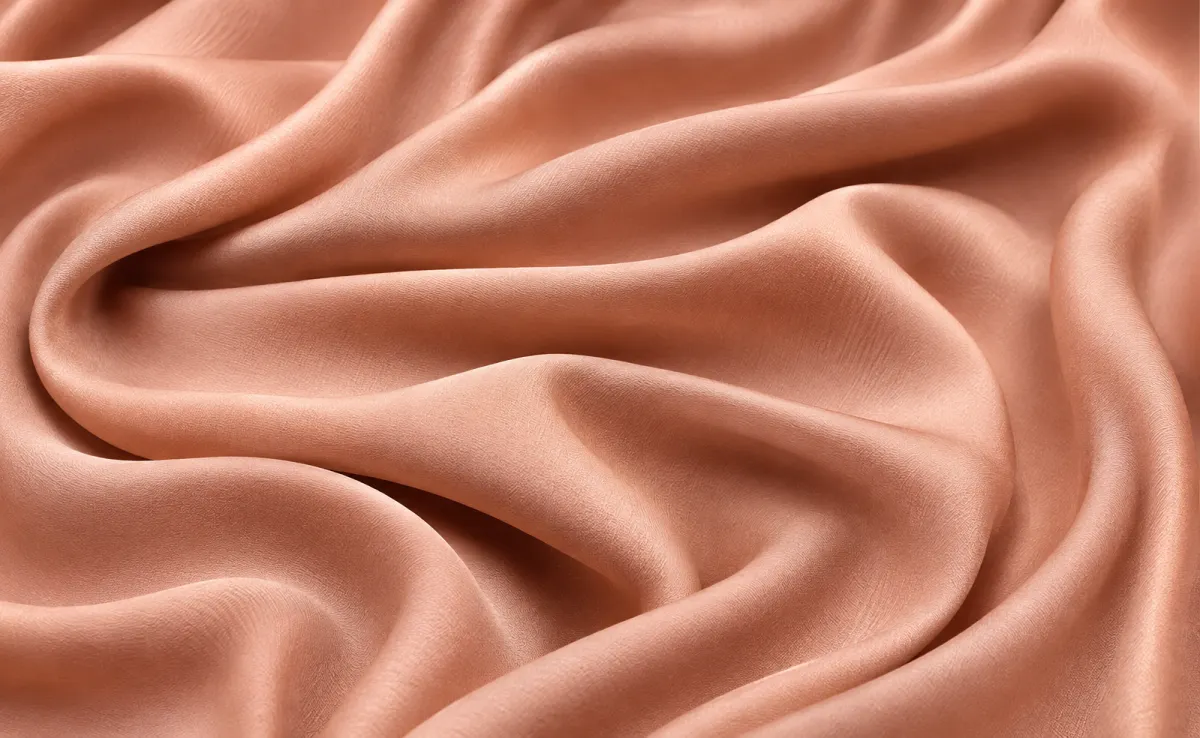
Rayon is a manufactured fiber made from processed plant-based cellulose. It's soft, lightweight, and known for its smooth drape. Rayon is often used for dresses, blouses, summer clothing, linings, and casual fashion pieces.
18. Spandex Fabric
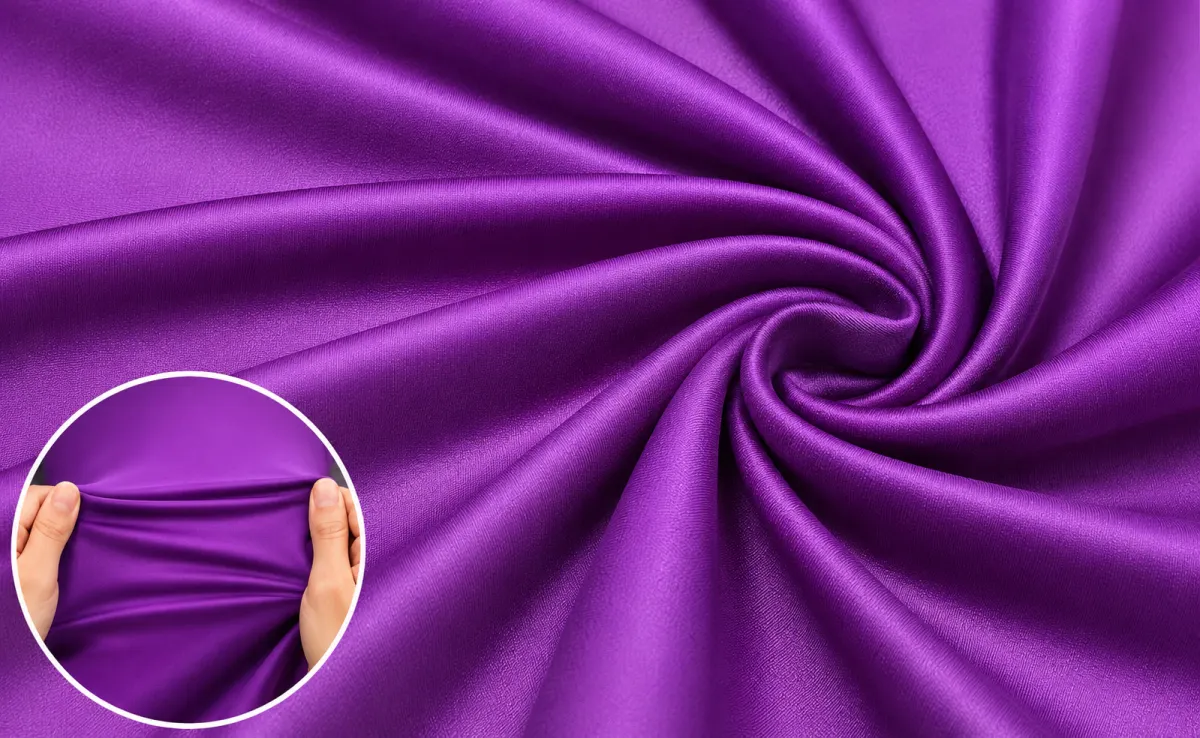
Spandex, also known as elastane or Lycra, is a highly elastic synthetic fiber. It can stretch considerably and return to its original shape. It's usually blended with other materials to make clothing more flexible. Common uses include leggings, swimwear, sportswear, and fitted garments.
19. Corduroy Fabric
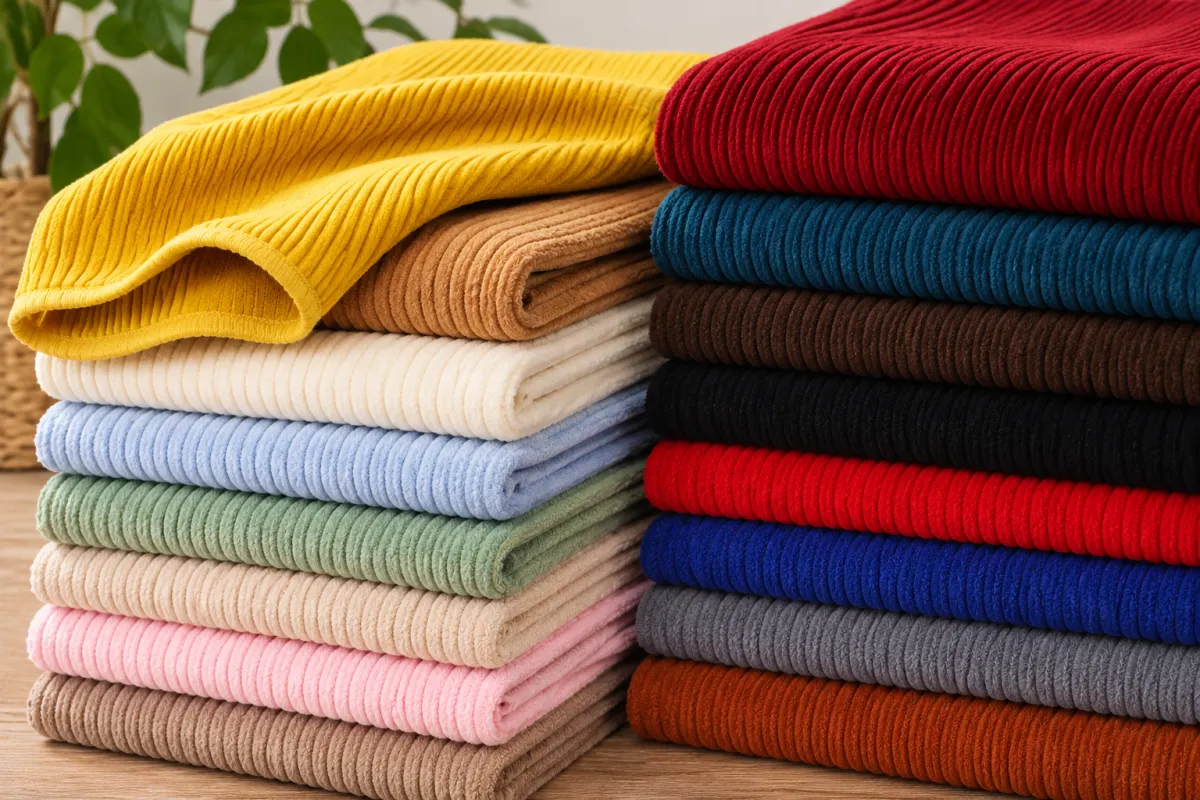
Corduroy is a textured fabric with distinctive raised lines running along its surface. Usually made from cotton or cotton blends, it's known for its slightly thick feel and durability. It's commonly used for trousers, jackets, shirts, and fall and winter clothing.
20. Cashmere Fabric
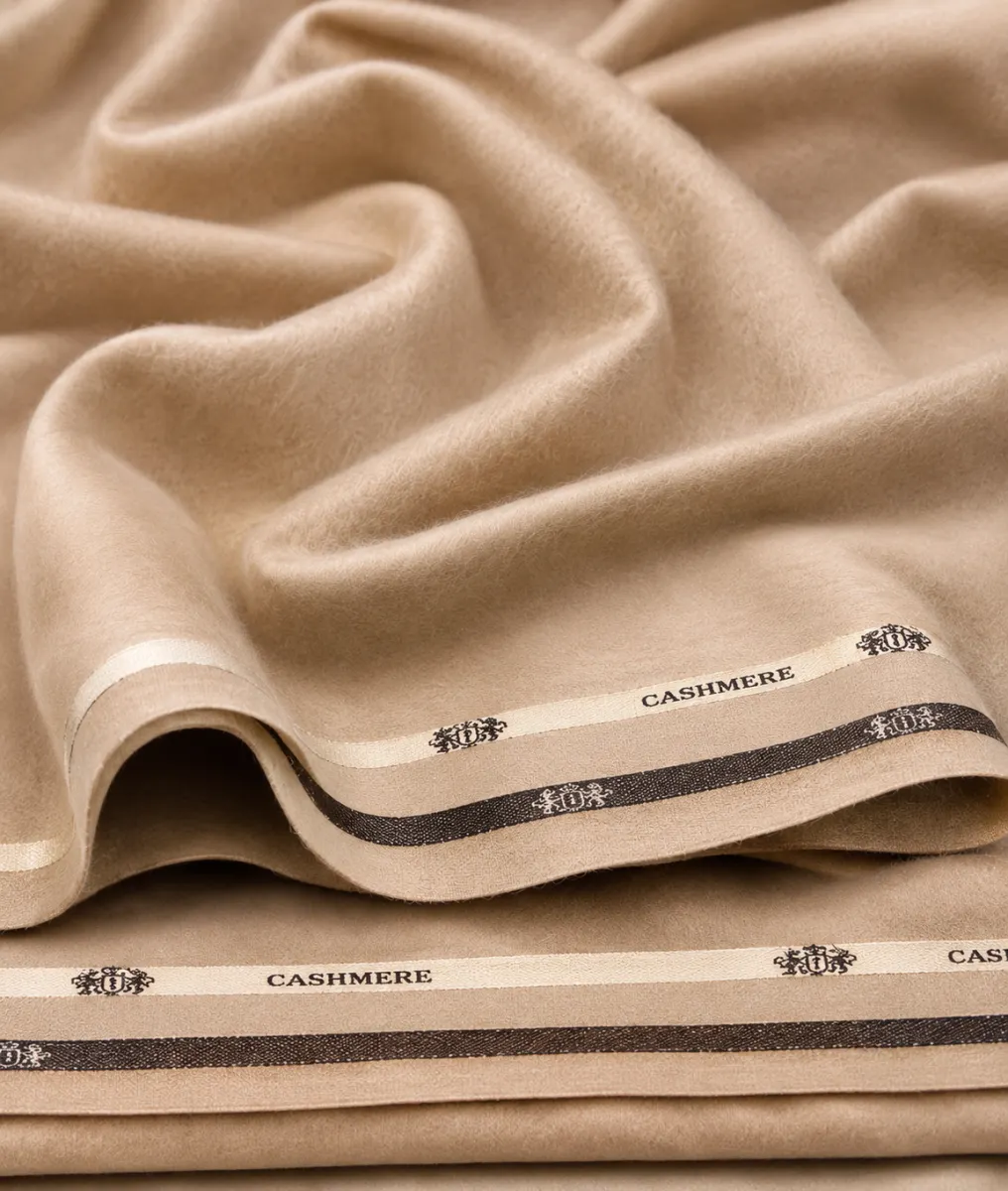
Cashmere is a premium natural fiber obtained from the soft undercoat of cashmere goats. It's lightweight, exceptionally soft, and provides excellent insulation. Cashmere is commonly used for luxury sweaters, scarves, cardigans, and winter coats.
21. Acrylic Fabric
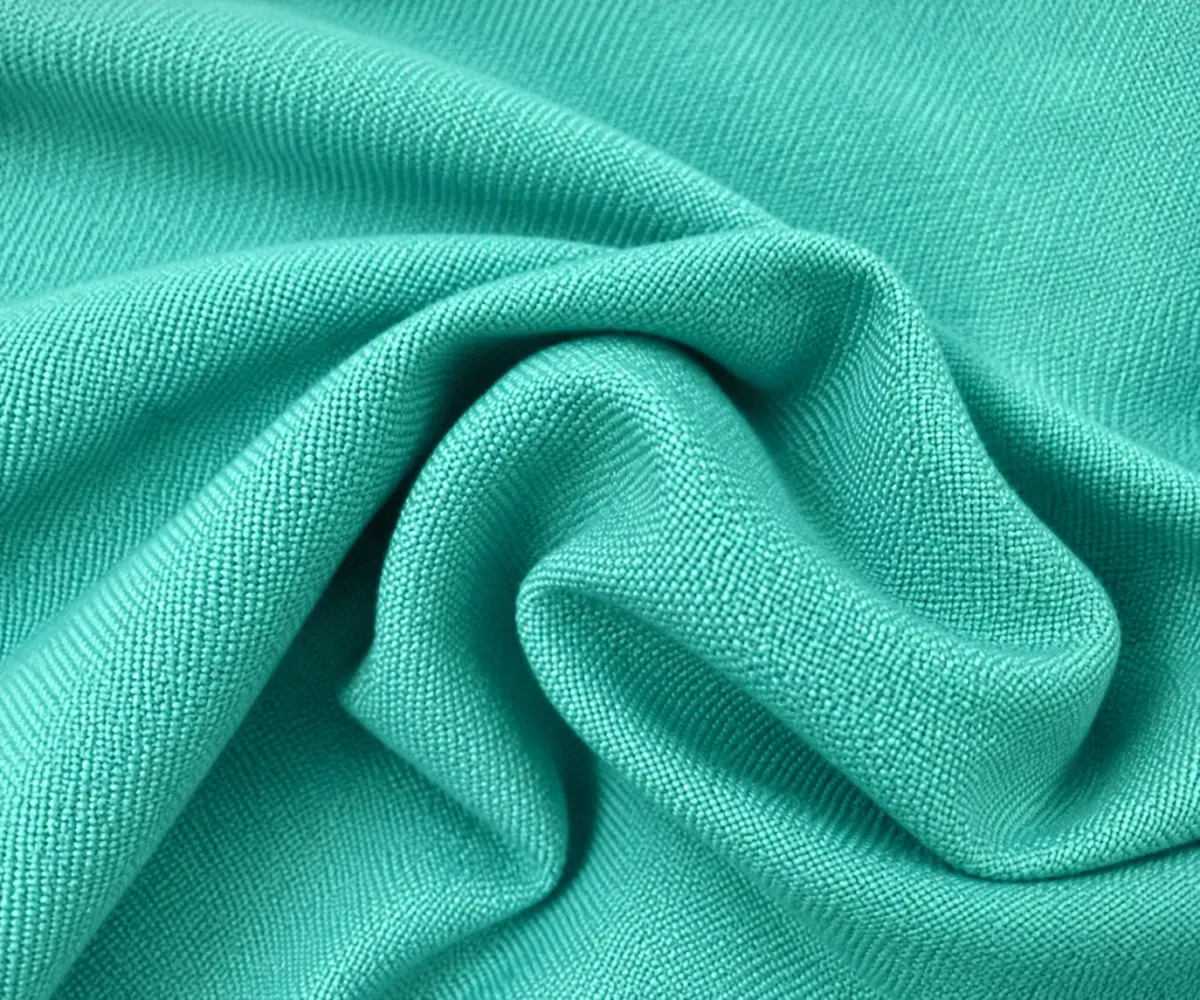
Acrylic is a synthetic fiber designed to offer some of the warmth and softness associated with wool. It's lightweight, relatively easy to care for, and often more affordable than natural wool. Common uses include sweaters, scarves, hats, socks, and blankets.
22. Jersey Fabric
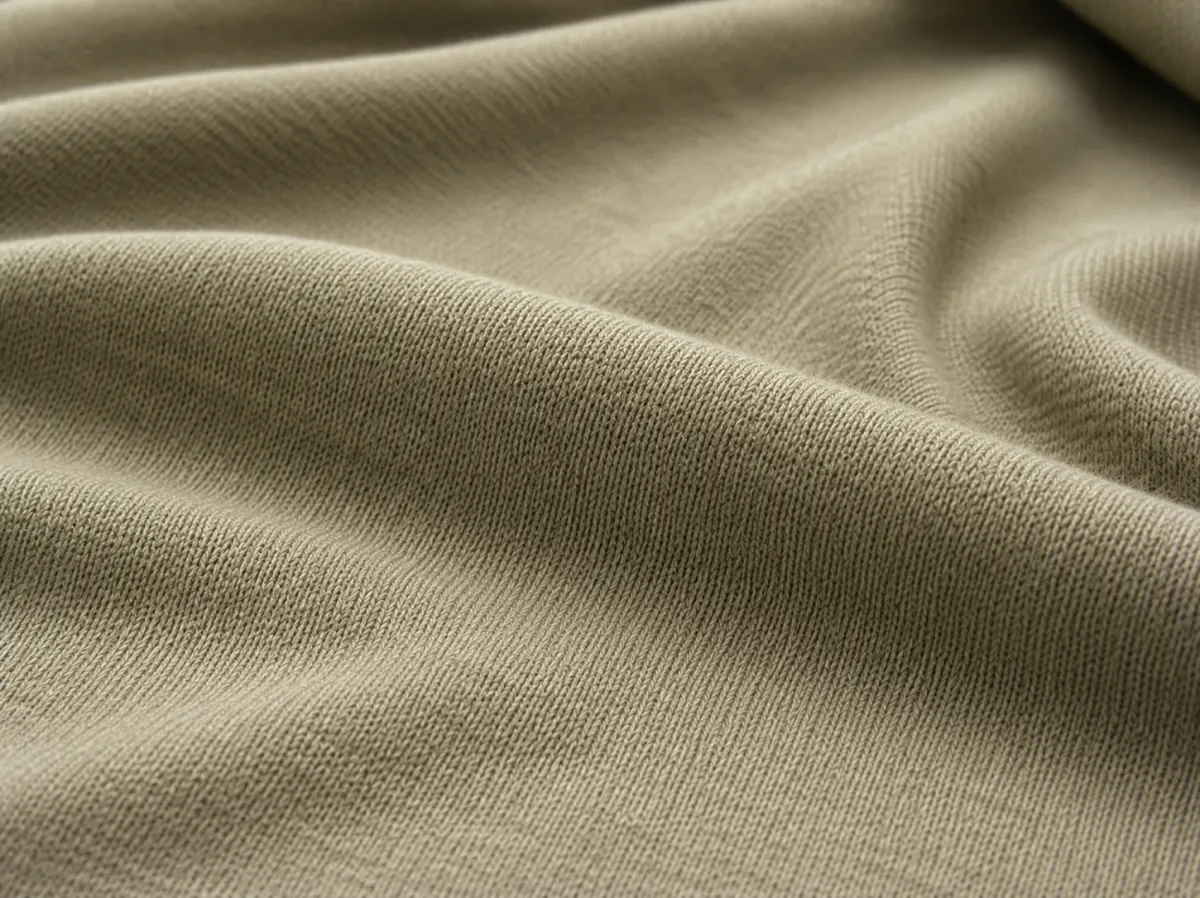
Jersey is a knitted fabric known for its soft feel and natural flexibility. It can be made from cotton, polyester, or blended fibers. Its comfortable stretch makes it ideal for T-shirts, casual dresses, leggings, and everyday clothing.
23. Felt Fabric
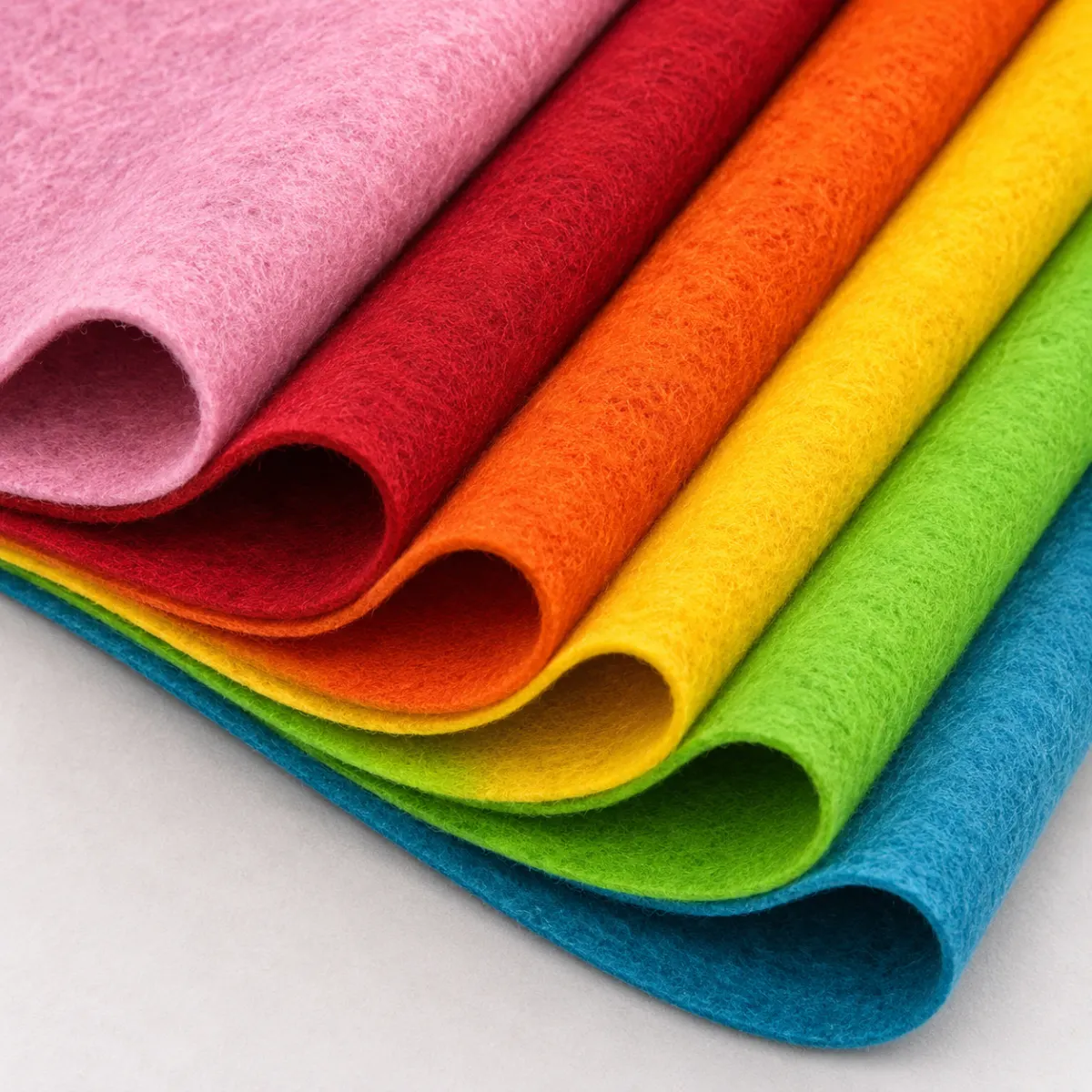
Felt is a non-woven material created by pressing and matting fibers together. Unlike traditional fabrics, it doesn't rely on weaving or knitting. It's commonly used for crafts, toys, hats, decorations, coasters, and handmade accessories.
24. Tweed Fabric
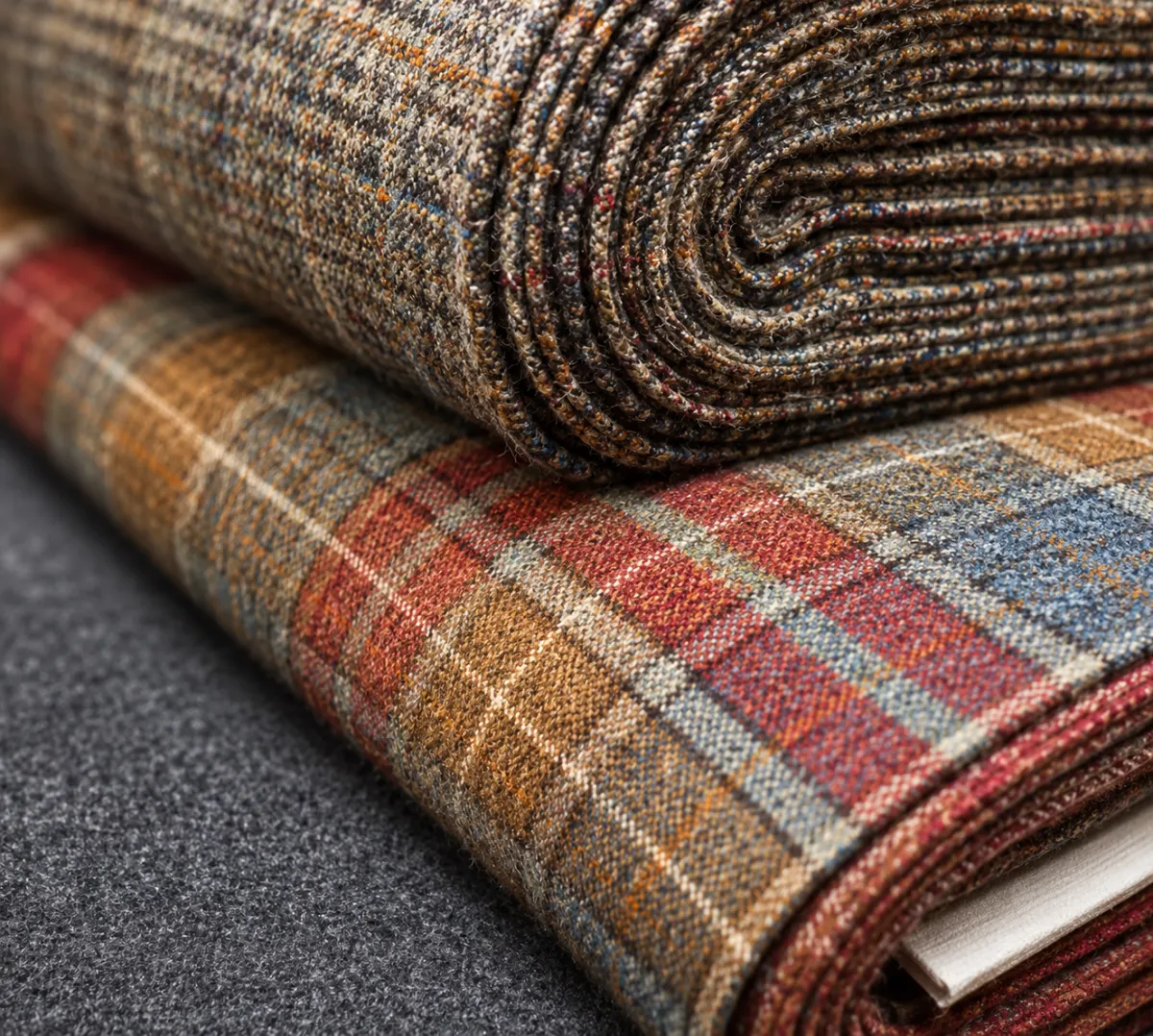
Tweed is a textured fabric traditionally made from wool. It often features mixed colors and distinctive woven patterns. Its durable construction and classic appearance make it popular for blazers, jackets, coats, and tailored clothing.
25. Organza Fabric
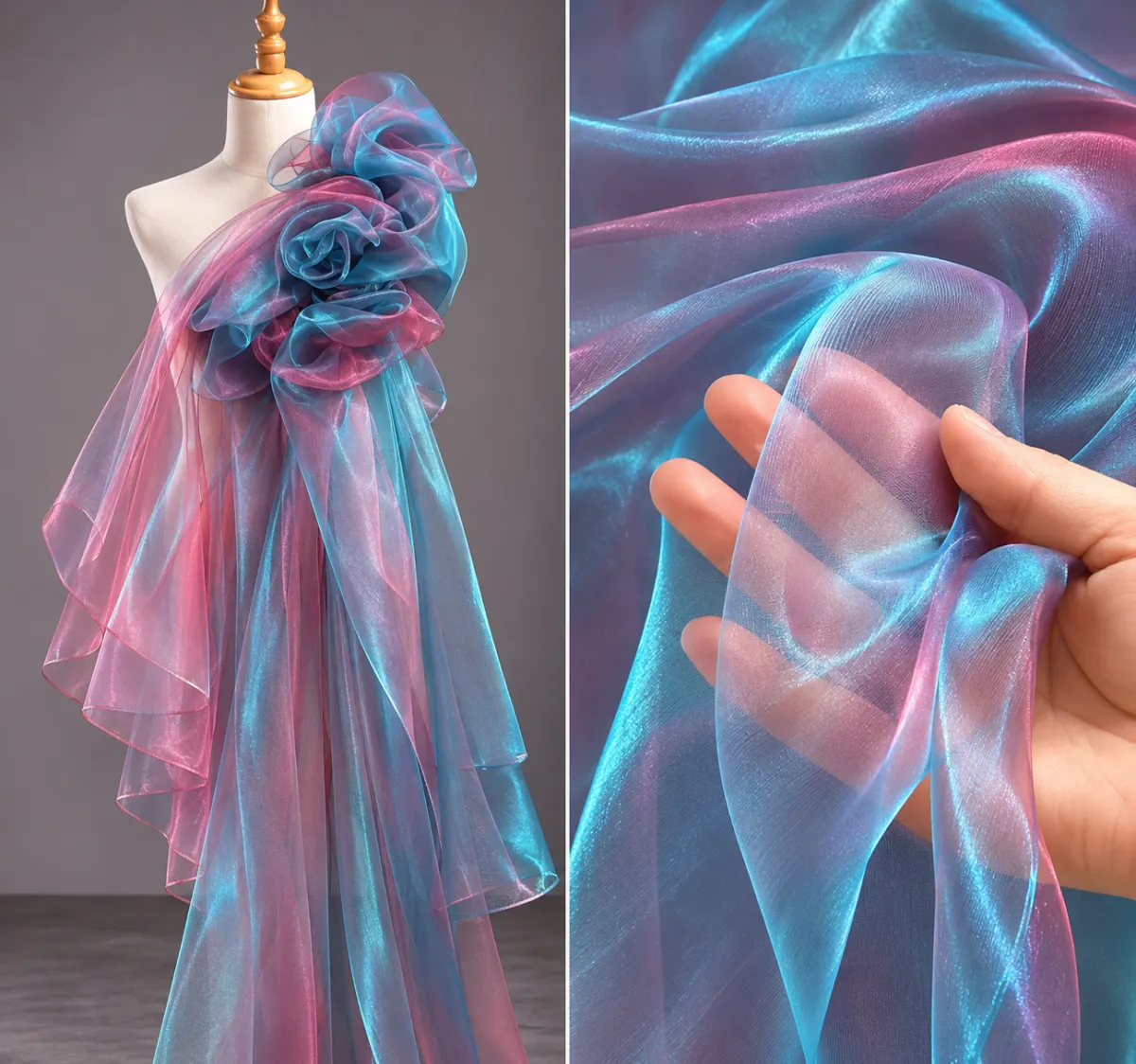
Organza is a lightweight, sheer fabric with a slightly crisp structure. Unlike softer materials that drape loosely, organza holds its shape quite well. It's often used for wedding dresses, formal gowns, layered skirts, ribbons, and decorative details.
How to Choose the Right Fabric for Your Needs
Choosing the best fabric depends on the type of clothing or product you're making, the weather, and the qualities you're looking for. Some materials are better for comfort and breathability, while others offer warmth, flexibility, or durability.
Here are a few practical guidelines:
- For summer clothing: Cotton, linen, and rayon are good choices because they're lightweight and breathable.
- For winter clothing: Wool, cashmere, fleece, and flannel provide warmth and comfort.
- For formal wear: Silk, satin, velvet, chiffon, and organza offer elegant textures and attractive finishes.
- For sportswear: Polyester, nylon, and spandex are popular for their flexibility, durability, and moisture-management properties.
- For bags and accessories: Canvas, leather, and denim are useful options when strength and durability matter.