

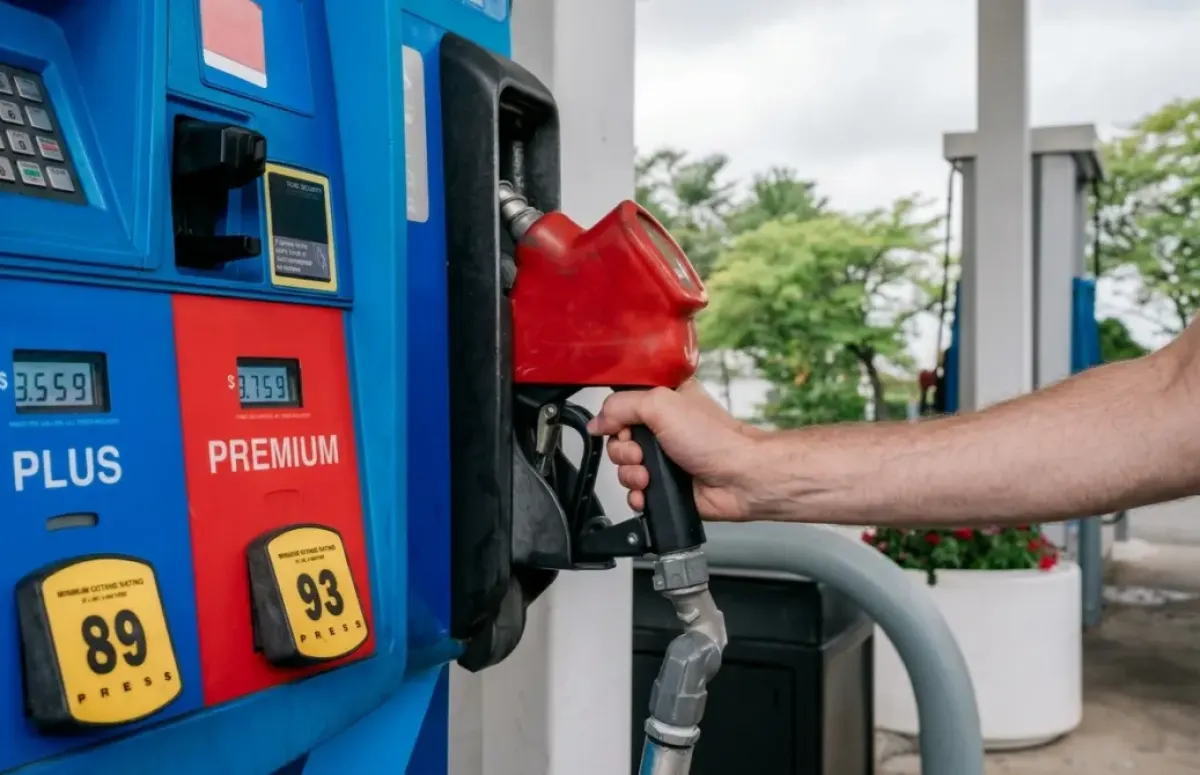
Many drivers believe premium gas is a magical fuel that doubles their car's acceleration, while regular gas is a low-quality liquid that ruins engines. But what is the actual science behind these two fuels? In this article, we’ll clear up the confusion once and for all and help you decide when it’s truly worth paying extra.
The Main Difference: Octane Rating
The biggest and most important difference between premium and regular gas is the octane rating. Contrary to popular belief, a higher octane rating does not mean «more energy» or «better quality fuel.» Instead, it indicates the fuel's resistance to pre-ignition or knocking.
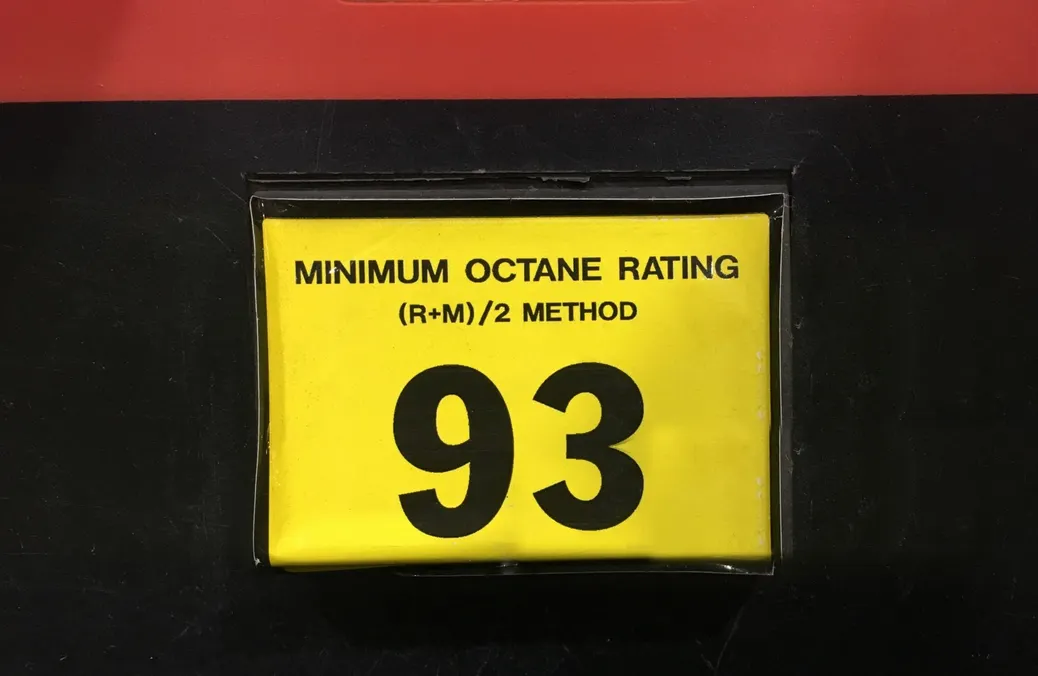
- Regular Gas: Typically has an octane rating of 87 to 90. It ignites more easily under pressure.
- Premium Gas: Features an octane rating of 91 to 95 (or higher). This fuel can withstand much higher pressure inside the cylinder, exploding exactly when the spark plug fires.
The Hidden Danger: Engine Knocking
If you put low-octane gas into a high-compression engine (like a turbocharged engine), the fuel can ignite spontaneously due to intense heat and pressure before the spark plug even sparks. This premature explosion creates a harsh metallic sound known as engine knocking. Continuous knocking can cause severe, costly damage to your pistons and engine block.
Quick Comparison: Premium vs. Regular
| Feature | Regular Gas | Premium Gas |
|---|---|---|
| Octane Rating | Lower (around 87–90) | Higher (91–95+) |
| Knock Resistance | Lower | Extremely High |
| Best Suited For... | Standard & Older Engines | Turbocharged & Modern Engines |
| Price | Budget-friendly | More Expensive |
Does Premium Gas Improve Performance and Fuel Economy?
The answer strictly depends on what you drive:
- If your car requires premium gas: Yes! Using regular gas in these vehicles forces the car’s computer (ECU) to retard spark timing to prevent knocking. This results in reduced horsepower, sluggish acceleration, and worse fuel economy. In this case, premium gas unlocks the engine's true, intended performance.
- If your car is designed for regular gas: No! Pouring premium gas into a standard, low-compression engine will not perform any miracles. You won't get better gas mileage or faster acceleration. Essentially, you are just throwing money away.
Read More

How to Know Which Fuel Your Car Needs?
No one knows your vehicle better than the manufacturer. To find out what your car needs, use these two simple methods:
- Check your owner’s manual.
- Look at the sticker inside your fuel filler door. It will list the minimum required octane (e.g., «Premium Fuel Required» or «87 Octane Minimum»).
The Verdict: Is Premium Gas Worth the Higher Price?
- It’s worth it if: You drive a turbocharged, luxury, or high-performance vehicle where the manufacturer explicitly demands high-octane fuel. Paying more at the pump is a form of insurance against thousands of dollars in engine repairs.
- It’s NOT worth it if: You drive a standard commuter car that recommends regular gas. While premium won't hurt a regular engine, it provides absolutely zero benefits.