
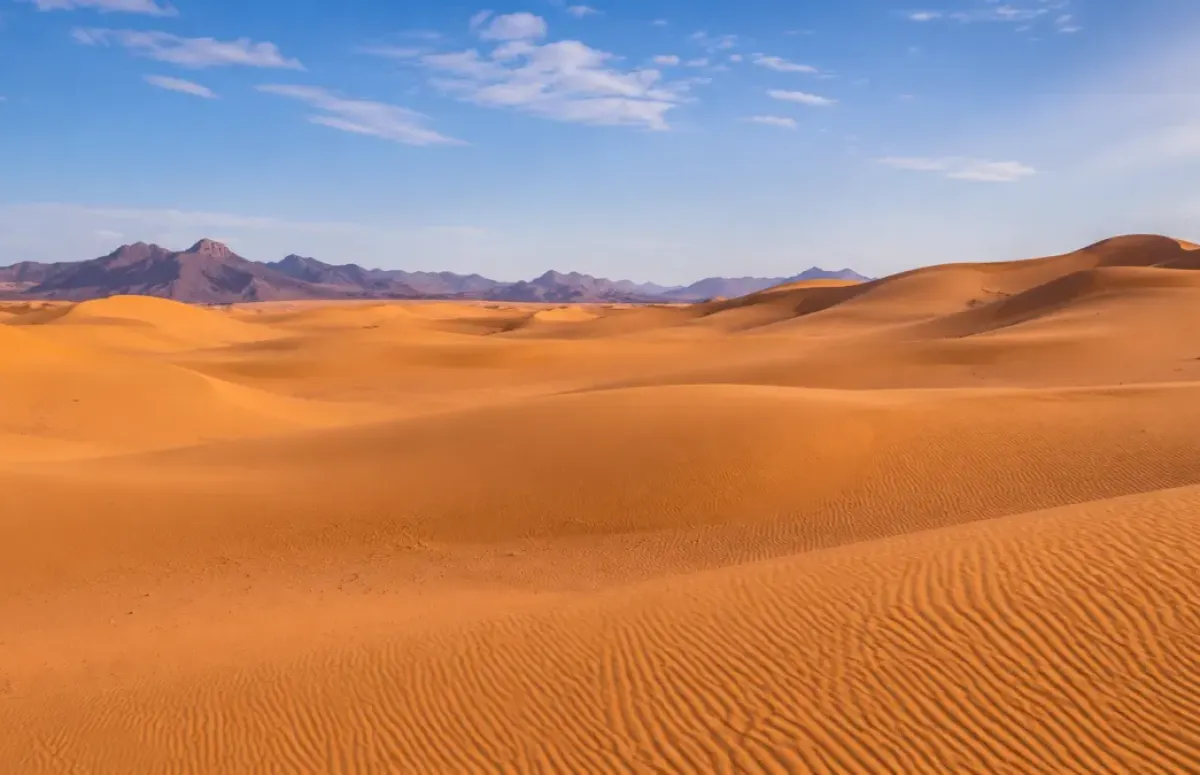
When most people think of deserts, they imagine endless sand dunes, scorching temperatures, and barren landscapes. However, the world's largest deserts may surprise you. According to the scientific definition, a desert is any region that receives very little precipitation, regardless of temperature.
This means that the two largest deserts on Earth are not hot at all—they are located at the North and South Poles.
In this article, we'll explore the ten largest deserts in the world, learn what makes a desert, and discover fascinating facts about these extreme environments.
Read More


What Is a Desert?
A desert is generally defined as a region that receives less than 250 millimeters (10 inches) of precipitation annually. While many deserts are hot, some of the largest and driest deserts on Earth are actually covered in ice and snow.
Deserts can be classified into four major categories:
- Polar deserts
- Subtropical deserts
- Coastal deserts
- Cold winter deserts
The 10 Largest Deserts in the World
| Rank | Desert | Location | Approximate Area |
|---|---|---|---|
| 1 | Antarctic Desert | Antarctica | 14 million km² |
| 2 | Arctic Desert | Arctic Region | 13.9 million km² |
| 3 | Sahara Desert | North Africa | 9.2 million km² |
| 4 | Arabian Desert | Arabian Peninsula | 2.3 million km² |
| 5 | Gobi Desert | Mongolia & China | 1.3 million km² |
| 6 | Kalahari Desert | Southern Africa | 900,000 km² |
| 7 | Patagonian Desert | Argentina | 670,000 km² |
| 8 | Syrian Desert | Middle East | 500,000 km² |
| 9 | Great Basin Desert | United States | 490,000 km² |
| 10 | Chihuahuan Desert | United States & Mexico | 450,000 km² |
Why Is Antarctica Considered a Desert?
Many people are surprised to learn that Antarctica is the largest desert on Earth.
Although it contains around 70% of the world's freshwater ice, most parts of Antarctica receive extremely little snowfall each year. Some areas receive less precipitation than the Sahara Desert.
Because of its exceptionally low precipitation levels, Antarctica meets the scientific criteria for a desert.
The Sahara: The Largest Hot Desert in the World
Covering much of North Africa, the Sahara Desert is the largest hot desert on Earth.
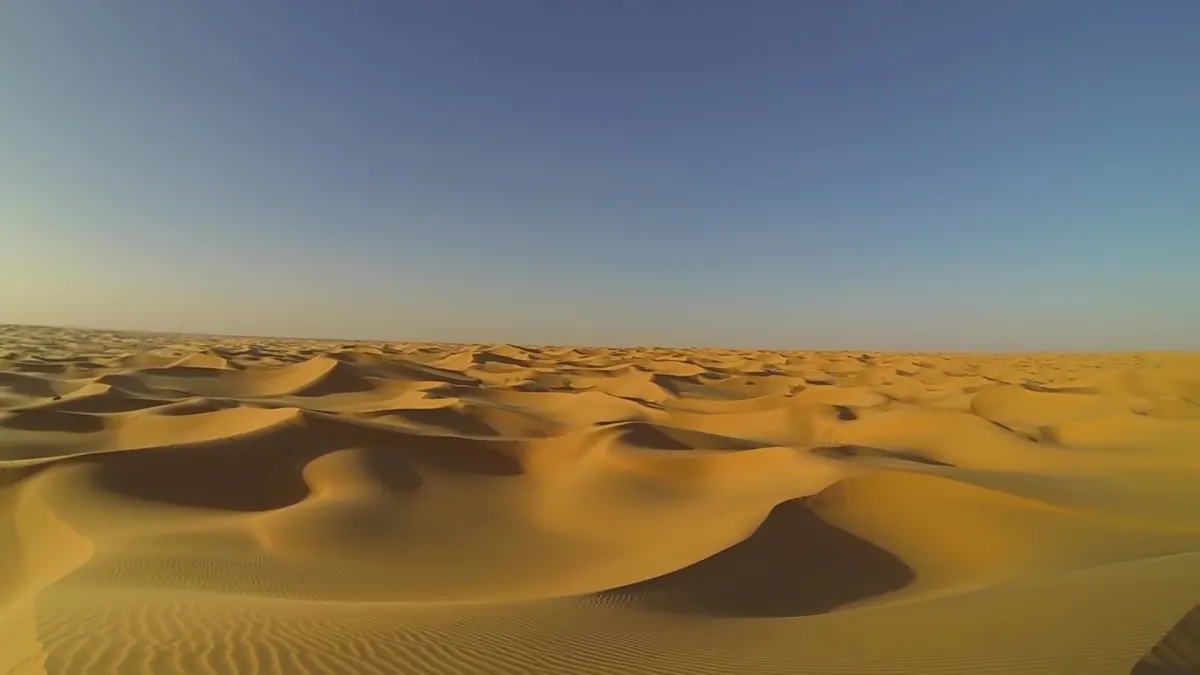
The Sahara spans more than ten countries and features:
- Massive sand seas (ergs)
- Rocky plateaus
- Salt flats
- Mountains
- Oases
Temperatures can exceed 50°C (122°F) during the hottest months.
The Gobi Desert Is Not What Most People Expect
Unlike the Sahara, the Gobi Desert is a cold desert.
Located in Mongolia and northern China, winter temperatures can drop below -40°C (-40°F). Snowfall is common, making it one of the most unusual deserts in the world.
The Gobi is also famous for its rich dinosaur fossil discoveries.
Fascinating Facts About Deserts
1. Deserts Cover About One-Third of Earth's Land Surface
Approximately 33% of the planet's land area is classified as desert.
2. Not All Deserts Are Hot
Some deserts remain below freezing for most of the year. Antarctica and the Arctic are prime examples.
3. The Sahara Was Once Green
Thousands of years ago, large portions of the Sahara contained lakes, rivers, grasslands, and abundant wildlife.
4. Antarctica Is Drier Than Many Hot Deserts
Certain regions of Antarctica receive almost no measurable precipitation for decades.
5. Deserts Can Bloom
After rare rainfall events, some deserts become covered with colorful wildflowers in spectacular «desert blooms.»
6. Sand Covers Only a Small Portion of Most Deserts
Contrary to popular belief, only around 20% of deserts are covered by sand dunes. Most deserts consist of rock, gravel, or exposed soil.
7. The World's Largest Sand Sea Is in the Sahara
The Rub' al Khali (Empty Quarter) within the Arabian Desert and the giant ergs of the Sahara contain some of the largest continuous dune fields on Earth.
8. Some Desert Rocks Move on Their Own
In places like Death Valley, mysterious «sailing stones» appear to move across the desert floor due to a combination of ice, wind, and wet ground conditions.
9. Deserts Experience Extreme Temperature Swings
Many deserts can be scorching during the day and surprisingly cold at night due to low humidity.
10. Life Thrives Even in the Harshest Deserts
From camels and fennec foxes to microorganisms living beneath Antarctic ice, deserts support remarkable forms of life.
11. The Atacama Desert Is One of the Driest Places on Earth
Some weather stations in Chile's Atacama Desert have recorded years without measurable rainfall.
12. Desert Dust Travels Across Oceans
Dust from the Sahara regularly crosses the Atlantic Ocean and helps fertilize the Amazon Rainforest.
13. Deserts Are Expanding in Some Regions
Climate change, deforestation, and unsustainable land use contribute to desertification in various parts of the world.
14. Some Deserts Contain Hidden Water
Large underground aquifers exist beneath several major deserts, including parts of the Sahara.
15. Future Mars Missions May Learn from Earth's Deserts
Scientists often use deserts such as the Atacama and Antarctic Dry Valleys as testing grounds for technologies that may one day operate on Mars.