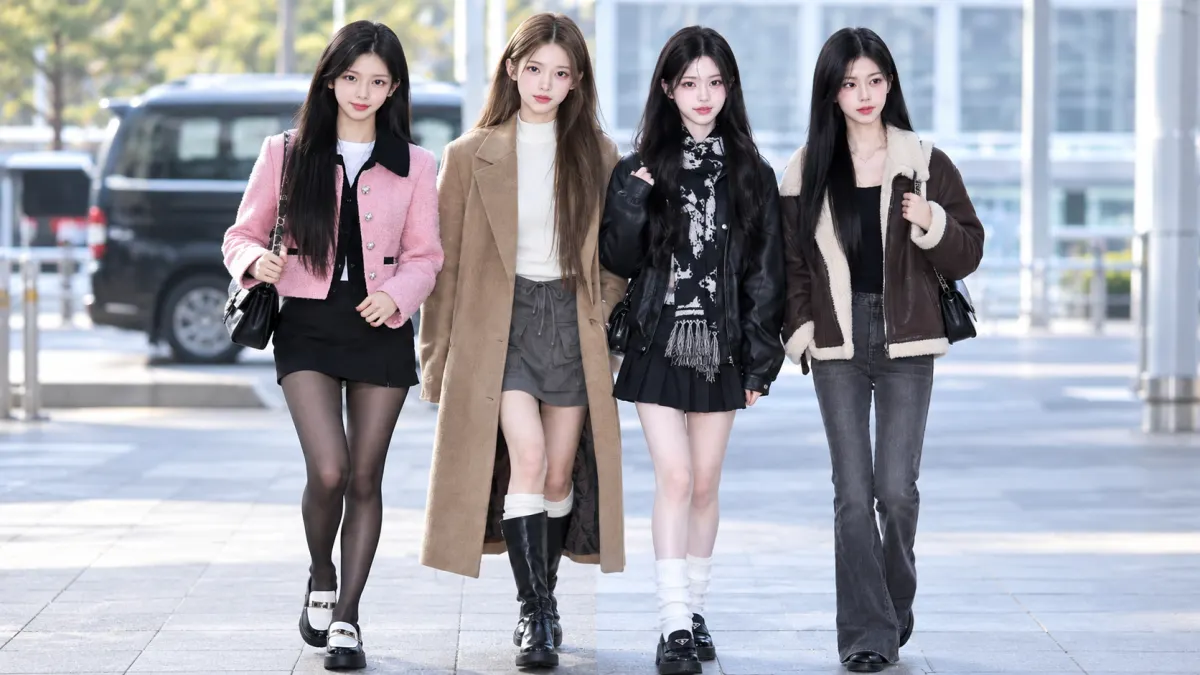

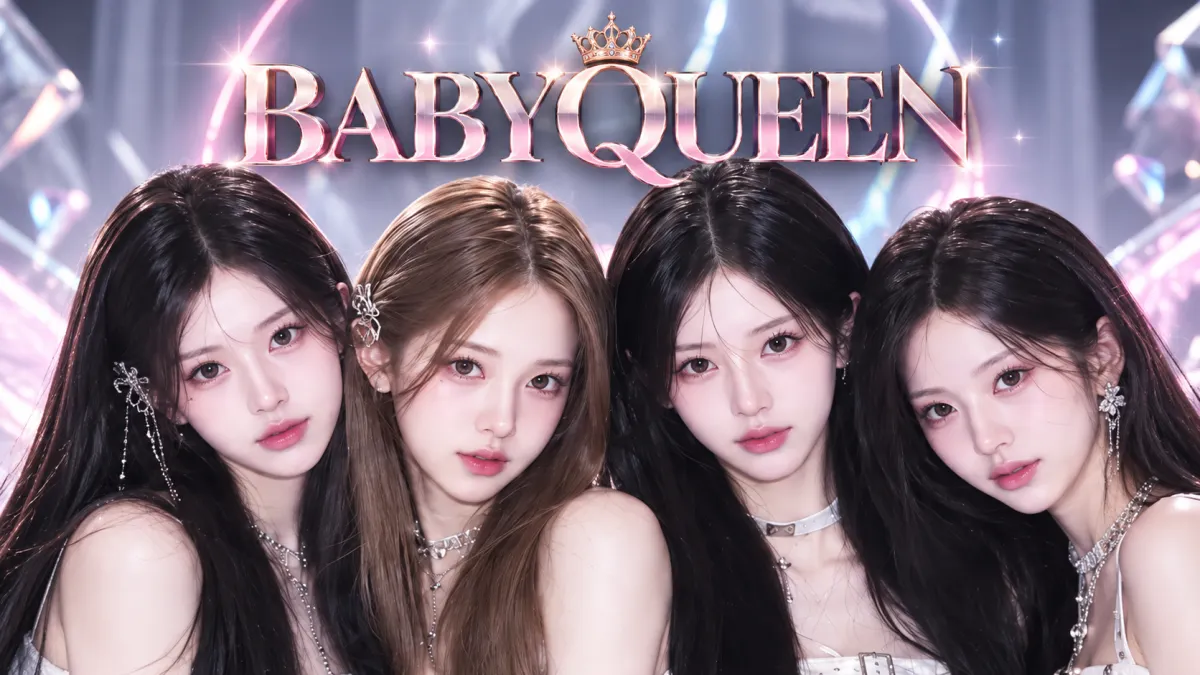
BABYQUEEN isn't just another virtual music group. It's an example of how a small team can use AI to create an entire entertainment project, complete with digital members, music, and fictional personal lives.
According to reports by Chinese media outlet Sixth Tone, the group launched on the Chinese social media platform Xiaohongshu in September 2026. It quickly attracted attention after announcing that one of its members was pregnant. The announcement sparked a heated debate about AI, online entertainment, and how far fictional characters should go in pretending to be real.
1. Who Are the Members of BABYQUEEN?
BABYQUEEN started out as a five-member virtual girl group, with each member having her own name, appearance, and digital identity.
Mity
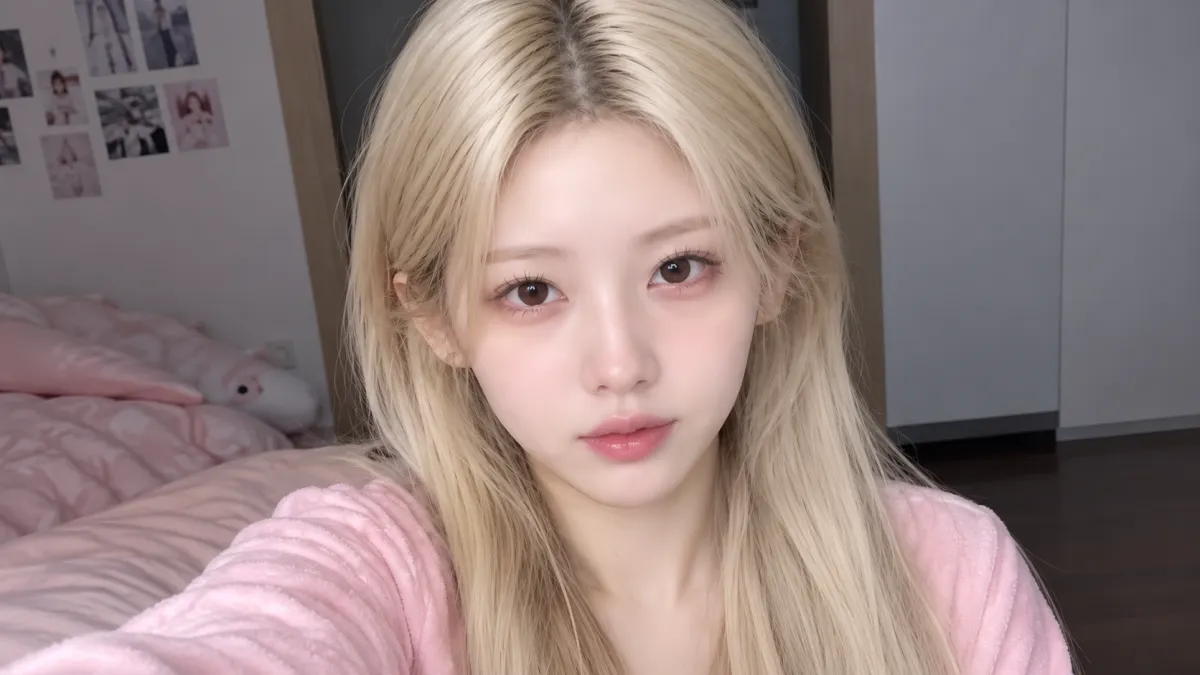
Mity became the group's most talked-about member after the pregnancy announcement. Her character was created digitally, and the story about her stepping away from group activities to prepare for a baby became the center of the controversy.
Hyeina
Hyeina is another member of the original lineup. Like the others, she's a virtual character designed to fit the group's K-pop-inspired look and style.
Kim Nawon
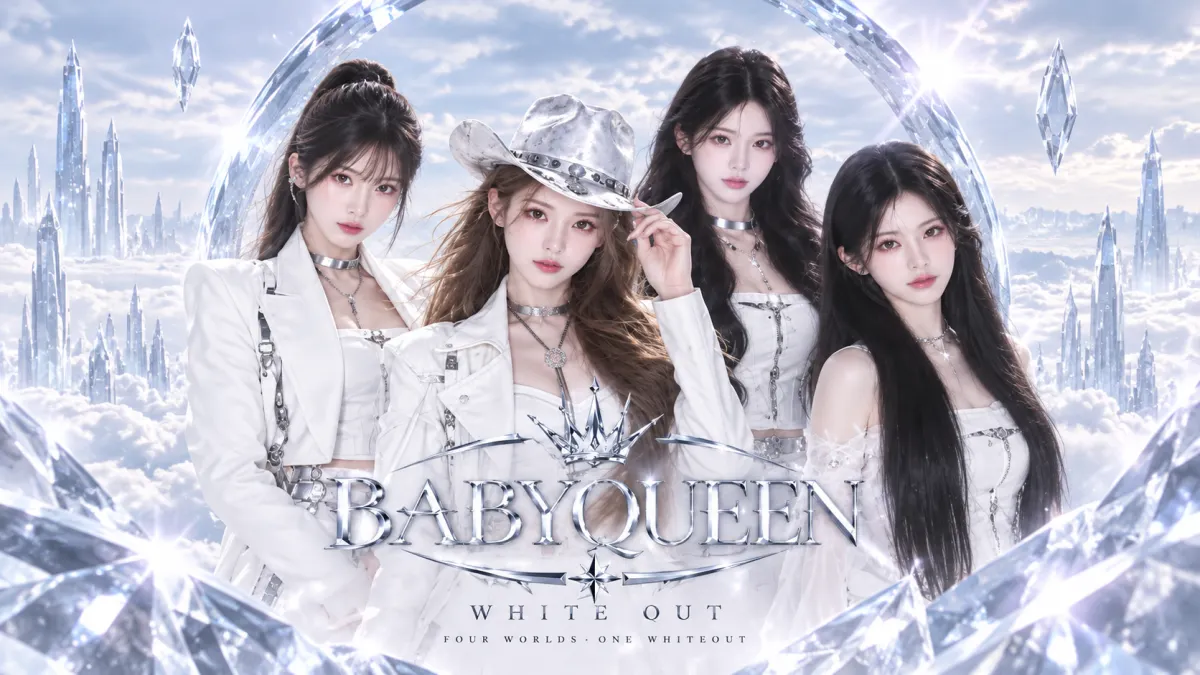
Kim Nawon is also part of the AI-generated lineup. The group uses different looks and personalities to make each member stand out.
Youngxi and Jocee
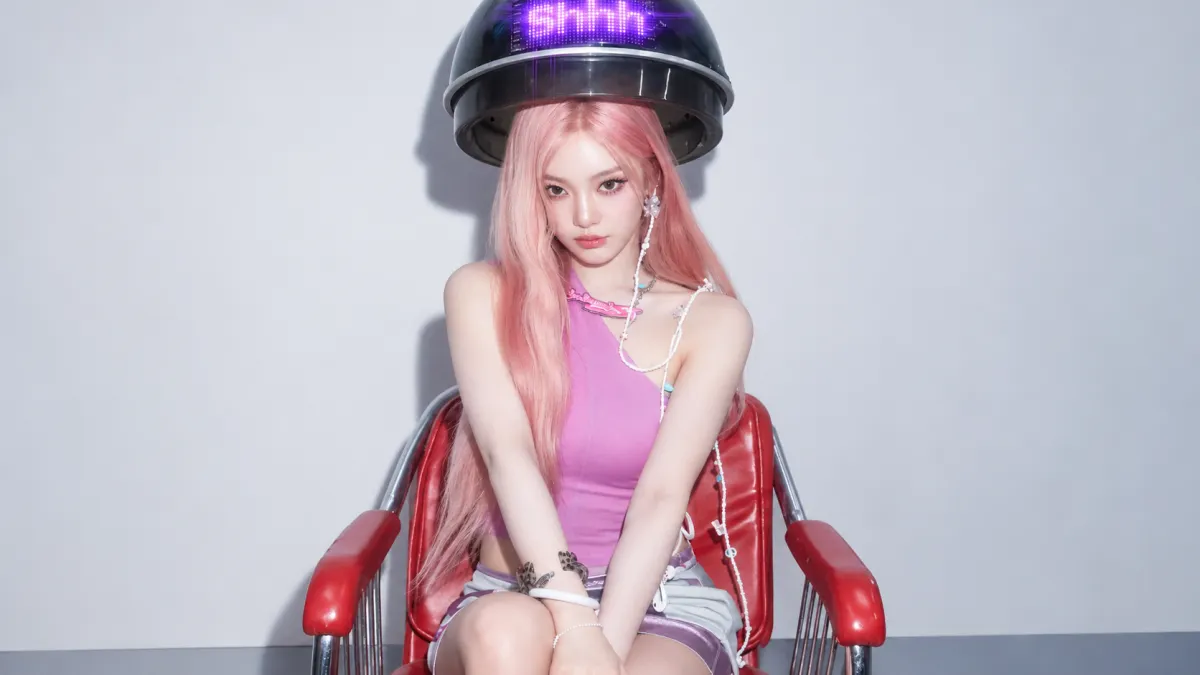
Youngxi and Jocee are the other two members of the original five-person group. Reports about the controversy said BABYQUEEN would continue with four members after Mity's announced departure.
It's worth keeping in mind that these aren't real-life singers with private lives of their own. They're digital characters created as part of an entertainment project.
2. Who Created BABYQUEEN?
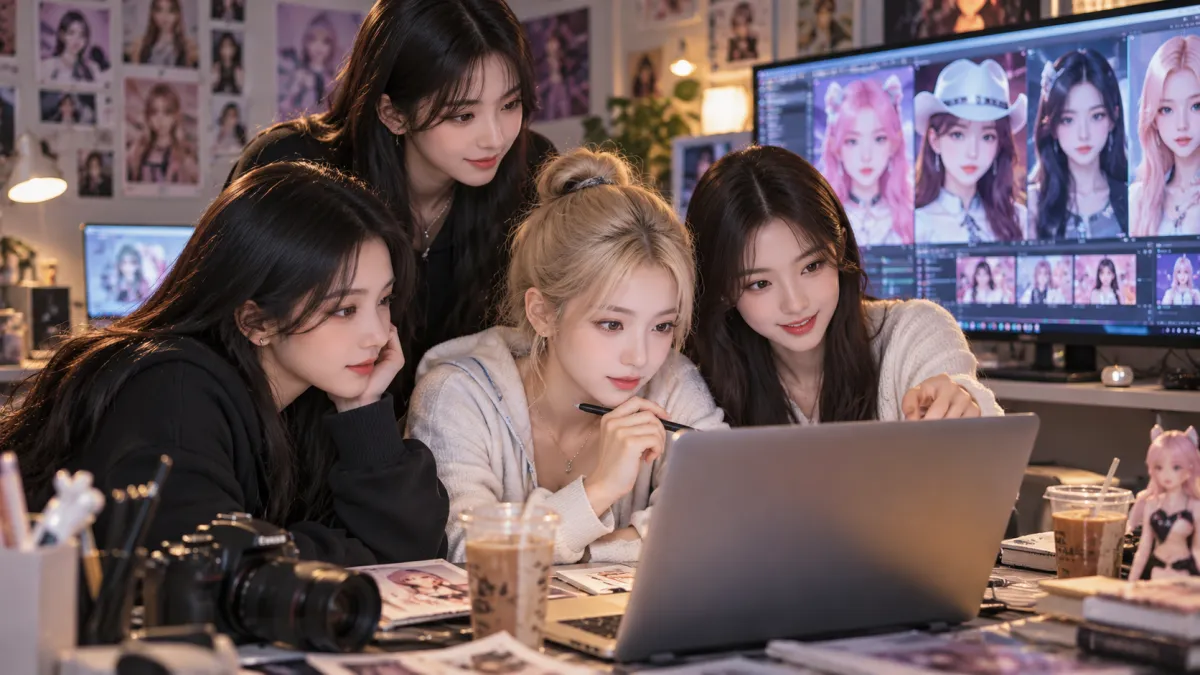
Unlike many major K-pop acts backed by large entertainment companies, BABYQUEEN reportedly started as a small project by a group of young Chinese women who were fans of K-pop.
They wanted to create a girl group with the look and feel of Korean pop acts, but instead of hiring real singers, dancers, and models, they used AI-generated characters.
According to reports, the creators were students and initially worked on the project as a hobby. They said it wasn't making money and that managing five separate characters had become difficult.
That detail helps explain why the group later came up with a story about one member leaving.
3. How Does an AI Music Group Actually Work?
Creating a virtual group involves more than generating a few attractive faces. The creators need to build a consistent identity for every member and produce content that keeps fans interested.
Step 1: Designing the Members
Each character needs a name, appearance, clothing style, and personality. The goal is to make the members recognizable and give fans a reason to connect with each one.
Step 2: Producing the Music
AI tools can help with songwriting, melodies, instrumental arrangements, and even synthetic vocals.
However, there's no independently confirmed information showing exactly which tools BABYQUEEN's creators used or how much of the group's music was generated by AI.
Being an AI group doesn't automatically mean every part of its music is fully automated. Human creators may still be involved in writing, editing, arranging, and production.
Step 3: Creating Videos and Social Media Content
The creators can publish promotional images, music videos, fictional everyday moments, and stories about the members' lives.
These posts help build a connection with the audience, making the characters feel more familiar and relatable—even though they aren't real people.
4. What Really Happened With Mity's Pregnancy?
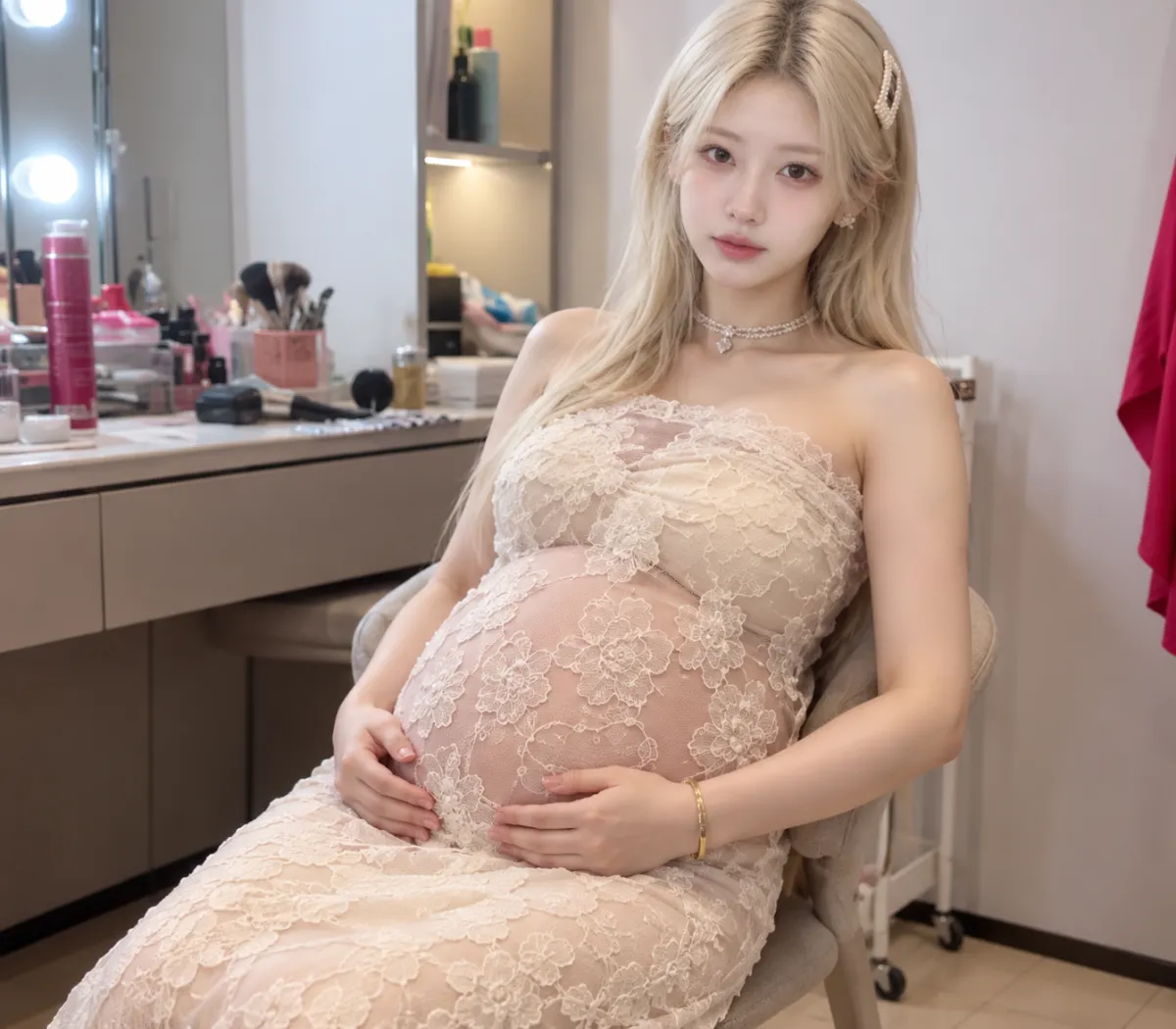
In October 2026, the group's official account announced that Mity was pregnant and would temporarily step away from activities to rest and prepare for the baby's arrival.
The announcement was written in a way that made it sound like a real singer sharing major personal news.
But as the story attracted attention and criticism, the creators reportedly admitted that the pregnancy was fictional. They explained that they had come up with the story because managing all five virtual members had become too difficult.
The announcement triggered a wider debate on Chinese social media.
Critics argued that using pregnancy and childbirth as a publicity stunt was insensitive, especially because these are real-life experiences that can be deeply personal for many women.
Others took a different view. They argued that fictional characters are allowed to have fictional storylines, just like characters in movies, TV shows, or video games.
The bigger question was whether audiences were being given a clear enough picture of what was real and what was made up.
5. Has BABYQUEEN Actually Become Successful?
It's still too early to call BABYQUEEN an established music success.
Much of the group's attention came from the pregnancy controversy rather than clear evidence of major music sales, commercial success, or a large, loyal fan base.
Reports have mentioned music associated with the group, including a track called «BangBang» and another called «Next Level.» However, without reliable figures for streams, sales, or revenue, it's difficult to measure how successful the project really is.
There's also an important difference between going viral and building a lasting music career.
A controversial post can attract millions of views, but keeping people interested requires good music, consistent content, and a strong identity that fans want to follow.
6. Why Does BABYQUEEN Matter for the Future of Music?
The most interesting part of this story isn't the fictional pregnancy itself. It's the business model behind the group.
A small team can now use AI to build a virtual music act with its own visual identity, social media presence, and ongoing storyline—without needing a traditional lineup of performers.
This approach opens up several possibilities:
- Global social media reach: Virtual performers can attract audiences in different countries without having to travel or appear in person.
- Music and video production: AI tools can help creators produce songs, visuals, and promotional content.
- Brand partnerships: Digital characters can potentially promote products and collaborate with brands.
- Story-driven entertainment: Creators can develop fictional relationships, personal milestones, and ongoing storylines to keep audiences engaged.
But there are challenges, too. Creators need to maintain audience trust, be transparent about the use of AI, and deal with copyright, music ownership, and the ongoing cost of producing quality content.