
The 200-Million-Dollar Reality of Modern Game Budgets
When you watch a major summer blockbuster in a theater, you are viewing a cinematic production that typically costs between one hundred and fifty and two hundred million dollars to film, edit, and market. That budget pays for international film crews, prominent actors, elaborate stunt sets, and extensive computer-generated visual effects.
Yet in the modern interactive entertainment industry, major gaming publishers are spending that exact same capital—and frequently more—not on writing brand-new stories or designing original characters, but on rebuilding games originally released decades ago.
The scale of these budgets was made public during legal proceedings between the Federal Trade Commission and Microsoft, where internal court documents from Sony Interactive Entertainment were unsealed. The leaked filings revealed that developing flagship AAA games like The Last of Us Part II required over 220 million dollars in development costs alone, employing over two hundred full-time staff members across more than seven years.
Why Rebuilding a Classic Requires Hollywood-Scale Capital
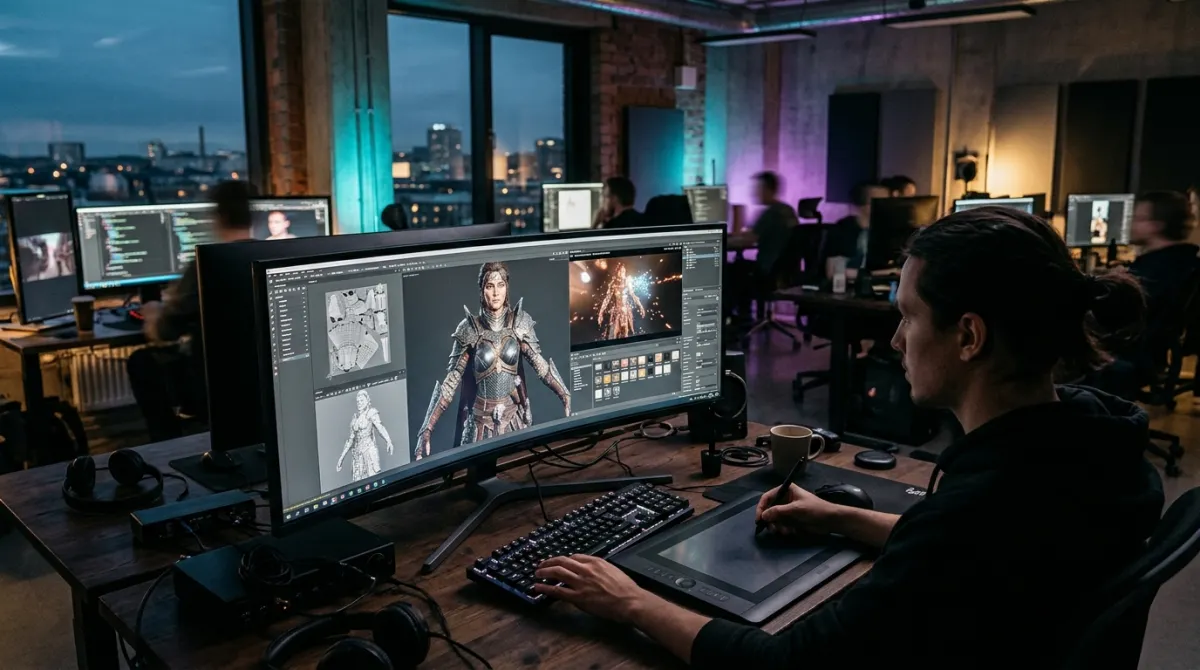
To understand why game development budgets have multiplied over the past decade, it helps to examine what a modern remake entails. Decades ago, building a virtual game environment required basic low-polygon geometry, repeating texture tiles, and simple enemy pathfinding scripts.
In contrast, modern players expect photorealistic 4K visual assets, cinematic lighting with real-time ray tracing, and complex physics engines that simulate environmental destruction. Creating assets of this fidelity requires dedicated teams of specialized 3D character artists, environment modelers, and physics engineers working for five to six consecutive years.
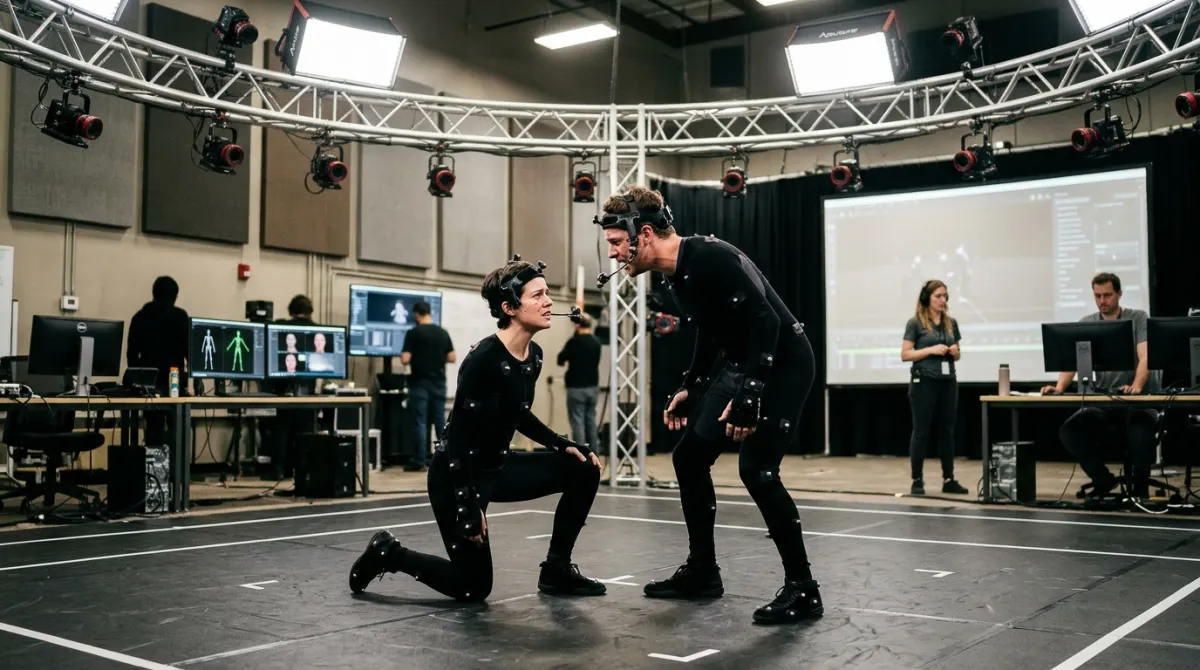
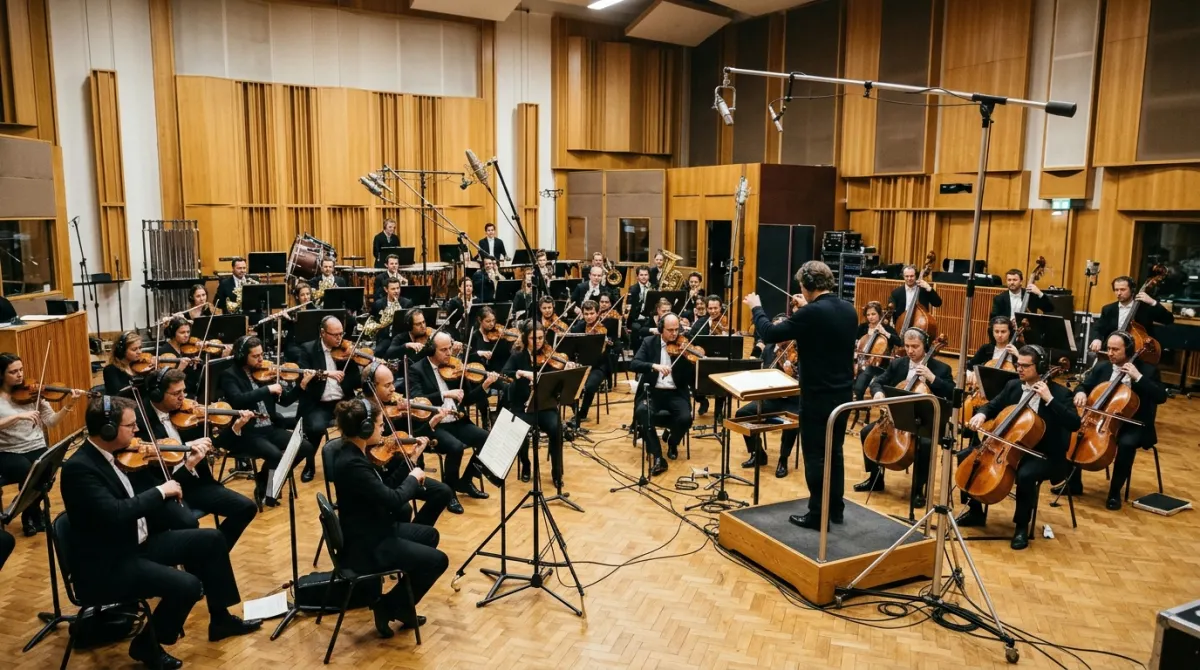
Furthermore, major studios now capture full-body motion performances and facial expressions on dedicated motion-capture sound stages. Every dialogue cutscene functions as a digital motion picture, complete with professional actors, voice talent, cinematographers, and audio engineers.
| Project Title | Media Type | Release Window | Disclosed Development Budget |
|---|---|---|---|
| Oppenheimer | Hollywood Feature Film | 2023 | $100 Million |
| Top Gun: Maverick | Hollywood Feature Film | 2022 | $170 Million |
| Dune: Part Two | Hollywood Feature Film | 2024 | $190 Million |
| Horizon Forbidden West | AAA Video Game | 2022 | $212 Million (Court disclosure) |
| The Last of Us Part II | AAA Video Game | 2020 | $220 Million (Court disclosure) |
The Economic Safety of Proven Nostalgia
When an entertainment company commits over two hundred million dollars to a single project, corporate management becomes deeply sensitive to financial risk. A commercial failure at that scale can destabilize a studio or erase quarterly earnings for a public publisher.
Launching a completely original intellectual property carries substantial commercial uncertainty: will players connect with the new protagonist? Will the core mechanics stand out in a crowded market? No publisher can guarantee a hit.
In contrast, an established classic comes with decades of brand equity and millions of adult players who have fond childhood memories and disposable income. Remaking a proven title gives executives a reliable commercial baseline, justifying multi-million-dollar development cycles to corporate boards and investors.
The Creative Dilemma Facing the Games Industry
While playing an all-time classic rendered with cutting-edge visual technology is an impressive experience for players, the trend creates a notable artistic challenge. Studios committed to five-year remake cycles are studios not building original stories or experimenting with novel gameplay designs.
This dynamic mirrors the broader film industry, where mid-budget standalone productions have largely given way to familiar franchises and sequels. As executive teams recognize that multi-hundred-million-dollar budgets cannot grow indefinitely, the industry faces an imperative to balance faithful remakes with fresh, forward-looking creative risks.
The Technical Challenge of High-Definition Asset Conversion
A major technical reason modern remakes require hundreds of millions of dollars is the impossibility of reusing original codebases or 3D assets. Game engines from twenty years ago utilized fundamentally different coordinate math, fixed-function lighting pipelines, and low-resolution texture limits that cannot simply be ported into modern engines like Unreal Engine 5 or custom proprietary frameworks.
Every asset—from a character's leather jacket to a crumbling brick wall—must be designed and sculpted from scratch by professional digital artists using photogrammetry and high-polygon modeling suites. A background character that originally comprised three hundred geometric polygons in 2002 now requires over one hundred thousand polygons alongside multi-layered physics shaders for realistic cloth and hair simulation.
This generational technical leap requires massive engineering pipelines, where dozens of technical artists spend weeks refining environmental collisions, dynamic sound propagation, and facial lip-syncing algorithms for multiple international localization languages.
Digital Licensing and the Urgency of Game Preservation
As modern remakes cost seventy dollars and take up to one hundred gigabytes of hard drive storage, player communities are growing increasingly focused on digital software preservation. Modern remakes are frequently tied to mandatory online account check-ins and digital distribution stores where players purchase a temporary software license rather than permanent ownership.
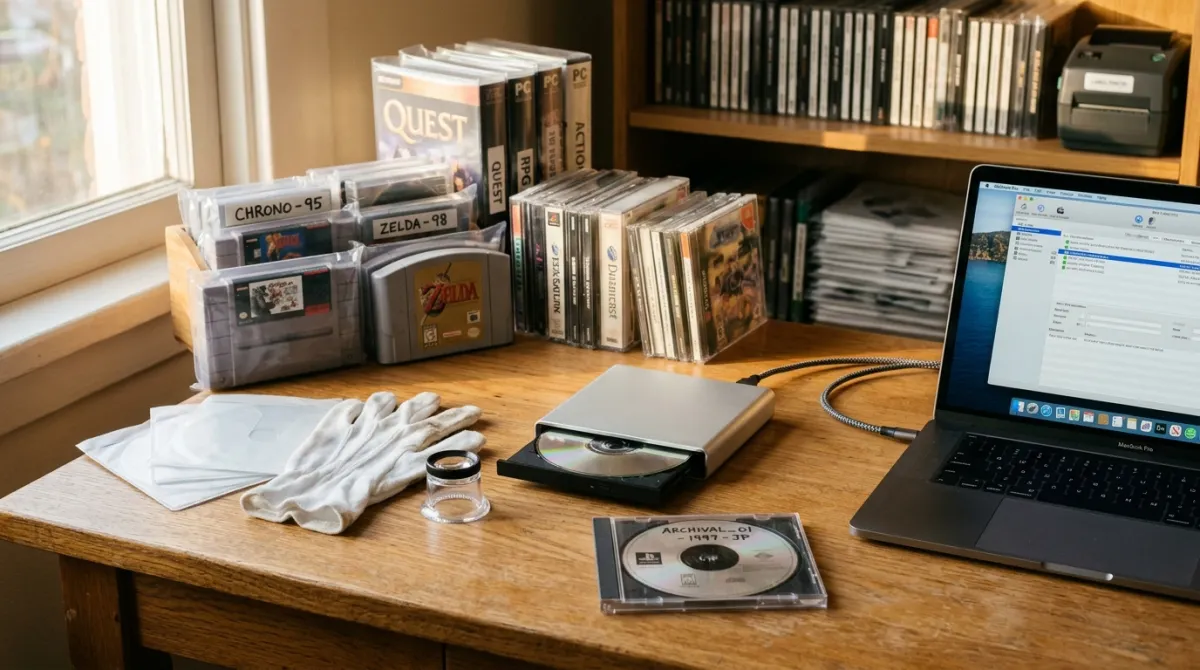
If digital licensing rights for third-party soundtrack recordings, commercial car models, or voice actors expire years after launch, publishers occasionally delist remakes entirely from storefronts. In response, historical preservation societies and retro gaming enthusiasts actively archive original game cartridges, physical discs, and documentation in offline digital libraries, ensuring that interactive entertainment history remains accessible regardless of commercial remake schedules.
The Hidden Marketing Budgets That Double the Price Tag
While leaked legal filings confirmed pure development budgets surpassing two hundred million dollars for flagship AAA titles, that figure represents only part of the total corporate investment. Major gaming publishers routinely spend an equal amount on global marketing campaigns, television commercials, influencer sponsorships, and international gaming convention showcases.
When global marketing expenditures are combined with baseline engineering costs, the total commercial exposure for a major remake frequently approaches four hundred million dollars. At that astronomical financial tier, a game must sell eight to ten million copies at full seventy-dollar retail prices just to reach basic commercial break-even status.
This immense financial pressure explains why publishers aggressively implement collector editions, paid downloadable expansions, and pre-order bonuses. To recoup massive production outlays, entertainment companies must monetize their most passionate player base at every stage of the game's release window.
The Shift Toward Episodic and Modular Remakes
To mitigate the extreme commercial risks associated with multi-hundred-million-dollar development cycles, major game publishers are experimenting with modular and episodic release models. Instead of attempting to rebuild an entire massive role-playing game into a single seventy-dollar release, studios divide sprawling narratives into standalone multi-part chapters released across several years.
While this approach provides development teams with intermediate revenue milestones and more manageable production scopes, it also introduces consumer friction. Players must often purchase three separate full-price releases over a decade to experience a complete story that was originally delivered on three compact discs in 1997. Balancing corporate financial sustainability with player expectations remains one of the central strategic challenges defining the modern console gaming generation.