

Most of us replace broken gadgets without thinking twice, but many of the everyday items we use for hygiene, cooking, and cleaning quietly wear out long before they look unusable. Over time, they can collect bacteria, lose their effectiveness, or simply stop doing the job they were designed for.
If you can't remember the last time you replaced some of these household essentials, it may already be overdue. Here are 22 everyday items experts recommend replacing regularly to help keep your home cleaner, healthier, and safer.
1. Toothbrush
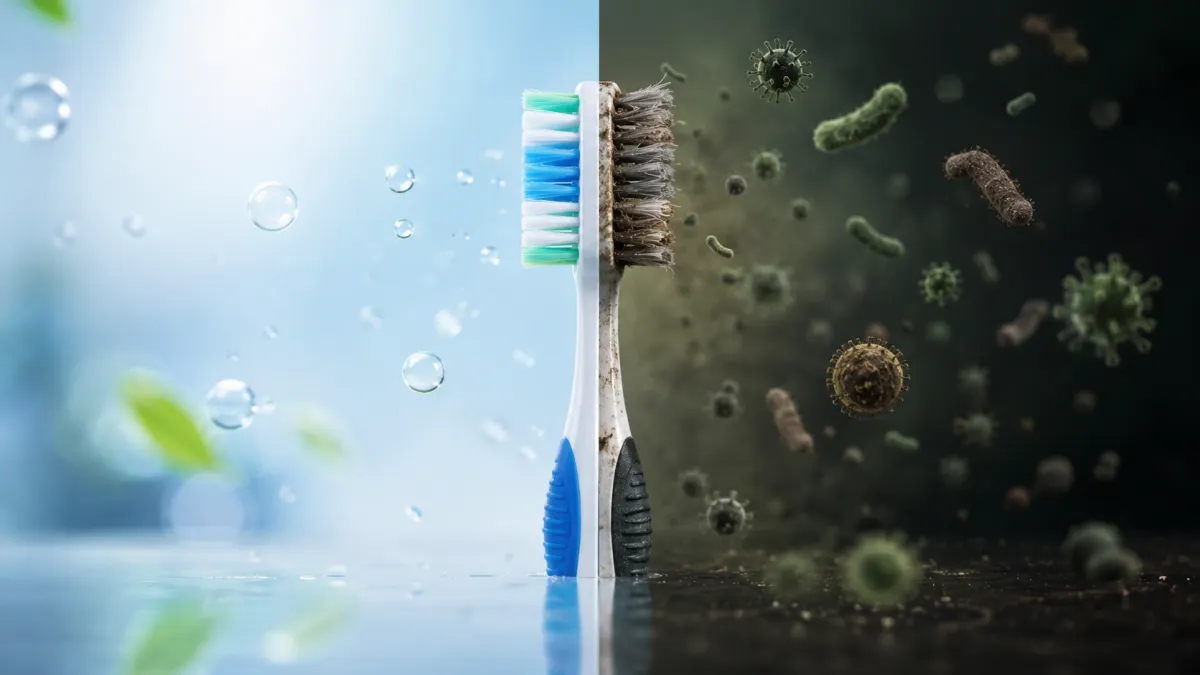
Dentists recommend replacing your toothbrush every three to four months. Once the bristles begin to fray, they become much less effective at removing plaque, while bacteria can accumulate between the fibers over time.
2. Kitchen Sponge
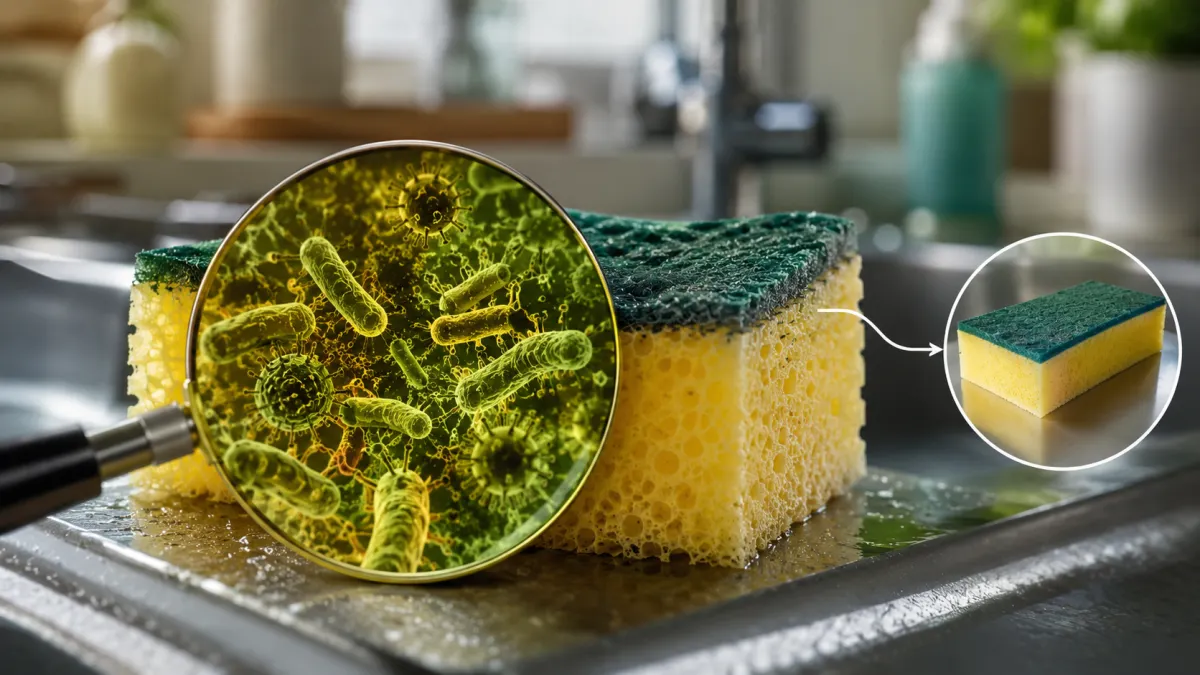
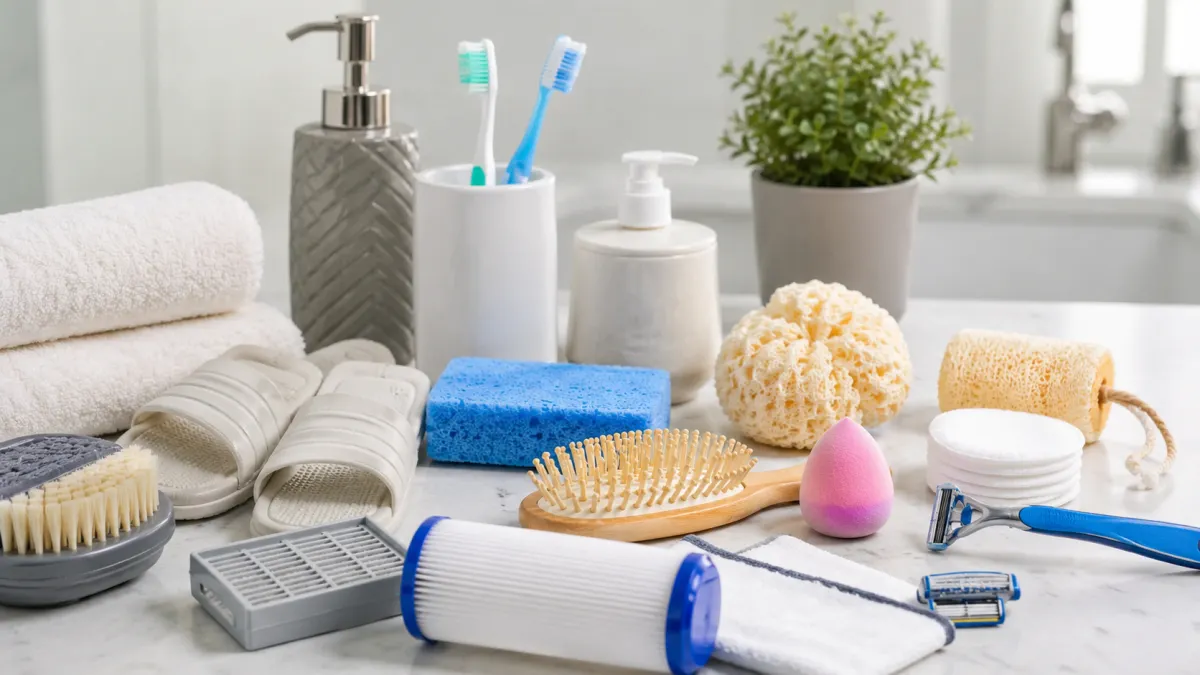
A kitchen sponge is one of the germiest items in most homes. Because it stays damp and comes into contact with food residue, it can quickly become a breeding ground for bacteria. Replacing it every month—or even sooner with heavy use—is a smart habit.
3. Bath Towel
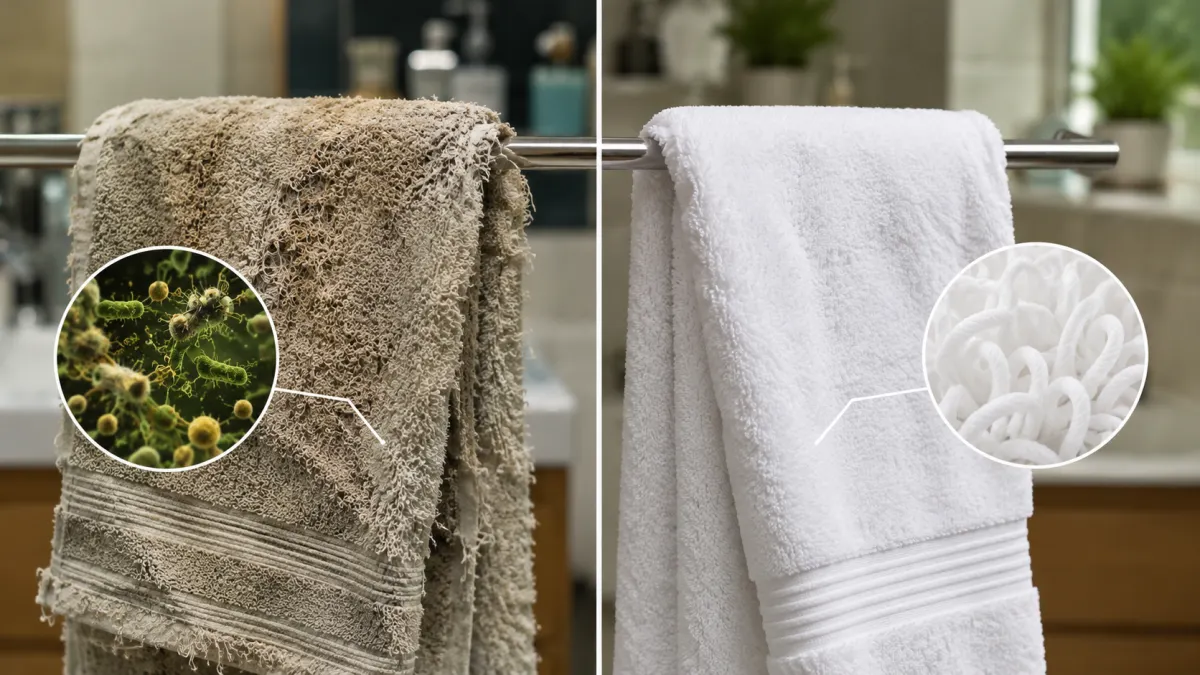
Even if you wash your towels regularly, repeated use gradually wears down the fabric and allows microorganisms to build up. A well-used bath towel should generally be replaced every six to twelve months.
4. Underwear
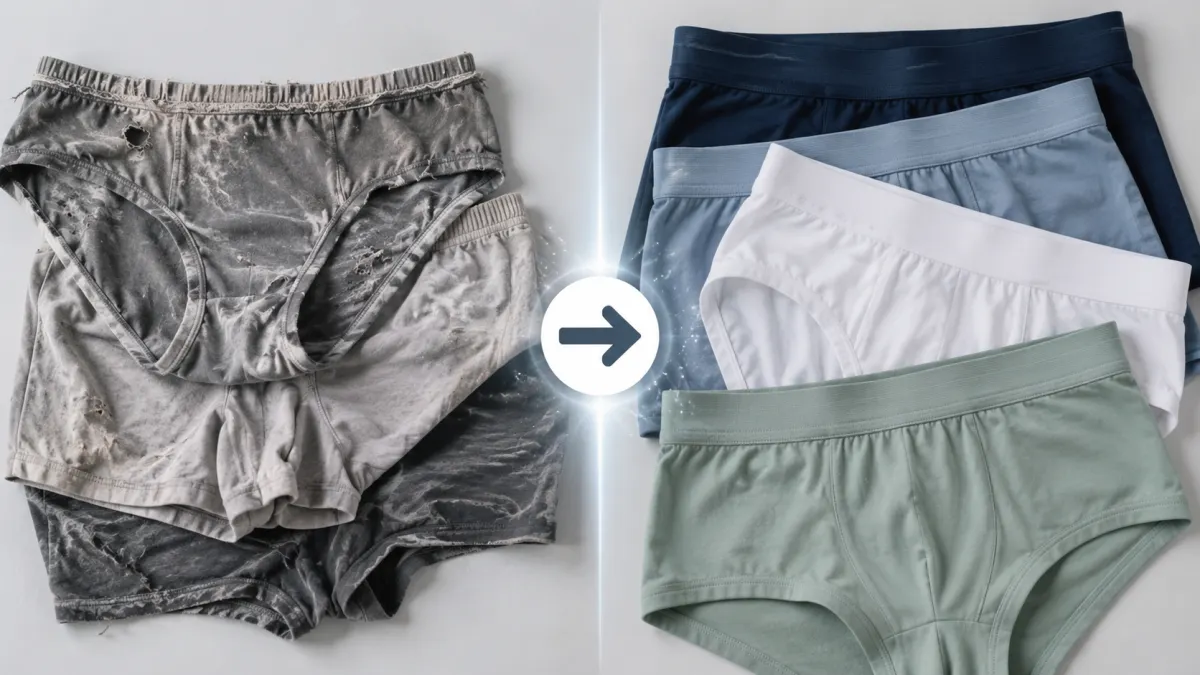
Frequent washing slowly breaks down fabric fibers and elasticity. As underwear ages, it also becomes harder to keep completely hygienic. Replacing everyday pairs every six to twelve months helps maintain both comfort and cleanliness.
5. Pillow
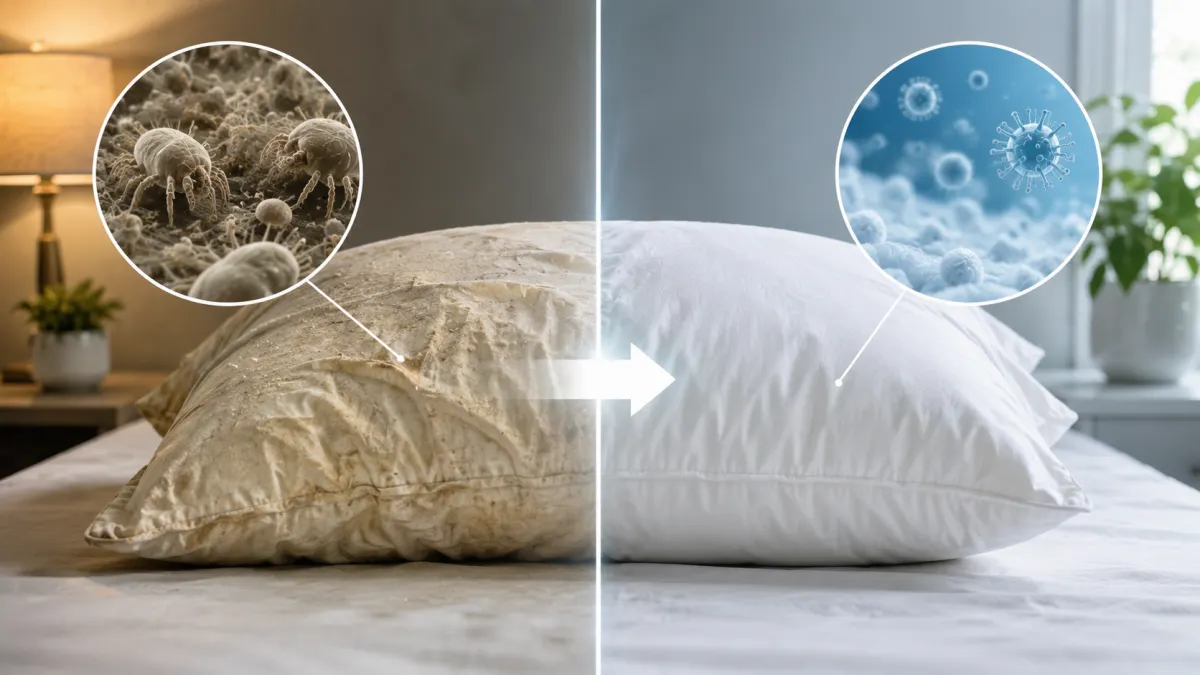
Your pillow collects sweat, skin cells, dust mites, and allergens every night. If it has lost its shape, feels lumpy, or no longer provides proper support, it's probably time for a replacement.
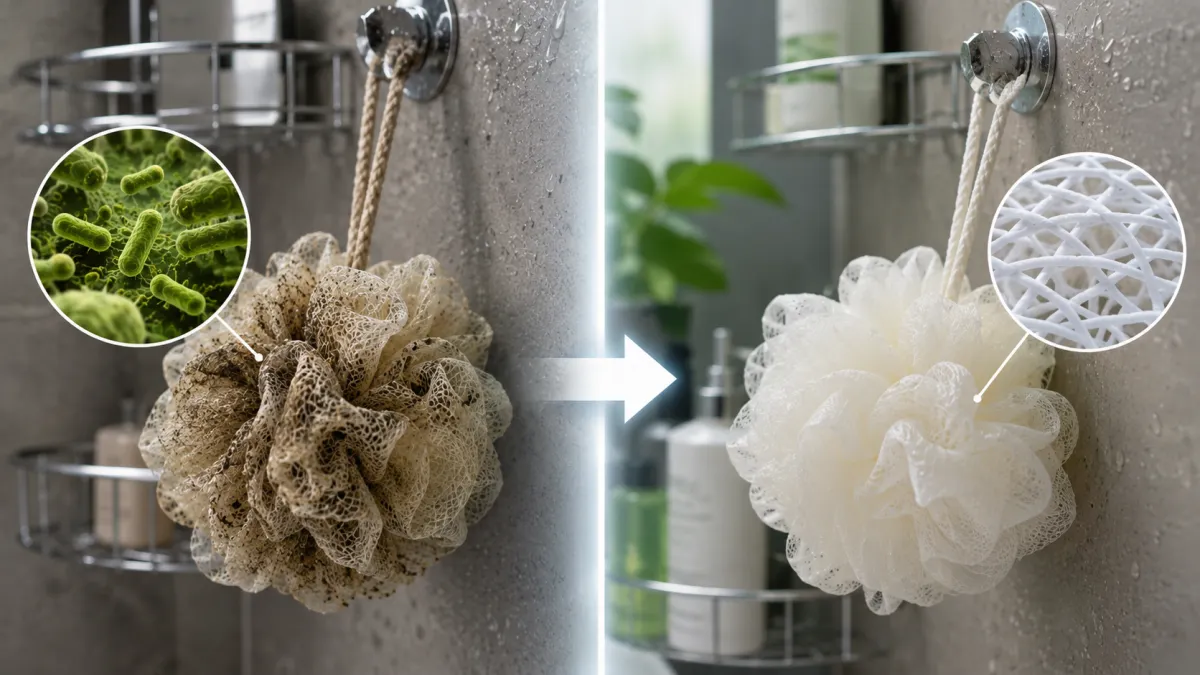
6. Bath Loofah
Loofahs stay wet for long periods, making them an ideal environment for bacteria and mold. Replacing them every two to three months can help reduce unwanted microbial growth.
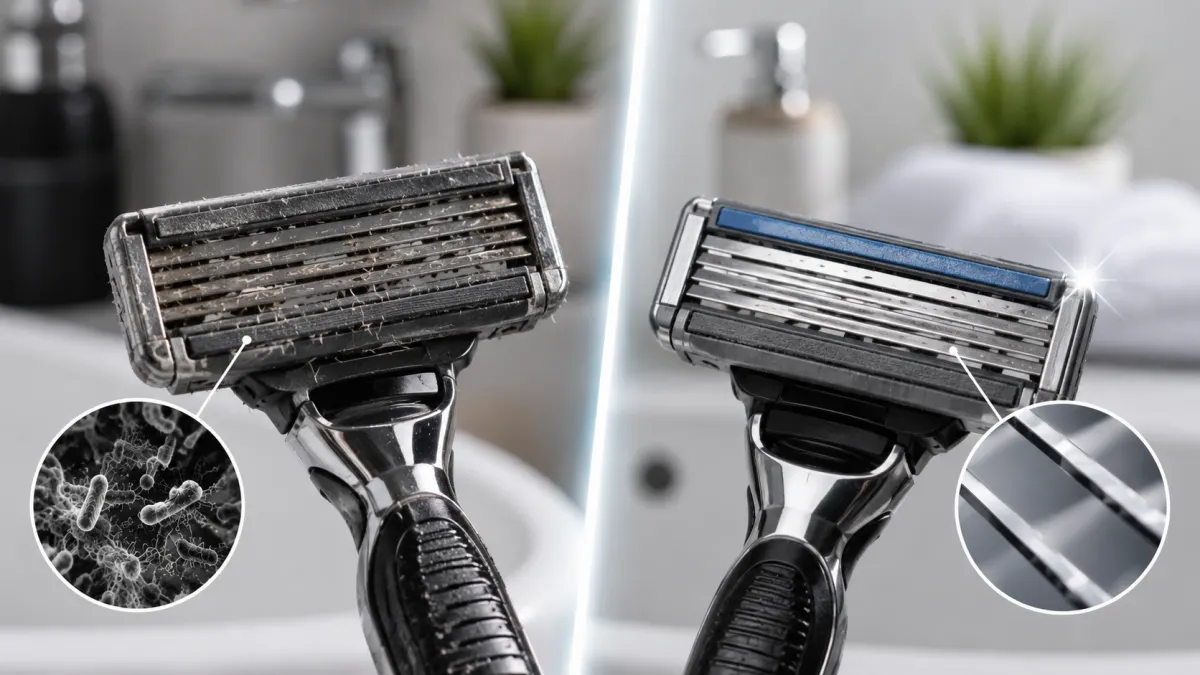
7. Razor Blades
Dull razor blades don't just make shaving less comfortable—they also increase the risk of cuts, razor burn, and skin irritation. Depending on how often you shave, replacing blades every few weeks is generally recommended.
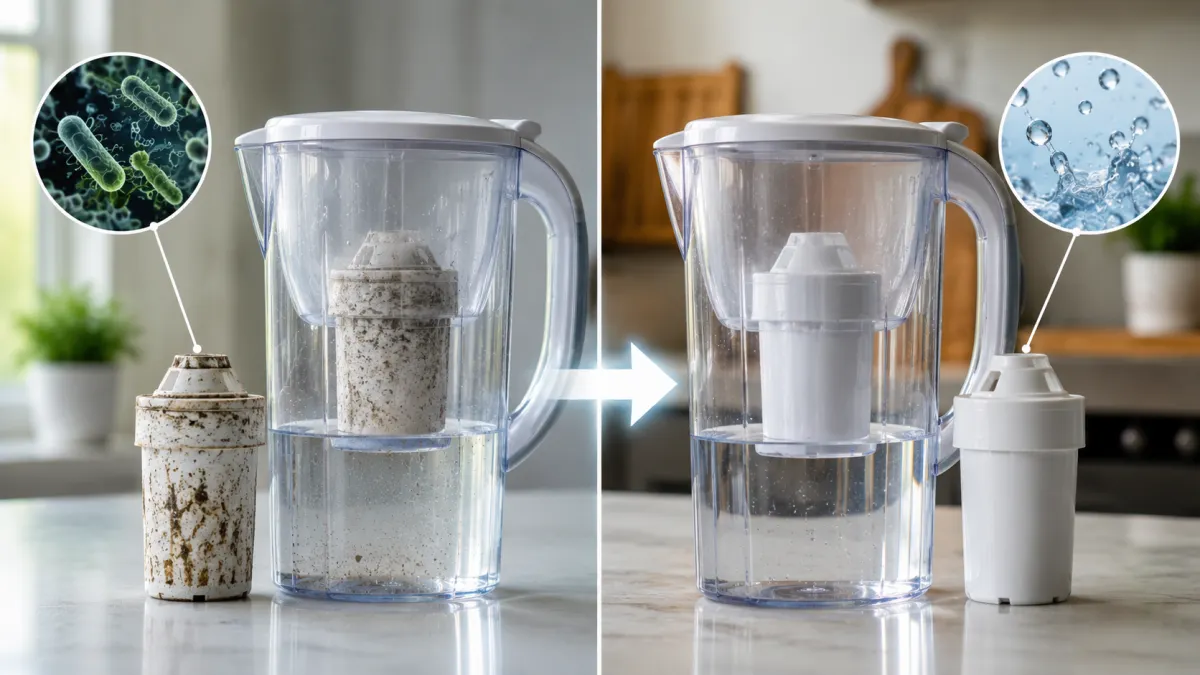
8. Water Filter Pitcher Cartridge
Water filter cartridges gradually lose their ability to remove impurities. Most manufacturers recommend replacing them every two to six months, depending on usage and water quality.
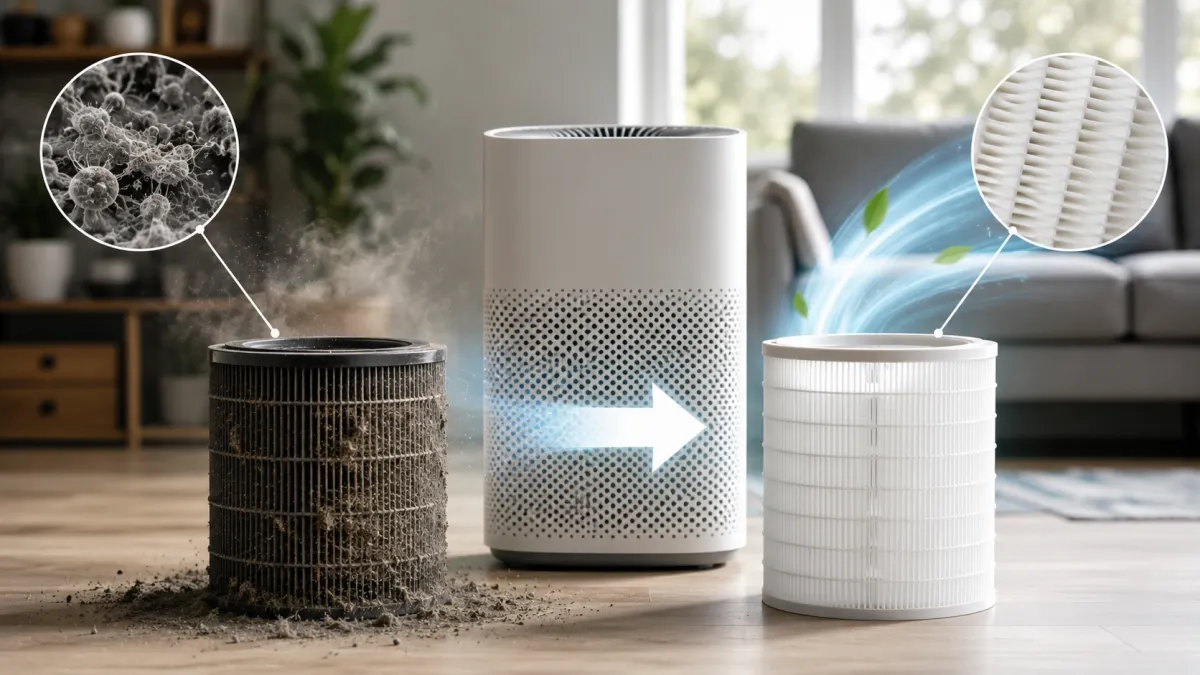
9. Air Purifier Filter
An air purifier is only as effective as its filter. Once clogged with dust and airborne particles, it can't efficiently clean the air. Most filters should be changed every three to six months.
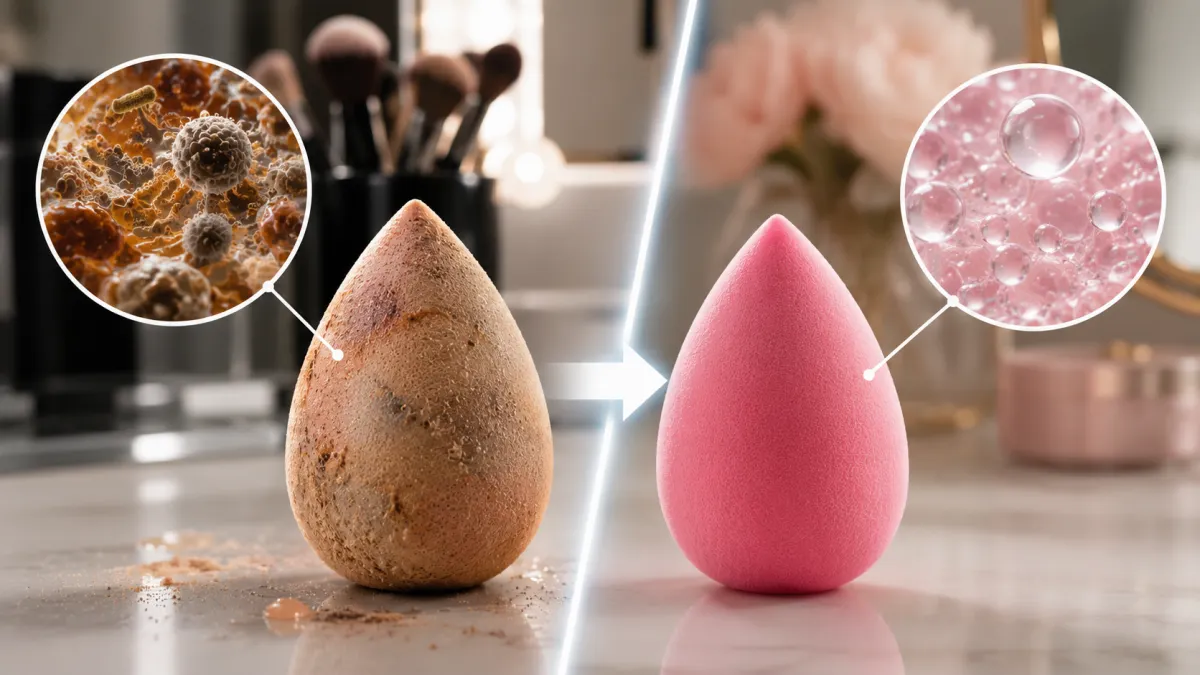
10. Makeup Sponge
Beauty sponges absorb makeup, oils, and moisture every day. Even with regular cleaning, they eventually become difficult to sanitize completely and should be replaced every few months.
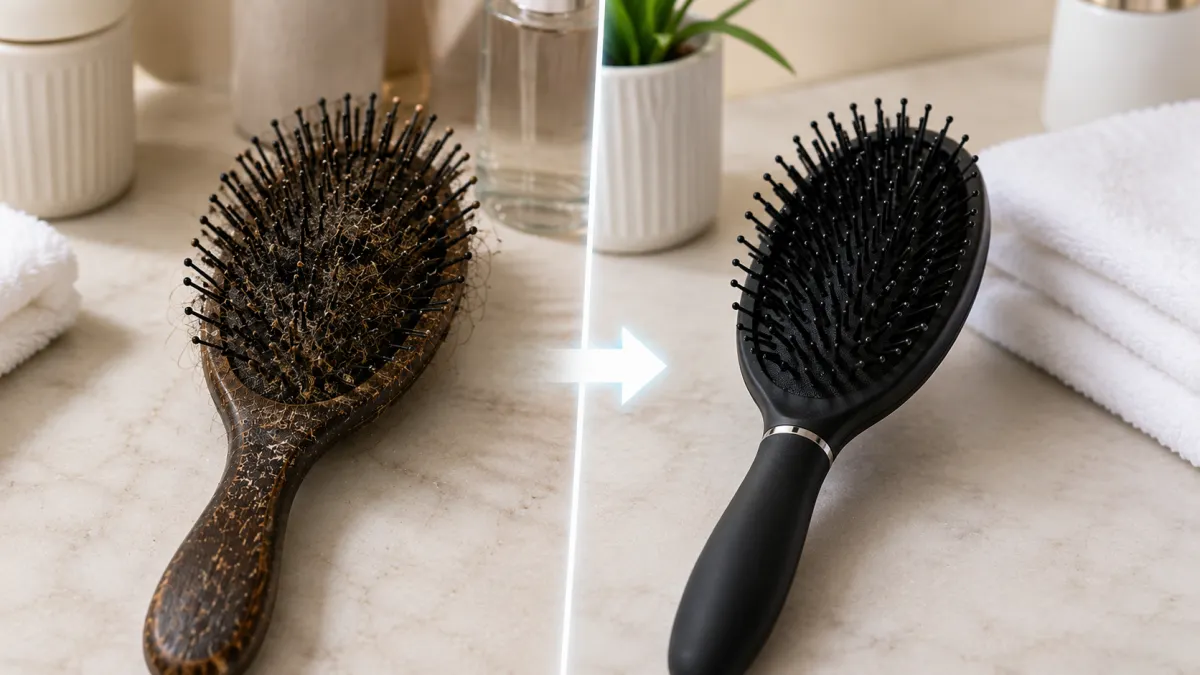
11. Hairbrush
Hairbrushes collect natural oils, dust, dead skin cells, and styling products. If the bristles are bent, cracked, or difficult to clean, replacing the brush will help keep your hair healthier.
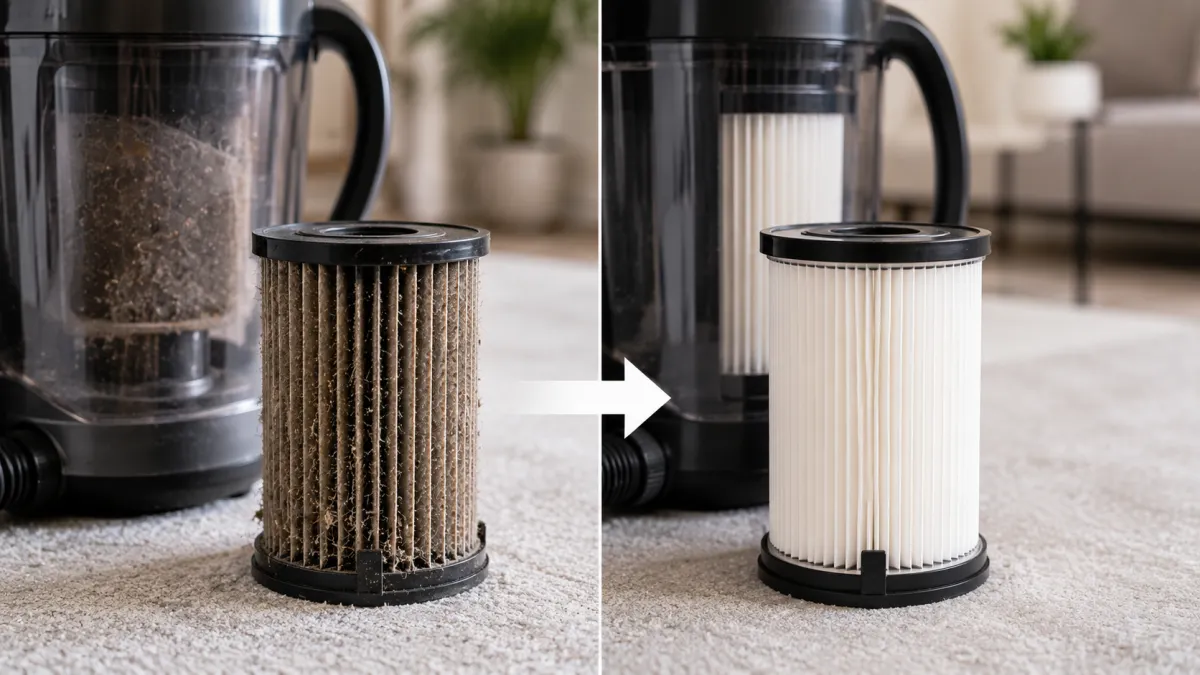
12. Vacuum Cleaner Filter
A dirty vacuum filter reduces suction power and may even release fine dust back into your home. Replacing the filter every three to six months helps maintain cleaning performance.
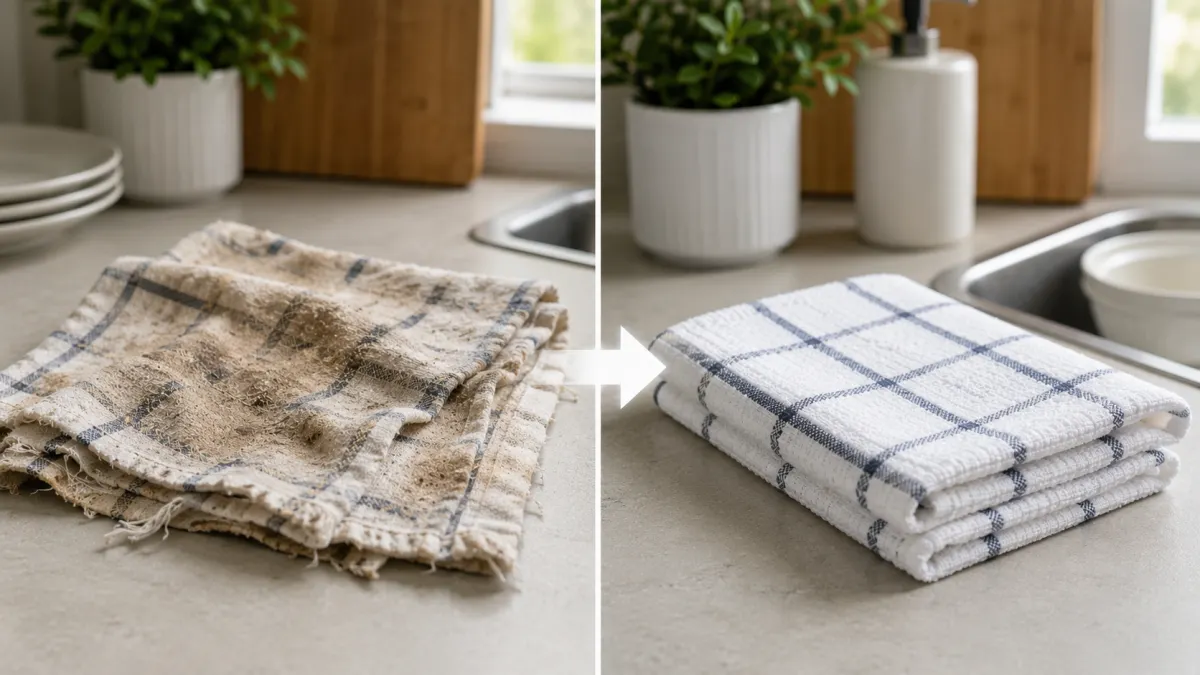
13. Kitchen Dish Towel
Kitchen towels are constantly exposed to moisture, food particles, and bacteria. Even with regular laundering, heavily used towels eventually become less hygienic and should be replaced periodically.
14. 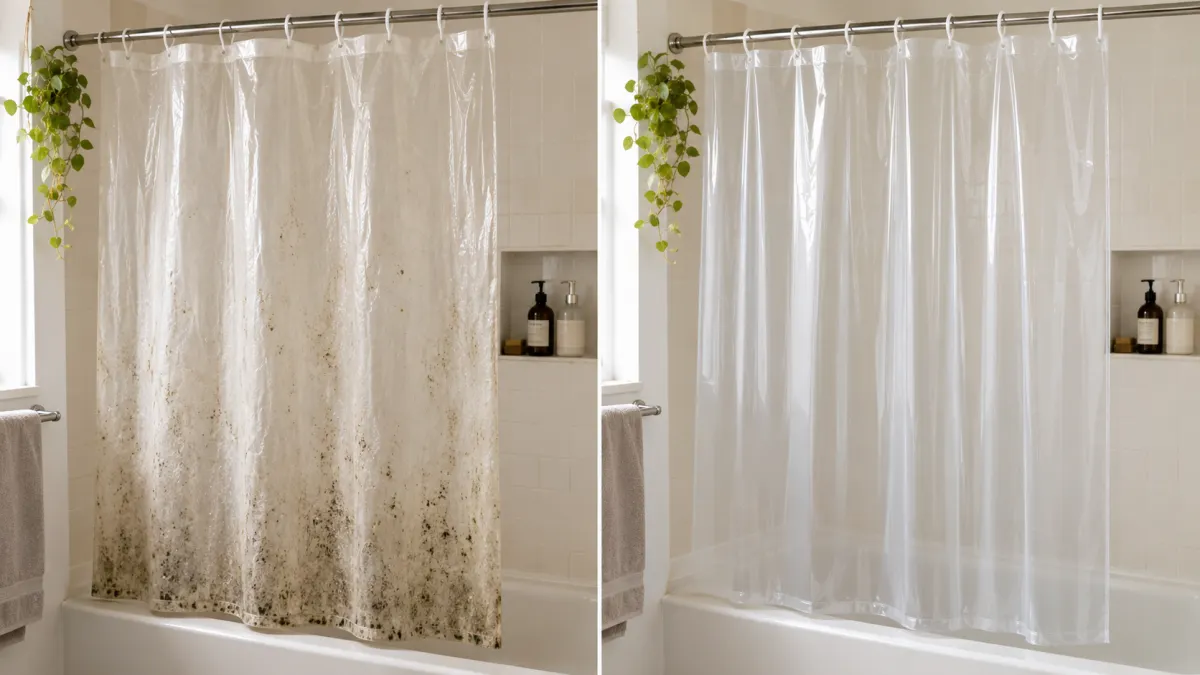
Warm, humid bathrooms encourage mold and mildew to grow on plastic shower curtains. If stains remain after cleaning or mold keeps returning, replacing the curtain is the better option.
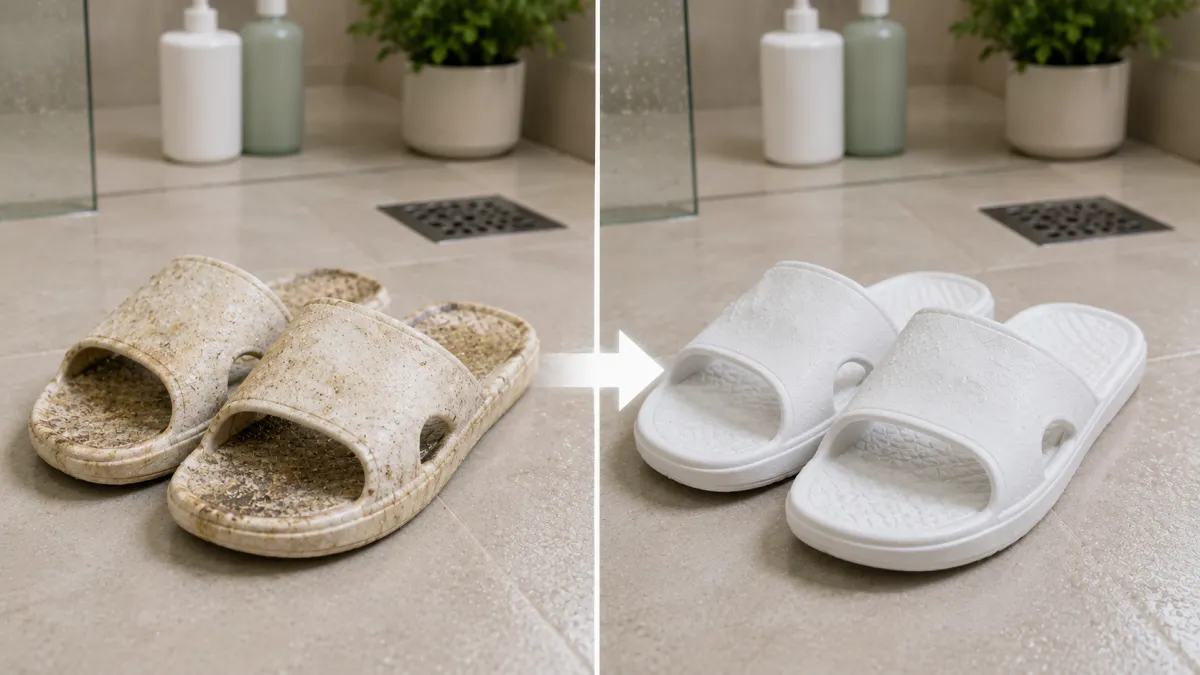
15. Shower Slippers
Daily exposure to moisture can cause shower slippers to harbor bacteria and fungi. Replacing them every six months—or sooner if they show signs of wear—helps improve hygiene.
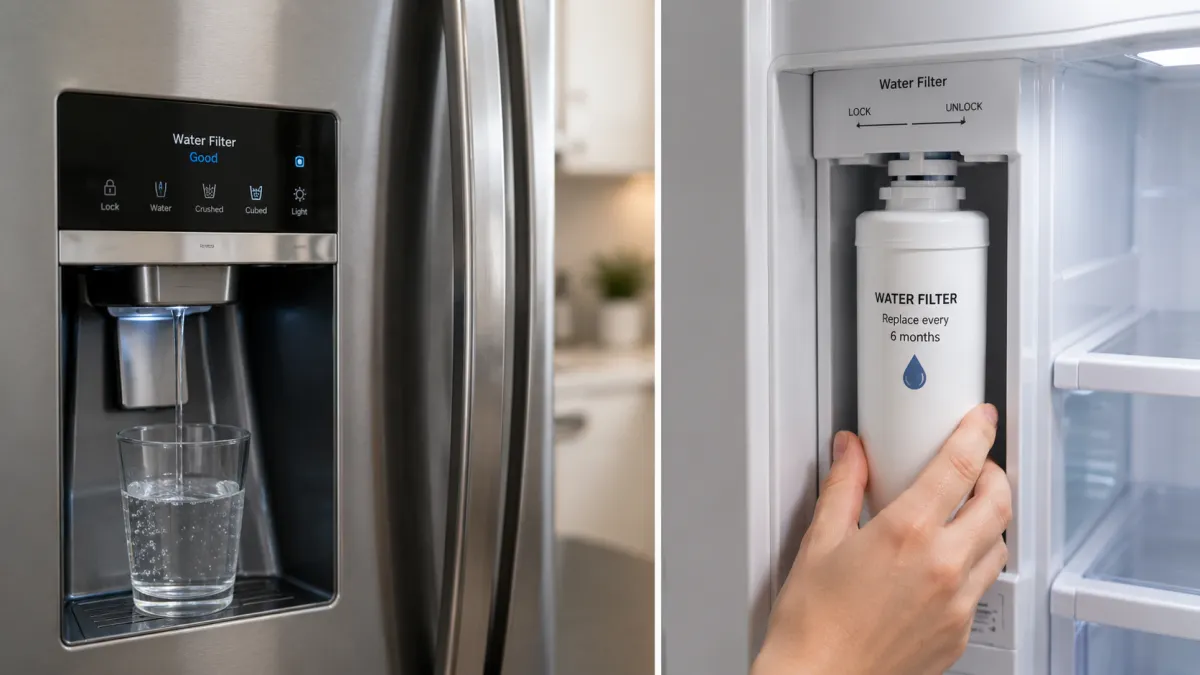
16. Refrigerator Water Filter
If your refrigerator has a built-in water dispenser, the filter should typically be replaced every six months to maintain water quality and filtration performance.
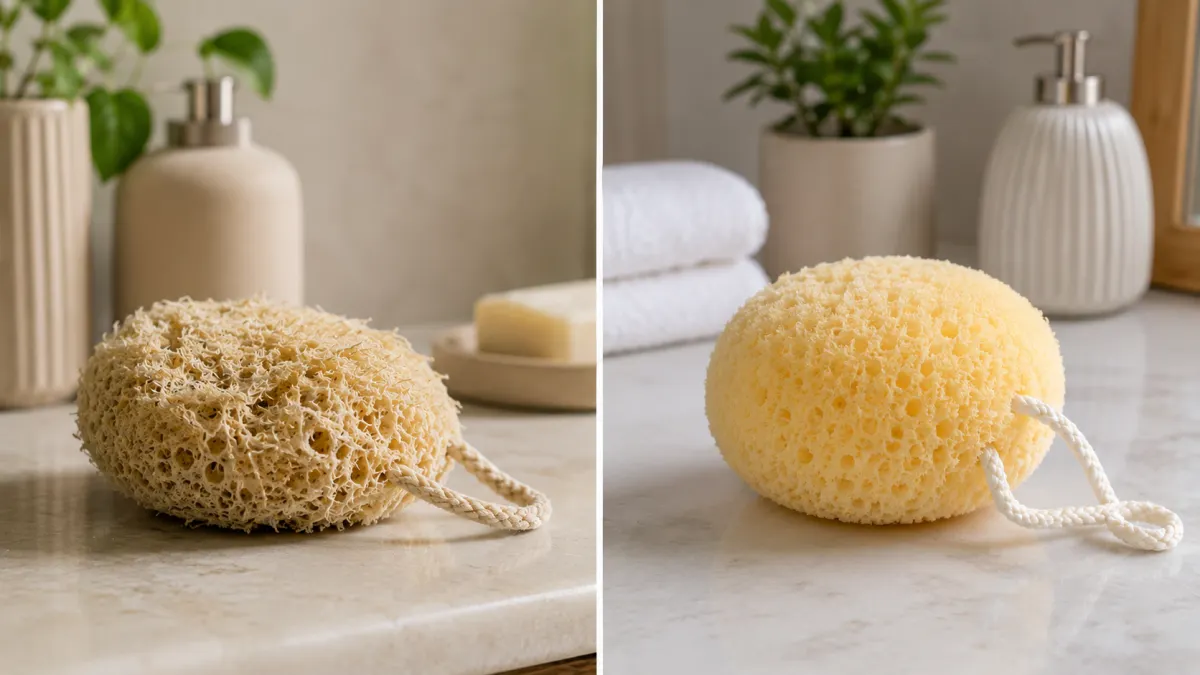
17. Bath Sponge
Like loofahs, bath sponges trap moisture after every use. Over time they become difficult to disinfect completely, making regular replacement a simple way to reduce bacterial buildup.
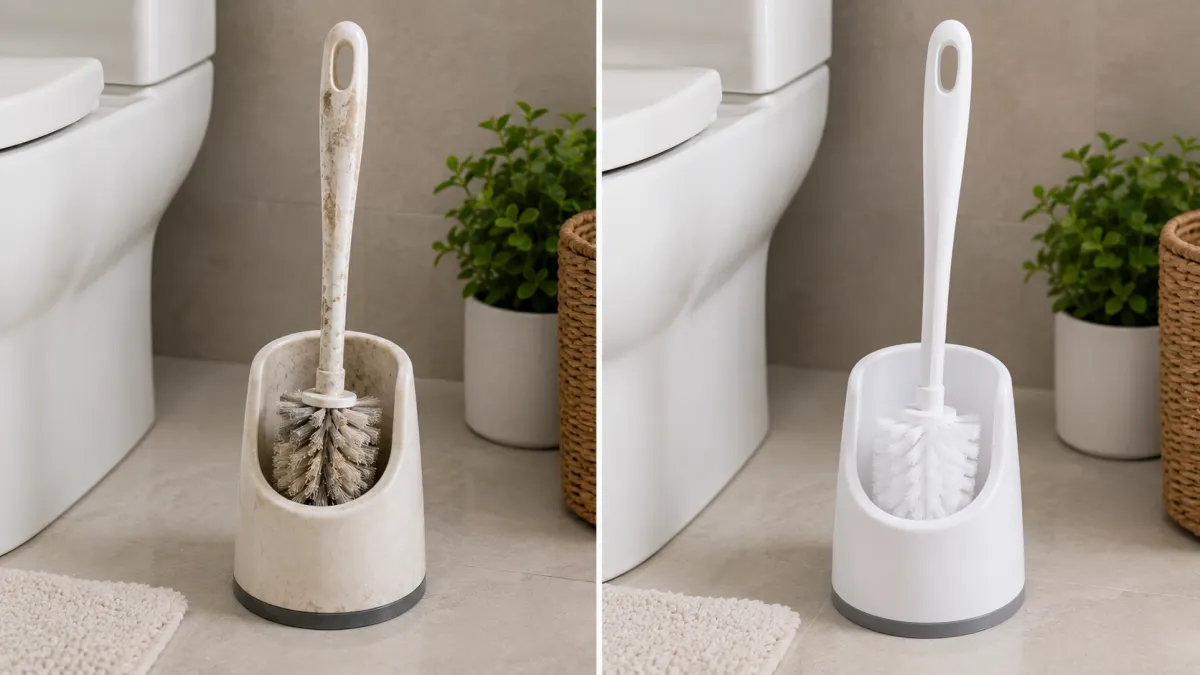
18. Toilet Brush
Although it's designed for cleaning, a toilet brush doesn't stay clean forever. Worn bristles and lingering bacteria make replacing it every six months a sensible household routine.
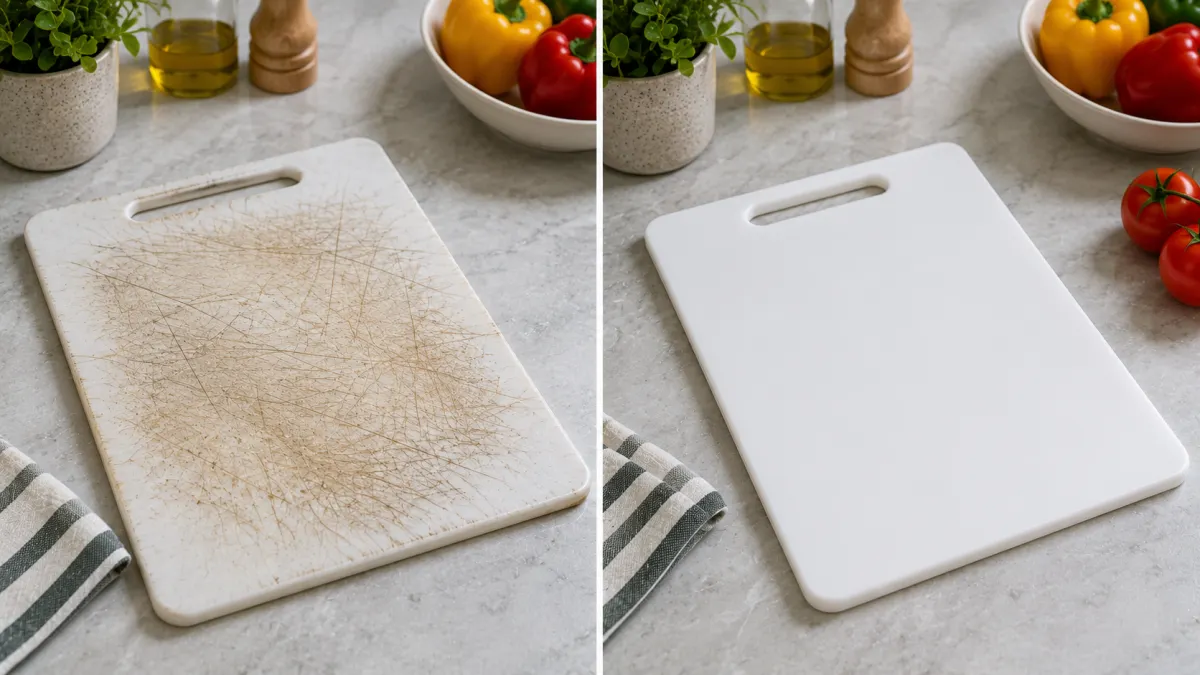
19. Plastic Cutting Board
Deep knife grooves create tiny spaces where bacteria can hide, even after washing. If your cutting board has significant cuts or cracks, replacing it is a safer choice for food preparation.
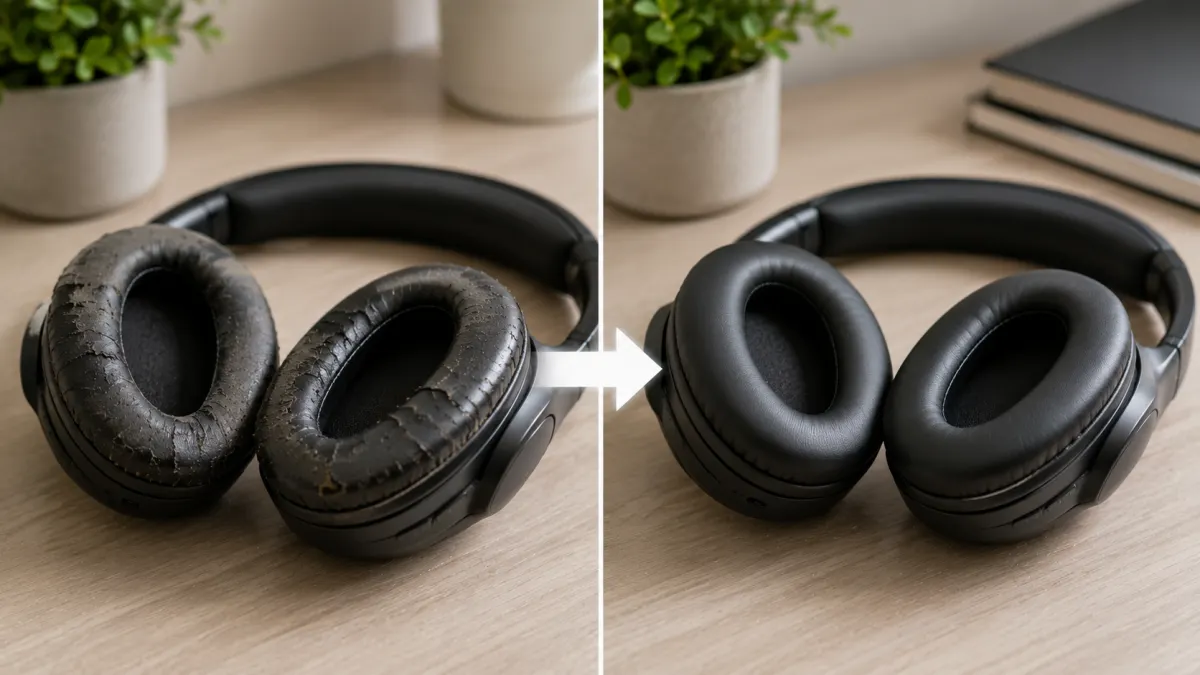
20. Headphone Ear Cushions
Ear pads absorb sweat, skin oils, and dust during everyday use. As they wear out, they become less comfortable and harder to keep clean, making periodic replacement worthwhile.
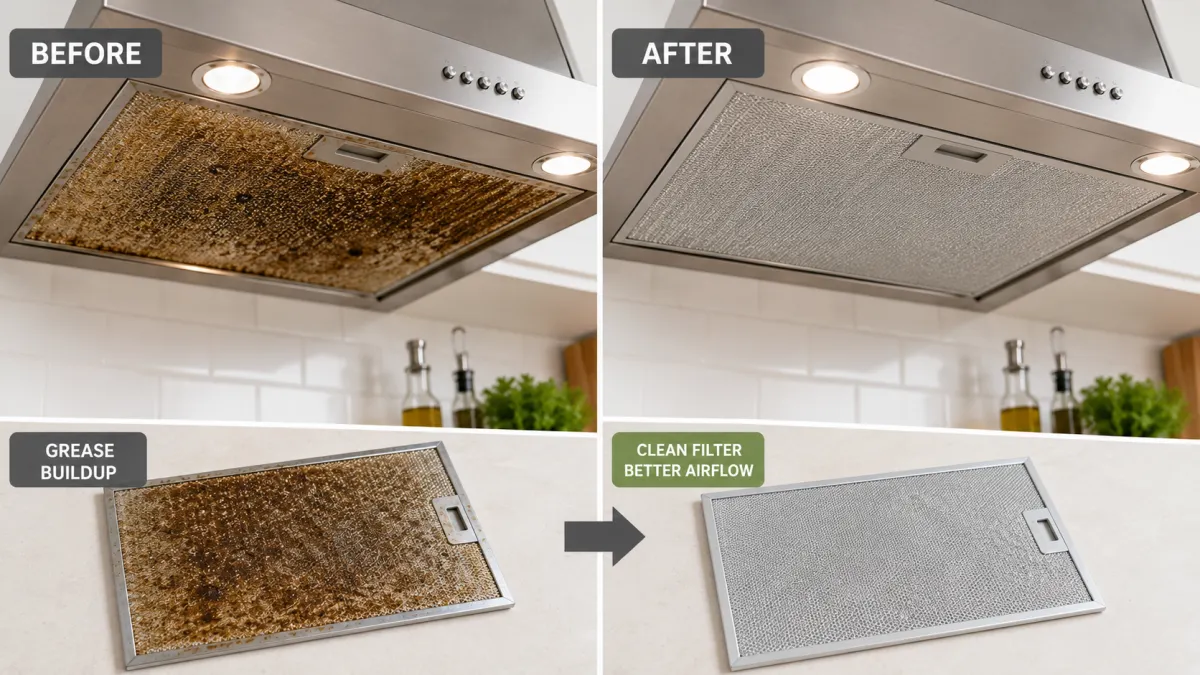
21. Range Hood Filter
Grease buildup eventually clogs kitchen hood filters, reducing airflow and ventilation. Cleaning or replacing the filter every three to six months helps your range hood perform efficiently.
22. Reusable Plastic Water Bottle
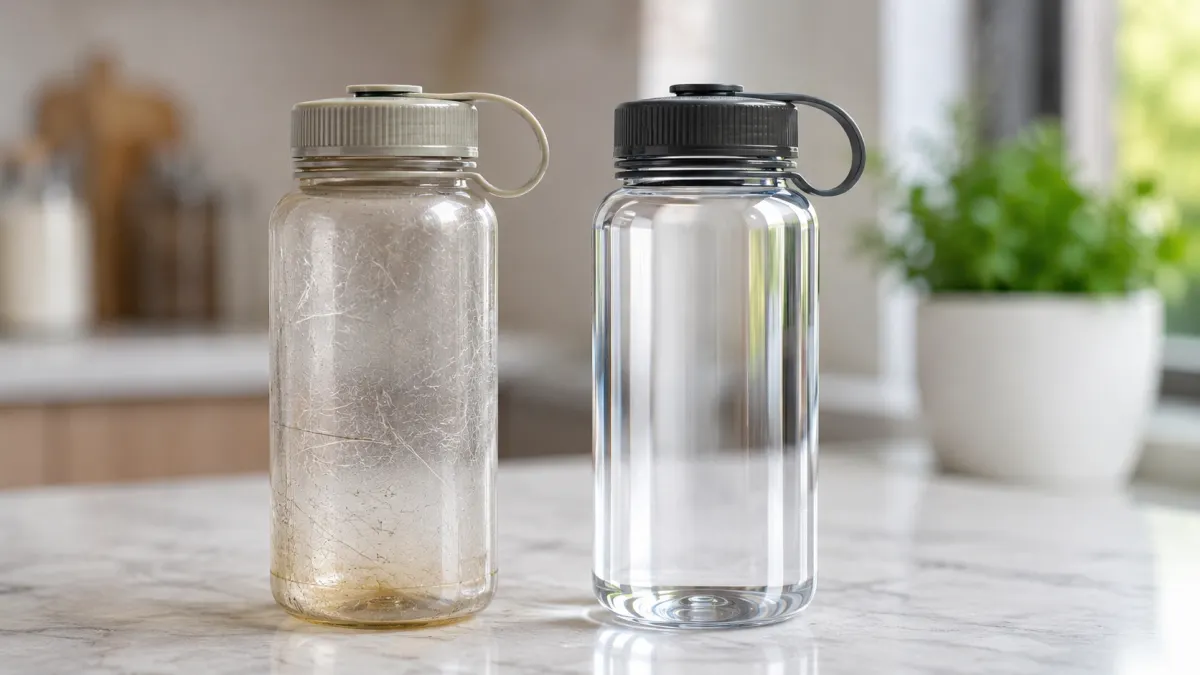
Plastic water bottles develop scratches over time, creating tiny spaces where bacteria can collect. If your bottle has become discolored, retains odors, or shows visible wear, replacing it is a healthier option.