
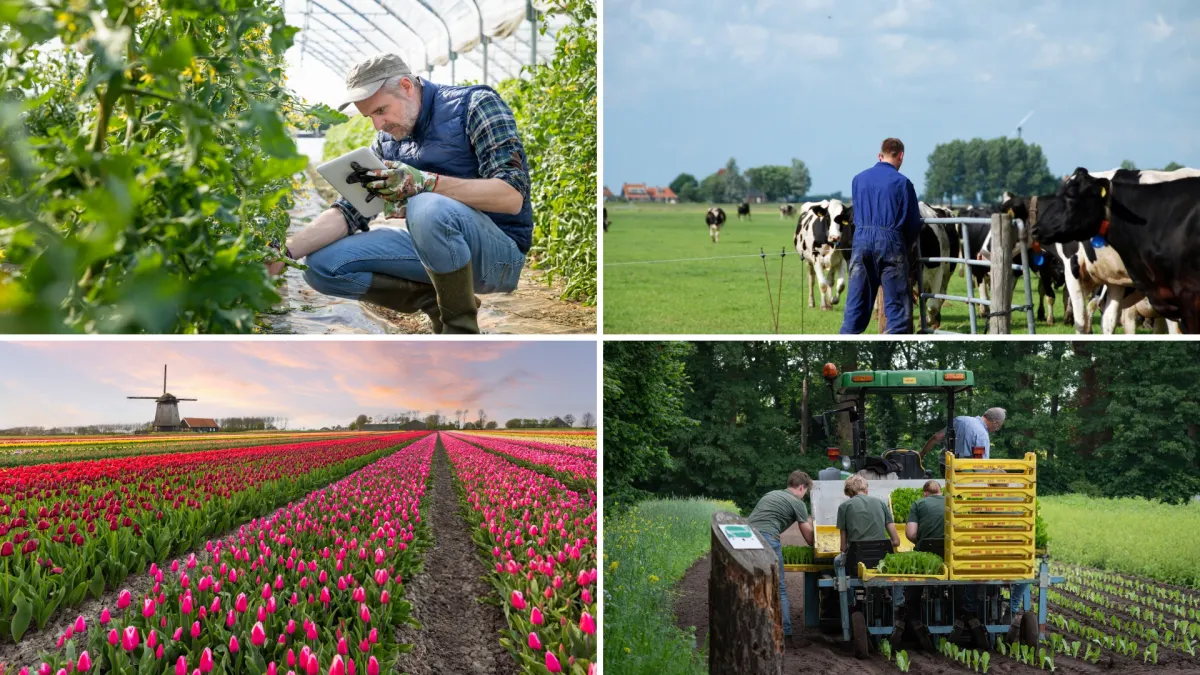
The Netherlands is one of the smallest countries in Europe, yet it has become one of the most powerful forces in global agriculture.
With a population of just 18 million people and a land area of only 41,500 square kilometers, the Netherlands has achieved something that seems almost impossible: becoming one of the world's largest agricultural exporters.
So how did a country smaller than many regions around the world become a global food powerhouse?
The 57 Largest Container Ports in the World (2025), Complete Ranking by TEU
The Netherlands Produces More Food Than Countries Many Times Its Size
When people think of major agricultural nations, they usually imagine the United States, Brazil, or China. These countries have vast amounts of farmland and enormous populations.
The Netherlands is different.
More than 50% of Dutch territory is used for agriculture, but the country's real advantage comes from technology rather than land. Despite its limited size, the Netherlands exports billions of dollars worth of food and agricultural products every year and consistently ranks among the world's top agricultural exporters.
High-Tech Greenhouses Changed Dutch Farming Forever
One of the biggest reasons behind Dutch agricultural success is its network of advanced greenhouses.
The country operates approximately 10,000 hectares of greenhouse farms, making it one of the global leaders in controlled-environment agriculture.
Inside these facilities, farmers use sensors, artificial intelligence, climate-control systems, and robotics to maximize production.
The results are remarkable:
- Up to 90% less water consumption
- Crop yields several times higher than traditional farming
- Year-round production regardless of weather conditions
- Lower pesticide use and greater efficiency
This approach allows Dutch farmers to produce significantly more food from a limited amount of land.
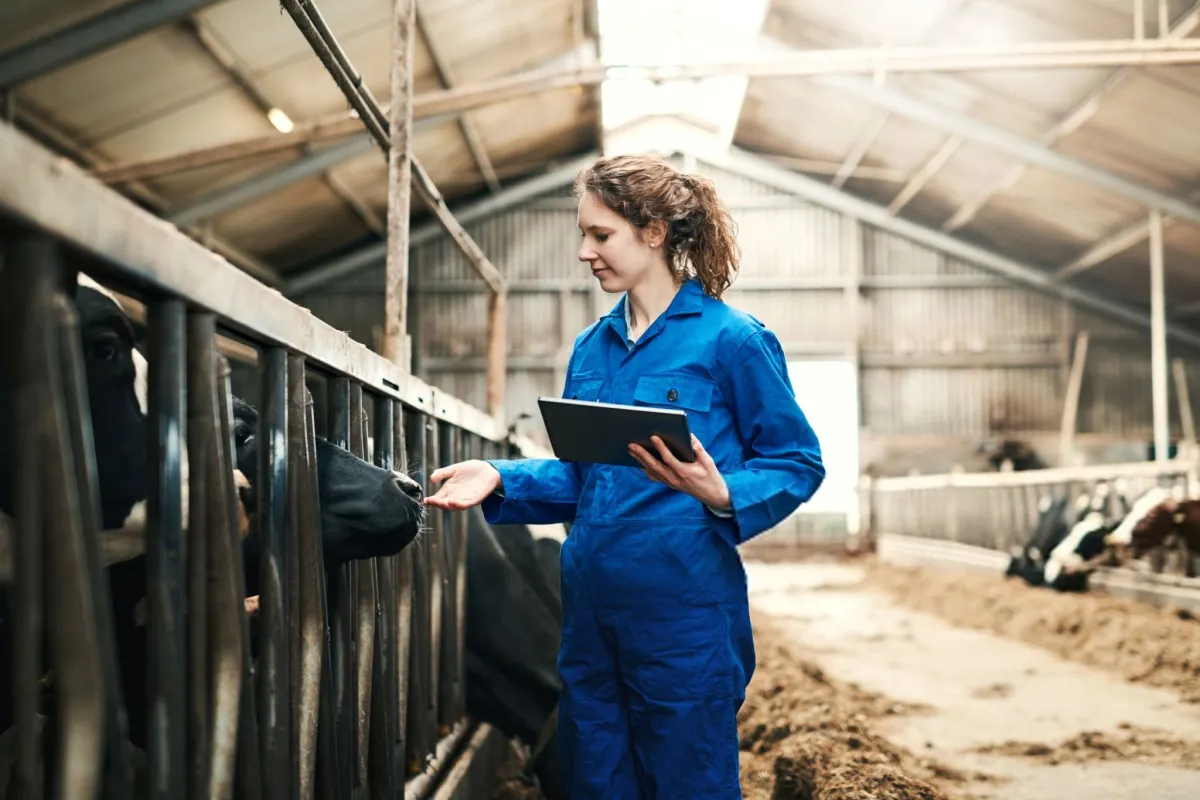
Why Dutch Crop Yields Are Among the Highest in the World
The Netherlands consistently achieves some of the highest agricultural yields on the planet.
Dutch potato farms produce around 50 tons per hectare, while many major farming nations average closer to 20 tons per hectare.
The country also produces approximately 1.5 million tons of onions annually, with nearly 90% exported to international markets.
These impressive numbers are the result of decades of investment in agricultural science, automation, and innovation.
Wageningen University: The Brain Behind Dutch Agriculture
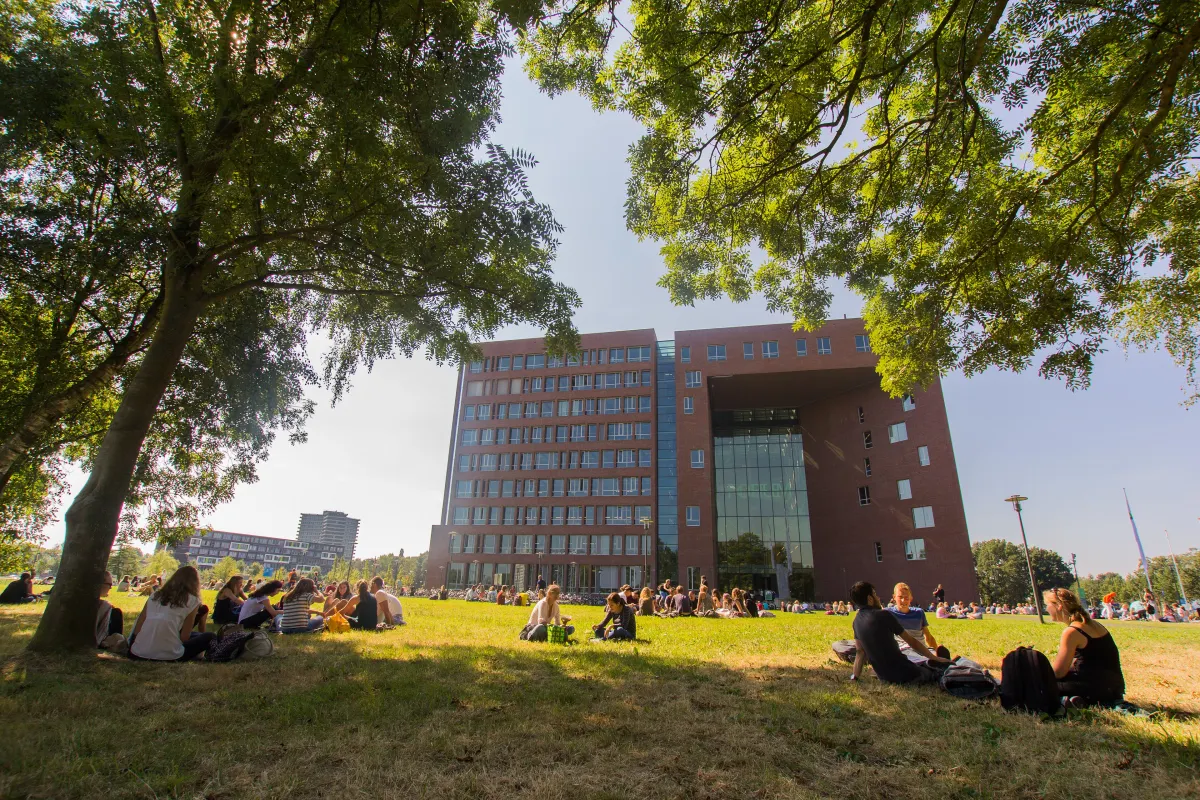
A major factor in the country's success is Wageningen University & Research, widely recognized as one of the world's leading agricultural institutions.
The area surrounding the university is often called Food Valley, a reference to Silicon Valley.
Global food companies conduct research there to develop more productive crops, improve farming methods, and create sustainable food systems for the future.
This close partnership between science and agriculture has helped the Netherlands stay at the forefront of food production for decades.
The Port of Rotterdam Gives the Netherlands a Global Advantage
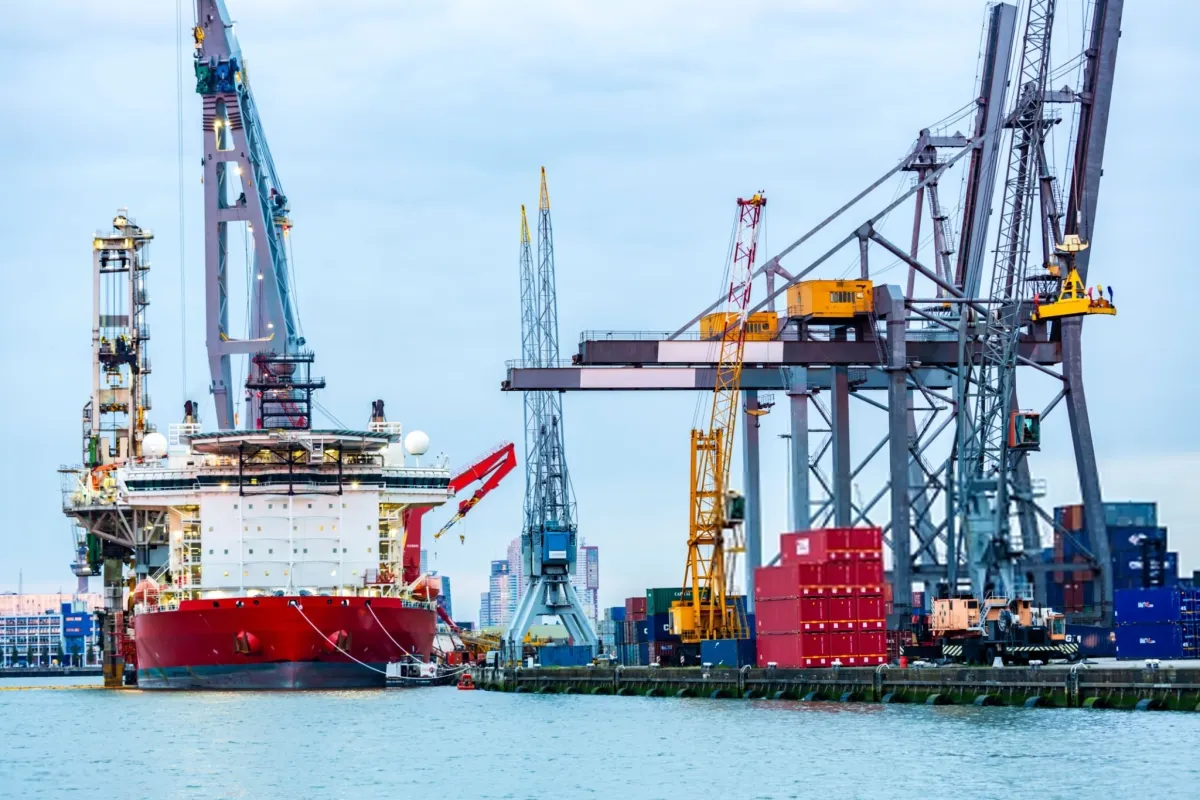
Agricultural success in the Netherlands is not only about growing food.
The country is also home to the Port of Rotterdam, the largest seaport in Europe and one of the world's most important logistics hubs.
Millions of tons of agricultural products arrive at Rotterdam every year from North America, South America, Africa, and Asia before being distributed across Europe.
This strategic location has turned the Netherlands into Europe's agricultural gateway.
The Netherlands Dominates the Global Flower Market
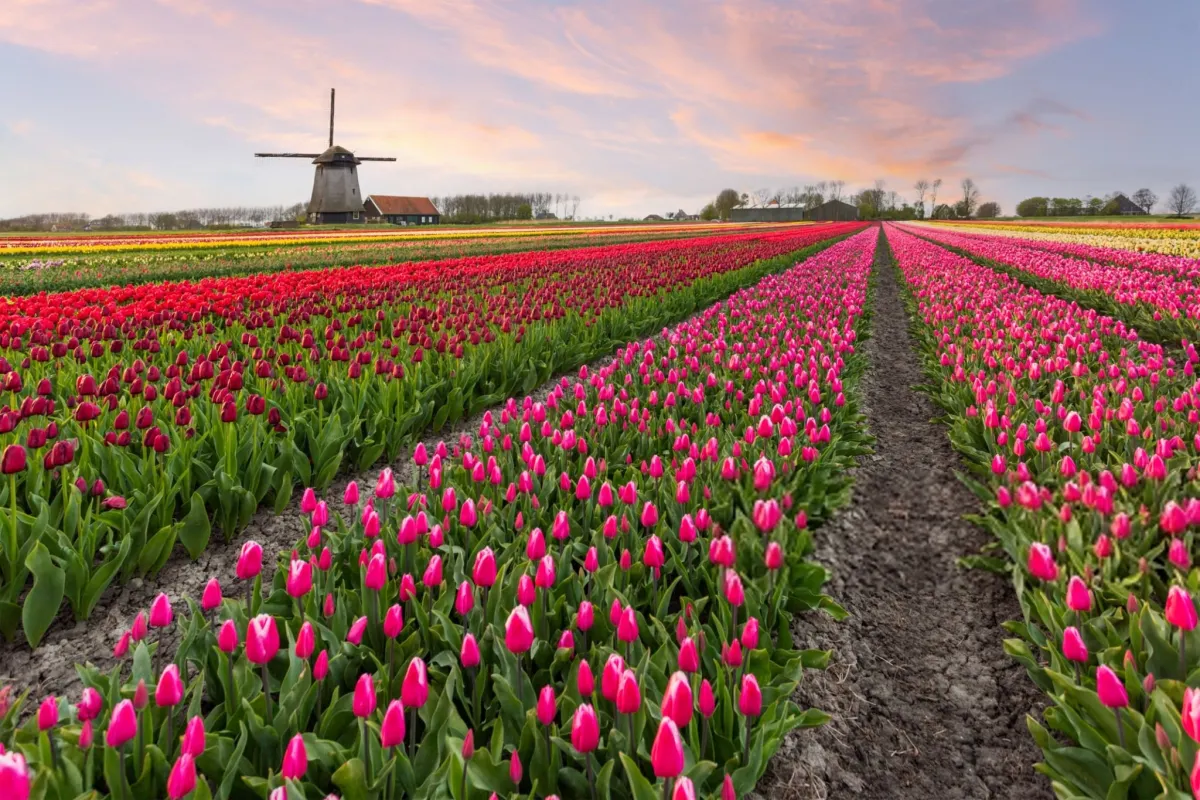
Dutch agriculture extends far beyond vegetables and grains.
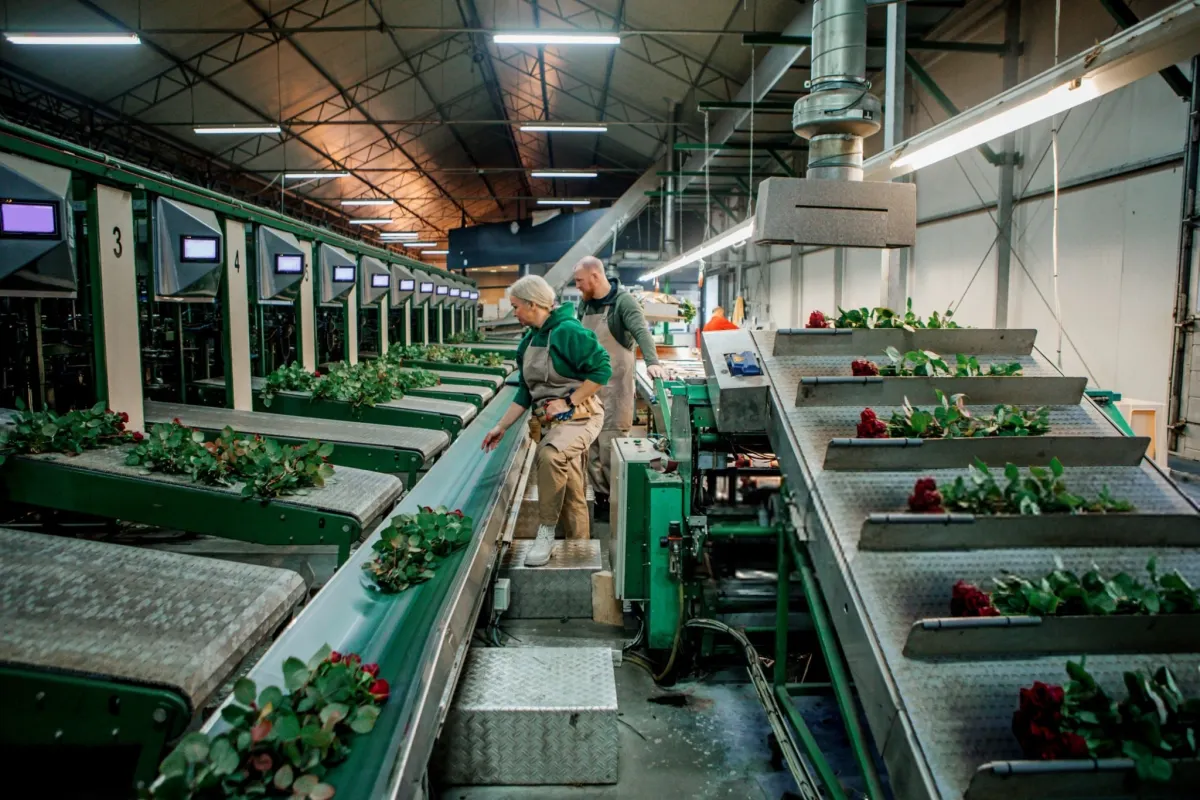
The Netherlands is responsible for approximately 50% of the global flower trade, making it the undisputed leader in the international flower industry.
From tulips to roses, flowers grown and traded in the Netherlands reach customers in countries around the world every day.
A Small Country With a Massive Global Impact
The Netherlands proves that agricultural success is not determined by size alone.
Through innovation, scientific research, advanced greenhouse technology, and world-class logistics, a nation of just 18 million people has become one of the most influential food producers on Earth.
For a country that reclaimed much of its land from the sea, the Dutch have transformed limited space into one of the world's most efficient agricultural systems—and in the process, helped feed millions of people around the globe.