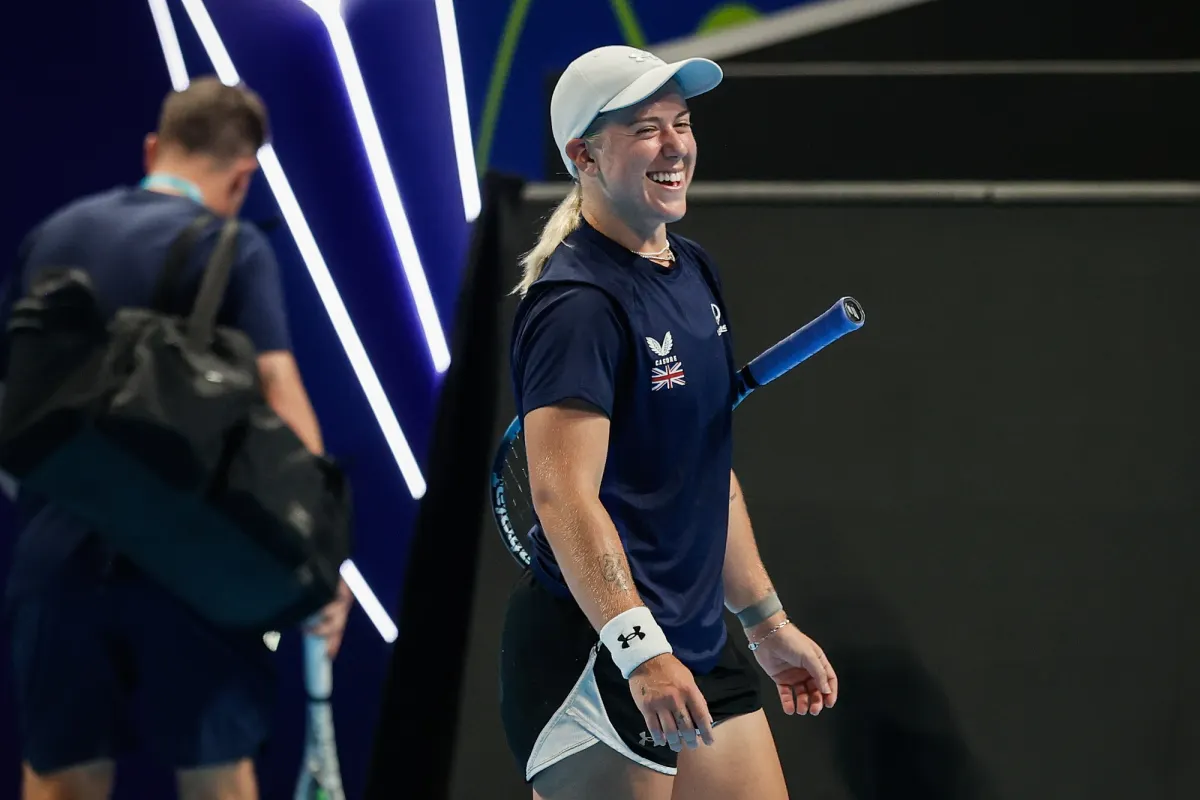

Some sporting stories are about winning titles. Others are about finding a way back when everything seems to be moving in the wrong direction. For British tennis player Sonay Kartal, the past few months have been a test of patience, resilience, and belief. After spending six months away from competition with a back injury, the 24-year-old has returned to the court and produced one of the most surprising runs of the 2026 tennis season.
The 12 Richest Athletes in History: How Sports Stars Built Billion-Dollar Empires
Kartal arrived at the Wuhan Open in China ranked No. 170 in the world. Days later, she had defeated several established players and secured a place in her first WTA 1000 final. Her journey has become one of the most compelling stories in women's tennis this October.
Who Is Sonay Kartal?
Sonay Kartal is a British professional tennis player born on October 28, 2001, in Sidcup, England. Standing 163 centimeters tall, she plays right-handed and has steadily built her reputation through a combination of athletic movement, competitive determination, and an ability to challenge higher-ranked opponents.
Kartal began playing tennis at the age of six. According to her official WTA biography, she developed her game at a local tennis club, where coach Julie Hobbs played an important role in her early development.
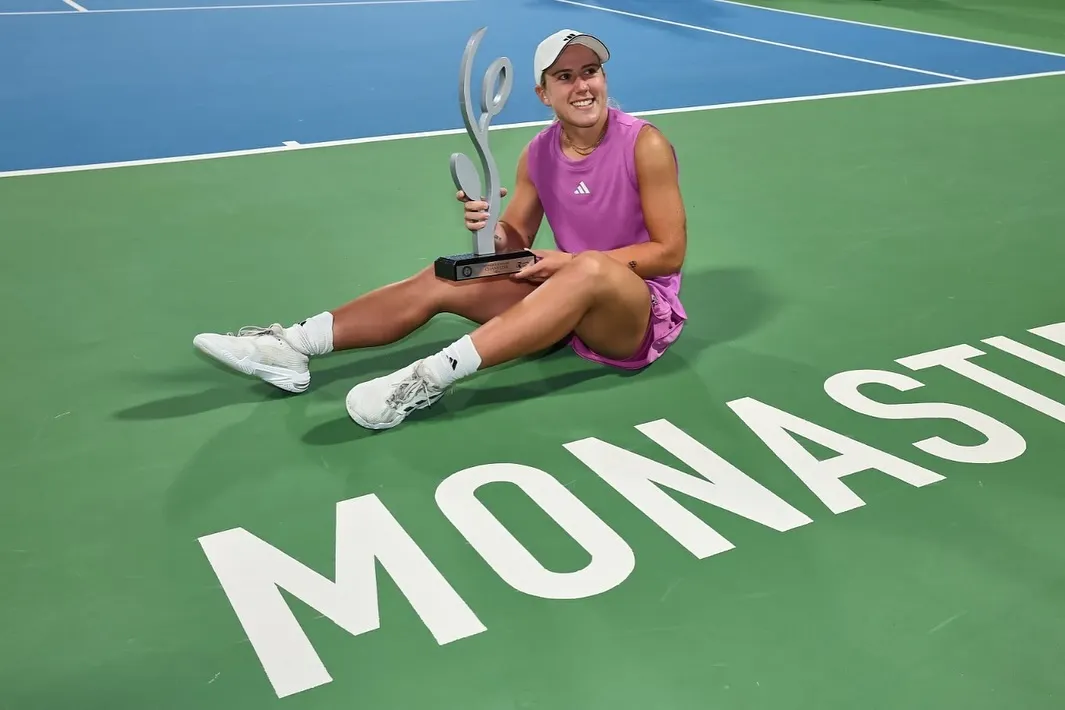
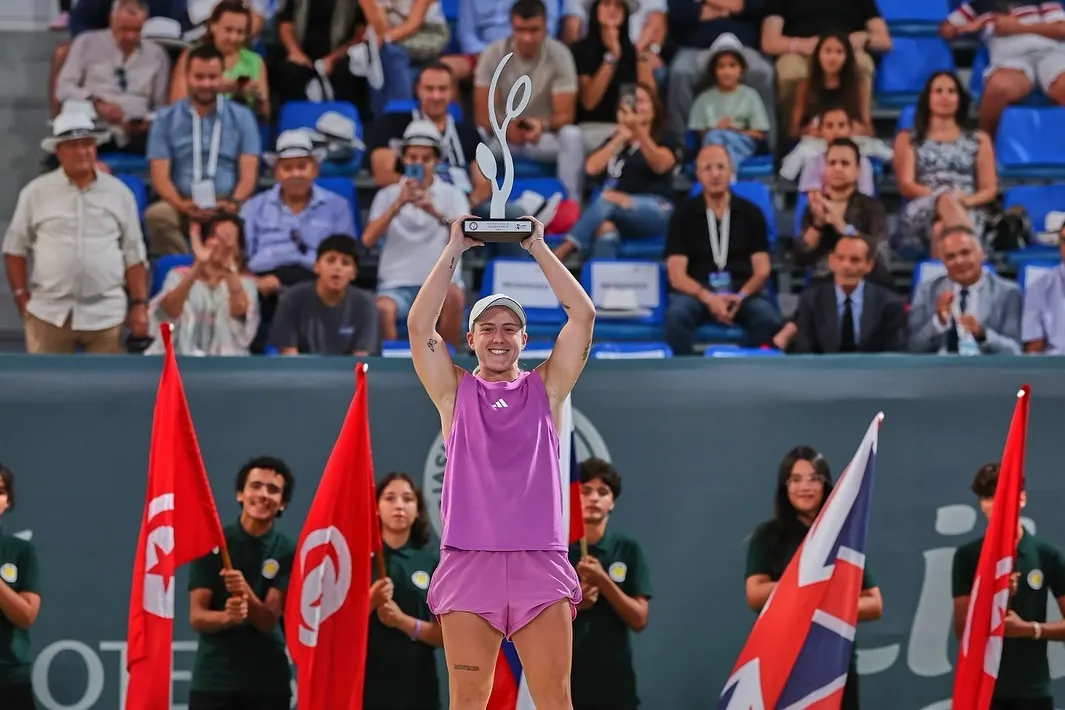
Her progress did not happen overnight. She spent years working through the lower levels of professional tennis before breaking into the sport's biggest tournaments. In 2024, she won her first WTA Tour title in Monastir, Tunisia, marking an important milestone in her career.
The following year brought another breakthrough. Kartal reached the fourth round of Wimbledon in 2025, recording her best Grand Slam singles result to that point and attracting greater attention from British tennis fans.
Image placement: A high-quality portrait of Sonay Kartal in her tennis outfit.
Suggested image caption: British tennis player Sonay Kartal has emerged as one of the most talked-about names on the WTA Tour in October 2026.
The Injury That Interrupted Her Rise
Kartal's progress came to a sudden halt in 2026. A back injury forced her away from competition for approximately six months, interrupting a period in which she had been making important strides on the professional circuit.
For an athlete, an extended absence means more than missing tournaments. It can disrupt training routines, competitive rhythm, confidence, and ranking points. Every week away from the court can make the eventual return more challenging.
Kartal's world ranking fell from No. 54 to No. 170 during her absence. That drop reflected the impact of missed competition, rather than a simple measure of her underlying ability.
Returning to professional tennis after such a setback requires patience. Players must rebuild their match fitness, adjust to the demands of competition, and learn to trust their bodies again.
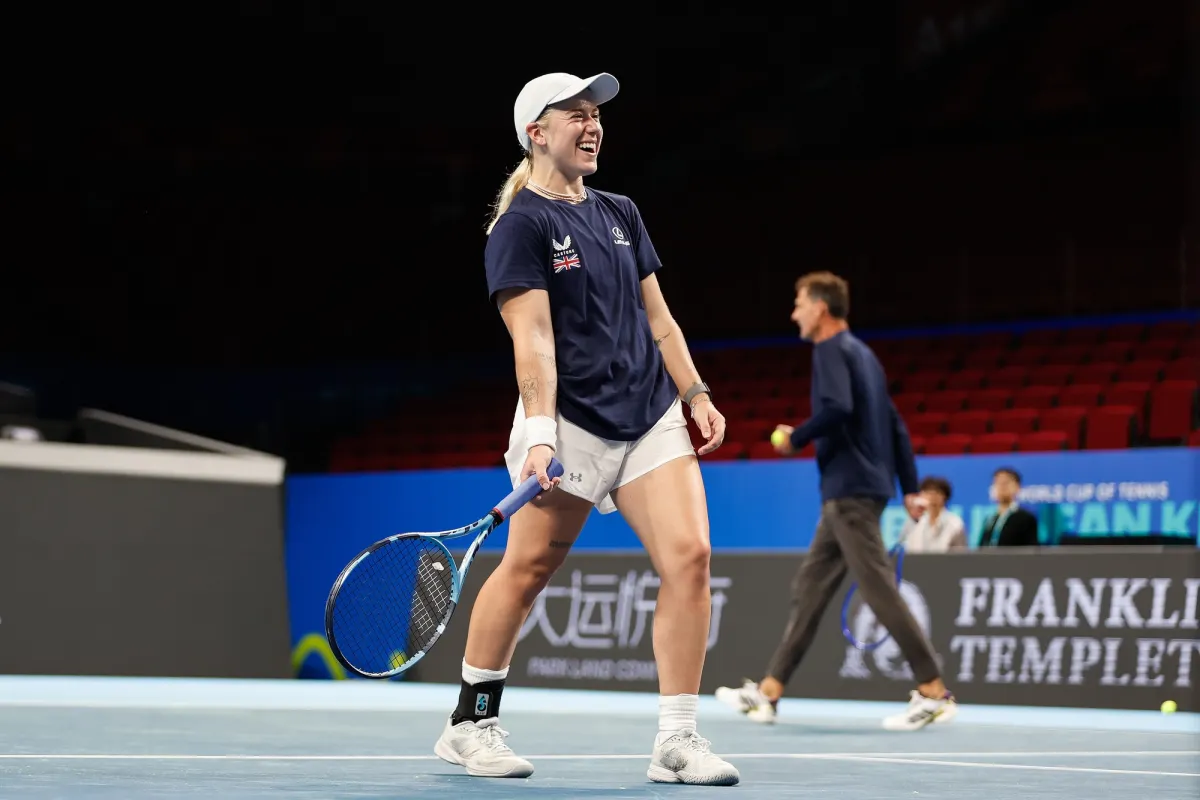
Kartal began her comeback in September 2026. Rather than taking months to rediscover her form, she quickly found herself competing against some of the strongest players on the WTA Tour.
Image placement: Kartal warming up, training, or preparing to serve during a tournament.
Suggested image caption: After six months away with a back injury, Kartal returned to competition in September and began rebuilding her momentum.
How Sonay Kartal Made Her Breakthrough in Wuhan
The Dongfeng Voyah Wuhan Open, a WTA 1000 tournament in China, became the setting for Kartal's most significant run yet.
Her path to the final was particularly impressive because she faced several opponents with considerably higher rankings.
A series of statement victories
Kartal opened her campaign with a victory over Anhelina Kalinina before producing a commanding performance against ninth seed Belinda Bencic, winning 6–0, 7–5.
She followed that result by defeating 15th seed Jasmine Paolini 6–2, 6–0. The straight-sets win demonstrated how effectively she could compete against an established opponent on a major tournament stage.
The quarterfinal brought another challenge. Kartal recovered from a difficult second set to defeat fifth seed Elina Svitolina 2–6, 6–2, 6–4, earning one of the most important victories of her career.
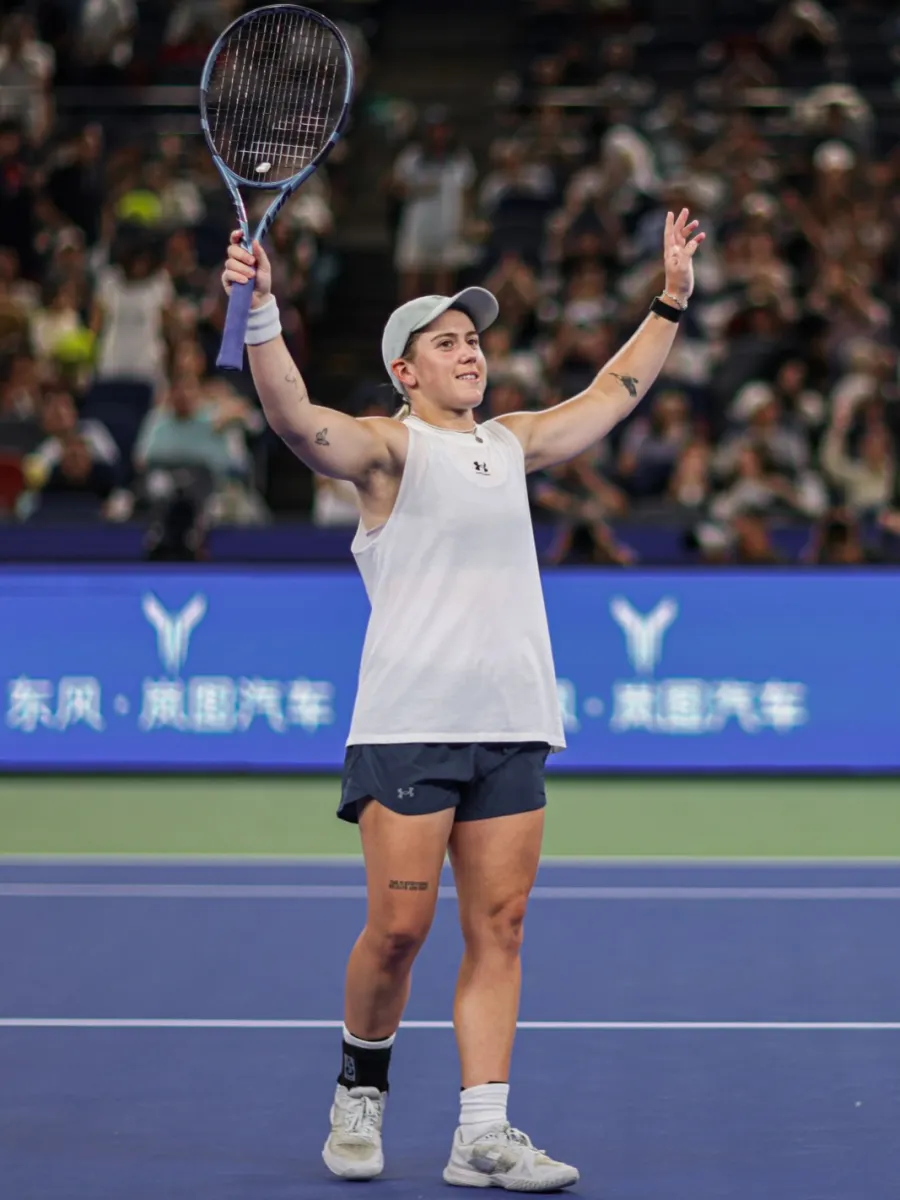
Then came the semifinal against Jelena Ostapenko. In a tense contest, Kartal won both sets in tiebreaks, securing a 7–6(9), 7–6(5) victory and booking her place in the final.
By reaching the championship match, she became only the second British woman to reach a WTA 1000 singles final, following Johanna Konta.
Image placement: Kartal celebrating a point or competing against Jelena Ostapenko in Wuhan.
Suggested image caption: Kartal defeated Jelena Ostapenko in two tiebreak sets to reach the biggest final of her career.
Why Her Ranking Makes This Achievement Even More Remarkable
One detail makes Kartal's Wuhan run particularly striking: she entered the tournament ranked No. 170 in the world.
According to the WTA, she became the lowest-ranked player with an active ranking to reach a Tier I or WTA 1000 final since the format was introduced in 1990.
WTA 1000 events sit among the most important tournaments on the women's professional tennis calendar outside the Grand Slams and the WTA Finals. They attract many of the world's leading players and offer significant ranking points.
Reaching the final from outside the top 100 is therefore an extraordinary achievement. Doing so shortly after a six-month injury layoff makes the story even more compelling.
The result also illustrates why rankings do not always tell the whole story. A player's ranking reflects results accumulated over time, while a single tournament can reveal how well that player is performing at a particular moment.
Kartal's performance in Wuhan has already placed her in a position to make a substantial ranking recovery, regardless of the final's outcome.
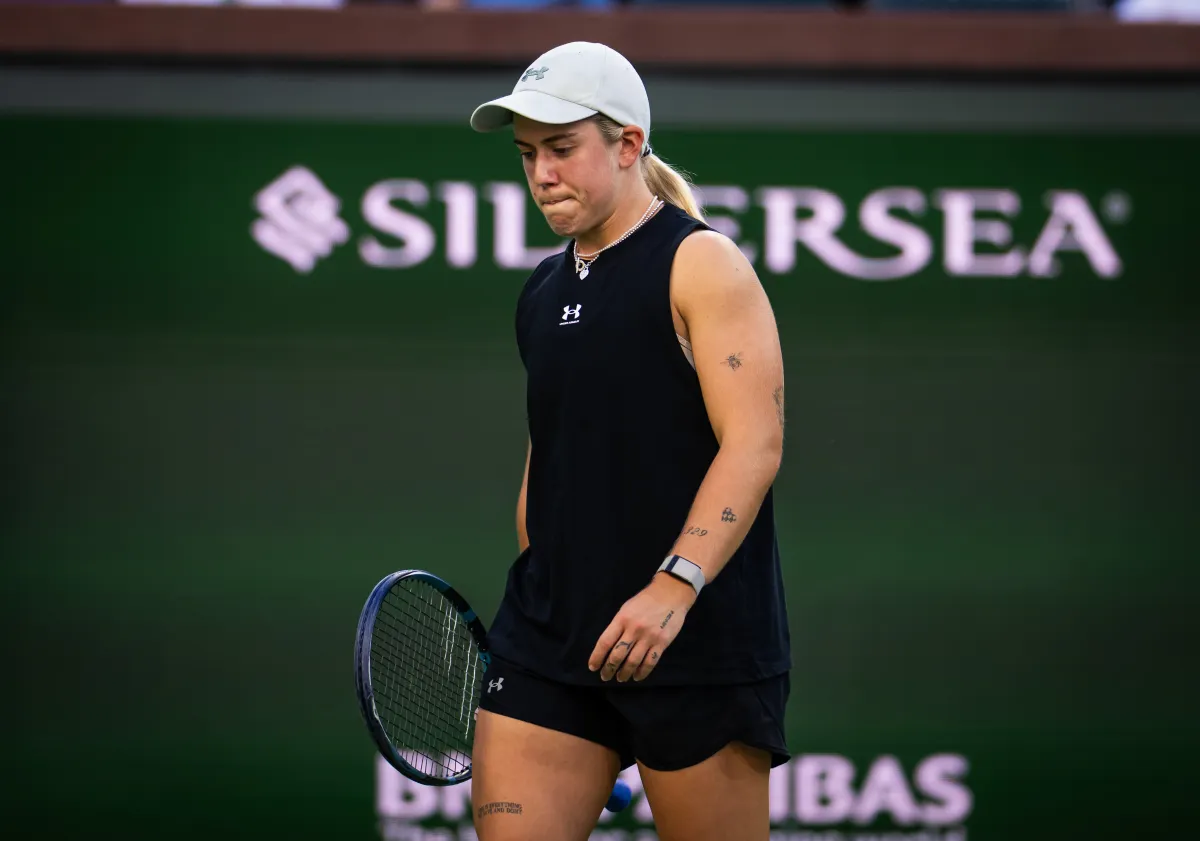
Image placement: Kartal holding her racket or walking onto the center court in Wuhan.
Suggested image caption: Kartal's run in Wuhan has transformed her immediate ranking prospects and established a new milestone in her career.
What Makes Sonay Kartal's Game Effective?
Kartal's Wuhan campaign has not depended on a single spectacular result. Instead, she has repeatedly found ways to win against different opponents and match situations.
1. Composure under pressure
Her semifinal against Ostapenko was decided by two tiebreaks, where individual points can determine the outcome of an entire set. Winning both required her to remain composed when the margin for error was extremely small.
2. The ability to recover during a match
Against Svitolina, Kartal lost the opening set but responded by winning the second and third. That comeback showed her ability to adjust rather than allow an early setback to dictate the result.
3. Consistency against higher-ranked players
Her victories over Bencic, Paolini, Svitolina, and Ostapenko demonstrated that her performance was not limited to one favorable matchup. She repeatedly handled opponents with established records at the highest level of the sport.
4. Mental strength after an extended absence
Perhaps the most significant part of Kartal's run is the timing. She has achieved these results only weeks after returning from injury, when many players would still be working to regain their competitive rhythm.
These qualities do not guarantee future titles, but they help explain why her performance has attracted so much attention.
Image placement: A close-up action photograph showing Kartal returning a serve or striking a forehand.
Suggested image caption: Kartal's comeback has been built on competitive composure, timely recovery, and consistent performances against top-ranked opponents.
Sonay Kartal's Career Before Wuhan
Although her 2026 run has brought her increased attention, Wuhan is not the first important chapter in Kartal's career.
In 2024, she won the WTA 250 title in Monastir, Tunisia, securing her first championship at tour level. That season helped establish her among the rising British players on the women's circuit.
In 2025, she reached the fourth round at Wimbledon, her home Grand Slam. She also recorded strong results at Indian Wells and the China Open, gaining experience against some of the sport's leading competitors.
Before her latest injury, Kartal had reached a career-high singles ranking of No. 44 in July 2025. Her fall to No. 170 during the subsequent absence therefore represented a significant interruption rather than the full extent of her potential.
Her Wuhan performance has offered a reminder of the level she can reach when healthy and competing consistently.
What Happens Next for Sonay Kartal?
As of October 18, 2026, Kartal is scheduled to face Poland's Maja Chwalińska in the Wuhan Open final. Both players are seeking their first WTA 1000 title, although Kartal has already won a WTA 250 championship.
The final represents an opportunity for Kartal to turn an impressive comeback into an even bigger career milestone. A victory would give her a major title and further strengthen her position on the tour. Even without the trophy, reaching the final after such a long absence has already made Wuhan a defining tournament in her career.
Her next challenge will be to build on this momentum while maintaining her fitness and returning to a consistent schedule of competition. A strong run over one week can change expectations, but sustained success depends on what happens over the months that follow.
For now, Kartal's story offers something more interesting than a simple ranking rise: a player who lost valuable time to injury and returned to challenge some of the biggest names in women's tennis.
Whether Wuhan becomes the beginning of a new chapter or the standout achievement of her season, her performance has established her as a player worth watching.