
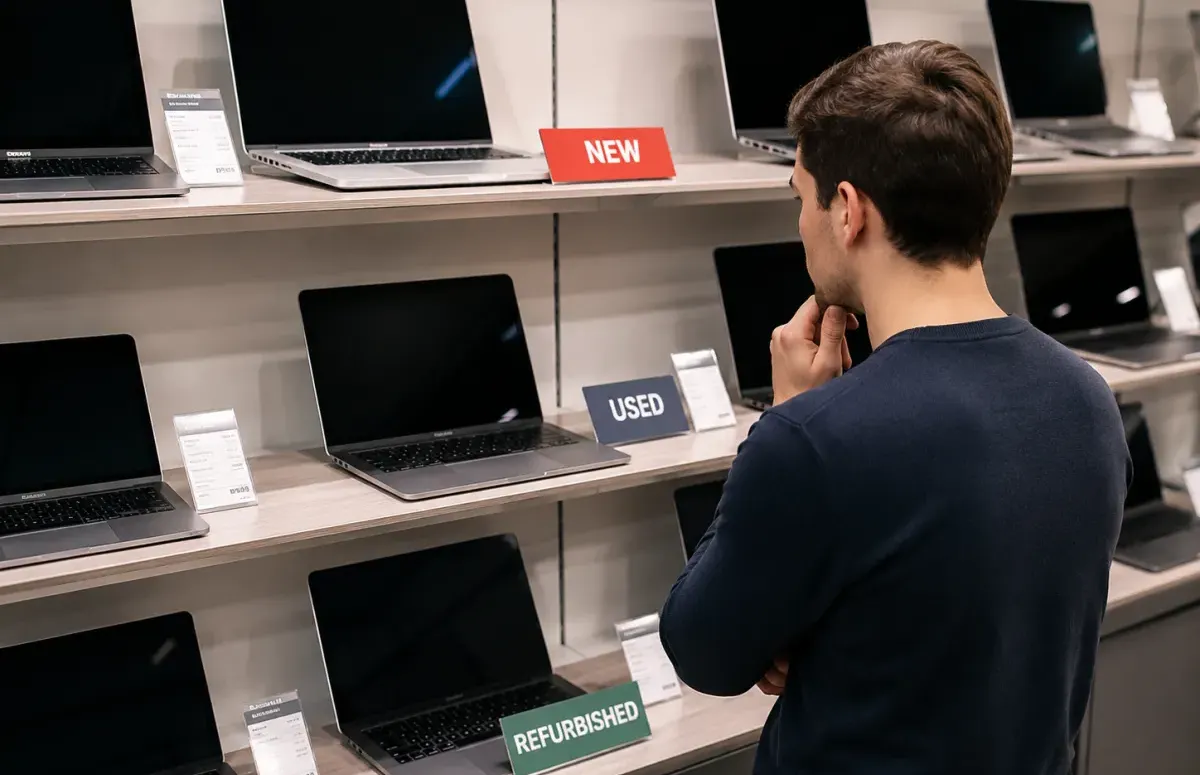
Think about the last piece of tech you bought. A smartphone? A laptop? Now, imagine getting that exact same premium device, in pristine condition, but keeping up to 50% of your hard-earned money in your pocket.
This isn't a sketchy online scam; it is the fast-growing market of Refurbished Technology.
As inflation squeezes budgets globally, millions of smart consumers are skipping the retail store and turning to refurbished goods. But what does «refurbished» actually mean, and how do you avoid buying someone else’s broken junk? Here is everything you need to know before you hit the «Buy» button.
What Does Refurbished Actually Mean? (It’s Not Just "Used")
The biggest misconception is that refurbished is just a fancy word for second-hand. It isn’t.
Read More
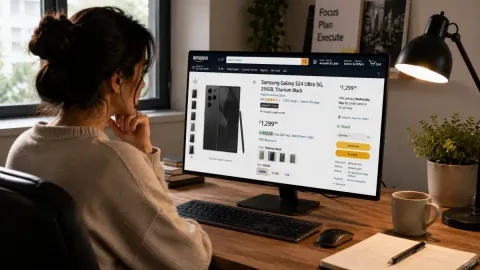
When you buy a used device from an online marketplace, you get it «as-is»—complete with the previous owner's scratches, a degraded battery, and zero guarantees.
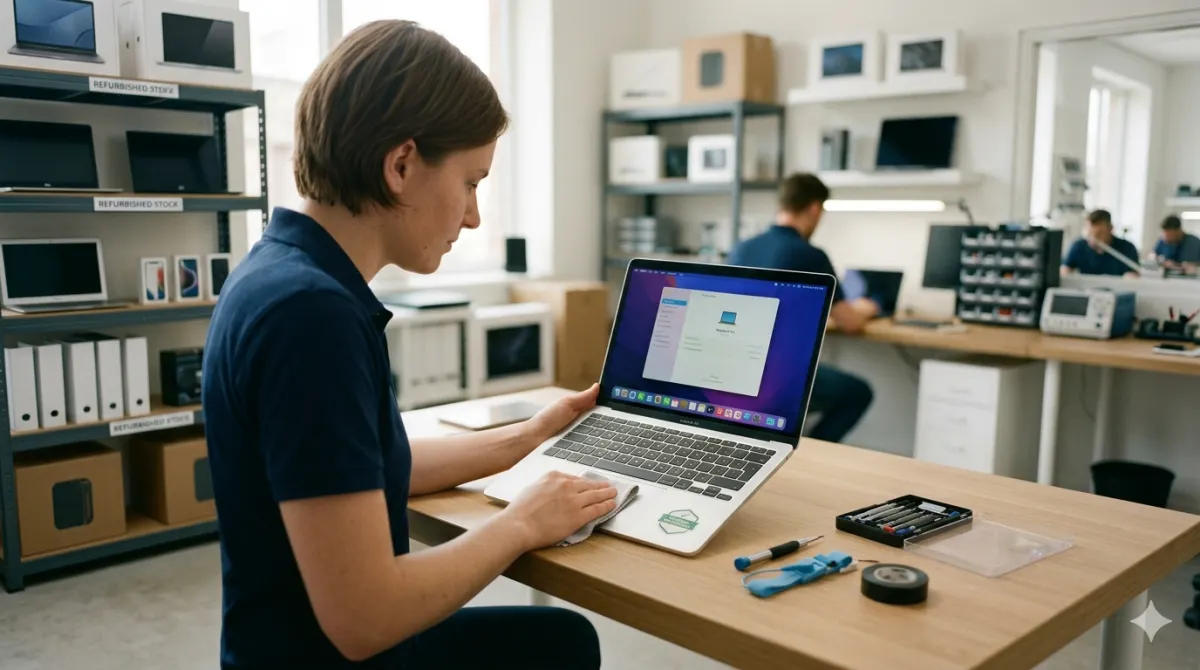
A refurbished product, however, undergoes a professional resurrection. It is a device that went back to the factory or a certified dealer due to an open-box return, a minor shipping scratch, or a minor technical glitch. Before it reaches you, expert technicians:
- Run full hardware and software diagnostic tests.
- Replace any faulty parts or aging batteries with brand-new ones.
- Thoroughly sanitize and clean the device.
- Repackage it with all necessary chargers and cables.
In short, it is restored to a «like-new» operational state, but sold at a fraction of the original price.
Where the Magic Happens: The Best Sectors for Refurbished Goods
You can find refurbished tags across many industries, but it is a massive game-changer in specific sectors:
- Consumer Tech (The Sweet Spot): Flagship smartphones (like Apple iPhones and Samsung Galaxies), iPads, MacBooks, and high-end Windows laptops.
- Gaming Hardware: Consoles like the PlayStation 5 or Nintendo Switch frequently enter the refurbishment loop and offer massive savings.
- Premium Home Appliances: High-end robot vacuums, smart TVs, and espresso machines are incredibly popular in this category.
- Enterprise Tech: Even massive corporations buy refurbished servers and Cisco networking gear to save millions in IT infrastructure.
The Golden Rule: Manufacturer vs. Seller Refurbished
If you want to shop safely, you must look at who did the fixing. The market is divided into two types:
1. Manufacturer Refurbished (The Safest Bet)
This means the brand that built the product (like Apple, Dell, or Bose) did the restoration themselves. They use 100% genuine parts, offer the original unboxing experience, and usually back the product with a full 1-year warranty—identical to a brand-new item.
2. Seller Refurbished (Proceed with Caution)
This means a third-party merchant or marketplace vendor repaired the device. While these are often the cheapest options, the quality depends entirely on the seller's reputation. Always check vendor ratings and ensure they offer at least a 90-day return policy.
Quick Cheat Sheet: What to Buy vs. What to Skip
Not everything should be bought refurbished. Here is a quick breakdown to protect your wallet:
Great to Buy Refurbished:
- Laptops & Desktops: Easy to fix, highly durable, and offer the biggest cash discounts.
- Smartphones: Excellent value, especially if certified by the manufacturer with a new battery.
- Audio Equipment: Headphones and premium speakers rarely suffer from internal wear and tear.
Better to Buy Brand New:
- Storage Drives (HDDs/SSDs): Data storage components have a limited lifespan. Never risk your precious data on a refurbished hard drive.
- Cheap Accessories: Items under $30 (like basic mice, keyboards, or budget earbuds) don't have enough price margin to justify a proper, high-quality refurbishment.