
The Most Anticipated Mystery in Digital Entertainment
In the fast-moving world of modern video games, blockbuster franchises appear and disappear every single season. But for over two decades, one single title has held an almost mythical status among millions of PC gamers across the globe: Half-Life 3. Ever since the dramatic cliffhanger ending of Half-Life 2: Episode Two hit computer monitors back in 2007, fans have scrutinized every company filing, voice actor resume, and software patch released by legendary developer Valve Corporation. Over the years, the endless waiting spawned countless internet memes and cultural jokes, convincing many that the elusive sequel would simply never exist.
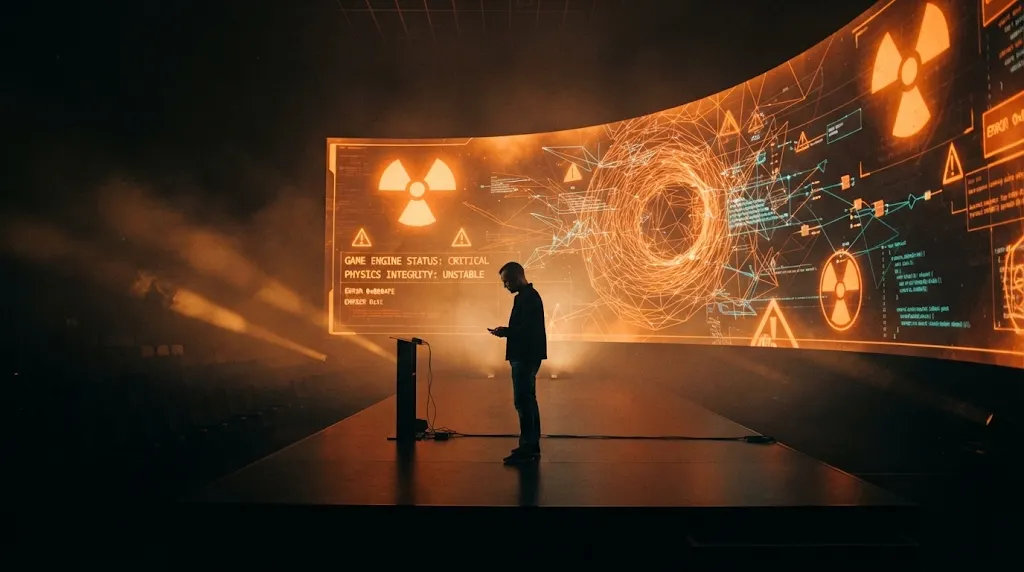
That twenty-year silence shattered in an instant during a routine game engine presentation. While discussing real-time physics calculations and volumetric rendering on a public livestream, a veteran Valve software engineer casually referenced the internal project codename 'HLX' when explaining how advanced collision meshes interact with complex character skeletons. Within minutes, digital recording clips spread across Reddit, Discord channels, and gaming forums like wildfire, igniting an unprecedented frenzy of community code analysis and digital forensic investigation.
Key Clues: What the 'HLX' Project Leaks Reveal
- Source 2 Physics Overhaul: The slip-up specifically referenced next-generation volumetric destruction routines designed exclusively for high-end hardware.
- Voice Actor Metadata Corroboration: Dataminers recently discovered casting agency listings referencing a non-disclosure project titled Project White Sands with character descriptions matching Half-Life lore.
- VR and Desktop Dual Compatibility: Steam backend repository updates suggest the project is engineered to run seamlessly across both traditional desktop displays and next-generation standalone VR headsets.
- Valve's Characteristic Silence: As expected from the famously secretive Bellevue studio, corporate leadership has declined all official media inquiries, fueling community detective work even further.
Decoding the Clues: How Dataminers Connected the Dots
To understand why this single slip-up sent such enormous shockwaves through digital entertainment circles, you have to look at Valve Corporation's unique corporate culture. Valve does not operate like traditional publicly traded gaming giants that announce release calendars years in advance to appease Wall Street shareholders. Valve is a privately owned technology titan funded by the massive recurring cash flows of its Steam distribution platform. Because Valve has zero external financial pressure, games are only released when company founder Gabe Newell and internal development teams feel the technology delivers a genuine generational leap.
When the developer mentioned 'HLX' on stage, community dataminers immediately began cross-referencing recent Steam client updates. For over eighteen months, software sleuths had noticed mysterious code references inside Dota 2 and Counter-Strike 2 configuration files. Strings mentioning an HEV protective suit, gravity mechanics, Xen creatures, and advanced voxel audio environments were quietly woven into shared Source 2 engine repositories. The table below outlines the progression of technical clues that have surfaced across Valve digital files over the past two years:
| Discovery Date | Code String / Leak Evidence | Technical Context | Community & Gameplay Implication |
|---|---|---|---|
| Early 2024 | prop_ragdoll_hlx |
Source 2 engine physics asset update | First recorded appearance of the HLX internal project identifier |
| Mid 2024 | Project White Sands actor listing | Voice actor resume under Valve contract | References voice performance for an unnamed dystopian resistance figure |
| Late 2024 | env_xen_gravity_well |
Lighting and physics boundary tags | Direct mechanical proof of interdimensional alien physics returning |
| Recent Public Talk | Verbal confirmation of HLX runtime | Senior engine engineer technical seminar | Confirmed HLX is an active, running game build rather than dormant archived code |
"Valve doesn't make sequels simply to cash in on brand nostalgia. When you look at Half-Life 2, it revolutionized environmental physics. When you look at Half-Life: Alyx, it redefined interactive virtual reality. The code snippets discovered in the Source 2 repository suggest that whatever HLX is, it is pushing procedural environmental destruction to a level current home consoles cannot handle."
Why Valve Refuses to Announce Games Until They Are Ready
For eager fans who have waited more than a decade for closure to Gordon Freeman's iconic story, Valve's strict refusal to acknowledge leaks can feel agonizing. However, veteran gaming historians recognize that this radio silence is exactly why Valve games command such legendary respect across the industry. In an era where competing studios announce cinematic teasers five years prematurely only to launch broken, buggy titles burdened by microtransactions, Valve adheres to an old-school philosophy of complete secrecy.
- Technological Innovation Before Brand Nostalgia: A new Half-Life title is never approved unless the engineering team invents a gameplay mechanic that changes the medium forever.
- Complete Financial Independence: Because the Steam digital store generates billions in annual revenue, Valve is never forced to rush unfinished software to meet quarterly earnings goals.
- The 'Surprise Drop' Launch Strategy: Valve prefers announcing games only when production is nearing final completion, ensuring that release dates arrive within months rather than years.

The Cultural Resonance of a Digital Legend
The explosive reaction to a two-second verbal slip-up proves that the emotional bond between players and classic video game storytelling remains as powerful as ever. In a digital world dominated by mobile dopamine loops, short-form social videos, and endless live-service season passes, the enduring hunger for a crafted, narrative-driven single-player epic stands out as a remarkable testament to artistic craftsmanship.
Whether project 'HLX' ultimately arrives as a traditional desktop adventure, an immersive virtual reality revolution, or a hybrid of both, the gaming world will be watching with bated breath. The legend of Half-Life was built on bold technological ambition, unforgettable atmospheric world-building, and an uncompromising respect for the player's intelligence. Whenever Gabe Newell and his team finally decide to unveil what lies behind the laboratory doors, millions of players around the world will be ready to pick up the crowbar once again.
What This Means for the Future of PC Gaming Hardware
Whenever Valve releases a flagship title, it creates a massive seismic shock that ripples through the entire PC hardware and manufacturing sector. When the original Half-Life launched in 1998, it forced millions of gamers to buy dedicated 3D graphics accelerator cards. When Half-Life 2 arrived in 2004, it drove widespread adoption of multi-core processing and DirectX 9 hardware. If the technical architecture behind HLX requires volumetric destruction and physics calculations beyond current GPU limitations, it could single-handedly spark the next major consumer PC upgrade cycle, driving demand for next-generation silicon across the globe.