
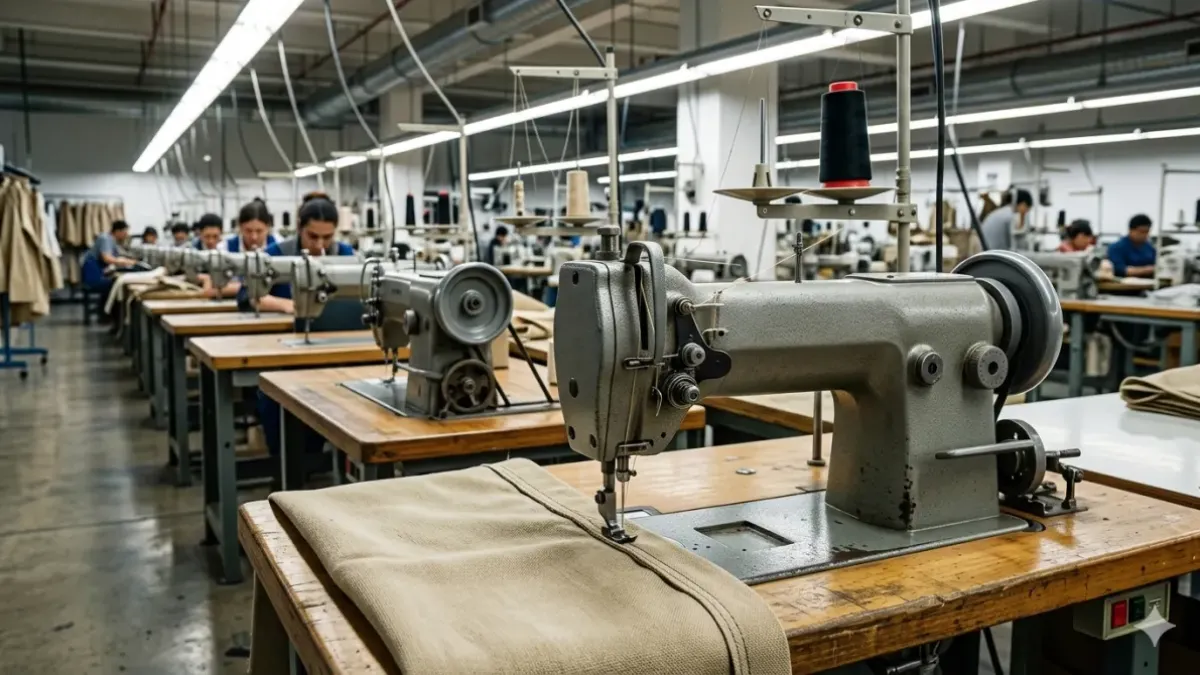

In an era when many products seem designed to be replaced every few years, industrial sewing machines are a surprising exception.
Walk into a garment factory almost anywhere in the world, and you may find machines that have been running for 20, 30, or even 40 years. While smartphones, laptops, and home appliances are constantly upgraded or replaced, many industrial sewing machines continue operating day after day with minimal downtime.
This raises an unusual question:
Why would manufacturers build machines that rarely fail? And how is that still a profitable business?
The answer reveals one of the most fascinating business models in modern manufacturing.
Best Tire Brands in the World 2026 | Top Global Tire Manufacturers Ranked
Their Customers Can't Afford Downtime
Industrial sewing machine companies don't primarily sell to consumers. Their customers are garment factories, textile manufacturers, and large-scale production facilities.
For these businesses, machine reliability is critical.
A single production line interruption can delay shipments, reduce output, and cost thousands of dollars in lost productivity. As a result, factory owners often prioritize durability and reliability over flashy new features.
This has allowed manufacturers to build their reputations on one simple promise:
Keep the machines running.
A sewing machine that works flawlessly for decades becomes a powerful sales tool rather than a missed opportunity for future replacements.
Built During an Era of Overengineering
Many of today's industrial sewing machines trace their core designs back to engineering philosophies developed decades ago.
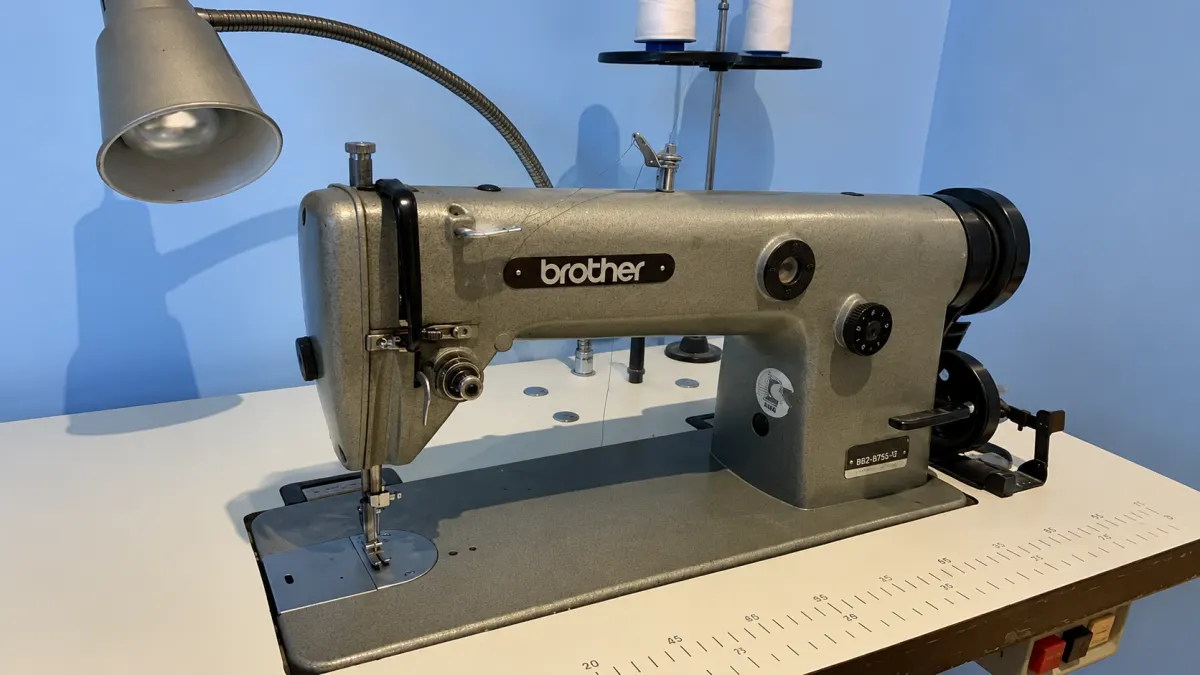
Unlike modern consumer electronics, these machines were designed with longevity in mind.
Common characteristics include:
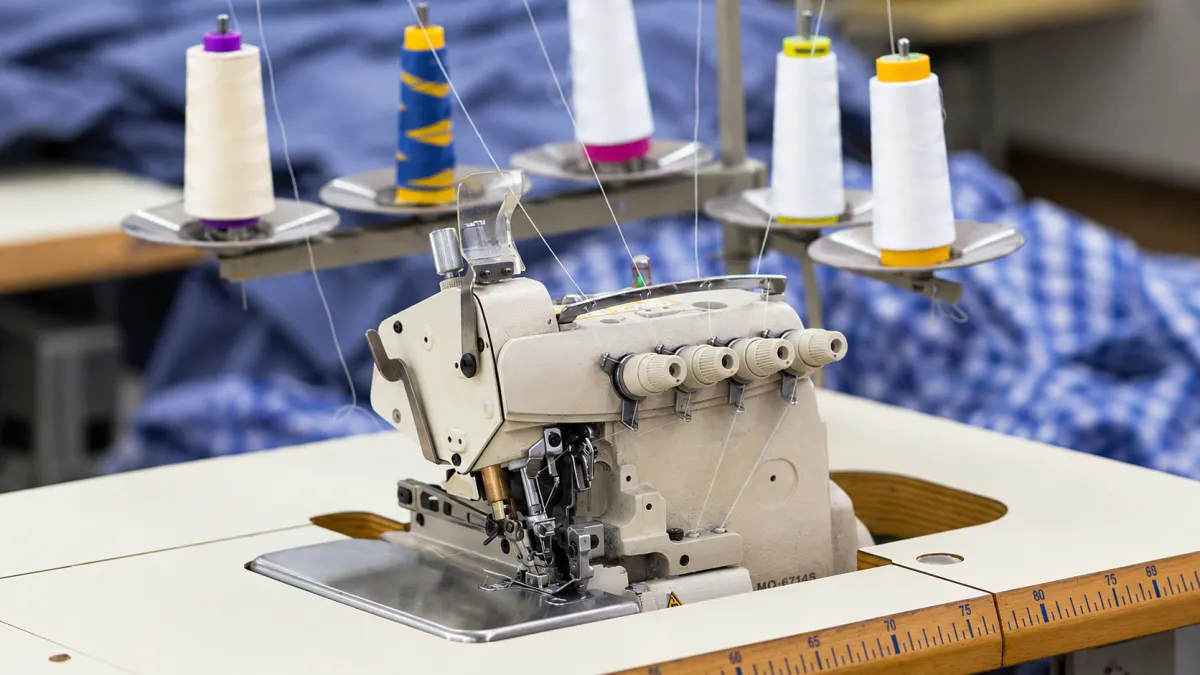
- Heavy cast-iron frames
- Metal gears and internal components
- Powerful, simple motors
- Easily replaceable mechanical parts
- Minimal reliance on sensitive electronics
The result is a machine capable of operating for millions of stitching cycles over its lifetime.
In many factories, older machines continue working alongside newer models with little difference in productivity.
The Real Profit Isn't Always in New Machine Sales
At first glance, selling machines that last for decades seems like a terrible business strategy.
However, manufacturers generate revenue in other ways.
Their long-term business often includes:
- Replacement parts
- Needles and consumables
- Specialized presser feet
- Maintenance services
- Production accessories
- Equipment upgrades
A factory may purchase one machine and keep it for 20 years, but it will continue buying parts, accessories, and support throughout the machine's lifespan.
The machine itself becomes the foundation of a long-term customer relationship.
Repairability Is Part of the Design
Many modern consumer products are difficult—or sometimes impossible—to repair economically.
Industrial sewing machines follow the opposite philosophy.
They are designed to be serviced, rebuilt, and maintained.
Technicians can access internal mechanisms, replace worn components, and restore machines without replacing the entire unit.
This repair-friendly approach helps extend operational life while reducing costs for manufacturers and factory owners alike.
As a result, even decades-old machines often retain significant resale value.
The Technology Doesn't Change as Fast as Other Industries
A smartphone from ten years ago feels obsolete.
An industrial sewing machine from ten years ago often does not.
That's because the core objective remains the same:
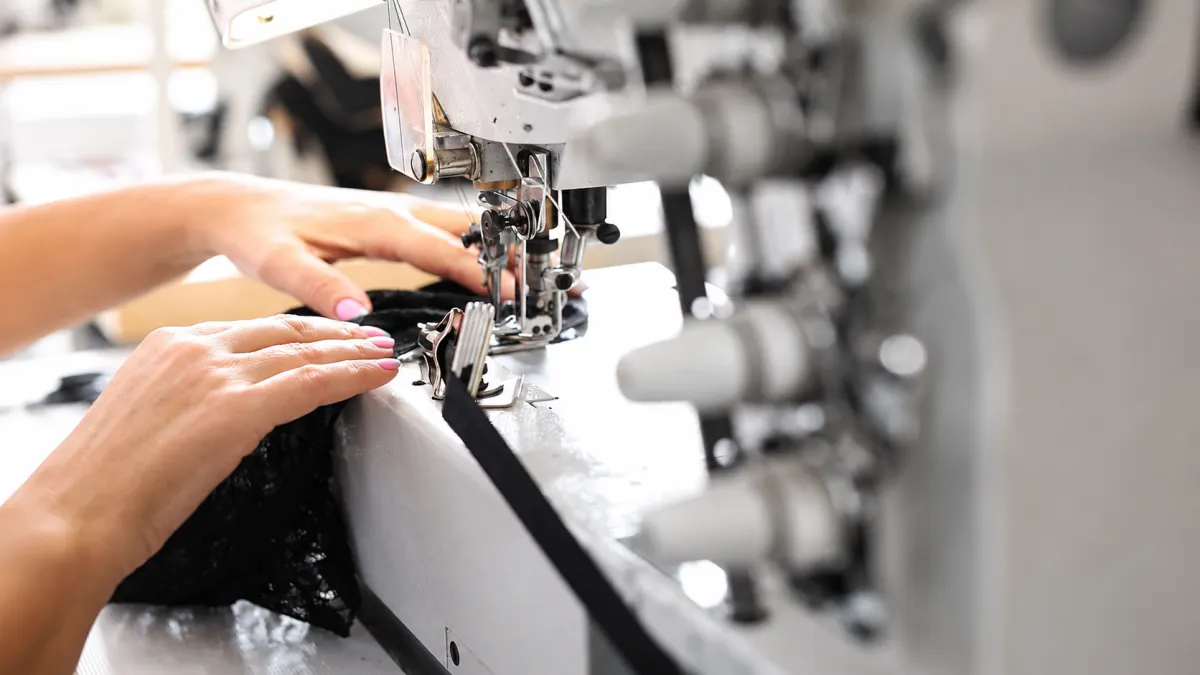
Move a needle through fabric at high speed, with precision and consistency.
Unlike consumer electronics, the fundamental technology behind industrial sewing has evolved gradually.
While modern machines may offer automation, sensors, and digital controls, many older models still perform their primary function exceptionally well.
Most industries thrive on replacement cycles.Industrial sewing machine manufacturers often thrive on the opposite.Their reputation is built on making products that survive for decades.When a factory owner hears that a machine can run reliably for 25 years, that durability becomes a compelling reason to buy it.
In this industry, longevity is not a problem to solve.It's the product itself.
And in a world increasingly defined by short product lifespans, industrial sewing machines remain one of the clearest examples that building something to last can still be a winning business strategy.