



 24 November 2026
From silkmoths and elephants to dogs and polar bears, some animals have extraordinary abilities to detect scents. Here are 20 animals ranked by their remarkable sense of smell.
From Tiny Insects to Giant Elephants, 20 Animals With Incredible Powers of Smell
Read More

 Inside the List
20 Items
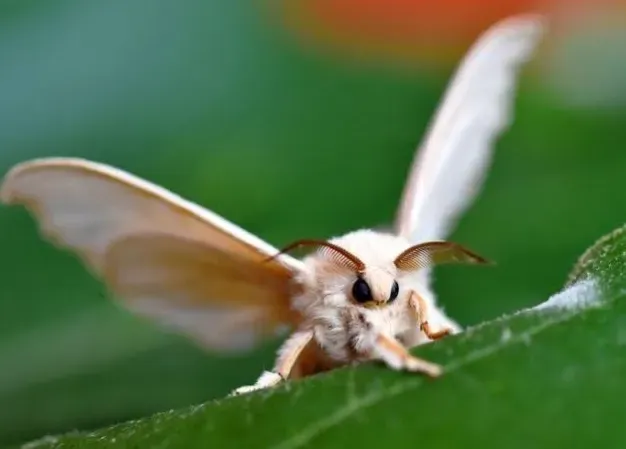
Silkmoth
Habitat: Woodlands and forests across Asia
- Detects extremely faint pheromone signals
- Uses highly specialized antennae
- Tracks chemical signals in moving air
- Relies on smell to locate potential mates
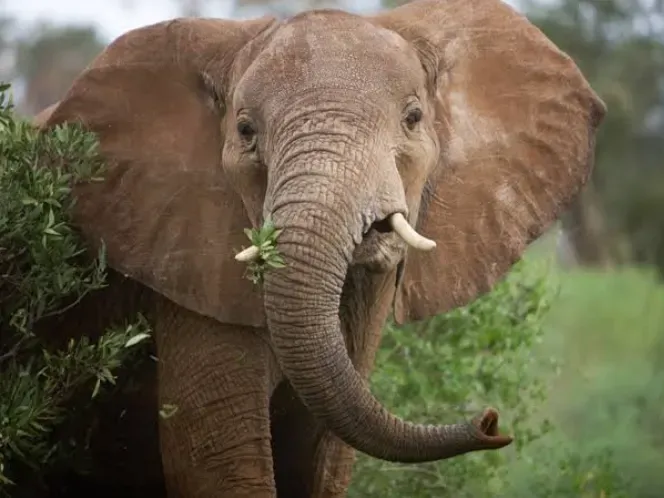
African Elephant
Habitat: Sub-Saharan African savannas, forests, and grasslands
- Largest reported mammalian olfactory receptor gene repertoire
- Highly developed scent discrimination
- Uses smell in social communication
- Can retain memories of familiar scents for years

Domestic Dog
Habitat: Human settlements worldwide
- Highly sensitive odor detection
- Specialized nasal anatomy
- Can follow complex scent trails
- Used in medical and search operations
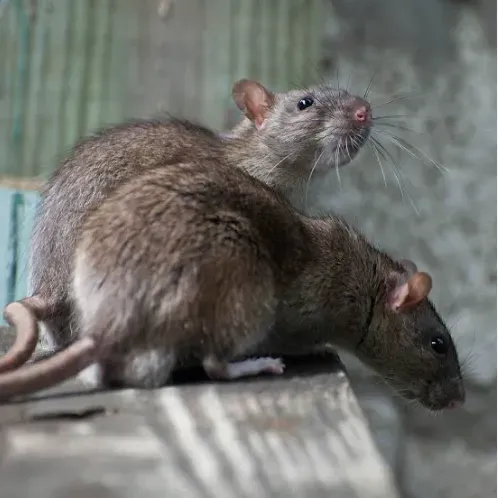
Brown Rat
Habitat: Cities, farms, wetlands, and human settlements worldwide
- Large olfactory receptor gene repertoire
- Strong odor discrimination
- Uses scent for social recognition
- Relies on smell during food searches
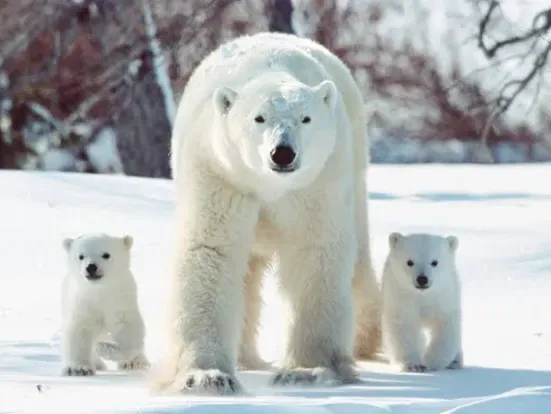
Polar Bear
Habitat: Arctic sea ice and coastal regions
- Detects prey-related odors over long distances
- Uses wind-borne scent trails
- Locates seals in snowy environments
- Relies on smell during hunting
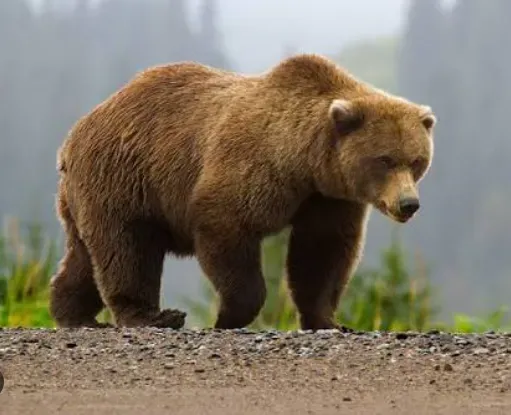
Brown Bear
Habitat: Forests, mountains, and tundra across North America, Europe, and Asia
- Highly developed olfactory system
- Locates food through scent
- Detects animal and environmental odors
- Uses smell to explore large territories
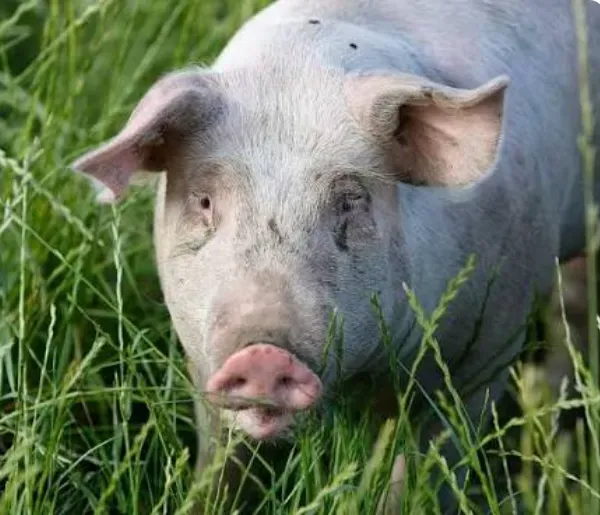
Domestic Pig
Habitat: Farms and domesticated environments worldwide
- Strong scent-based food searching
- Uses smell to investigate soil
- Detects social and environmental odors
- Well-developed olfactory abilities
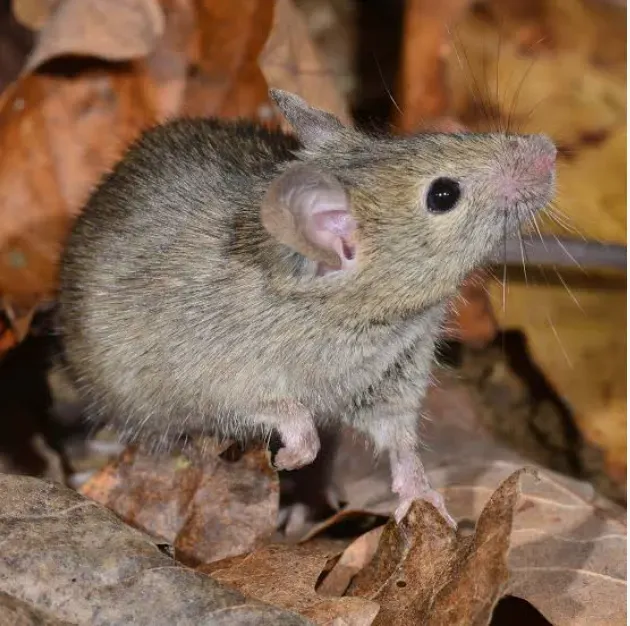
House Mouse
Habitat: Grasslands, agricultural areas, and human buildings worldwide
- Large functional odor receptor repertoire
- Detects predator-related odors
- Uses scent for social communication
- Relies on smell during exploration
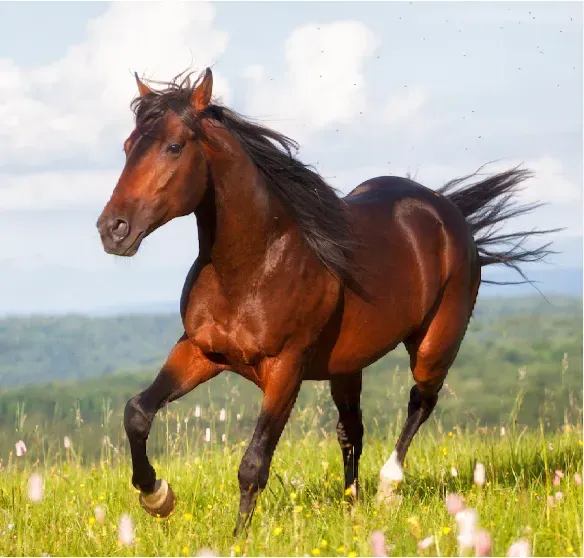
Horse
Habitat: Grasslands, open plains, and domesticated environments worldwide
- Well-developed olfactory system
- Recognizes familiar animal scents
- Uses smell to assess surroundings
- Relies on chemical cues in social behavior
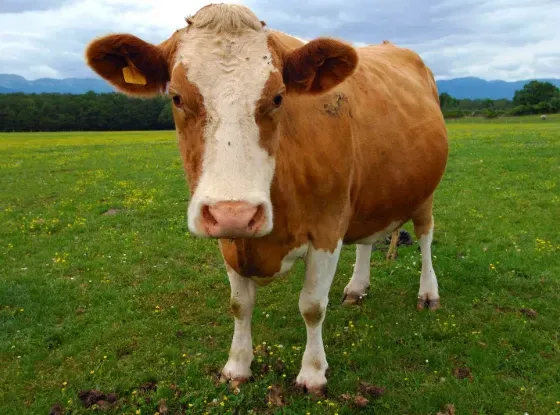
Domestic Cow
Habitat: Farms, pastures, and grasslands worldwide
- Large olfactory receptor gene repertoire
- Uses scent for social recognition
- Detects food-related odors
- Responds to environmental chemical signals
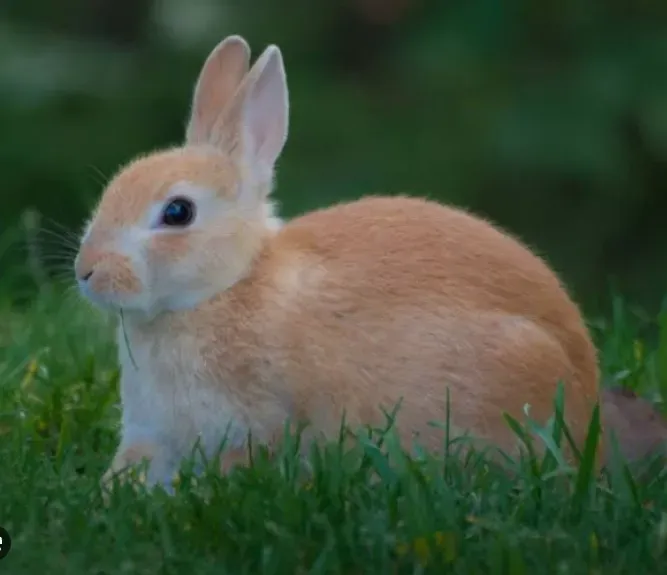
European Rabbit
Habitat: Grasslands, scrublands, and open woodlands of southwestern Europe
- Well-developed olfactory receptor system
- Detects predator-related scents
- Uses smell to identify food
- Relies on scent for social recognition
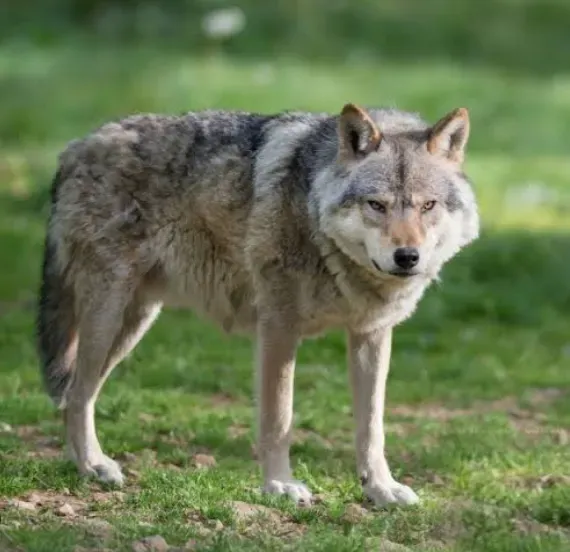
Gray Wolf
Habitat: Forests, tundra, mountains, and grasslands across the Northern Hemisphere
- Tracks prey through scent
- Recognizes territorial scent marks
- Uses chemical signals for communication
- Detects odors across natural habitats
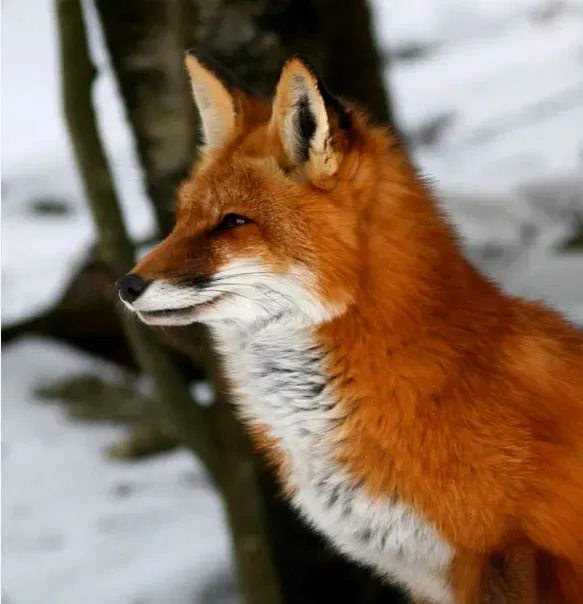
Red Fox
Habitat: Forests, grasslands, mountains, and urban areas across the Northern Hemisphere
- Detects prey-related odors
- Investigates scent trails
- Uses scent marking for communication
- Combines smell with hearing and vision
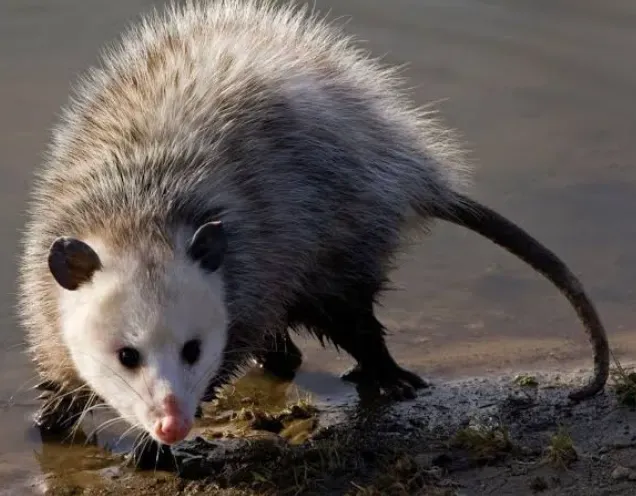
Virginia Opossum
Habitat: Woodlands, wetlands, and suburban areas of North America
- Uses smell during nocturnal foraging
- Detects food-related odors
- Investigates unfamiliar scents
- Responds to chemical social signals
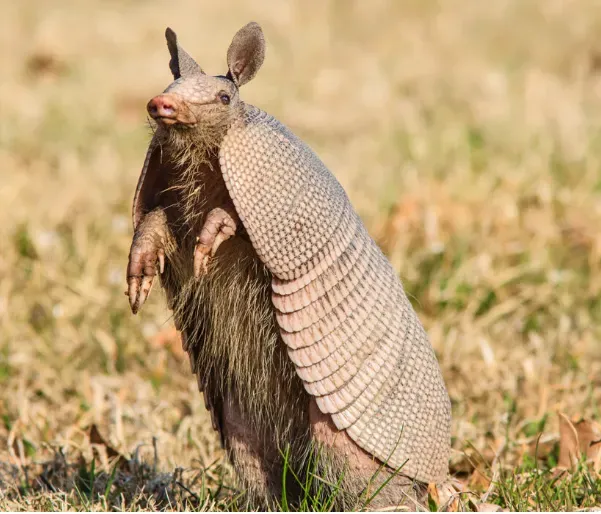
Nine-Banded Armadillo
Habitat: Grasslands, forests, and scrublands of the Americas
- Locates insects through scent
- Searches soil and leaf litter
- Uses smell during ground-level foraging
- Has a substantial olfactory receptor gene repertoire
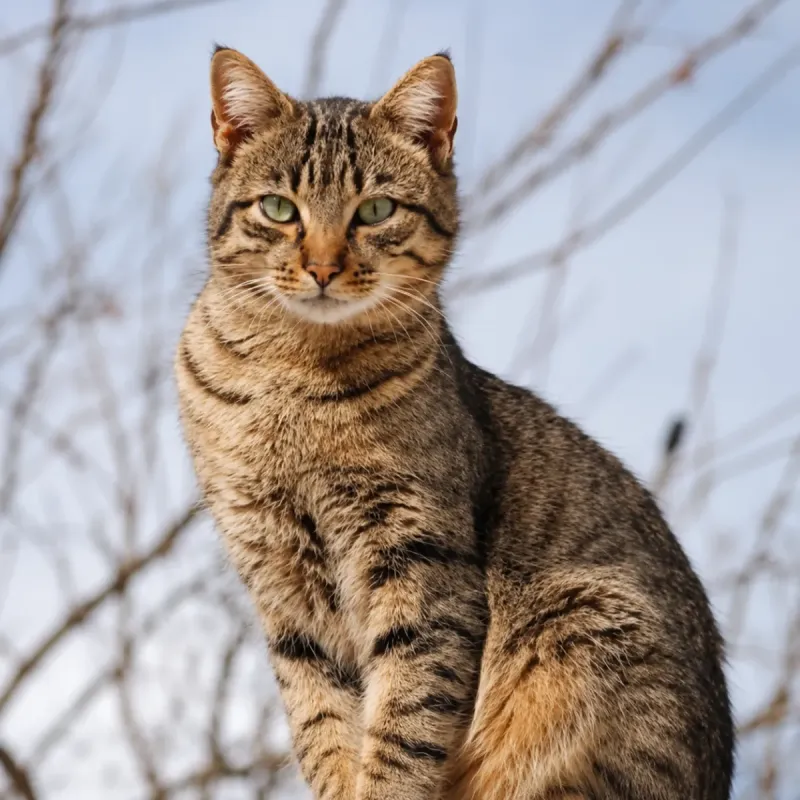
Domestic Cat
Habitat: Human settlements worldwide
- Detects a wide range of odors
- Uses scent to mark territory
- Recognizes familiar animal scents
- Has a specialized vomeronasal system
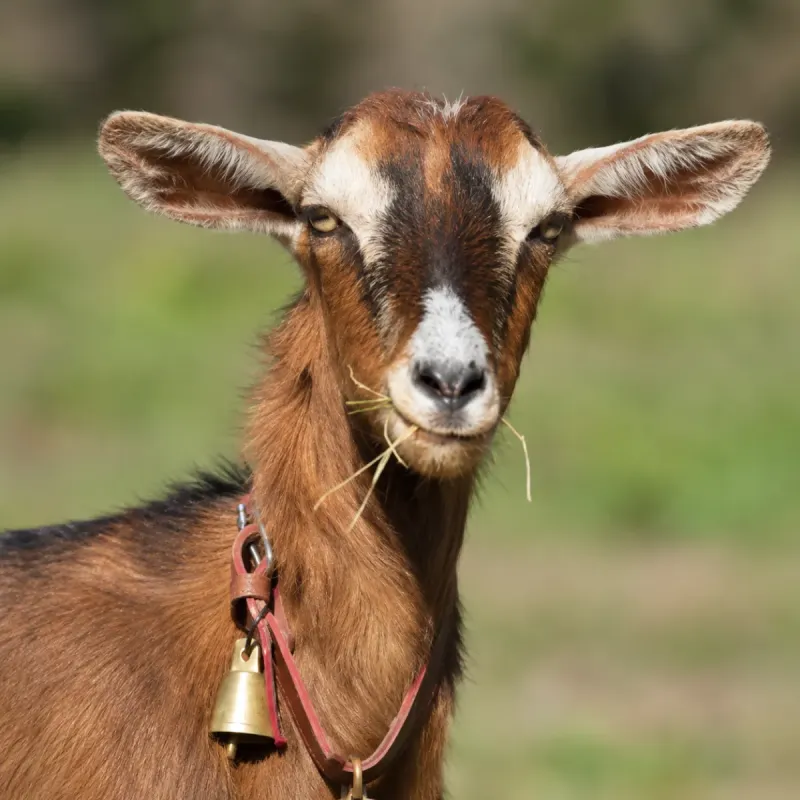
Domestic Goat
Habitat: Mountainous regions, grasslands, and farms worldwide
- Uses smell to investigate plants
- Recognizes social odors
- Detects environmental chemical cues
- Relies on scent during foraging
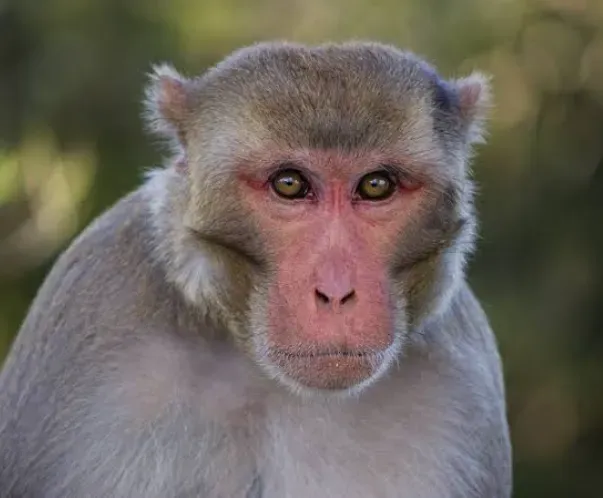
Rhesus Macaque
Habitat: Forests, woodlands, and open habitats across South and Southeast Asia
Rhesus macaques use smell to investigate food, recognize other individuals, and respond to environmental chemical signals. Compared with many rodents and other mammals, primates generally have fewer functional olfactory receptor genes, although smell remains a useful part of their sensory system.
- Uses smell during food exploration
- Detects social chemical cues
- Has fewer functional odor receptor genes than many rodents
- Combines smell with vision and hearing
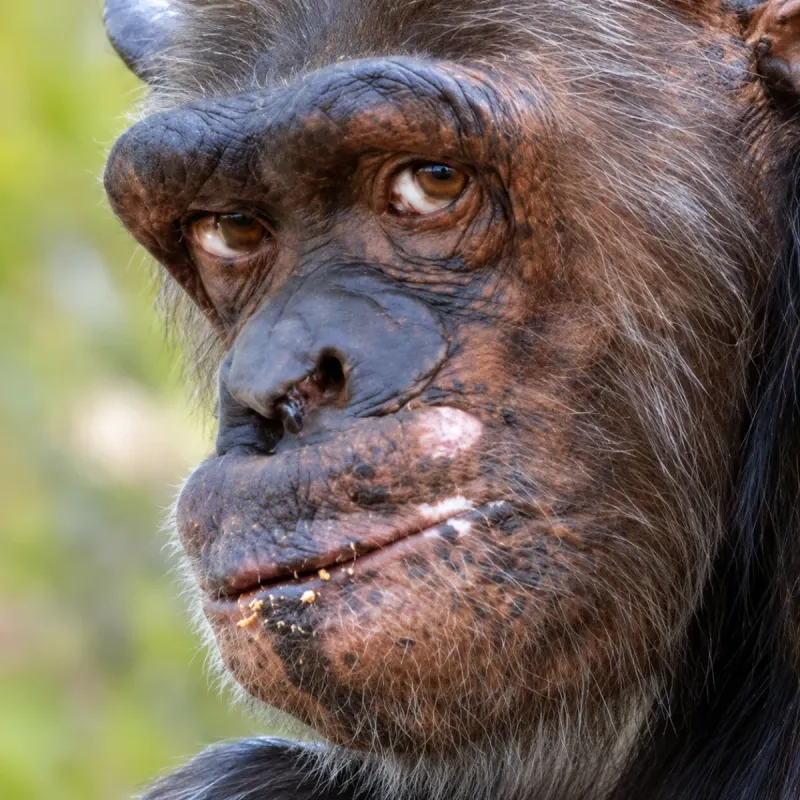
Chimpanzee
Habitat: Tropical rainforests and woodland-savanna mosaics of Central and West Africa
- Detects food-related odors
- Uses smell during environmental exploration
- Has fewer functional odor receptor genes than many mammals
- Relies strongly on vision and hearing as well

Human
Habitat: Nearly every terrestrial environment worldwide
- Detects thousands of odor compounds
- Uses smell in taste and memory
- Has fewer functional olfactory receptor genes than many mammals
- Relies heavily on vision and hearing