
 09 November 2026
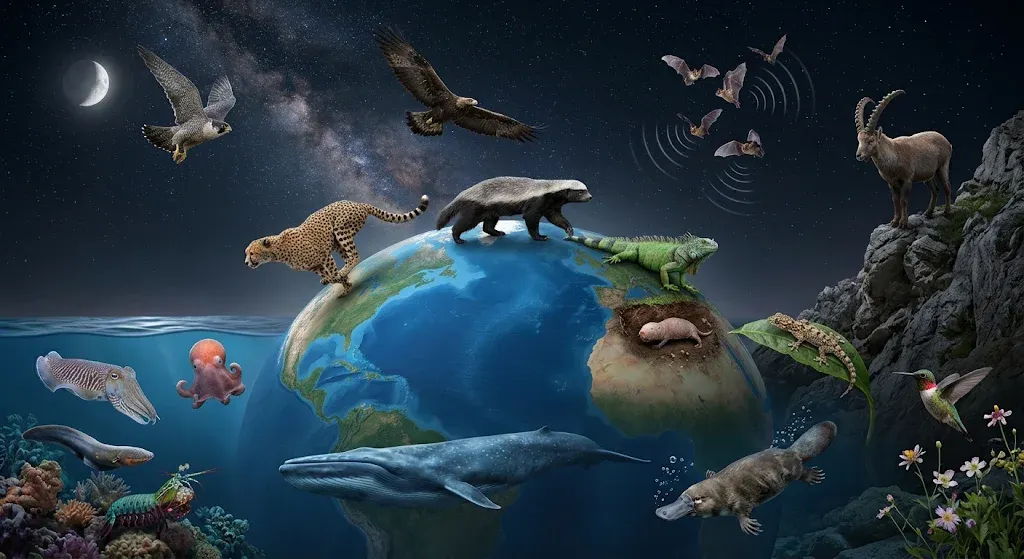
Nature has given animals some truly extraordinary abilities. From detecting objects through sound to surviving extreme temperatures, different species have developed remarkable ways to find food, avoid danger, and adapt to their surroundings.
You Won’t Believe What These Amazing Animals Can Do!
Some of these abilities are so unusual that they sound almost impossible. Here are 15 amazing animals whose natural talents make the animal kingdom even more fascinating.
Detailed Reviews
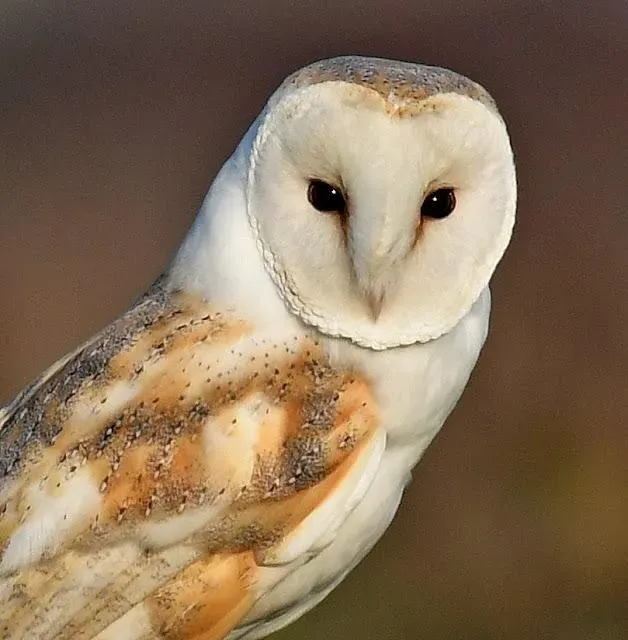
Owls Can Fly Remarkably Quietly
Special Feathers Help Reduce Flight Noise
Many owls have specialized feather structures that reduce noise during flight. This helps them approach prey while relying on their highly developed hearing.
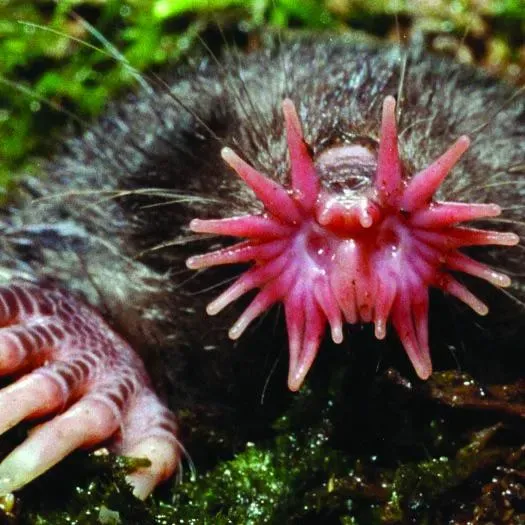
Star-Nosed Moles Can Explore Incredibly
A Strange Nose Works Like a Sensor
Star-nosed moles use their unusual nose to examine objects and locate food. Their sensitive touch receptors allow remarkably rapid exploration of their surroundings.
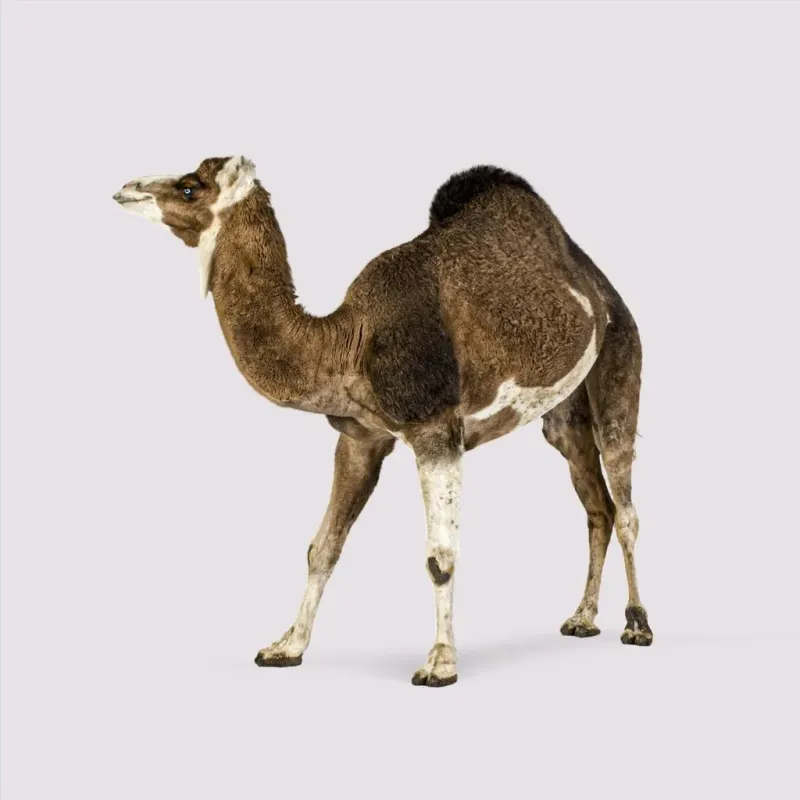
Camels Can Conserve Water in the Desert
Desert Survivors with Body Adaptations
Camels reduce water loss through concentrated waste and specialized nasal passages that recover moisture from exhaled air. Their humps store fat, not water.
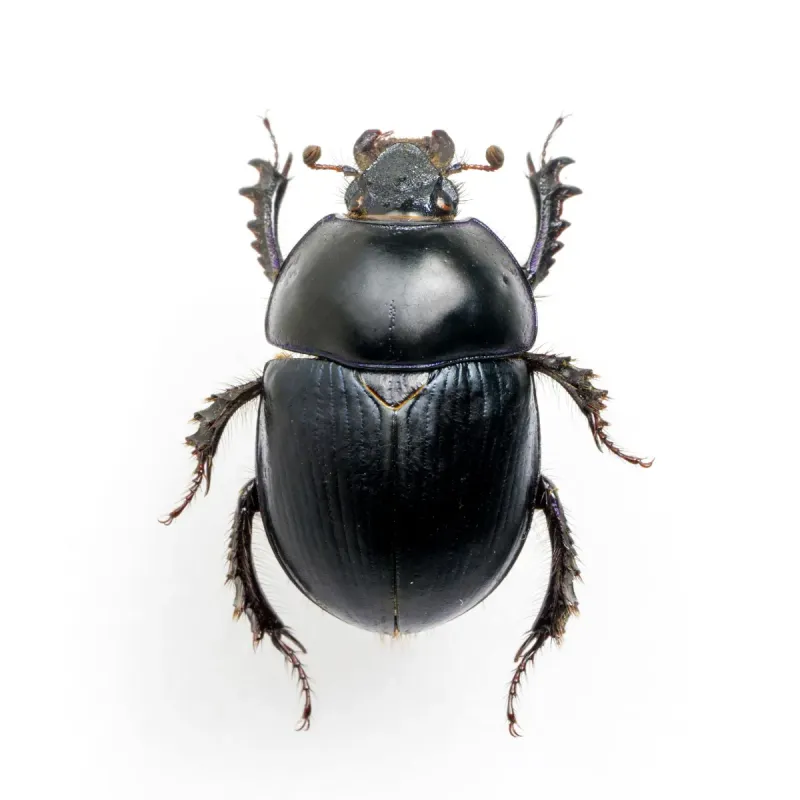
Dung Beetles Can Navigate Using the Milky Way
Insects with Natural Compass
Some African dung beetles use the Milky Way as a visual guide, helping them roll their food balls in relatively straight paths at night.
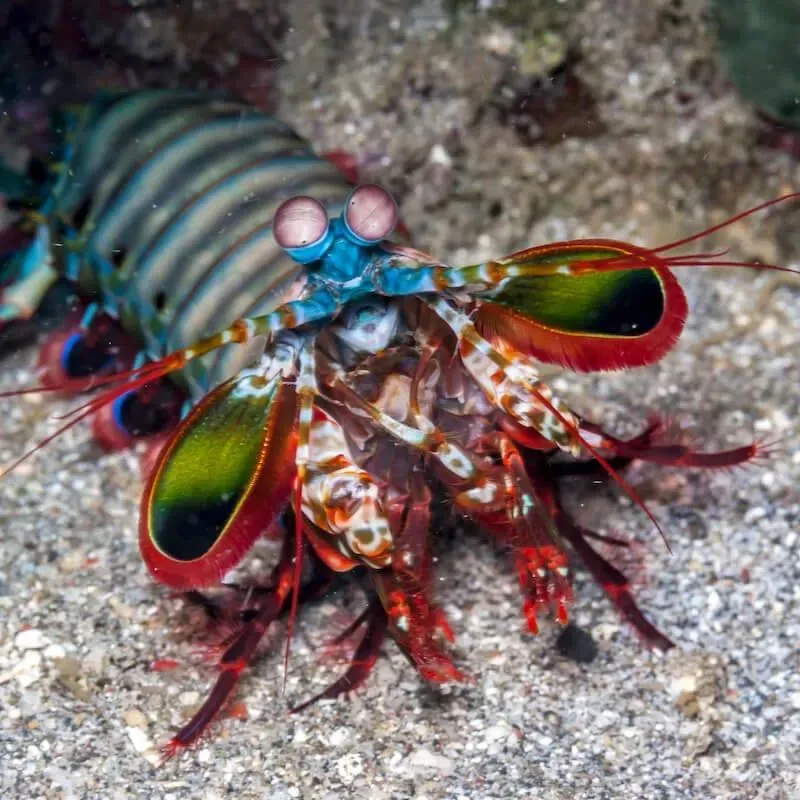
Mantis Shrimp Can Detect Polarized Light
Underwater Vision Unlike Anything Else
Mantis shrimp have specialized vision that detects polarized light. This may help them observe visual signals that are difficult for many other animals to perceive.
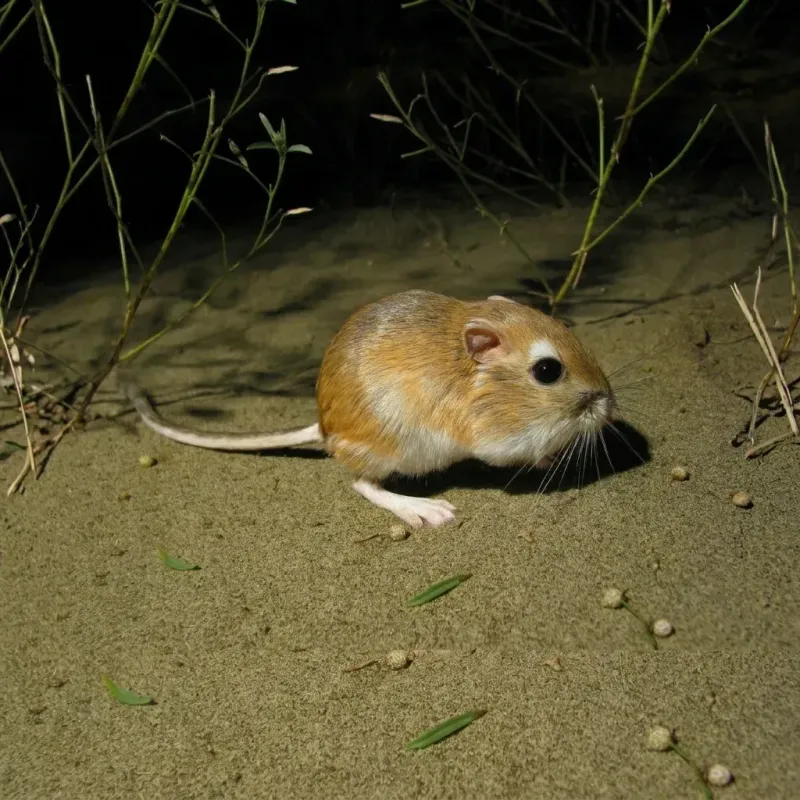
Kangaroo Rats Can Live with Very Little Water
Desert Water Conservation Experts
Kangaroo rats rarely need to drink water. Their efficient kidneys and specialized nasal passages help conserve moisture in dry desert environments.
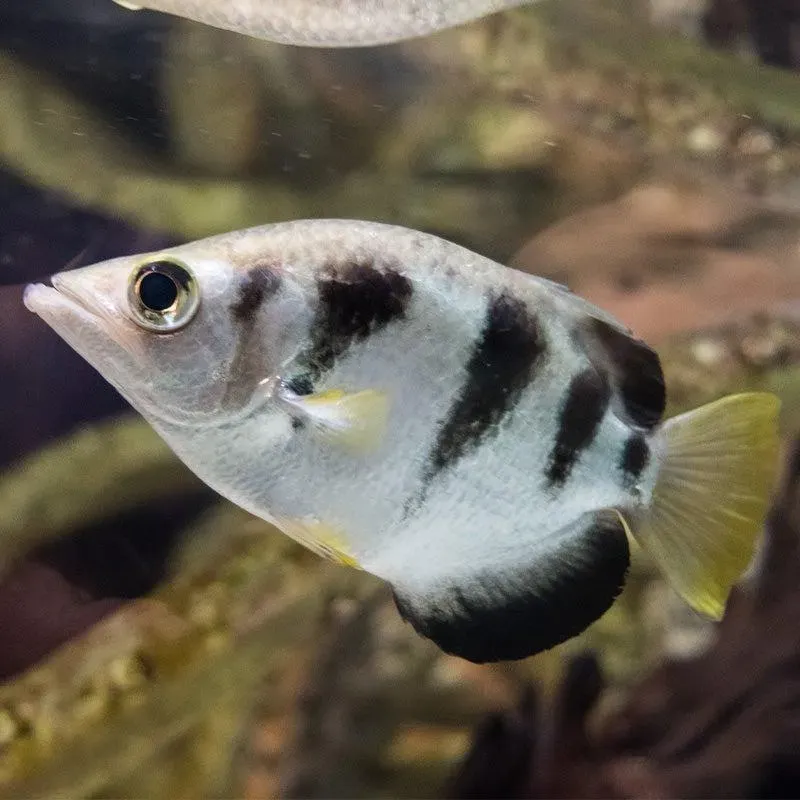
Archerfish Can Shoot Water at Insects
Fish With Remarkable Aiming Skills
Archerfish aim jets of water at insects resting above the water. Their ability to adjust for light refraction helps them hit targets accurately.
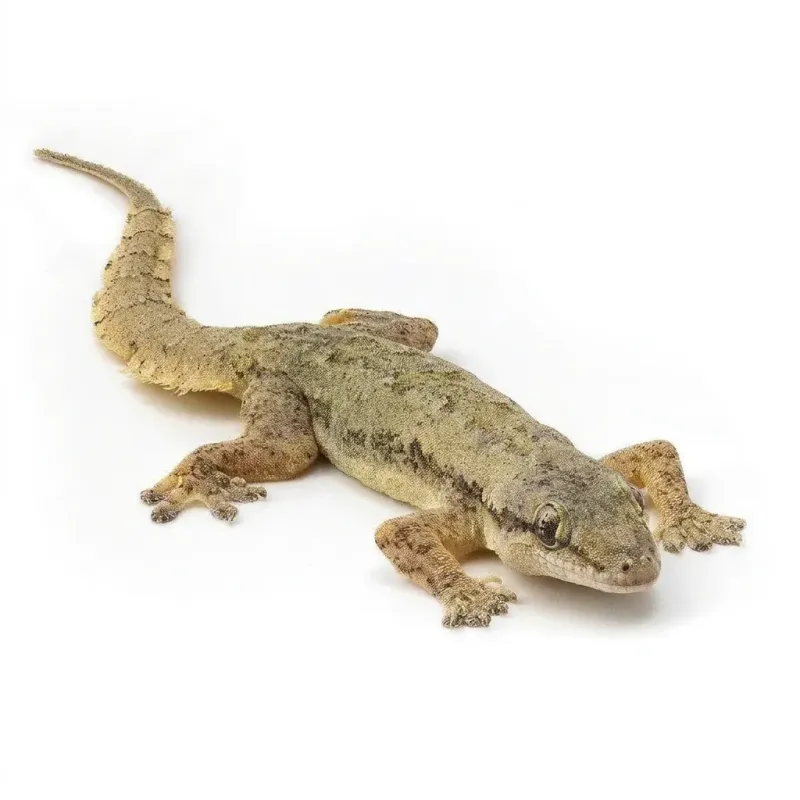
Geckos Can Climb Smooth Surfaces
Their Feet Work Like Climbing Tools
Geckos have millions of microscopic structures on their feet that create strong molecular attraction, allowing many species to climb smooth surfaces without suction cups.
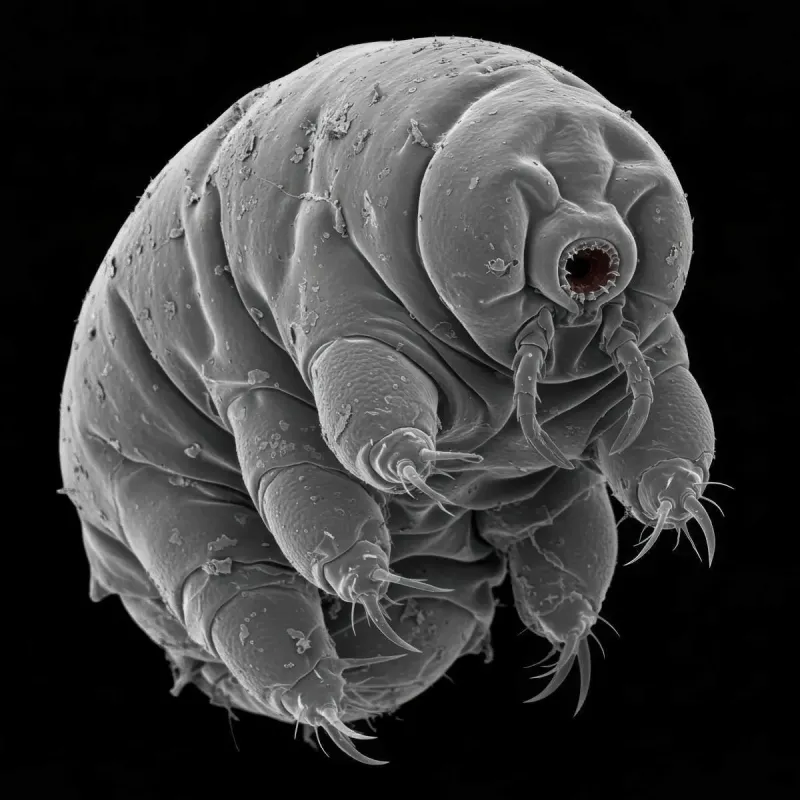
Tardigrades Can Endure Extreme Conditions
Tiny Creatures with Remarkable Survival Skills
Tardigrades can enter a dried-out dormant state that helps them withstand severe environmental conditions, including extreme temperatures and prolonged water shortages.
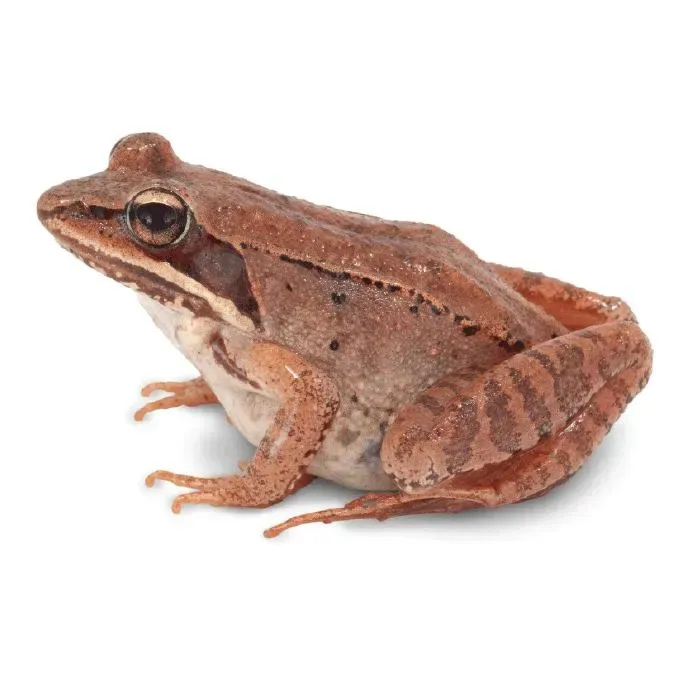
Wood Frogs Can Survive Being Frozen
Frogs With an Amazing Winter Survival Strategy
Wood frogs can survive winter freezing, with ice forming between their cells. Their bodies use glucose to protect cells until temperatures rise again.
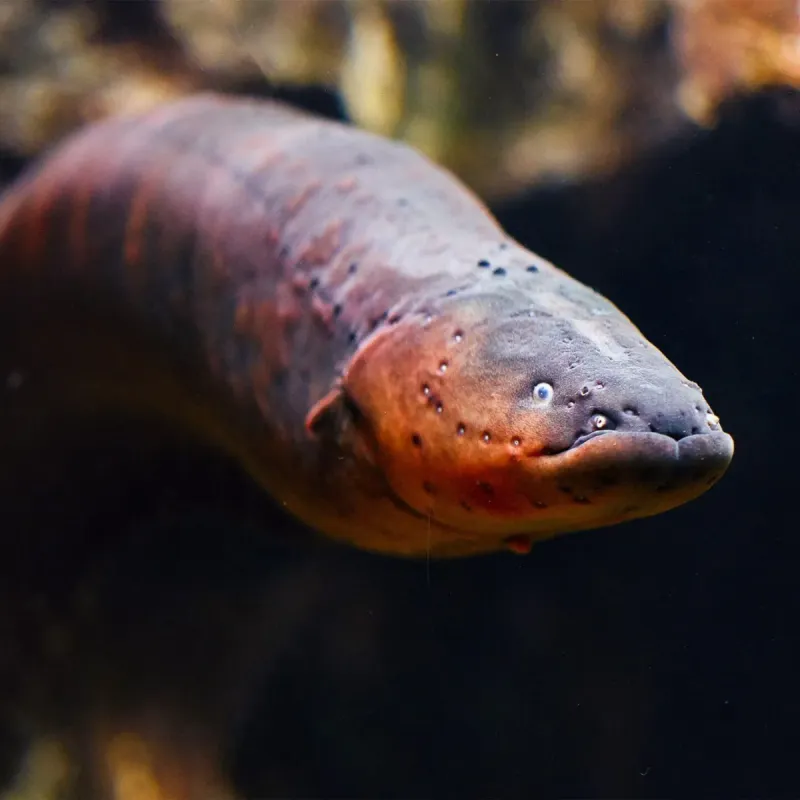
Electric Eels Can Generate Electricity
Fish with an Electrical Ability
Electric eels generate electrical signals for hunting, defense, communication, and navigation. Some species can produce powerful discharges reaching hundreds of volts.
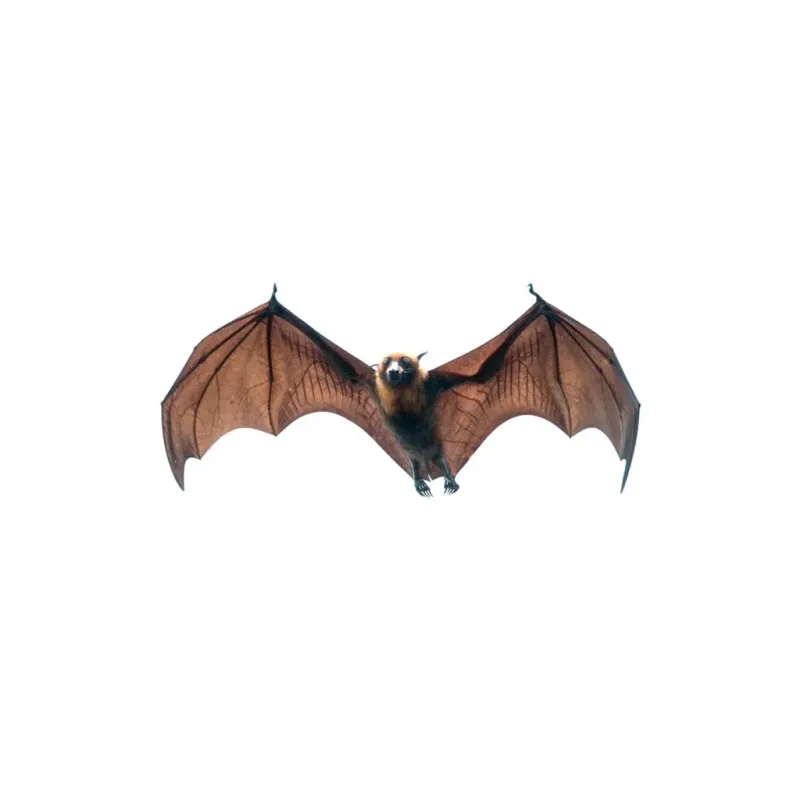
Bats Navigate Using Sound
Their Natural Sonar Helps Them Find Their Way
Bats produce high-frequency sounds and listen for returning echoes. This natural sonar helps them detect obstacles and locate insects, even in darkness.
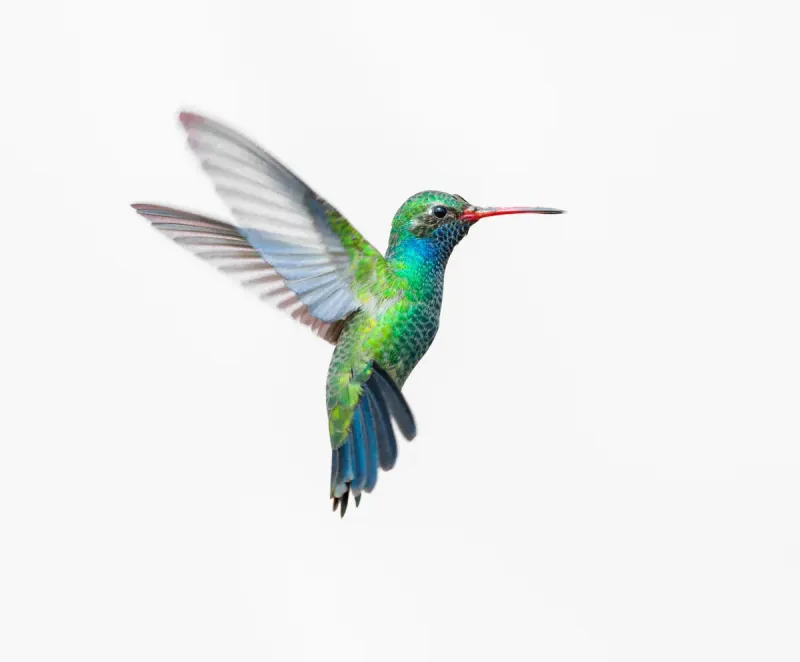
Hummingbirds Can Fly Backward
Tiny Birds with Extraordinary Flying Skills
Hummingbirds can hover in place and fly backward, making it easier to reach nectar inside flowers while maintaining precise control during flight.
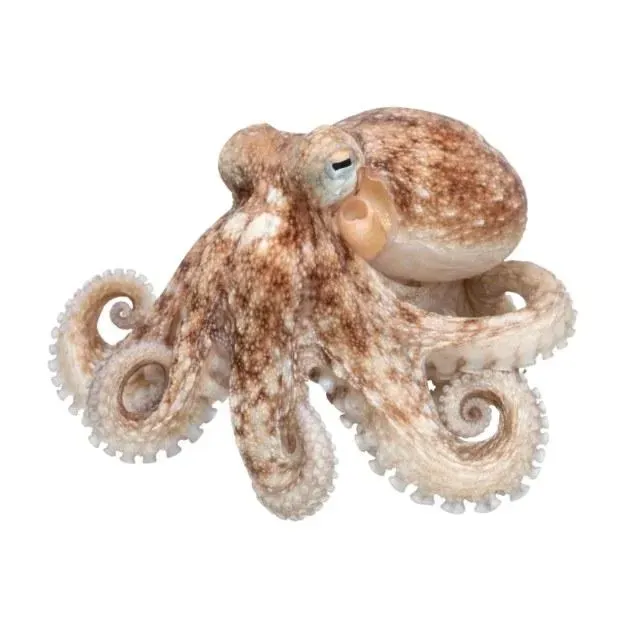
Octopuses Can Change Their Appearance
Nature's Masters of Disguise
Octopuses can rapidly change their skin color and texture to blend into surroundings, helping them hide from predators or approach prey without being noticed.
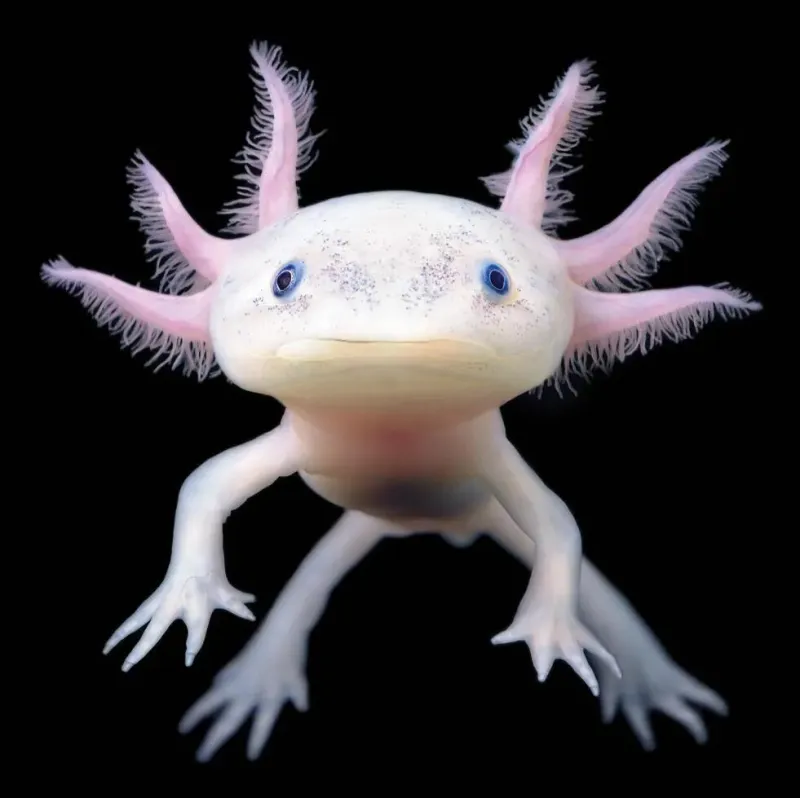
Axolotls Can Regrow Lost Body Parts
Meet the Amphibian with Regeneration Skills
Axolotls can regenerate lost limbs, parts of their tails, and even certain tissues and organs. Scientists study this ability to better understand tissue repair and regeneration.