
 11 November 2026
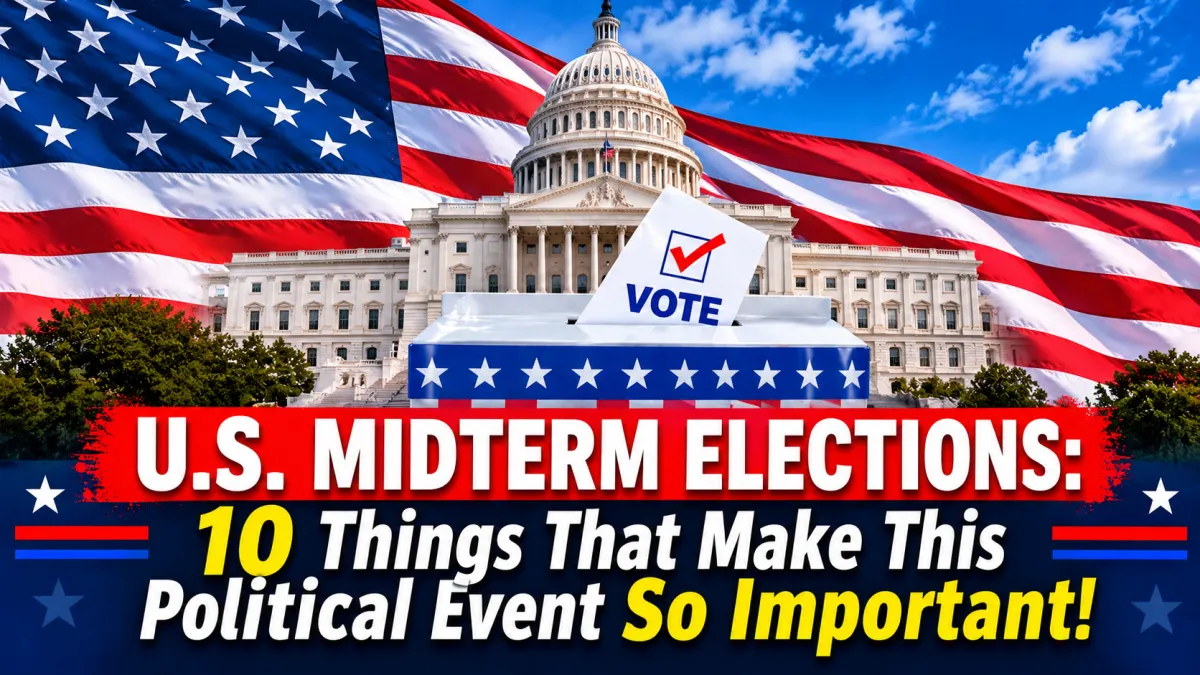
Every four years, Americans vote for a president, but another important election takes place halfway through each presidential term. Known as the midterm elections, these races help determine who represents Americans in Congress and which political party controls its two chambers.
America at a Crossroads: The Election That Could Change the Nation's Future!
Although they do not include a presidential race, midterm elections can have a major influence on the country's political direction. Here are 10 interesting facts that explain how they work and why they matter.
1. They Take Place Halfway Through a President’s Term
An important election without a presidential race. Midterm elections take place halfway through a president’s four-year term. Voters choose members of Congress and other officials, but they do not elect a new president.
2. Every House Seat Is Up for Election
Every seat in the U.S. House of Representatives is contested during midterm elections. This means voters across all 50 states have an opportunity to choose their congressional representatives.
Kimberly Guilfoyle: Why Trump’s Ambassador to Greece Is Making Headlines
3. Only About One-Third of the Senate Is Elected
Senate elections follow a staggered schedule, meaning approximately one-third of the seats are contested every two years. As a result, not every state necessarily has a Senate race in each election.
4. House and Senate Seats Have Different Term Lengths
The shorter House terms allow voters to choose representatives more frequently. Longer Senate terms provide a different election cycle, with only a portion of senators facing voters every two years.
5. State and Local Elections Can Happen at the Same Time
Depending on where voters live, midterm election ballots may also include races for governor, state legislators, mayors, and other local officials. This makes the election important beyond Washington, D.C.
6. Midterms Can Change Which Party Controls Congress
The party that wins enough seats can gain control of either chamber. This affects congressional leadership, committee assignments, and the ability to advance legislative priorities.
7. Candidates Usually Go Through Primary Elections First
In many races, political parties select their general-election candidates through primary elections. The rules vary, and some states use different systems for choosing candidates.
8. States Play a Major Role in Running Elections
States and local election offices handle important details such as voter registration, polling locations, and ballot procedures. This is why voting rules can differ across the country.
9. Election Day Follows a Long-Established Calendar
Federal general elections are held on this schedule in even-numbered years. For example, the 2026 midterm Election Day was November 3, 2026.
10. The New Congress Begins in January
Winning candidates do not immediately begin their new congressional terms on Election Day. Under the Constitution, the next Congress begins on January 3 of the following year.
Conclusion
U.S. midterm elections are an essential part of the country's political system. Although voters do not choose a president during these elections, they help determine the makeup of Congress and influence decisions that can shape national and local policies. Understanding how midterms work makes it easier to follow American politics and see why these elections receive so much attention.