
The City That Shuts Down at Two O'Clock
I remember sitting with an old water technician in Aden who laughed out loud when I asked why nobody answered the phone after lunchtime. "My friend," he said, tapping his watch, "at one o'clock we are civil servants. At two o'clock we are philosophers."
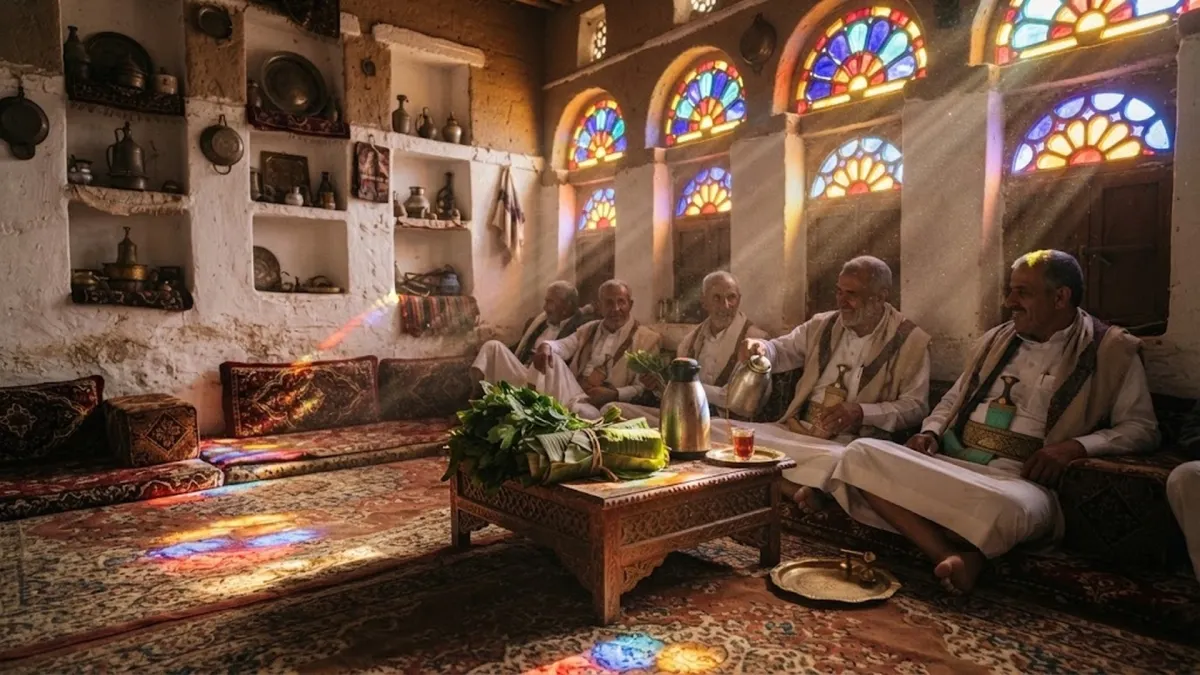
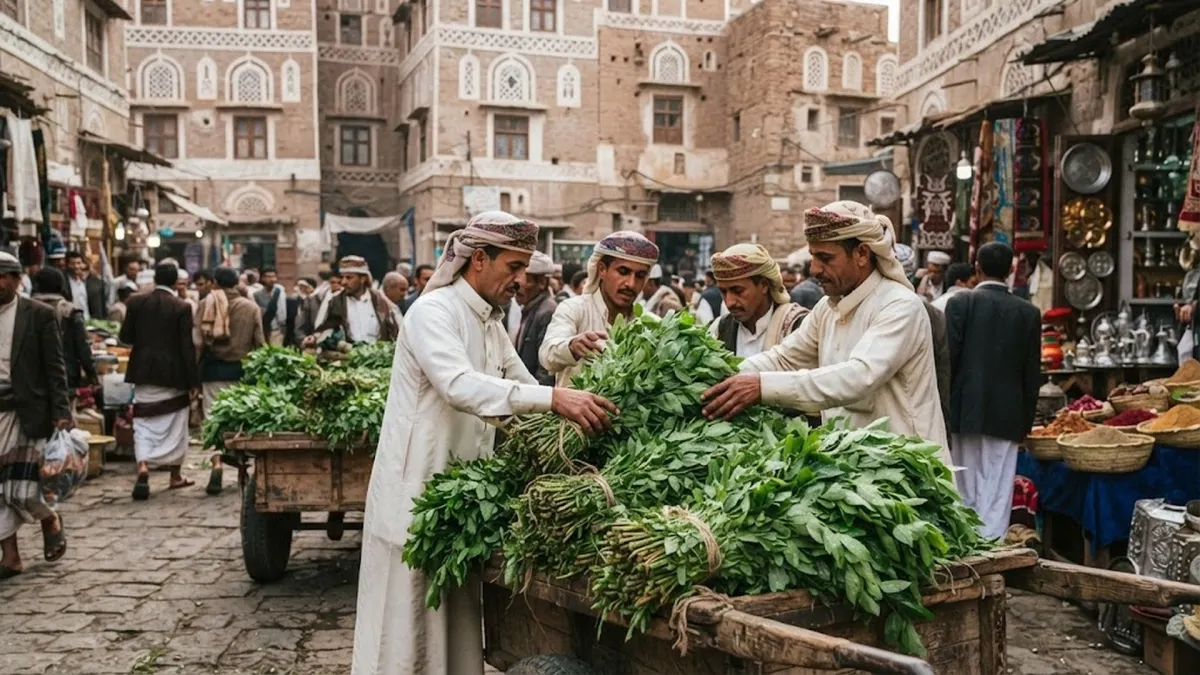
He was telling the cold truth. Around half past one in Sana'a, shopkeepers pull their metal rolling shutters down with a loud bang. Cabs pull over to the curb. Desks in government buildings sit deserted. Within thirty minutes, an entire city of three million people simply clocks out of the modern world, kicks off their sandals, and sits cross-legged on floor mats. They are here for one thing: a damp bag of qat leaves.
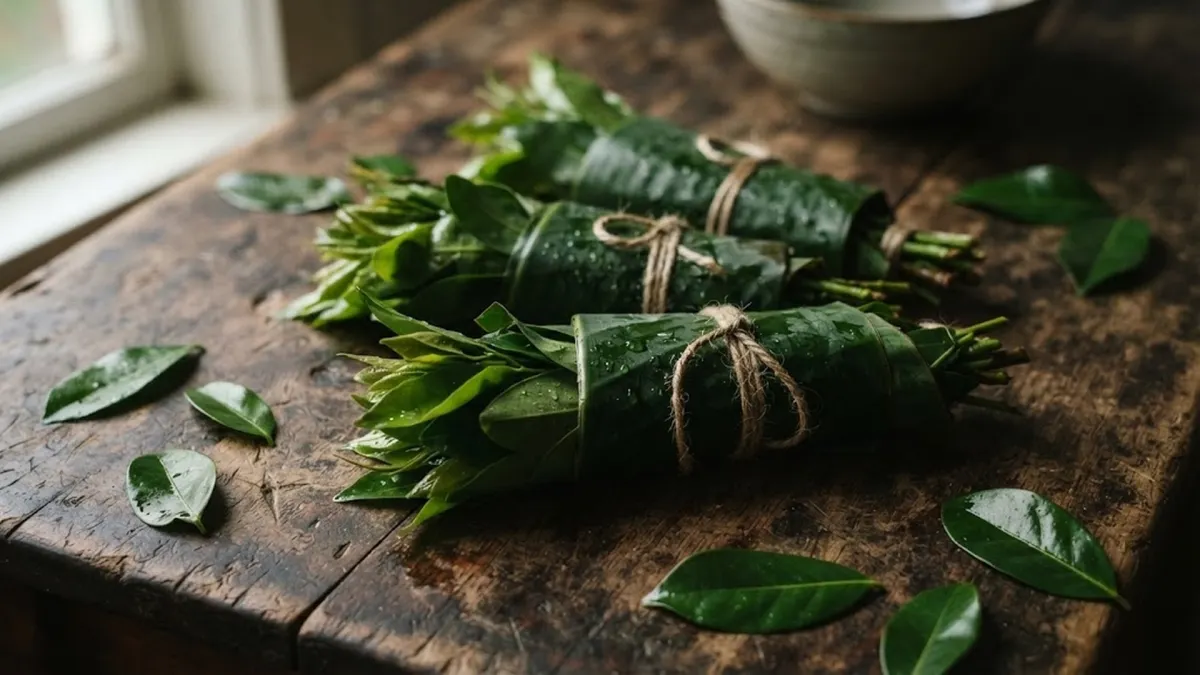
Walk inside one of these living rooms and you smell sweet damp earth, tobacco smoke, and wet green twigs. Burlap sacks lean against the walls, still damp from water sprinkled on cuttings that left mountain terraces before sunrise. Men snap the softest tips off small branches and stuff them into one side of their mouth. They don't swallow the leaves. They chew them into a solid green cud tucked against their inner cheek. Give it an hour, and everyone's jaw looks like it's holding a tennis ball. People talk nonstop, their eyes are wide and focused, and the whole room hums like a beehive.
To someone on holiday, it looks like a harmless cultural hangout—like people grabbing pints at a pub after work. But look beneath that relaxed surface and you run straight into one of the wildest traps on Earth. This green leaf isn't innocent tea foliage. It's a natural form of speed. And the desperate race to grow enough of it is literally sucking an ancient desert country dry of drinking water.
The Waterloo Bridge Pellet: Forensic Secrets of the Cold War Umbrella Assassination
What Happens Inside Your Cheek
Old caravan traders used to think the green twig carried magical desert spirits or just a heavy kick of caffeine. That idea lasted until 1975, when a United Nations lab crew in Geneva finally boiled the sap down. They found an alkaloid called cathinone.
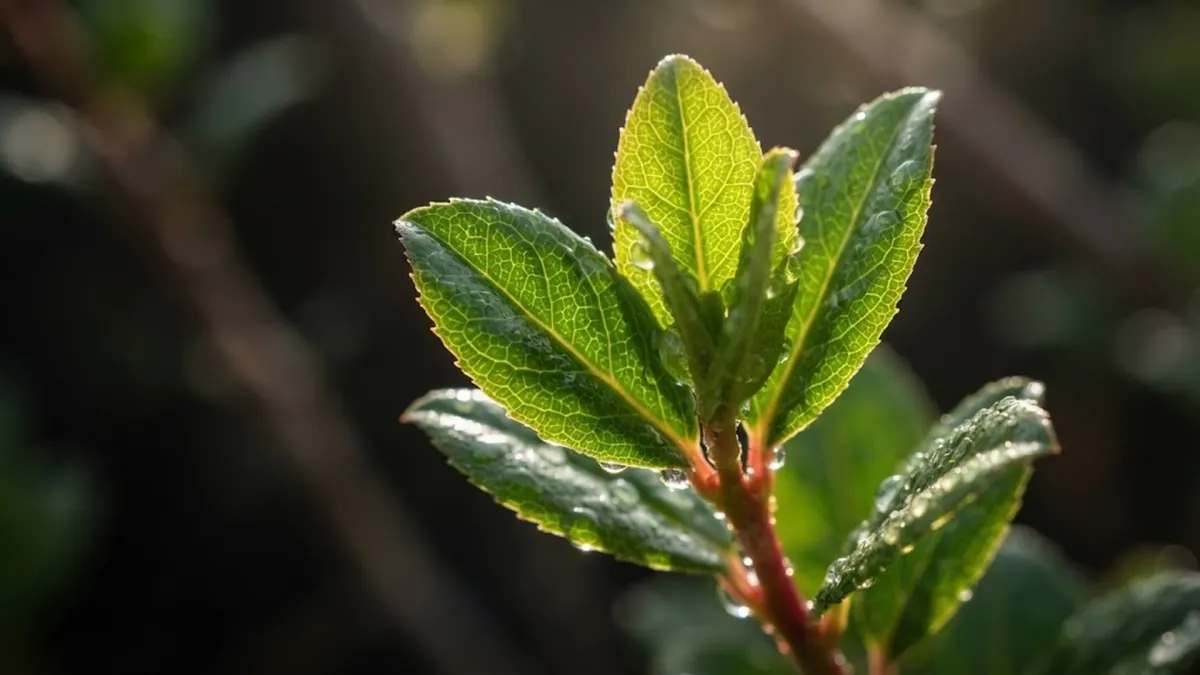
Cathinone is dirty amphetamine made by sunlight and dirt. When you chew the fresh leaf, the juice doesn't wait to go down into your stomach. It leaks right through the soft lining of your gums and cheek, heading straight into your bloodstream. Two minutes later it hits the brain, dumping dopamine and adrenaline into your nerves while cutting off the natural drain valves that mop those chemicals up.
Your heart beats fifteen beats faster. Your pupils open wide. Lunch is the last thing on your mind, you don't feel tired, and you want to talk for three hours straight without taking a breath. But cathinone rots fast. Cut a branch off the bush, and within two days the molecule falls apart into cathine and norephedrine. Those dead chemicals don't give you any bright rush; they just hand you cold sweats, shaky fingers, and a nasty migraine.
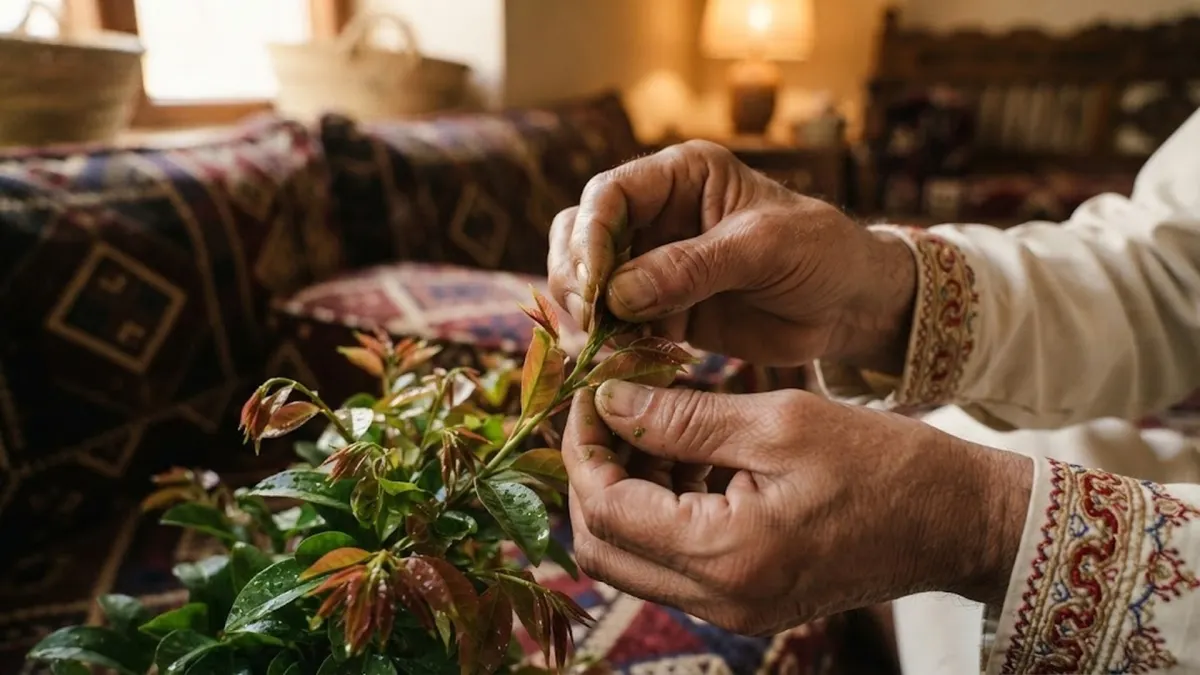
That 48-hour chemical countdown dictates everything about the trade. You can't store qat in a warehouse. You can't pack it in shipping containers and send it across oceans. The branches have to get from the mountain terraces to the city markets by midday. Every morning, drivers in overloaded Toyota Land Cruisers barrel down hairpin mountain roads at breakneck speeds, kicking up dust plumes as they race against the clock to unload their damp, plastic-wrapped bundles before the sun spoils the chemical payload.
| How It Compares | Fresh Mountain Qat | Prescription Speed | Double Espresso |
|---|---|---|---|
| Active Chemical | Cathinone (natural alkaloid) | Dextroamphetamine | Caffeine |
| How It Enters You | Absorbs through cheek lining | Swallowed pill | Digestive system |
| Shelf Life | Expires in 48 hours | Lasts years in a bottle | Lasts years if dry |
| Physical Impact | High heart rate, zero appetite | Intense pulse rise, zero sleep | Mild morning boost |
The Bush That Drank a Desert Nation
The head-trip is wild, but the underground crime is worse. Look at the high valleys above Taiz and Ibb. Centuries ago, people built stone staircases up the cliffs to plant Mocha coffee beans, wheat, barley, and sweet figs. Over the past forty years, farmers took axes to the coffee groves and planted qat everywhere.
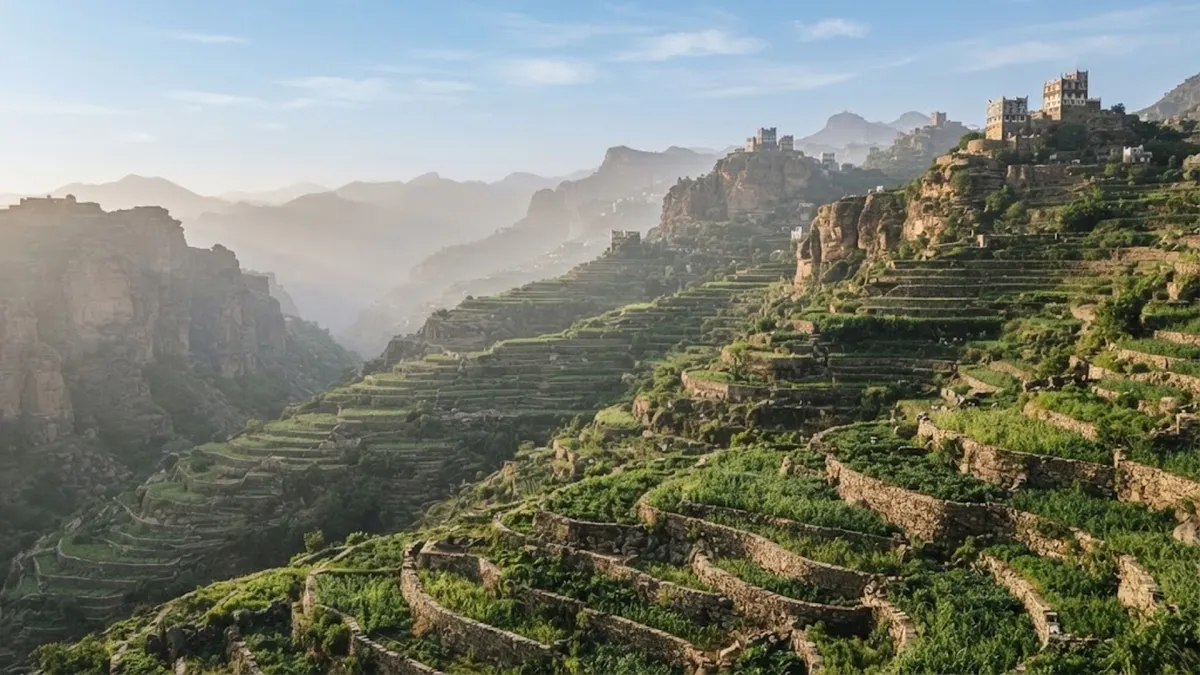
You can't blame them when you see the numbers. A bag of wheat pays you twice a year, assuming the rain doesn't fail. A bundle of qat sells every four days for hard currency right at your gate. Today, two out of every five watered fields in the nation grow green stimulant leaves.
The catch is that qat drinks like a camel. Wild desert scrub lives on a couple of cloudbursts a year, but qat only spits out soft, tender chewable leaves if you drown its roots week after week. So farmers brought in dirty Chinese drill rigs, punched holes three hundred yards straight down, and started sucking up fossil water that settled underground when woolly mammoths still roamed Europe. Once those ancient pockets go dry, rain will never fill them again.
World Bank hydrologists found that qat farms burn through forty-five percent of all well water pumped in the country. In the high Sana'a basin, the water line sinks fifteen feet every twelve months. Wells that hit sweet drinking water at sixty feet back in the seventies now drill down past twelve hundred feet into barren limestone. People are literally drinking up their own grandchildren's survival just to keep an afternoon cheek full.
The Family Budget Trap
Studies show that struggling urban families often spend twenty to thirty percent of their entire daily earnings on a single bag of qat, frequently giving up fresh meat, milk, and medicine for their kids just to make sure they don't miss the afternoon chew.
The Midnight Crash and Why Nobody Can Stop
Ask a cab driver why he doesn't quit, and he'll look at you like you're crazy. The chew—the *magraha*—is where life happens. It's where cousins catch up, property arguments get sorted out by tribal elders without lawyers, wedding dates are agreed on, and job offers get handed out. For millions of people living in deep economic precarity, that four-hour chew is their only mental relief.
Then nine o'clock arrives, the leaves turn brown and tasteless, and the chemistry turns cruel. The dopamine drops off a cliff. Chewers stare at ceilings at three in the morning with sandpaper throats and hearts hammering against their ribs. By seven AM, half the city drags into work with red eyes and sour stomachs, just killing time until two o'clock when the fresh trucks arrive from the hills and the whole cycle starts over again.
Ministers have proposed bans, doctors have run public awareness drives, and agricultural experts have offered subsidies for coffee seedlings. Almost all of them failed. When an entire culture, an entire agricultural economy, and a society's daily routine depend on a single green twig, untangling it takes much more than a decree.
Quick Facts
Qat (*Catha edulis*) is an evergreen shrub native to East Africa and the Arabian Peninsula. While it is strictly illegal in the United States and across Europe, millions of people chew it openly every day in Yemen, Ethiopia, Somalia, and Djibouti.