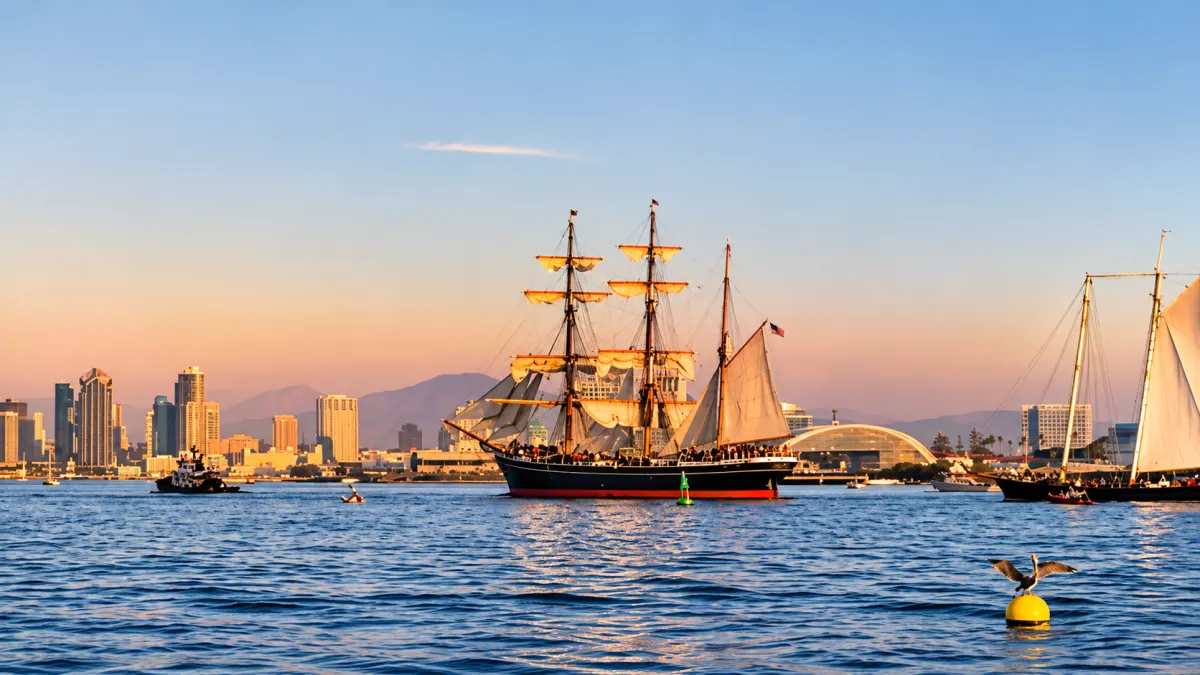

From ships launched around the time the U.S. Constitution was signed to vessels that served during World War II, some of America's oldest ships have survived for centuries. And surprisingly, a few are still sailing today.
The United States is home to more than 120 ships listed on the National Register of Historic Places. Many of them are tall ships with stories of exploration, war, trade, and adventure built into their history.
Beyond Tokyo and Paris: The Rising Global Cities Remote Workers Are Moving to Right Now
These vessels offer a fascinating look at America's past. Some carried cargo across oceans, others helped protect the country during wartime, and many played a role in the growth of coastal communities. Today, several have found a new life as museums, educational vessels, and tourist attractions.
Here are some of the most remarkable historic ships in America, along with the stories that make each one worth knowing.
1. USS Constitution (1797) — Boston, Massachusetts
Location: Charlestown Navy Yard, Boston, Massachusetts
The USS Constitution is the world's oldest commissioned naval vessel still afloat. First launched in 1797, this three-masted wooden warship became famous during the War of 1812, when it fought British ships and earned the nickname Old Ironsides.
The ship's copper fastenings and other fittings were made by Paul Revere, the Boston silversmith and patriot best known for his role in the American Revolution.
Today, the USS Constitution remains part of the U.S. Navy and is open to visitors in Boston. It's a remarkable chance to see a ship that has been part of American history for more than two centuries.
2. Charles W. Morgan (1841) — Mystic, Connecticut
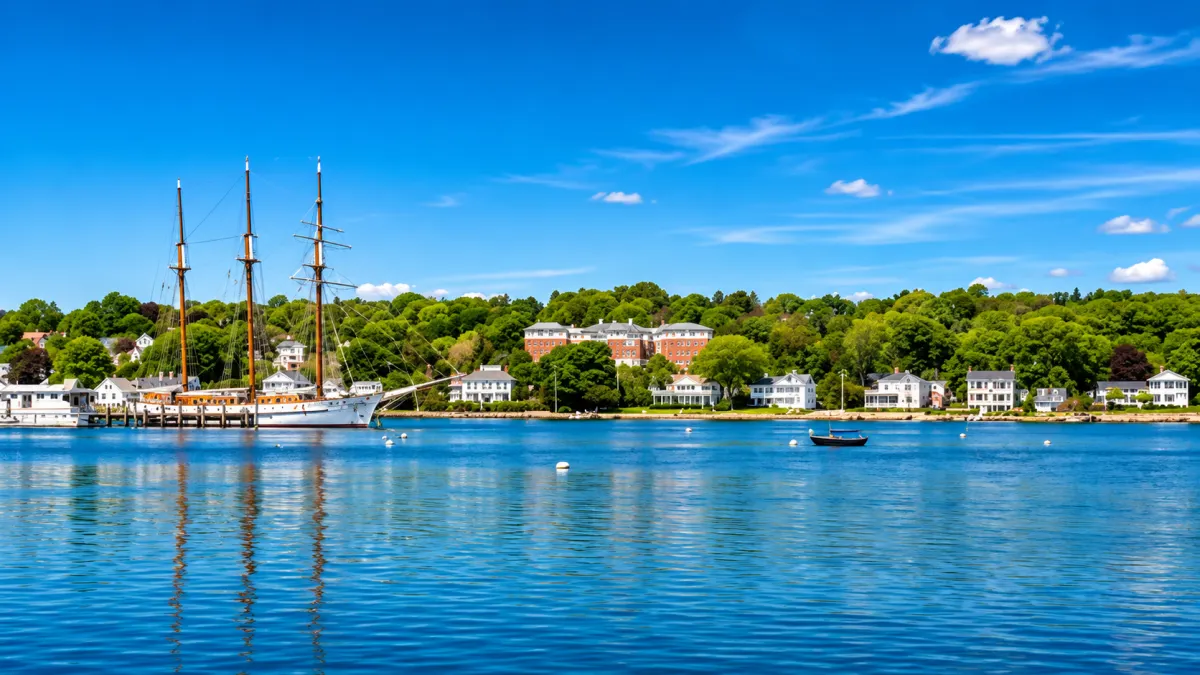
Location: Mystic Seaport Museum, Mystic, Connecticut
Mystic Seaport Museum is home to an impressive collection of historic American vessels, including four ships listed on the National Register of Historic Places.
One of its biggest highlights is the Charles W. Morgan, built in 1841. It's the world's last surviving wooden whaleship from America's historic whaling era.
The museum is also home to the Emma C. Berry (1866), considered the oldest surviving commercial vessel in the United States, and the L.A. Dunton (1921), a fishing schooner believed to be one of the last surviving vessels of its kind.
Together, these ships offer a glimpse into the days when whaling and commercial fishing were major industries along the American coast.
3. USS Constellation (1857) — Baltimore, Maryland
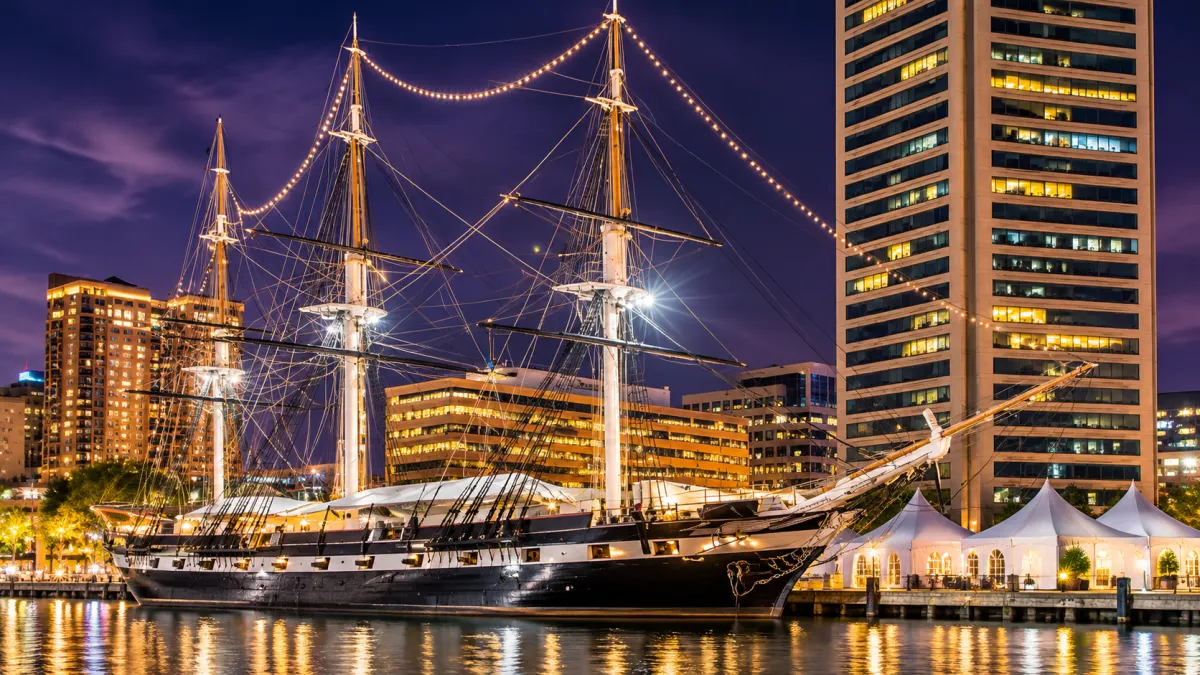
Location: Baltimore Harbor, Maryland
The USS Constellation has a complicated history that stretches back to the early days of the American Navy.
An earlier ship bearing the same name was launched in 1797. The vessel now preserved in Baltimore was built in 1857 as a warship and later served during the American Civil War.
Over the years, the ship underwent major restoration work, including a significant renovation in 1999. Today, it sits in Baltimore Harbor, where visitors can explore its decks and learn about America's naval history.
Its story reflects how the country's navy evolved during the 19th century, as sailing ships gradually gave way to more modern warships.
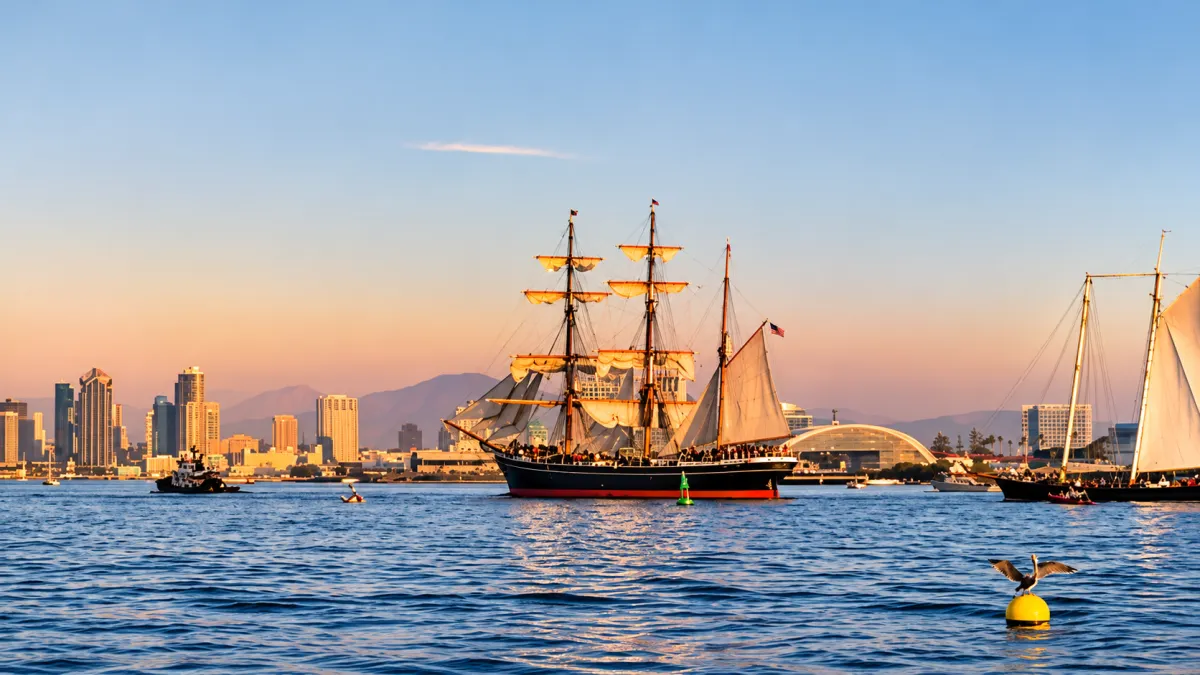
4. Star of India (1863) — San Diego, California
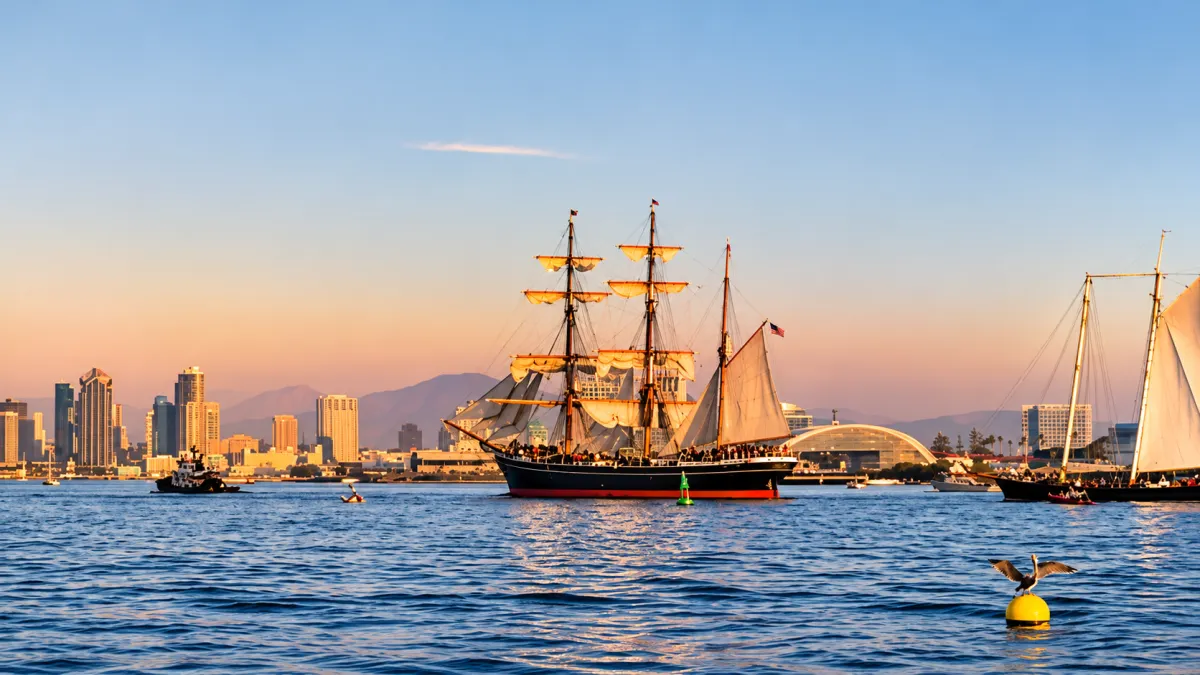
Location: Maritime Museum of San Diego, California
The Star of India is one of the world's oldest active sailing ships. Originally launched in 1863 under the name Euterpe, the vessel had a rough start, suffering damage during several storms at sea.
But the ship's story didn't end there. It later became a sailing vessel for long-distance voyages and circled the globe 21 times, with each journey lasting nearly a year.
Today, the Star of India is one of the most recognizable attractions at the Maritime Museum of San Diego. Its long sailing history makes it a fascinating reminder of the days when crossing the world's oceans could take months.
5. Lewis R. French (1871) — Camden, Maine
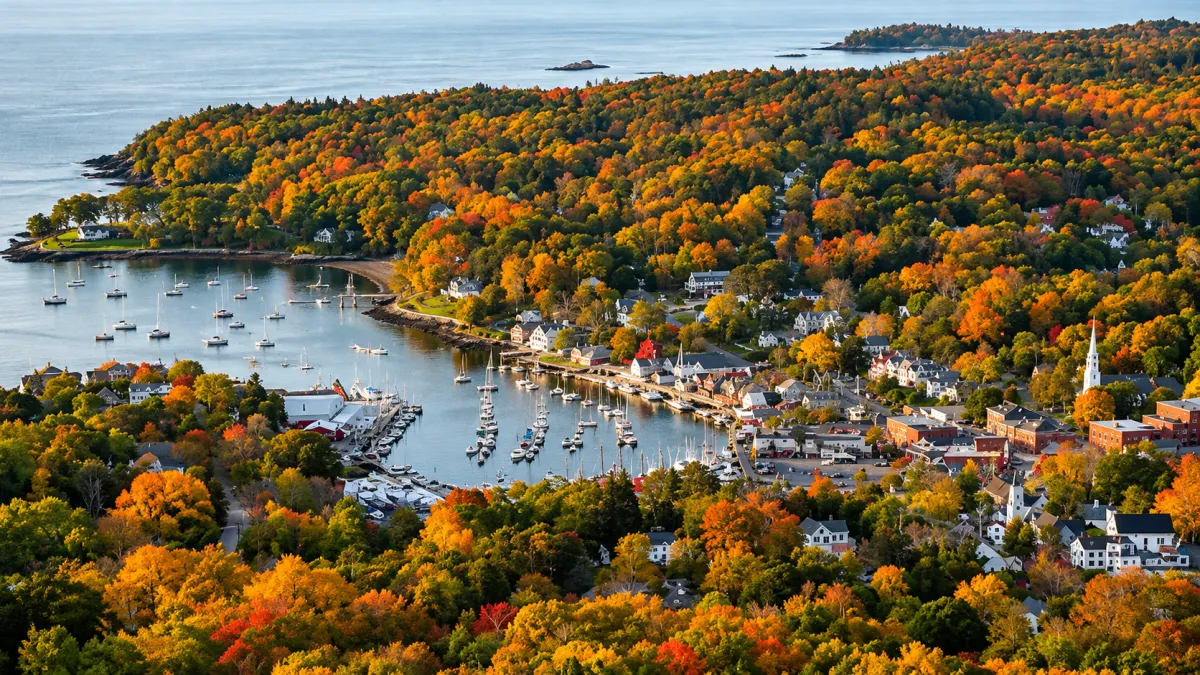
Location: Camden Harbor, Maine
Built in 1871, the Lewis R. French is recognized as America's oldest commercial sailing schooner still in operation.
The two-masted vessel has been carefully maintained and now takes passengers on multiday sailing trips from Camden Harbor. It's a chance to experience the Maine coast much as sailors did generations ago.
Camden Harbor is also home to other historic schooners, including the Grace Bailey (1882), which once carried granite used in the construction of New York City's Grand Central Terminal.
Another vessel, the Mercantile (1916), was designed to carry cargo through shallow waters, showing how ships were built to meet the practical demands of coastal trade.
6. Stephen Taber (1871) — Rockland, Maine
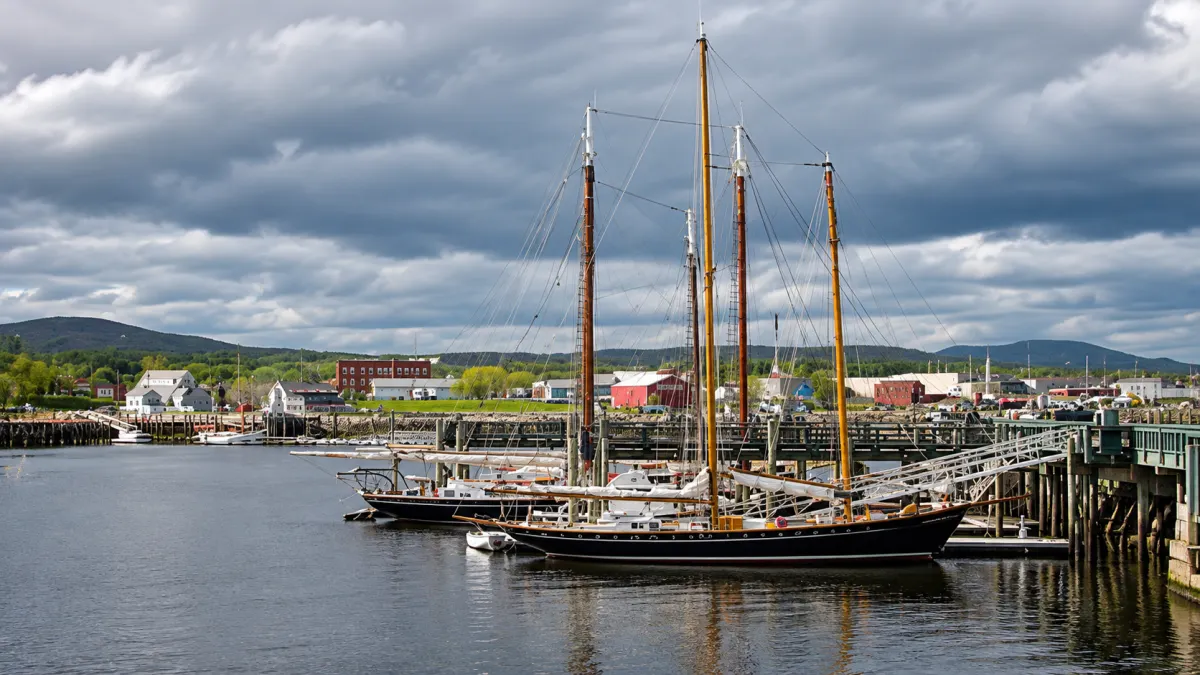
Location: Rockland, Maine
Built in 1871, the Stephen Taber is recognized as the oldest documented commercial sailing vessel in the United States that remains in operation.
Today, the schooner offers multiday sailing trips during Maine's busy summer season. Passengers can enjoy the coastline while experiencing a style of travel that dates back more than 150 years.
Rockland is also home to the Isaac H. Evans (1886), once known as the Boyd N. Sheppard. The vessel was originally used for oyster fishing but now takes passengers on recreational cruises, often featuring some of Maine's famous oysters.
Another local favorite is the American Eagle (1930), believed to be the last schooner built in Gloucester, Massachusetts.
After serving in its original role until 1983, the American Eagle underwent extensive restoration. Today, it operates three- to six-day cruises, giving visitors a chance to explore Maine's coastal scenery. It's also one of the few remaining vessels licensed for worldwide voyages.
7. Elissa (1877) — Galveston, Texas
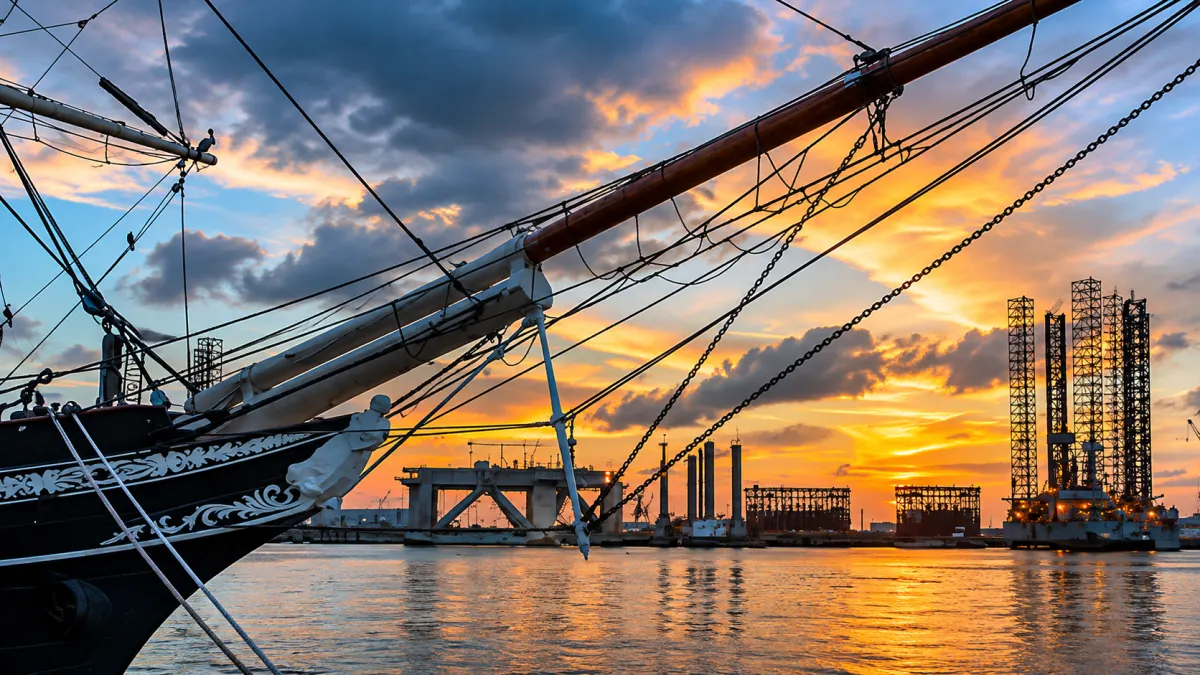
Location: Texas Seaport Museum, Galveston, Texas
With an iron hull and three tall masts, the Elissa was built in 1877 to carry cargo across the world's oceans.
For about 90 years, the ship traveled from port to port before running into trouble in Greece. People determined to save the historic vessel stepped in, helping preserve it for future generations.
The restoration effort gave the Elissa a second life. Today, the ship is a major attraction at the Texas Seaport Museum and still makes occasional voyages into the Gulf of Mexico.
The Elissa offers a rare look at the kind of sailing ship that once moved goods around the world long before modern cargo ships took over.
8. Governor Stone (1877) — Florida
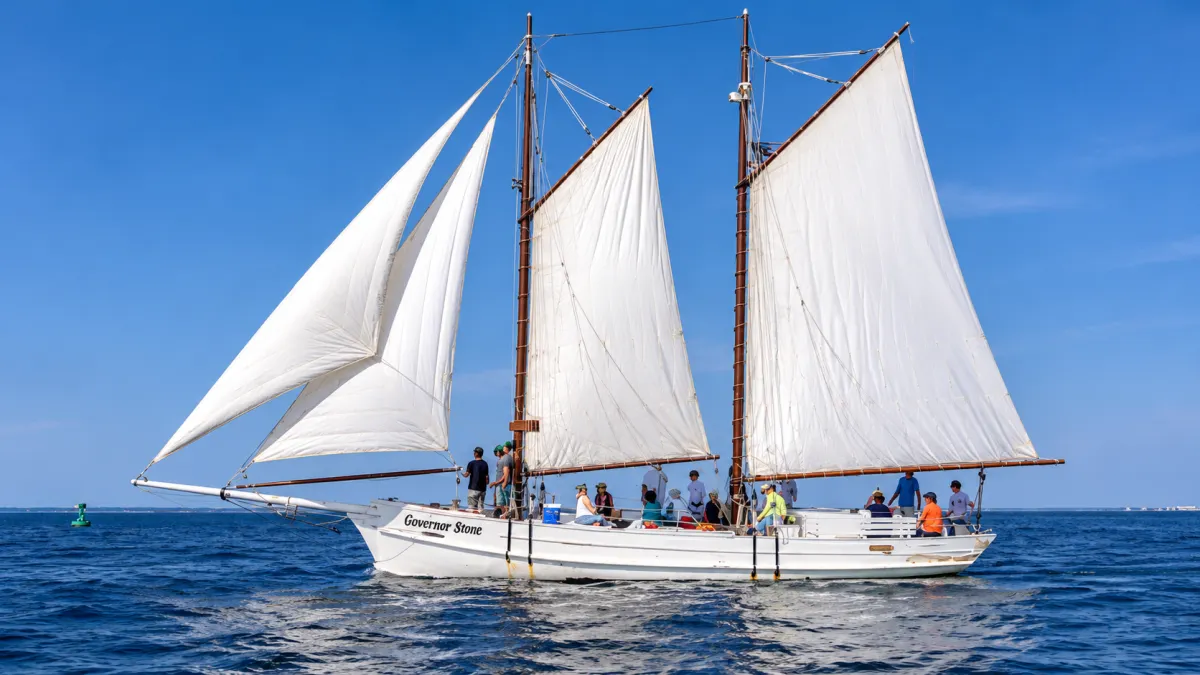
Location: St. Andrews, Panama City, Florida
The Governor Stone was built in 1877 as a cargo vessel, carrying goods around Florida's Gulf Coast.
Like many working ships of its era, it went through several renovations over the years. In 1991, it was added to the National Register of Historic Places.
Today, the Governor Stone is used for educational programs and special events around Florida's Gulf Coast. Its story shows how a vessel originally built for everyday commercial work can become an important piece of local maritime heritage.
9. Christeen (1883) — Oyster Bay, New York
Location: Oyster Bay, New York
The Christeen is recognized as America's oldest surviving oyster sloop. For years, vessels like this played an important role in the oyster industry, which once supported many coastal communities.
Today, the Christeen has a very different job. It takes visitors on recreational and historic cruises around Oyster Bay, offering a closer look at the area's maritime past.
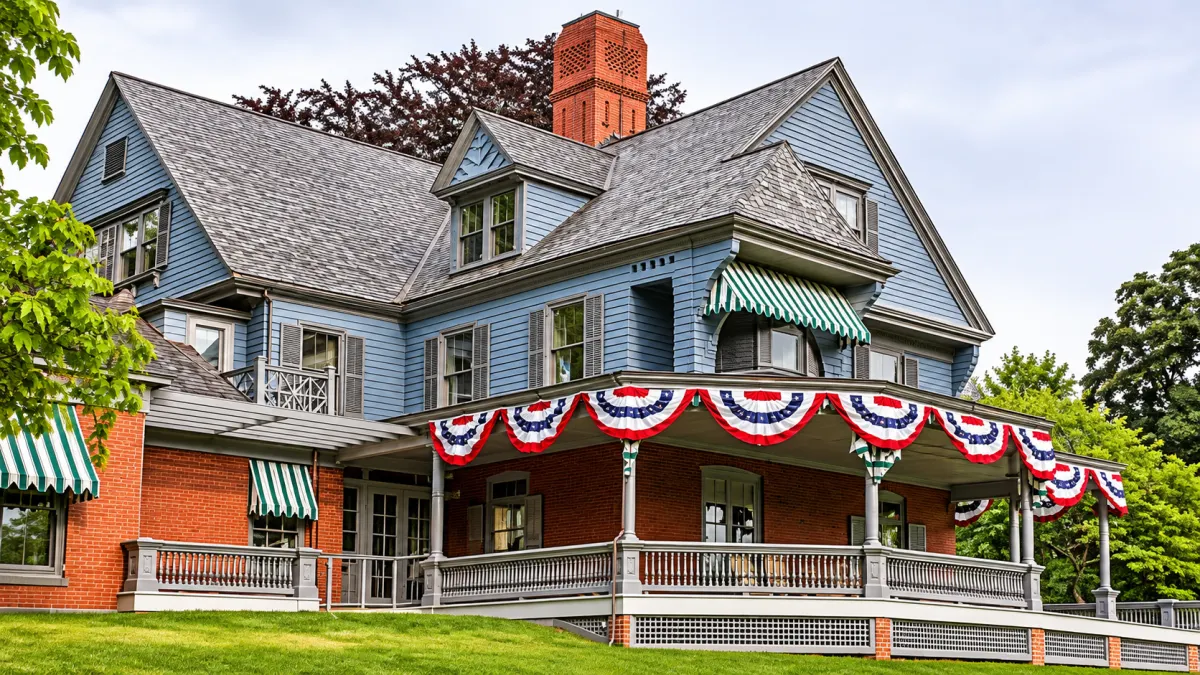
The boat is docked in a town known for its connection to former U.S. President Theodore Roosevelt, who lived nearby at Sagamore Hill from 1885 until his death in 1919.
10. Wavertree (1885) — New York City
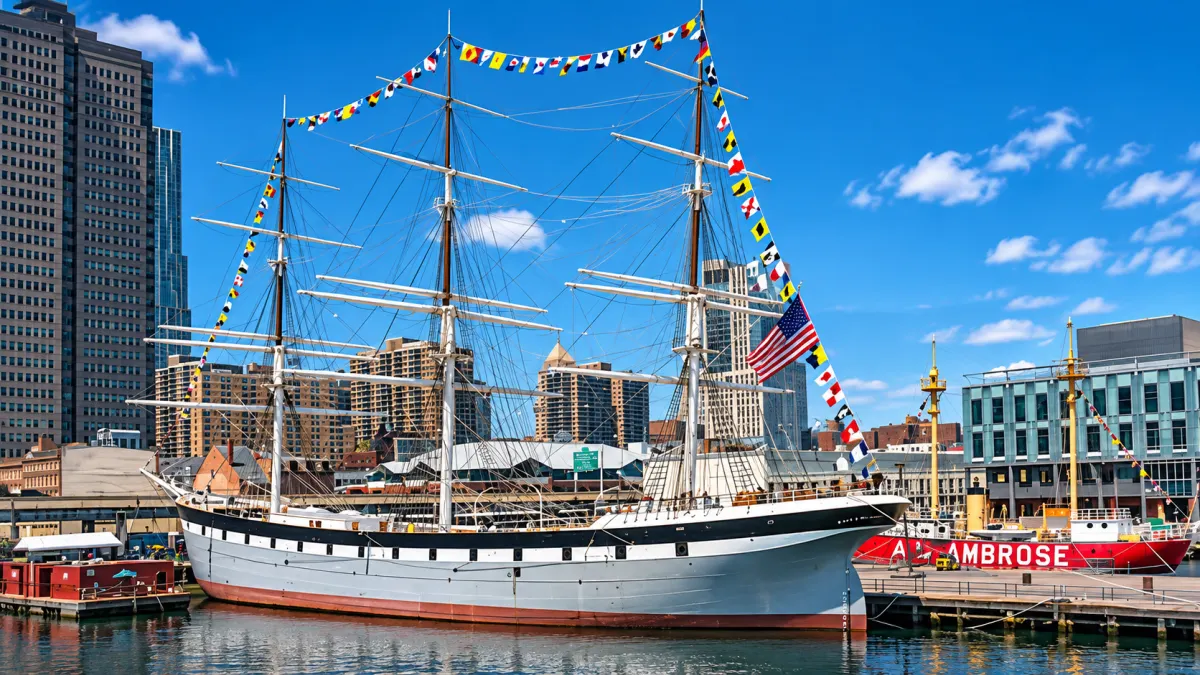
Location: South Street Seaport, Manhattan, New York
The Wavertree was built in 1885 and spent years crossing the Atlantic Ocean and sailing around Cape Horn at the southern tip of South America.
In 1910, a powerful storm damaged the ship and destroyed its masts. After that, it was no longer used as an ocean-going sailing vessel.
The ship was later restored and brought to New York in 1968. Today, it's one of the standout historic vessels at the South Street Seaport, an area that celebrates the city's maritime history.
Nearby, visitors can also find the Ambrose (1912), a former lightship that served as a floating lighthouse to guide ships safely through busy waters. In 1921, it became the first lightship to use a radio beacon for navigation.
Another vessel associated with the collection is the Lettie G. Howard (1893), a historic fishing schooner that represents an important part of New York's commercial fishing heritage.
11. Balclutha (1886) — San Francisco, California
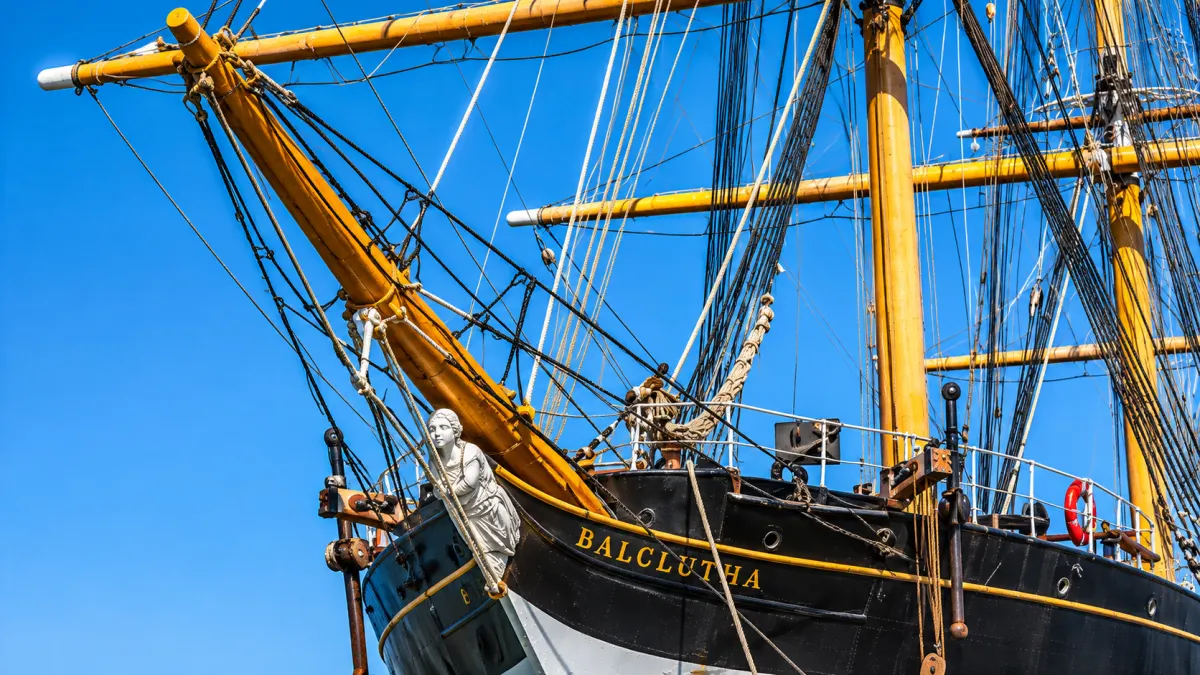
Location: San Francisco Maritime National Historical Park, California
The Balclutha made its first voyage in 1886, sailing from Cardiff, Wales, to San Francisco with a crew of 26 and more than 2,500 tons of coal.
In 1899, the ship was sent to Hawaii. It's remembered as the last vessel to sail under the flag of the Kingdom of Hawaii.
During the early 20th century, the ship was renamed Star of Alaska and later Pacific Queen. It also appeared in the 1935 film Mutiny on the Bounty, giving it a place in movie history as well as maritime history.
The Balclutha was added to the National Register of Historic Places in 1985. Today, it's part of the San Francisco Maritime National Historical Park.
The park is also home to the C.A. Thayer (1895), a sailing vessel designed to transport lumber, and the USS Alma (1891), a flat-bottomed vessel once used for recreational sailing in the shallow waters of California's Sacramento region.
12. Edna E. Lockwood (1889) — St. Michaels, Maryland
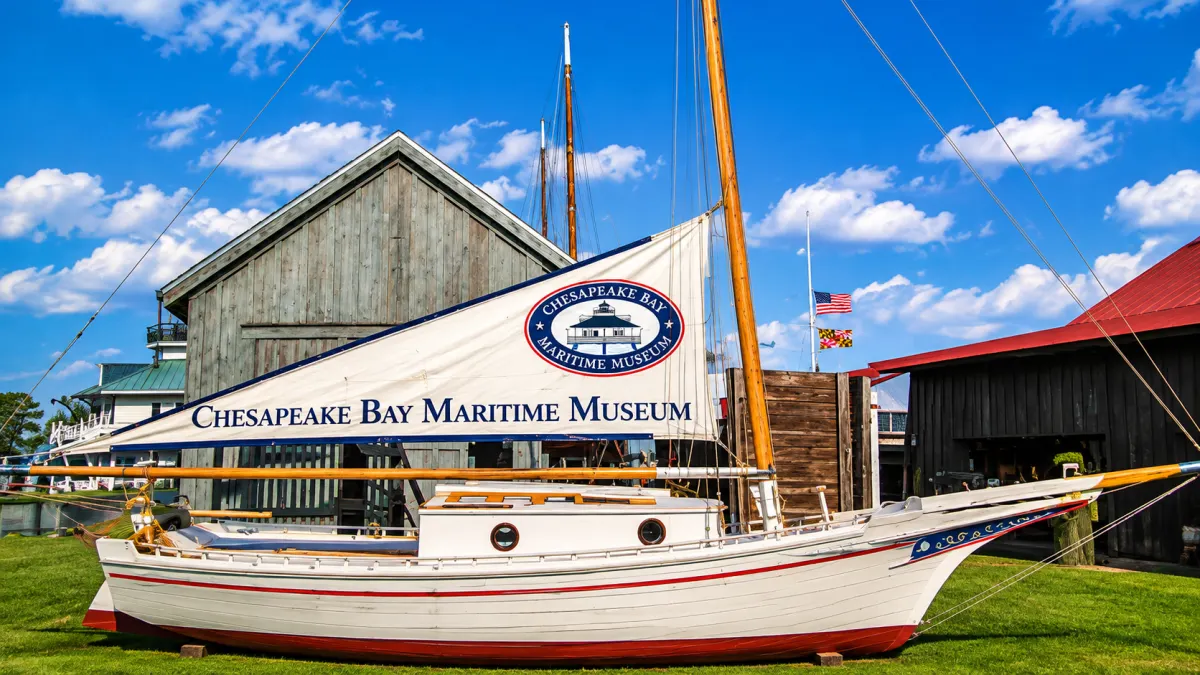
Location: Chesapeake Bay Maritime Museum, Maryland
Built in 1889, the Edna E. Lockwood was one of the last working oyster bugeyes of its era. These distinctive sailing vessels were designed for oyster harvesting in the Chesapeake Bay.
Before being transferred to the Chesapeake Bay Maritime Museum in 1973, the boat was also used as a cargo vessel.
The Edna E. Lockwood underwent extensive restoration work in 2016, helping preserve its distinctive design and history for future generations.
Its story highlights the importance of the oyster industry to the communities around Chesapeake Bay and the vessels that supported it.
13. Priscilla (1892) — Long Island, New York
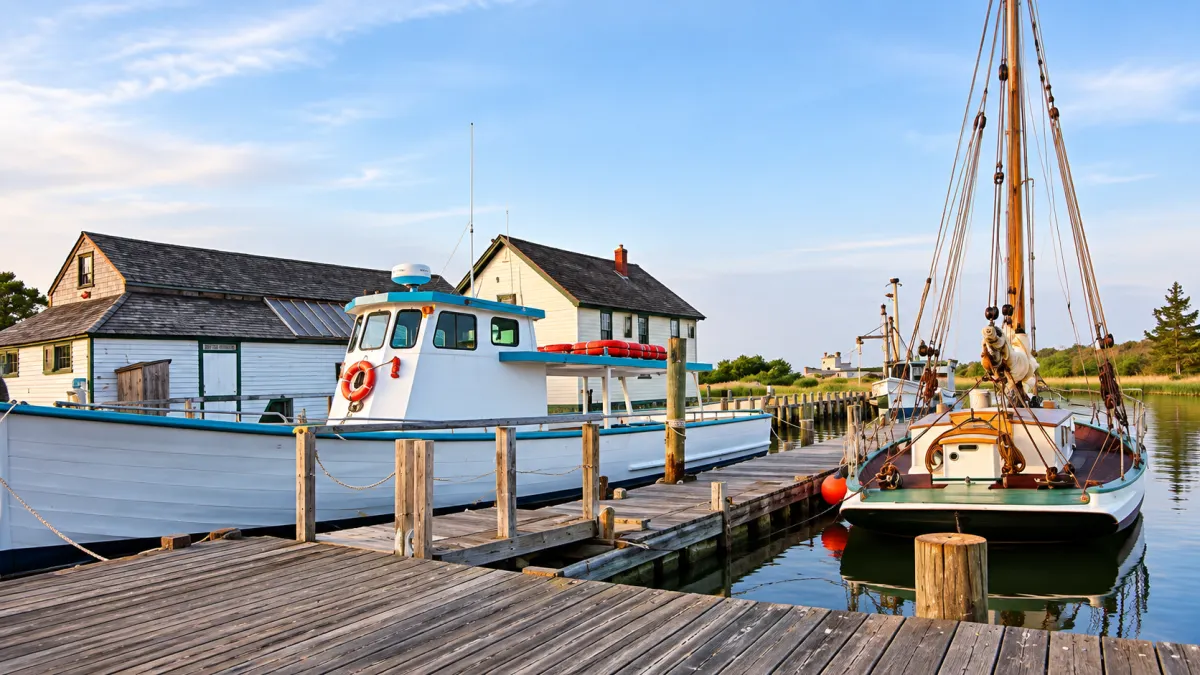
Location: Long Island Maritime Museum, New York
The Priscilla was originally built in 1892 as an oyster-fishing vessel. Like many working boats, it was designed for practical use rather than sightseeing.
After several rounds of restoration, the vessel was converted into a passenger boat in 1963.
Today, the Priscilla is used for passenger trips and special events, giving visitors a chance to experience a piece of Long Island's maritime history firsthand.
14. Victory Chimes (1900) — Rockland, Maine
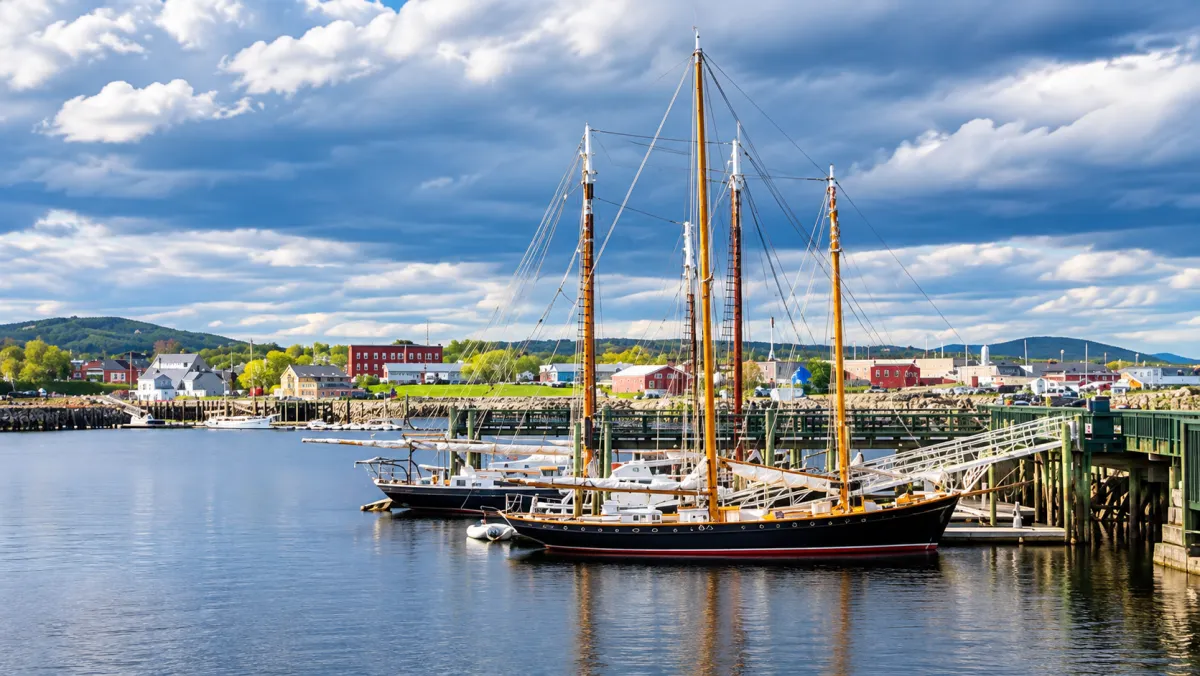
Location: Rockland, Maine
When the Victory Chimes was built in 1900, it was named Edwin and Maude and designed to carry lumber. It spent about 40 years doing that job before taking on a very different role during World War II.
During the war, the vessel helped report the locations of defensive minefields in Chesapeake Bay.
The ship was renamed Victory Chimes in 1954 and became a passenger vessel in 1962. In 1987, Domino's Pizza acquired it and renamed it Domino Effect. The original name was restored in 1990.
After more than a century of service, the vessel was transferred to the state of Maine in 2003, securing its place in the state's maritime heritage.
15. USS Adventurous (1913) — Puget Sound, Washington
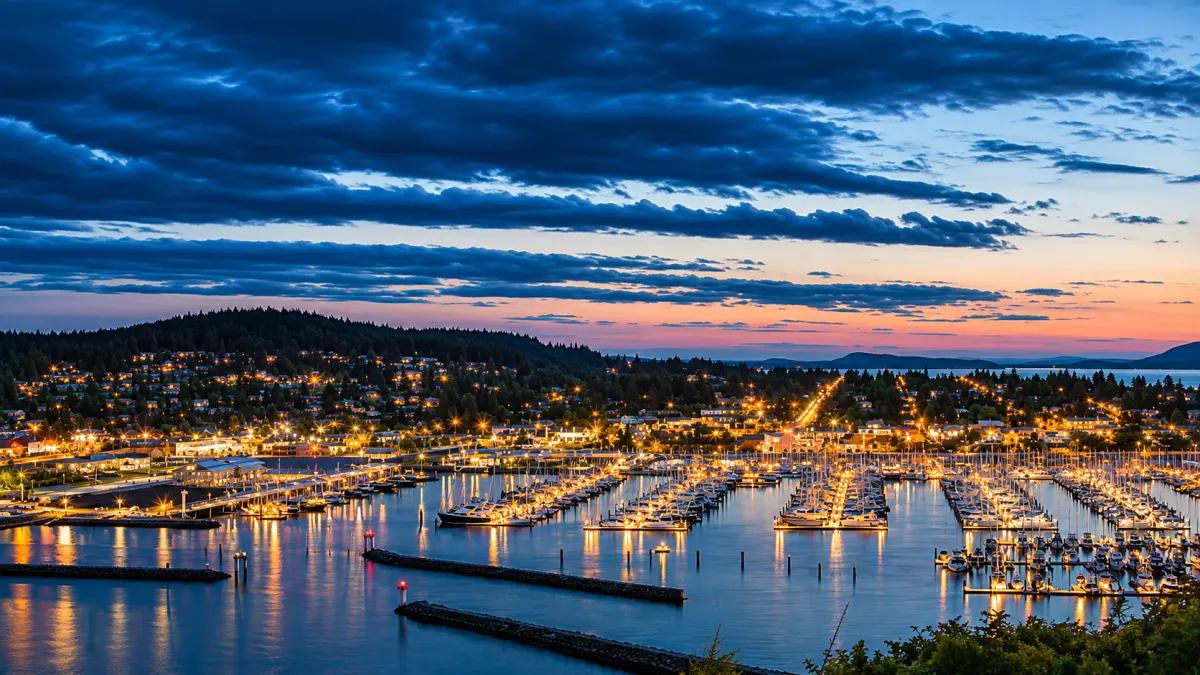
Location: Puget Sound, Washington
The Adventurous was built in 1913 for a wealthy businessman who wanted to travel to the Arctic in search of bowhead whales.
One of its early passengers was Roy Chapman Andrews, an explorer and naturalist whose adventures are often cited as an inspiration for the fictional Indiana Jones.
During World War II, the vessel was assigned to patrol and protect San Francisco Bay.
Today, the Adventurous serves an educational role in the waters of Puget Sound, where it helps teach people about the region's marine environment and ecosystems.
Its journey from an Arctic expedition vessel to a wartime patrol ship and then an educational vessel is a reminder of how historic ships can take on entirely new lives.
16. Bowdoin (1921) — Maine
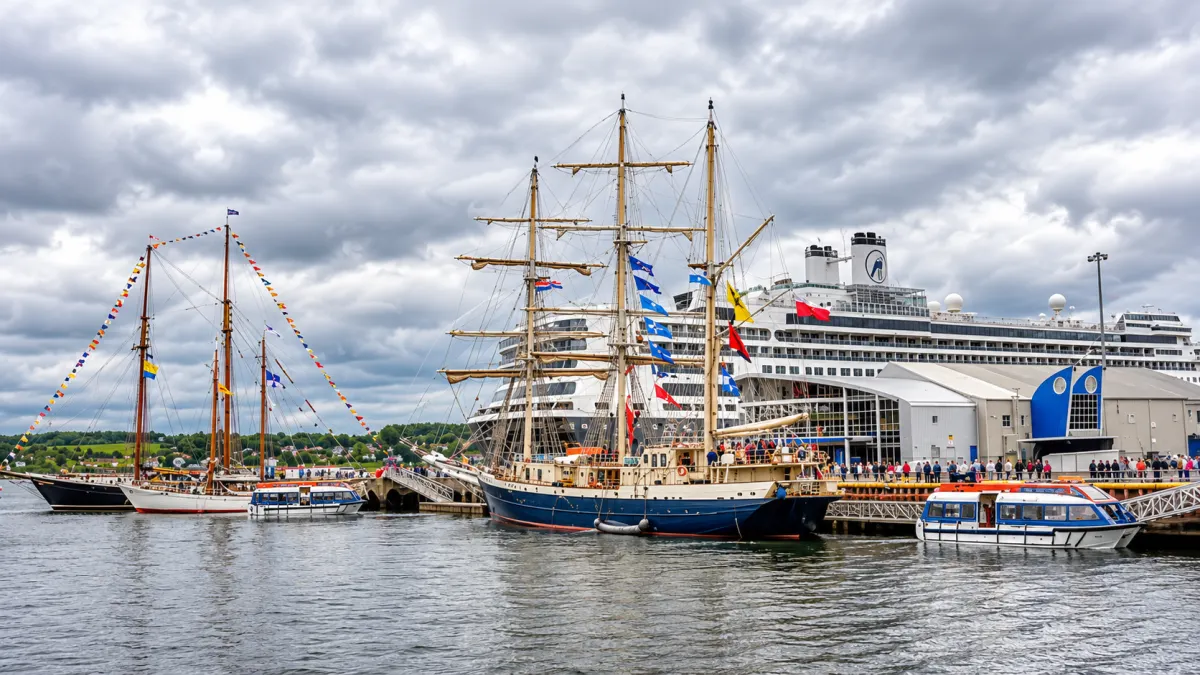
Location: Maine Maritime Academy, Castine, Maine
The Bowdoin was built in 1921 specifically for Arctic exploration. Despite its relatively small size, it completed 26 trips to the Arctic during its expedition career, covering roughly 500,000 kilometers.
It was one of the smallest vessels ever assigned to this kind of work, yet it proved capable of handling demanding journeys in icy waters.
Today, the Bowdoin is based at Maine Maritime Academy, where it supports maritime education and training. It's also the official state vessel of Maine.
The ship remains a symbol of the state's long connection to exploration, sailing, and life at sea.
17. Roseway (1925) — Essex, Massachusetts
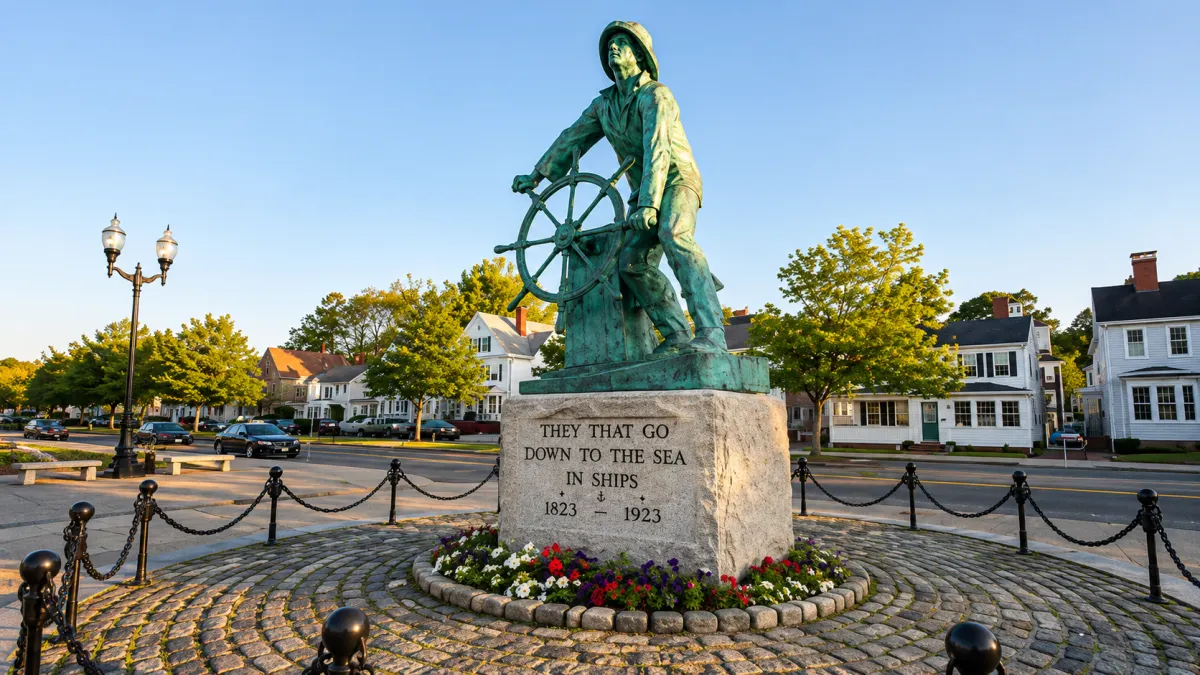
Location: World Ocean School, Essex, Massachusetts
The Roseway was originally designed as a fishing vessel, but it also took part in annual sailing competitions.
During World War II, it served as a pilot vessel. With harbor navigation lights turned off during the war, ships like the Roseway helped guide vessels through dangerous waters filled with mines and anti-submarine defenses.
Today, the Roseway spends its summers in the northeastern United States, often around Boston, and winters in the U.S. Virgin Islands. It offers regular sailing trips and educational programs.
The schooner was also built to compete against a team from Nova Scotia in annual fishing schooner races, connecting it to a long tradition of maritime competition between neighboring regions.
18. USCGC Eagle (1936) — New London, Connecticut
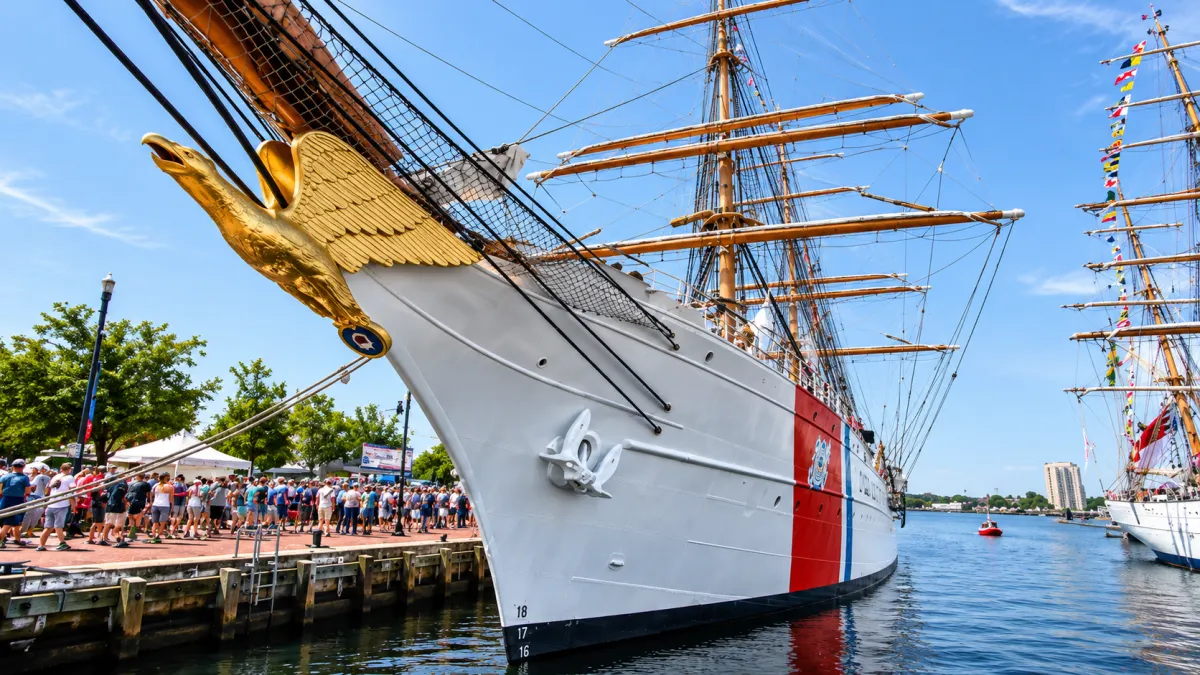
Location: New London, Connecticut
The USCGC Eagle is a tall ship used by the U.S. Coast Guard for training future officers. But its story began in Germany.
Built in 1936 for the German Navy, the vessel came into American hands after World War II and was brought to the United States for repairs and refitting.
Today, the Eagle serves as a training ship for the U.S. Coast Guard Academy. It also welcomes public visitors at designated times.
With its towering masts and long history, the Eagle offers a rare opportunity to see how traditional sailing skills continue to play a role in modern maritime training.
Why These Historic Ships Still Matter
These vessels are more than just old ships. Each one tells a different story about America's past, from the early days of the Navy and the age of commercial sailing to the fishing industries that supported coastal communities.
Some have been restored as floating museums, while others still sail, train future mariners, or take visitors on trips along the coast.
Their survival is a reminder that history isn't always something you'll find in a book or behind glass in a museum. Sometimes, you can step aboard it, walk across its deck, and see the sea from the same perspective as the people who sailed it generations ago.