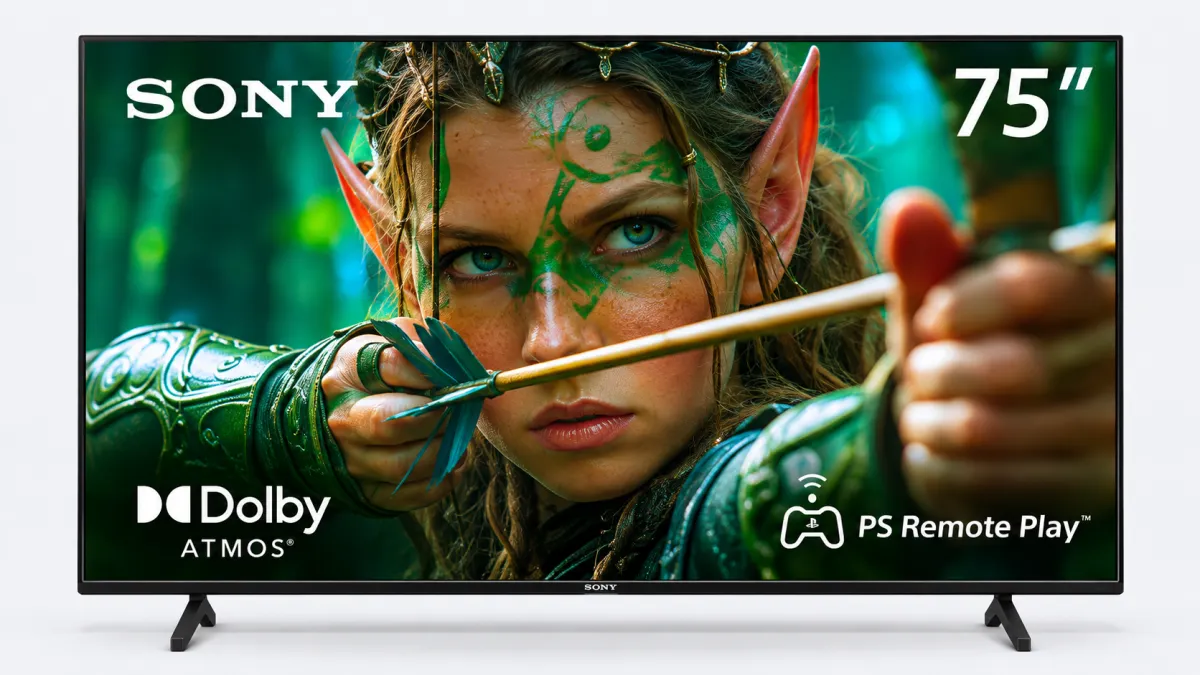

World's Best-Selling TV Brands: Market Share Ranking
The global television market is becoming increasingly competitive, with Samsung, TCL, Hisense, and LG among the leading brands. The following table presents the percentages shown in the original infographic. Because the graphic does not specify its data source or reporting period, these figures should be treated as unverified estimates rather than confirmed global market shares.
| Rank | TV Brand | Market Share Shown |
|---|---|---|
| 1 | Samsung | 28.3% |
| 2 | TCL | 13.9% |
| 3 | Hisense | 12.8% |
| 4 | LG | 11.1% |
| 5 | Sony | 7.0% |
| 6 | Xiaomi | 6.0% |
| 7 | Skyworth | 5.0% |
| 8 | Philips | 4.0% |
| 9 | Sharp | 3.5% |
| 10 | Vizio | 3.0% |
These figures provide a useful starting point for discussing the industry's leading names, but they should not be confused with independently verified market-share data.
1. Samsung: A Longstanding Leader in the TV Business
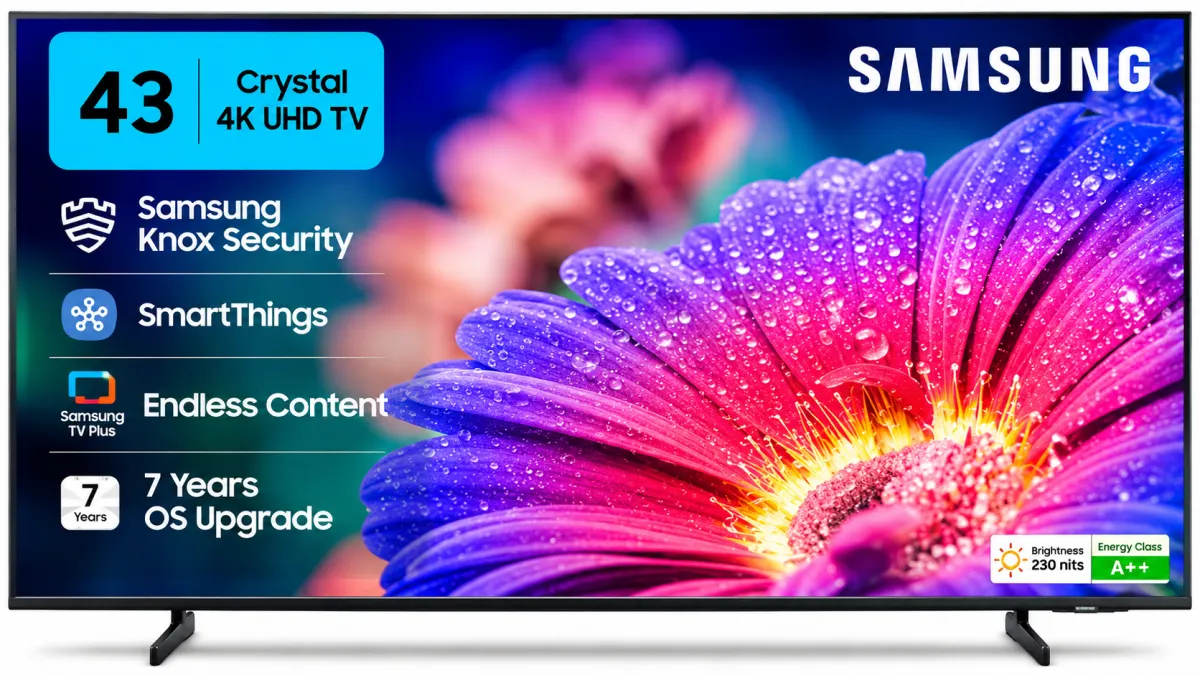
Samsung has maintained a powerful position in the television market for years, competing across entry-level, midrange, and premium categories.
According to Samsung's announcement citing Omdia research, the company held a 29.1% share of the global TV market by revenue in 2025, marking its twentieth consecutive year as the world's leading TV brand by that measure. Its premium lineup includes Neo QLED and OLED televisions, alongside lifestyle models designed to blend into modern interiors.
Samsung's position illustrates why revenue matters when comparing manufacturers. A company selling more expensive televisions can capture a substantial share of industry revenue even if another brand sells more individual units.
For buyers, however, Samsung's leadership does not mean every model is the best choice. Screen technology, brightness, viewing conditions, software support, and price still matter when comparing individual televisions.
2. TCL: The Challenger Closing the Gap
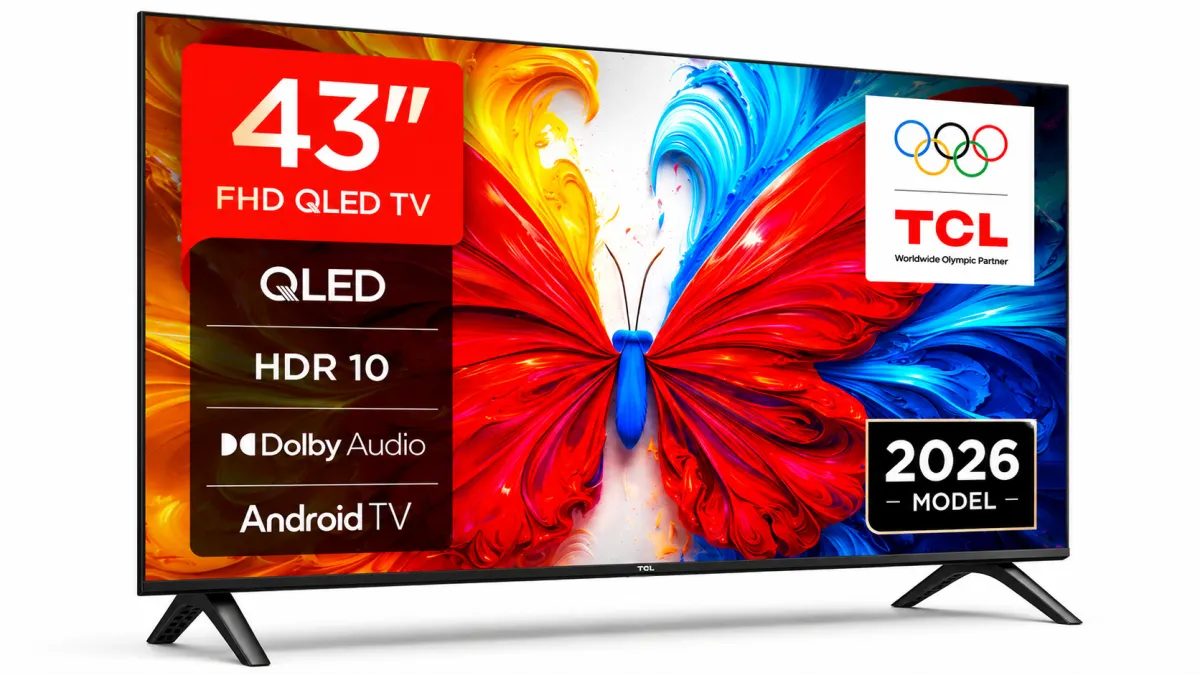
TCL has become one of the most important competitors to established television manufacturers. Its strategy combines large screens, modern display technologies, and competitive pricing, making the brand particularly relevant to shoppers seeking premium-looking features without automatically paying premium-brand prices.
The company's expansion also reflects a broader shift in the industry. Chinese manufacturers are no longer competing only on affordability; they are increasingly challenging established players in advanced LCD and Mini LED televisions.
According to Counterpoint Research's global TV shipment tracking, TCL recorded a 13% share of worldwide TV shipments in 2025, compared with Samsung's 15%. The figures measure units shipped rather than revenue, so they cannot be directly compared with the revenue-based percentages reported by Samsung.
That relatively narrow gap highlights the pressure facing established manufacturers as competition intensifies.
3. Hisense: Moving Beyond Budget Televisions
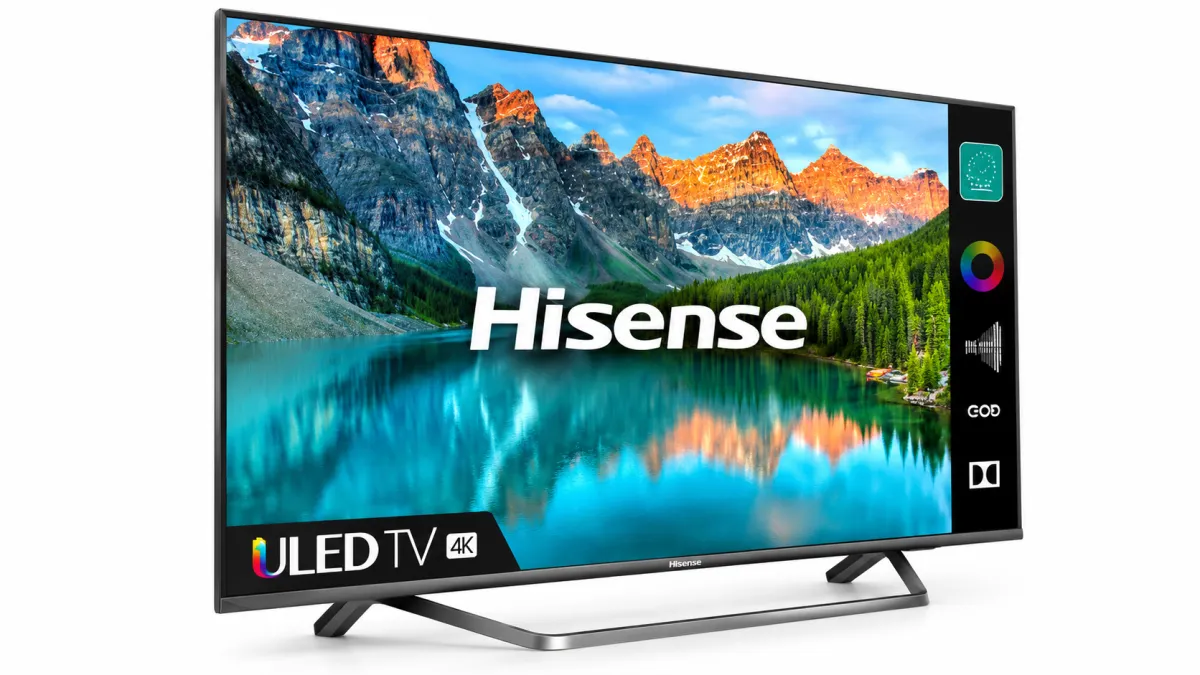
Hisense has also strengthened its position by combining competitive pricing with increasingly sophisticated display technology.
The brand sells televisions across a wide range of sizes and price points, including large-screen models and Mini LED products. This gives shoppers another alternative to the more familiar premium offerings from Samsung, LG, and Sony.
Its growth is particularly significant because large televisions have become an important battleground. Buyers who once considered an oversized screen a luxury are increasingly comparing models across multiple brands before deciding how much to spend.
Hisense's rising visibility demonstrates that consumers can no longer evaluate television manufacturers solely by their historical reputation.
4. LG: A Major Player in OLED Technology
LG remains one of the most influential names in the television industry, particularly in OLED technology.
OLED televisions use individually controlled pixels that can switch off to produce deep blacks. This makes the technology attractive for movie enthusiasts and viewers who frequently watch content in darker rooms.
LG's position also shows why rankings based on total television sales can be misleading. A brand's overall market share does not necessarily reflect its strength in a particular display category.
For shoppers deciding between LCD, Mini LED, and OLED, the right choice depends on factors such as room brightness, viewing habits, screen size, and budget.
5. Sony: A Premium Alternative
Sony continues to appeal to consumers who prioritize picture processing, cinematic presentation, and premium television models.
However, the brand operates in a highly competitive environment. Samsung and LG have expanded their premium offerings, while TCL and Hisense increasingly compete on screen size and display features at lower prices.
This creates a more complicated decision for buyers. Rather than assuming a familiar premium name guarantees better performance, shoppers should compare independent reviews and specifications for the exact models under consideration.
6–10. Xiaomi, Skyworth, Philips, Sharp, and Vizio
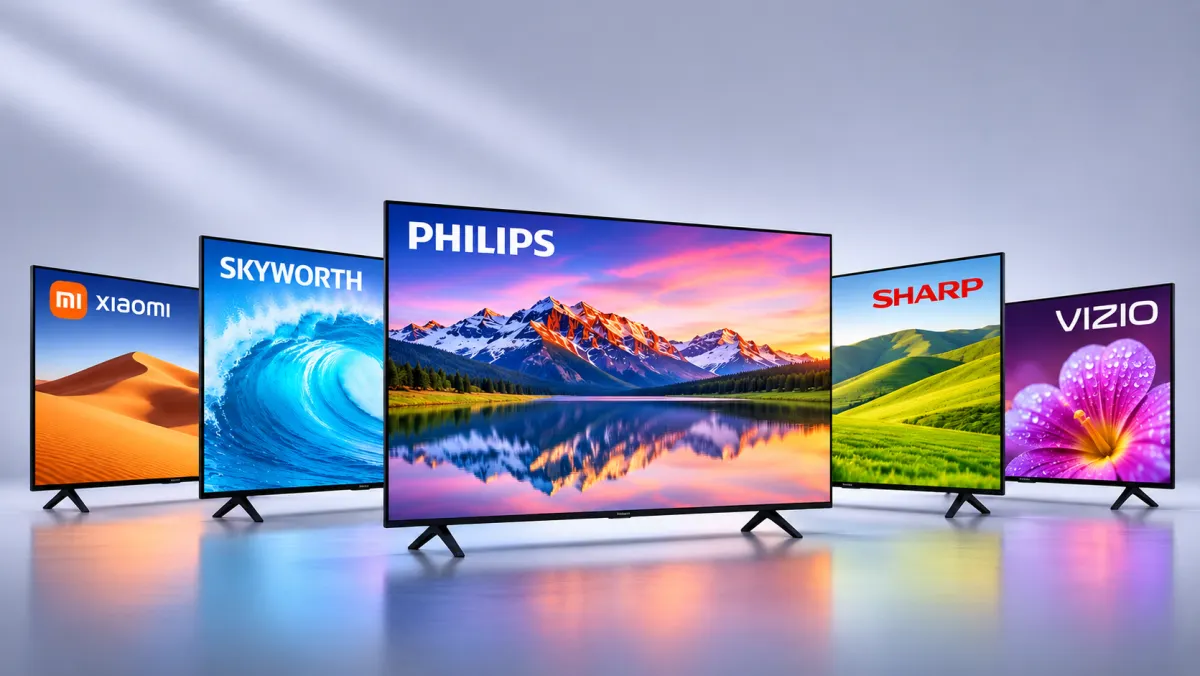
The remaining brands in the infographic represent different approaches to television manufacturing and retail.
Xiaomi has built a broader consumer electronics ecosystem and competes in markets where value-oriented smart televisions appeal to price-conscious buyers.
Skyworth is another significant Chinese manufacturer, with an international presence and a portfolio spanning different television categories.
Philips is a familiar name in many markets, although its television business operates through regional licensing and manufacturing arrangements that can differ by country.
Sharp has a long history in display technology and continues to serve television buyers in selected markets.
Vizio has historically focused heavily on the US market, where value-oriented televisions and retail distribution have played an important role in its positioning.
These companies should not be viewed as interchangeable. Their availability, model selection, software platforms, and after-sales support vary considerably between regions.
Why TV Market Share Rankings Can Be Misleading
One of the most important details in television industry reporting is the difference between market share by revenue and market share by shipments.
Revenue-based rankings measure the value of televisions sold. Shipment-based rankings measure the number of units shipped. Depending on the methodology, the two can produce different results.
For example, Samsung reported a 29.1% global revenue share for 2025, according to its announcement citing Omdia. By contrast, Counterpoint Research's 2025 shipment figures placed Samsung at approximately 15%, with TCL at 13%.
Neither figure is necessarily wrong. They measure different aspects of the market.
The distinction matters because a manufacturer selling a large number of affordable televisions may lead in shipments without generating the same proportion of industry revenue. Conversely, a brand with a stronger premium lineup may capture more revenue from a smaller number of units.
Market share also cannot tell shoppers everything about product quality. It does not directly measure reliability, repair costs, customer satisfaction, software longevity, or the performance of a particular model.
What Should You Consider Before Buying a TV?
Rather than choosing a television solely by brand ranking, consider these five factors:
- Display technology: Compare standard LED, QLED, Mini LED, and OLED based on your viewing habits and budget.
- Brightness and contrast: A bright room may favor a different television than a dedicated home theater.
- Screen size: Consider viewing distance, available space, and the type of content you watch.
- Smart TV software: Check the apps, interface, update policy, and features available in your region.
- Warranty and support: Local service availability and replacement-part access can be just as important as the initial purchase price.
The best television for one household may be a poor fit for another. A movie enthusiast might prioritize OLED contrast, while a family seeking a large screen for everyday viewing may find a competitively priced Mini LED model more practical.
The Bigger Picture: A More Competitive Television Market
The television industry is changing as manufacturers compete on price, display technology, screen size, and software. Samsung continues to command a strong position, while TCL and Hisense are putting pressure on traditional competitors by expanding their product ranges and improving their technology.
At the same time, LG and Sony retain distinct strengths in particular segments, reminding consumers that the industry cannot be reduced to a single league table.
For shoppers, this competition can be beneficial. More manufacturers are offering advanced features at different price points, giving buyers greater choice than they had when a smaller group of brands dominated the market.
The real winner may not be the manufacturer at the top of a ranking. It may be the consumer who compares the right models, understands the differences between display technologies, and chooses a television that fits both their needs and their budget.