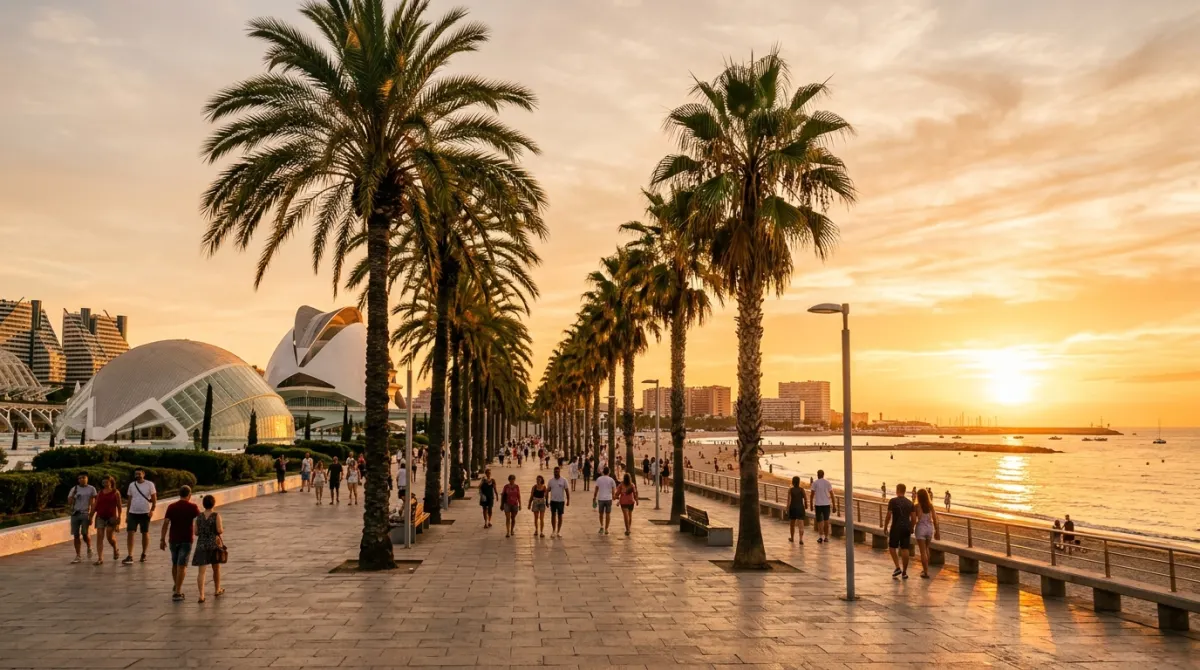

The Great Exodus from Traditional Mega-Capitals
For generations of global professionals, building an international career meant securing an apartment in one of a handful of iconic capital cities: London, New York, Tokyo, or Paris. These metropolitan centers offered prestige, unmatched cultural institutions, and dense professional networks. But for millions of remote workers today, that traditional dream has run into severe cost-of-living constraints.
With apartment rents in major capitals reaching record highs and daily transit commutes demanding hours of time, the appeal of traditional mega-cities has shifted. The expansion of flexible, laptop-based work arrangements has enabled professionals to reconsider where they live, driving migration toward dynamic secondary cities that offer a balanced lifestyle at sustainable prices.
From coastal Mediterranean hubs to welcoming tech centers in Southeast Asia and Eastern Europe, alternative destinations are proving that a fulfilling global lifestyle does not require paying five-star capital prices.
1. Valencia, Spain: Mediterranean Living with Modern Connectivity
While Madrid and Barcelona capture most international tourism, professional remote workers have increasingly settled in Valencia, Spain's third-largest city. Situated along the eastern Mediterranean coast, Valencia offers approximately three hundred sunny days per year and exceptional urban infrastructure.
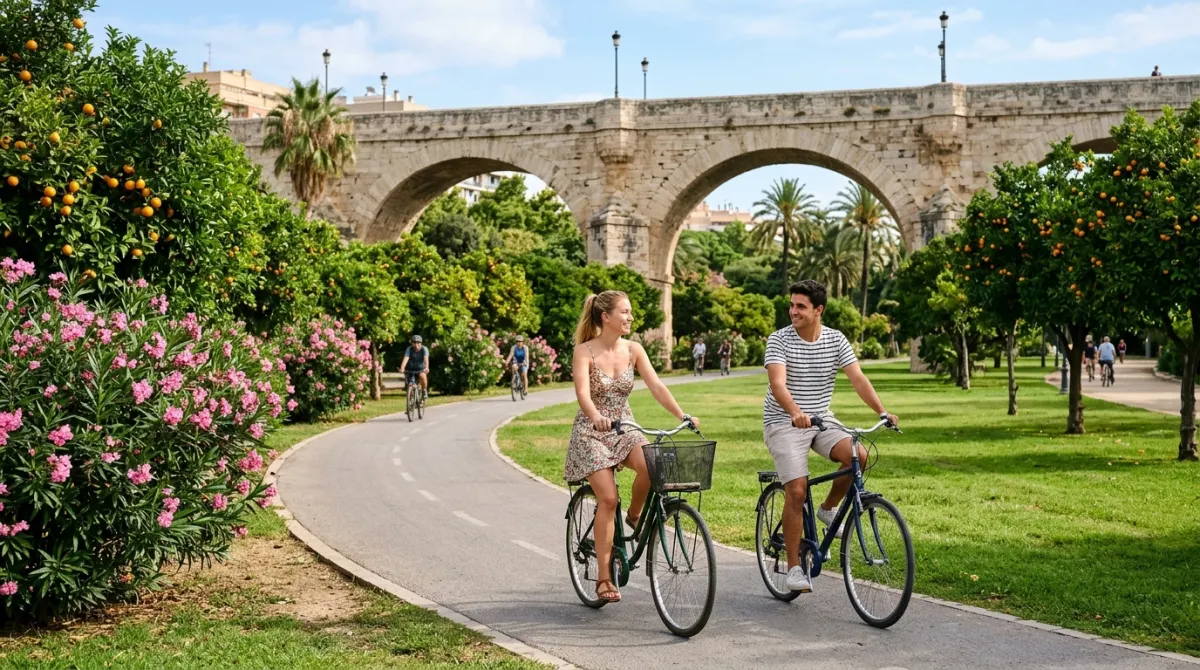
The city's urban highlight is the Turia Gardens, a verdant park spanning nine kilometers through a former riverbed that encircles the historic city center. Residents can commute by bicycle through tree-lined paths directly from residential neighborhoods to the Mediterranean coast without navigating heavy automotive traffic.
Spain's national digital nomad visa provides a clear legal residency process for non-EU professionals. Furthermore, residential rents and everyday dining expenses in Valencia remain approximately forty percent below comparable housing in central Madrid or Barcelona, providing high quality of life within standard professional incomes.
| City & Country | Average Monthly Rent (1-Bed) | Monthly Coworking Pass | Average Climate | Key Lifestyle Feature |
|---|---|---|---|---|
| Valencia, Spain | $950–$1,250 | $160 | Mediterranean mild (22°C / 72°F) | Turia linear park & dedicated bike network |
| Da Nang, Vietnam | $400–$650 | $90 | Tropical coastal (28°C / 82°F) | Clean beachfront living & vibrant food culture |
| Tbilisi, Georgia | $600–$850 | $120 | Continental four-season (20°C / 68°F) | Historic architecture & 1-year visa-free access |
| London, UK (Comparison) | $2,400–$3,200 | $350 | Maritime temperate (16°C / 61°F) | High-cost global capital benchmark |
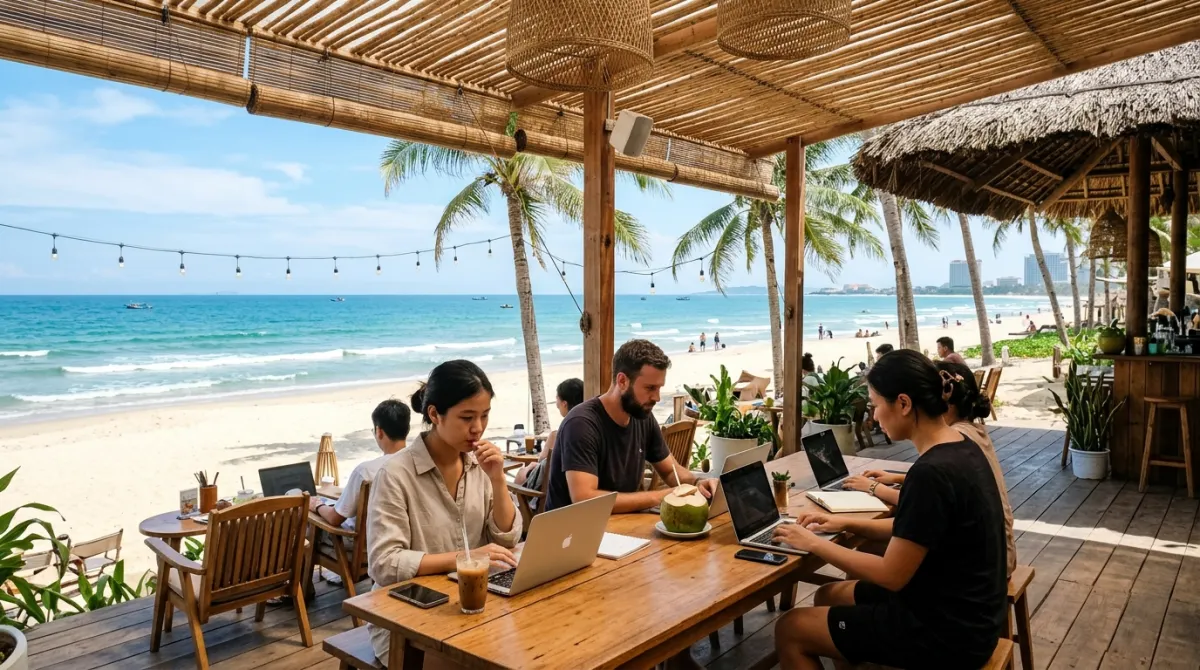
For professionals seeking warm weather, reliable fiber-optic internet, and an active culinary culture, Da Nang has emerged as a key destination in Southeast Asia.
Unlike the dense traffic congestion of larger metropolitan hubs, Da Nang features wide avenues, a long beachfront promenade, and clean mountain surroundings. A growing ecosystem of coworking facilities and independent cafes accommodates international developers, designers, and digital consultants.
Living costs remain accessible: modern furnished apartments with amenities typically range from four hundred to six hundred and fifty dollars per month, while local dining options provide fresh, high-quality meals at modest daily expense.
3. Tbilisi, Georgia: Heritage and Welcoming Visa Policies
Located at the intersection of Eastern Europe and Western Asia, Tbilisi has developed a reputation as one of the most accessible international destinations for independent workers.
Georgia maintains one of the world's most flexible visitor policies, permitting citizens of nearly one hundred countries to enter and work without a formal work visa for up to one full year. The city combines cobblestone historic quarters and distinctive hillside architecture with a growing community of creative entrepreneurs and technologists.
Community Responsibility in the Global Mobility Era
While the ability to work from anywhere offers individual flexibility, international mobility requires thoughtful integration into local communities. Rapid inflows of foreign earners can place pressure on local housing markets if not balanced with community respect.
Experienced digital workers emphasize the importance of shopping at local neighborhood markets, learning regional languages, and paying applicable local taxes. By engaging respectfully with host cultures, remote professionals help ensure that international relocation remains mutually beneficial for travelers and long-term residents alike.
Understanding Tax Implications and Digital Nomad Visas
Trading a conventional office desk in London or New York for an overseas laptop lifestyle requires careful logistical and financial planning. Many eager remote workers make the mistake of assuming that entering a foreign country on a tourist visa permits indefinite online employment, only to encounter unexpected immigration inquiries and complex tax liabilities.
Fortunately, progressive European and Asian nations have established formal digital nomad visas that provide clear legal pathways for international professionals. Countries like Spain and Portugal offer structured nomad programs that provide legal residency, access to state healthcare networks, and transparent flat-tax brackets for foreign earners, allowing remote workers to live legally abroad while contributing directly to local infrastructure.
Health Insurance and Expat Financial Planning
Securing international private health coverage is another vital prerequisite before relocating to rising international hubs. While national public health services in cities like Valencia or Da Nang offer excellent, affordable medical attention, international expat health policies guarantee immediate access to English-speaking specialists, emergency dental care, and international medical evacuation if unforeseen health complications arise.
Additionally, experienced international workers recommend establishing multi-currency bank accounts with minimal international wire fees to manage currency fluctuations between their employer's home currency and regional living expenses. Managing these legal, medical, and banking fundamentals turns an international move from an unpredictable adventure into a sustainable, career-enhancing lifestyle.
Cost of Living Discrepancies and Quality of Life
Beyond headline apartment rental prices, the daily cost of living in secondary global cities provides significant economic breathing room for remote professionals. Everyday expenses such as local public transportation passes, seasonal farm-fresh produce, gym memberships, and neighborhood dining routinely run sixty to seventy percent lower than in major world financial capitals.
This dramatic disparity in purchasing power allows remote workers to allocate more financial resources toward personal savings, retirement investments, and family travel. Rather than spending half of their monthly income on a cramped studio apartment in London or New York, workers in cities like Valencia or Da Nang enjoy spacious living accommodations while maintaining robust monthly financial reserves, fundamentally improving their overall work-life balance.
The Importance of Cultural and Linguistic Integration
Long-term expatriates and nomadic researchers agree that the secret to thriving in rising secondary cities is committing to cultural integration. Making the effort to learn conversational local phrases, participating in community neighborhood cleanups, and respecting local customs ensures that foreign residents are welcomed as valued neighbors rather than transient spectators.