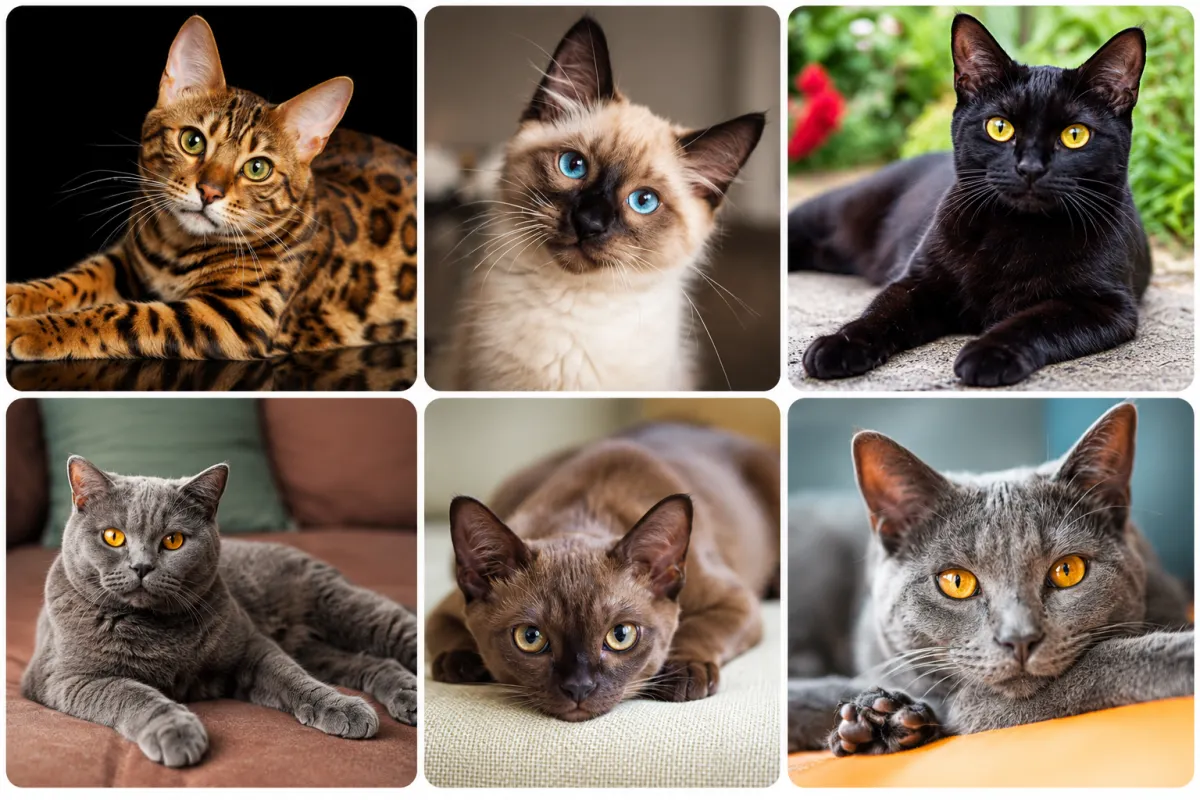

From fluffy giants to tiny, wide-eyed companions, cats come in an incredible range of shapes, colors, and personalities. These 46 cat breeds reveal just how unique our feline friends can be.
Read More

1. Abyssinian Cat
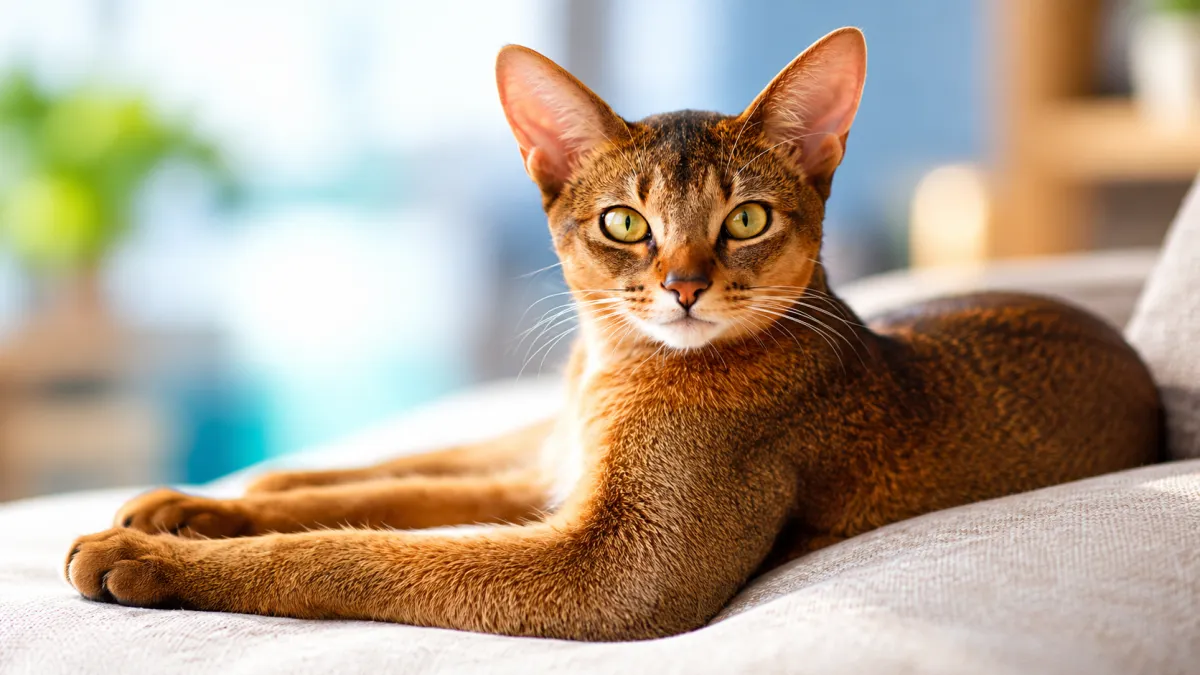
Origin: Ethiopia (historically associated) · Size: Medium · Coat: Short-haired
The Abyssinian cat is known for its slender, athletic body, large ears, almond-shaped eyes, and distinctive ticked coat, where each hair features multiple bands of color. Highly active and curious, Abyssinians love climbing, exploring, and staying involved in their owners’ daily activities. They are intelligent, social cats that thrive with plenty of playtime and mental stimulation. Their short coat is relatively easy to maintain, usually requiring just weekly brushing.
2. American Bobtail Cat
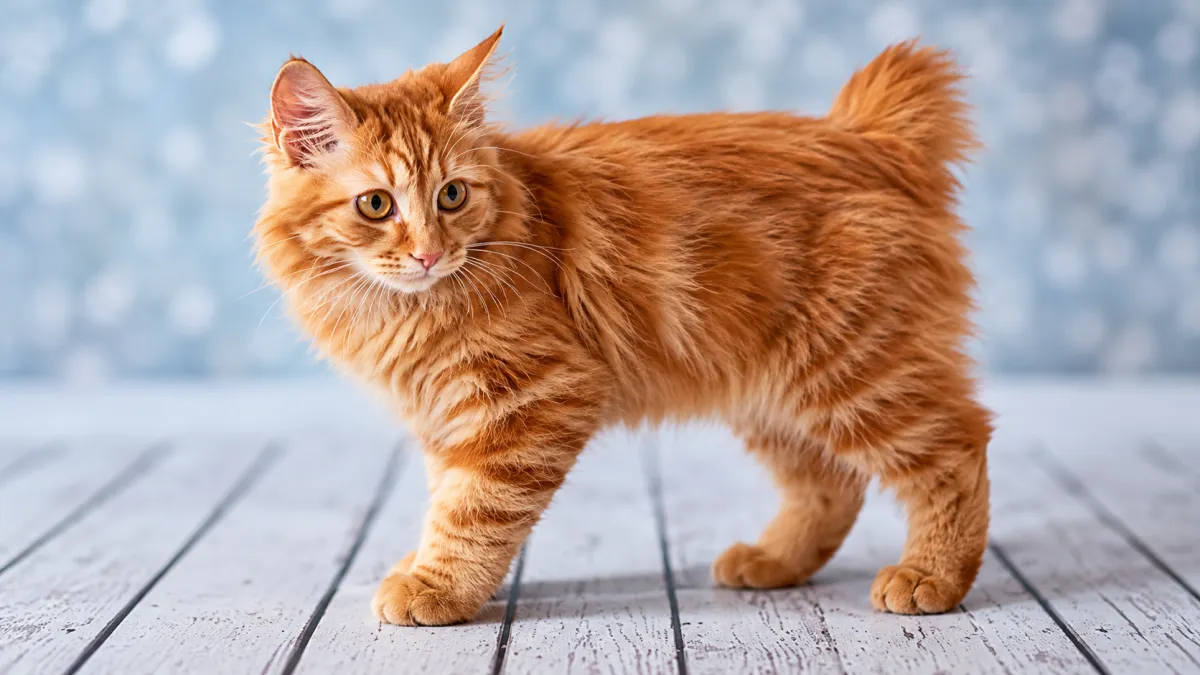
Origin: United States · Size: Medium to large · Coat: Short or long-haired
The American Bobtail is recognizable by its naturally short, fluffy tail, sturdy body, and expressive eyes. Despite its wild appearance, this breed is generally affectionate, playful, and intelligent, often forming strong bonds with family members. Its coat can be short or long and usually needs brushing a few times a week, depending on its length. American Bobtails enjoy interactive games and companionship, making them a good choice for households that have time to engage with them.
3. American Curl Cat
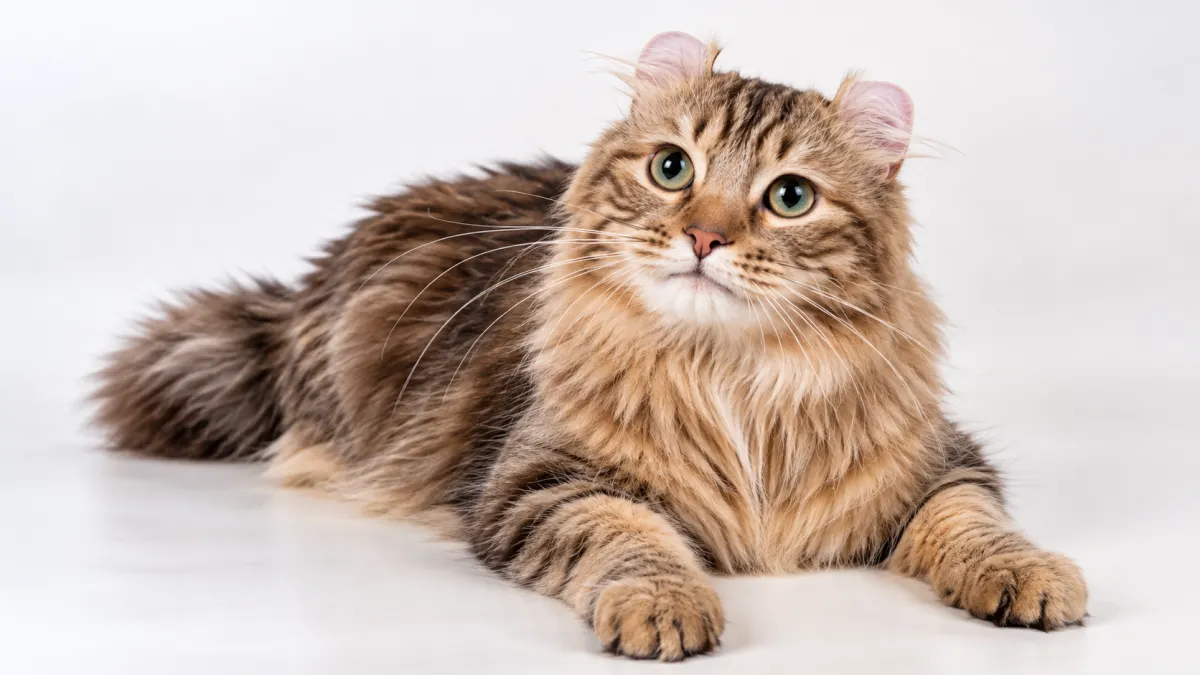
Origin: United States · Size: Small to medium · Coat: Short or long-haired
The American Curl is famous for its distinctive ears, which curl backward in a graceful arc rather than standing straight up. Friendly, playful, and curious, this breed often stays kitten-like in its behavior well into adulthood. Its silky coat comes in many colors and patterns, and weekly brushing is usually sufficient. The curled ears need gentle handling and regular checks, as their cartilage is delicate.
4. American Shorthair Cat
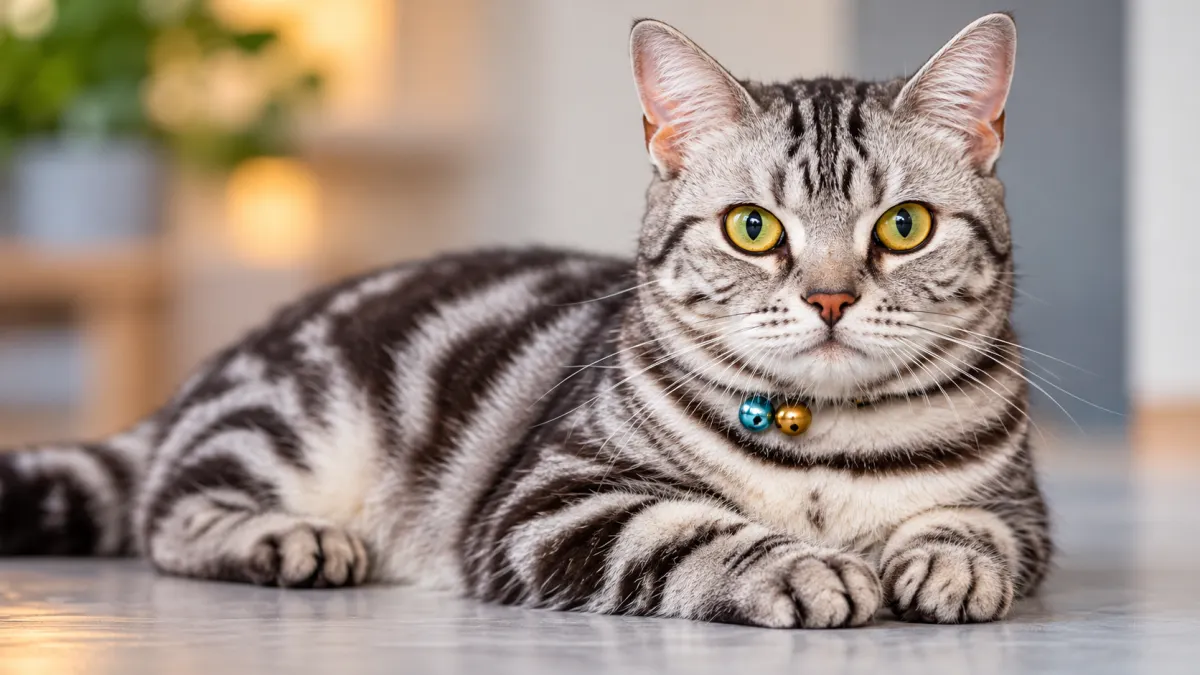
Origin: United States · Size: Medium to large · Coat: Short-haired
The American Shorthair is a sturdy, muscular cat known for its round face, expressive eyes, and dense coat, often seen in the classic silver tabby pattern. Generally easygoing, adaptable, and affectionate without being overly demanding, this breed can suit both families and people living alone. Its short coat requires minimal grooming, typically just weekly brushing. Regular play and portion-controlled meals are important because American Shorthairs can gain weight if they are not sufficiently active.
5. American Wirehair Cat
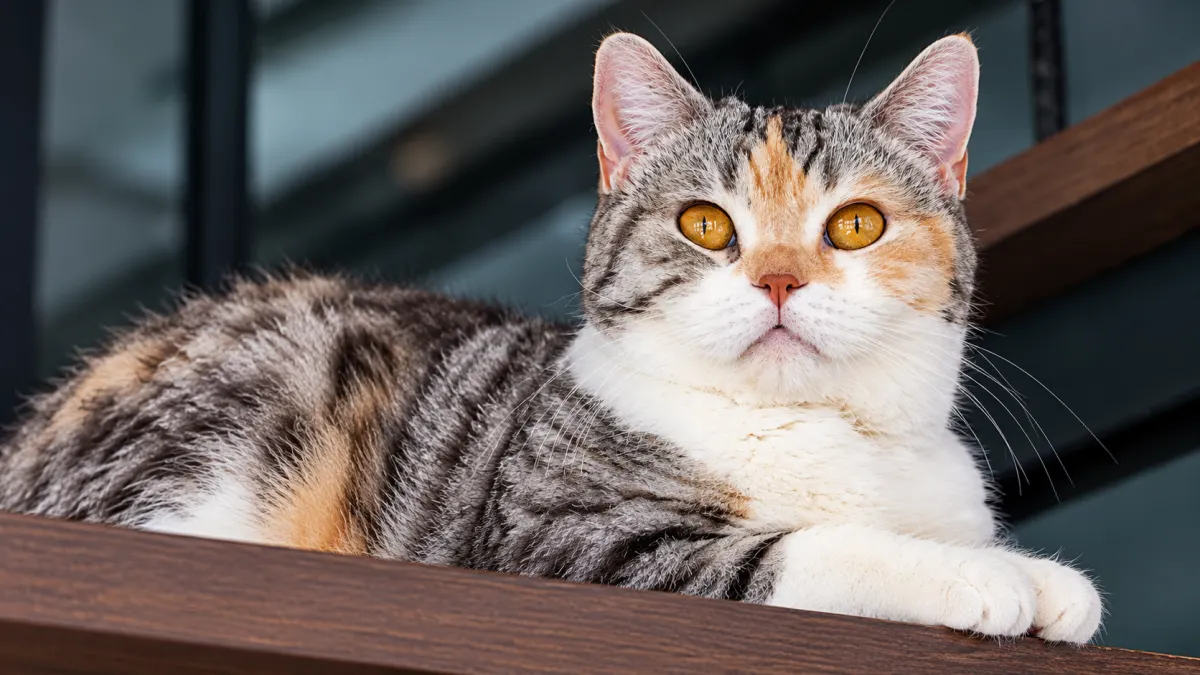
Origin: United States · Size: Medium · Coat: Short, wiry-haired
The American Wirehair is known for its unusual springy, crimped coat, which can give its fur a rough, textured appearance. Even its whiskers may be slightly curled. Generally friendly, adaptable, and playful, this breed often enjoys human company without demanding constant attention. Its distinctive coat needs gentle grooming because excessive brushing can damage its texture. Despite its resemblance to the American Shorthair, the two are separate breeds.
6. Balinese–Javanese
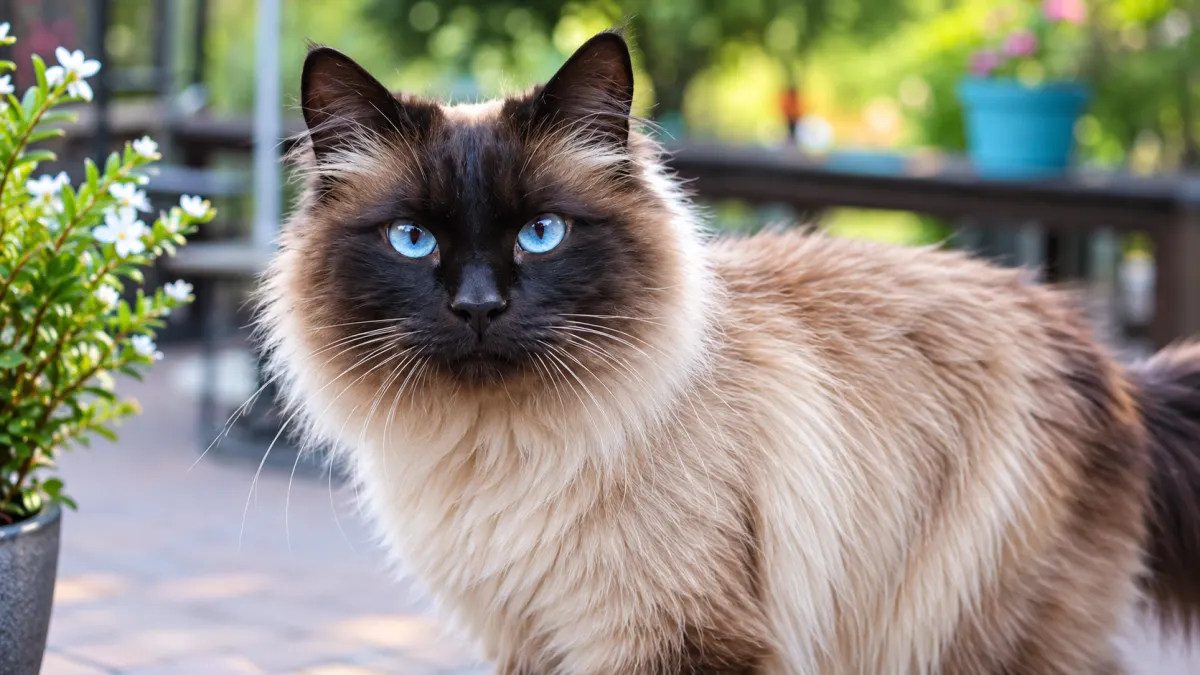
Origin: United States · Size: Medium · Coat: Long, silky
The Balinese is an elegant, long-haired relative of the Siamese, recognized by its deep blue eyes, dark facial markings, and silky coat. The Javanese name is used differently by various cat registries, so the two labels are not universally interchangeable. These cats are typically intelligent, vocal, affectionate, and energetic, often following their owners around the house. Their fine coat benefits from regular brushing to prevent tangles.
7. Bengal cat
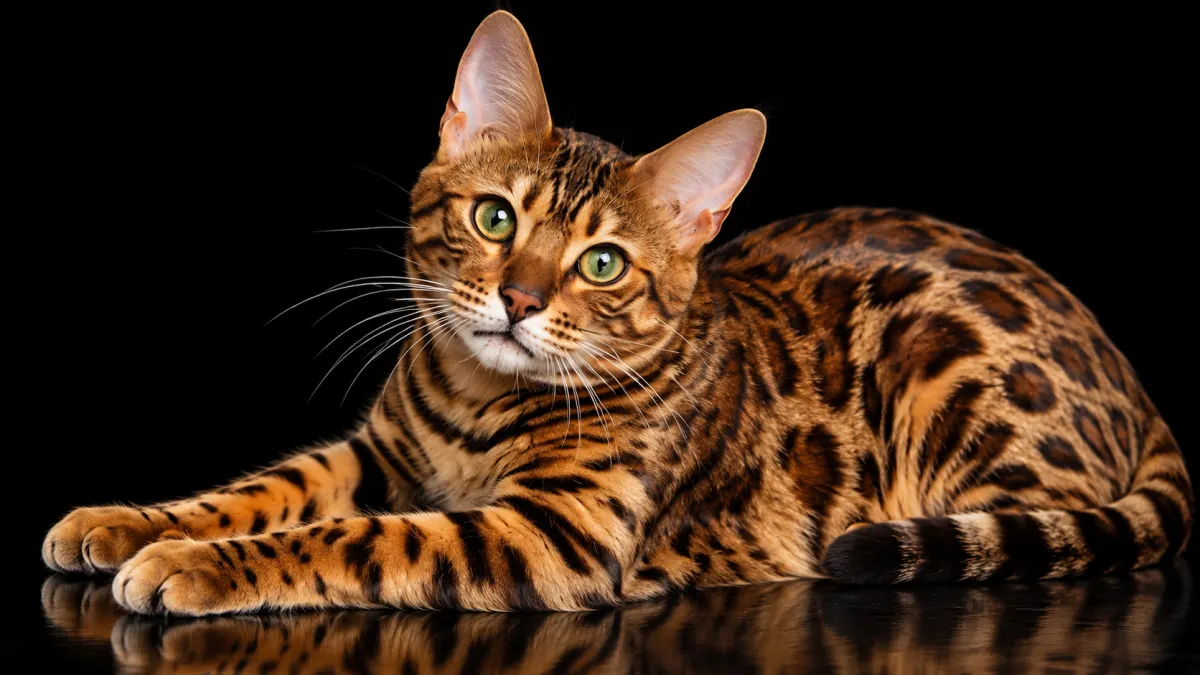
Origin: United States · Size: Medium to large · Coat: Short-haired
The Bengal is famous for its leopard-like coat, covered in striking spots or rosettes. Athletic, energetic, and highly curious, this breed loves climbing, interactive toys, and exploring its surroundings. Bengal cats often need more exercise and mental stimulation than calmer breeds, so they may not suit owners looking for a quiet lap cat. Their short coat is easy to maintain with occasional brushing.
Birman Cat
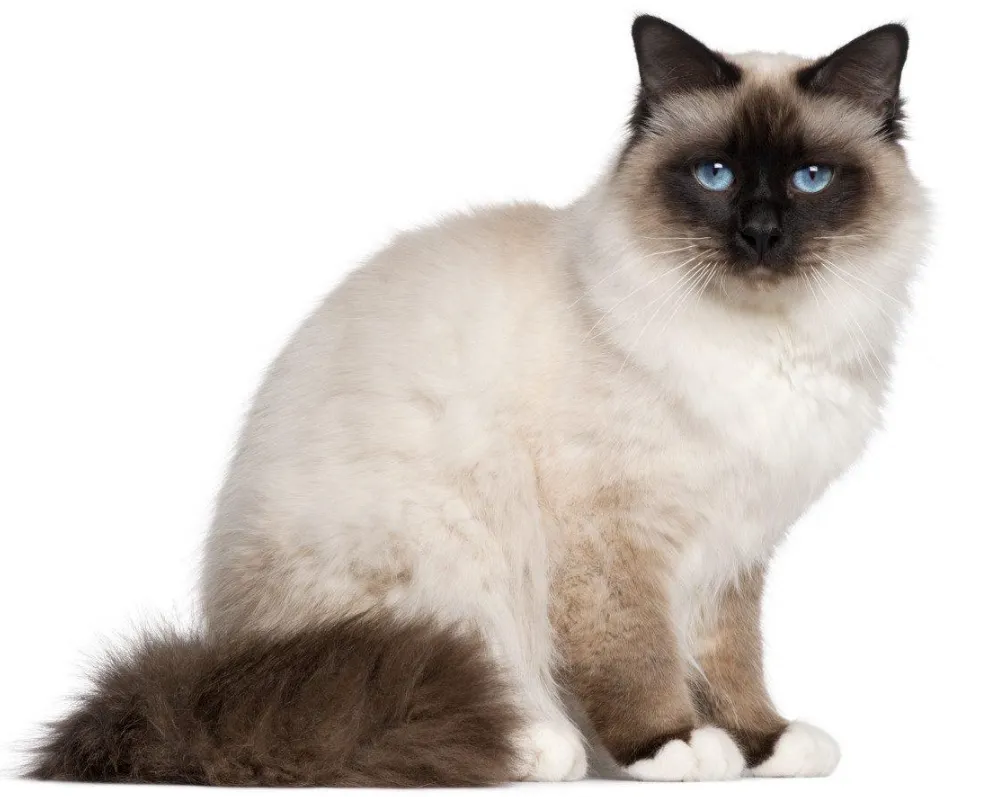
Origin: France (modern breed development) · Size: Medium to large · Coat: Semi-long-haired
The Birman is recognized by its silky, pale coat, darker face and ears, brilliant blue eyes, and distinctive white paws. Usually gentle, affectionate, and sociable, Birmans enjoy being near their families without typically demanding constant attention. Their semi-long fur is less prone to matting than some other long-haired coats, but brushing several times a week helps prevent tangles and keeps it looking its best.
9. Bombay Cat
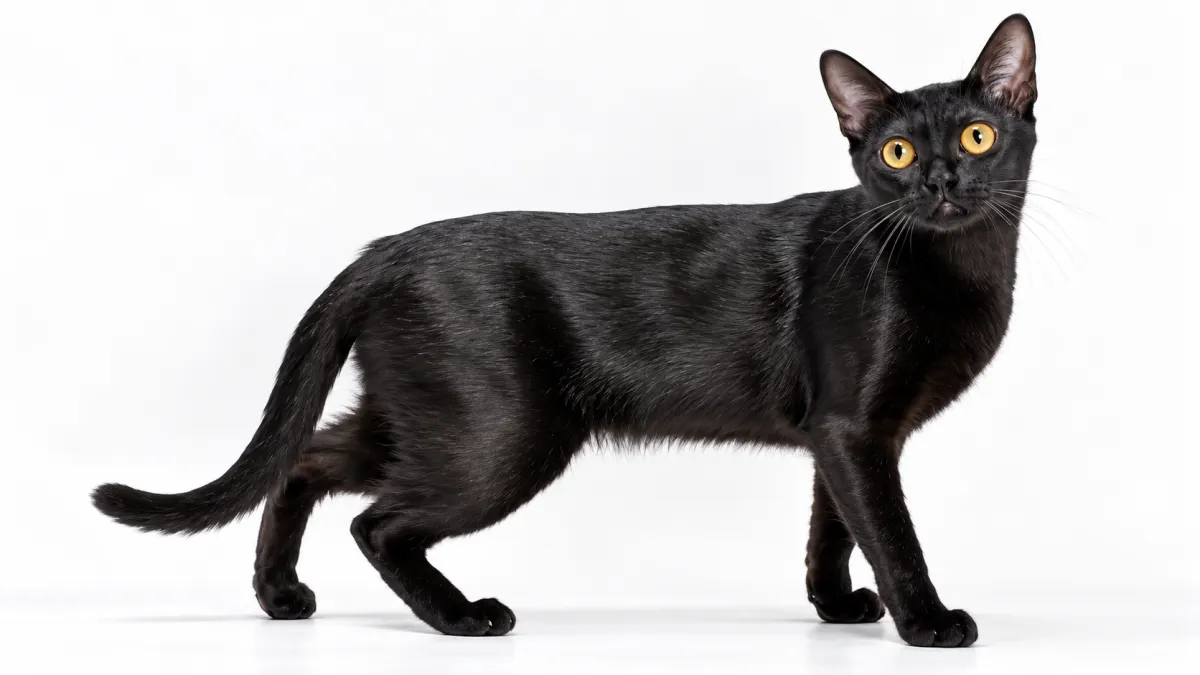
Origin: United States · Size: Medium · Coat: Short-haired
The Bombay has a sleek, jet-black coat, a muscular body, and striking copper or golden eyes. Developed to resemble a miniature black panther, this breed is typically affectionate, playful, and people-oriented. Bombay cats often enjoy following their owners around and participating in household activities. Their glossy coat requires minimal grooming, although regular play and attention are important for keeping them physically and mentally engaged.
British Shorthair Cat
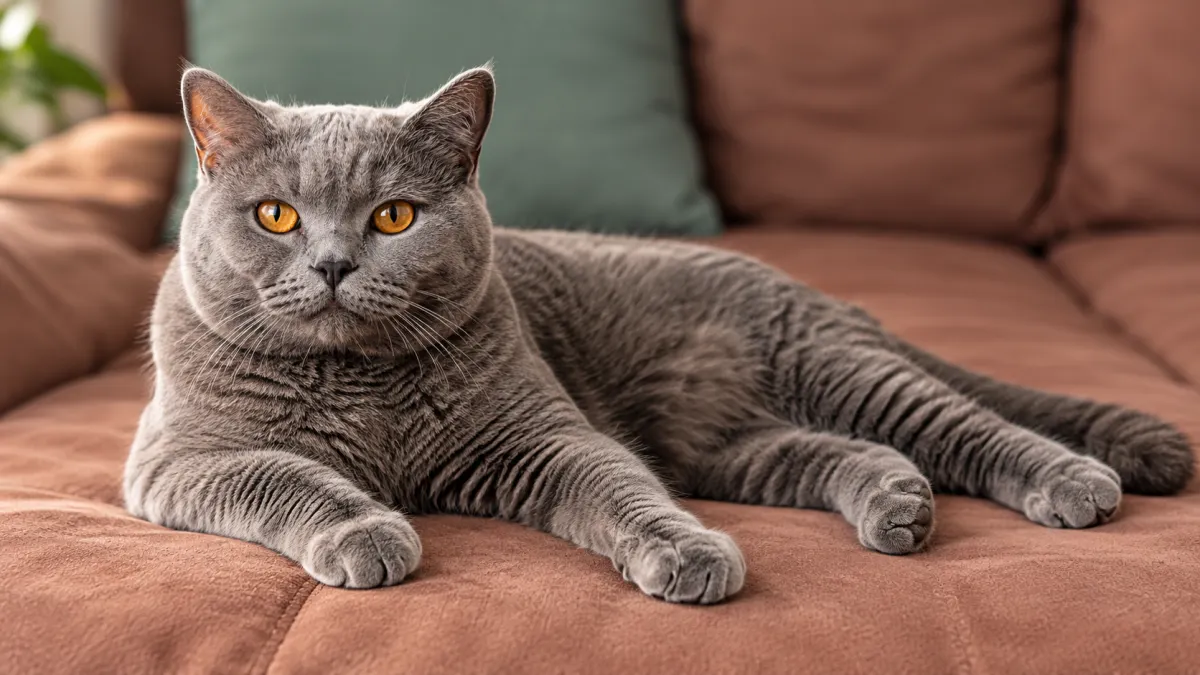
Origin:United Kingdom · Size:Medium to large · Coat:Short-haired
The British Shorthair is known for its round face, dense plush coat, sturdy body, and large, expressive eyes. Although blue-gray is one of its most recognizable colors, the breed comes in many shades and patterns. Generally calm, independent, and affectionate, these cats enjoy being near their owners but may not always want to be carried. Their thick coat benefits from weekly brushing, and portion control is important because they can be prone to weight gain.
Burmese Cat
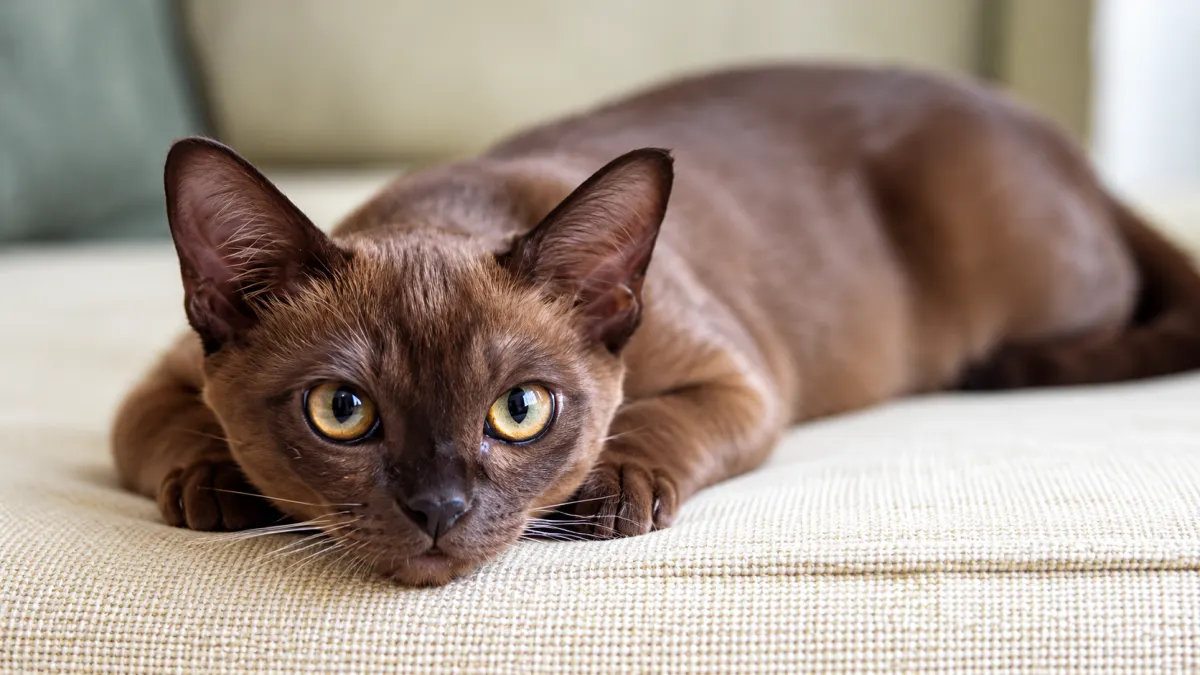
Origin: Myanmar (formerly Burma) · Size: Medium · Coat: Short-haired
The Burmese cat is known for its silky, close-fitting coat, muscular body, rounded eyes, and expressive face. Its coat commonly comes in rich sable brown, though other colors are also recognized. Burmese cats are affectionate, playful, and people-oriented, often following their owners from room to room. Their short coat requires minimal grooming, but they thrive on daily interaction and can become lonely if left alone for long periods.
Chartreux Cat
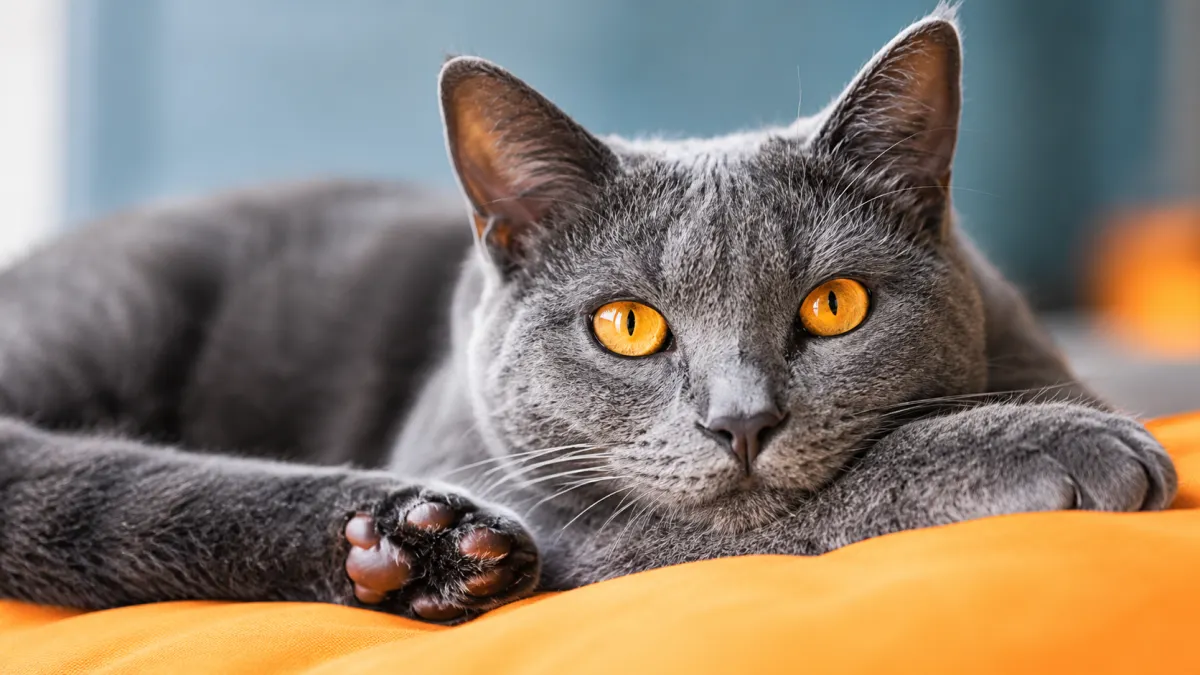
Origin: France · Size: Medium to large · Coat: Short-haired
The Chartreux is a distinctive French breed known for its blue-gray coat, sturdy build, rounded face, and striking copper or golden eyes. Despite its plush appearance, its coat is relatively easy to maintain with weekly brushing. Chartreux cats are typically calm, observant, and affectionate without being overly demanding. They often enjoy interactive play but are equally happy relaxing near their owners.
Cornish Rex
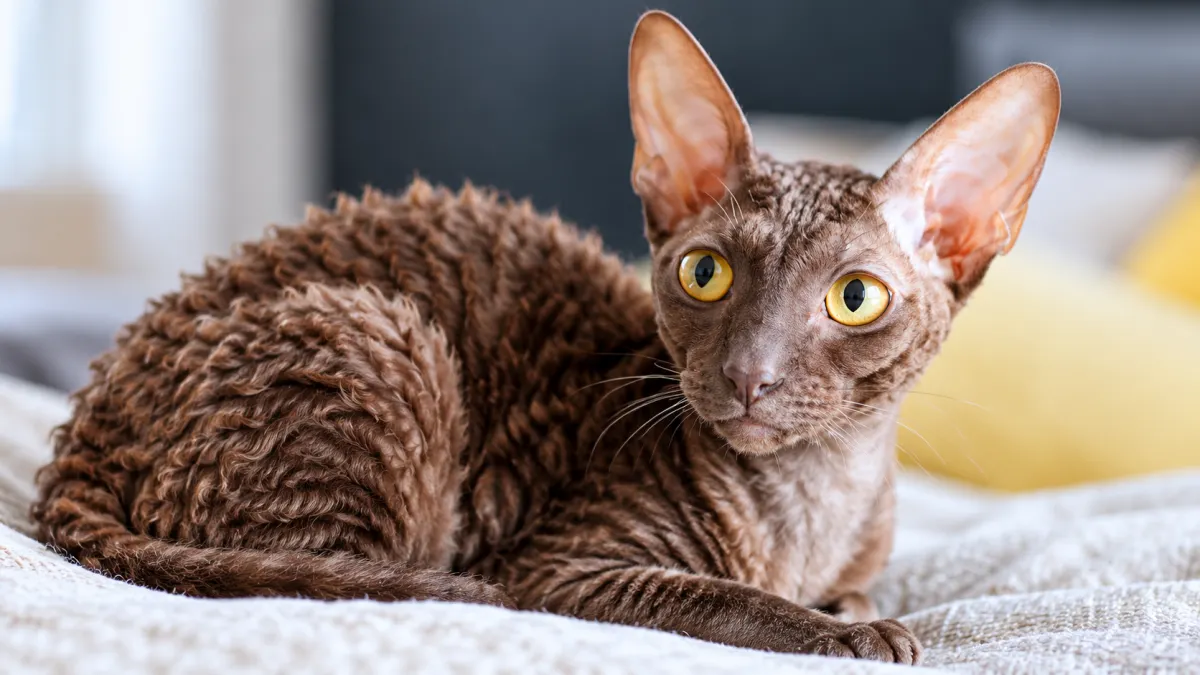
Origin: United Kingdom · Size: Small to medium · Coat: Short, curly
The Cornish Rex stands out for its soft, wavy coat, oversized ears, high cheekbones, and slender, athletic body. Unlike most cats, it has very little guard hair, giving its coat a distinctive velvet-like texture. This breed is typically energetic, playful, curious, and affectionate, often enjoying warm spots and close contact with people. Its delicate coat needs gentle care rather than vigorous brushing, and its large ears may need regular cleaning.
Devon Rex
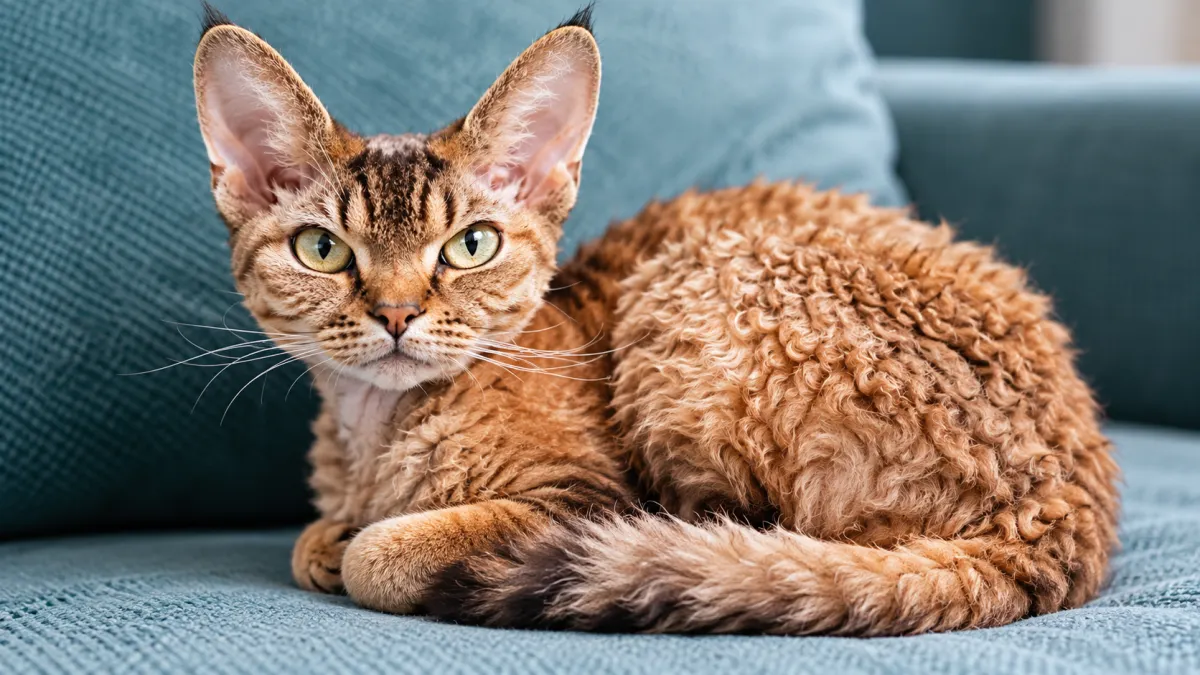
Origin: United Kingdom · Size: Small to medium · Coat: Short, wavy
The Devon Rex is instantly recognizable by its oversized ears, prominent cheekbones, large eyes, and soft, rippled coat. Often described as pixie-like in appearance, this breed is playful, mischievous, and highly affectionate. Devon Rex cats love climbing, exploring, and staying close to their owners. Their delicate coat requires gentle care rather than vigorous brushing, and their ears may need regular cleaning.
Egyptian Mau
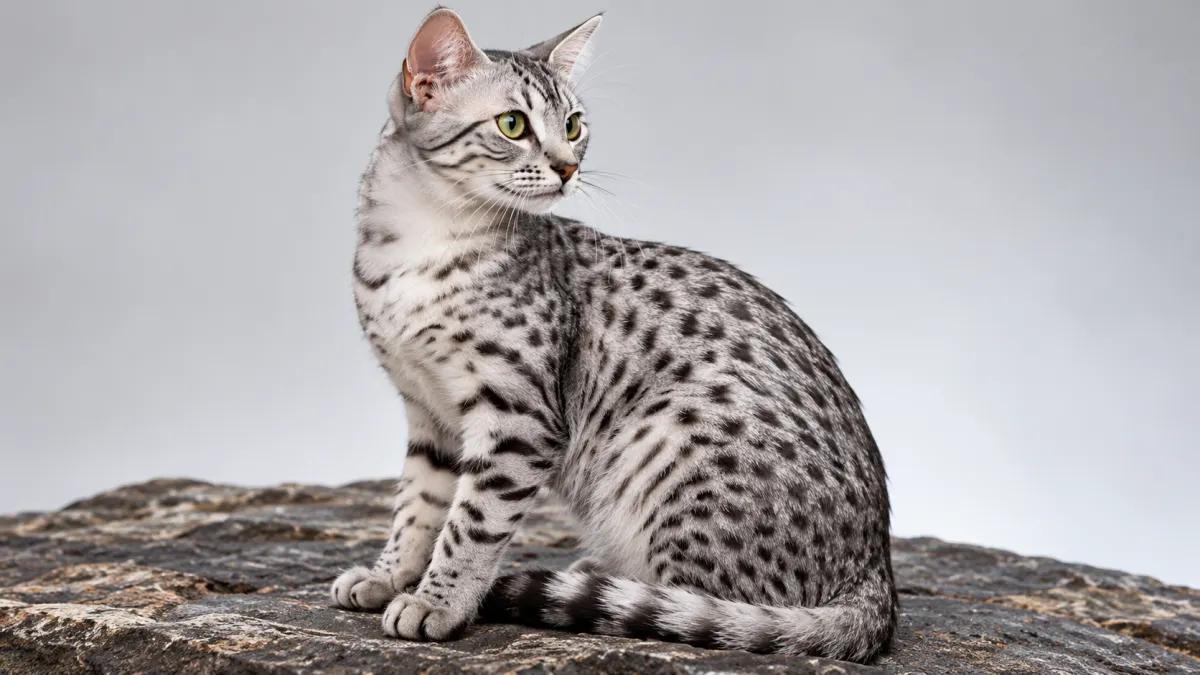
Origin: Egypt · Size: Medium · Coat: Short-haired
The Egyptian Mau is a naturally spotted domestic cat known for its distinctive coat, athletic build, and striking green eyes. Unlike many spotted breeds, its spots occur naturally rather than being created through selective crossbreeding for a particular pattern. Egyptian Maus are typically agile, intelligent, loyal, and playful, often forming strong bonds with their families. Their short coat needs only occasional brushing, while daily play helps satisfy their strong hunting instincts.
European Burmese
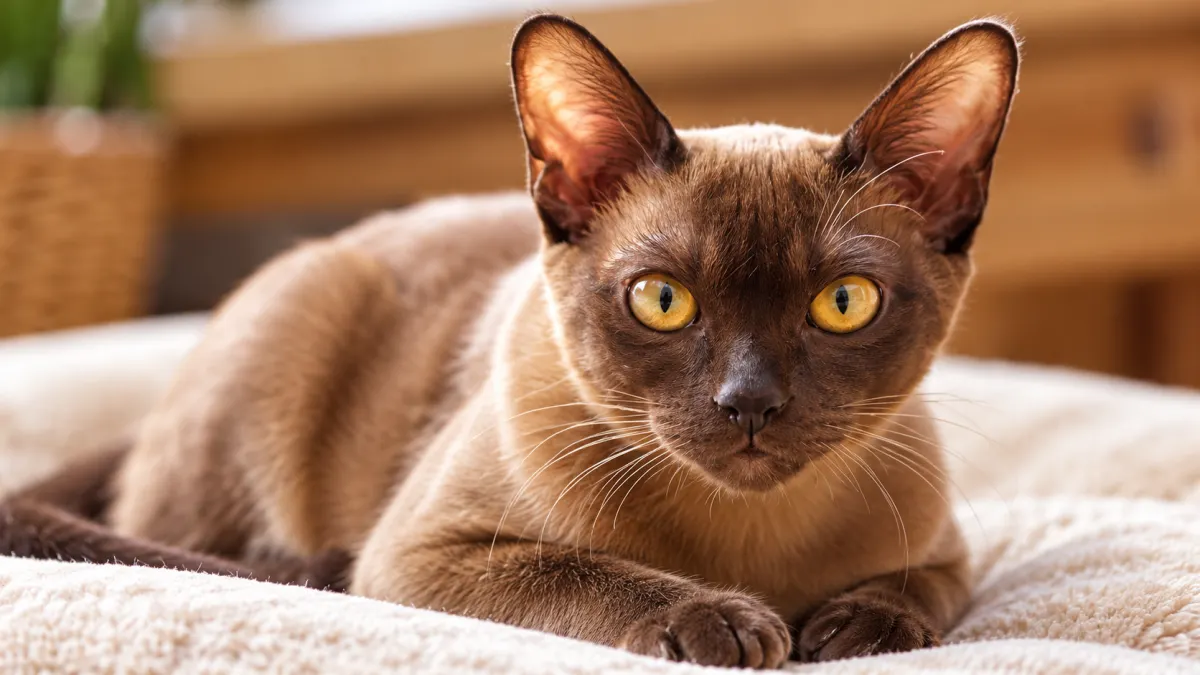
Origin: Europe · Size: Medium · Coat: Short-haired
The European Burmese is a muscular, elegant cat with a short, glossy coat, expressive golden eyes, and a rounded yet slightly tapered face. It is closely related to the Burmese but is bred according to European breed standards, which allow a wider range of coat colors and a somewhat less compact appearance. These cats are typically affectionate, intelligent, playful, and sociable, often forming strong bonds with their families. Their short coat needs only occasional brushing.
Exotic Shorthair
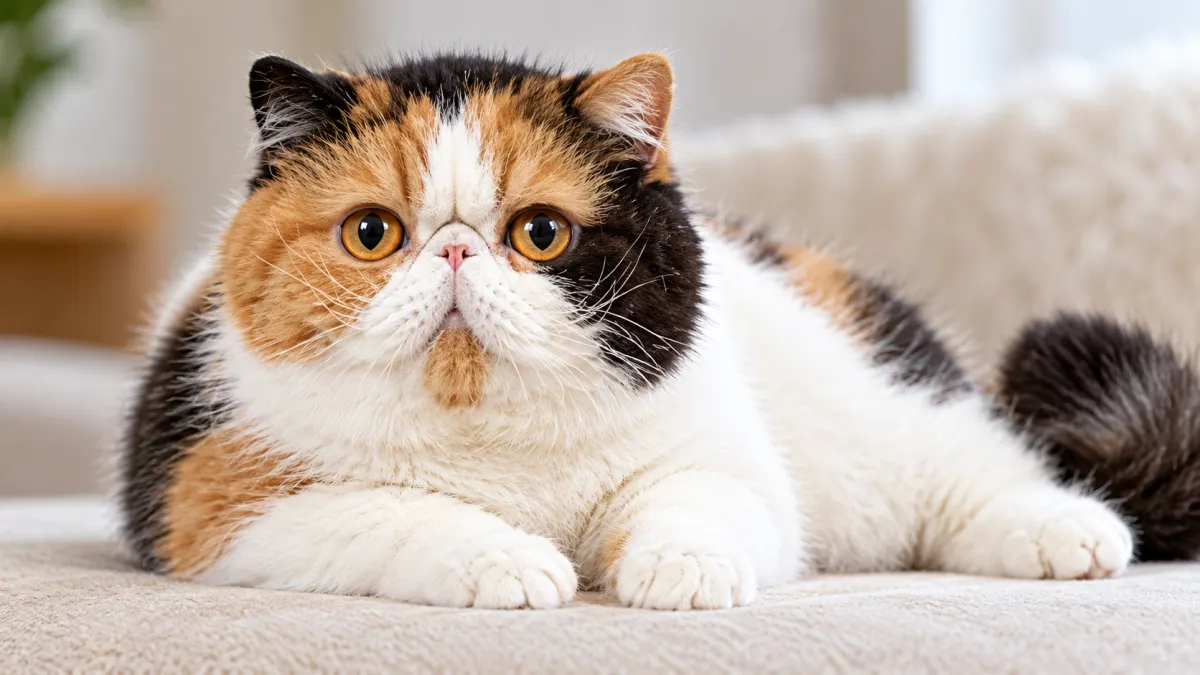
Origin: United States · Size: Medium · Coat: Short, dense, plush
The Exotic Shorthair is often described as a short-haired Persian because it has a similar round face, flat nose, large eyes, and compact body, but with a shorter, plush coat. Typically gentle, affectionate, and relatively laid-back, this breed enjoys relaxing near its owners. Its dense fur needs brushing several times a week, while its flat face may require regular cleaning around the eyes. Because of its facial structure, responsible breeding and attention to breathing and eye health are especially important.
Havana Brown
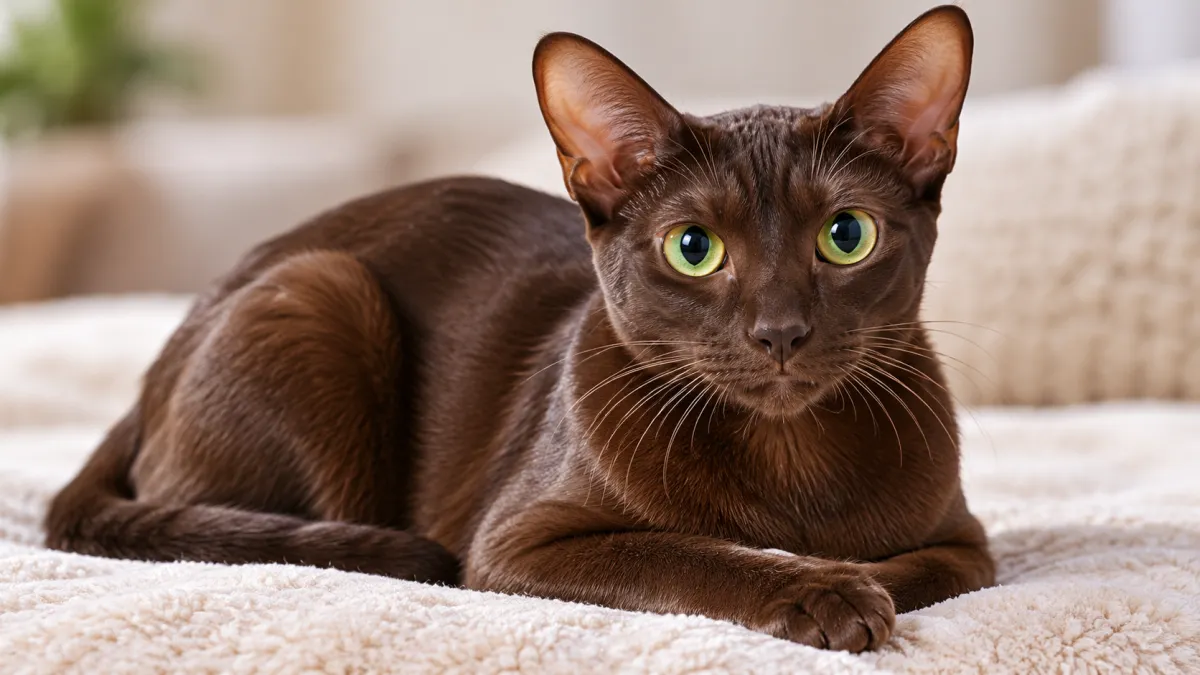
Origin: United Kingdom · Size: Medium · Coat: Short-haired
The Havana Brown is a rare breed recognized for its rich, warm chocolate-brown coat, expressive green eyes, and distinctive muzzle. Its sleek fur has a glossy finish, while its muscular body gives it an elegant appearance. Havana Browns are typically affectionate, intelligent, and curious, often following their owners around the house and enjoying interactive play. Their short coat requires minimal grooming, making everyday care relatively simple.
Himalayan Cat
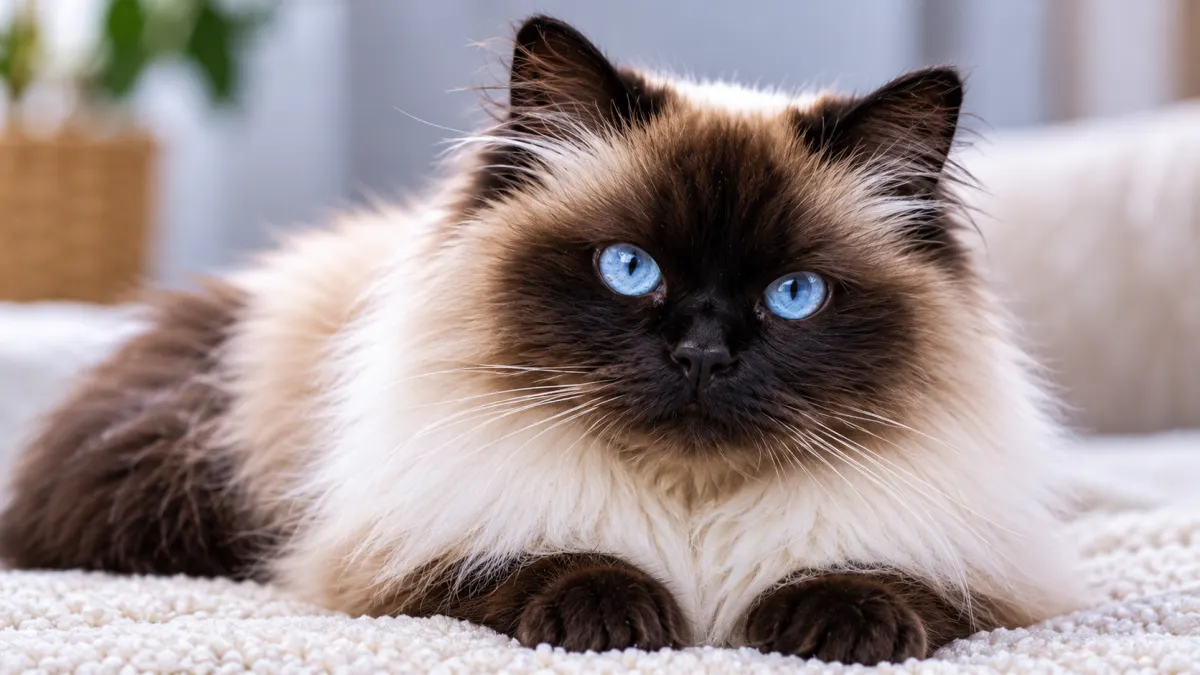
Origin: United States · Size: Medium to large · Coat: Long-haired
The Himalayan cat combines the Persian’s long, luxurious coat and rounded face with the Siamese’s distinctive color-point pattern and striking blue eyes. Its face, ears, paws, and tail are typically darker than its pale body. Himalayans are generally gentle, affectionate, and calm, making them well suited to relaxed indoor homes. Their thick coat requires daily brushing to prevent mats, and their flat faces may need regular eye cleaning.
Japanese Bobtail
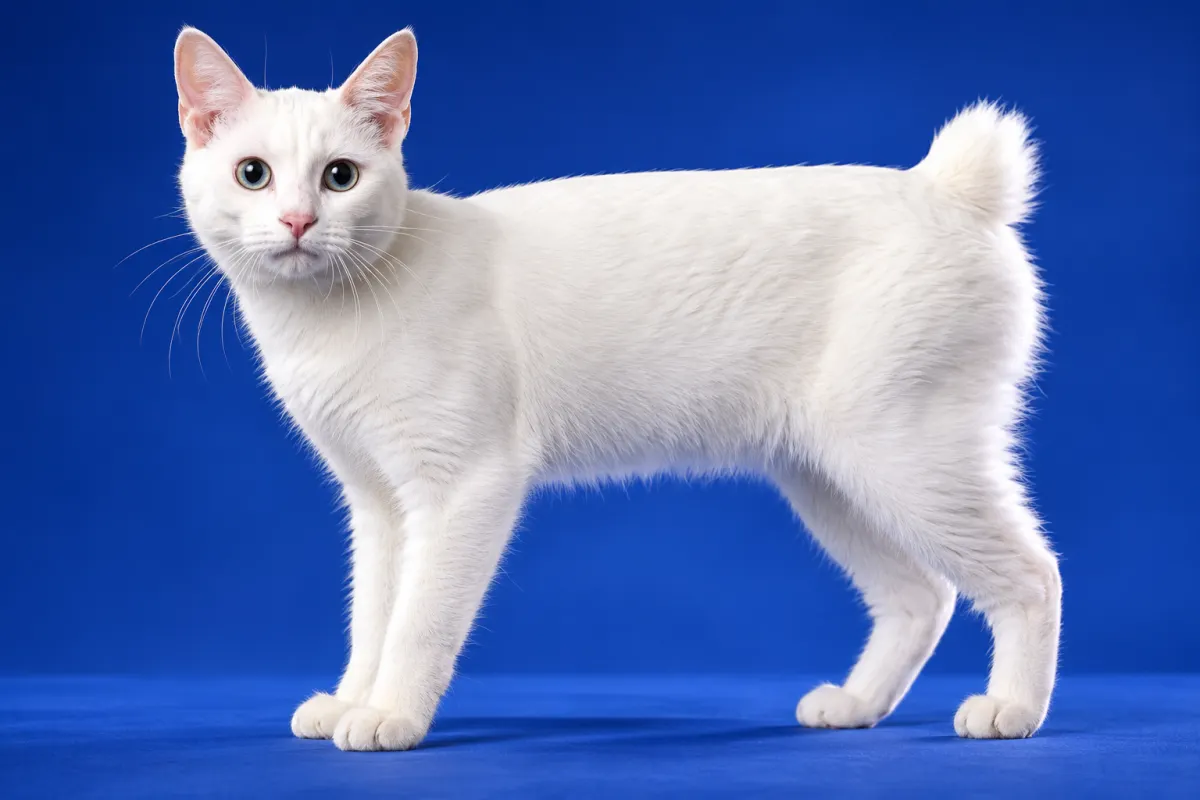
Origin: Japan · Size: Small to medium · Coat: Short or long-haired
The Japanese Bobtail is known for its naturally short, pom-pom-like tail, slender body, and large, upright ears. Its coat comes in many colors and patterns, including the iconic white, black, and orange mi-ke tricolor. Japanese Bobtails are typically active, intelligent, and sociable, often enjoying interactive games and communicating with soft, melodic vocalizations. Their coat is relatively easy to maintain with regular brushing.
Korat Cat
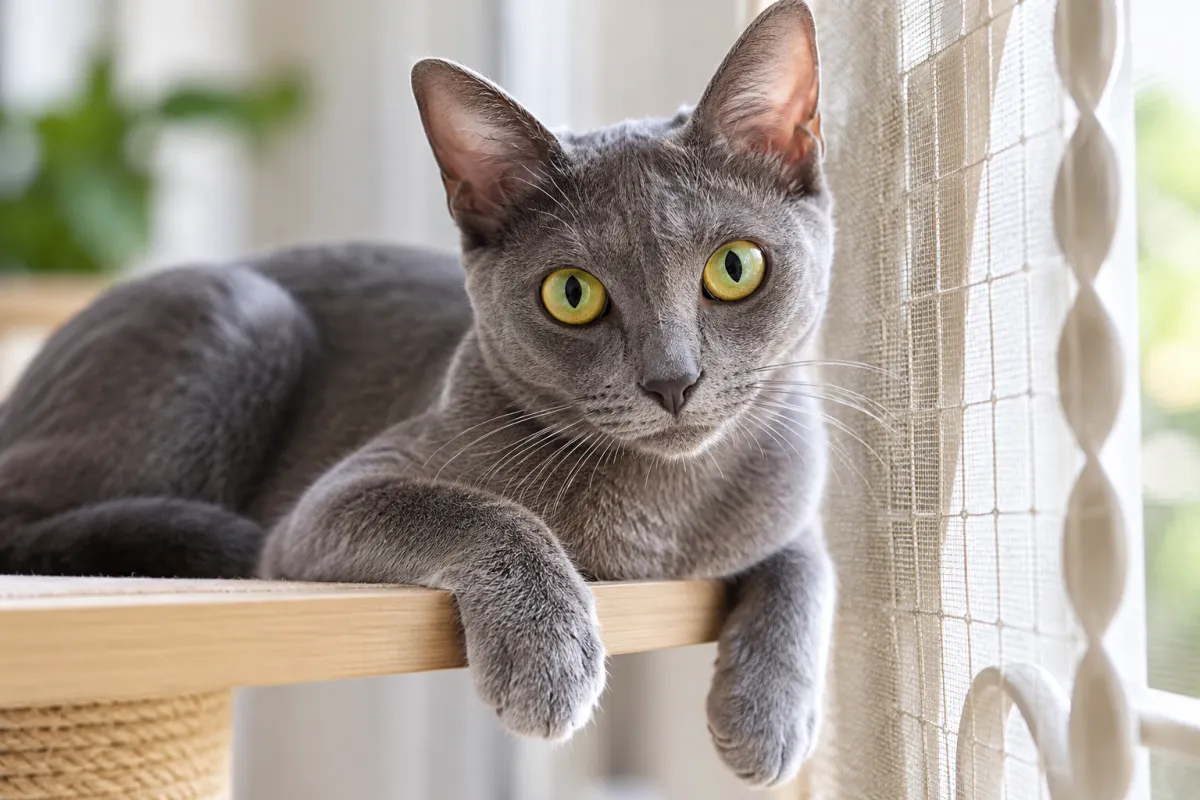
Origin: Thailand · Size: Small to medium · Coat: Short-haired
The Korat is a rare Thai breed recognized by its silver-blue coat, heart-shaped face, and large, luminous green eyes. Its short fur has a distinctive silvery sheen and requires minimal grooming. Korats are intelligent, affectionate, and strongly attached to their families, often preferring familiar people and quiet surroundings. They enjoy interactive play but may be sensitive to loud noises and sudden changes.
LaPerm Cat
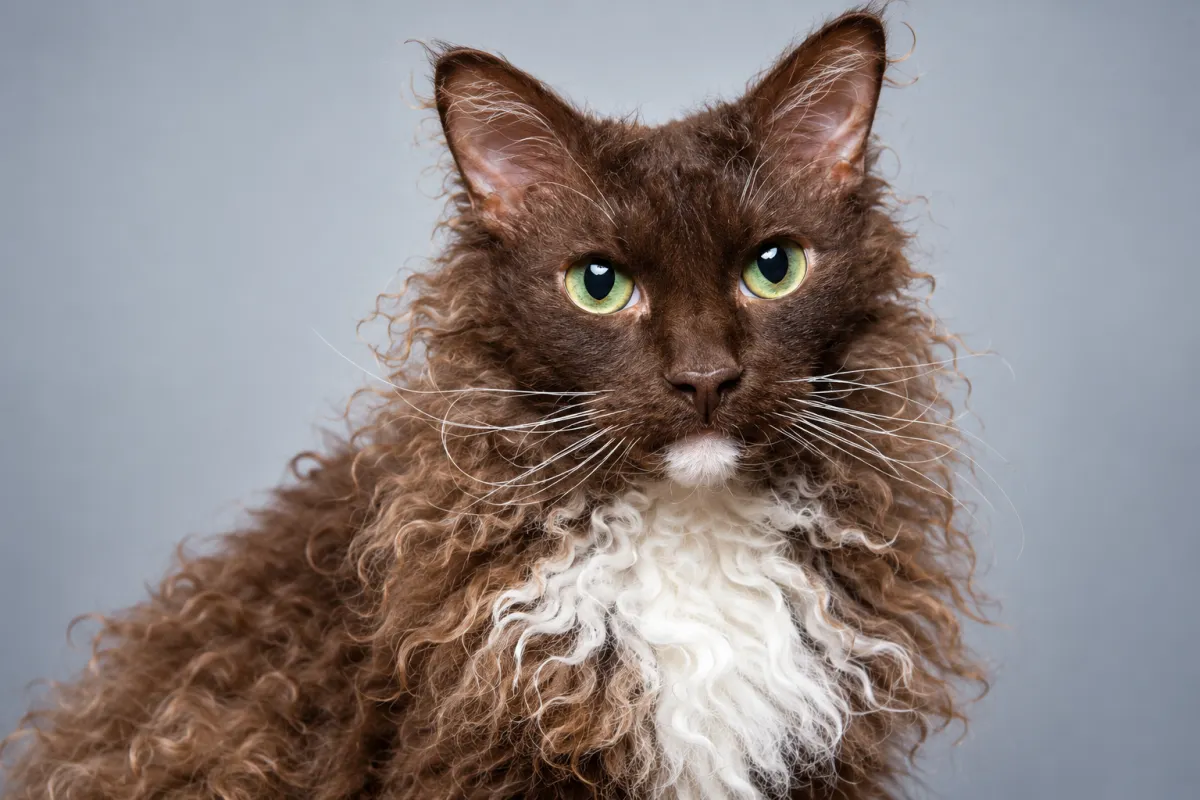
Origin: United States · Size: Medium · Coat: Curly, short or long-haired
The LaPerm is famous for its distinctive curly coat, which can range from loose waves to tight ringlets. Its large ears, expressive eyes, and often fluffy tail give it a unique appearance. Typically affectionate, curious, and playful, LaPerm cats enjoy human companionship without necessarily demanding constant attention. Their grooming needs depend on coat length and curl pattern; gentle combing helps prevent tangles while preserving their natural texture.
Maine Coon Cat
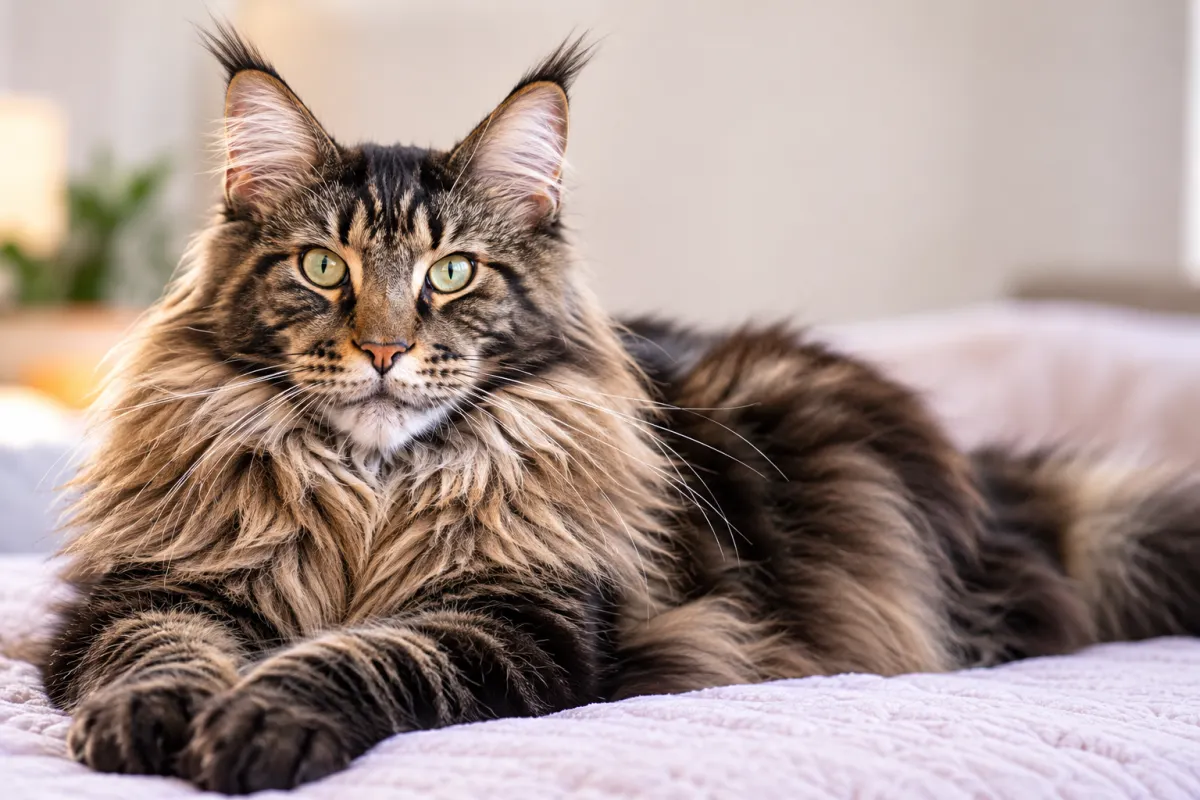
Origin: United States · Size: Large to giant · Coat: Long-haired
The Maine Coon is one of the largest domestic cat breeds, famous for its long, shaggy coat, tufted ears, bushy tail, and impressive size. Despite its wild appearance, it is generally friendly, gentle, and sociable. Maine Coons often enjoy interactive play and family companionship while maintaining an independent streak. Their thick coat needs brushing several times a week to prevent tangles, and their large size makes sturdy climbing spaces and appropriately sized litter boxes useful.
Manx Cat
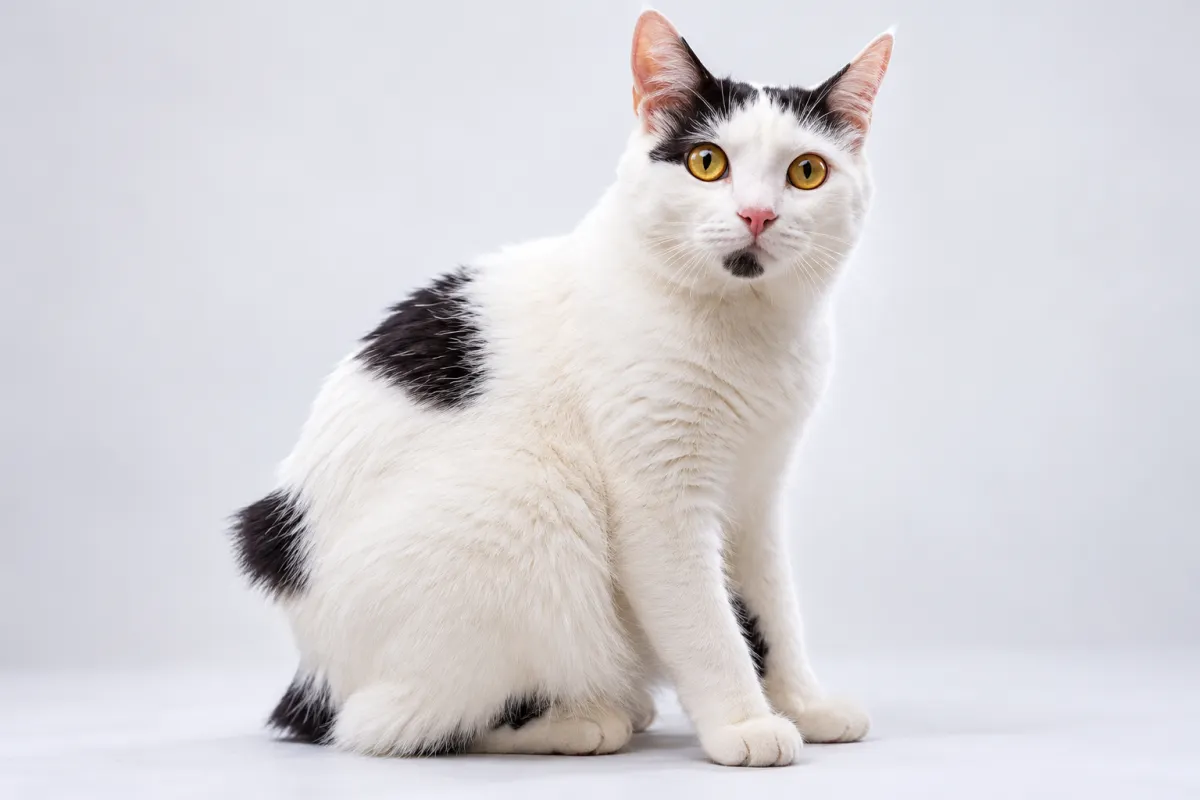
Origin: Isle of Man · Size: Medium · Coat: Short or long-haired
The Manx is best known for its naturally short tail, which may be completely absent or appear as a small stump. This breed has a rounded head, powerful hind legs, and a compact, sturdy body. Manx cats are generally intelligent, playful, and loyal, often forming close bonds with their families. Their grooming needs depend on coat length, but an important consideration is Manx syndrome, a group of spinal and nerve-related problems associated with the tailless gene. Responsible breeding and veterinary checks are essential.
Munchkin Cat
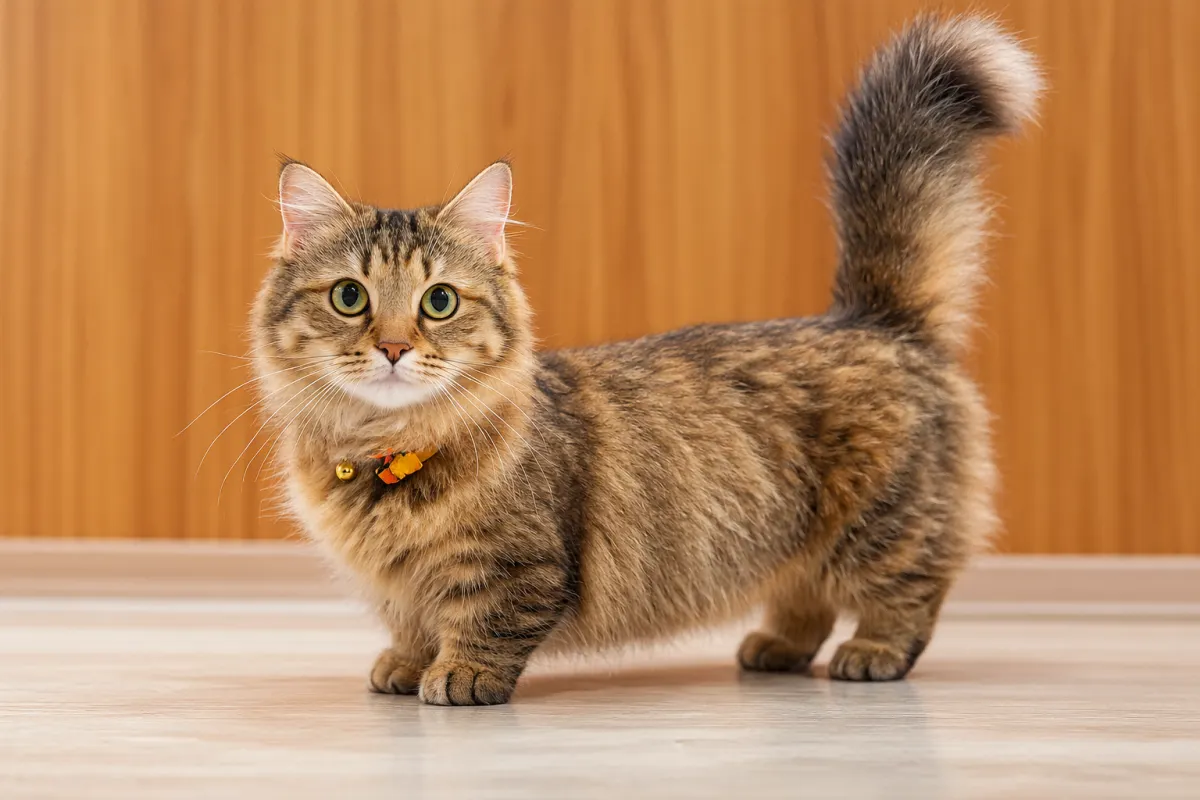
Origin: United States · Size: Small to medium · Coat: Short or long-haired
The Munchkin is best known for its unusually short legs, caused by a genetic mutation, while its body, face, and coat can vary considerably. Despite its small stature, this breed is typically playful, curious, and energetic. Munchkins enjoy exploring and playing, although their shorter legs may limit some jumping and climbing activities. Grooming needs depend on coat length. Because the breed's body structure is associated with potential health and mobility concerns, veterinary guidance and responsible breeding are especially important.
Norwegian Forest Cat
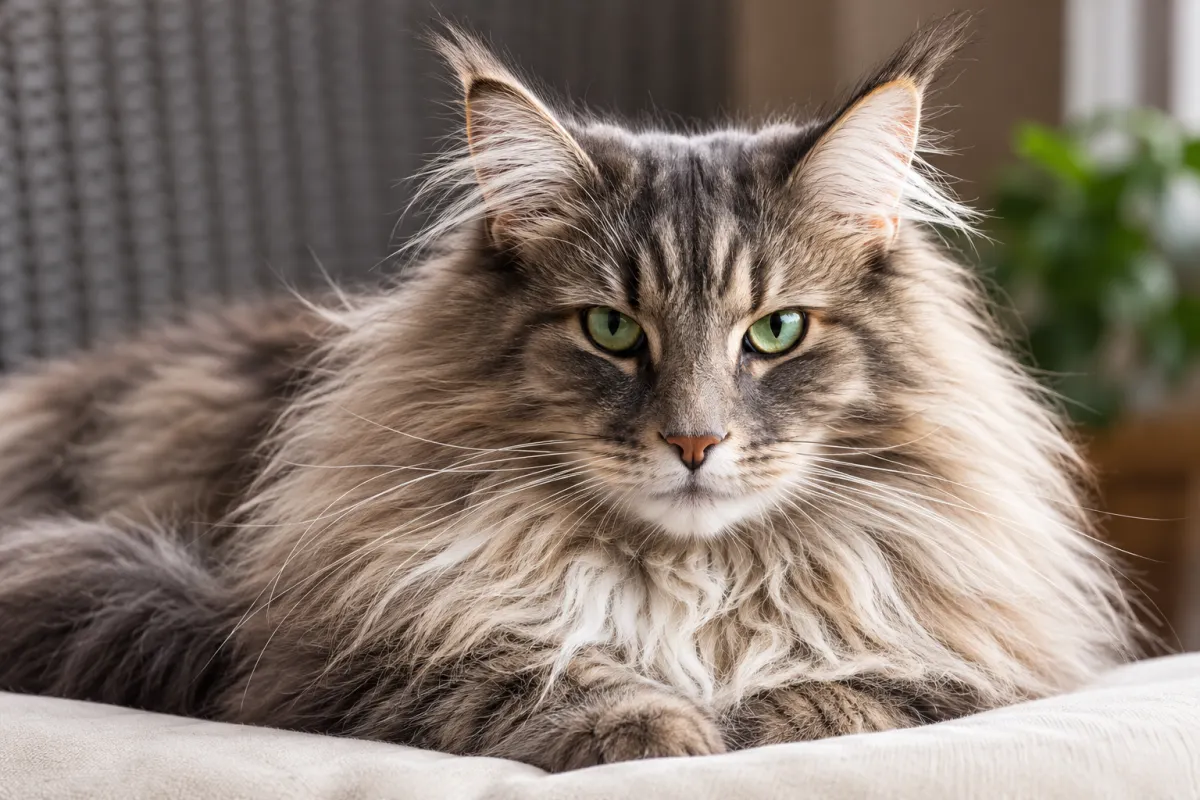
Origin: Norway · Size: Large · Coat: Long-haired
The Norwegian Forest Cat is a large, sturdy breed adapted to cold climates, with a thick double coat, tufted ears, a bushy tail, and strong climbing abilities. Despite its impressive size and wild appearance, it is generally gentle, independent, and affectionate. Its water-resistant coat needs brushing several times a week, especially during seasonal shedding. This breed also benefits from sturdy cat trees and plenty of opportunities to climb.
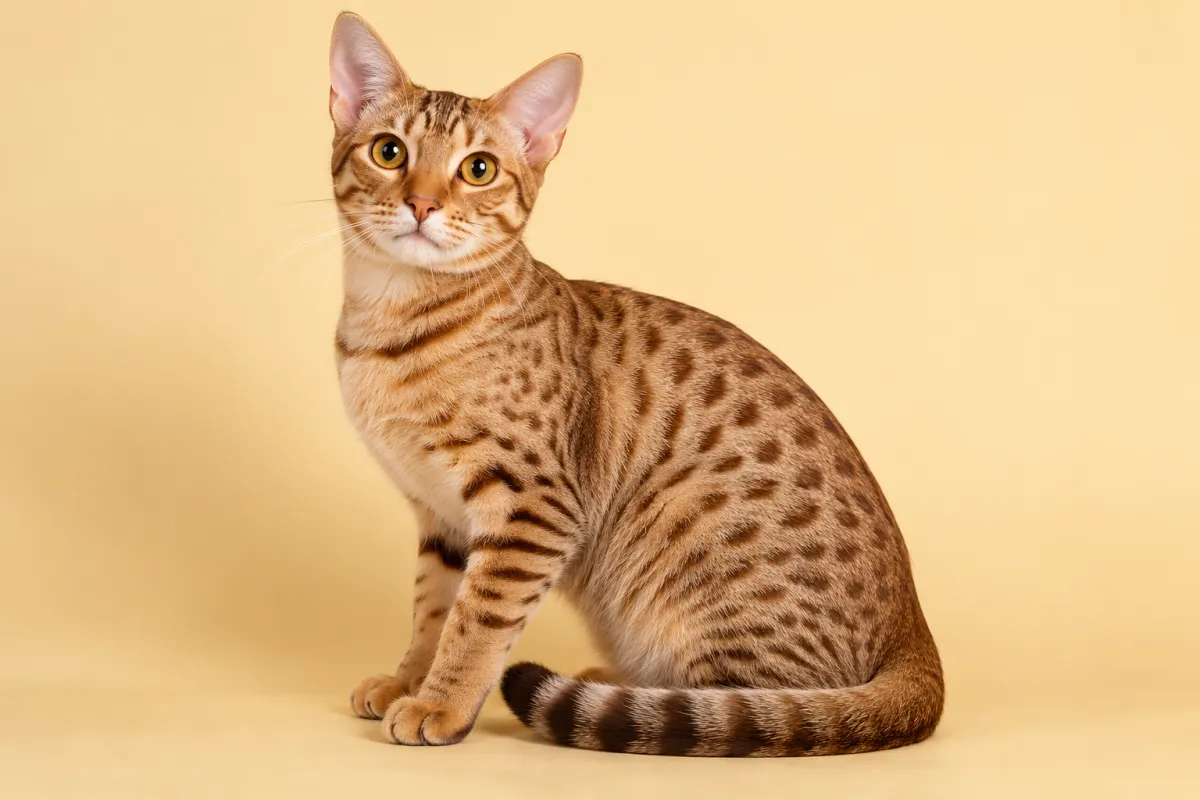
Origin: United States · Size: Medium to large · Coat: Short-haired
The Ocicat is known for its striking spotted coat, muscular body, and wild-cat appearance, although it is entirely a domestic breed. Despite resembling a small wild feline, it has no recent wild-cat ancestry. Ocicats are typically confident, intelligent, sociable, and energetic, often enjoying interactive games and learning tricks. Their short, smooth coat requires minimal grooming, but they need regular play and mental stimulation.
Oriental Shorthair
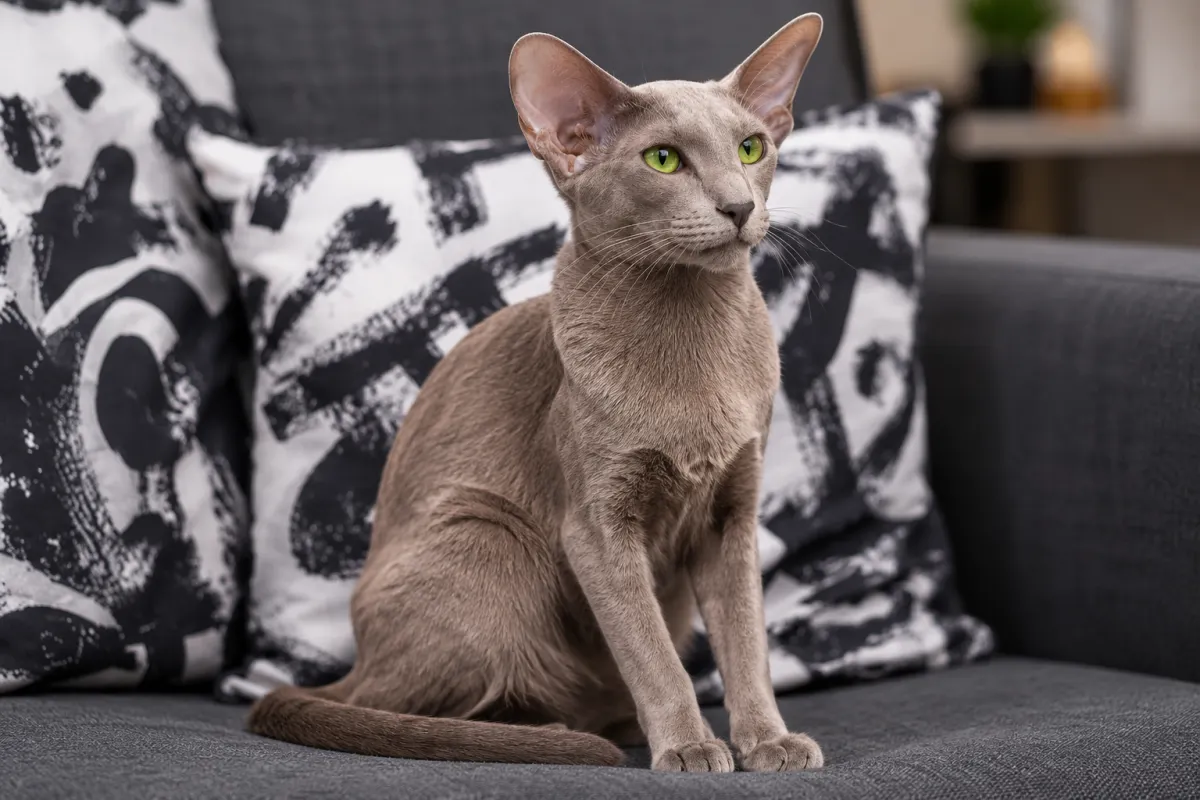
Origin: United States · Size: Medium · Coat: Short-haired
The Oriental Shorthair is known for its slender body, long legs, oversized ears, wedge-shaped face, and almond-shaped eyes. It comes in a wide variety of coat colors and patterns. Highly intelligent, energetic, and vocal, this breed loves interacting with people and often follows its owners around the house. Its short coat requires minimal grooming, but it needs daily play and companionship to stay happy.
Persian Cat
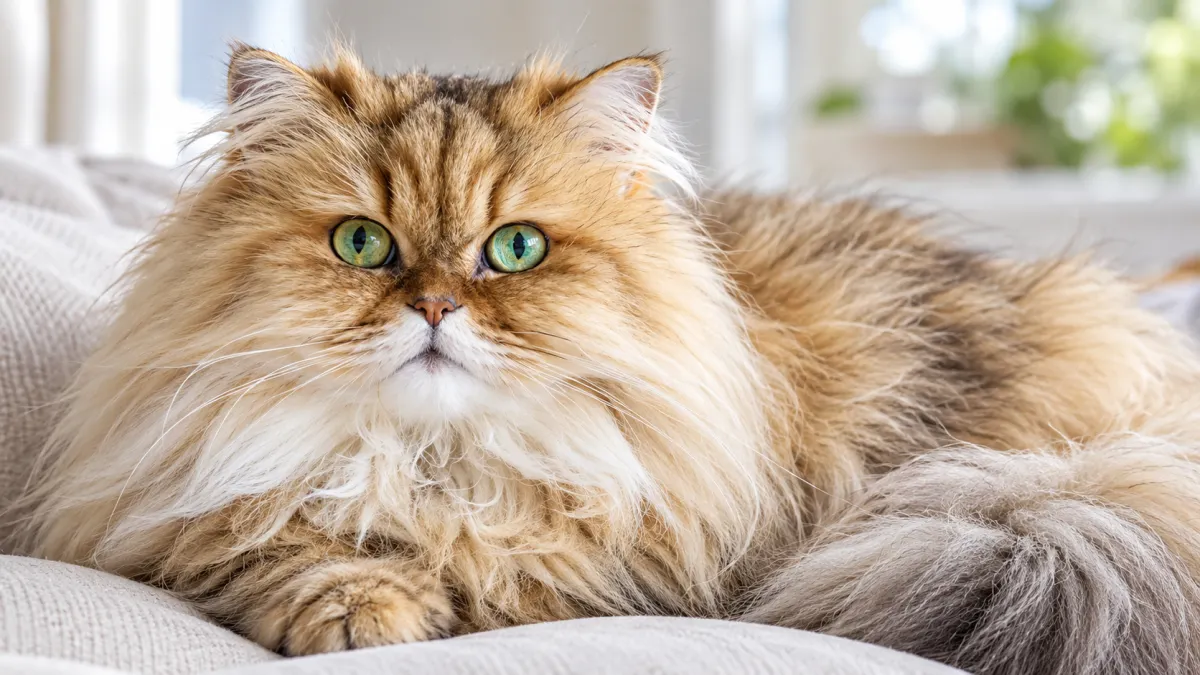
Origin: Iran (historical roots) · Size: Medium to large · Coat: Long-haired
The Persian cat is famous for its luxurious long coat, round face, large expressive eyes, and calm temperament. Usually affectionate and gentle, it prefers a peaceful indoor environment over constant activity. Its thick fur requires daily brushing to prevent mats and tangles, while its facial structure may require regular eye cleaning. Because some Persians have very flat faces, breathing and eye health are important considerations when choosing a kitten.
Peterbald Cat
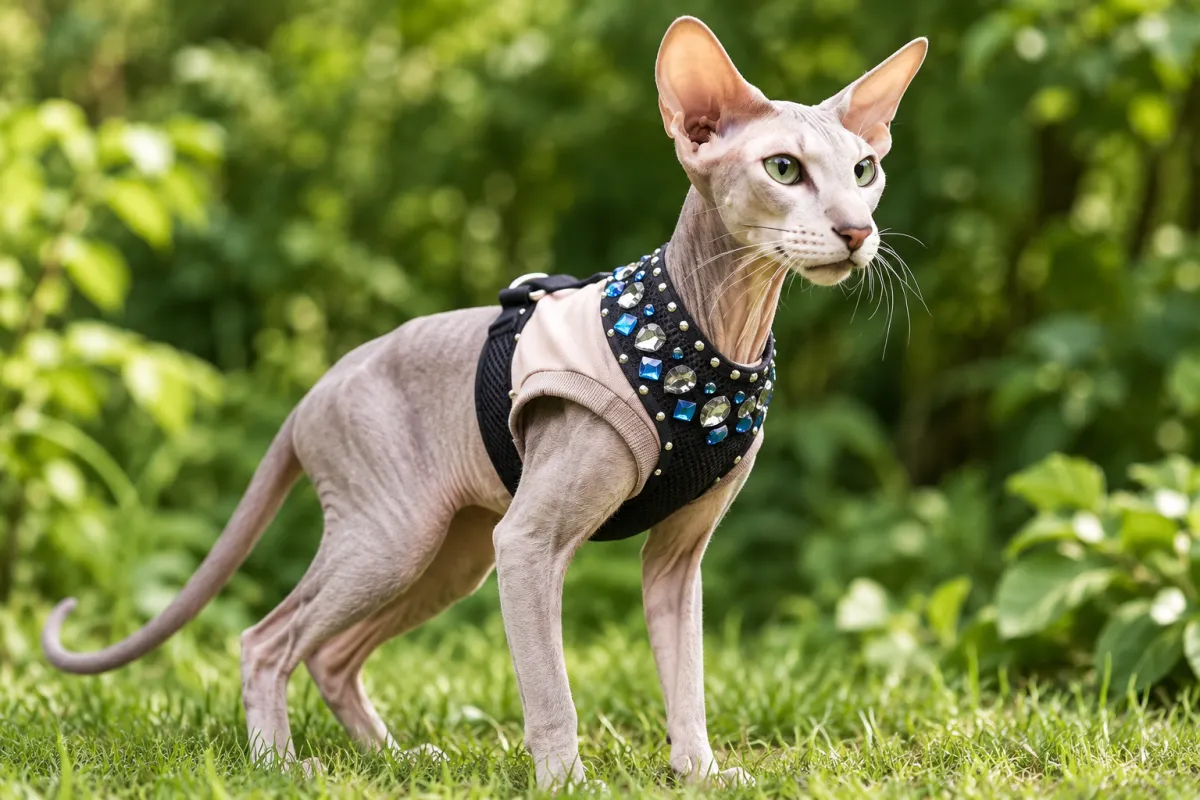
Origin: Russia · Size: Medium · Coat: Hairless or nearly hairless
The Peterbald is an elegant, slender cat known for its long legs, wedge-shaped face, oversized ears, and distinctive lack of fur. Some Peterbalds are completely hairless, while others have a fine, velvety coat. Typically intelligent, affectionate, and energetic, they enjoy human companionship and interactive play. Despite their minimal coat, they need regular skin cleaning because oils can accumulate, along with protection from cold weather and direct sunlight.
Pixiebob Cat
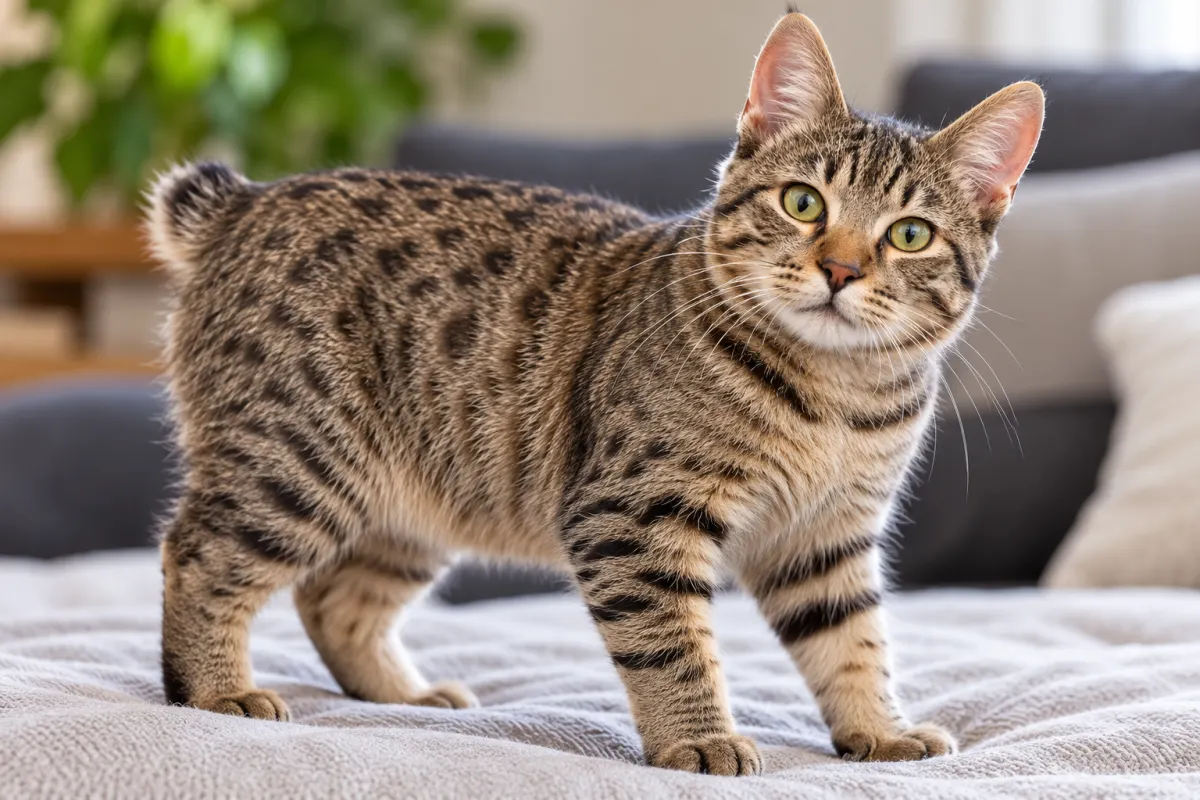
Origin: United States · Size: Medium to large · Coat: Short or long-haired
The Pixiebob is a distinctive domestic cat known for its muscular build, spotted tabby coat, broad face, and naturally short tail. Its tufted ears and wild appearance resemble those of a bobcat, but the breed is domestic and does not require wild-cat ancestry. Pixiebobs are generally affectionate, intelligent, and playful, often forming strong bonds with their families. Their grooming needs depend on coat length, and regular interactive play helps keep them active.
Ragamuffin Cat
Origin: United States · Size: Medium to large · Coat: Semi-long-haired
The Ragamuffin is known for its plush, silky coat, broad face, expressive blue or green eyes, and gentle personality. These cats are typically affectionate, relaxed, and sociable, often enjoying cuddles and spending time with their families. Their soft coat is less prone to matting than some other long-haired breeds, but brushing several times a week helps prevent tangles and reduce loose fur.
Ragamuffin Cat
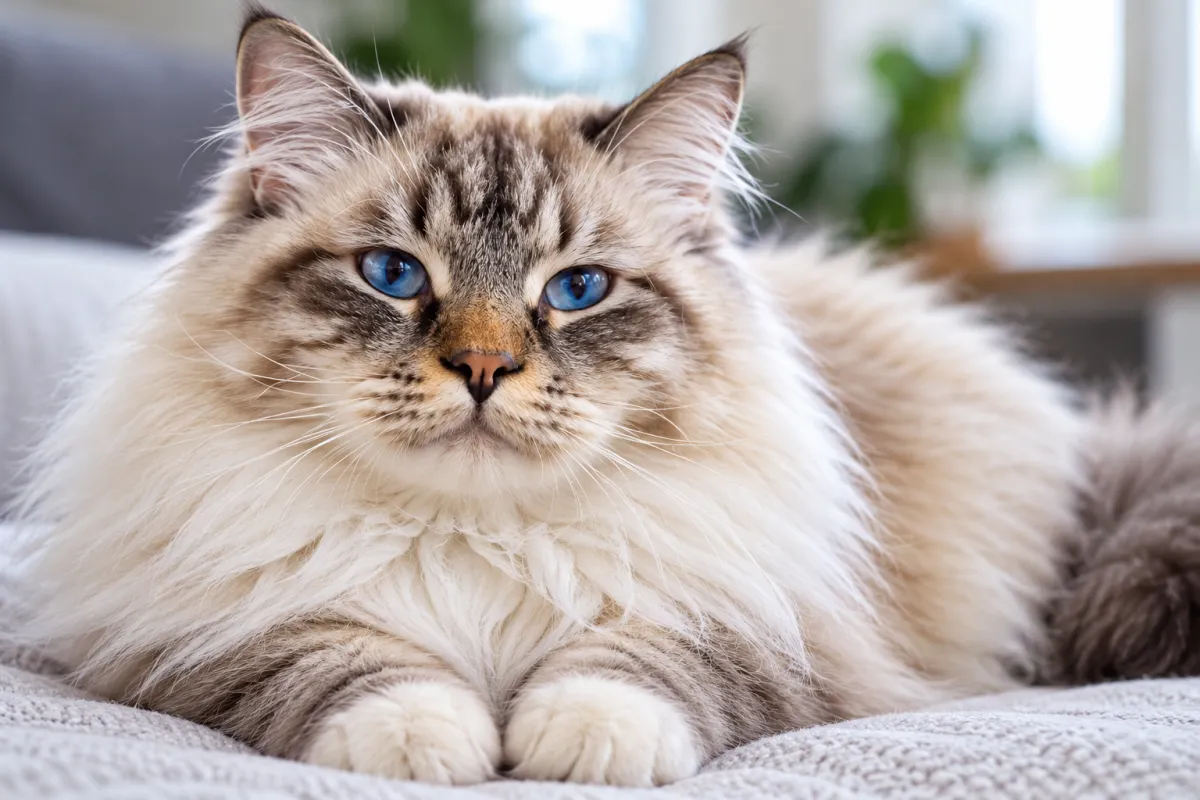
Origin: United States · Size: Medium to large · Coat: Semi-long-haired
The Ragamuffin is known for its plush, silky coat, broad face, expressive blue or green eyes, and gentle personality. These cats are typically affectionate, relaxed, and sociable, often enjoying cuddles and spending time with their families. Their soft coat is less prone to matting than some other long-haired breeds, but brushing several times a week helps prevent tangles and reduce loose fur.
Ragdoll Cat
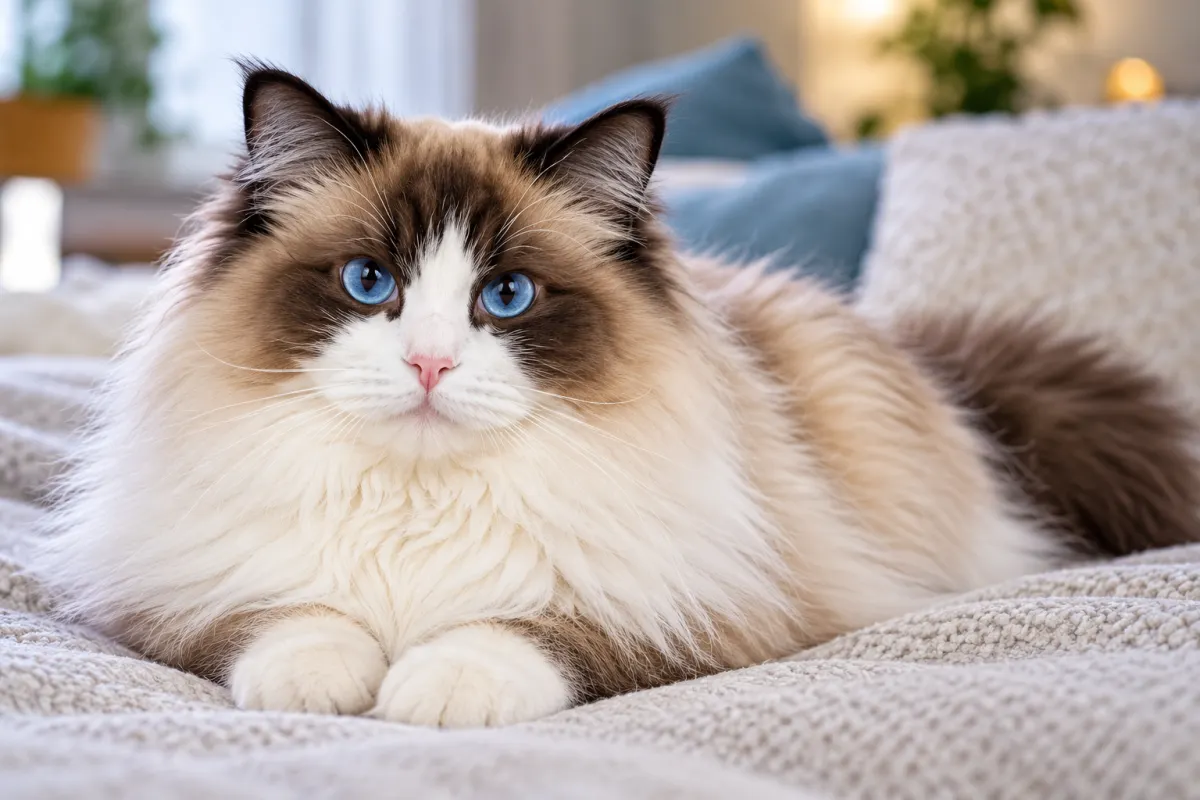
Origin: United States · Size: Large · Coat: Semi-long-haired
The Ragdoll is famous for its striking blue eyes, silky coat, and color-point pattern, with darker markings on the face, ears, legs, and tail. Its name comes from the tendency of some cats to relax their muscles when picked up, although not every Ragdoll behaves this way. Typically gentle, affectionate, and sociable, this breed enjoys spending time with its family. Brushing two to three times a week helps keep its coat free of tangles.
Russian Blue
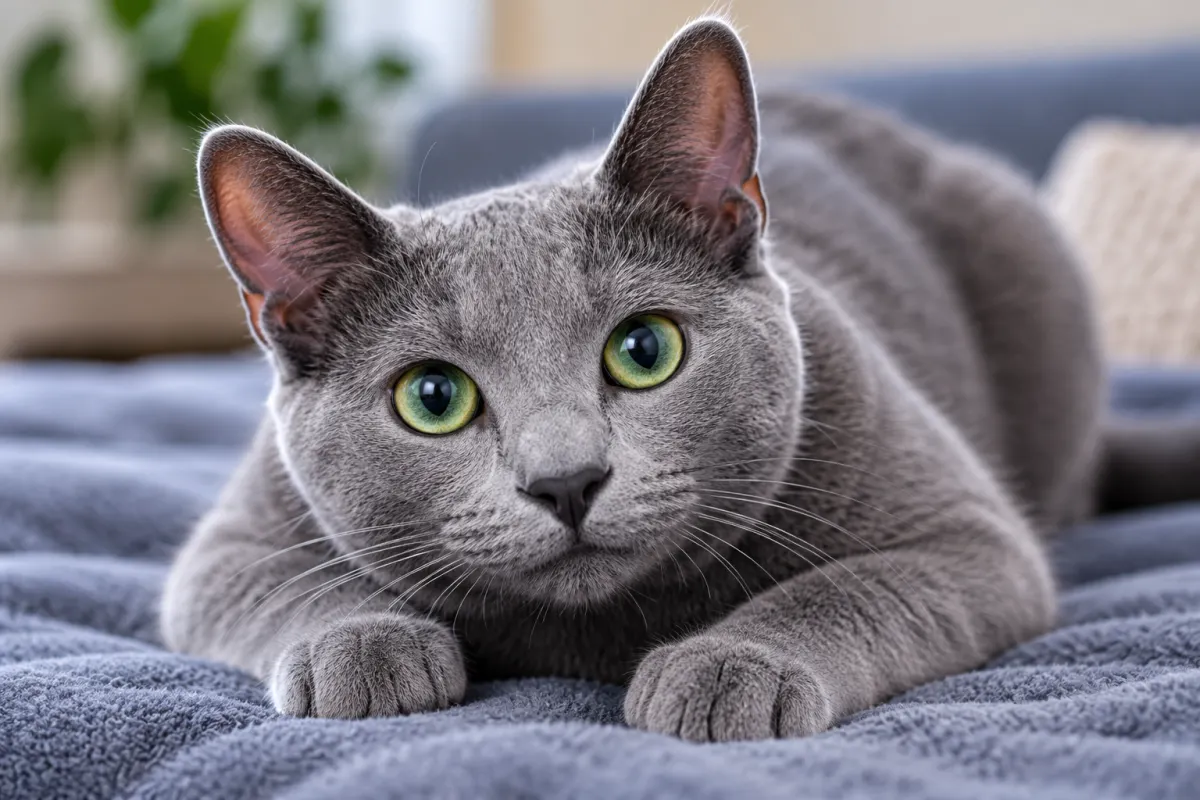
Origin: Russia · Size: Medium · Coat: Short-haired
The Russian Blue is recognized for its elegant silver-blue coat, vivid green eyes, and slender, muscular body. Its dense double coat feels plush and has a distinctive silvery sheen. This breed is generally gentle, intelligent, and quiet, often forming strong bonds with familiar people while remaining reserved around strangers. Its coat requires only weekly brushing, and it usually appreciates a calm, predictable home environment.
Savannah Cat
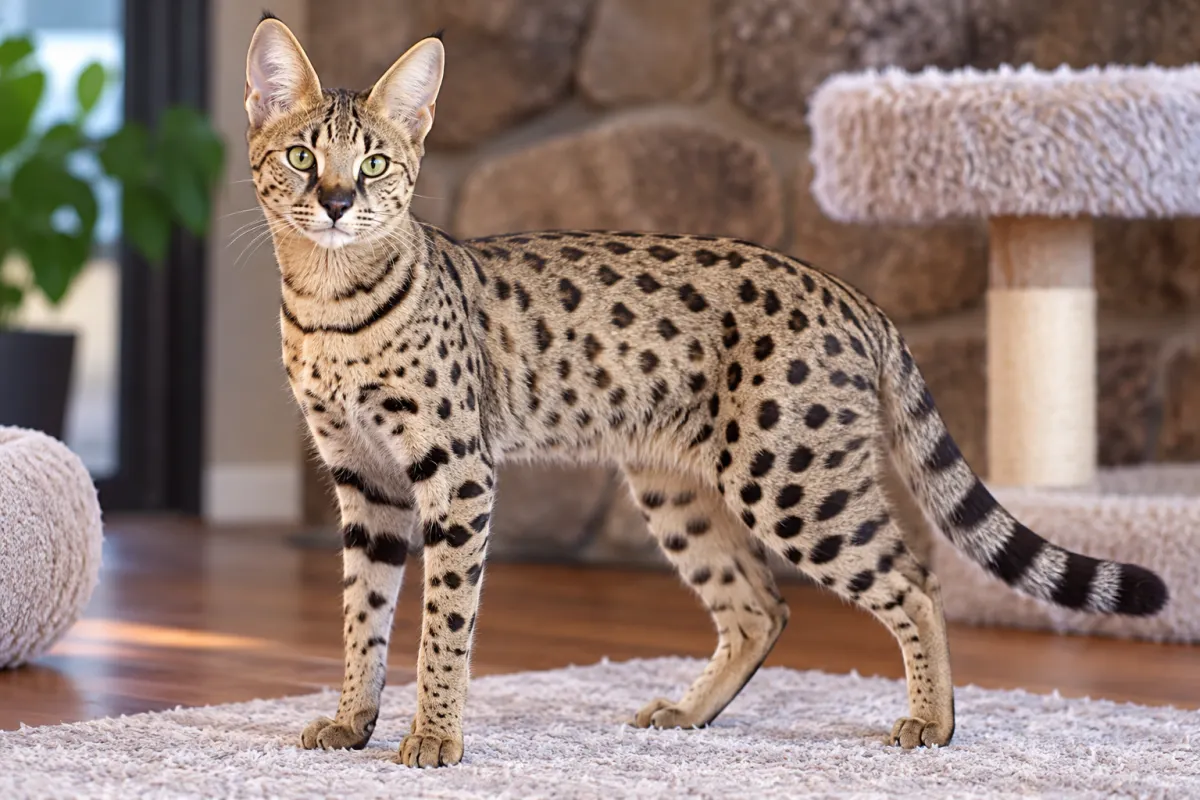
Origin: United States · Size: Large · Coat: Short-haired
The Savannah is an exotic-looking domestic cat known for its tall, slender body, oversized ears, long legs, and bold spotted coat. It originated from crosses between domestic cats and the serval, a wild African cat. Savannahs are typically energetic, curious, and intelligent, often enjoying climbing, interactive play, and learning tricks. Their activity levels and temperament can vary by generation, so they need plenty of stimulation and space to explore. Some generations are also subject to ownership restrictions.
Scottish Fold
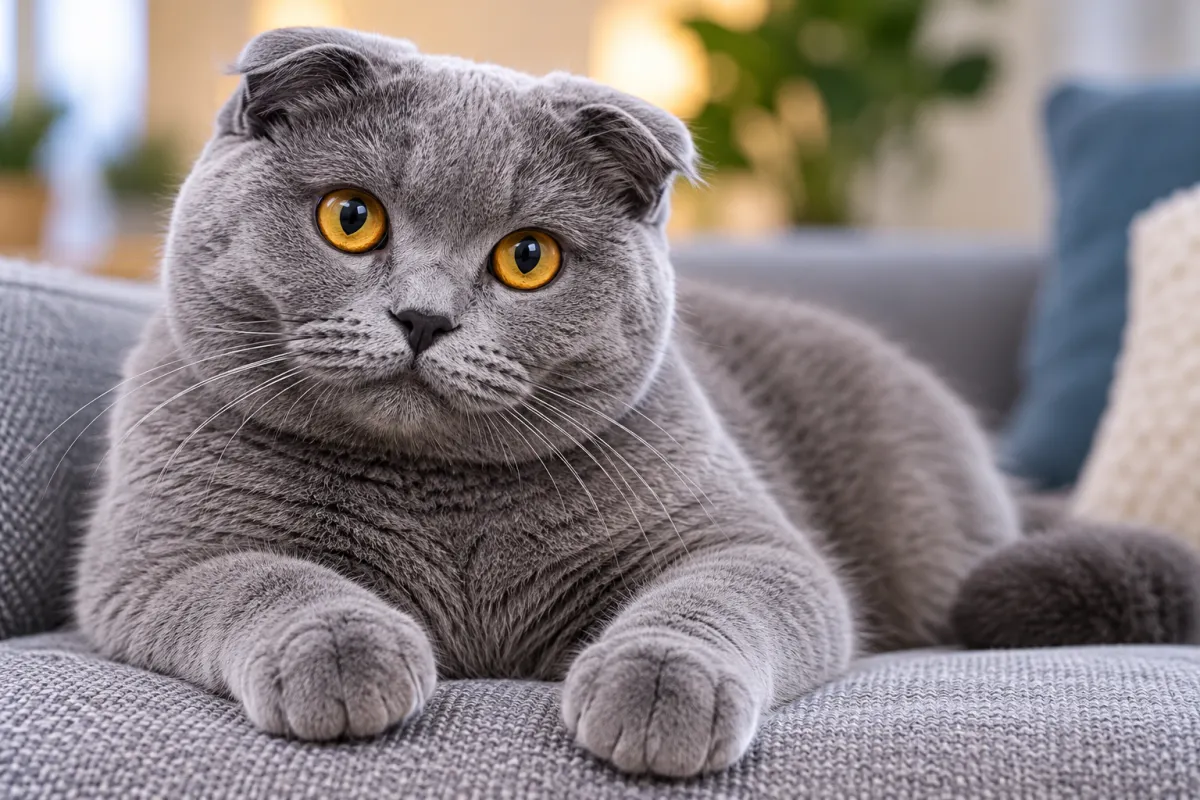
Origin: Scotland · Size: Medium · Coat: Short or long-haired
The Scottish Fold is famous for its distinctive forward-folding ears, round face, large eyes, and plush coat, giving it a charming, owl-like appearance. These cats are generally affectionate, gentle, and adaptable, often enjoying quiet companionship with their families. Their coat needs regular brushing, depending on its length. Important: The gene responsible for folded ears is linked to cartilage and bone disorders, including painful arthritis. Prospective owners should understand these health risks and choose adoption or responsible veterinary-guided care.