

When people think about UNESCO World Heritage Sites, famous landmarks such as the Colosseum, the Great Wall of China, or the Taj Mahal often come to mind. But the UNESCO World Heritage List is much broader than a collection of famous monuments. It includes ancient cities, archaeological sites, religious buildings, historic landscapes, industrial heritage, and remarkable natural areas considered to have outstanding value for humanity.
In 2026, the competition at the top of the list is particularly close. Italy has 62 World Heritage Sites, putting it in first place, while China follows very closely with 61. France, Germany, and Spain complete the top five.
The 10 Countries With the Most UNESCO World Heritage Sites
| Rank | Country | World Heritage Sites |
|---|---|---|
| 1 | 🇮🇹 Italy | 62 |
| 2 | 🇨🇳 China | 61 |
| 3 | 🇫🇷 France | 56 |
| 4 | 🇩🇪 Germany | 55 |
| 5 | 🇪🇸 Spain | 50 |
| 6 | 🇮🇳 India | 45 |
| 7 | 🇲🇽 Mexico | 36 |
| 8 | 🇬🇧 United Kingdom | 35 |
| 9 | 🇷🇺 Russia | 33 |
| 10 | 🇮🇷 Iran | 30 |
1. Italy – 62 Sites
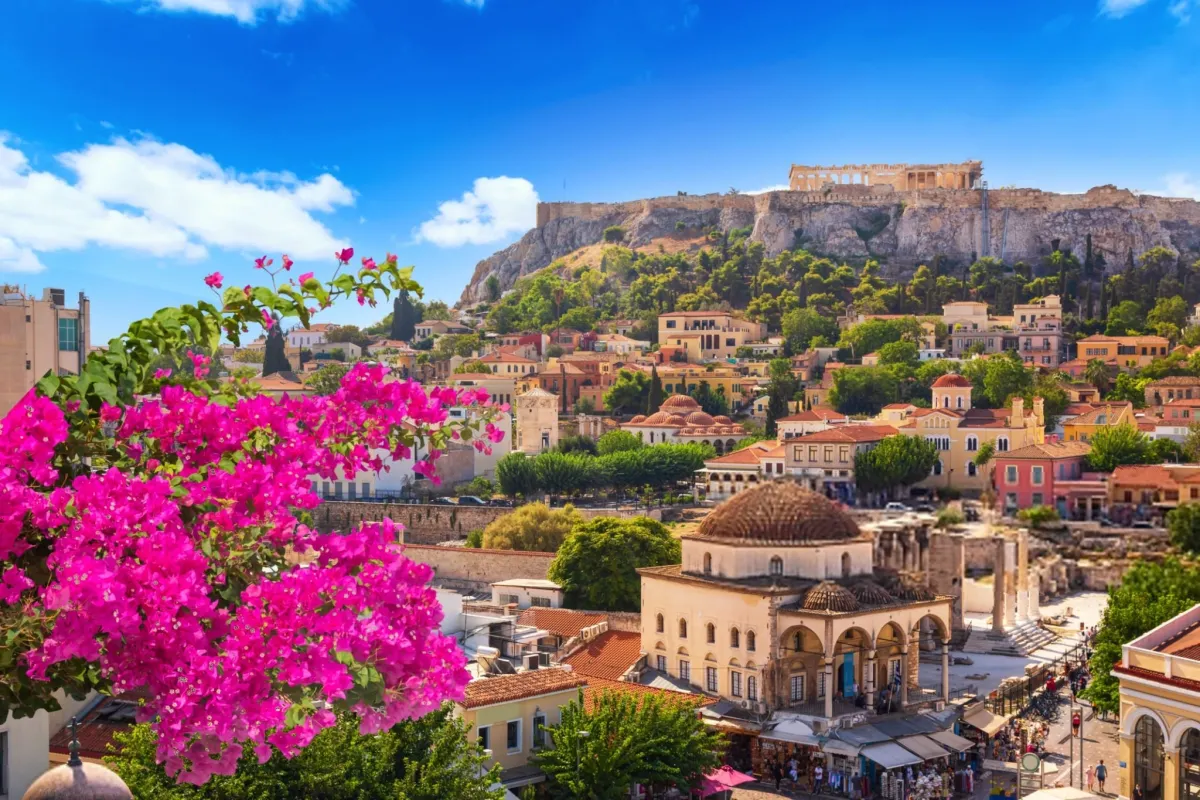
Italy currently has the largest number of UNESCO World Heritage Sites in the world. Its list reflects thousands of years of history, from ancient Rome to the Renaissance and beyond.
Historic places in Rome, Florence, Venice, Pisa, and Naples are among the best-known examples. Italy's UNESCO sites include ancient monuments, historic cities, churches, cultural landscapes, and archaeological areas.
What makes Italy particularly interesting is the sheer variety of its heritage. You can find Roman ruins in one part of the country and Renaissance architecture or medieval towns in another.
2. China – 61 Sites
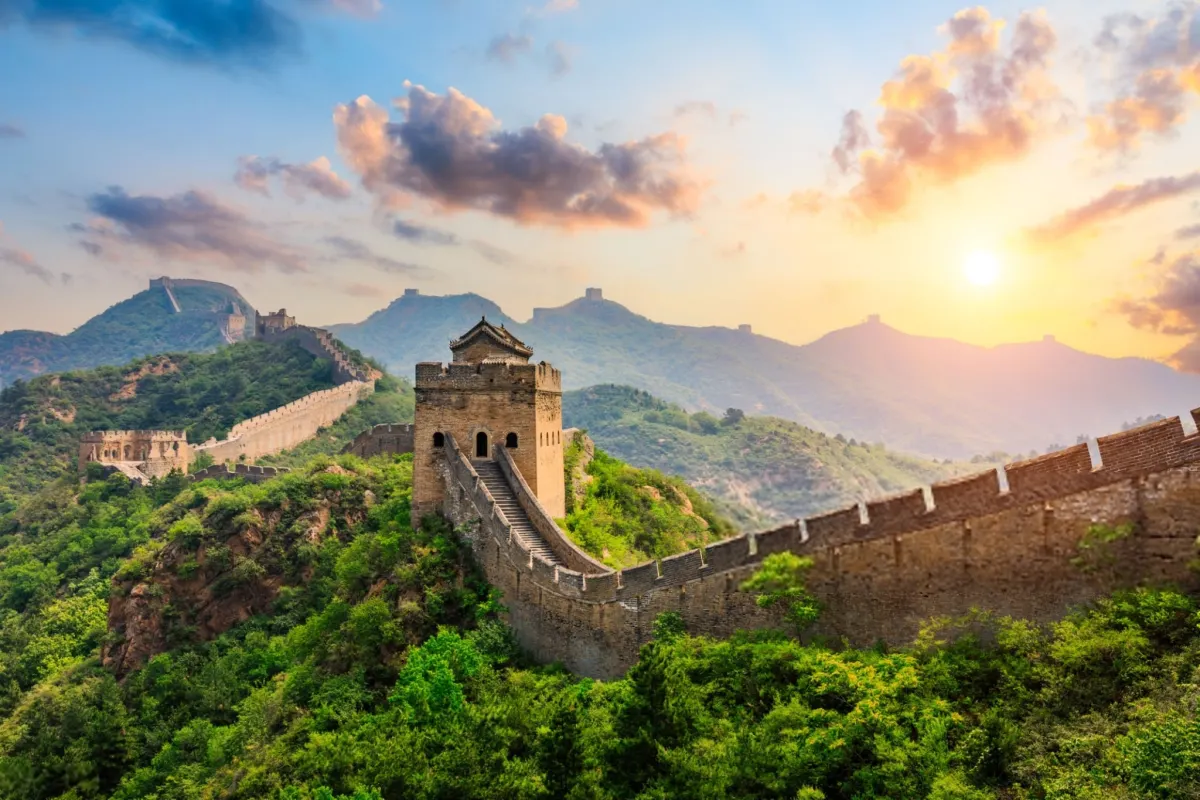
China is just one site behind Italy, with 61 UNESCO World Heritage Sites. Its heritage reflects one of the world's oldest continuous civilizations and covers an enormous geographic area.
The Great Wall of China, historic cities, ancient temples, archaeological sites, and spectacular natural landscapes all contribute to China's impressive UNESCO list.
China's sites also show how dramatically its history and geography vary, from imperial capitals and Buddhist monuments to mountains, forests, and other natural areas.
3. France – 56 Sites
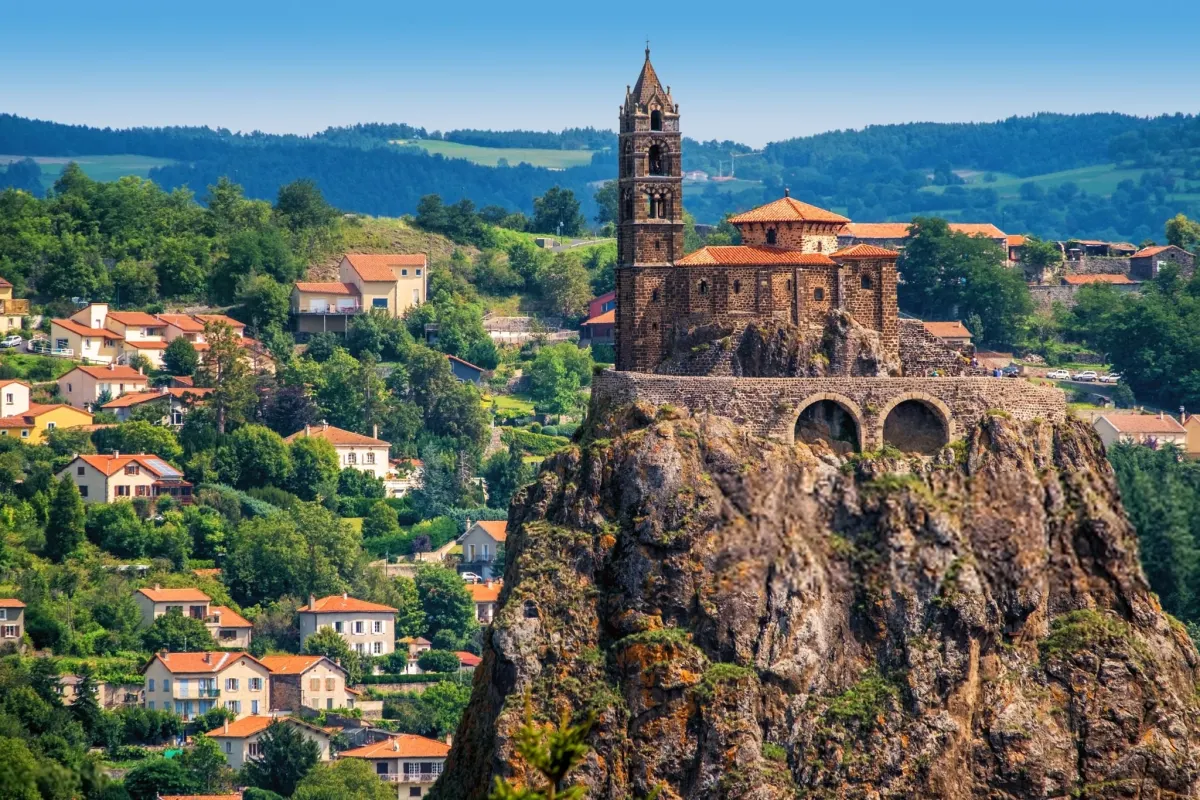
France has 56 World Heritage Sites, making it one of Europe's major centers of cultural heritage.
Some of its most recognizable sites include the Palace of Versailles, Mont-Saint-Michel, and historic areas of Paris. France's list also includes historic towns, religious buildings, cultural landscapes, and natural sites.
Together, these places tell the story of different periods of French and European history, from medieval architecture to royal palaces and later cultural developments.
4. Germany – 55 Sites
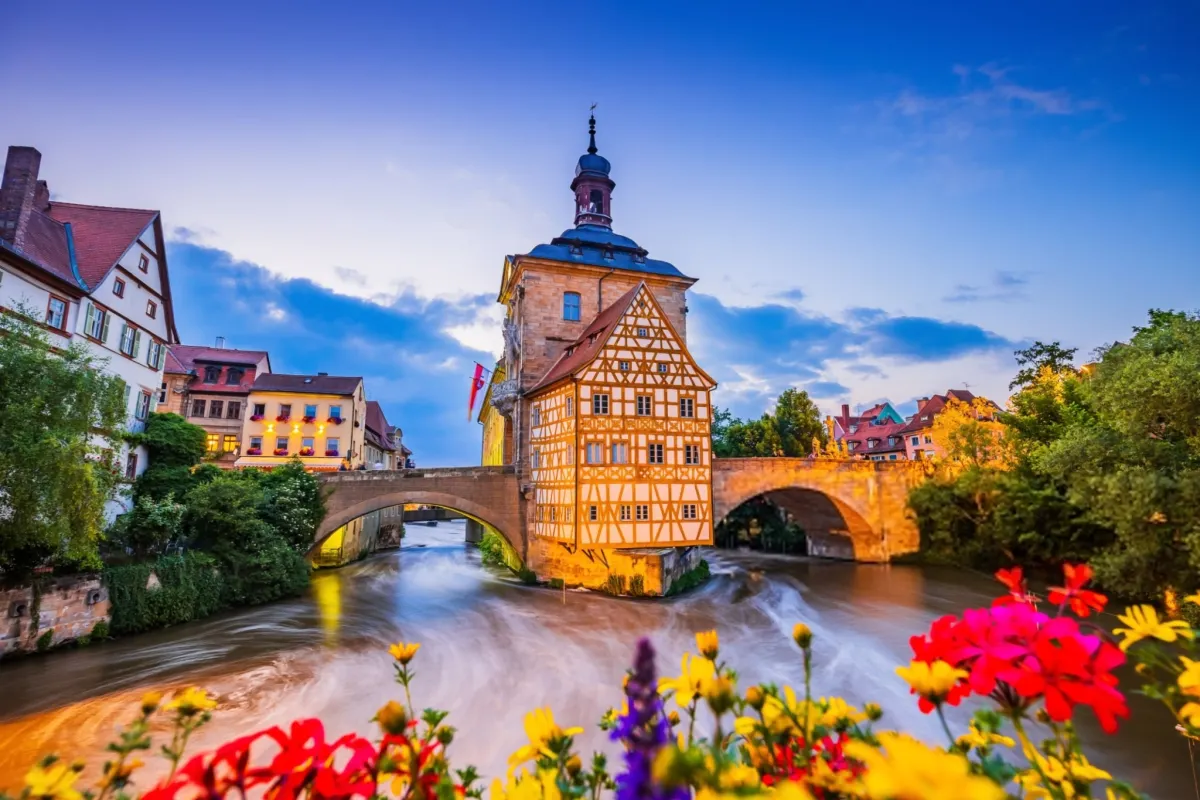
Germany has 55 UNESCO World Heritage Sites, most of them cultural.
Among the best-known are Aachen Cathedral, Museum Island in Berlin, the Palaces and Parks of Potsdam and Berlin, the Bauhaus sites, and the Zollverein Coal Mine Industrial Complex.
Germany's list is especially interesting because it isn't limited to traditional monuments. Industrial heritage and modern architectural movements are also represented, showing that UNESCO recognition is not only about ancient history.
5. Spain – 50 Sites

Spain has 50 World Heritage Sites, covering a remarkable mix of cultures, architectural traditions, and landscapes.
The Alhambra in Granada, the works of Antoni Gaudí, the historic center of Córdoba, and the historic city of Santiago de Compostela are among its most famous examples.
Spain's UNESCO heritage also reflects the country's long and complex history, including Roman, Islamic, Christian, and later European influences.
6. India – 45 Sites
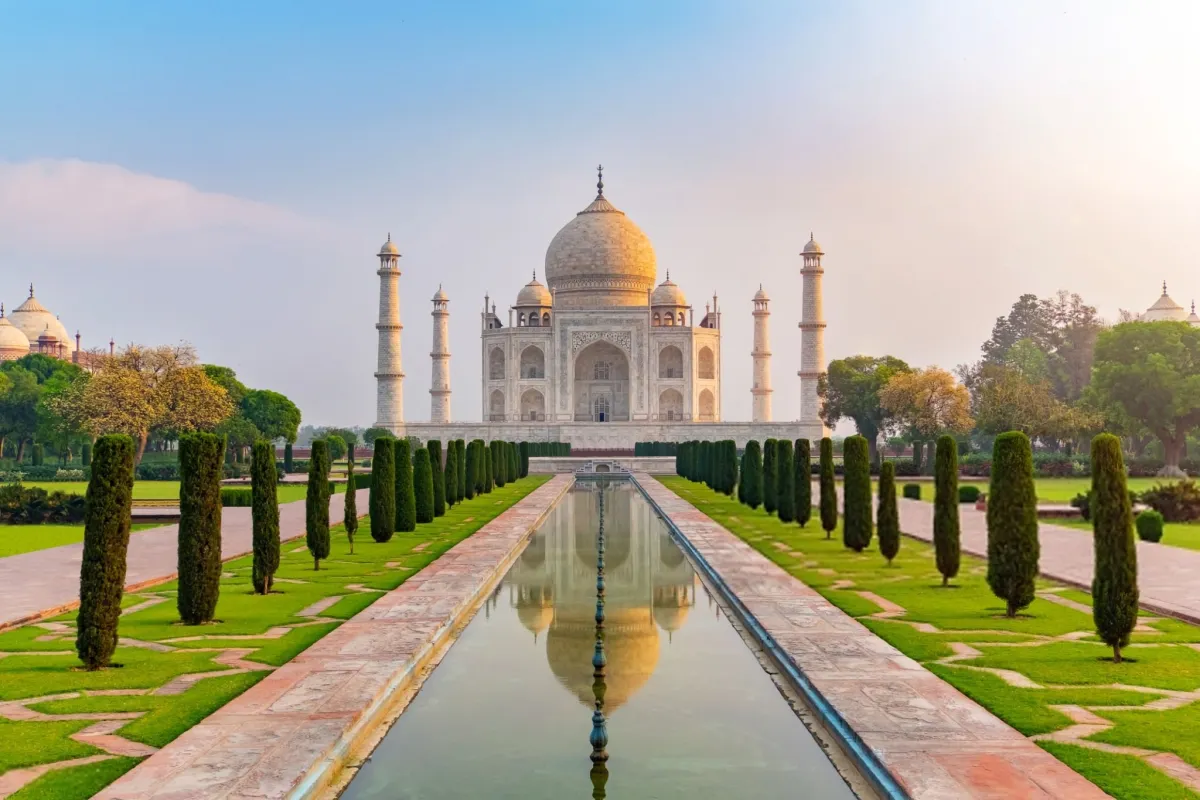
India has 45 UNESCO World Heritage Sites, reflecting the country's enormous cultural and geographical diversity.
The Taj Mahal, Agra Fort, Ajanta and Ellora Caves, the historic city of Ahmedabad, and Jaipur are some of the most recognizable examples.
India's UNESCO list isn't limited to historic monuments. It also includes important natural areas, making the country's heritage a combination of architecture, archaeology, history, religion, and nature.
7. Mexico – 36 Sites
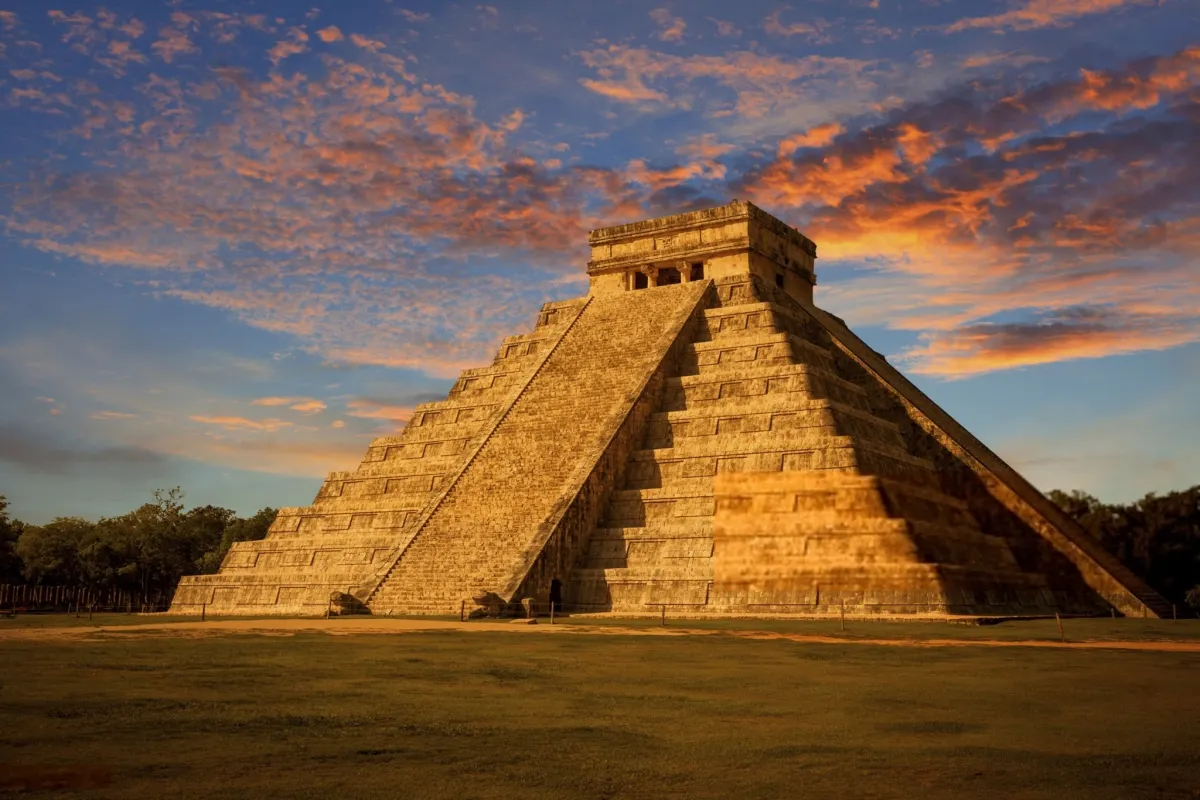
Mexico has 36 World Heritage Sites, giving it the highest position among the countries of Latin America in this list.
Much of Mexico's heritage is connected to the civilizations that existed before European colonization. Ancient archaeological sites associated with the Maya, Aztec, and other pre-Columbian cultures are particularly important.
At the same time, Mexico's UNESCO list includes historic cities and natural areas, showing that its heritage extends far beyond ancient ruins.
8. United Kingdom – 35 Sites
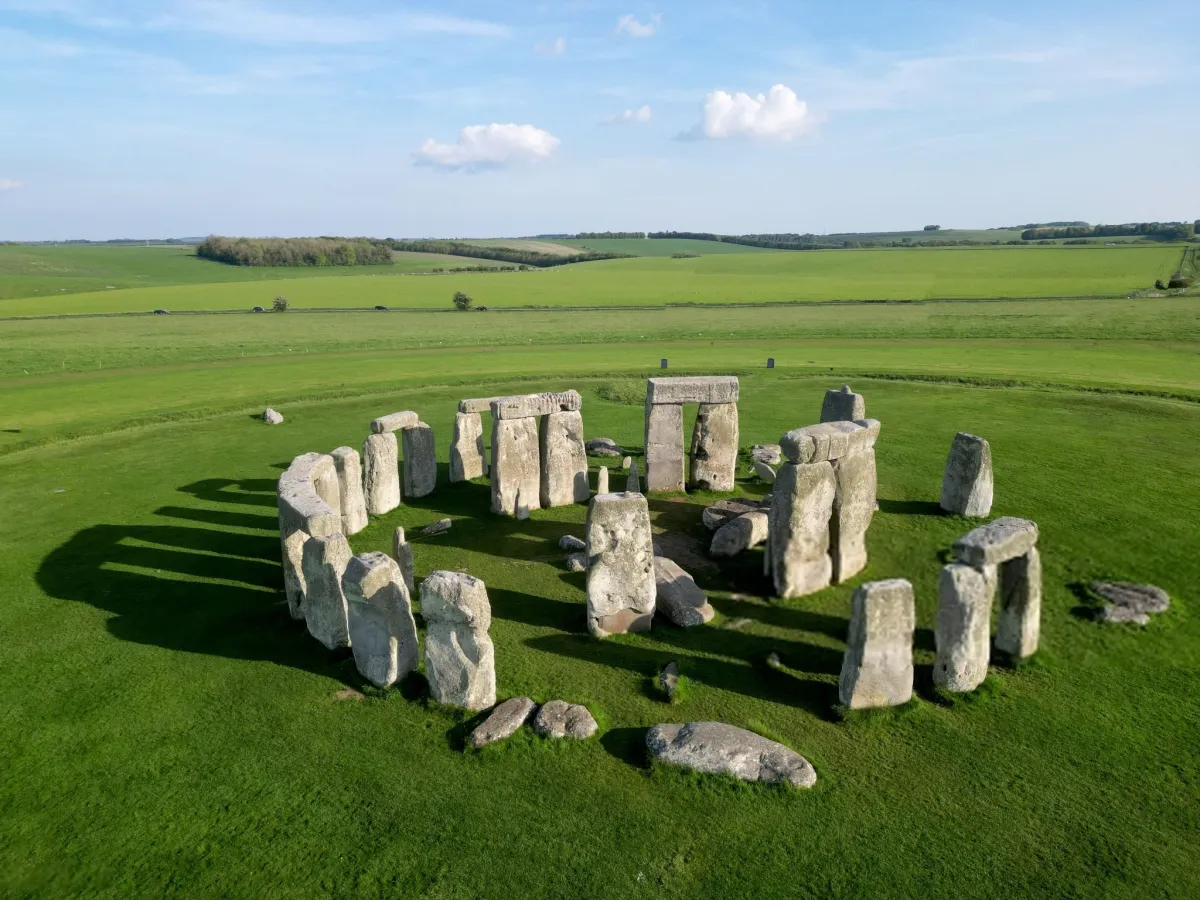
The United Kingdom has 35 World Heritage Sites, ranging from ancient archaeological locations to historic cities and industrial landscapes.
Bath, Blenheim Palace, Canterbury Cathedral, and the industrial landscapes of Cornwall and West Devon are among the notable examples.
One interesting aspect of Britain's UNESCO heritage is the presence of industrial sites alongside castles, religious buildings, and ancient monuments. They preserve different chapters of the country's social and economic history.
9. Russia – 33 Sites
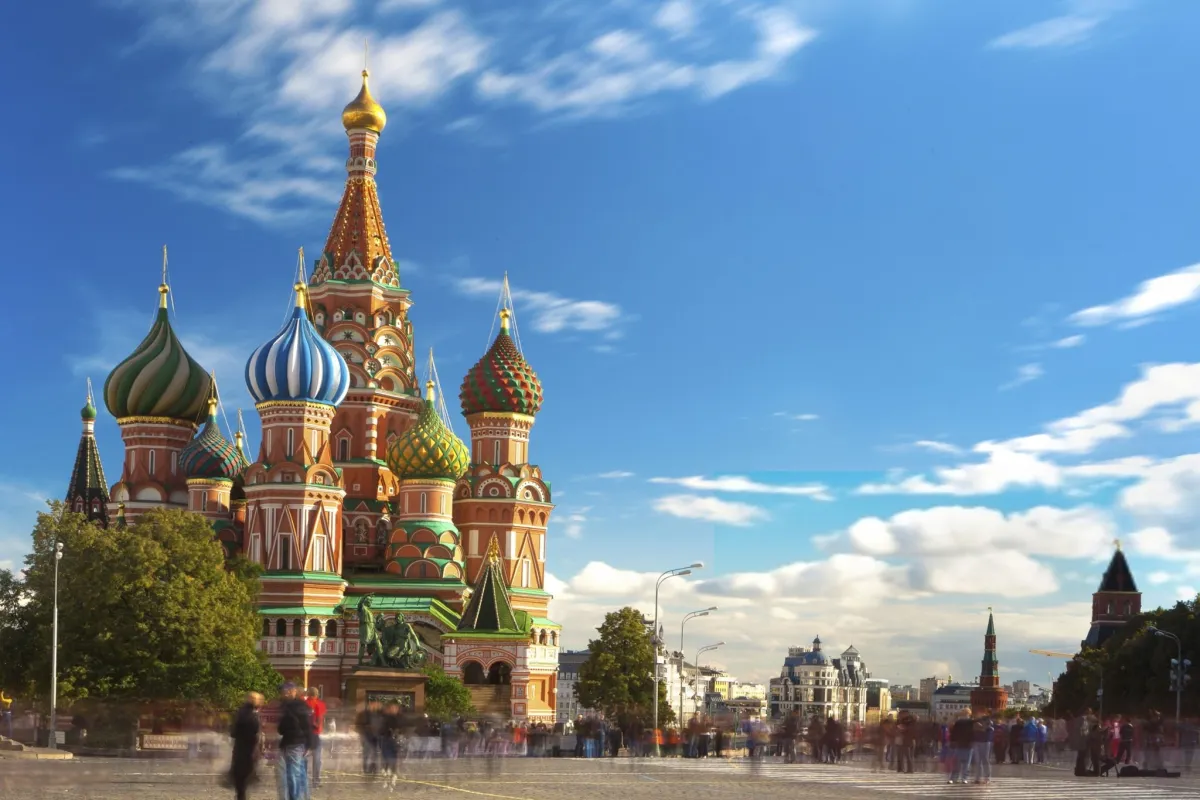
Russia has 33 UNESCO World Heritage Sites, spread across a vast territory.
Its heritage includes historic cities, religious buildings, architectural complexes, archaeological sites, and important natural areas.
The Historic Centre of Saint Petersburg, the Kremlin and Red Square in Moscow, and historic religious complexes are among the country's most recognizable UNESCO locations.
Because of Russia's enormous size, its World Heritage Sites also represent a wide range of landscapes and cultural traditions.
10. Iran – 30 Sites
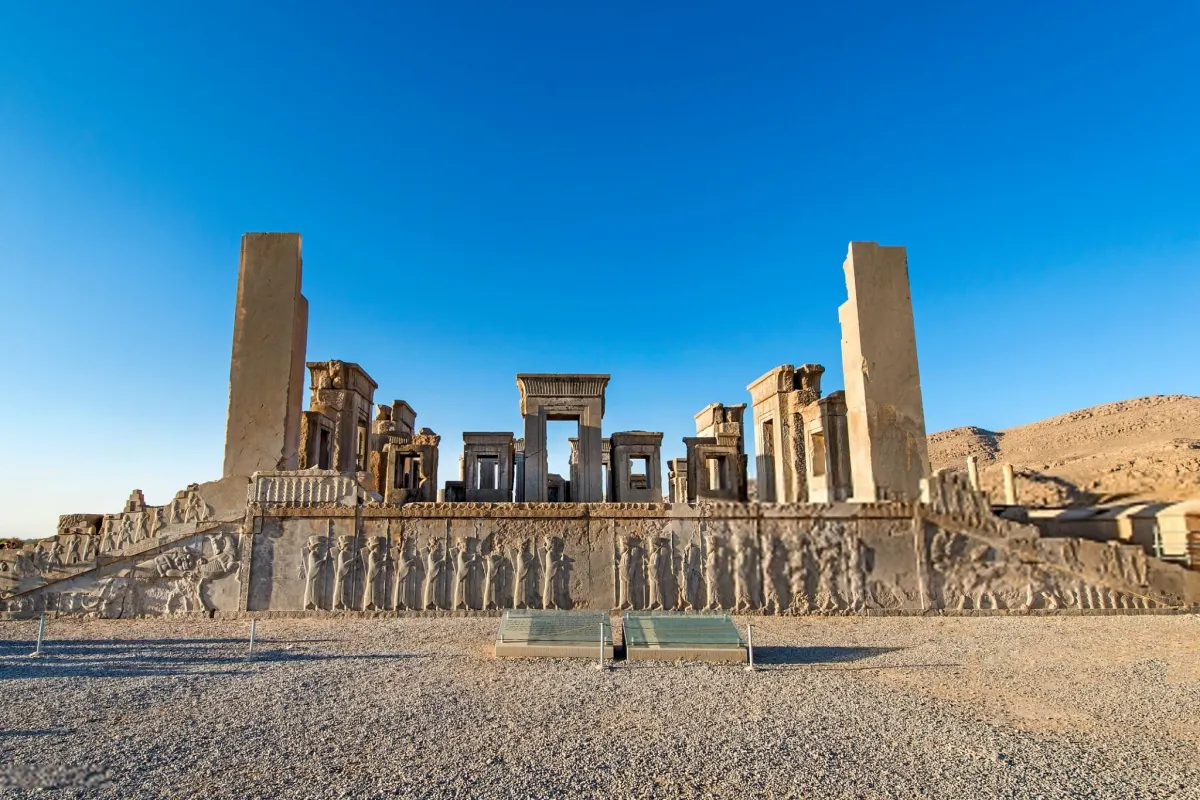
Iran has 30 UNESCO World Heritage Sites, placing it tenth among the countries shown in this list.
Iran's heritage covers an extraordinary range of history, from ancient civilizations to the Islamic period. Sites such as Persepolis, Pasargadae, Naqsh-e Jahan Square, the historic city of Yazd, Susa, the Shushtar Historical Hydraulic System, the Historic Bazaar of Tabriz, the Persian Garden, and the Persian Qanat are part of this remarkable collection.
Iran's UNESCO sites are particularly valuable for showing how different civilizations, architectural traditions, engineering techniques, and cultural practices developed across the Iranian plateau over thousands of years.
Why Is This List So Interesting?
Looking at the countries with the most UNESCO World Heritage Sites reveals something fascinating: there isn't just one type of heritage that makes a country stand out.
Italy and China lead the list, but the other countries represent very different civilizations and historical experiences. Ancient traditions in Iran, India, and China sit alongside the Roman and Renaissance heritage of Italy, the royal and medieval history of France and Spain, and the architectural and industrial heritage of Germany and the United Kingdom.
And that's perhaps the most interesting thing about the UNESCO list. It isn't simply a ranking of the countries with the most famous monuments. It is a record of places that help tell the much larger story of human civilization, culture, architecture, nature, and history.
UNESCO World Heritage numbers can change as new sites are added during future World Heritage Committee sessions, so the figures above should be understood as the 2026 figures.