
The Twenty-Four Crates That Ate a Continent
On a sweltering Tuesday morning in October 1859, a wealthy British settler named Thomas Austin stood on the grassy lawn of his Barwon Park estate near Winchelsea, Australia, watching a farmhand open a wooden shipping crate fresh off the clipper ship Lightning. Inside were twenty-four wild European grey rabbits, twitching their noses in the hot Victorian sun.
Austin was an avid country hunter who missed the shooting weekends of his youth in Somerset. He turned to his estate overseer with a sporting shotgun over his arm and remarked: "The introduction of a few rabbits could do little harm and might provide a touch of home, in addition to a spot of hunting."
That casual afternoon sporting decision triggered the fastest and most catastrophic biological invasion by any mammal in recorded human history.
How a Single 1956 Truck Driver's Metal Box Accidentally Standardized Global Trade
The Grey Wave Across the Outback
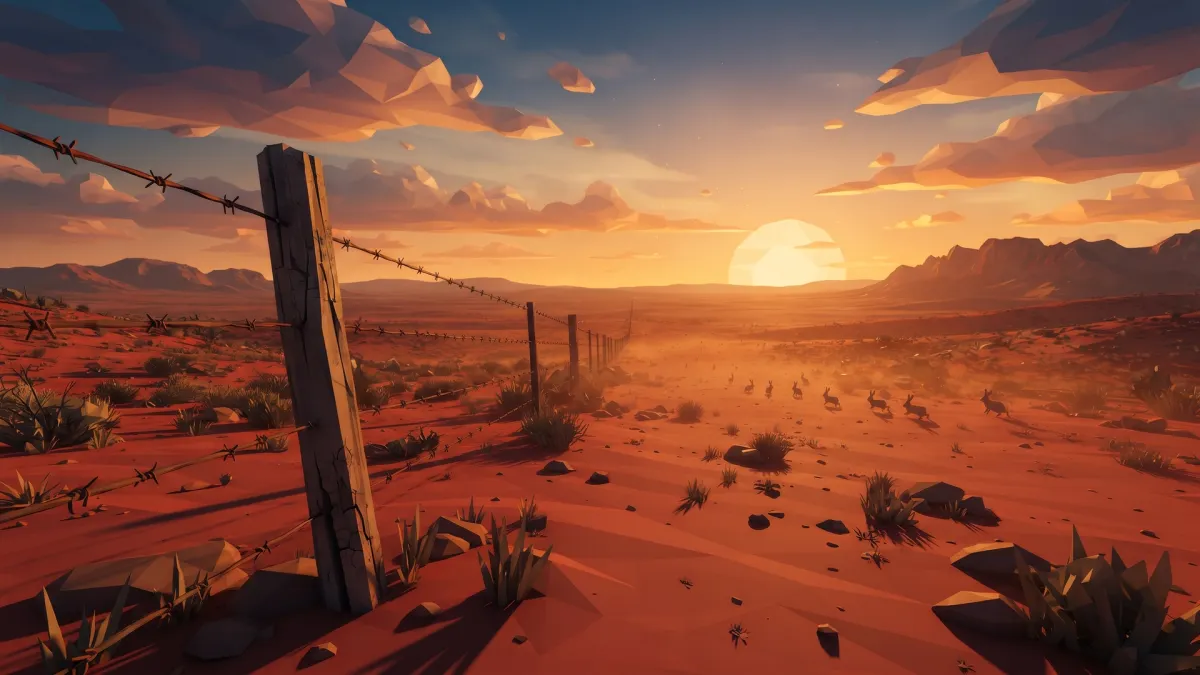
Within ten years of Austin opening that wooden crate, the descendants of those twenty-four rabbits had overrun the entire colony of Victoria. By 1890, an estimated twenty million wild rabbits were hopping across the Australian continent. By the 1920s, the population exploded beyond two hundred million. They moved north and west like a living grey carpet, advancing across the outback at a rate of seventy miles every single year.
Australia was an evolutionary paradise for rabbits. On the British chalk hills where Austin grew up, rabbits were kept in check by foxes, weasels, stoats, eagles, and harsh freezing winters that wiped out half of every autumn litter.
In Australia, the rabbits landed in a warm grassland Eden with fertile red soil, mild winters, and virtually zero natural predators. Dingoes and wedge-tailed eagles killed a few, but they couldn't begin to slow down an animal where a single breeding doe produces up to forty offspring every single season.
| Era / Decade | Estimated Rabbit Population | Geographic Invasion Zone | Primary Management Strategy |
|---|---|---|---|
| 1859 (Release) | Exactly 24 European hares | Winchelsea, Victoria estate | Protected for private sport shooting |
| 1880s – 1890s | Over 20 million rabbits | Victoria, New South Wales, SA | Commercial bounties and spring traps |
| 1901 – 1907 | Over 100 million rabbits | Reaching Western Australian border | 1,139-mile No. 1 Rabbit-Proof Fence |
| 1950s (Biological) | Peak 600 million rabbits | Continent-wide pastoral destruction | Myxoma mosquito-borne virus release |
The Destruction of the Soil and Native Wildlife
The environmental damage was immediate and devastating. Rabbits didn't just nibble grass blades; they used their sharp chisel teeth to strip the bark and cambium layer from native acacia shrubs and young eucalyptus saplings.
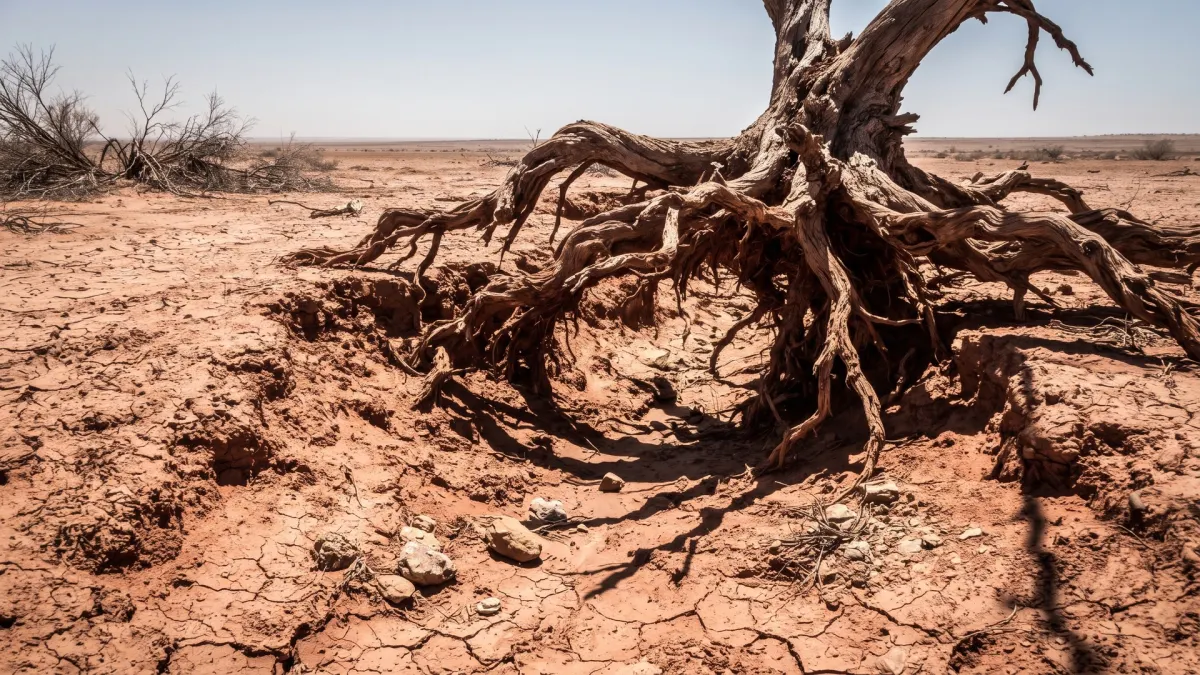
During dry outback summers, starving rabbits dug down eighteen inches into the red earth to gnaw the underground root crowns of desert plants. Once the vegetation was obliterated, torrential rainstorms washed millions of tons of topsoil into the river systems. Fertile pastureland turned into barren dust bowls, driving dozens of native marsupial species—including the bilby and the burrowing bettong—to the brink of extinction.
By 1901, the government of Western Australia was so desperate to stop the invasion from destroying pastoral agriculture that they launched the construction of the world's longest continuous fence.
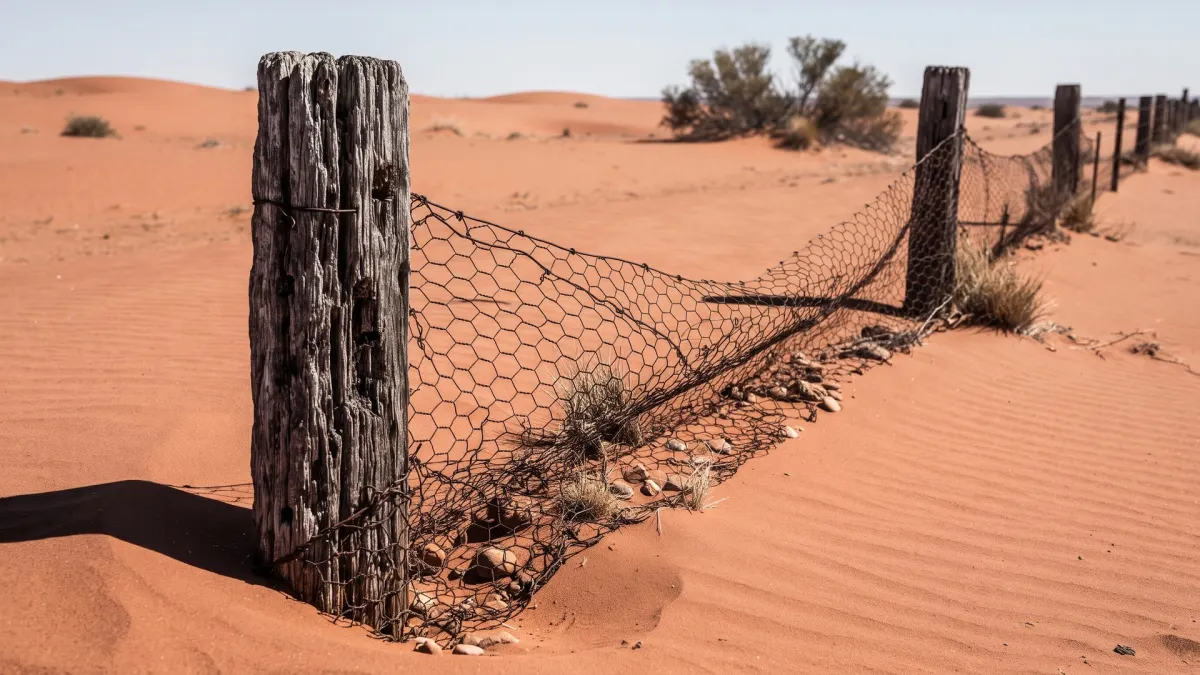
Over five grueling years, teams of boundary riders on camels drove wooden posts and wire netting through thirteen hundred miles of desert scrub from the southern Southern Ocean all the way to the Indian Ocean in the northwest. It remains the longest unbroken barrier fence ever built on earth, yet hungry rabbits burrowed underneath the wire netting before construction crews even completed the northern boundary.
"A wealthy gentleman wanted to shoot game on a Sunday afternoon, and he permanently altered the ecology of an entire continent. It stands as the most expensive twenty-four animals ever shipped across an ocean."
Bounties, Pasteur, and the Myxoma Virus
Station owners tried everything to fight back. They hired commercial rabbit trappers who laid steel spring traps by the thousands. They mixed strychnine into bags of oats and dried apples. They pumped toxic chloropicrin gas down warren holes and set off sticks of dynamite to collapse the tunnels. None of it made a dent. For every ten thousand rabbits killed in a river valley, thirty thousand more hopped in from the scrub the following spring.
By 1910, the pastoral boards in New South Wales offered a staggering twenty-five thousand pound bounty—worth millions in modern currency—to anyone who could invent a successful biological extermination method. World-renowned microbiologist Louis Pasteur even sent his assistants from Paris to Sydney with vials of chicken cholera bacteria, but field trials failed because the disease couldn't spread effectively in the dry desert heat.
By the late 1940s, conventional hunting, poison baits, and dynamite had failed completely. Pastoral scientists in Melbourne turned to biological warfare. In 1950, researchers released the Myxoma virus, a South American mosquito-borne pathogen that targets European rabbits. In the first twelve months, the virus wiped out ninety-nine percent of the rabbit population across southern Australia, saving the country's wool industry billions of dollars. But within twenty years, natural selection took over: surviving rabbits developed genetic resistance, and the viral mortality rate dropped below fifty percent.
I spent a week driving through the Flinders Ranges in South Australia three years ago with a pastoral station manager named Graham whose family has grazed sheep on red sand plains since the 1880s. We stopped his Land Cruiser along an old rust-eaten section of the No. 1 Rabbit-Proof Fence where red sand dunes had drifted halfway up the wire mesh.
Graham picked up a sun-bleached rabbit skull from the gravel beside our tires. "Look at the paddocks on the other side of this wire," he pointed out. "A century ago, that valley was covered in waist-high native Mitchell grass. Today, it's bare claypan and scattered rocks. The sheep didn't kill that pasture. The rabbits ate the seed banks right out of the soil until nothing green could ever grow back."
The next time you see a cute grey rabbit hopping across a green meadow, remember what happened in the Victorian outback. You are looking at one of the most prolific and unstoppable survival engines nature ever built, capable of bringing an entire continent's agricultural economy to its knees.