

 17 November 2026
Some words remain meaningful long after their authors are gone. From influential leaders and pioneering writers to celebrated poets, these 15 timeless quotes offer wisdom, inspiration, and fresh perspectives on life.
Check out these 15 Words of Wisdom from the Most Influential Figures in History!
Detailed Reviews
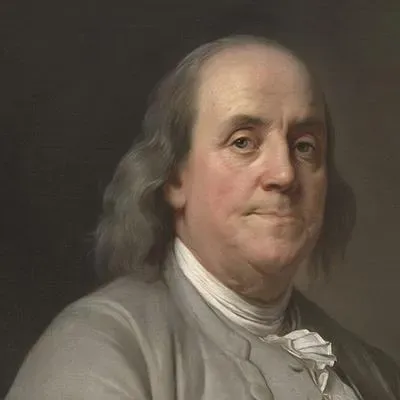
Benjamin Franklin
Quote: “Well done is better than well said.”
Franklin reminds us that meaningful results come from action rather than words alone.
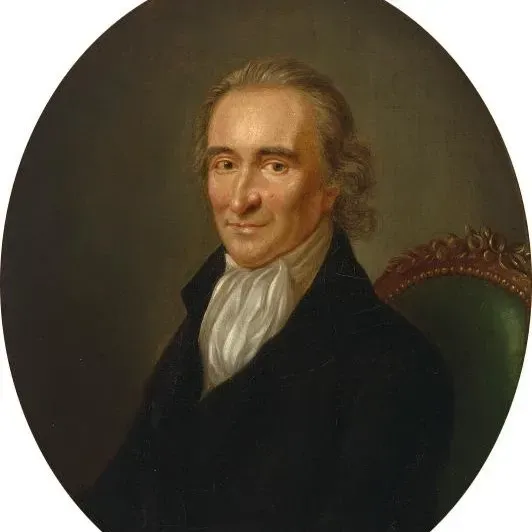
Thomas Paine
Quote: “These are the times that try men's souls.”
Paine's famous opening line reflects the determination required during challenging times.
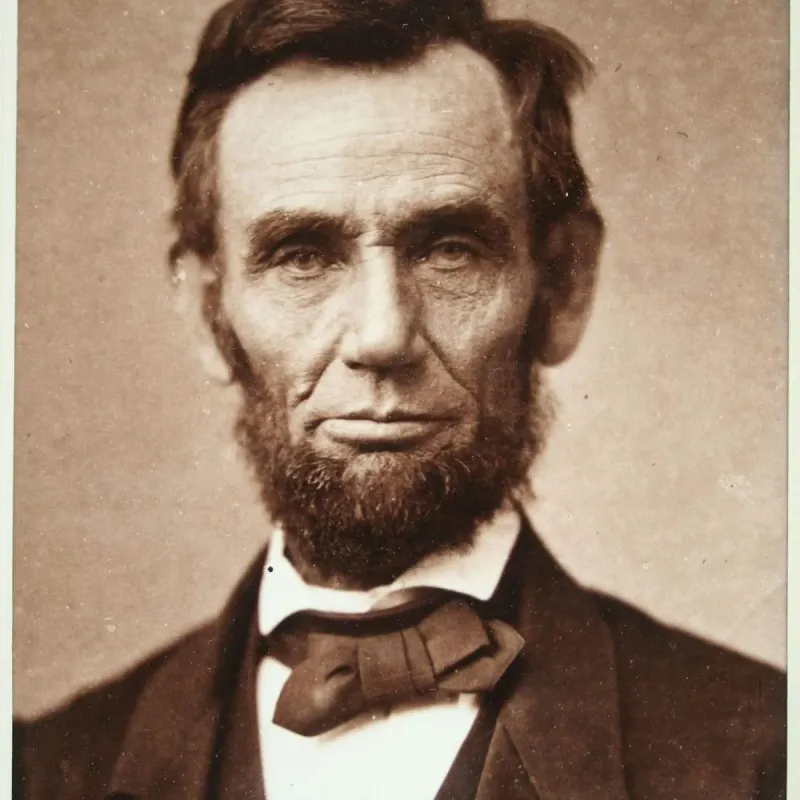
Abraham Lincoln
Quote: “Government of the people, by the people, for the people.”
Lincoln's memorable words express the idea that government should serve the people.
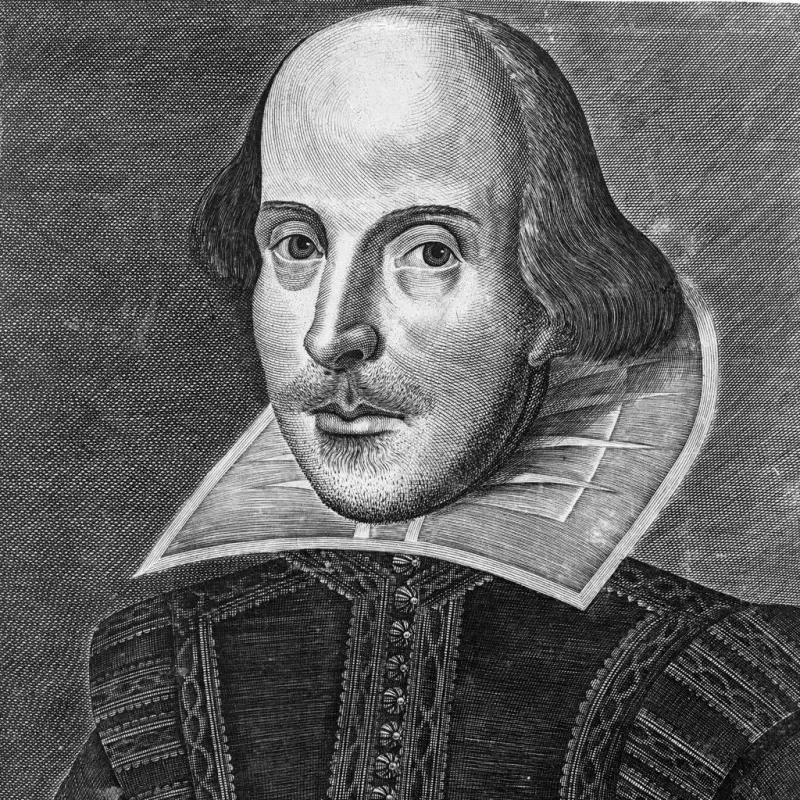
William Shakespeare
Quote: “This above all: to thine own self be true.”
Shakespeare's famous line encourages personal integrity and staying true to one's values.
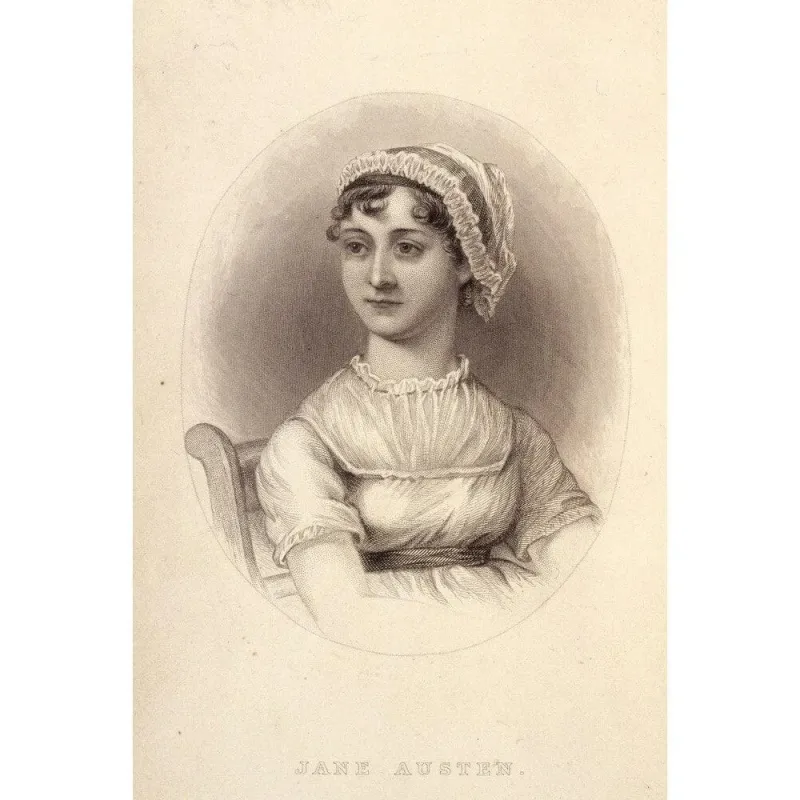
Jane Austen
Quote: “There is no charm equal to tenderness of heart.”
Austen highlights the importance of warmth and compassion in human relationships.
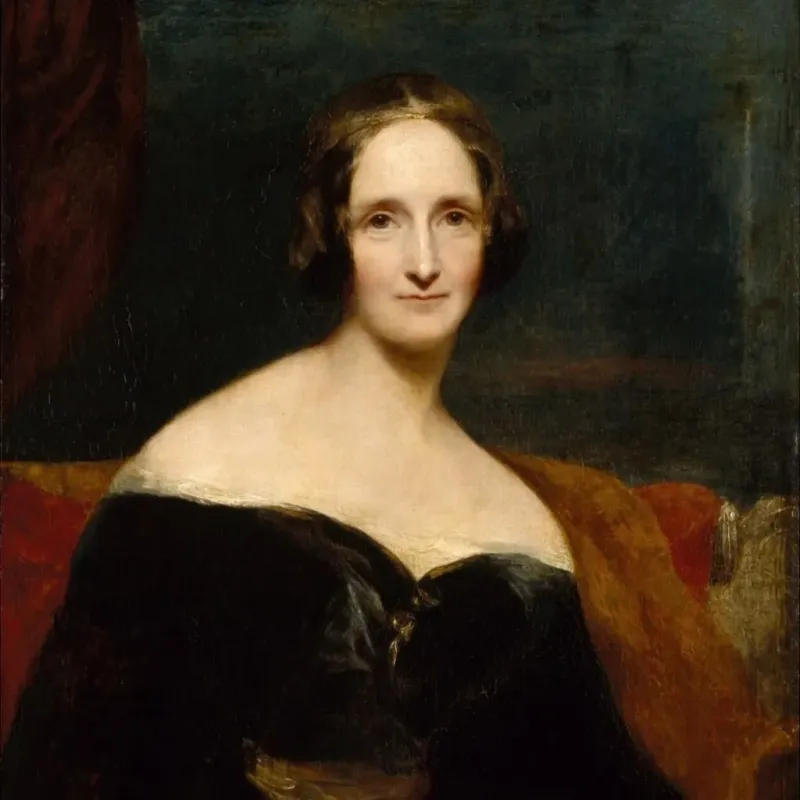
Mary Shelley
Quote: “Beware, for I am fearless and therefore powerful.”
In Shelley's novel, this line expresses the determination of a character who refuses to be intimidated.
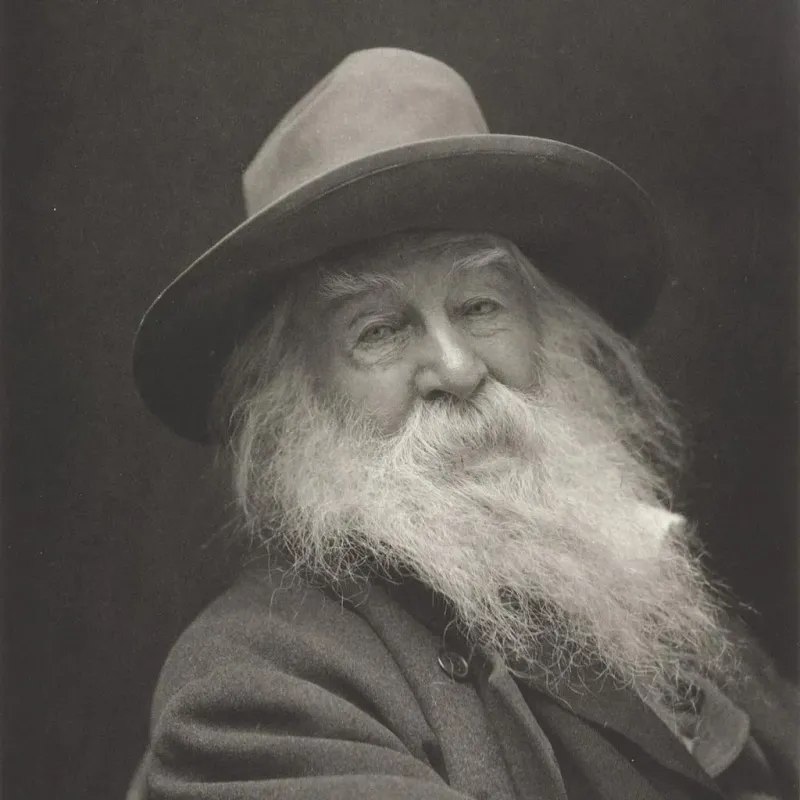
Walt Whitman
Quote: “I am large, I contain multitudes.”
Whitman celebrates the many thoughts, experiences, and qualities that make each person unique.
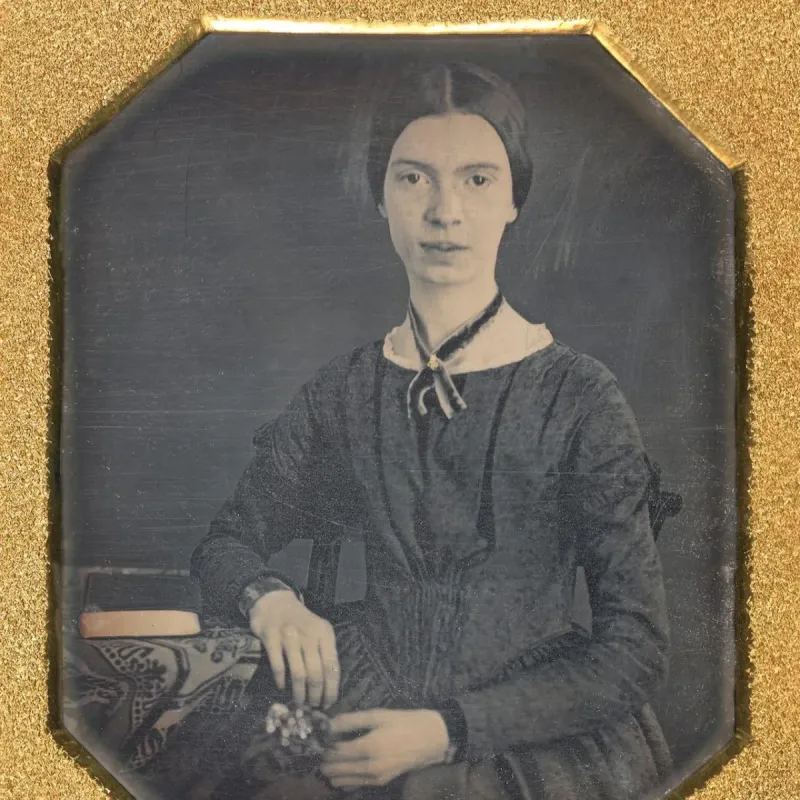
Emily Dickinson
Quote: “Hope is the thing with feathers.”
Dickinson compares hope to a small bird that continues singing even during storms.
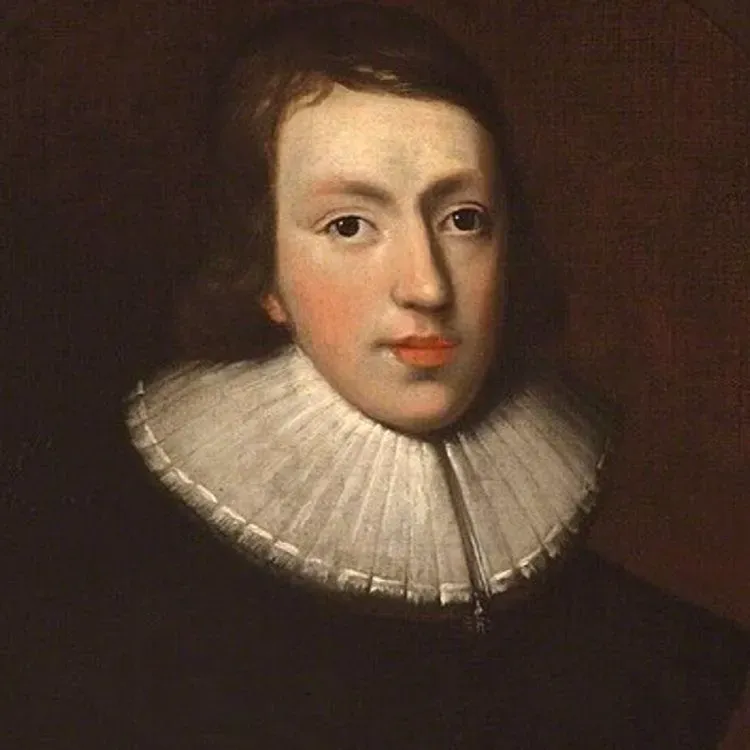
John Milton
Quote: “The mind is its own place.”
Milton explores how the human mind can influence the way people interpret their circumstances.
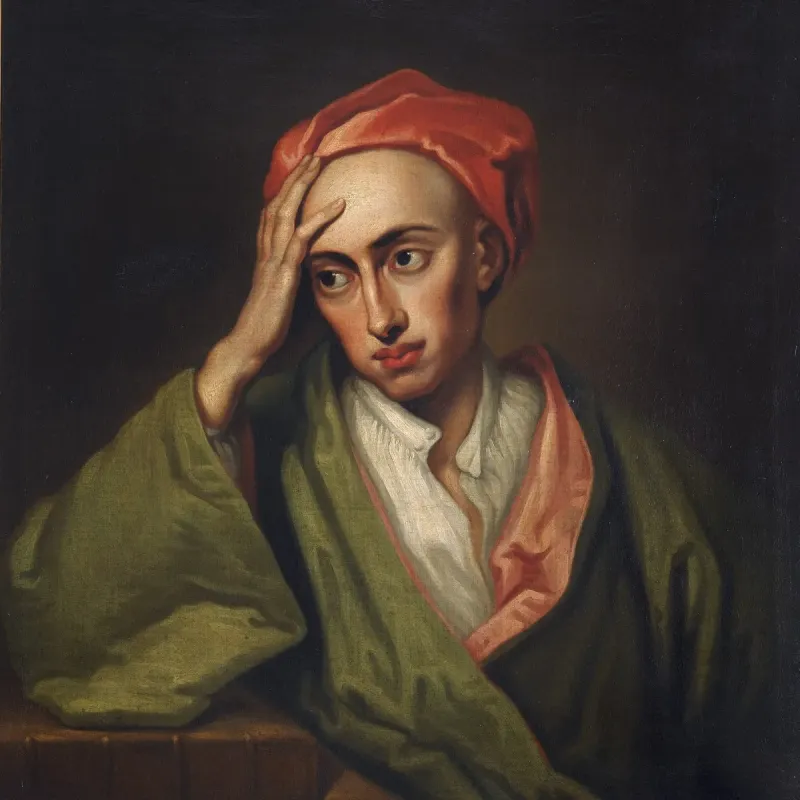
Alexander Pope
Quote: “To err is human, to forgive, divine.”
Pope's famous line recognizes that mistakes are part of human life and forgiveness is a valuable virtue.
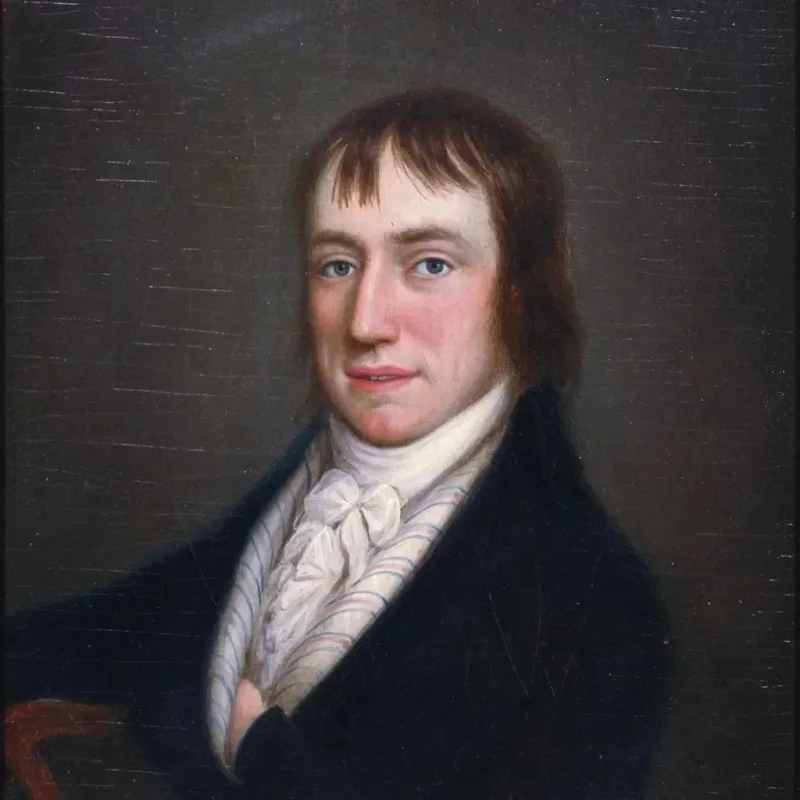
William Wordsworth
Quote: “The Child is father of the Man.”
Wordsworth reflects on the lasting influence of childhood on adult identity and character.
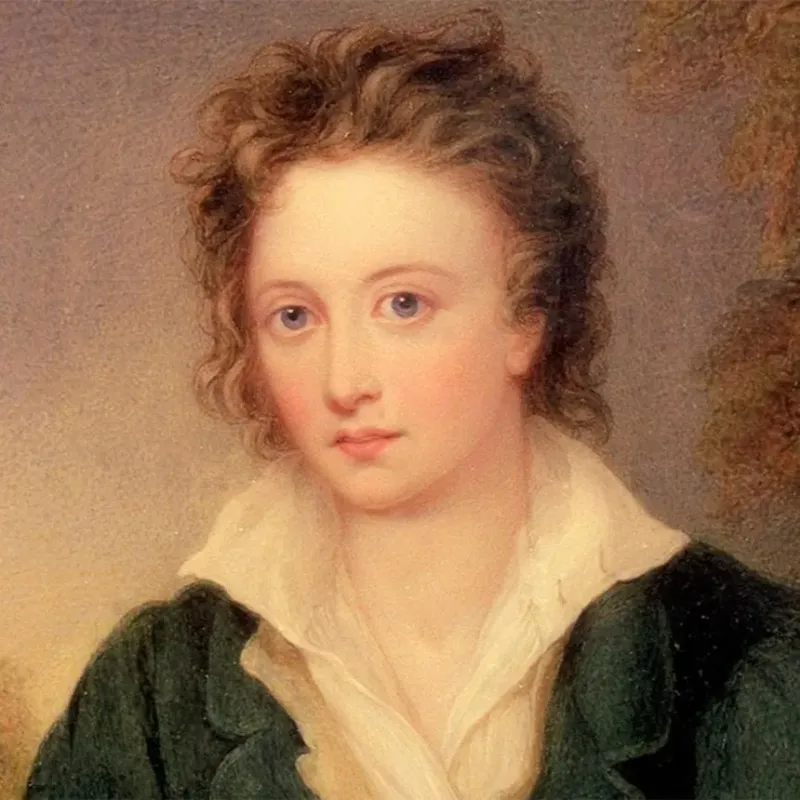
Percy Bysshe Shelley
Quote: “If Winter comes, can Spring be far behind?”
Shelley uses the changing seasons as a symbol of renewal and the possibility of better days.
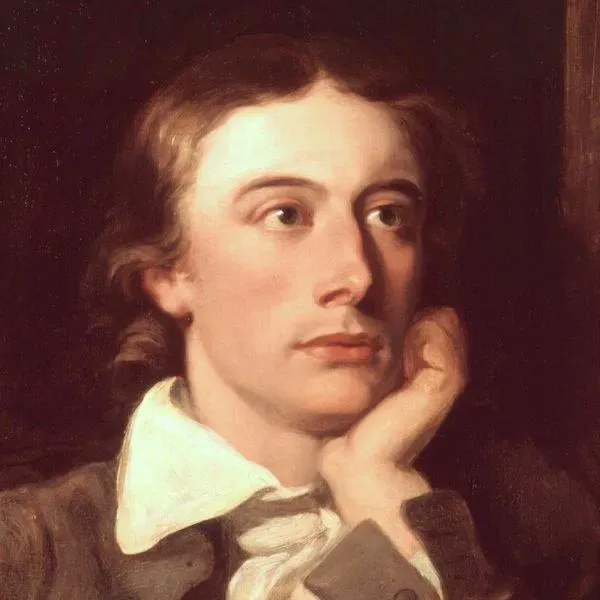
John Keats
Quote: “A thing of beauty is a joy for ever.”
Keats celebrates the lasting emotional value of beauty and meaningful experiences.
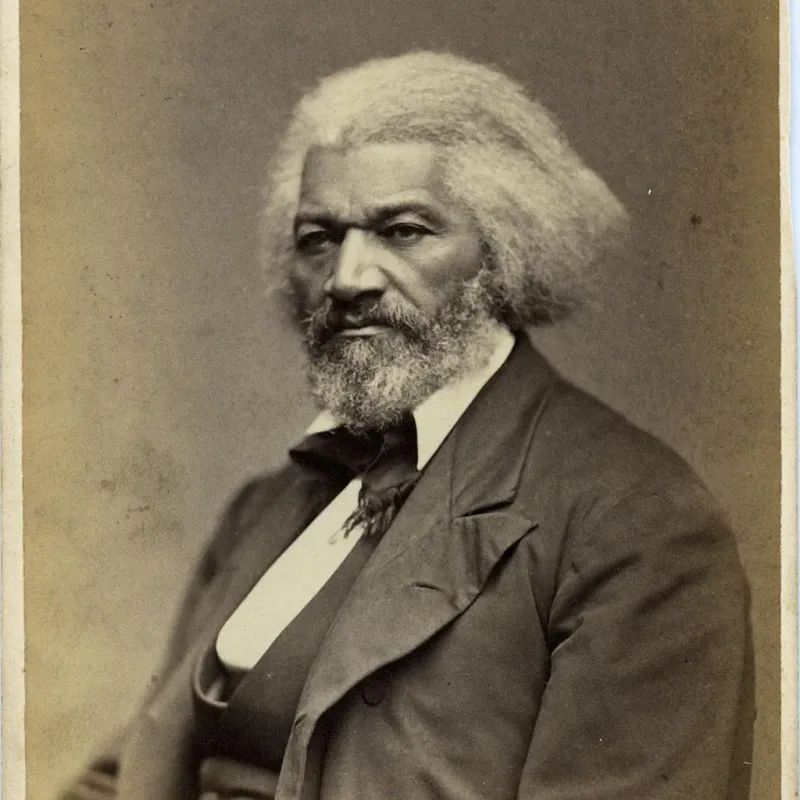
Frederick Douglass
Quote: “If there is no struggle, there is no progress.”
Douglass argued that meaningful social progress requires persistent effort and a willingness to challenge injustice.
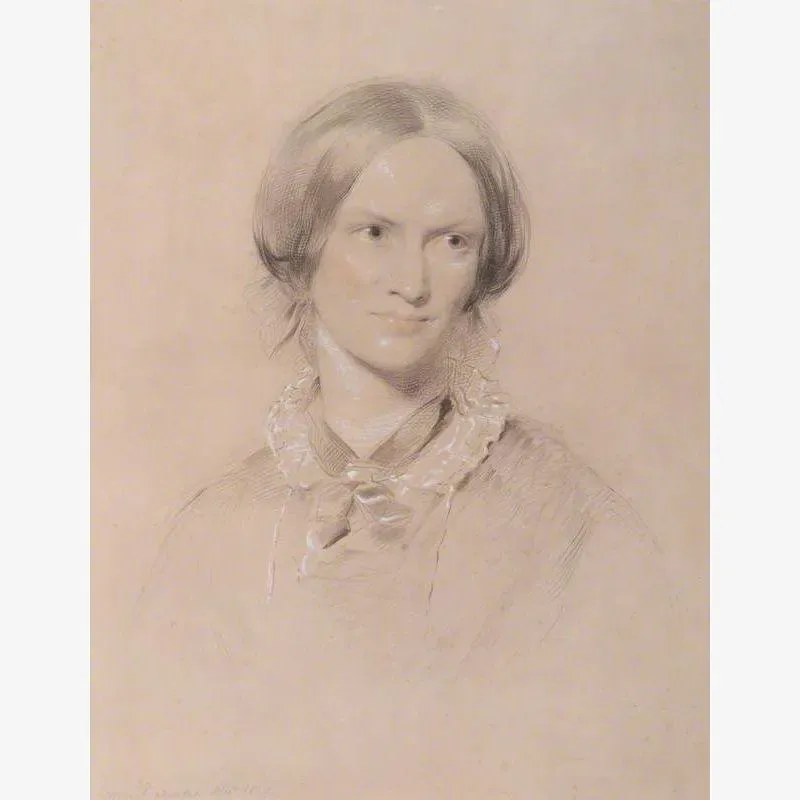
Charlotte Brontë
Quote: “I am no bird; and no net ensnares me; I am a free human being with an independent will.”
Brontë gives her protagonist a powerful statement about independence, dignity, and personal choice.