


Most people think outdoor pollution is the biggest threat to the air they breathe. Surprisingly, the air inside homes can often contain dust, allergens, pet dander, smoke particles, and other contaminants that affect daily comfort and well-being.
Why Air Purifiers Are Becoming Essential in Modern Homes
As people spend more time indoors than ever before, interest in air purifiers has grown rapidly. These devices are designed to improve indoor air quality by capturing airborne particles and reducing pollutants that circulate through homes and apartments.
But do air purifiers really work, and are they worth the investment?Here's what you need to know.
The Growing Concern About Indoor Air Quality
Indoor air quality has become a major topic worldwide. Modern homes are often built to be more energy-efficient, which means less natural ventilation and fewer opportunities for pollutants to escape.
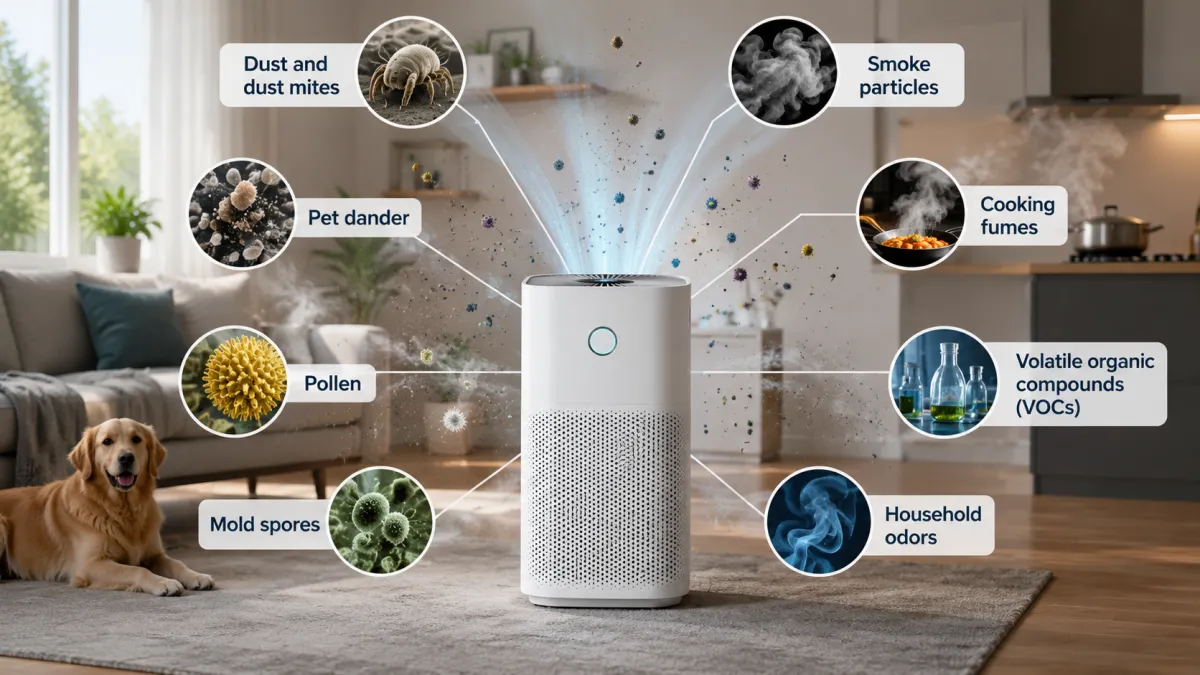
Common indoor air pollutants include:
- Dust and dust mites
- Pet dander
- Pollen
- Mold spores
- Smoke particles
- Cooking fumes
- Volatile organic compounds (VOCs)
- Household odors
Over time, these pollutants can accumulate and make indoor environments less comfortable.
Read More

How Does an Air Purifier Work?
An air purifier pulls air into the device and passes it through one or more filtration stages before releasing cleaner air back into the room.
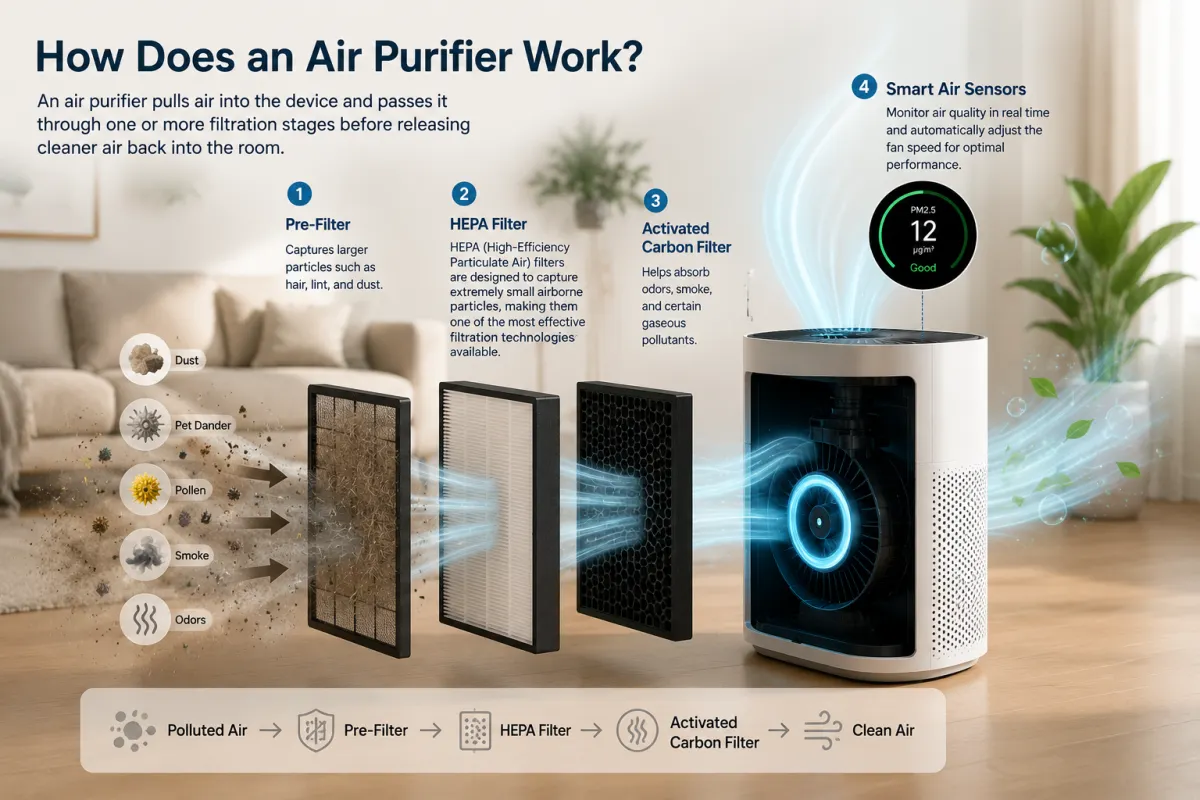
A typical air purifier may include:
Pre-Filter
Captures larger particles such as hair, lint, and dust.
HEPA Filter
HEPA (High-Efficiency Particulate Air) filters are designed to capture extremely small airborne particles, making them one of the most effective filtration technologies available.
Activated Carbon Filter
Helps absorb odors, smoke, and certain gaseous pollutants.
Smart Air Sensors
Many modern air purifiers automatically monitor air quality and adjust fan speed when pollution levels rise.
7 Hidden Benefits of Using an Air Purifier
1. Reduces Everyday Dust
Dust settles on furniture, electronics, and floors. Air purifiers help remove airborne dust before it accumulates throughout the home.
2. Helps Allergy Sufferers
Pollen, pet dander, and other allergens can trigger symptoms year-round. Cleaner indoor air may help create a more comfortable living environment.
3. Removes Smoke Particles
Whether from wildfires, cooking, or tobacco smoke, fine particles can remain suspended in the air for hours. Air purifiers help reduce their concentration indoors.
4. Improves Air Quality in Pet-Friendly Homes
Pet owners often deal with fur, dander, and odors. Air purifiers can help reduce these airborne particles.
5. Creates a Fresher-Smelling Home
Models with activated carbon filters can help reduce common household odors from cooking, pets, and everyday activities.
6. Supports Cleaner Air During Pollution Events
When outdoor pollution levels rise, keeping indoor air cleaner becomes even more important.
7. Enhances Overall Comfort
Many users report that cleaner indoor air simply makes rooms feel fresher and more pleasant.
Who Benefits Most from an Air Purifier?
Air purifiers can be particularly useful for:
- Families with children
- Pet owners
- People living in high-pollution cities
- Individuals sensitive to dust and pollen
- Apartment residents
- Home office workers
- Anyone seeking better indoor air quality
Are Air Purifiers Worth It in 2026?
The answer depends on your living environment.
If your home regularly experiences dust buildup, odors, pet dander, seasonal allergens, or poor outdoor air quality, an air purifier can provide noticeable benefits.
While no air purifier can eliminate every indoor pollutant, many homeowners find that cleaner indoor air contributes to a healthier and more comfortable living space.
How to Choose the Right Air Purifier
Before purchasing an air purifier, consider:
Room Size
Choose a model rated for the size of your room.
HEPA Filtration
Look for True HEPA filtration for effective particle capture.
CADR Rating
A higher Clean Air Delivery Rate (CADR) generally indicates faster air cleaning performance.
Noise Level
If you plan to use the purifier in a bedroom, quiet operation is important.
Filter Replacement Costs
Consider long-term maintenance expenses when comparing models.
The Future of Smart Air Purification
The newest generation of air purifiers includes:
- Real-time air quality monitoring
- Smartphone app controls
- Voice assistant integration
- Automatic operation modes
- Energy-efficient performance
As smart home technology continues to evolve, air purification systems are becoming more intelligent and easier to manage.
Do air purifiers really work?
Yes. Air purifiers can help reduce airborne particles such as dust, pollen, pet dander, and smoke when used correctly.
What is the main purpose of an air purifier?
The primary purpose is to improve indoor air quality by filtering airborne pollutants.
Are HEPA air purifiers better?
HEPA-equipped air purifiers are generally considered among the most effective options for capturing fine airborne particles.
Can air purifiers remove odors?
Many models use activated carbon filters that help reduce household odors and smoke.
Is an air purifier worth buying?
For homes with dust, allergies, pets, smoke, or poor air quality, an air purifier can be a valuable investment.