

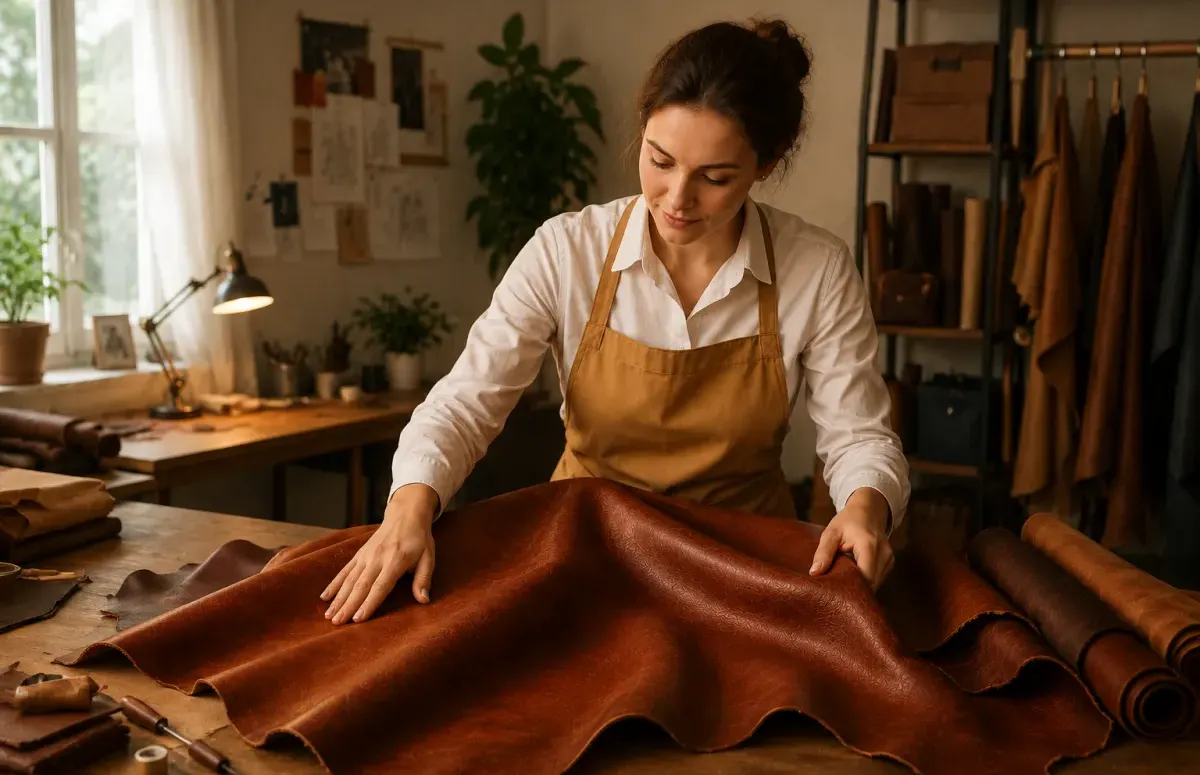
Natural leather remains one of the most durable, versatile, and valuable materials in the global manufacturing industry. From luxury handbags and premium footwear to automotive interiors and furniture, genuine leather continues to play a major role in international trade and consumer markets.
In 2025, the global leather goods market is estimated to be worth more than $531 billion and is projected to exceed $855 billion by 2032. Despite the rapid growth of synthetic alternatives, demand for high-quality natural leather remains strong across both developed and emerging economies.
But which countries dominate global leather production today?
This guide examines the world's leading leather-producing nations, comparing production scale, export performance, raw material availability, manufacturing capabilities, and product quality.
Read More

Why Leather Production Still Matters in 2025
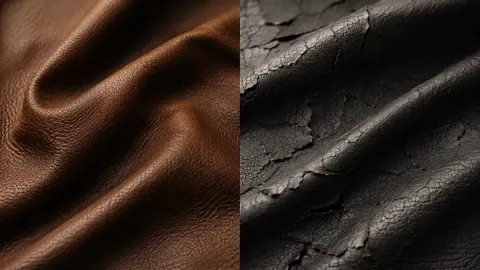
Although vegan and synthetic materials have gained popularity in recent years, natural leather continues to offer characteristics that are difficult to replicate, including durability, breathability, repairability, and long-term value.
The countries that dominate leather production influence global supply chains, fashion manufacturing, automotive industries, footwear production, and international trade flows. Understanding these industry leaders provides valuable insight into where the world's leather products originate and how the market is evolving.
What Is Natural Leather?
Natural leather, often called genuine leather, is produced from animal hides and skins, primarily cattle, buffalo, sheep, goats, and pigs.
The tanning process transforms raw hides into durable material suitable for commercial use. The most common tanning methods include:
- Vegetable tanning
- Chrome tanning
- Combination tanning
Unlike synthetic leather, genuine leather develops a natural patina over time and can remain functional for decades when properly maintained.
Global Leather Industry at a Glance (2025)
| Indicator | Value |
|---|---|
| Global leather goods market size | $531 Billion |
| Projected market size by 2032 | $855 Billion |
| CAGR (2025–2032) | 7.05% |
| Global raw hide production | ~21 Million Metric Tons |
| Share of cattle hides | ~60% |
| Asia-Pacific market share | 39.87% |
| Europe market share | 37.44% |
| Largest segment | Bags & Luggage |
| Second largest segment | Footwear |
Top 10 Natural Leather Producing Countries in the World
1. China
China remains the world's largest leather manufacturing nation by volume.
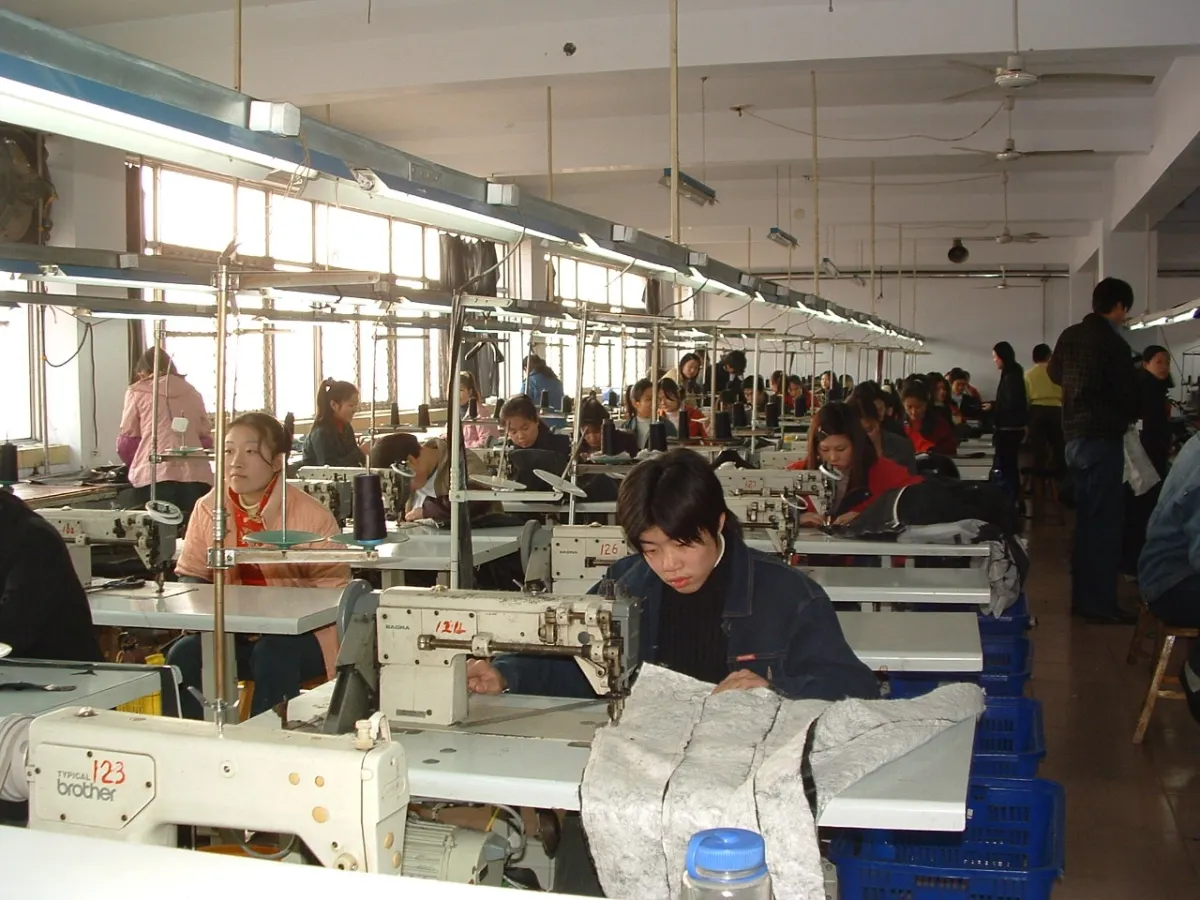
The country benefits from massive industrial capacity, integrated supply chains, and extensive export infrastructure. Chinese factories produce everything from affordable footwear to premium leather accessories for international brands.
Main Sources: Cattle, Pig, Sheep
Strengths:
- Large-scale manufacturing
- Competitive production costs
- Integrated leather supply chain
2. Brazil
Brazil is widely regarded as the world's most important supplier of raw cowhide.
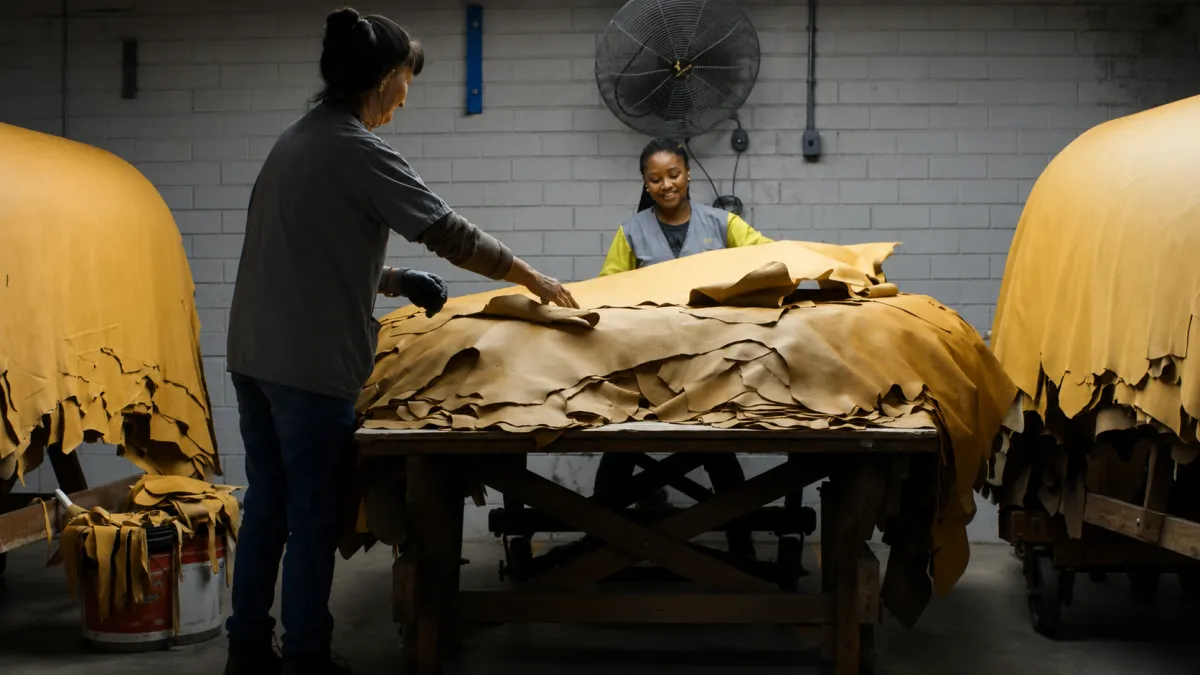
Its enormous cattle industry provides a consistent flow of high-quality hides used in footwear, furniture, and automotive manufacturing worldwide.
Main Sources: Cattle
Strengths:
- Large cattle population
- High-quality bovine hides
- Growing sustainability initiatives
3. India
India is one of the world's largest leather processors and exporters.
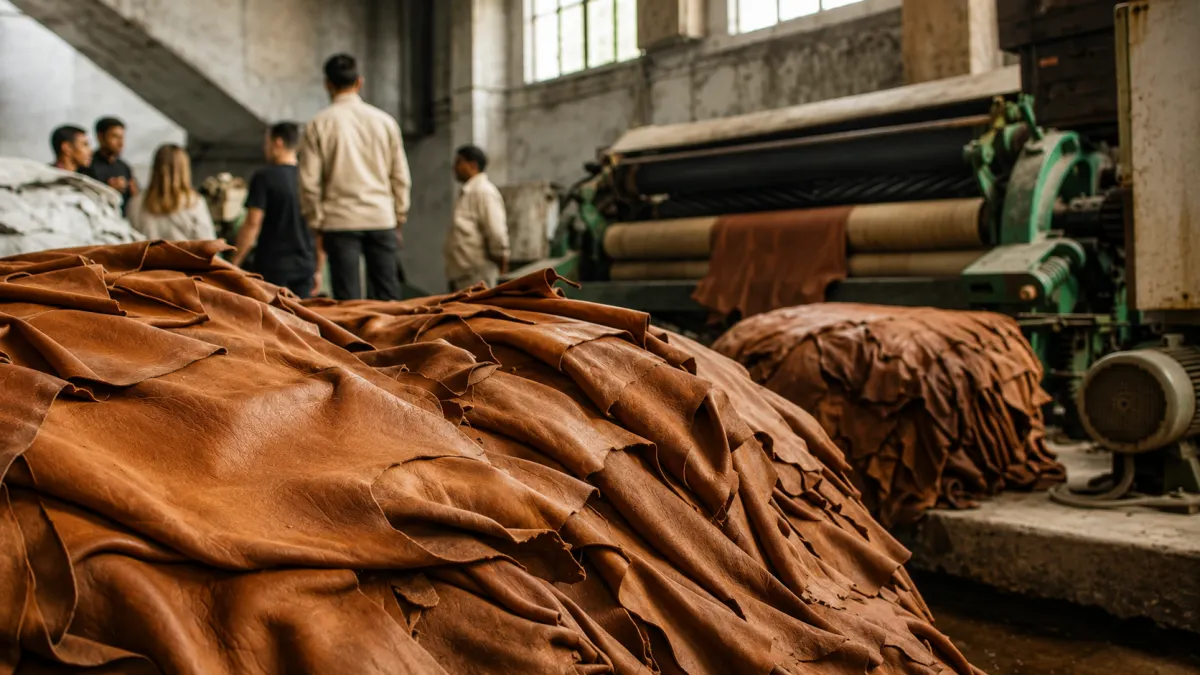
Its diverse livestock base allows manufacturers to produce leather from cattle, buffalo, sheep, and goats, making the country highly versatile across multiple product categories.
Main Sources: Cattle, Buffalo, Goat, Sheep
Strengths:
- Diverse raw materials
- Large skilled workforce
- Strong footwear exports
4. Italy
When discussing premium leather quality, Italy remains the global benchmark.
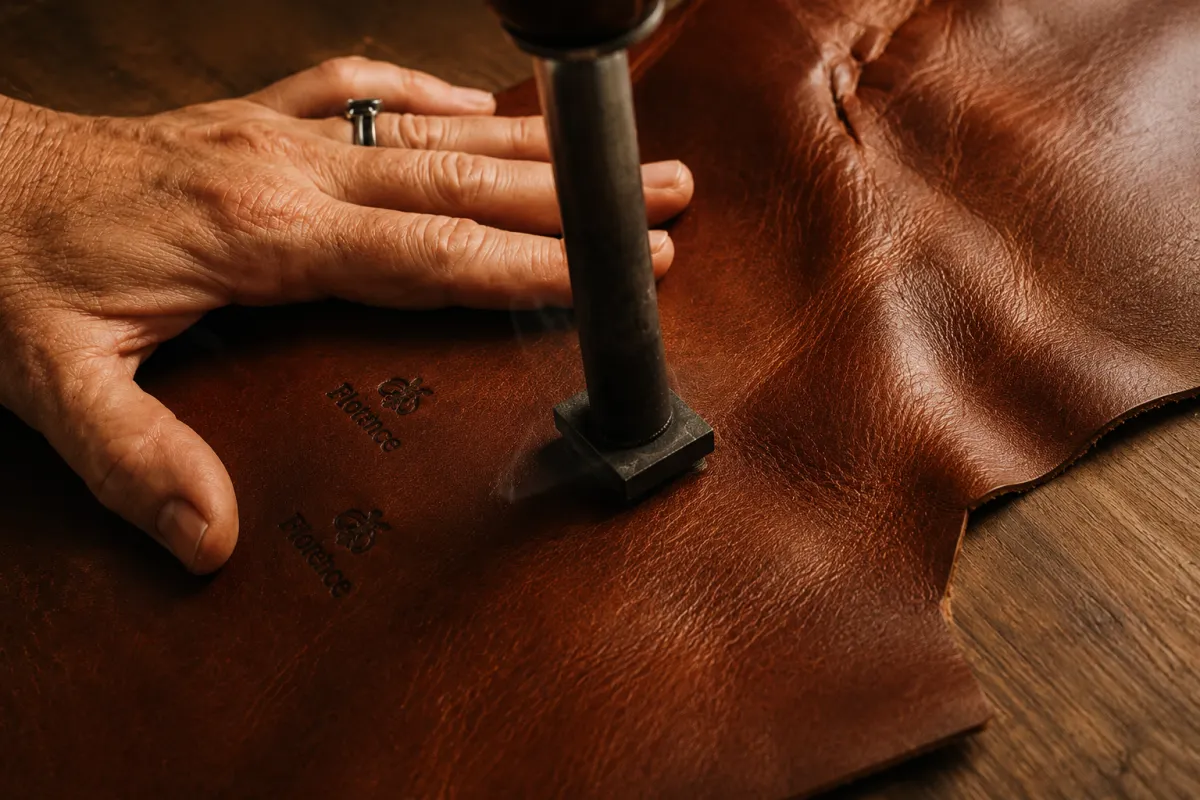
Italian tanneries, particularly those located in Tuscany and Veneto, supply luxury fashion houses known for exceptional craftsmanship and quality standards.
Main Sources: Cattle, Calf, Sheep
Strengths:
- Luxury craftsmanship
- High-end fashion integration
- Advanced tanning technologies
5. Argentina
Argentina combines abundant cattle resources with strong traceability systems that allow buyers to track leather origins more accurately.
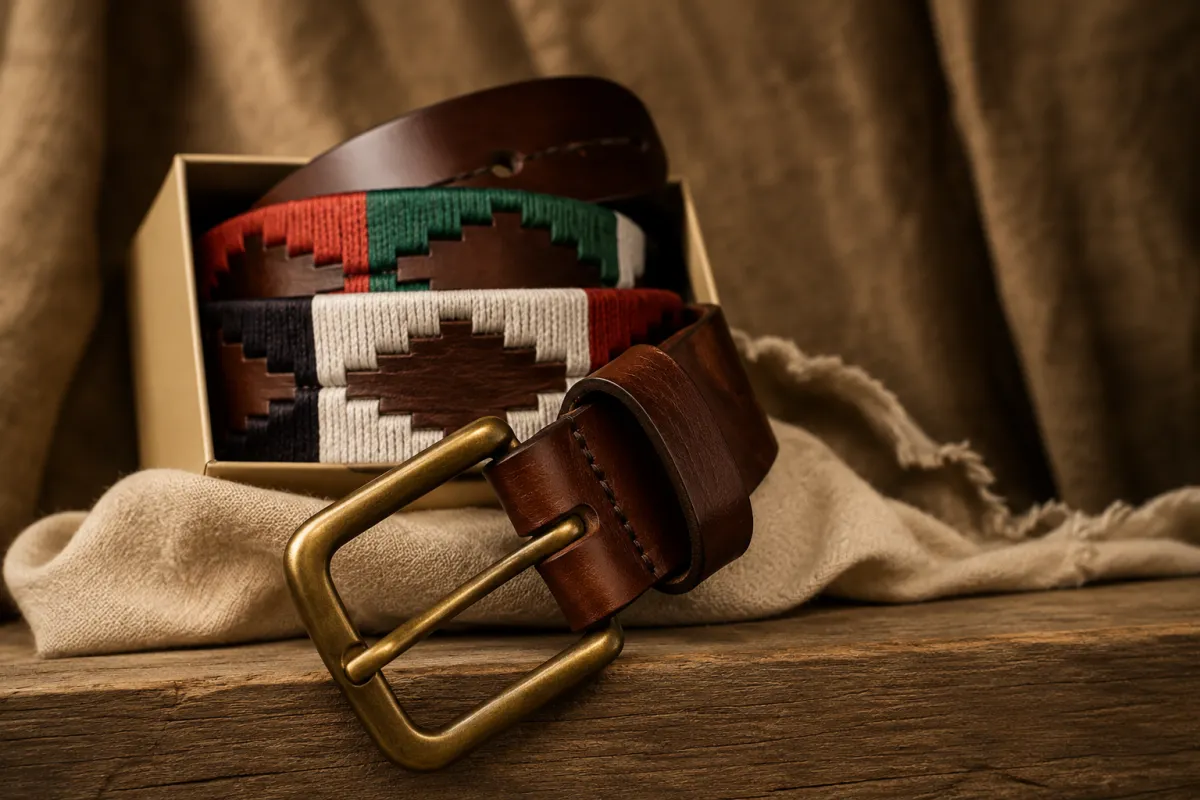
Its leather industry is increasingly focused on premium exports and sustainable production.
Main Sources: Cattle
Strengths:
- Excellent raw hide quality
- Traceability programs
- Strong export orientation
6. Russia
Russia's large livestock sector supports a substantial domestic leather industry.
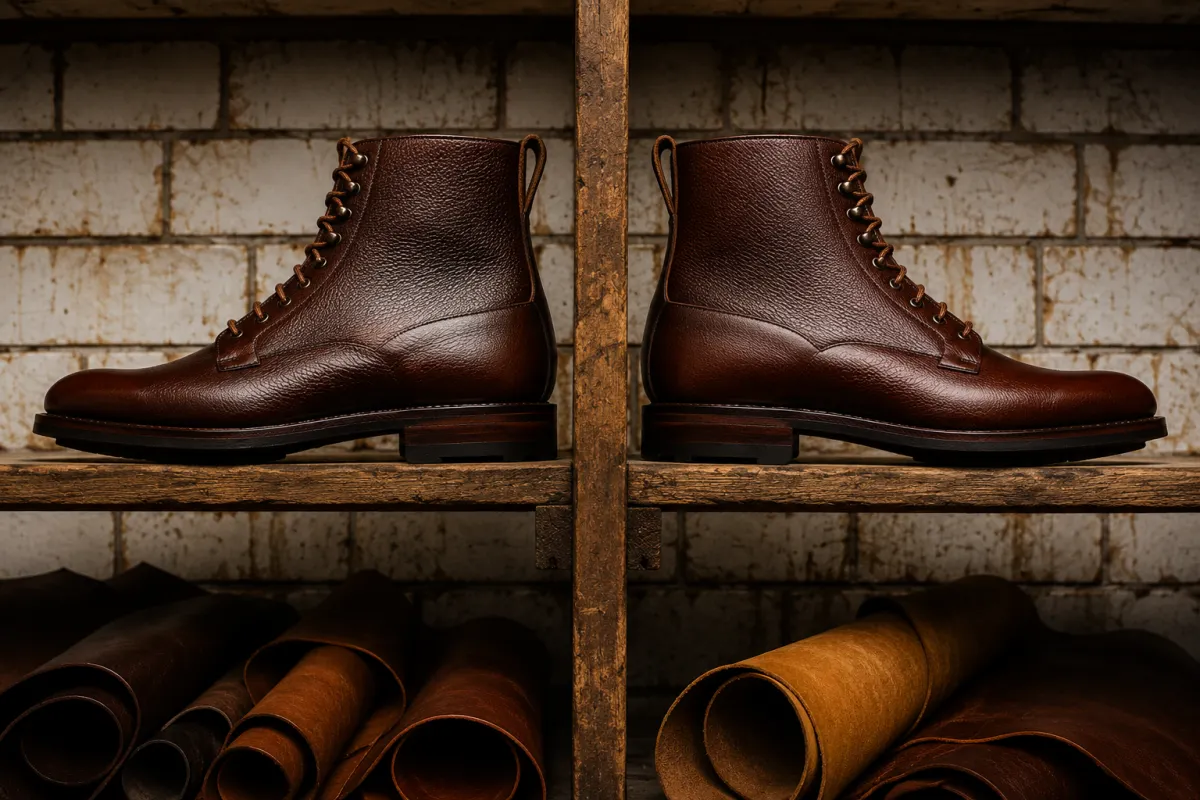
While international exports have fluctuated in recent years, the country remains a significant producer of industrial and footwear leather.
7. Pakistan
Pakistan's leather industry is a major contributor to national exports.
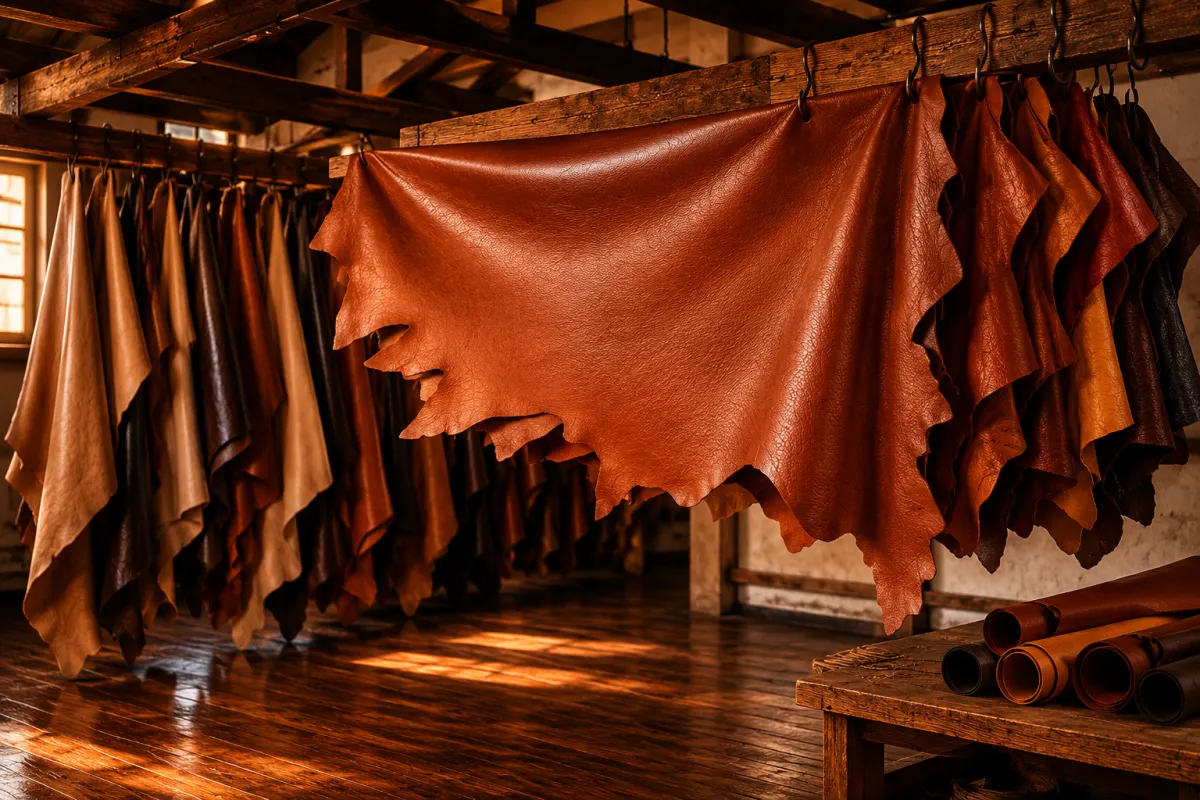
The country is particularly known for leather sports goods, gloves, garments, and football manufacturing.
Strengths:
- Skilled labor
- Strong export culture
- Diverse leather products
8. Turkey
Turkey serves as an important bridge between European and Asian markets.
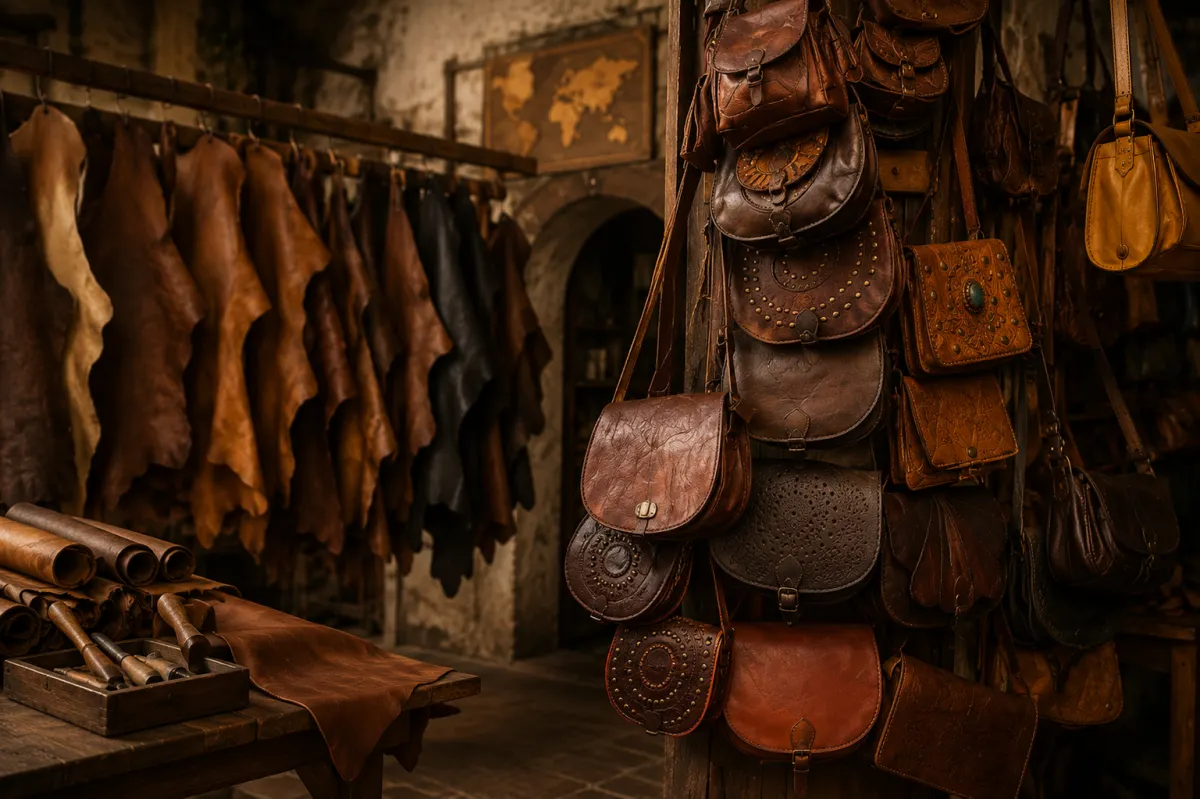
Its long leatherworking tradition and access to diverse animal sources support a broad range of products, including upholstery, footwear, and garments.
9. Vietnam
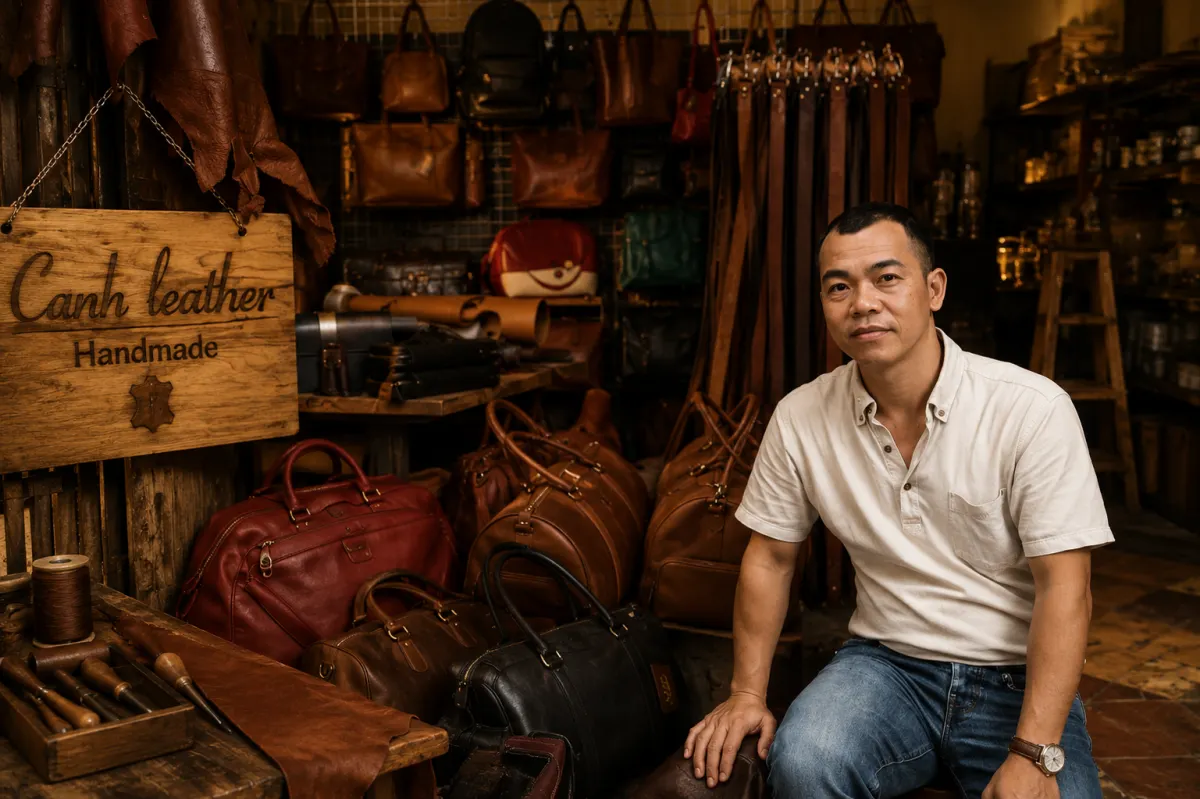
Vietnam has become a critical manufacturing hub for global footwear and accessory brands.
Although much of its raw leather is imported, the country excels in processing, finishing, and large-scale manufacturing.
10. South Korea
South Korea focuses on premium leather products driven by fashion innovation and strong domestic brands.
The country competes more on quality and design than production volume.
Comparison Table
| Rank | Country | Main Strength |
|---|---|---|
| 1 | China | Manufacturing Scale |
| 2 | Brazil | Raw Hide Supply |
| 3 | India | Processing Capacity |
| 4 | Italy | Luxury Quality |
| 5 | Argentina | Traceability |
| 6 | Russia | Livestock Resources |
| 7 | Pakistan | Product Diversity |
| 8 | Turkey | Geographic Advantage |
| 9 | Vietnam | Manufacturing Efficiency |
| 10 | South Korea | Design Innovation |
Which Country Produces the Highest Quality Leather?
Production volume and leather quality are not always the same thing.
For luxury-grade leather, Italy remains the global leader due to its centuries-old tanning traditions and close relationship with the luxury fashion industry.
For premium full-grain cowhide, Brazil and Argentina are highly respected among footwear manufacturers and automotive suppliers.
China and India dominate the market through production scale and value-added manufacturing.
Overall Quality Leaders
- Italy
- Argentina
- Brazil
- Turkey
- India
Sustainability and the Future of Natural Leather
Environmental responsibility has become one of the most important competitive factors in the leather industry.
Countries such as Italy and Brazil have invested heavily in:
- Water treatment systems
- Traceability programs
- Certified sustainable tanning facilities
- Waste reduction technologies
At the same time, manufacturers across Asia are increasingly adopting cleaner production methods to meet evolving environmental standards and consumer expectations.
In the coming decade, sustainability performance may become just as important as production volume when evaluating global leather leaders.
Industry Outlook
While China is expected to remain the largest producer by volume throughout the decade, future growth is likely to favor countries capable of combining quality, traceability, and environmental compliance.
Italy, Brazil, and India appear particularly well-positioned to benefit from growing demand for premium leather products and transparent supply chains.
As international regulations become stricter, countries investing in sustainable tanning technologies and certified production facilities will likely gain a competitive advantage.
How This Ranking Was Compiled
This ranking was created by comparing multiple industry datasets, including:
- Leather export statistics
- Raw hide production volumes
- Tanning capacity
- Leather goods manufacturing output
- Market research reports published between 2024 and 2025
Because organizations classify leather exports differently (raw hides, finished leather, footwear, or leather goods), some figures may vary slightly between sources.
The ranking emphasizes overall industry influence, production scale, export activity, manufacturing capability, and global market significance.
Which country produces the most natural leather?
China remains the largest leather-producing nation by manufacturing volume, while Brazil leads global raw cowhide supply.
Which country produces the highest-quality leather?
Italy is widely regarded as the global leader in luxury leather production due to its craftsmanship, tanning expertise, and premium fashion industry.
Is Brazilian leather better than Italian leather?
They serve different markets. Brazilian leather is known for high-quality bovine hides, while Italian leather is renowned for luxury finishing and craftsmanship.
What type of leather is considered the best?
Full-grain leather is generally considered the highest-quality natural leather because it retains the strongest and most durable part of the hide.