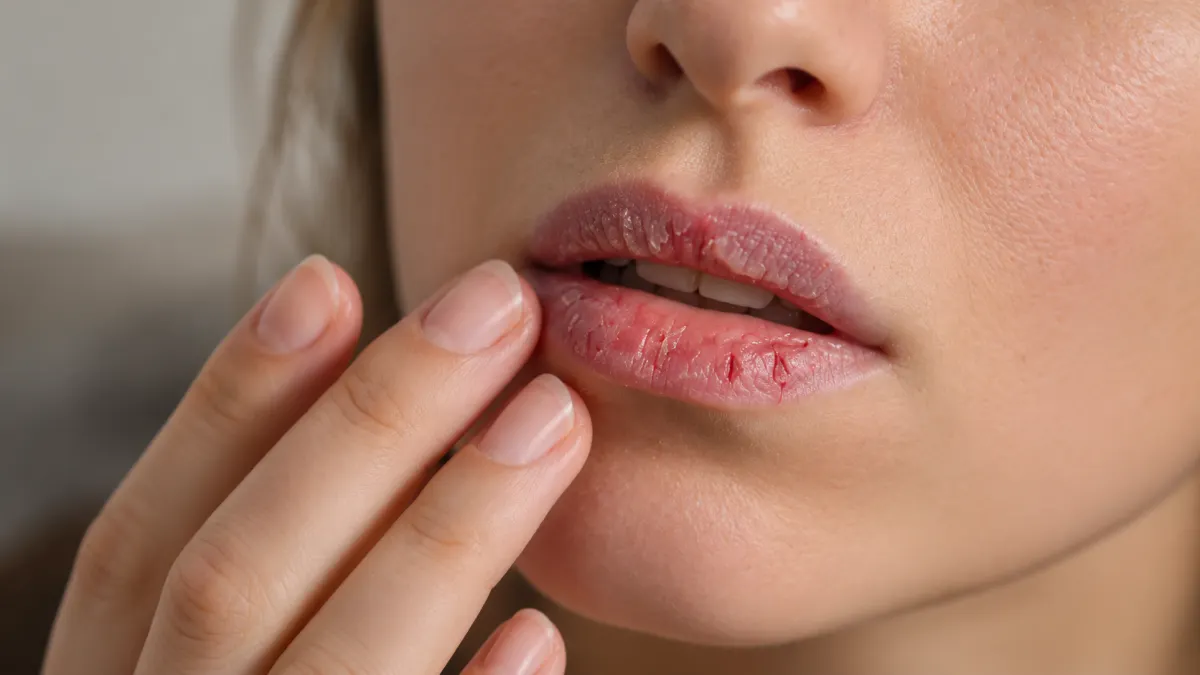

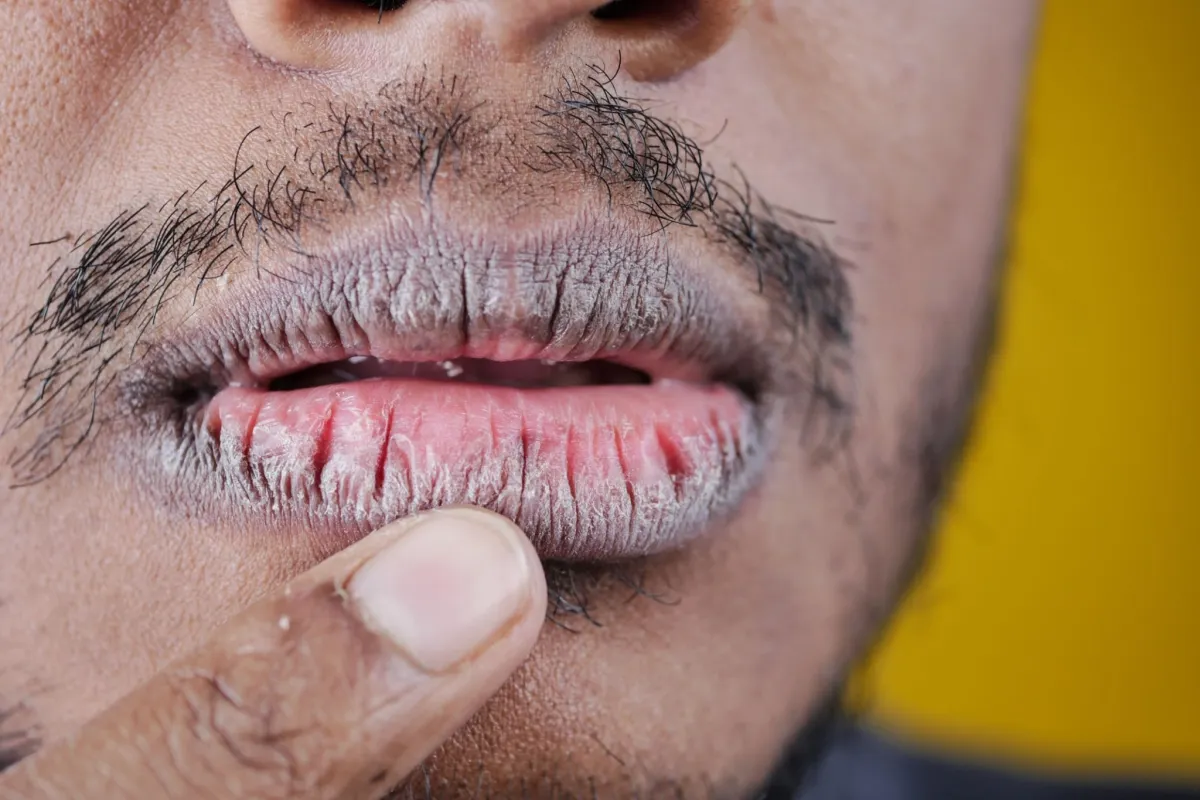
Dry lips are a common problem, especially during cold and dry weather. While dehydration is a well-known cause, many other factors can lead to dry, cracked, painful, or irritated lips.
Why Do Lips Dry Out So Easily?
The skin on the lips is thinner than most other areas of the body and has very few oil and sweat glands. This makes the lips more vulnerable to cold, wind, heat, sunlight, and moisture loss.
14 Common Causes of Dry Lips
1. Dehydration
Not drinking enough water, excessive sweating, fever, vomiting, diarrhea, or intense exercise can cause dehydration and dry lips.
2. Cold, Dry Weather and Sun Exposure
Cold air, strong wind, low humidity, heating systems, and direct sunlight can quickly remove moisture from the lips. Long-term sun exposure can also damage the lips.
3. Frequent Lip Licking
Licking your lips may provide temporary relief, but saliva evaporates quickly and can make dryness worse. Repeated licking can eventually cause cracking and irritation.
Read More
4. Mouth Breathing
Breathing through the mouth, especially while sleeping, can dry the lips. Allergies, nasal congestion, a deviated septum, and sleep apnea may contribute to mouth breathing.
5. Irritating Lip and Personal-Care Products
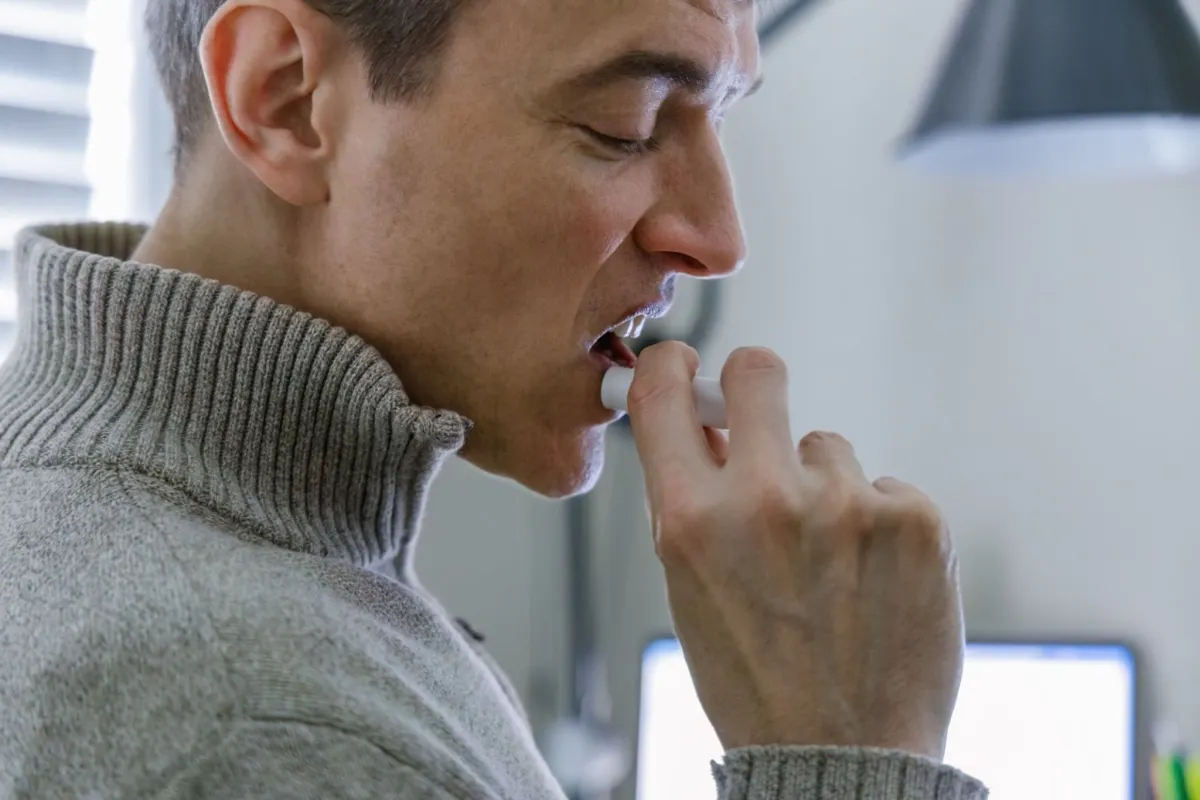
Some lip balms, cosmetics, and toothpastes contain ingredients that may irritate sensitive lips. Menthol, camphor, fragrances, alcohol, artificial flavors, and sodium lauryl sulfate (SLS) can sometimes contribute to irritation.
6. Nutritional Deficiencies
Low levels of iron, zinc, essential fatty acids, and certain B vitamins, particularly B2, B3, B6, and B12, may be associated with dry or cracked lips.
7. Medications
Some medications can cause dry lips, including isotretinoin, antihistamines, decongestants, diuretics, lithium, certain blood-pressure medications, and chemotherapy drugs. Do not stop prescribed medication without talking to your doctor.
8. Skin Conditions and Infections
Eczema, psoriasis, seborrheic dermatitis, and different forms of cheilitis can affect the lips. Angular cheilitis may cause painful cracks at the corners of the mouth and can be associated with fungal or bacterial infections.
Cold sores caused by herpes viruses can also produce painful blisters and crusting.
9. Allergic Reactions
Lip products, toothpaste, mouthwash, foods, metals such as nickel, and some medications can cause contact cheilitis, resulting in redness, swelling, dryness, and cracking.
10. Anemia and Other Medical Conditions
Iron-deficiency anemia and vitamin B12 or folate deficiency may contribute to cracked lips, particularly at the corners. Conditions such as hypothyroidism, diabetes, Sjögren's syndrome, inflammatory bowel disease, and immune disorders may also cause persistent dryness.
11. Smoking, Alcohol, and Other Irritants
Smoking can reduce blood flow and expose the lips to hot, irritating smoke. Alcohol can contribute to dehydration. Very salty or spicy foods may also irritate already-dry lips.
12. Lip-Biting and Picking
Biting, chewing, sucking, or repeatedly picking the skin from your lips can cause irritation, wounds, and persistent dryness.
13. Aging and Hormonal Changes
As we age, natural oil production and skin elasticity decrease. Hormonal changes during pregnancy, menopause, or certain treatments may also affect skin and lip moisture.
14. Digestive and Absorption Problems
Poor nutrition or conditions that interfere with nutrient absorption can lead to deficiencies associated with dry or cracked lips.
Warning Signs
Most cases of dry lips improve with proper care. However, see a doctor if you experience:
- Dryness that lasts more than 2–4 weeks
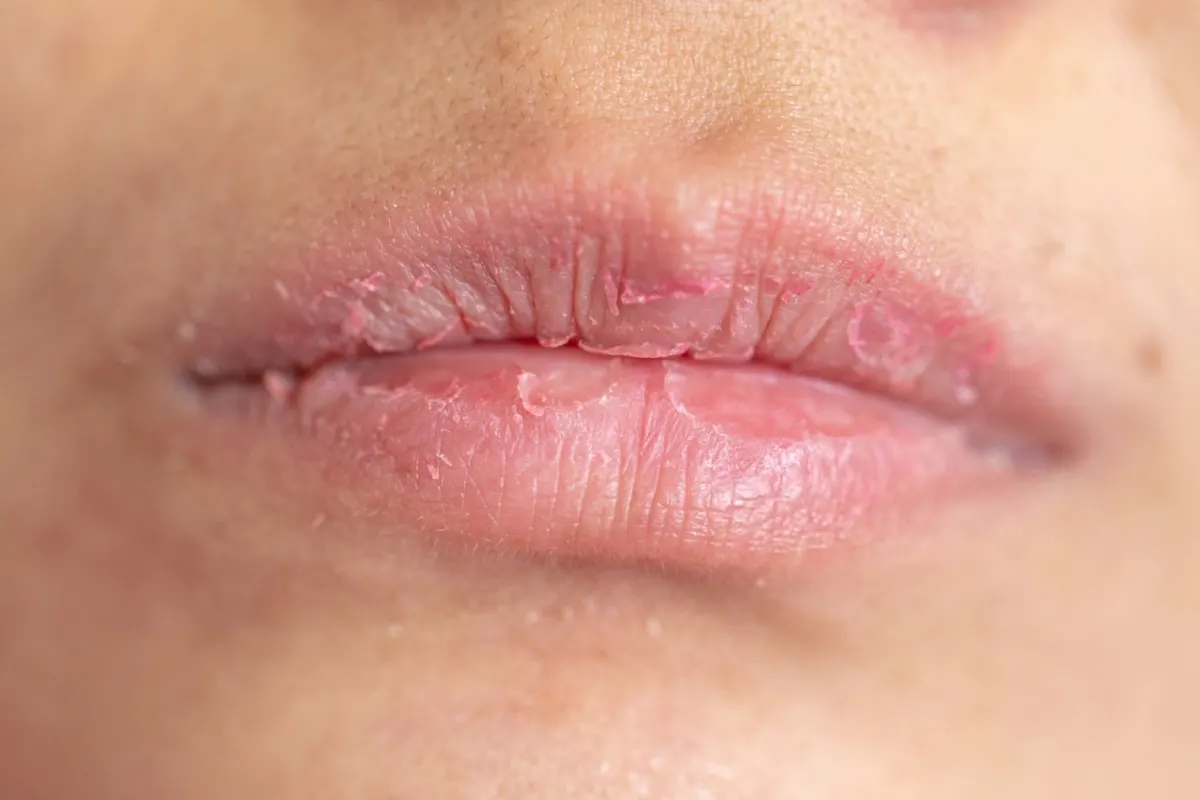
- Deep cracks, persistent bleeding, or sores
- White or thickened patches
- Severe swelling, redness, pain, or pus
- Numbness or changes in sensation
- Fever or difficulty eating and drinking
- A persistent or irregularly growing lesion, especially after significant sun exposure
How to Treat Dry Lips
Treatment depends on the underlying cause. In most cases, simple skin care can help:
- Drink enough water throughout the day.
- Apply a thick, fragrance-free lip moisturizer or petroleum jelly.
- Use lip balm with SPF 30 or higher outdoors.
- Avoid licking, biting, or peeling your lips.
- Use a humidifier in dry indoor environments.
- Avoid irritating ingredients such as menthol, camphor, and strong fragrances.
- Consider an SLS-free toothpaste if your lips are sensitive.
- Maintain a balanced diet rich in vitamins and minerals.
- Treat infections, allergies, or nutritional deficiencies with appropriate medical advice.
If dry lips are caused by an underlying condition, treating that condition is usually necessary. Persistent or unusual changes may require blood tests, allergy testing, cultures, or other medical evaluation.