
A Medicine Tailored to a Single Human Being
For more than a century, cancer treatments have followed a blunt, one-size-fits-all playbook. Patients diagnosed with aggressive tumors were given the same heavy chemotherapy drugs or broad radiation treatments, hoping the medicine would kill off rogue cancer cells before poisoning healthy organs. While those treatments saved millions of lives, doctors always lived with a lingering fear: even after a successful surgery, microscopic cancer cells could hide in the bloodstream and trigger a deadly relapse years later.
Read More


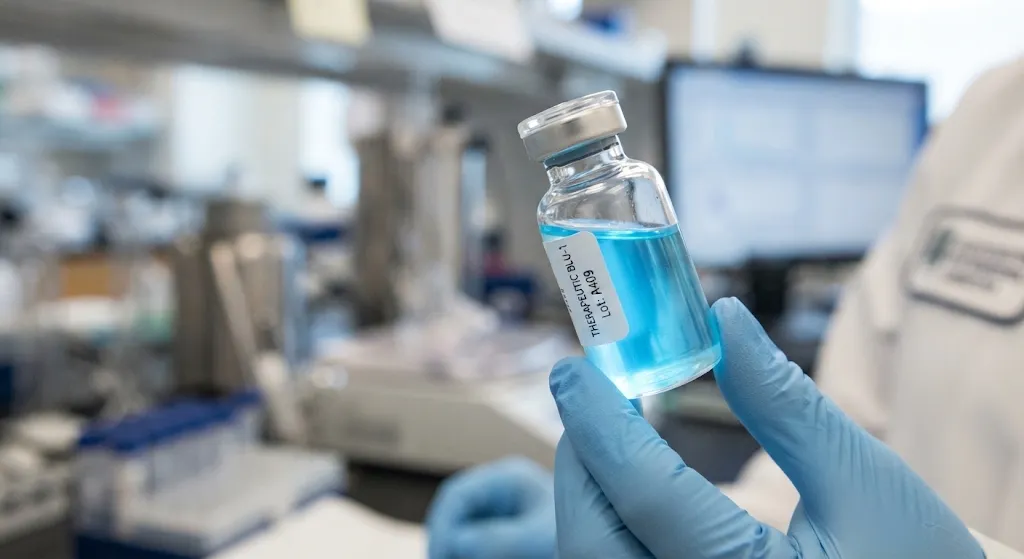
Now, a historic medical turning point is unfolding across hospital wards in Britain and around the world. In major clinical trials involving more than a thousand patients, researchers have successfully tested the world's first personalized cancer vaccine. Instead of manufacturing a generic bottle of medicine destined for thousands of pharmacy shelves, scientists take a tiny genetic sample of a patient's own tumor and brew a custom vaccine designed specifically for that single human being.
The results of the trial have stunned oncologists and cancer specialists alike. When given alongside an established immunotherapy drug, the custom vaccine cut the risk of patients dying or having their skin cancer return by forty-two percent. For individuals facing advanced melanoma—a fast-spreading skin cancer that historically carried brutal odds—this custom biological shield represents the brightest beacon of hope in a generation.
Teaching Your Body to Spot the Master of Disguise
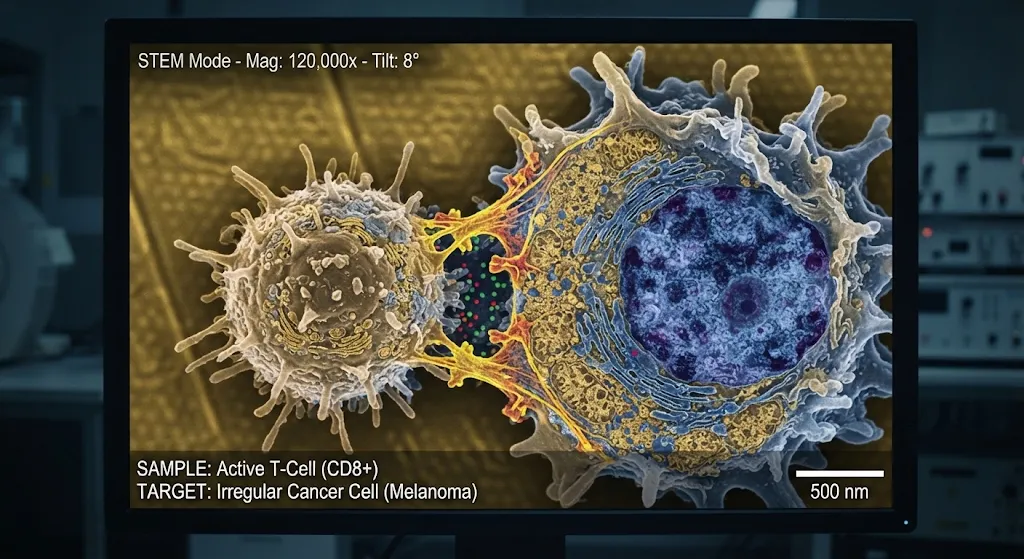
To understand why this breakthrough works so well, you have to look at why cancer is so difficult for the human body to defeat on its own. Every human immune system contains millions of elite defender cells called T-cells. These microscopic soldiers patrol our bloodstream day and night, hunting down foreign invaders like the flu virus or bacterial infections and destroying them on contact.
Cancer cells, however, are not outside invaders. They are our own corrupted cells that have mutated and begun multiplying out of control. Because they carry human genetic markers, cancer cells can slip past immune checkpoints unnoticed, effectively wearing a biological invisibility cloak. By the time our natural immune defenses realize something is wrong, a tumor has often grown large enough to build its own protective blood vessels and shield itself from attack.
This is where the personalized mRNA vaccine changes the entire battlefield. When surgeons remove a patient's tumor, technicians sequence the tumor's genetic code alongside the patient's healthy DNA. Sophisticated computers compare the two sequences, pinpointing up to thirty-four unique genetic errors that exist only on the cancer cells. Within a matter of weeks, scientists synthesize a strand of messenger RNA containing the exact instructions to build harmless replicas of those mutant proteins.
When the custom shot is injected into the patient's arm, it acts like a high-definition wanted poster delivered directly to the immune system. The patient's T-cells inspect the genetic blueprint, learn the exact shape of the enemy's disguise, and multiply into an army of millions of trained hunter cells. If even a single stray cancer cell attempts to set up camp anywhere in the body, the trained T-cells recognize it instantly and eliminate it before a new tumor can form.
Moving Beyond Skin Cancer to Lung and Bladder Tumors
While the initial clinical trials focused primarily on advanced melanoma, medical researchers are moving rapidly to test this personalized approach against other deadly forms of the disease. Specialized clinical trials are already enrolling patients battling aggressive lung cancer, bladder tumors, and certain types of gastrointestinal cancers that are notoriously prone to recurring after standard surgery.
Because the vaccine works by training the immune system rather than poisoning cells directly, patients generally experience far fewer debilitating side effects than traditional chemotherapy. Most participants report mild fever, temporary tiredness, or minor muscle aches that resolve within a day or two—a remarkably mild reaction compared to the months of nausea, hair loss, and extreme fatigue caused by older cancer therapies.
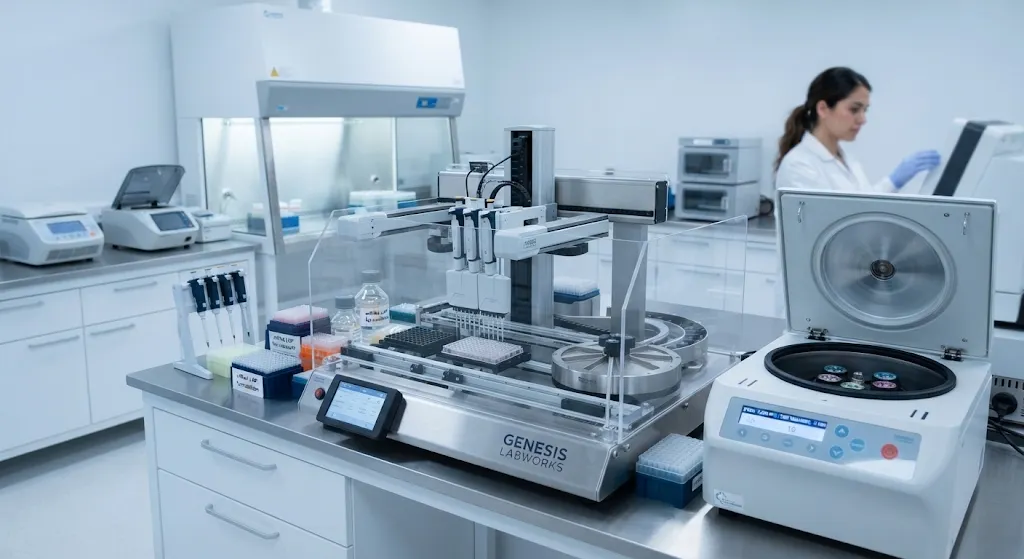
The biggest remaining hurdle facing hospitals is production speed and cost. Creating a bespoke medicine tailored to an individual's unique DNA requires high-performance genetic sequencing machines, sterile cleanroom laboratories, and highly trained molecular biologists. Right now, manufacturing a personalized vaccine takes between six and nine weeks from the day of surgery, though automated biotechnology equipment is expected to shrink that window to less than a month in the coming years.
A Glimpse Into the Future of Modern Medicine
We are standing on the threshold of an era where medicine stops treating patients like statistics and begins treating them as unique individuals. The same mRNA technology that was rapidly developed to combat global pandemics has now unlocked an entirely new frontier in oncology, transforming our understanding of what the human immune system is capable of achieving when given the right instructions.
For patients who were once told to prepare for the worst, walking out of a clinic with a personalized shot that keeps cancer at bay feels like something out of science fiction. But it is happening in real hospital rooms today, proving that science, persistence, and human ingenuity can outsmart even our most feared diseases. The battle against cancer is far from over, but for the first time in medical history, the human body is being taught how to win it from within.