Monetizing Eternity: How Deceased Icons Generate Billions in the Modern Economy

Monetizing Eternity: How Deceased Icons Generate Billions in the Modern Economy

In the mechanics of modern global capitalism, death is no longer the definitive end of a celebrity’s commercial power. In fact, for an elite group of cultural icons, it marks the transition into a far more stable, lucrative, and highly optimized asset class. The phenomenon of Posthumous Brands represents a sophisticated intersection of consumer behavioral psychology, global intellectual property (IP) management, and deep-tech adaptation. This analysis deconstructs how icons continue to dominate global marketplaces decades after their departure from the world stage.

The Structural Architecture of Posthumous Branding

Living celebrities carry inherent economic liabilities: volatile public behavior, biological aging, and the persistent threat of reputational scandal that can instantly tank corporate sponsorships. Deceased brands, conversely, are static, entirely risk-mitigated, and infinitely scalable. They offer institutional investors and luxury conglomerates an unchanging narrative of pure nostalgia.

Flying With Pets in 2026: Airlines That Welcome Dogs and Cats Onboard

The monetization framework of these historical assets relies on four primary operational vectors:

  • Aggressive Licensing and Merchandising: Transforming a signature look or name into a premium lifestyle brand.
  • Audio-Visual Catalog Acquisitions: High-yield trading of publishing and master recording rights.
  • Experiential and Physical Tourism: Monetizing geographic landmarks and dedicated physical exhibits.
  • AI and Deep Tech Re-enactment: Using digital models, generative audio, and holograms to secure net-new commercial contracts.
The Core Paradox of Posthumous Economics: The absolute static nature of a deceased icon eliminates behavioral risk, converting volatile celebrity equity into a highly predictable institutional asset.

Comparative Case Studies: The Golden Triad of Posthumous Wealth

1. Marilyn Monroe: The Triumph of Premium Visual Iconography
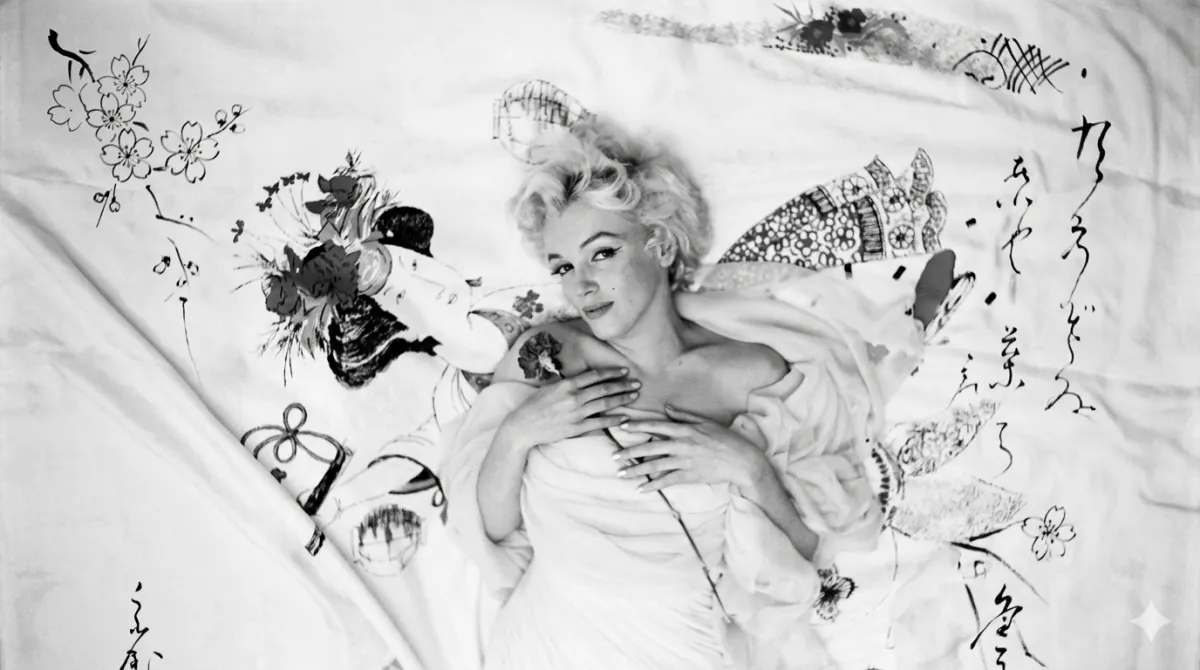
Marilyn Monroe: The Triumph of Premium Visual Iconography

Marilyn Monroe is the ultimate case study of a brand whose equity resides almost entirely in visual symbolism rather than living film royalties. Managed heavily by Authentic Brands Group (ABG), Monroe’s intellectual property has been systematically detached from mid-20th-century Hollywood gossip and re-anchored into contemporary luxury.

Through long-term licensing alliances with ultra-premium houses like Chanel (Chanel No. 5) and Dior, her estate consistently extracts between $13 million and $20 million annually. The longevity of her IP relies on the strict curation of historic photographic archives—such as her iconic vintage portraits—which are continuously licensed for elite advertising campaigns globally.

2. Michael Jackson: The Unmatched Power of Music Publishing Catalogs

Michael Jackson remains the undisputed financial titan of posthumous entertainment history. The management of the Michael Jackson Estate serves as a structural model for catalog valuation. The historic sale of 50% of his publishing and master catalog to Sony Music for a valuation nearing $1.2 billion represents the largest single-artist catalog transaction to date.

Michael Jackson: The Unmatched Power of Music Publishing Catalogs

Beyond passive streaming revenue, his estate continuously scales revenue via premium experiential properties, including the multi-million dollar MJ The Musical on Broadway and permanent Cirque du Soleil residencies in Las Vegas.

3. Elvis Presley: Physical Tourism and Geographic Brand Moats

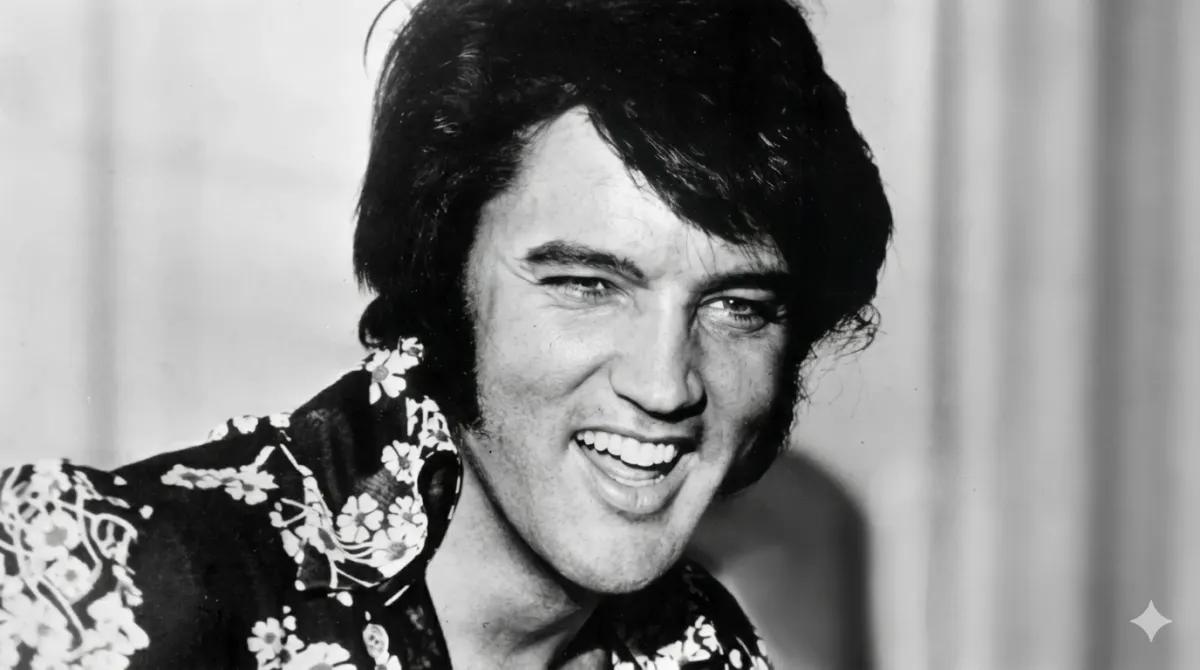
While Monroe dominates luxury imagery and Jackson rules digital audio streaming, Elvis Presley’s financial engine relies on a structural asset that few can match: physical real estate tourism. His legendary estate, Graceland, functions as the second most-visited homestead in the United States, surpassed only by the White House. This geographic footprint, supplemented by highly targeted cinematic biopics and specialized apparel deals, ensures a highly resilient annual revenue run rate of $40 million to $50 million.

 Elvis Presley: Physical Tourism and Geographic Brand Moats

Financial Matrix: Posthumous Revenue Models and Core Strategies

Iconic BrandEstimated Annual Revenue Run RatePrimary Revenue VectorStrategic Core Focus
Michael Jackson$85M – $115M (Excluding structural catalog sales)

Audio streaming royalties, theatrical properties, live events

High-yield monetization of sonic assets and immersive theater

Elvis Presley

$40M – $50M

Graceland tourism ecosystem, publishing distribution

Physical experiential real estate & cross-generational cinema

Marilyn Monroe

$13M – $20M

High-luxury licensing, corporate brand IP alliances

Pure visual iconography curation & generative AI scaling

The Next Horizon: Generative AI, Metaverses, and Synthetic IP

The economic trajectory of posthumous branding is rapidly integrating with deep technology. The industry is transitioning from legacy licensing models into the deployment of Synthetic Intellectual Property. Through generative AI voice synthesis, advanced machine learning visual models, and high-fidelity holographic touring, deceased icons can now execute entirely new creative work. This digital migration redefines the lifecycle of human branding, proving that in the digital age, a carefully curated historical image can out-earn, out-perform, and out-live any physical competitor.