
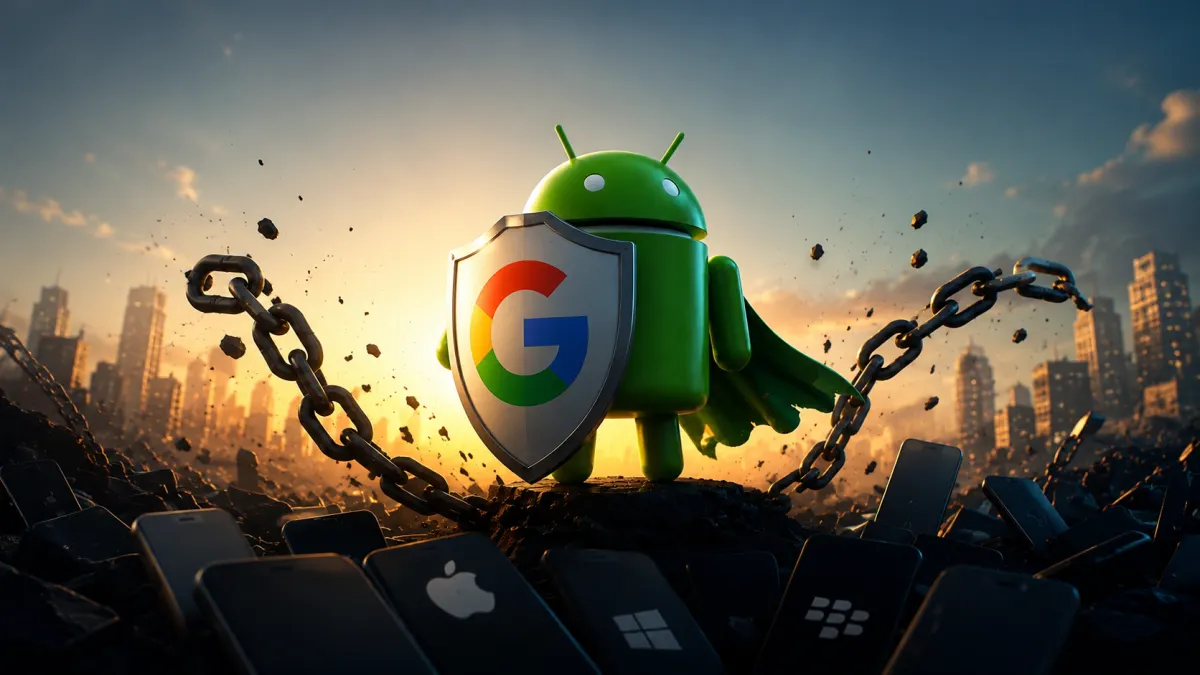

In 2005, few people paid attention when Google quietly acquired a small startup called Android Inc. At the time, the mobile industry was ruled by Nokia's Symbian platform, BlackBerry dominated business phones, and Microsoft was betting heavily on Windows Mobile. Android was little more than an ambitious idea with limited resources and an uncertain future.
Nearly two decades later, that acquisition is widely regarded as one of the smartest strategic investments in technology history. More importantly, it wasn't just about saving a struggling startup—it was about securing Google's place in the future of the internet.
Android Began as a Small Startup with a Big Vision
Android Inc. was founded in 2003 by Andy Rubin, Rich Miner, Nick Sears, and Chris White. While the company is now synonymous with smartphones, its original concept was surprisingly different.
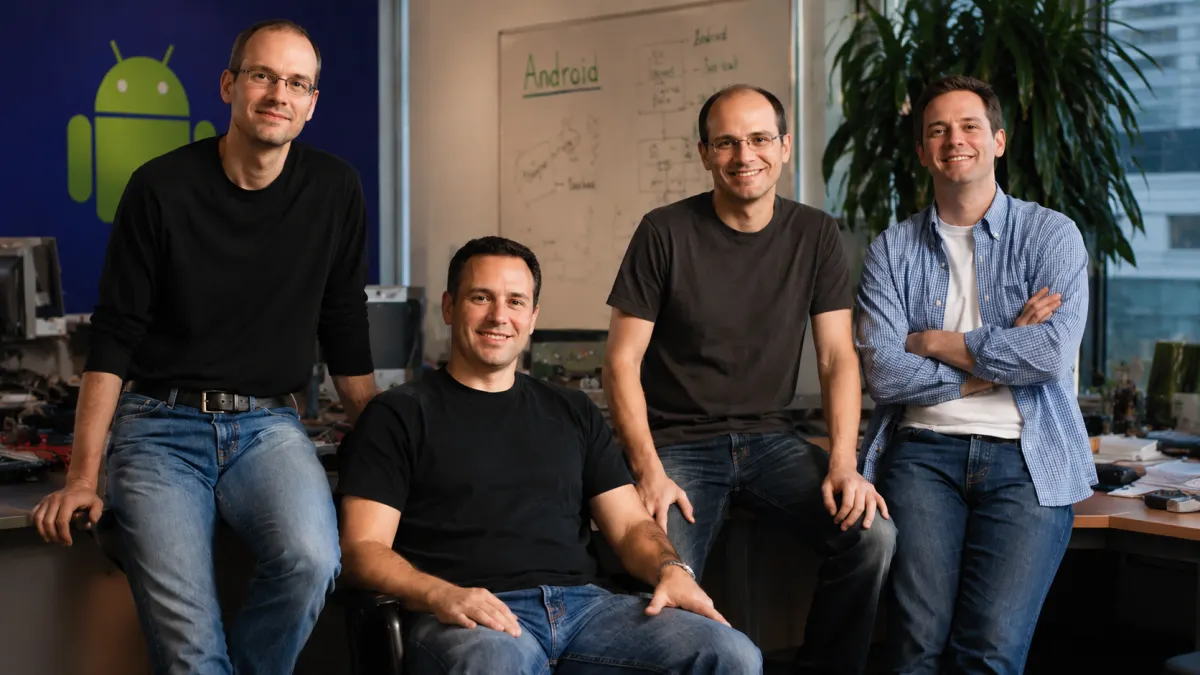
The founders initially explored building software for digital cameras before realizing that connected mobile devices would soon become the primary gateway to the internet. They shifted their focus toward developing a flexible operating system for smartphones, long before the market had fully embraced the idea.
A Promising Company Running Out of Time
Despite its ambitious vision, Android Inc. struggled financially during its early years. The company had talented engineers but limited funding, no commercial product, and little chance of competing against established players with far greater resources.
Without additional investment, the startup faced the real possibility of shutting down before its software ever reached consumers.
Why Google Saw an Opportunity Others Missed
Google's interest in Android wasn't driven by hardware—it was driven by the future of search.
Company executives recognized that internet usage was gradually moving from desktop computers to mobile devices. If rival companies controlled the operating systems powering those devices, they could influence which search engines, apps, and online services users accessed every day.
Owning a mobile operating system became a strategic necessity, not simply another business opportunity.
The Acquisition That Changed Everything
In July 2005, Google acquired Android Inc. in a deal widely estimated to be worth around $50 million, although the company never officially disclosed the purchase price.
The acquisition attracted little public attention at the time. Android was still unknown outside the technology industry, and Google continued developing the platform quietly behind closed doors.
Looking back, however, the deal marked the beginning of one of the most influential software ecosystems ever created.
Google's Strategy Was Different from Everyone Else's
Rather than treating Android as a product to sell, Google chose a dramatically different business model.
The company released Android as an open-source platform through the Android Open Source Project (AOSP), allowing manufacturers to build smartphones without paying expensive licensing fees.
That decision delivered several key advantages:
- Lower development costs for hardware makers
- Faster adoption across the smartphone industry
- A rapidly growing developer ecosystem
- Greater consumer choice through multiple manufacturers
Google also helped establish the Open Handset Alliance, encouraging leading technology companies to collaborate on a shared mobile platform instead of developing isolated operating systems.
The iPhone Forced Android to Evolve
Apple's introduction of the iPhone in 2007 reshaped expectations for modern smartphones.
Although Android had already been in development, Google's engineering team recognized that touchscreen interfaces would define the next generation of mobile devices. The platform underwent significant redesigns before its commercial debut, adopting a more touch-focused experience that better matched the changing direction of the industry.
That willingness to adapt became one of Android's greatest strengths.
How Android Became the World's Leading Mobile Platform
When the first Android-powered smartphones arrived, manufacturers including Samsung, HTC, Motorola, and LG quickly embraced the operating system.
Because Android was free to license, companies could invest more heavily in hardware innovation rather than developing their own software platforms. The result was an expanding ecosystem that offered consumers a wide variety of devices across different price points.
Meanwhile, competing platforms such as Symbian and Windows Mobile gradually lost relevance as Android's market share accelerated.
Android Was Never Google's Product—It Was Google's Platform
One of the most remarkable aspects of Android's success is that Google never relied on selling the operating system itself.
Instead, Android became the foundation for Google's broader ecosystem of services, including:
- Google Search
- Google Play
- Gmail
- Google Maps
- Chrome
- Google Drive
By ensuring these services were available on billions of devices worldwide, Google strengthened its core business without charging consumers for the operating system.
Why the Android Acquisition Still Matters Today
Today, Android powers the majority of smartphones around the world and serves billions of active users. Had Google not acquired Android Inc. in 2005, the startup might never have survived long enough to bring its vision to market.
The story illustrates a lesson that extends far beyond the technology industry: sometimes the most valuable investment isn't buying a finished product—it's recognizing the potential of an idea before everyone else does.