

How Undersea Internet Cables Work: The Hidden Network Carrying 99% of Global Data
Although Wi-Fi and mobile networks make the internet seem wireless, nearly 99% of global internet traffic actually travels through undersea fiber-optic cables. These submarine cables connect continents, carrying everything from video calls and cloud data to online banking and social media.
A Global Network Beneath the Sea
There are currently nearly 500 active and under-construction submarine cables spanning more than 1.5 million kilometers across the world's oceans. Some stretch just a few hundred kilometers, while others cross entire oceans and cost hundreds of millions of dollars to build.
How Do These Cables Carry So Much Data?
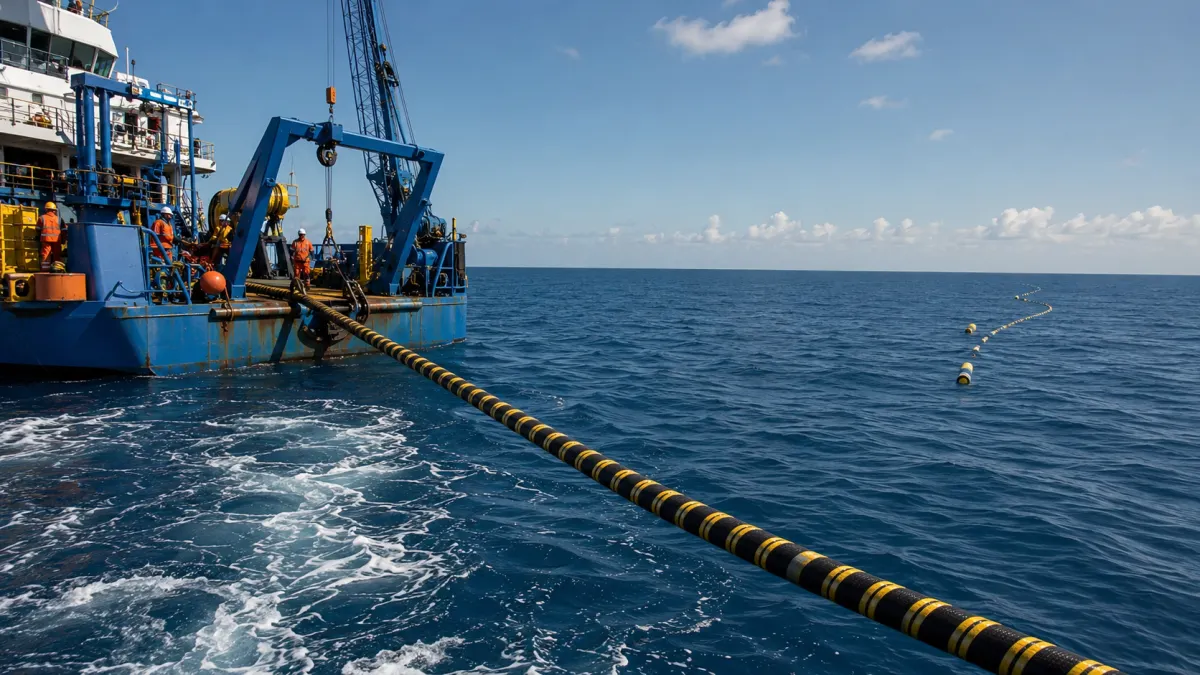
Despite being only about as thick as a garden hose, submarine cables can transmit enormous amounts of information. They use fiber-optic technology, sending data as pulses of light through tiny glass fibers. Advanced systems allow multiple light wavelengths to travel simultaneously, enabling speeds of 100 Gbps or more on a single cable.
To keep signals strong over thousands of kilometers, repeaters are installed every 70 to 100 kilometers along the cable and powered through built-in copper conductors.
How Are Undersea Cables Installed?
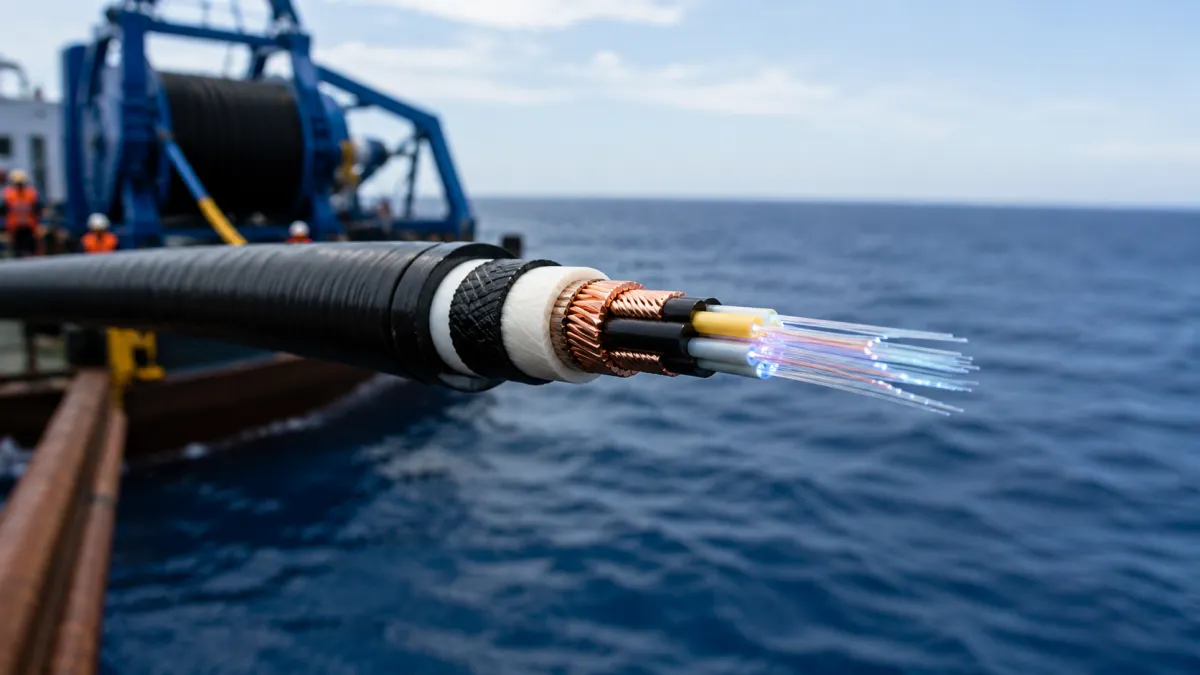
Specialized cable-laying ships slowly place the cables across carefully planned routes on the ocean floor. Engineers avoid earthquake zones, underwater volcanoes, and busy fishing areas whenever possible. Near coastlines, cables are often buried beneath the seabed or protected with extra armor to reduce damage.
Read More


What Threatens the World's Internet Cables?
Most cable failures are caused by ship anchors, fishing equipment, and natural disasters such as earthquakes. Surprisingly, sharks have also been recorded biting undersea cables, although these incidents are relatively rare.
Because these cables carry the majority of the world's internet traffic, they have also become an important geopolitical asset, with governments closely monitoring who builds and owns them.
Who Owns the Network?
While telecom companies originally dominated submarine cable projects, today's biggest investors include technology giants such as Google, Meta, and Amazon, which have built private cable networks to connect their global data centers and cloud services.
Will Satellites Replace Undersea Cables?
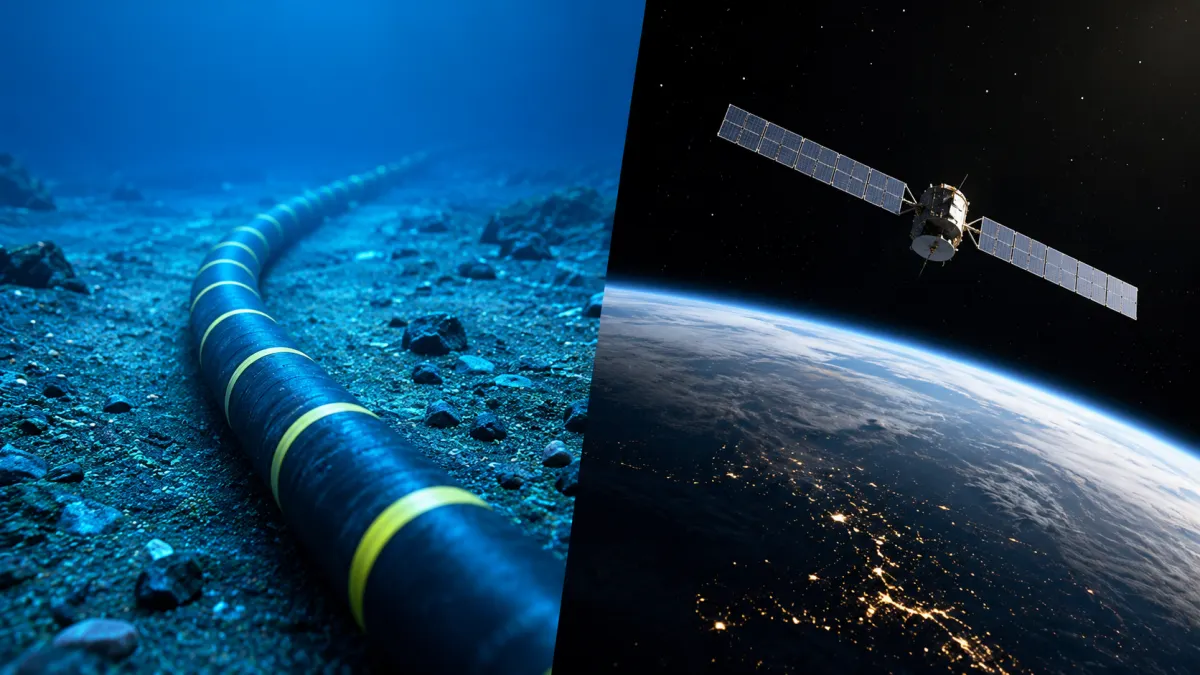
Satellite internet services like Starlink continue to expand coverage, especially in remote regions. However, submarine fiber-optic cables remain far faster, cheaper, and capable of carrying much larger amounts of data, making them the backbone of the global internet for the foreseeable future.
 Alex Mandela 06 July 2026
 Help us keep GotFort ad-free and accessible to everyone. Your contribution supports independent content, research, and publishing.