

What Is a Digital Nomad Visa?
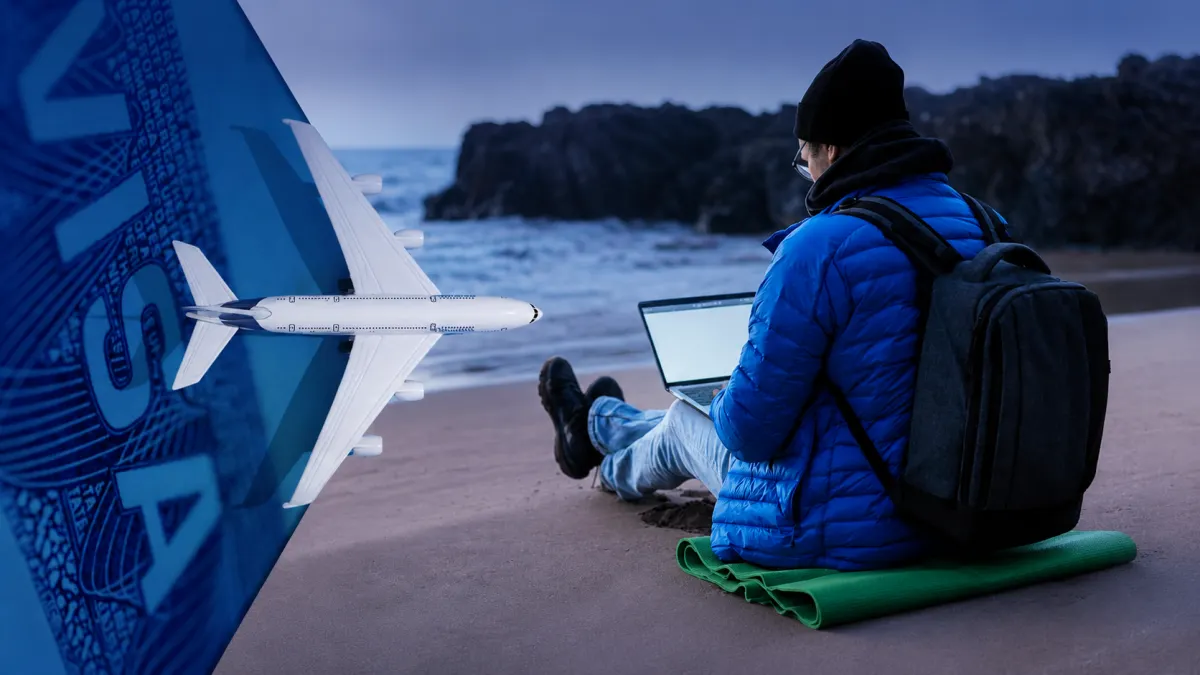
A Digital Nomad Visa is a temporary or long-term residency permit created for people whose jobs can be performed entirely online.
Unlike a traditional work visa, this program doesn't require applicants to accept employment from a company in the country where they plan to live. Instead, visa holders continue earning income from foreign employers, international clients, or their own online businesses while legally residing in another country.
In simple terms, you live in one country while your paycheck comes from somewhere else.
This arrangement gives remote professionals the opportunity to experience life abroad without violating local immigration or employment laws, making it an increasingly attractive option for people who value flexibility and mobility.
Best Countries Offering Digital Nomad Visas in 2026
| Country | Best For | Key Advantages | What to Know |
|---|---|---|---|
| 🇪🇸 Spain | Remote professionals looking to build a life in Europe | High quality of life, fast internet, family-friendly visa options, and a potential pathway to long-term residency | Spain remains one of Europe's most sought-after destinations for digital nomads, though applicants should be prepared to meet relatively high income requirements. |
| 🇵🇹 Portugal | Freelancers and remote workers seeking a long-term European base | Safe cities, excellent climate, thriving nomad communities, reliable infrastructure, and residency opportunities | Portugal continues to rank among the world's top choices thanks to its welcoming visa policies and strong work-life balance. |
| 🇹🇭 Thailand | Digital nomads seeking affordability and a vibrant lifestyle | Low living costs, excellent internet, warm weather, and one of Asia's largest remote-work communities | Thailand's Destination Thailand Visa (DTV) has quickly become one of the region's most attractive options for location-independent professionals. |
| 🇦🇪 United Arab Emirates | High-earning professionals and entrepreneurs | No personal income tax, world-class infrastructure, fast internet, and exceptional public safety | Dubai offers a premium remote-work experience for professionals who can meet the program's higher income threshold. |
| 🇭🇷 Croatia | Remote workers looking for a relaxed Mediterranean lifestyle | Affordable living compared with much of Western Europe, beautiful coastline, and favorable tax policies | Croatia was one of the first European countries to introduce a dedicated Digital Nomad Visa and remains a popular choice. |
| 🇬🇪 Georgia | Budget-conscious freelancers and independent professionals | Low cost of living, reliable internet, straightforward residency process, and growing coworking scene | Georgia continues to attract remote workers looking for flexibility without the high expenses of Western Europe. |
| 🇪🇪 Estonia | Tech professionals, startup founders, and digital entrepreneurs | Advanced digital government services, fast internet, and a thriving innovation ecosystem | Estonia became the world's first country to launch an official Digital Nomad Visa, setting the standard for remote-work immigration programs. |
| 🇲🇹 Malta | English-speaking professionals seeking a Mediterranean lifestyle | English as an official language, modern infrastructure, sunny climate, and a high quality of life | Malta combines European living with a strong international business environment, making it an appealing option for remote workers. |
| 🇧🇬 Bulgaria | Remote workers looking for one of Europe's most affordable destinations | Lower living costs, competitive tax environment, and access to the European market | Bulgaria's digital nomad program is gaining attention as an affordable alternative to Western Europe's more expensive visa options. |
| 🇲🇾 Malaysia | Remote professionals balancing affordability with modern amenities | Competitive living costs, strong internet connectivity, modern cities, and an expanding tech ecosystem | Malaysia has become an increasingly attractive destination for digital nomads seeking value without sacrificing comfort. |
Read More

Why Are Digital Nomad Visas Becoming So Popular?
The way people work has changed dramatically over the past few years.
Companies around the world have embraced remote work, giving employees the freedom to perform their jobs from virtually anywhere with a reliable internet connection. At the same time, freelancing, consulting, content creation, e-commerce, and software development have expanded rapidly, creating millions of location-independent careers.
Governments quickly recognized the opportunity.
Remote workers typically earn their income from overseas while spending money locally on housing, restaurants, transportation, healthcare, and entertainment. That means they contribute to the economy without competing directly in the domestic job market—a win for both travelers and host countries.
As a result, more than 50 countries now offer dedicated Digital Nomad Visa programs, with new destinations continuing to join the list each year.
Who Can Apply for a Digital Nomad Visa?
Digital Nomad Visas are designed for professionals who can perform their work entirely online. While eligibility varies from country to country, applicants often work in careers such as:
- Software Developers
- Web Developers
- Graphic Designers
- AI Specialists
- SEO Professionals
- Digital Marketing Experts
- Content Creators
- YouTubers
- Bloggers
- Translators
- Writers
- Business Consultants
- Data Analysts
- Financial Traders
- E-commerce Business Owners
- Freelancers
If your job doesn't require you to be physically present in an office and your income comes from clients or employers outside your destination country, there's a good chance you'll qualify for a Digital Nomad Visa.
What Are the Main Requirements?
Although every country has its own rules, most Digital Nomad Visa programs share several common eligibility requirements.
Proof of Stable Income
One of the most important requirements is demonstrating a reliable source of income.
Depending on the destination, minimum income thresholds typically range from $1,500 to $5,000 per month. Applicants usually need to provide bank statements, employment contracts, invoices, or tax documents that show consistent earnings over time.
Remote Employment or Online Business
Applicants must prove that their income comes from work performed remotely.
Common qualifying income sources include:
- Employment with a foreign company
- Freelance contracts
- Independent consulting
- Self-owned businesses
- Online companies
- International clients
The key requirement is that your income originates outside the country issuing the visa.
Valid Health Insurance
Most Digital Nomad Visa programs require applicants to carry international health insurance that remains valid throughout their stay.
Coverage requirements vary by country, but proof of insurance is almost always part of the application process.
Valid Passport and Identification
Applicants are generally expected to submit a passport with sufficient remaining validity, along with passport photos and completed application forms.
Financial Documentation
Governments want reassurance that applicants can support themselves during their stay.
For that reason, you'll typically need to provide recent bank statements, employment contracts, client agreements, tax records, or other financial documents that verify your ongoing income.
What Documents Do You Need to Apply for a Digital Nomad Visa?
While every country has its own application process, most Digital Nomad Visa programs ask applicants to submit a similar set of documents.
In most cases, you'll need:
- A valid passport
- A completed visa application form
- Recent passport-sized photographs
- An employment contract or freelance agreements
- Business registration documents (if you're self-employed or own a company)
- Recent bank statements
- Proof of stable income
- International health insurance
- A criminal background certificate (required by some countries)
Depending on your destination, immigration authorities may also request additional financial records or documents verifying your remote employment before approving your application.
Can You Bring Your Family?
For many remote professionals, relocating abroad isn't a solo decision. The good news is that many Digital Nomad Visa programs allow spouses and dependent children to be included in the application.
However, bringing family members often comes with additional financial requirements. Applicants may need to demonstrate a higher monthly income, purchase extra health insurance coverage, or provide proof that they can comfortably support everyone during their stay.
The exact rules vary by country, so it's important to review each program's family sponsorship requirements before applying.
Can a Digital Nomad Visa Lead to Permanent Residency?
The answer depends entirely on where you choose to live.
Some countries allow Digital Nomad Visa holders to transition to permanent residency after several years of legal residence, provided they continue to meet immigration requirements. In certain cases, that pathway may eventually lead to citizenship.
Other countries treat Digital Nomad Visas strictly as temporary residence permits. While renewals may be possible, time spent under the program doesn't always count toward permanent residency, meaning applicants would need to qualify through a different immigration route.
Understanding these long-term residency rules is essential if you're planning more than just an extended stay abroad.
Benefits of a Digital Nomad Visa
For remote workers, a Digital Nomad Visa offers far more than the ability to change locations. It provides a legal framework for building a lifestyle that combines work, travel, and long-term flexibility.
Some of the biggest advantages include:
- The legal right to live in another country while working remotely
- Greater freedom to travel internationally
- Access to reliable high-speed internet and modern infrastructure
- A higher quality of life in many destinations
- The ability to bring eligible family members
- Access to healthcare systems through approved insurance coverage
- The opportunity to open local bank accounts in many countries
- A potential pathway to long-term residency in certain destinations
Potential Drawbacks
Despite their growing popularity, Digital Nomad Visas aren't the right fit for everyone.
Before applying, it's worth considering a few common challenges:
- Minimum income requirements can be relatively high.
- Tax rules differ from one country to another and may become complex.
- International health insurance can add to overall costs.
- Visa processing times vary and may take several weeks or months.
- Most programs don't allow employment with local companies.
- Renewal policies and residency rules differ significantly between countries.
Carefully reviewing each country's requirements can help avoid unexpected complications later.
Is a Digital Nomad Visa Worth It?
If your career allows you to work entirely online, a Digital Nomad Visa can be one of the most flexible ways to experience life abroad.
Instead of relying on a local employer, you can continue earning income from clients or companies around the world while legally living in another country. For many professionals, that means combining career growth with the freedom to explore new cultures, enjoy better infrastructure, and, in some cases, build a path toward long-term residency.
As more governments compete to attract skilled remote workers, Digital Nomad Visa programs are becoming increasingly accessible—and for many location-independent professionals, they represent a practical alternative to traditional immigration pathways.