

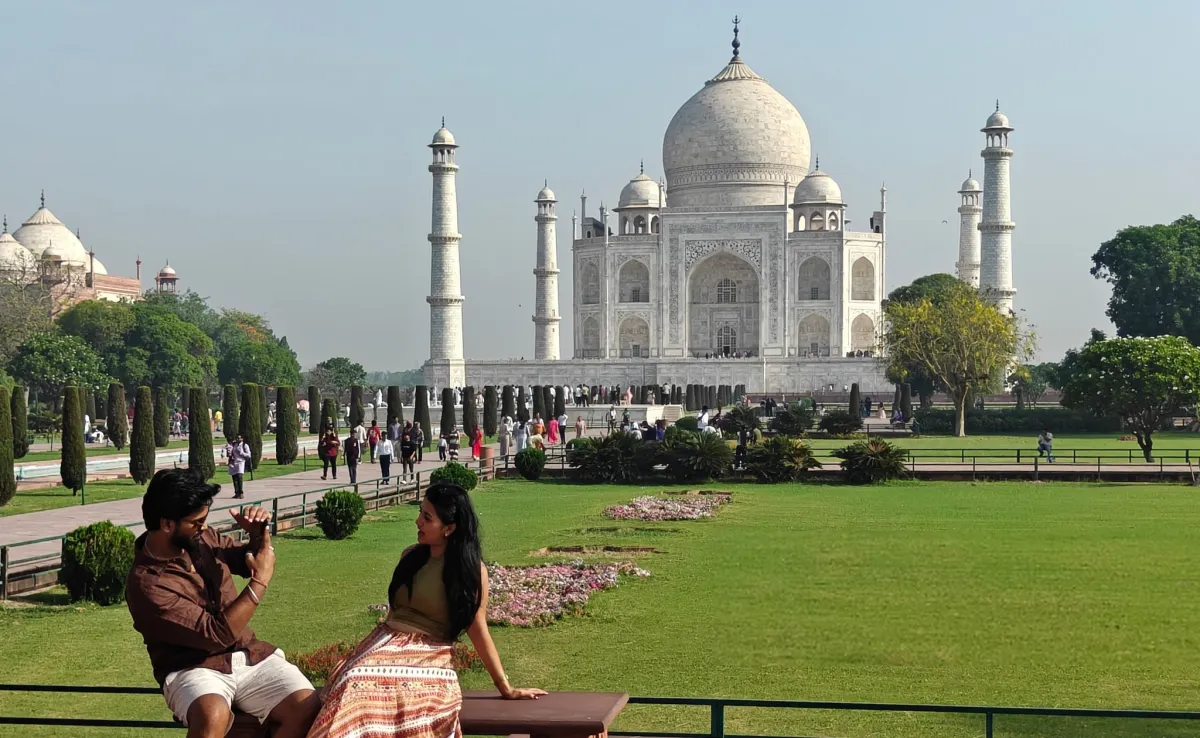

The Taj Mahal Is More Than a Symbol of Love
Recognized around the world, the Taj Mahal is one of history's most celebrated landmarks. While millions admire its breathtaking beauty every year, few realize the monument is also a masterpiece of engineering, architecture, and artistic craftsmanship that has stood the test of time for nearly four centuries.

It Was Built as a Tomb, Not a Palace

Despite its palace-like appearance, the Taj Mahal was built as a mausoleum. Mughal Emperor Shah Jahan commissioned it after the death of his beloved wife, Mumtaz Mahal, who passed away in 1631 while giving birth to their 14th child. Determined to honor her memory, he envisioned the most beautiful monument the world had ever seen.
Why Agra Was the Perfect Location
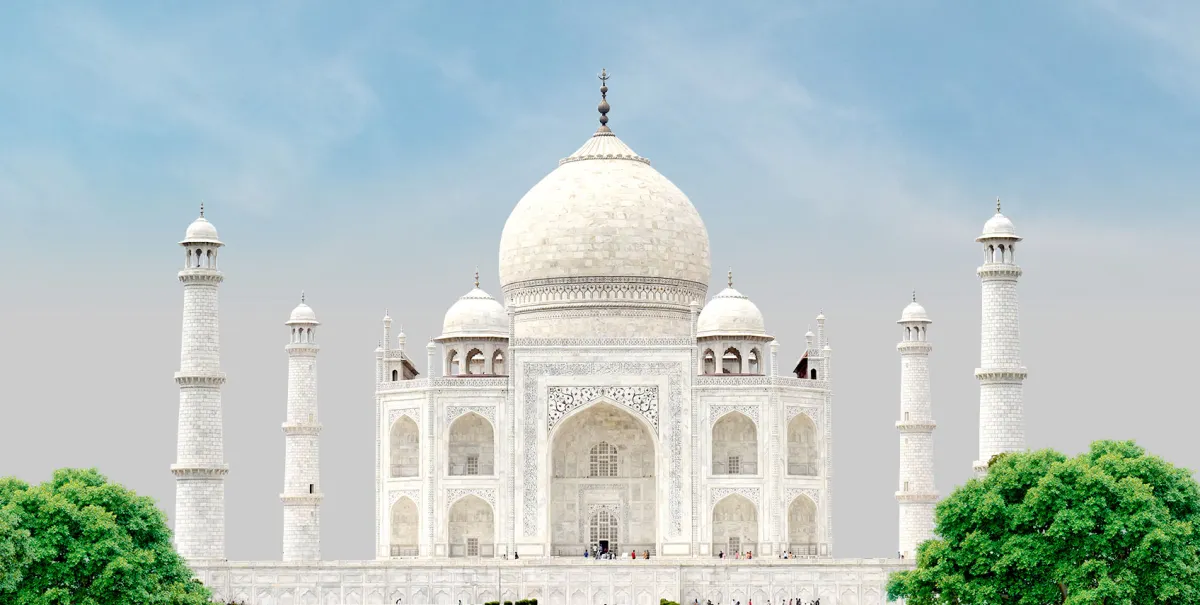
The monument was built on the banks of the Yamuna River in Agra, providing both a stunning natural setting and practical advantages. The riverside location helped create the famous reflections visitors see today while also enhancing the overall landscape of the complex.
Persian Architecture Shaped the Taj Mahal
One of the Taj Mahal's lesser-known stories is its strong Persian influence. The Mughal court embraced Persian culture, and architect Ustad Ahmad Lahori incorporated elements inspired by cities such as Isfahan and Shiraz. The symmetrical layout, grand dome, elegant arches, and iconic Charbagh garden all reflect Persian architectural traditions.
An Extraordinary Engineering Achievement

Before construction could begin, builders created a massive elevated platform capable of supporting thousands of tons of marble. The foundation was carefully reinforced to ensure the monument would remain stable for centuries—a remarkable engineering accomplishment for the 17th century.
Marble Was Only Part of the Story
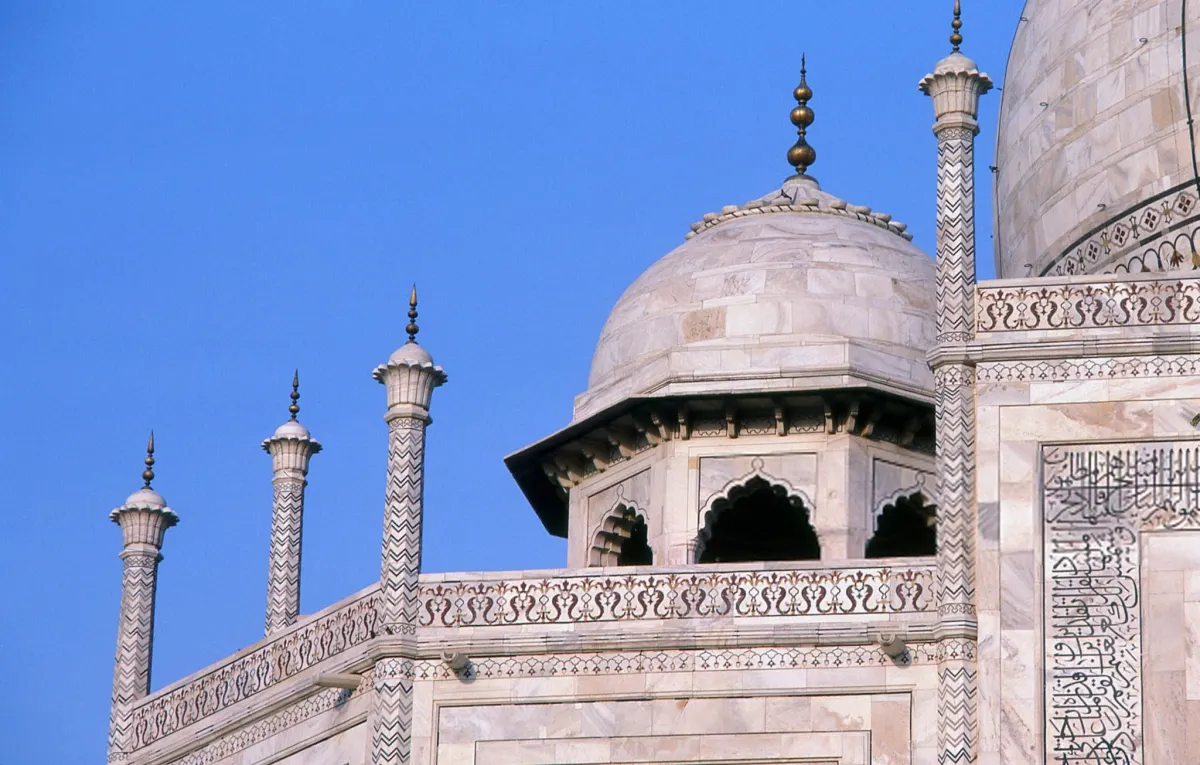
The Taj Mahal's beauty goes far beyond its white marble exterior. Skilled artisans inlaid the walls with precious and semi-precious stones, including jade, turquoise, lapis lazuli, and sapphire. These materials were transported from regions across Asia, making the monument an international work of art.
Every Inscription Is Carved in Stone
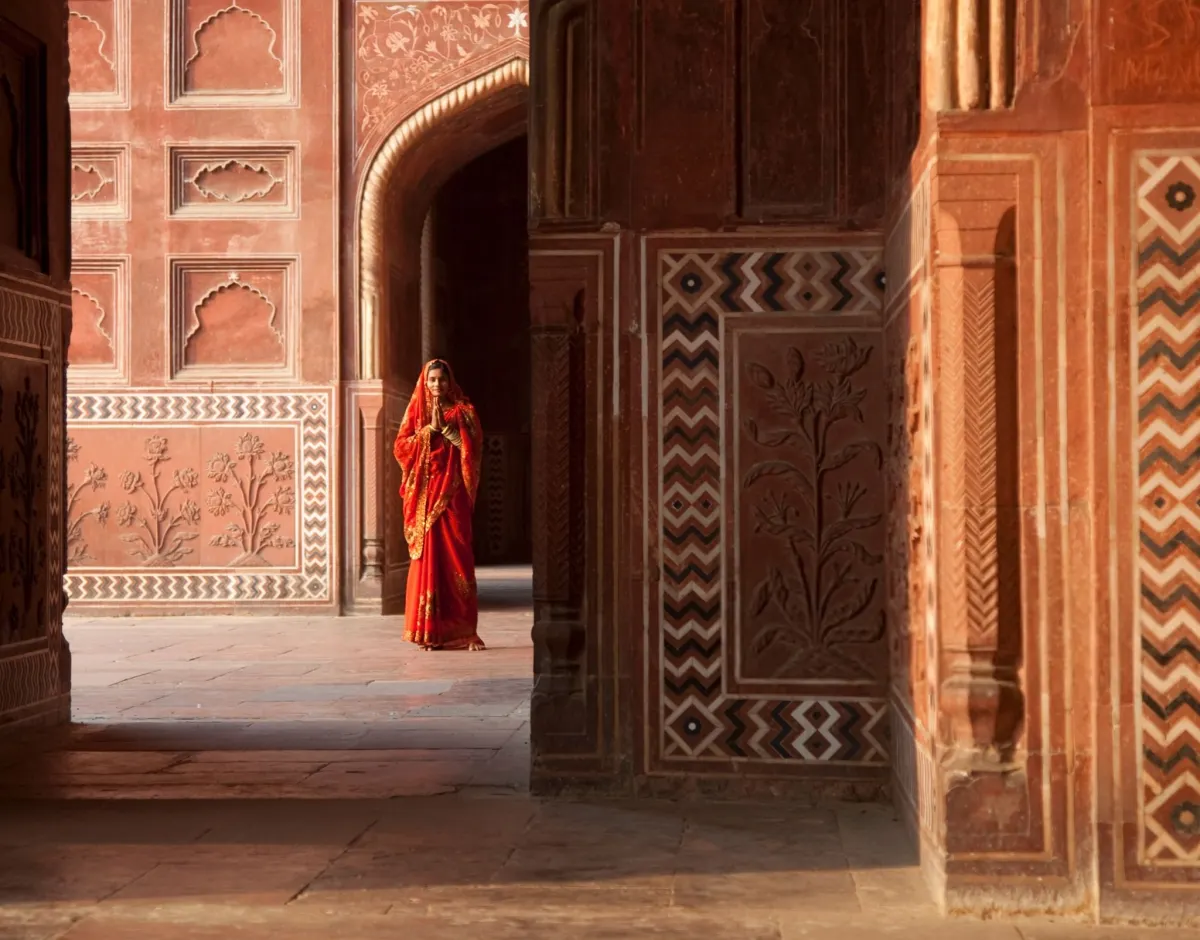
The black calligraphy decorating the monument isn't painted. Each Quranic verse and decorative inscription was created by carefully cutting black marble and fitting it into white marble by hand. This intricate stone inlay technique remains one of the building's most impressive artistic achievements.
Perfect Symmetry Was No Accident
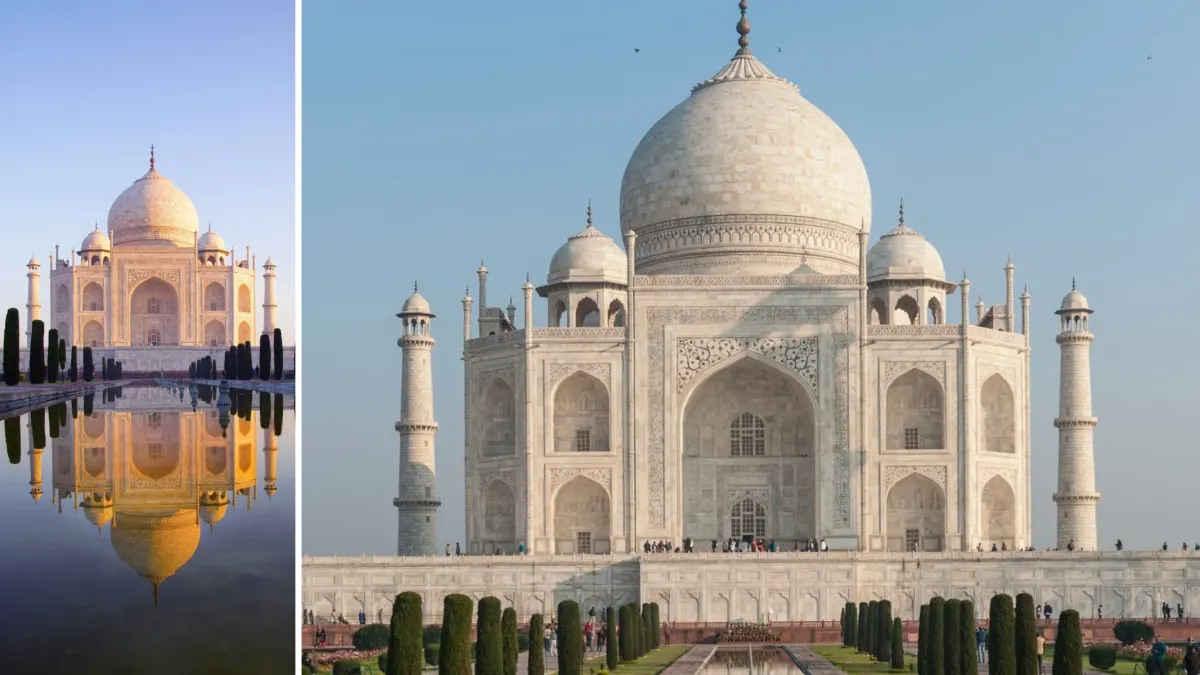
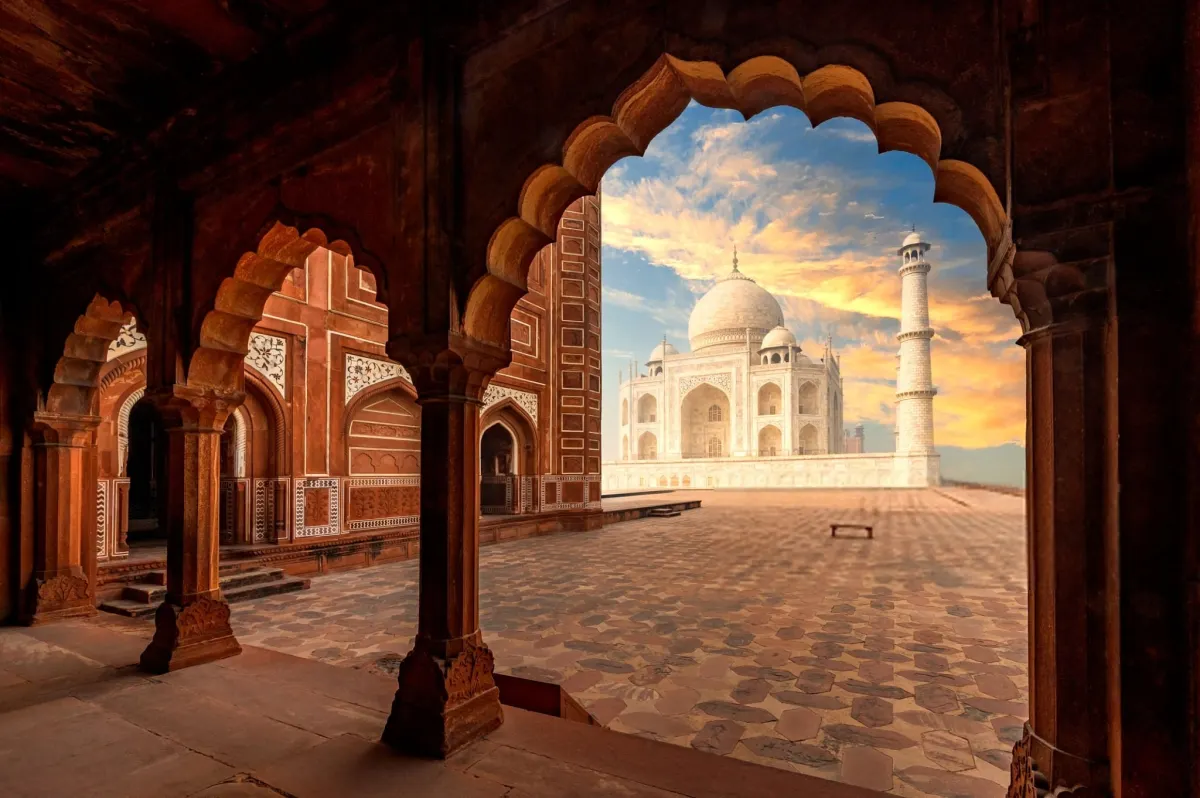
Almost every structure within the complex has a matching counterpart. The mosque on one side is balanced by an identical building on the other, creating the perfect symmetry that gives the Taj Mahal its calm and harmonious appearance.
A Garden Designed to Represent Paradise
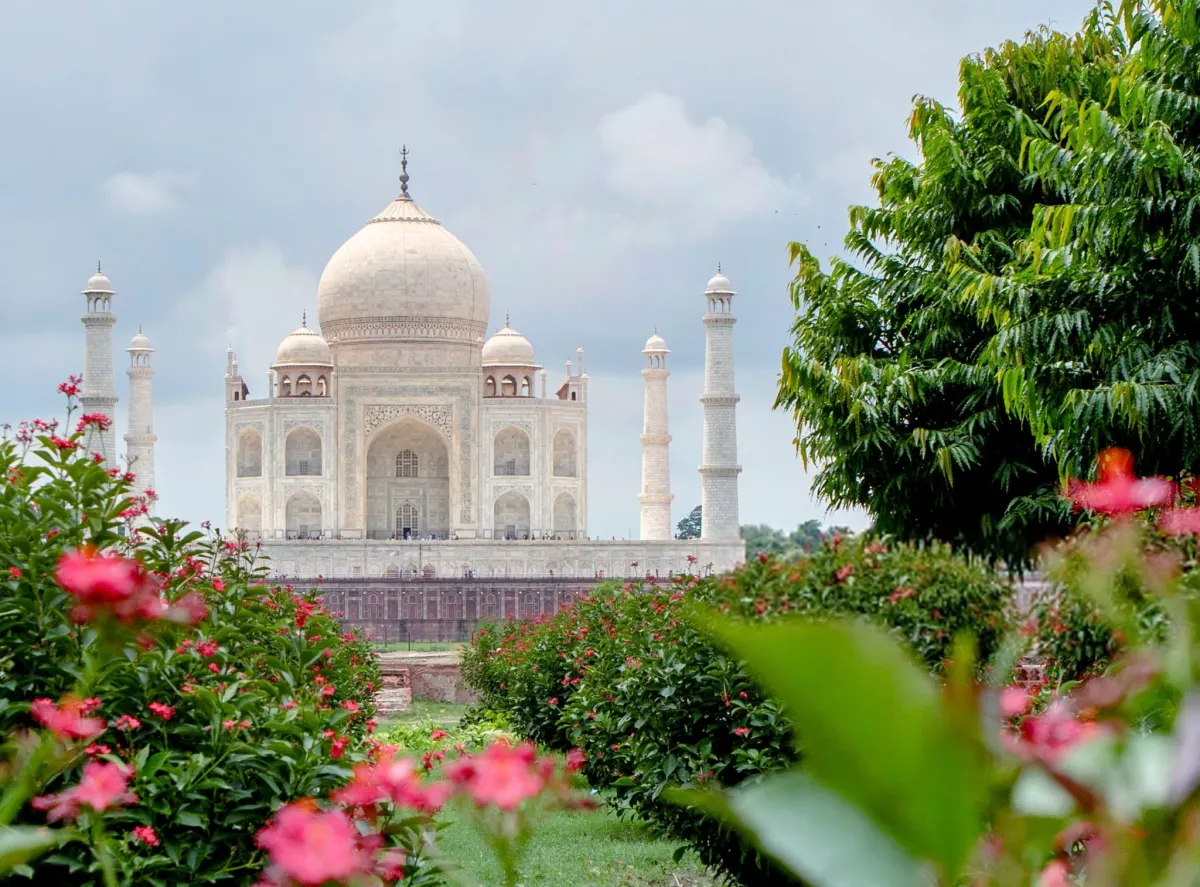
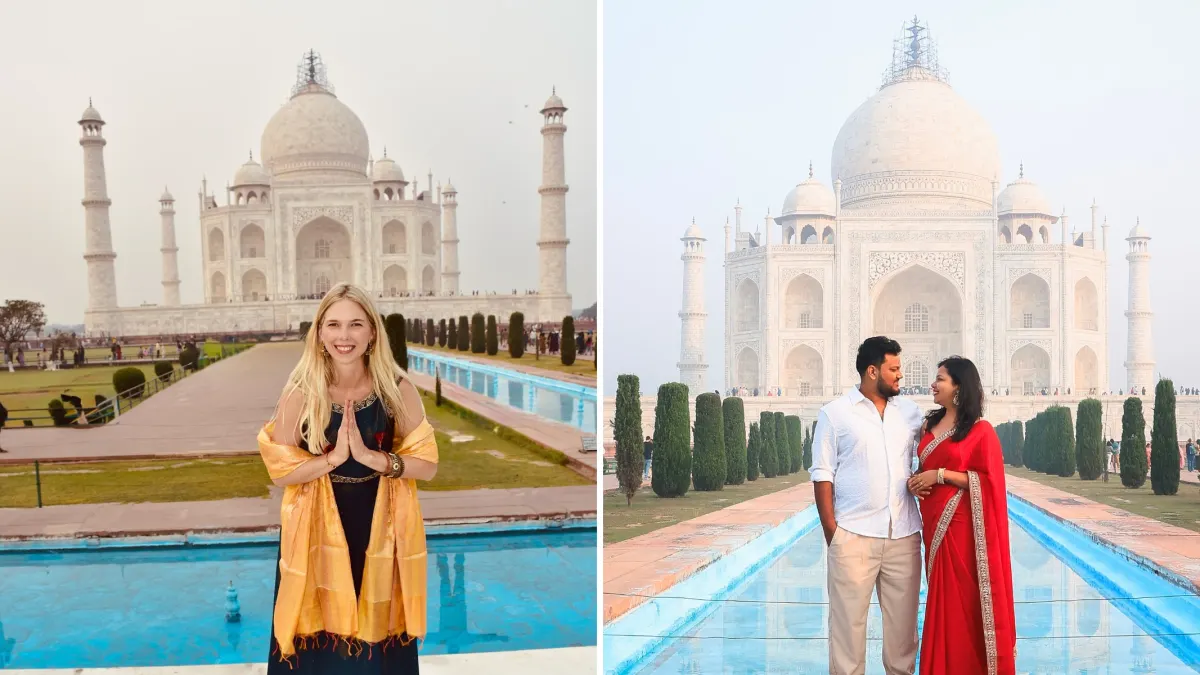
The gardens surrounding the Taj Mahal were carefully planned using the Persian Charbagh concept, symbolizing paradise. Water channels and reflecting pools guide visitors toward the monument while creating one of the most photographed views in the world.
It Took 22 Years to Complete
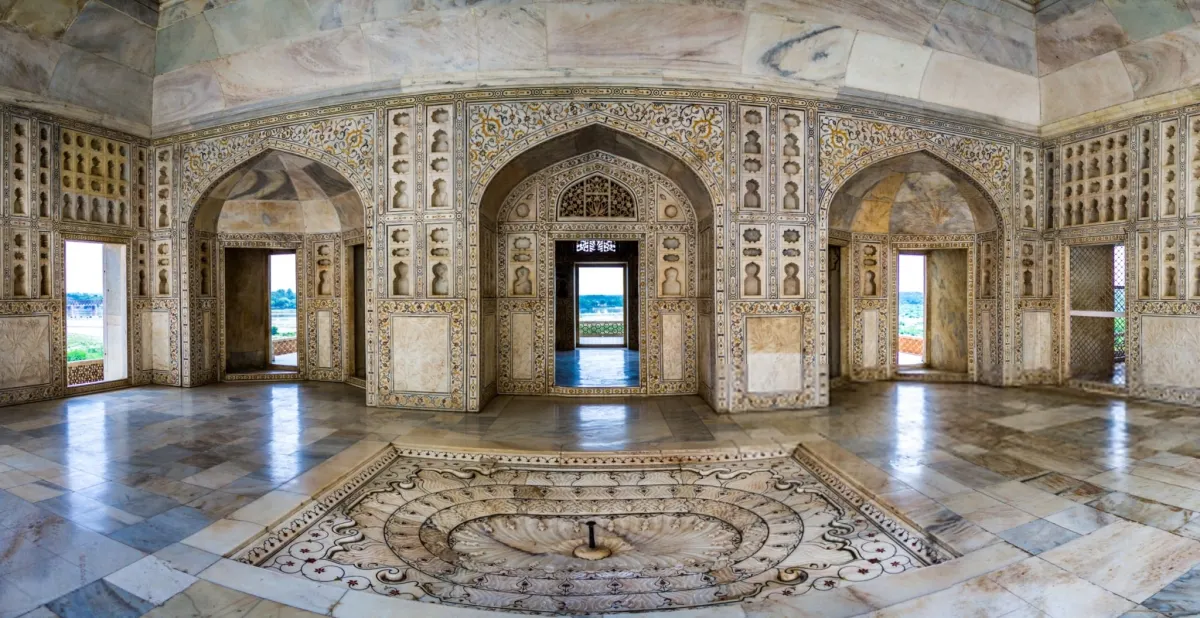
Construction began in 1631 and wasn't finished until 1653. Thousands of architects, craftsmen, stone carvers, and laborers worked for more than two decades to complete the mausoleum, surrounding buildings, gardens, and gateways.
One of the Most Expensive Projects of Its Time
Experts estimate that rebuilding the Taj Mahal today would cost close to $1 billion. Beyond its massive scale, the monument's extraordinary craftsmanship and rare materials make it one of the most valuable architectural achievements in history.
How the Taj Mahal Survived Centuries

After the decline of the Mughal Empire, the monument suffered from neglect, and its gardens were even redesigned during British rule. Later restoration projects returned much of the complex to its original appearance, while modern conservation efforts have strengthened its foundations and preserved the structure for future generations.
Why the Taj Mahal Still Inspires Millions
The Taj Mahal is more than a UNESCO World Heritage Site or a famous tourist attraction. It is a timeless blend of love, architecture, engineering, and artistic excellence. Nearly 400 years after its completion, it continues to captivate millions of visitors and remains one of humanity's greatest architectural masterpieces.