

When people think about the world's most valuable natural resources, oil, natural gas, gold, or rare earth metals usually come to mind. Yet one of the most important materials driving the global economy is something most people overlook every day: sand.
Far from being an ordinary natural material, high-quality construction and industrial sand has become a strategic resource that supports infrastructure, technology, renewable energy, and manufacturing. As global cities continue expanding and new technologies require increasingly pure silica, demand for suitable sand has reached unprecedented levels.
Offshore Oil Platforms: What They Are and Which Countries Lead the Technology Race?
Sand Is the World's Most Consumed Solid Resource
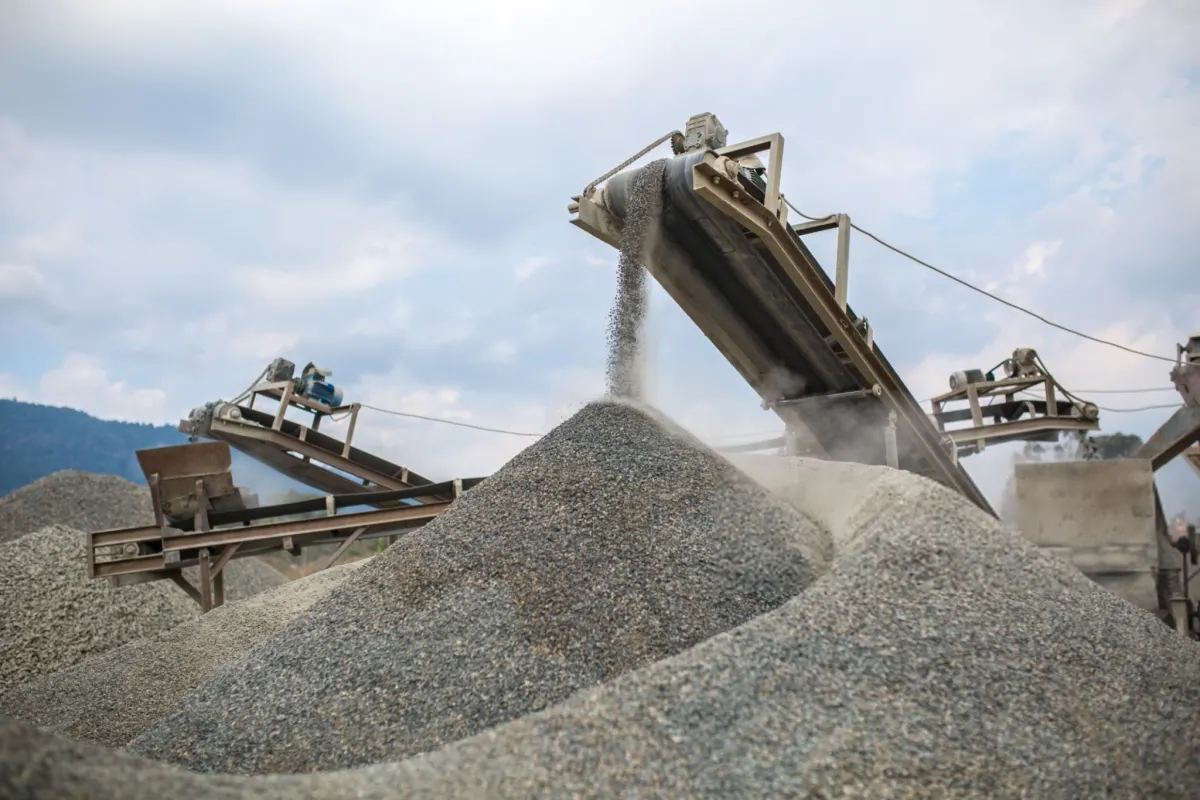
Every year, humanity consumes more than 50 billion tons of sand and gravel, making it the most heavily extracted solid material on Earth.
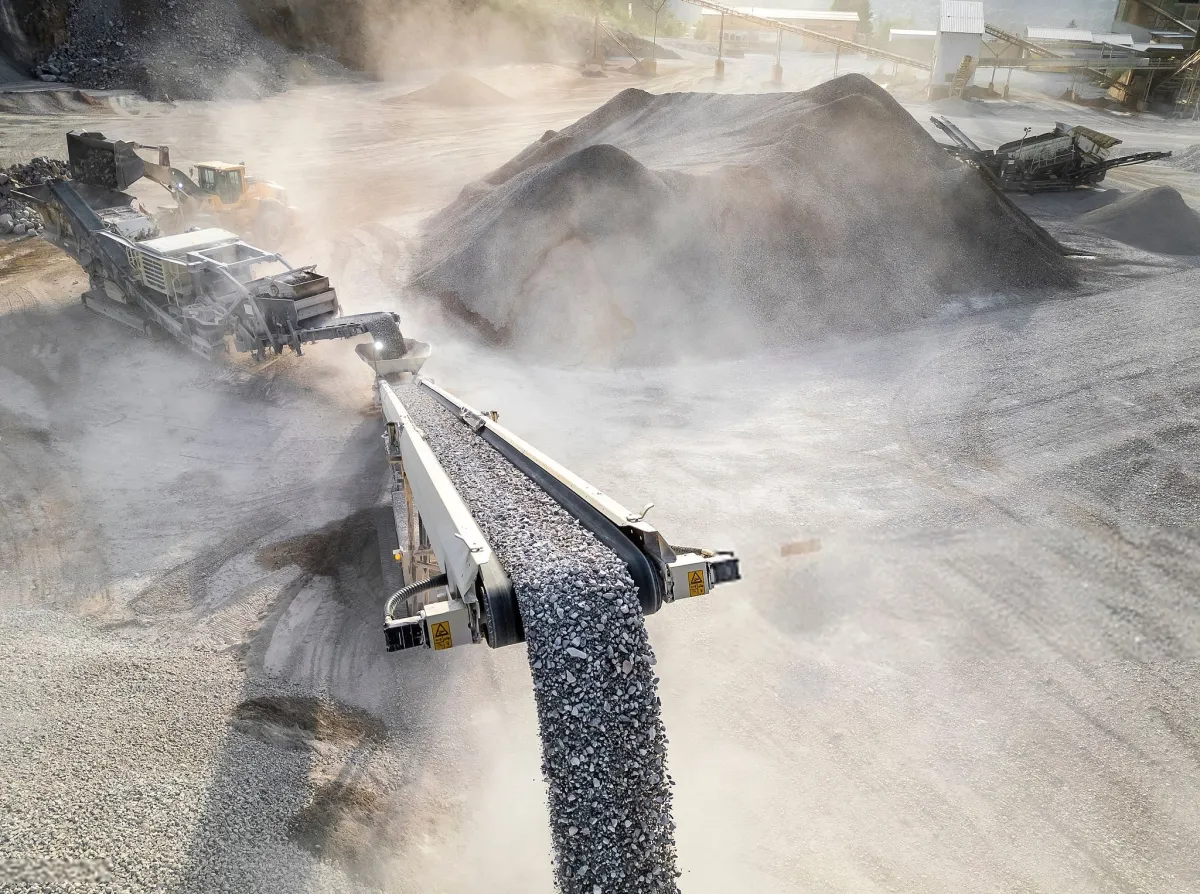
Almost every modern construction project depends on sand, including:
- Residential buildings
- High-rise skyscrapers
- Roads and highways
- Bridges
- Dams
- Airports
- Ports
- Railways
Without a steady supply of quality sand, infrastructure development would slow dramatically.
Not All Sand Is Suitable for Construction
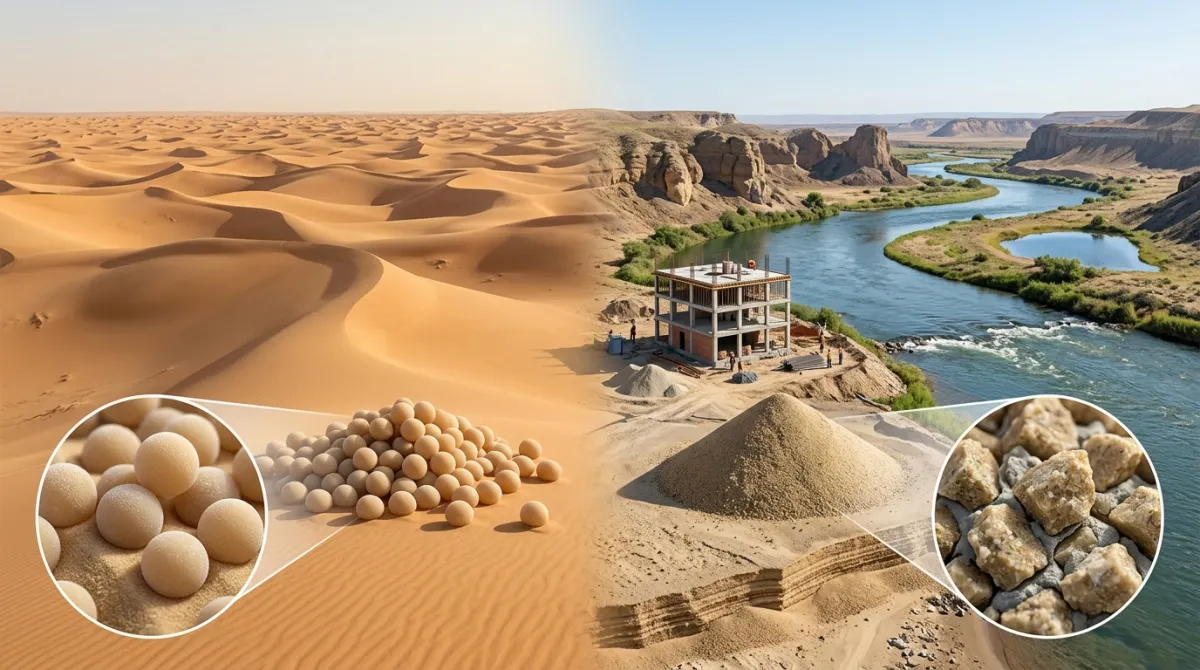
One of the biggest misconceptions is that deserts contain unlimited construction materials.In reality, desert sand is largely unusable for concrete production.
Millions of years of wind erosion have rounded desert sand grains until they become too smooth to bond effectively with cement. Concrete requires angular, coarse sand, typically rich in silica, that locks together and creates strong structural integrity.
The most valuable sand is generally found near:
- Rivers
- Lakes
- Coastlines
- Ancient geological deposits
These water-shaped deposits provide the grain size and composition required for modern engineering.
Why Sand Is Essential to Modern Civilization
Construction remains the largest consumer of sand, but its importance extends far beyond buildings.High-quality silica sand is used in numerous industries, including:
Concrete Production
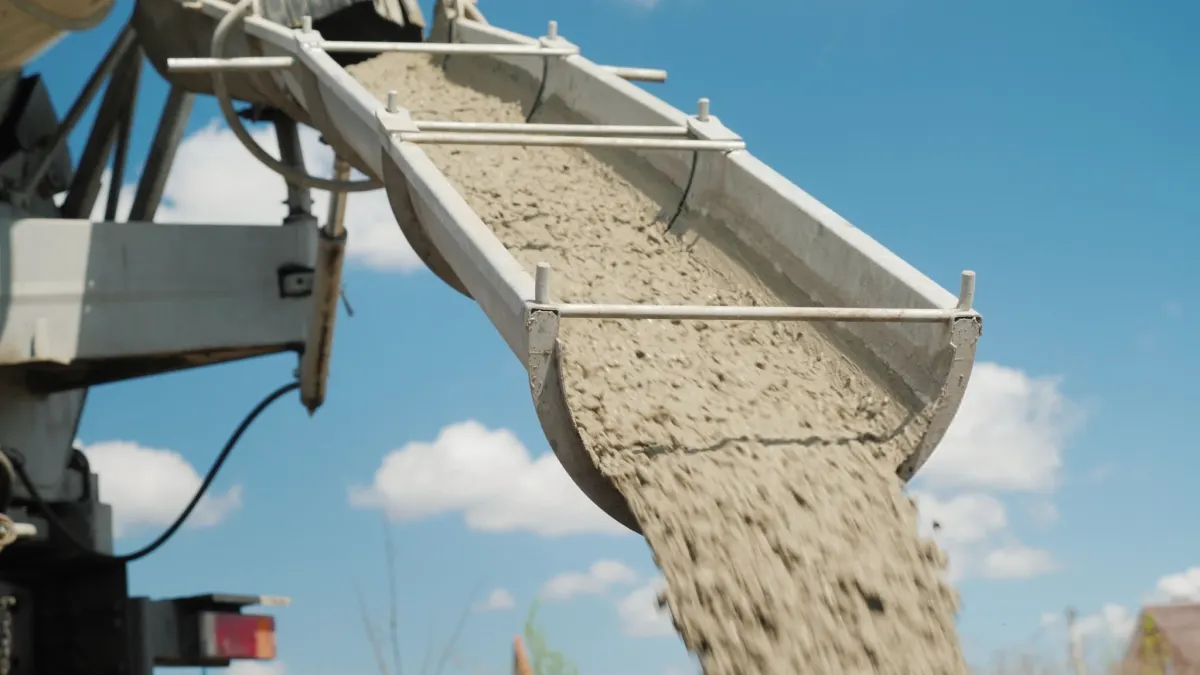
Concrete is the backbone of modern cities, and sand is one of its primary ingredients.A typical one-story house may require around 200 tons of sand and aggregate, while a single kilometer of two-lane highway can consume approximately 30,000 tons.
Large dams, airports, and urban developments require millions of tons.
Glass Manufacturing
For thousands of years, silica sand has been the primary ingredient used to manufacture glass.Today it remains essential for producing:
- Windows
- Bottles
- Laboratory equipment
- Fiber optics
- Smartphone screens
Computer Chips and Semiconductors
Modern electronics begin with silicon extracted from high-purity silica sand.This silicon forms the foundation of:
- Computer processors
- Smartphones
- Artificial intelligence hardware
- Data centers
- Consumer electronics
The famous name Silicon Valley itself reflects the importance of this material.
Solar Energy
Solar panels depend on purified silicon derived from silica sand.As countries invest heavily in renewable energy, demand for high-quality industrial sand continues to grow alongside global solar installations.
Energy Production
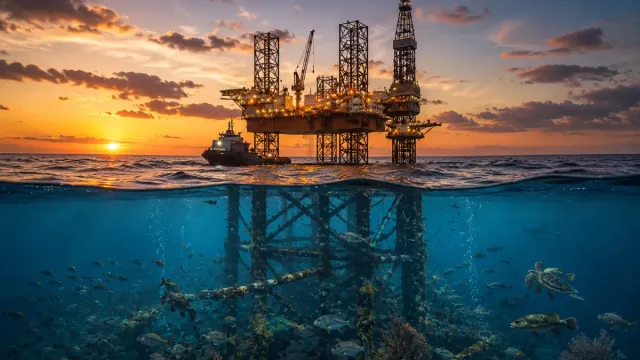
Silica sand also plays an important role in hydraulic fracturing (fracking), where specially selected sand keeps underground rock fractures open during oil and natural gas extraction.This process has become a key component of energy production in countries such as the United States and Canada.
Sand Consumption Reflects Economic Growth
Countries experiencing rapid urbanization consume enormous quantities of sand.
China is by far the world's largest consumer, using vast amounts to build:
- High-speed rail networks
- Mega cities
- Expressways
- Bridges
- Industrial zones
Massive infrastructure investment requires a continuous supply of construction-grade sand, making it a strategic national resource.
Why Some Desert Countries Import Sand
It may sound surprising, but countries surrounded by deserts still import construction sand.Nations such as Saudi Arabia and the United Arab Emirates cannot rely on desert sand because it lacks the physical properties needed for reinforced concrete.
Instead, they import suitable sand from countries with high-quality coastal and river deposits, despite the significant transportation costs.This demonstrates that availability alone does not determine value—the right geological characteristics matter far more.
The Global Sand Market Is Worth Hundreds of Billions
The legal global sand industry is estimated to be worth hundreds of billions of dollars annually.At the same time, illegal sand mining has become one of the world's largest environmental black markets.
As demand continues rising while accessible deposits become more limited, sand has evolved into a strategic commodity with enormous economic value.
The Environmental Cost of Illegal Sand Mining
Illegal sand extraction causes severe environmental damage.Removing sand from rivers, lakes, and coastlines can lead to:
- Riverbank erosion
- Habitat destruction
- Lower water levels
- Increased evaporation
- Coastal erosion
- Loss of biodiversity
In island nations, excessive coastal sand removal has even accelerated shoreline retreat and increased the risk of land loss.Because of these impacts, many governments have introduced strict regulations and heavy penalties against illegal mining operations.
Why Sand May Become Even More Valuable
Global population growth, rapid urbanization, renewable energy expansion, semiconductor manufacturing, and infrastructure investment are all increasing demand for high-quality silica sand.Although sand appears abundant, economically usable deposits are limited and unevenly distributed around the world.
As construction and technology continue expanding, this seemingly ordinary material is becoming one of the most strategically important natural resources of the 21st century.