

For decades, offshore oil rigs stand like floating cities above the ocean, extracting millions of barrels of oil and natural gas from beneath the seabed. But every offshore platform eventually reaches the end of its productive life.
So what happens next?
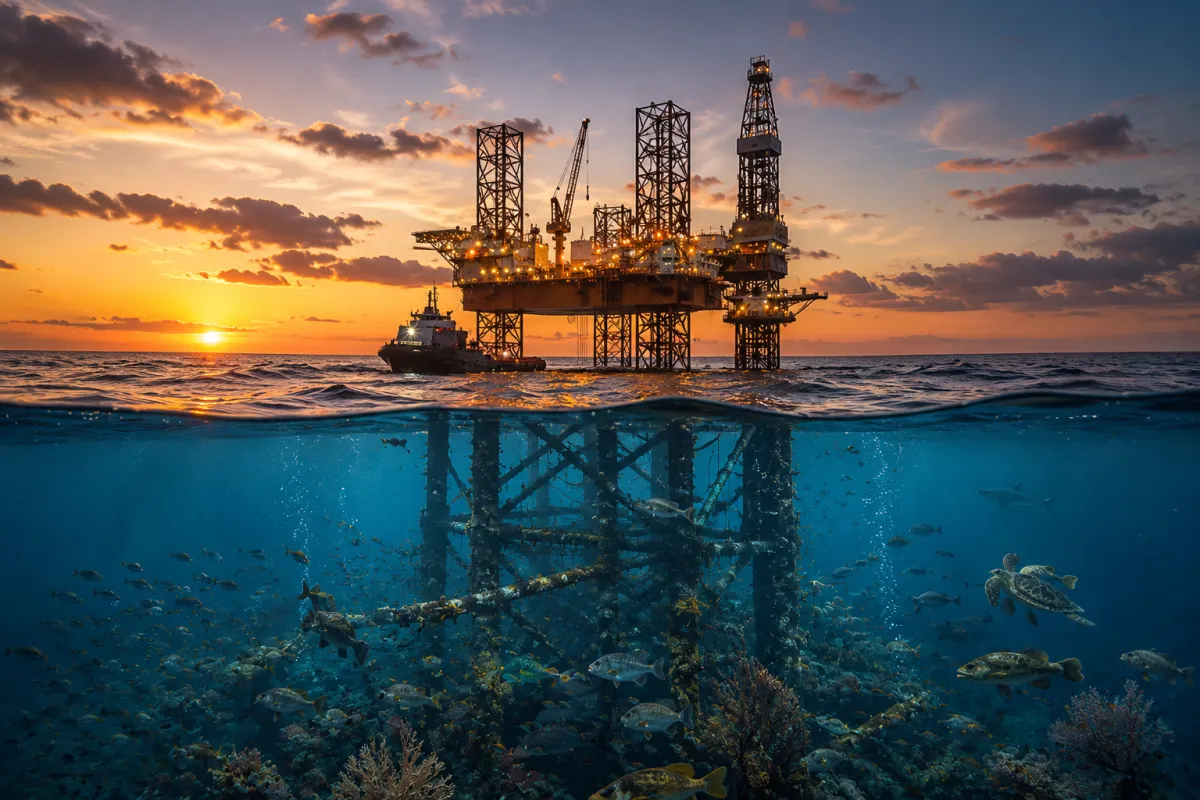
Many people imagine abandoned rigs simply rusting away in the ocean. The reality is far more fascinating—and far more expensive. Retiring an offshore oil rig is one of the largest engineering projects in the energy industry, often costing hundreds of millions of dollars and taking years to complete. In some cases, these massive steel giants don't disappear at all. Instead, they become thriving underwater ecosystems filled with fish, coral, turtles, and even sharks.
Here's the remarkable second life of an offshore oil rig.
Why Oil Rigs Can't Stay in Service Forever
Offshore platforms are built to operate for roughly 20 to 40 years, although some remain productive much longer with extensive upgrades.
A rig is retired when:
- Oil or gas production is no longer economically viable
- Maintenance becomes too expensive
- Safety standards require replacement
- Corrosion weakens critical structures
- Governments order decommissioning after leases expire
Thousands of offshore structures around the world are now approaching retirement as many oil fields discovered in the 1970s and 1980s begin reaching the end of their productive lives.
Step One: Sealing the Well Forever
The first priority is making sure oil and gas can never escape again.
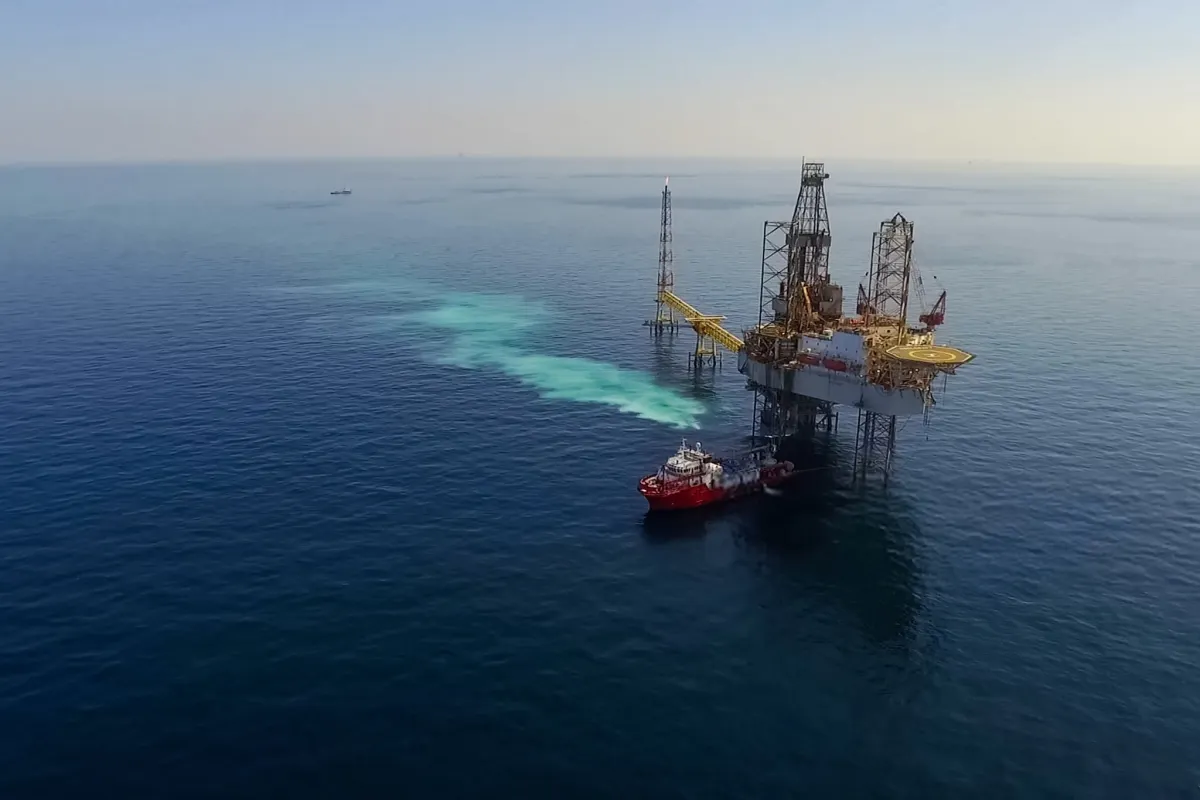
Engineers permanently plug the well using multiple layers of industrial cement and heavy-duty steel barriers. These plugs isolate underground hydrocarbon reservoirs from seawater and prevent future leaks.
Only after regulators verify the well has been permanently sealed can the rest of the structure be removed. Decommissioning regulations treat this as the most critical environmental protection step.
Read More

The Platform Is Carefully Dismantled
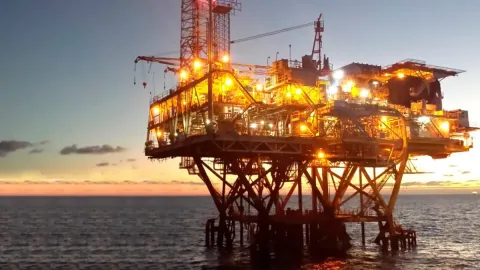
Once production stops, the platform begins disappearing piece by piece.
Large cranes remove:
- Living quarters
- Helipads
- Drilling equipment
- Processing facilities
- Pipelines
- Power systems
- Storage tanks
The upper portion—known as the topside—can weigh tens of thousands of tons.
Specialized heavy-lift vessels transport these enormous sections back to shore, where valuable materials such as steel, copper, and aluminum are recovered for recycling.
Millions of Tons of Steel Get Recycled
An offshore platform contains enormous amounts of high-grade steel.
Rather than sending everything to landfills, companies dismantle the structures in specialized recycling yards.
Recovered materials are used in:
- Construction projects
- Industrial manufacturing
- New offshore infrastructure
- Heavy engineering equipment
One of the best-known examples is the Brent Delta platform in the North Sea, where approximately 97% of the structure was reused or recycled after decommissioning.
Sometimes the Rig Isn't Removed at All
One of the most surprising facts about retired oil rigs is that many never leave the ocean.Instead, they become artificial reefs.
This practice—known as Rigs-to-Reefs—has been used for decades in parts of the United States.
After hazardous materials are removed and environmental standards are met, parts of the platform remain underwater, providing a stable surface where marine organisms quickly establish new ecosystems.
A Floating City Becomes a Marine Paradise
Within just a few years, a retired platform can become home to astonishing biodiversity.
Marine life commonly found around reefed platforms includes:
- Coral
- Sea anemones
- Mussels
- Sponges
- Starfish
- Snapper
- Grouper
- Barracuda
- Sea turtles
- Sharks
The complex steel framework provides shelter that natural sandy seabeds often lack, allowing marine communities to flourish. Many platforms eventually support ecosystems comparable to natural reefs.
Three Different Ways a Rig Becomes a Reef
Not every platform is handled the same way.Engineers generally choose one of three methods.
1. Tow-and-Place
The entire underwater structure is detached, transported to an approved location, and sunk to create a reef.
2. Topple-in-Place
The structure is cut free and carefully laid on its side at the original location.
3. Partial Removal
Everything above a safe navigation depth is removed while the lower jacket remains permanently attached to the seabed.
This final approach preserves much of the existing marine habitat while ensuring safe passage for ships.
Why Scientists Don't Always Agree
Although reefing has many supporters, it remains one of the offshore industry's biggest environmental debates.
Supporters argue that:
- Existing marine habitats are preserved.
- Fish populations often increase.
- Removing the entire structure can destroy decades-old ecosystems.
- Recycling every structure may generate unnecessary emissions.
Critics point out that:
- Some structures contain legacy contaminants.
- Corrosion continues over time.
- Artificial reefs may alter natural ecosystems.
- Each platform has unique environmental conditions.
Recent scientific reviews conclude there is no universal answer. The ecological value depends on water depth, local species, structural design, and regional environmental conditions, meaning every platform should be evaluated individually.
Decommissioning Can Cost More Than Building the Rig
Removing an offshore platform is astonishingly expensive.
Costs may include:
- Heavy-lift vessels
- Underwater robotics
- Explosive or mechanical cutting
- Environmental monitoring
- Waste disposal
- Recycling operations
- Long-term regulatory compliance
Large offshore decommissioning projects frequently cost hundreds of millions of dollars, and some of the biggest platforms require budgets exceeding $1 billion from start to finish.
The Next Challenge: Thousands More Retirements
The offshore industry faces a massive wave of retirements over the coming decades.
Many of the world's offshore installations were constructed during the offshore boom of the late 20th century, meaning governments and energy companies must decide whether each structure should be:
- Completely removed
- Partially removed
- Recycled
- Converted into an artificial reef
Those decisions will influence marine ecosystems, energy policy, and billions of dollars in future infrastructure spending.