

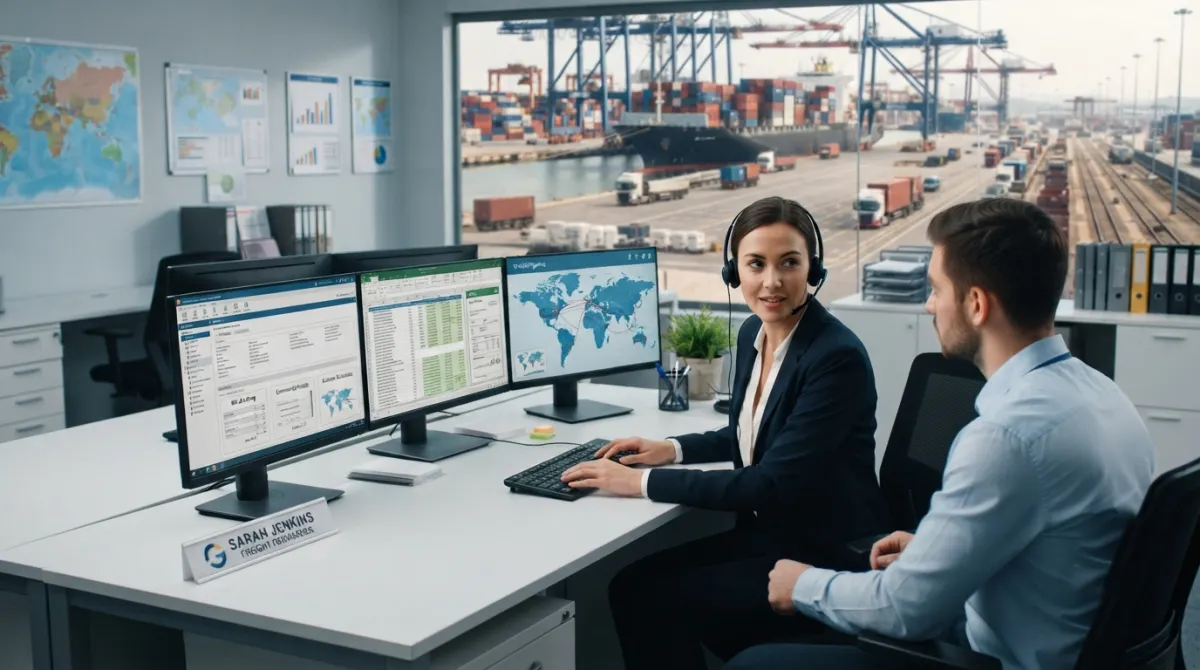

International shipping involves far more than moving cargo from one place to another. Behind every successful shipment is a logistics expert responsible for planning, documentation, customs procedures, and transportation coordination. This is where freight forwarding plays a vital role in global trade.
What Is Freight Forwarding?
Freight forwarding is the process of organizing and managing the transportation of goods from one destination to another through a network of carriers. Rather than transporting cargo themselves, freight forwarders arrange the most efficient shipping solution using sea, air, rail, or road transport.
Their goal is to ensure shipments arrive safely, on time, and in compliance with international trade regulations while helping businesses reduce shipping costs and avoid delays.
Demurrage, Detention, and Storage Charges in Shipping: What's the Difference?
Who Is a Freight Forwarder?
A freight forwarder is a logistics company or professional that acts as an intermediary between the shipper and transportation providers.
Instead of owning ships, trucks, or aircraft in most cases, freight forwarders use their global network and industry expertise to organize every stage of the shipping process. They simplify international logistics so businesses can focus on production and sales rather than complex transportation procedures.
Main Responsibilities of a Freight Forwarder
A freight forwarder typically handles:
- Planning the most efficient shipping route
- Booking cargo space with shipping lines or airlines
- Preparing shipping and customs documentation
- Coordinating customs clearance
- Arranging cargo insurance when required
- Managing warehousing and cargo consolidation
- Tracking shipments from origin to destination
- Solving transportation issues and minimizing delays
Why Businesses Use Freight Forwarders
Working with an experienced freight forwarder offers several advantages:
- Reduces shipping complexity
- Saves time on documentation and customs procedures
- Optimizes transportation costs
- Provides access to multiple global carriers
- Minimizes the risk of shipment delays
- Improves supply chain efficiency
- Offers professional support when unexpected issues arise
For importers and exporters, these benefits can significantly improve operational efficiency and customer satisfaction.
Read More

Freight Forwarder vs. Shipping Carrier
Although these terms are often confused, they have different roles.
| Freight Forwarder | Shipping Carrier |
|---|---|
| Organizes and manages shipments | Physically transports cargo |
| Coordinates logistics | Operates ships, aircraft, trucks, or trains |
| Handles documentation and customs | Moves goods between locations |
| Works with multiple carriers | Provides transportation services |
In simple terms, the freight forwarder manages the logistics, while the carrier performs the transportation.