



Demurrage, Detention, and Storage Charges Explained
International shipping involves more than transporting cargo from one port to another. Importers and exporters may face additional costs if containers or cargo remain at ports or terminals longer than permitted. Three of the most common charges are demurrage, detention, and storage.
Although these terms are often confused, each represents a different type of delay and has its own cost structure.
Read More


What Is Demurrage?
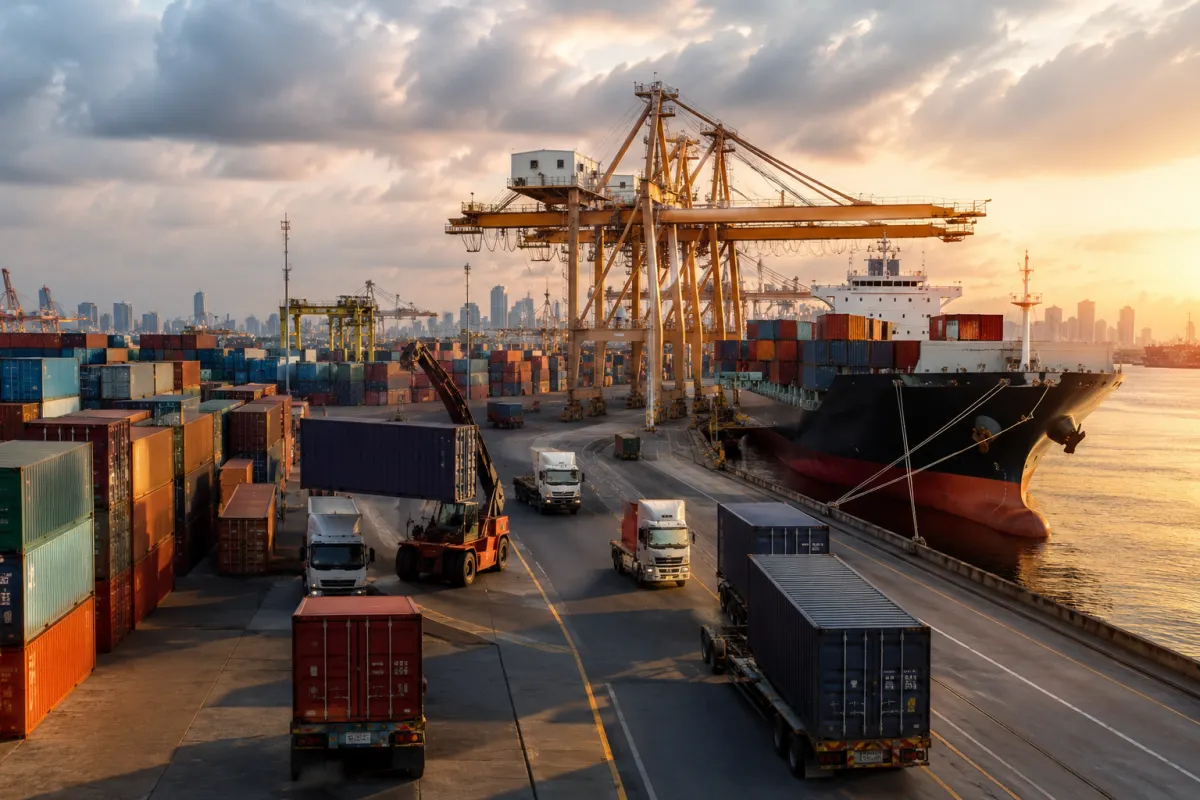
Demurrage is a fee charged when a loaded container stays inside the port or terminal beyond the free time granted by the shipping line or terminal operator.This charge encourages importers to collect cargo promptly and helps ports maintain container flow. The longer the container remains at the terminal, the higher the demurrage costs become.
What Is Detention?
Detention applies after the container has left the terminal. If the consignee keeps the shipping line's container beyond the allowed free period before returning the empty container, detention charges are applied.
For example, an importer may need extra time to unload cargo at a warehouse. If the empty container is returned late, detention fees will be charged for each additional day.
What Are Storage Charges?
Storage charges are imposed by the port or terminal operator for occupying terminal space beyond the free storage period. Unlike demurrage and detention, which are generally charged by the shipping line, storage fees compensate the terminal for using its storage facilities.
Depending on local regulations, storage charges may apply separately or alongside demurrage.
Demurrage vs. Detention vs. Storage
| Charge | Who Charges It? | When It Applies |
|---|---|---|
| Demurrage | Shipping line or terminal | Loaded container remains inside the terminal beyond free time. |
| Detention | Shipping line | Empty container is returned after the allowed free period. |
| Storage | Port or terminal operator | Cargo or containers occupy terminal storage space beyond the free storage period. |
Why These Charges Matter
Unexpected shipping charges can significantly increase logistics expenses and disrupt supply chain planning. Delays caused by customs clearance, missing documentation, warehouse congestion, or transportation shortages are among the most common reasons companies incur these fees.
Understanding the differences allows businesses to estimate total shipping costs more accurately and avoid unnecessary financial penalties.
How to Avoid Demurrage, Detention, and Storage Fees
Companies can reduce the risk of additional charges by following a few best practices:
- Prepare customs documents before the cargo arrives.
- Schedule trucking and warehouse availability in advance.
- Track vessel arrival times and free-time deadlines.
- Return empty containers as quickly as possible.
- Maintain clear communication with freight forwarders, shipping lines, and customs brokers.