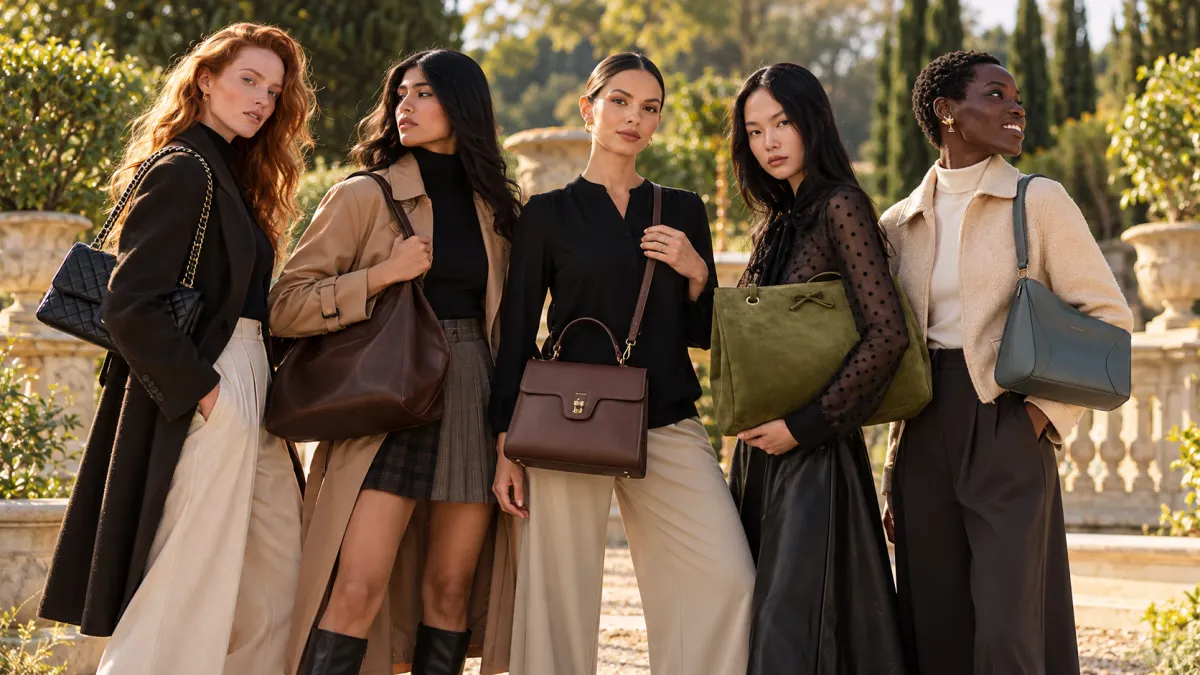

From Chanel’s timeless Classic Flap to Hermès’ legendary Birkin, these 10 designer handbags reveal how a single accessory can become a symbol of luxury, craftsmanship, and global fashion influence.
A luxury handbag is rarely just a place to carry everyday essentials. For some people, it represents personal style. For others, it is a collectible, a status symbol, or a piece of fashion history.
Behind the world's most recognizable designer bags are decades of craftsmanship, distinctive design codes, and powerful fashion houses. Some brands operate independently, while others belong to multinational luxury groups that control multiple labels across fashion, jewelry, beauty, and accessories.
Read More

Here are 10 iconic luxury handbag designs worth knowing, along with the companies behind their brands.
1. Chanel Classic Flap
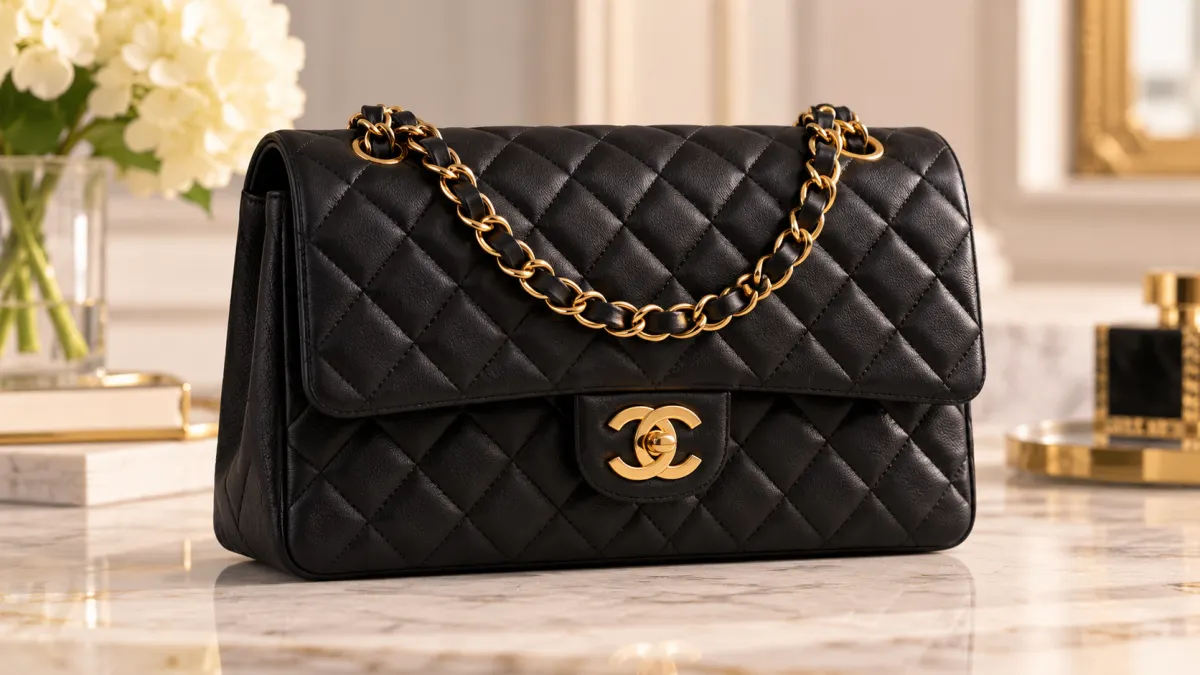
Brand: Chanel
Model: Classic Flap
Signature feature: Quilted leather, chain strap, and interlocking CC clasp
Few handbags are as recognizable as the Chanel Classic Flap. Its design draws inspiration from the original 2.55 bag introduced by Gabrielle Chanel in 1955, while the version associated with Karl Lagerfeld added the familiar double-C turn-lock.
The combination of quilted leather, a chain strap woven with leather, and a structured silhouette has helped make the bag a lasting fixture in luxury fashion. It can complement both formal outfits and everyday looks.
Chanel remains a privately held fashion house rather than a subsidiary of LVMH or Kering.
2. Louis Vuitton Neverfull
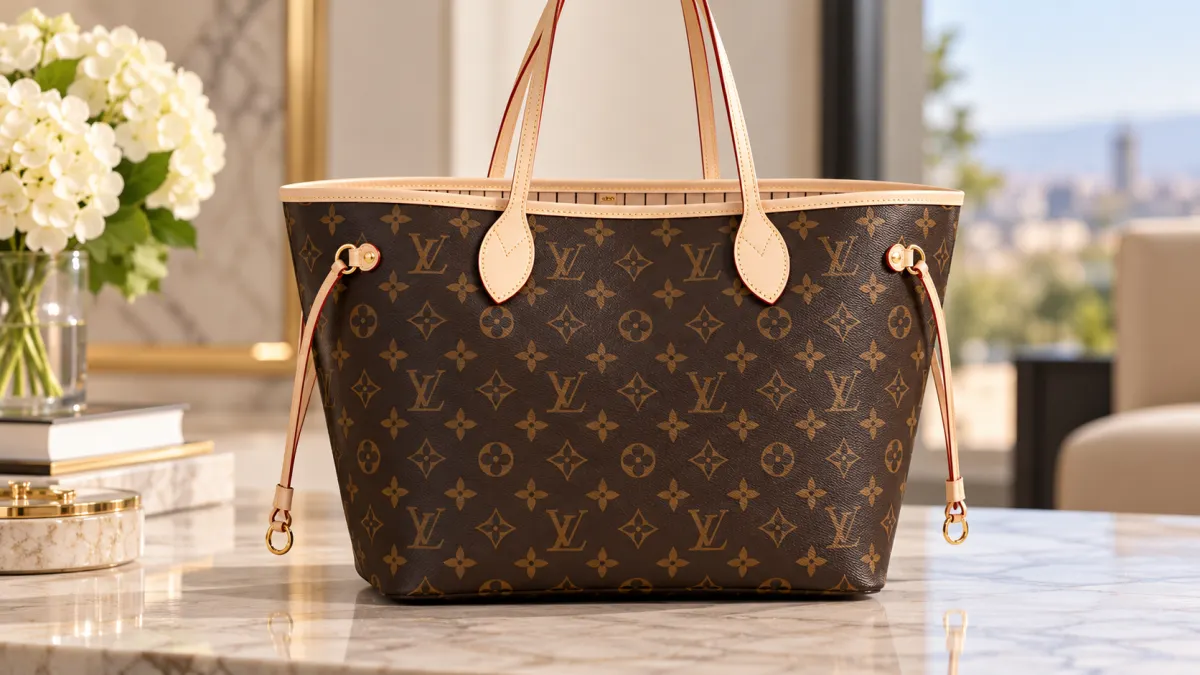
Brand: Louis Vuitton
Model: Neverfull
Signature feature: Spacious interior and signature Monogram canvas
Introduced in 2007, the Neverfull quickly became one of Louis Vuitton's best-known everyday bags. Its lightweight construction, roomy interior, and recognizable Monogram pattern make it popular with travelers and city commuters alike.
Unlike smaller evening bags, the Neverfull emphasizes practicality without abandoning the visual identity of a luxury label. Its versatility has helped it maintain a prominent place in the brand's accessories collection.
Louis Vuitton is part of LVMH, the French luxury group whose portfolio spans fashion, leather goods, jewelry, watches, and other luxury categories.
3. Gucci Jackie 1961
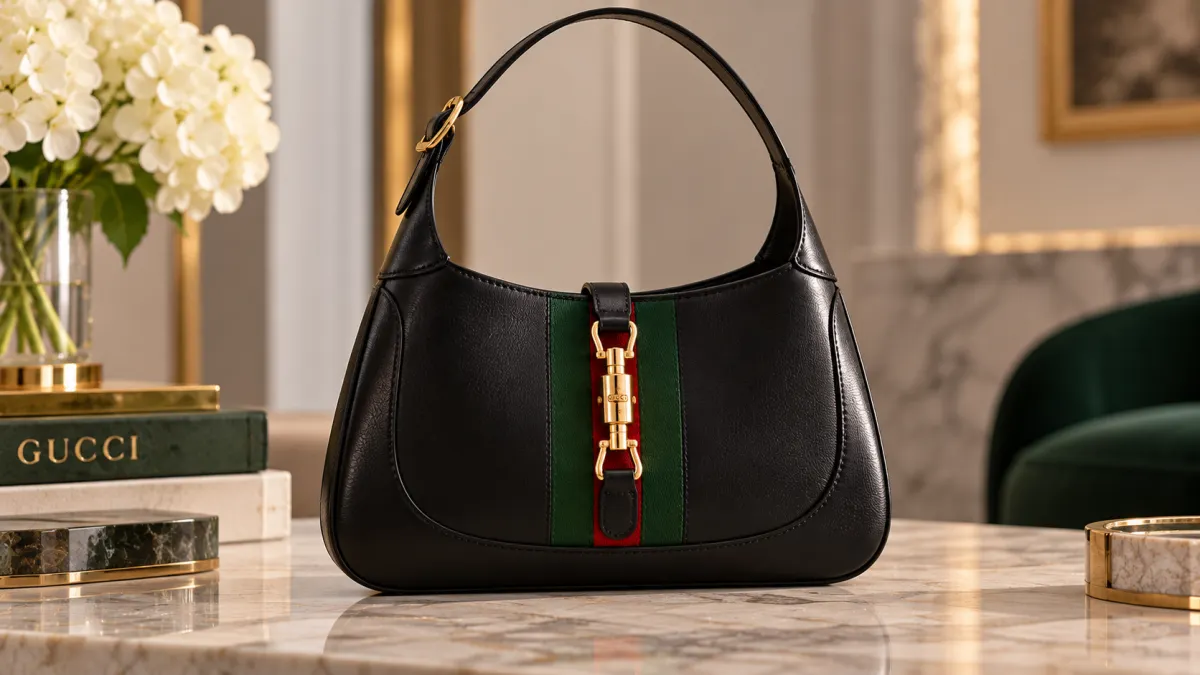
Brand: Gucci
Model: Jackie 1961
Signature feature: Curved silhouette and piston-style closure
The Gucci Jackie is one of the Italian fashion house's enduring designs. Originally introduced in the 1960s and later associated with the name Jackie Kennedy, the bag became known for its distinctive curved shape and understated elegance.
The Jackie 1961 revisits that heritage with updated proportions, materials, and color options. Its appeal comes from a design that feels recognizable without relying on oversized logos.
Gucci belongs to Kering, a luxury group with a portfolio of fashion and jewelry houses.
4. Hermès Birkin
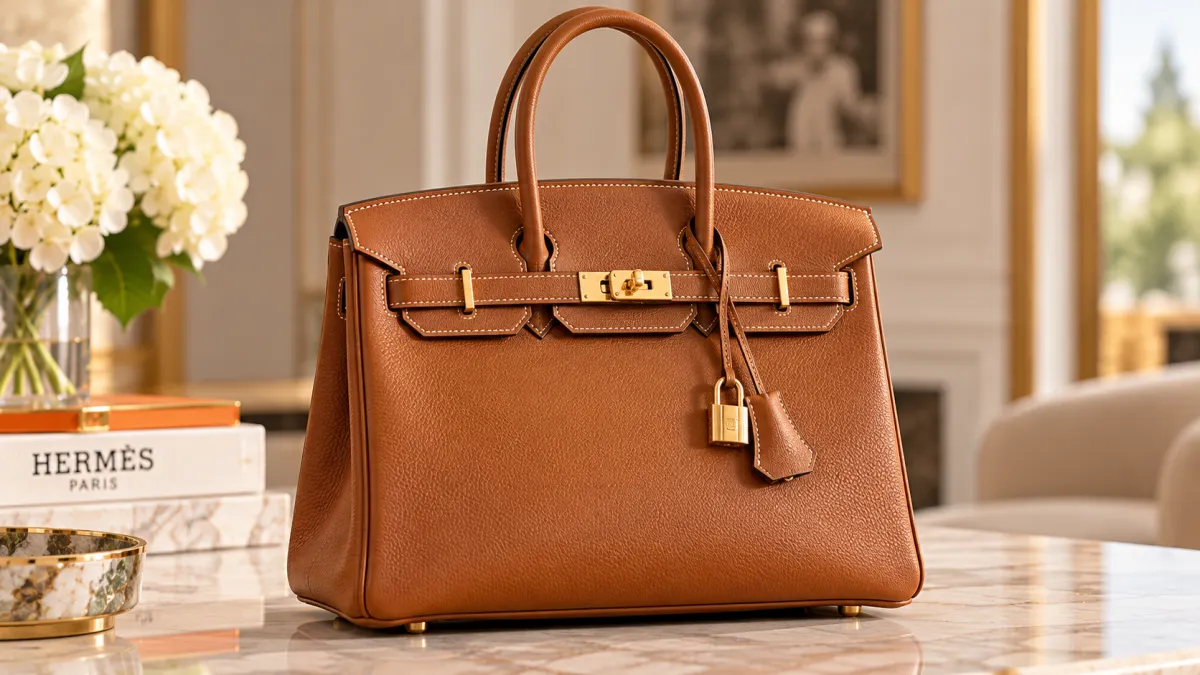
Brand: Hermès
Model: Birkin
Signature feature: Structured shape, top handles, and signature hardware
The Birkin is among the most recognizable names in luxury handbags. Created in the 1980s, it became famous for its carefully constructed silhouette, premium materials, and association with exceptional craftsmanship.
Unlike many bags designed primarily around seasonal trends, the Birkin has developed a reputation for exclusivity. Availability can be limited, and prices vary significantly depending on size, leather, hardware, condition, and market.
However, its popularity does not mean every Birkin automatically increases in value. Resale prices depend on the specific model, authenticity, condition, and changing demand.
Hermès is an independent, publicly traded luxury company, not a subsidiary of LVMH or Kering.
5. Dior Lady Dior
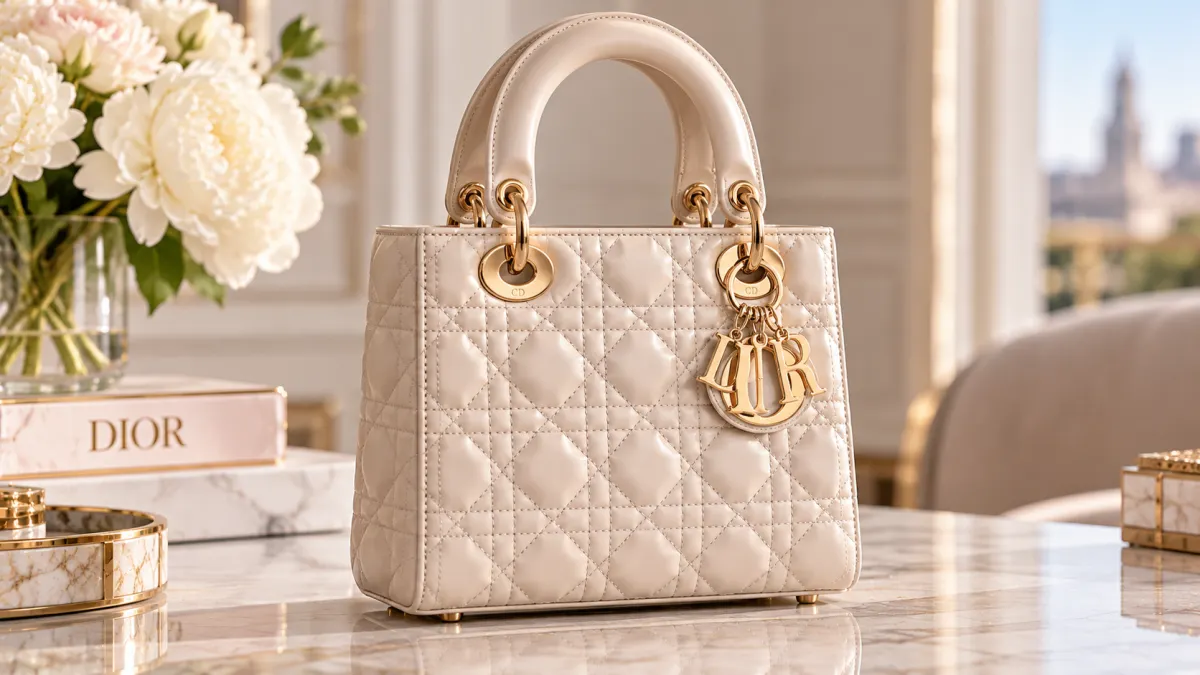
Brand: Dior
Model: Lady Dior
Signature feature: Cannage stitching and dangling letter charms
The Lady Dior is known for its structured shape, rounded handles, and distinctive quilted pattern. Its elegant proportions give it a more formal appearance than many oversized everyday totes.
The bag gained international recognition in the 1990s and became closely associated with Princess Diana, helping establish its place in modern fashion history.
Today, the Lady Dior appears in a variety of sizes, colors, and materials, allowing the original design language to evolve while remaining recognizable.
Dior is part of LVMH, one of the world's largest luxury groups.
6. Prada Re-Edition
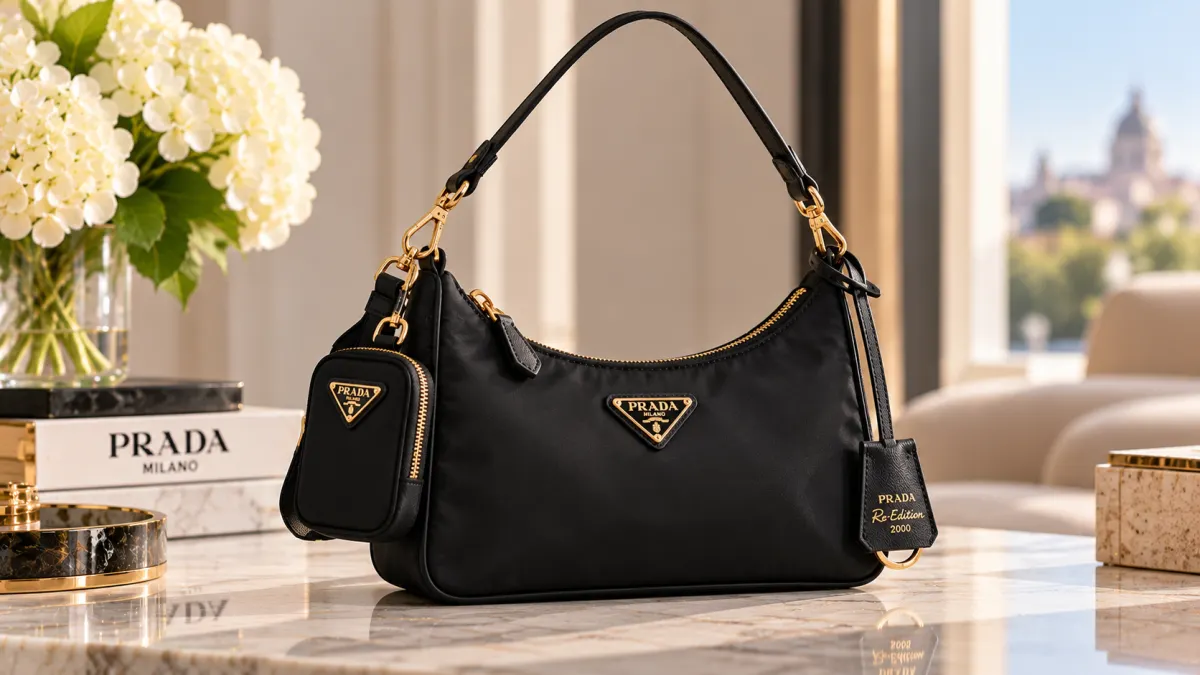
Brand: Prada
Model: Re-Edition
Signature feature: Compact silhouette and minimalist design
Prada's Re-Edition bags revisit earlier designs from the Italian fashion house's archives. Versions inspired by the late 1990s and early 2000s have attracted attention for their compact proportions and streamlined appearance.
Depending on the version, details may include nylon construction, a short shoulder strap, a detachable pouch, or the recognizable triangular Prada logo.
The Re-Edition demonstrates how fashion houses can revive archive designs for a new generation rather than inventing an entirely different silhouette every season.
Prada operates within the Prada Group, which also owns other fashion brands.
7. Fendi Baguette
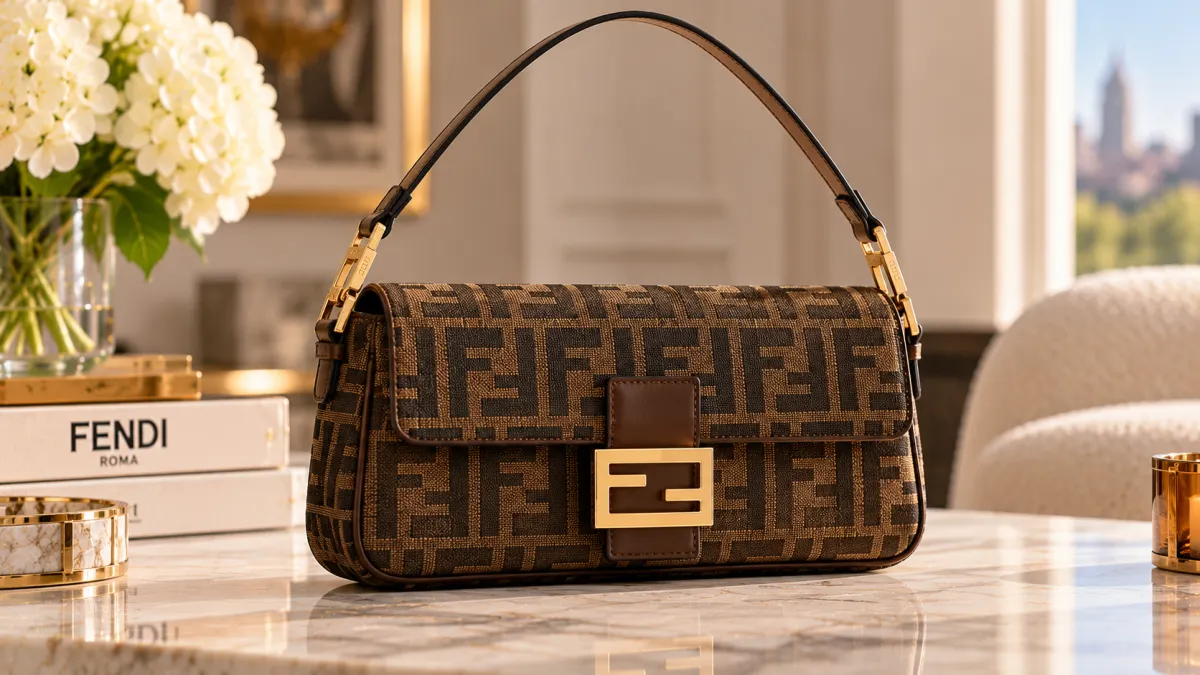
Brand: Fendi
Model: Baguette
Signature feature: Compact rectangular shape and short shoulder strap
The Fendi Baguette became a cultural phenomenon after its introduction in 1997. Its small, elongated shape was designed to sit neatly under the arm, much like a French baguette carried home from a bakery.
The design gained additional visibility through its association with popular culture, particularly the television series Sex and the City.
Over the years, Fendi has released the Baguette in numerous materials, patterns, and embellishments. Its evolution illustrates how a distinctive silhouette can remain relevant while adapting to changing fashion tastes.
Fendi is part of LVMH.
8. Bottega Veneta Jodie
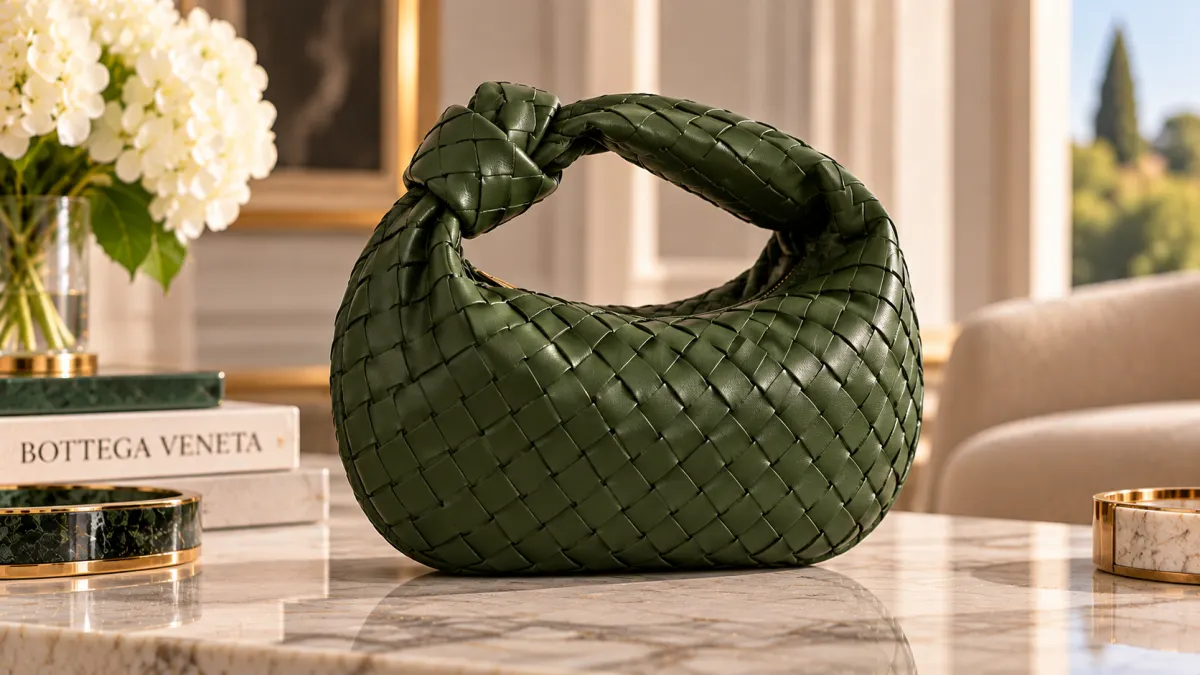
Brand: Bottega Veneta
Model: Jodie
Signature feature: Woven leather and a knotted handle
Bottega Veneta has long been associated with its intrecciato technique, in which strips of leather are woven together to create a distinctive surface.
The Jodie builds on that heritage with a soft, rounded shape and a knotted handle. Its design emphasizes material and construction rather than prominent branding.
This understated approach appeals to shoppers who prefer recognizable craftsmanship over large logos. The Jodie also demonstrates how a traditional technique can become the defining feature of a contemporary accessory.
Bottega Veneta is owned by Kering.
9. Celine Triomphe
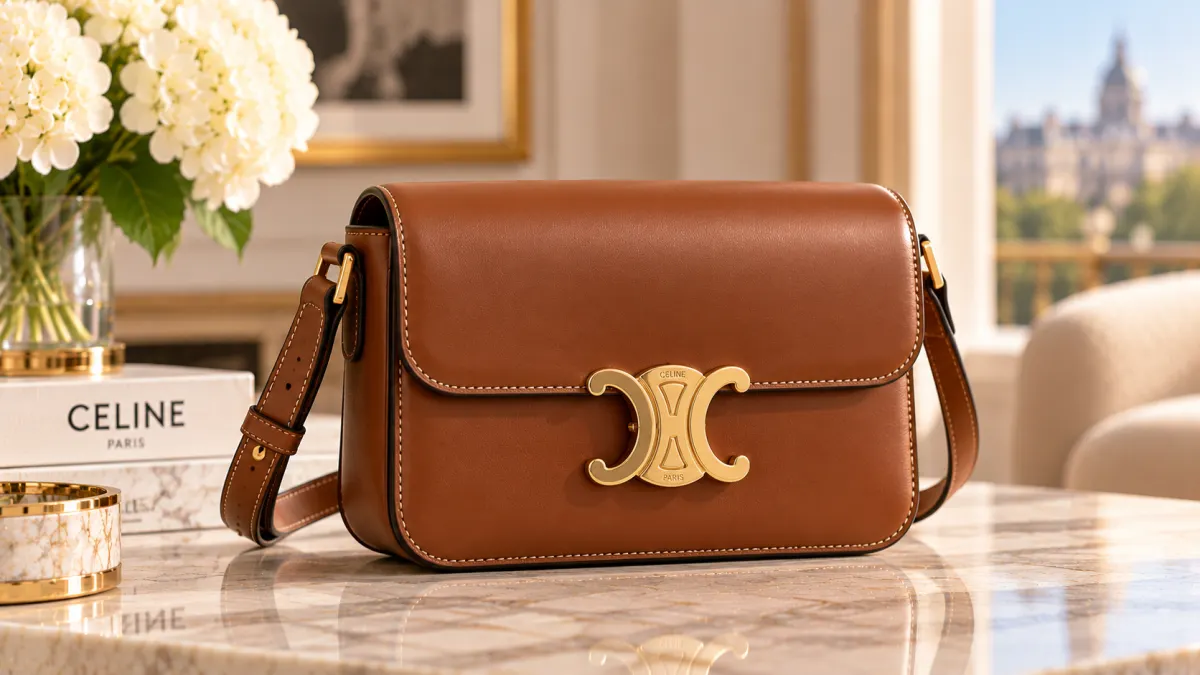
Brand: Celine
Model: Triomphe
Signature feature: Distinctive metal clasp and structured profile
Celine's Triomphe bags combine a clean silhouette with a recognizable clasp inspired by the chain motif associated with the brand's Parisian heritage.
The design is available in different shapes and materials, including leather shoulder bags and more structured styles. Its restrained appearance makes it suitable for wardrobes built around neutral colors, tailored clothing, and versatile accessories.
The Triomphe illustrates how a small hardware detail can become a powerful element of brand identity.
Celine belongs to LVMH.
10. Michael Kors Jet Set Tote
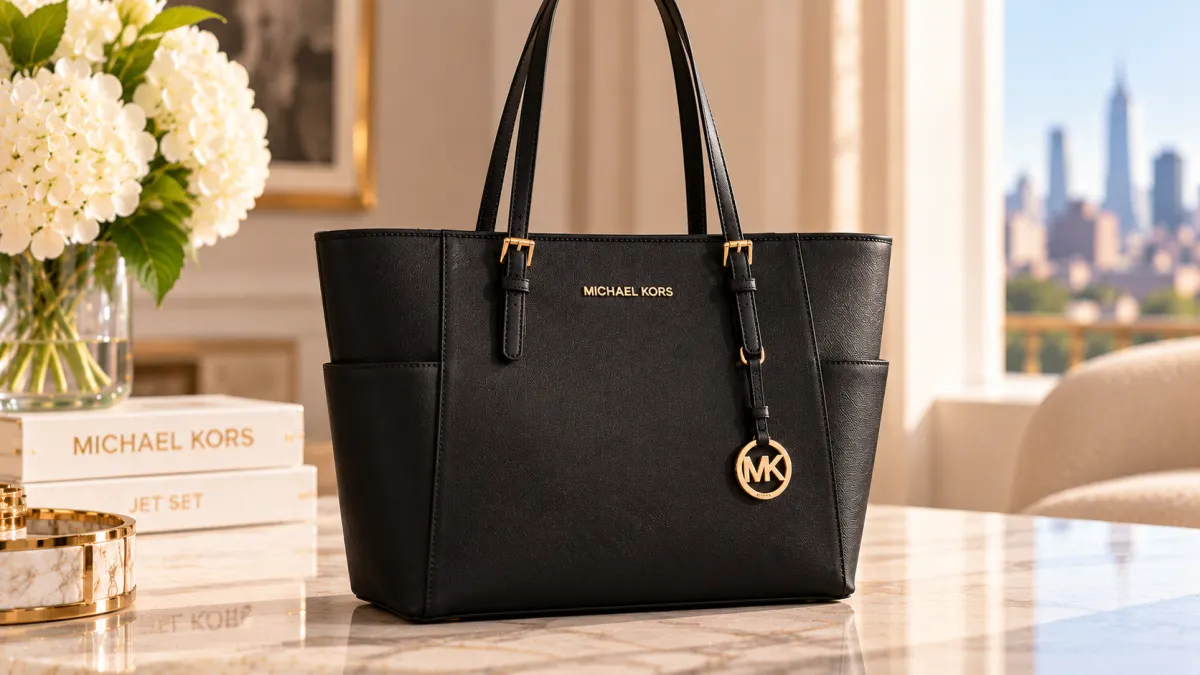
Brand: Michael Kors
Model: Jet Set
Signature feature: Practical tote shape and recognizable logo hardware
The Michael Kors Jet Set collection offers a more accessible entry point into branded designer accessories than many of the ultra-luxury handbags on this list.
Its appeal centers on everyday functionality, with styles designed to accommodate work essentials, travel items, and personal belongings. The collection has included multiple sizes, materials, and finishes.
Michael Kors occupies a different market position from Hermès or Chanel, illustrating that the designer handbag market serves shoppers with different budgets and expectations.
Michael Kors is part of Capri Holdings.
Who Owns the World's Biggest Luxury Handbag Brands?
The handbags themselves tell only part of the story. Their parent companies reveal how the global luxury industry is organized.
| Luxury group or company | Handbag brands featured |
|---|---|
| LVMH | Louis Vuitton, Dior, Fendi, Celine |
| Kering | Gucci, Bottega Veneta |
| Prada Group | Prada |
| Capri Holdings | Michael Kors |
| Independent company | Chanel |
| Independent company | Hermès |
These relationships matter because luxury groups can provide brands with access to global distribution, marketing resources, retail networks, and shared business expertise. However, each fashion house maintains its own identity, design direction, and positioning.
What Makes a Luxury Handbag Iconic?
A high price alone does not make a handbag timeless. The most enduring designs tend to combine several qualities:
- Distinctive design: A silhouette, clasp, pattern, or construction technique that is easy to recognize.
- Brand heritage: A connection to the fashion house's history and creative identity.
- Craftsmanship: Attention to materials, construction, and finishing.
- Cultural influence: Visibility in popular culture, celebrity wardrobes, and fashion history.
- Lasting appeal: The ability to remain desirable beyond a single seasonal trend.
Not every iconic bag is a sound financial investment, and not every expensive handbag holds its resale value. Buyers should consider personal preference, practicality, authenticity, and the total cost of ownership rather than relying on brand reputation alone.