
 17 November 2026
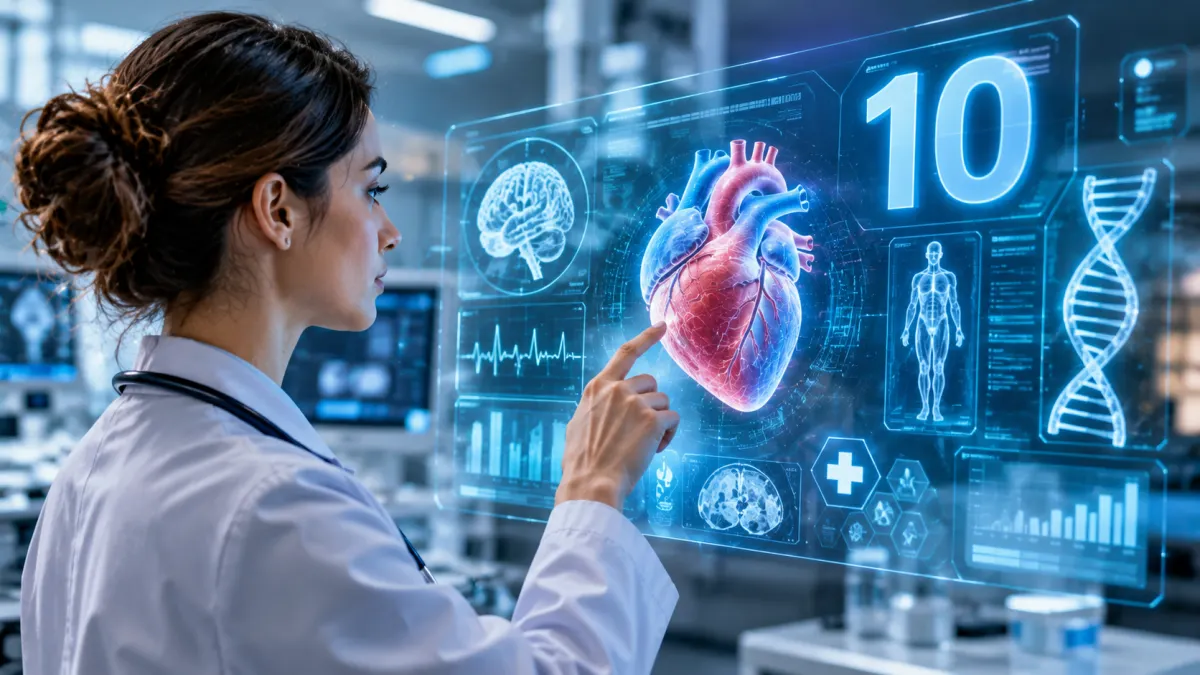
Modern healthcare is changing rapidly as new technologies help medical professionals detect diseases, plan treatments, and care for patients in innovative ways. From artificial intelligence to gene editing, these 10 medical technologies are bringing once-unimaginable possibilities closer to everyday medicine.
Why Statins Cause Muscle Pain and What Doctors Recommend Doing
See How 10 Futuristic Medical Breakthroughs Are Shaping the Future of Healthcare!
Detailed Reviews
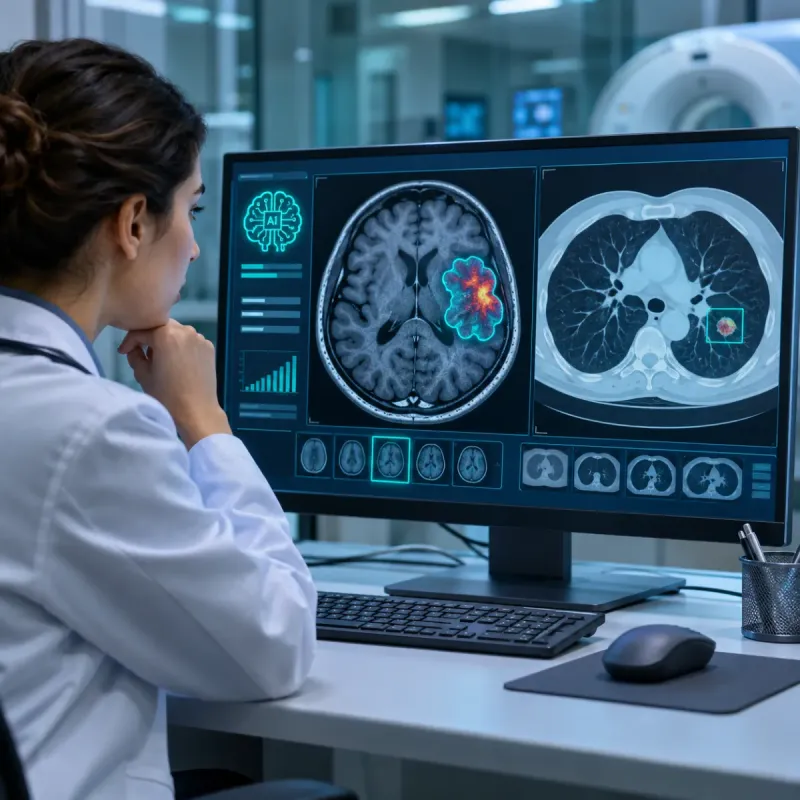
AI-Powered Medical Diagnostics
AI is helping doctors detect diseases.
AI tools can analyze medical images and patient data to support the detection of conditions such as cancer, heart disease, and eye disorders.
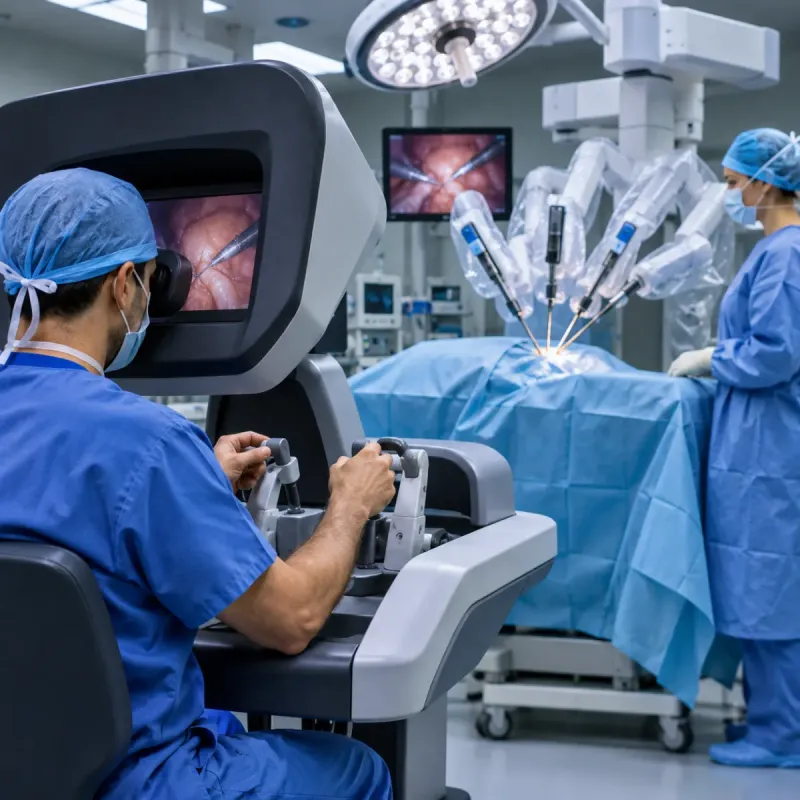
Robotic-Assisted Surgery
Robots assist surgeons in complex procedures.
Robotic-assisted systems can help surgeons perform selected procedures with greater instrument control and precision.
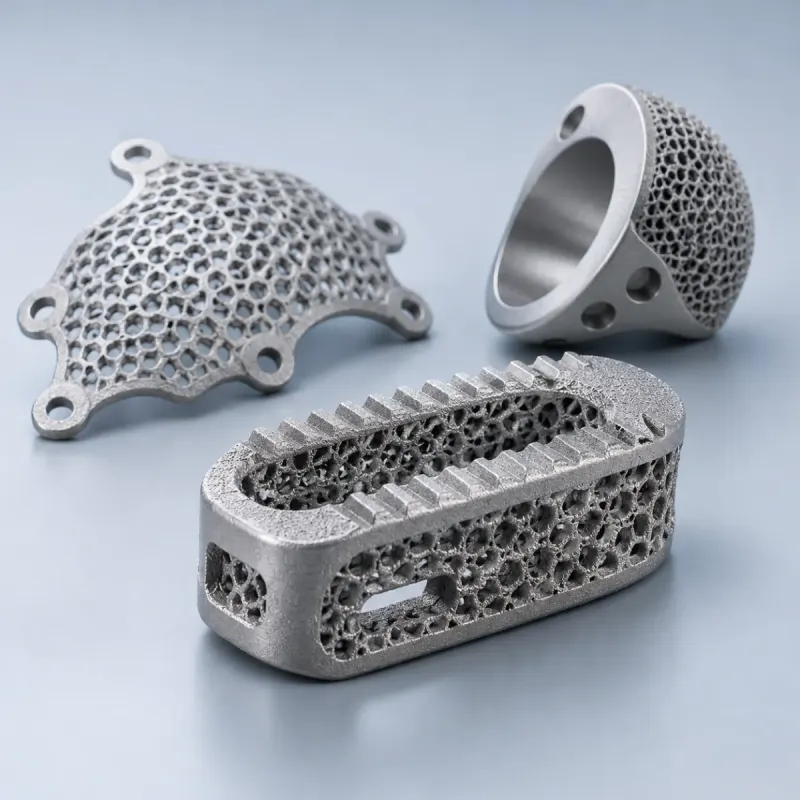
3D-Printed Medical Implants
Custom medical devices are made with 3D printing.
3D printing allows medical teams to produce customized devices that can better match a patient's anatomy.
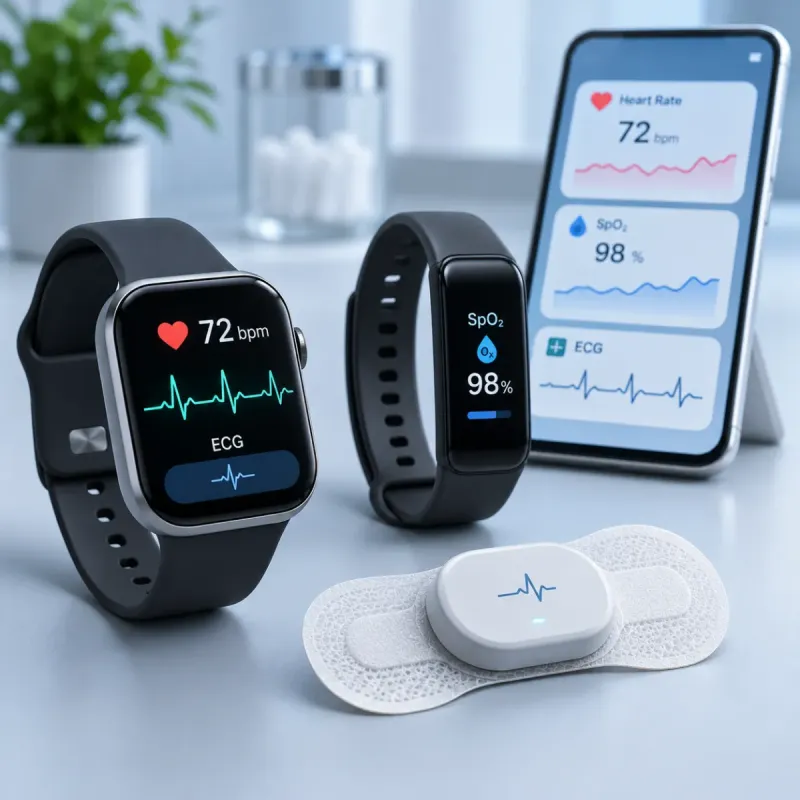
Wearable Health Monitors
Smart devices track important health signals.
Wearable health devices can collect useful information that supports ongoing health monitoring and clinical research.

Telemedicine Technology
Healthcare is becoming accessible from a distance.
Telemedicine allows patients and healthcare professionals to communicate without always meeting in person.
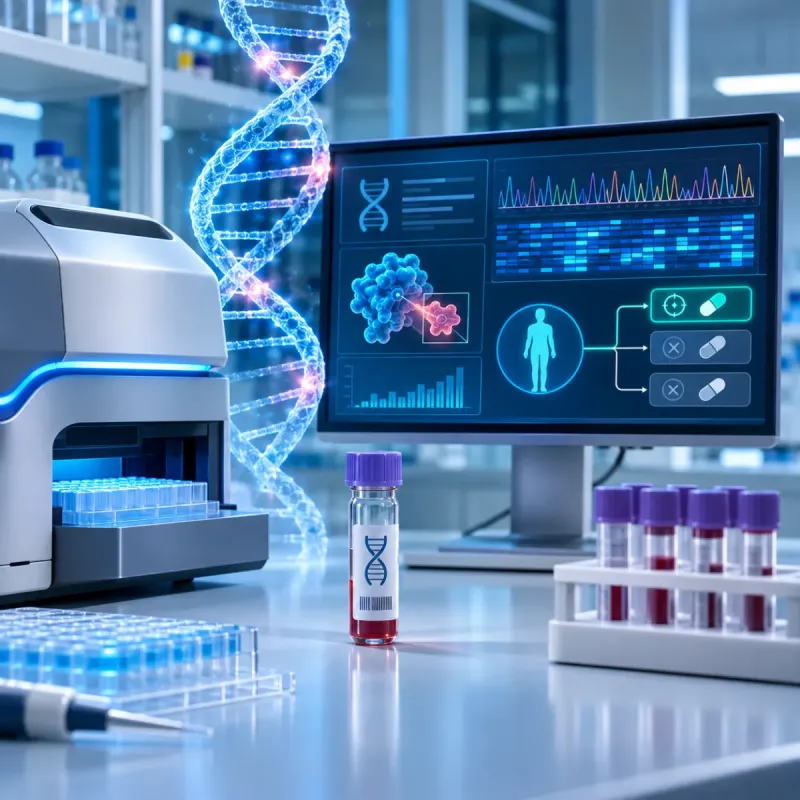
Precision Medicine
Treatments are becoming more personalized.
Precision medicine helps healthcare professionals select approaches that better match a patient's individual characteristics.
- Genetic, molecular, environmental
- lifestyle information
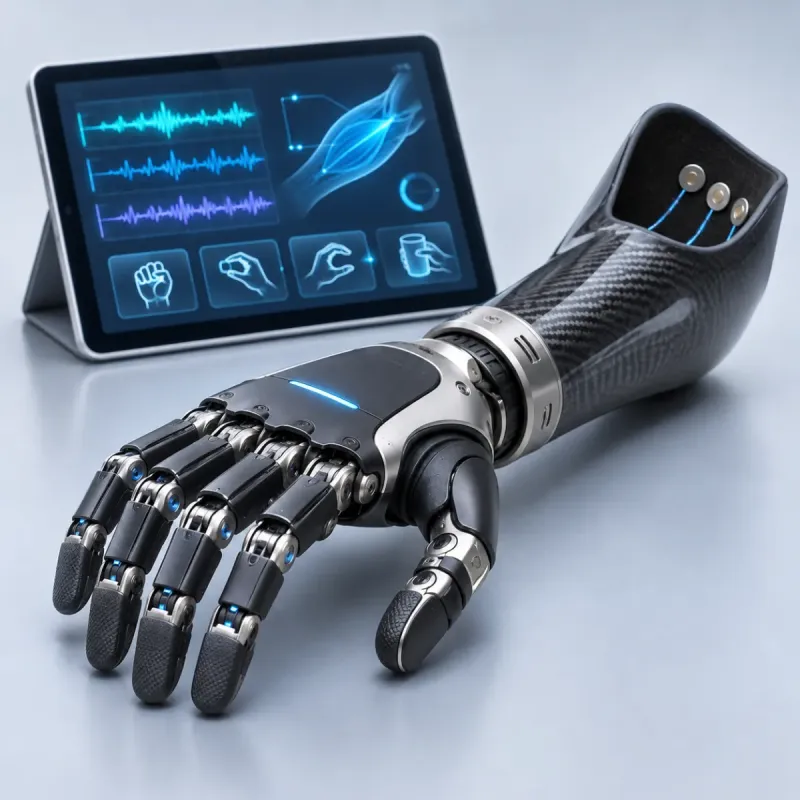
Smart Prosthetics
Artificial limbs are becoming more responsive.
Smart prosthetics can help people with limb loss perform everyday movements with greater flexibility.
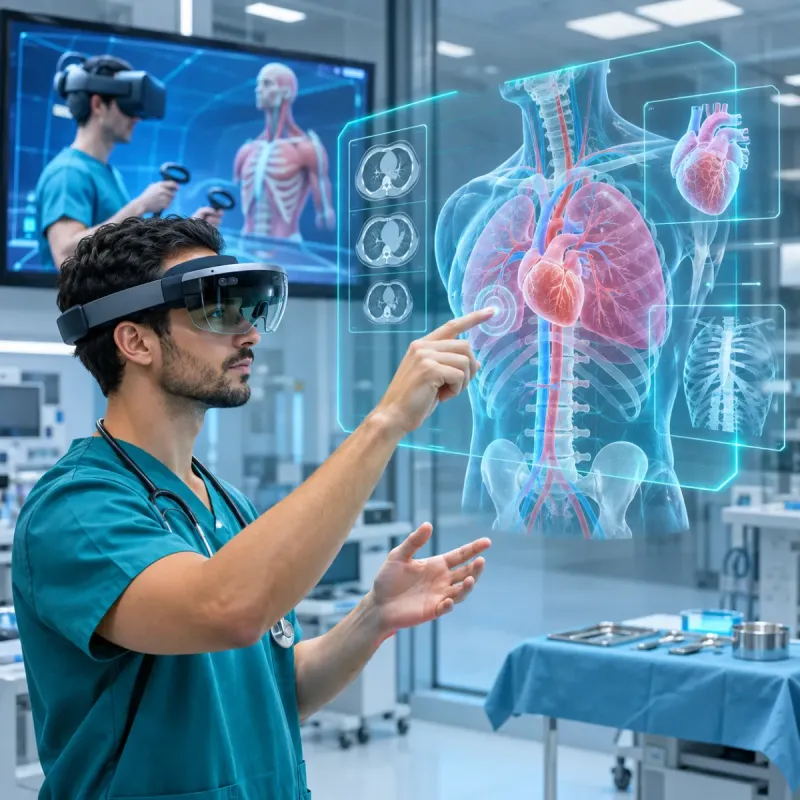
Virtual and Augmented Reality
Immersive technology is changing medical training.
Virtual and augmented reality can support medical education, treatment planning, and selected rehabilitation activities.
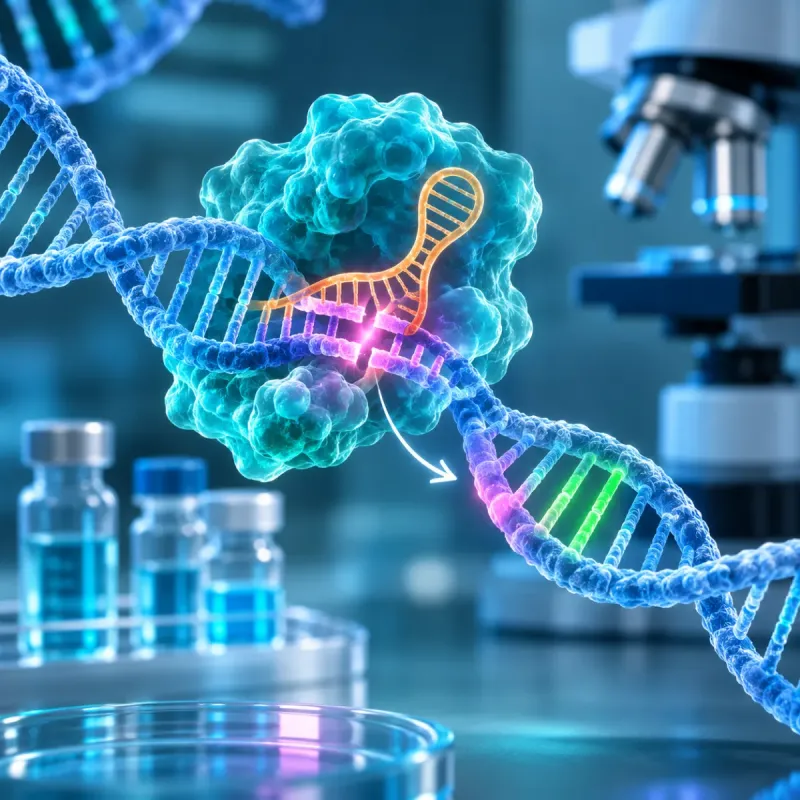
CRISPR Gene-Editing Technology
Scientists can edit selected DNA sequences.
Gene-editing technology is opening new possibilities for treating some inherited diseases by modifying specific genetic instructions.
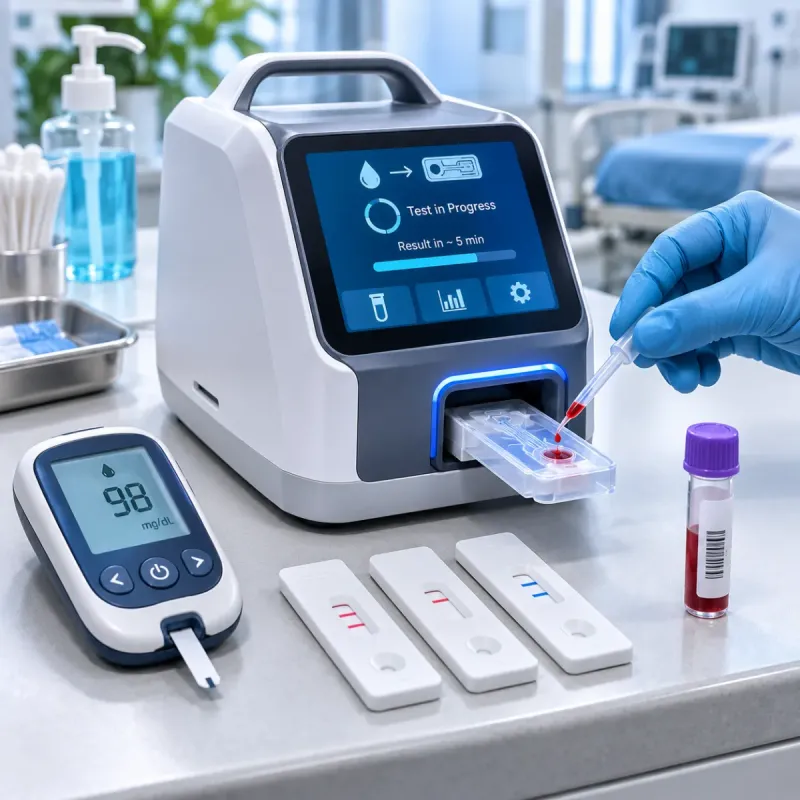
Point-of-Care Diagnostic Techs
Medical tests are moving closer to patients.
Point-of-care technologies bring selected diagnostic tests closer to patients instead of relying entirely on centralized laboratories.