
 11 November 2026
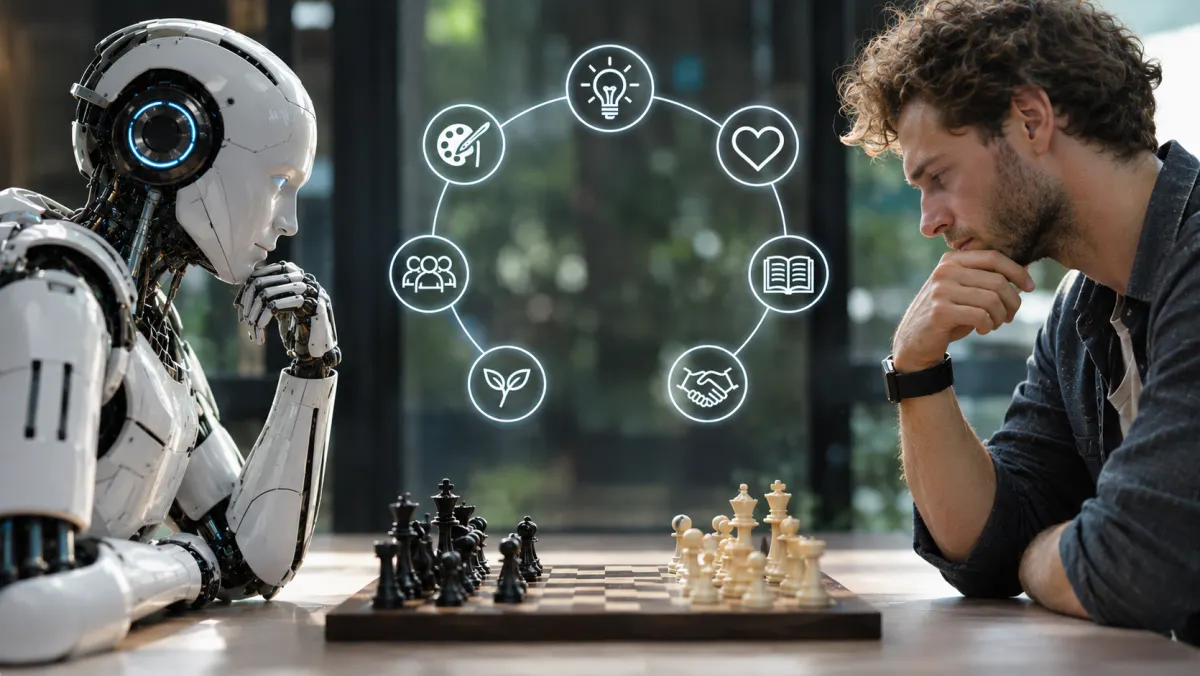
Artificial intelligence is becoming part of everyday work, helping people write, design, analyze information, and solve complicated problems. But does that mean human skills are becoming less important?
Dear AI, Nice Try! These 10 Human Skills Are Still Our Thing!
Not necessarily! Some abilities depend on emotional understanding, real-world experience, personal judgment, and meaningful relationships. Here are 10 human skills that AI still struggles to replace completely.
Detailed Reviews

Teaching, Mentoring, and Personal Guidance
Helping Someone Grow, Not Just Giving Answers
AI can explain difficult topics and provide useful practice but Human mentors also recognize individual struggles, share lived experience and adapt guidance to a person's development.

Negotiation and Conflict Resolution
Finding Common Ground When Opinions Differ
Negotiation often involves unspoken concerns and personal priorities. AI can suggest strategies, but people must build trust and navigate sensitive disagreements in context.

Collaboration and Building Relationships
Making Different People Work Better Together
AI can assist group projects, but successful collaboration depends on shared understanding, compromise, and relationships that develop through real human interaction.
Ethical Judgment and Responsibility
Choosing What Is Right, Not What Is Possible
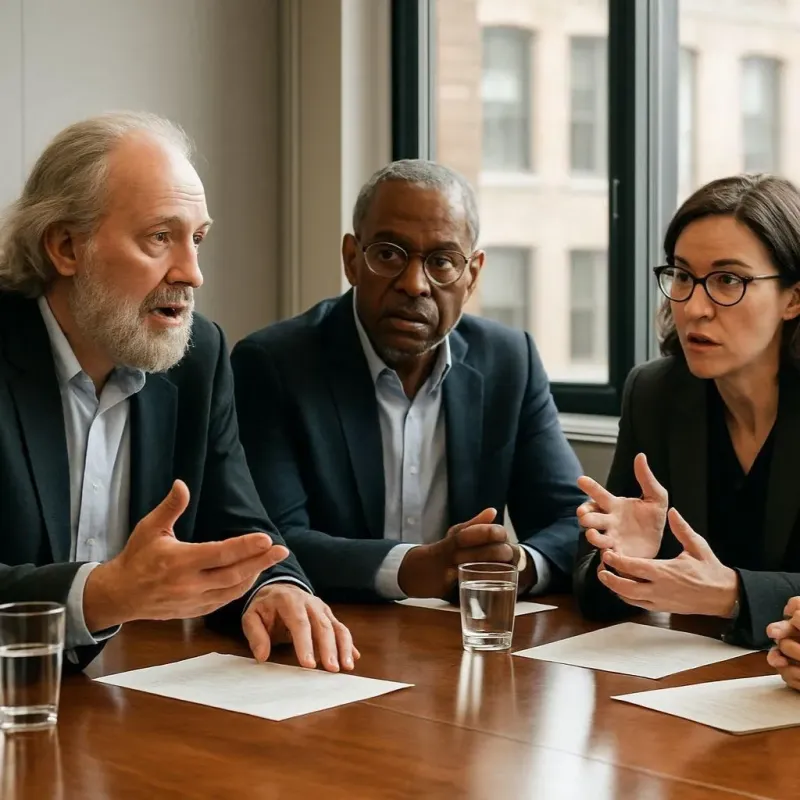
AI can help identify ethical concerns, but deciding how to balance competing values requires human oversight. People must remain accountable for decisions affecting others.

Adaptability and Resilience
Staying Effective When Everything Changes
Workplaces rarely follow perfect plans. People draw on experience, emotional regulation, and flexible thinking to handle uncertainty and find ways forward when circumstances change.

Leadership and Inspiring Others
Helping People Move Toward a Goal
Leadership is not simply assigning tasks. It involves earning trust, understanding individual strengths, and encouraging people to work toward a shared purpose.

Communication and Reading Social Cues
Understanding More Than Words
Good communication involves listening, noticing nonverbal signals, and adjusting shared information. AI can imitate conversational styles, but interpreting complex human interactions remains challenging.

Creativity and Original Ideas
Imagining Possibilities Beyond Existing Patterns
AI can produce impressive images and designs. Human creativity also draws on personal memories, unusual observations, and intentions that give ideas individual meaning.

Critical Thinking and Independent Judgment
Knowing When an Answer Needs to Be Questioned
AI can generate convincing answers, but those answers still need evaluation. People must recognize missing context, question unreliable information, and decide what makes sense in real situations.

Empathy and Emotional Understanding
Understanding What Someone Is Really Feeling
Empathy involves more than recognizing emotional words. It requires understanding personal circumstances and responding appropriately when someone needs support or reassurance.