
The Fireball over the Andalusian Coast
On a crystal-clear morning in January 1966, an American B-52G Stratofortress bomber carrying four B28 thermonuclear weapons rendezvoused with a KC-135 jet tanker at thirty-one thousand feet over the fishing village of Palomares, Spain. As the aircraft approached the refueling nozzle, the heavy bomber closed too fast. The hard fuel boom rammed through the bomber's fuselage, tearing off the left wing in an immediate mid-air fireball.
Seven crewmen died instantly as tons of flaming aircraft wreckage rained across miles of olive orchards and tomato fields below. Four parachutes billowed into the morning air. But the immediate panic for the Pentagon was not the wreckage of the planes—it was the four twenty-five-megaton hydrogen bombs that broke free from the bomber's bomb bay during the breakup.
Three bombs slammed into the hillsides around Palomares; their conventional explosive triggers detonated on impact, scattering toxic radioactive plutonium across five hundred acres of farmland. The fourth bomb vanished without a trace into the deep blue water of the Mediterranean Sea.
The Vasa Disaster: Why Sweden's Mightiest Warship Capsized 20 Minutes into Its Maiden Voyage
The Local Fisherman and the Deep Abyss
The Pentagon assembled Task Force 65, an armada of thirty-four naval ships, twenty-two hundred military personnel, and deep-submergence researchers. The political pressure from Washington was immense. Cold War tensions were high, and Soviet spy trawlers were already steaming toward the Spanish coast to locate the sunken nuclear weapon.
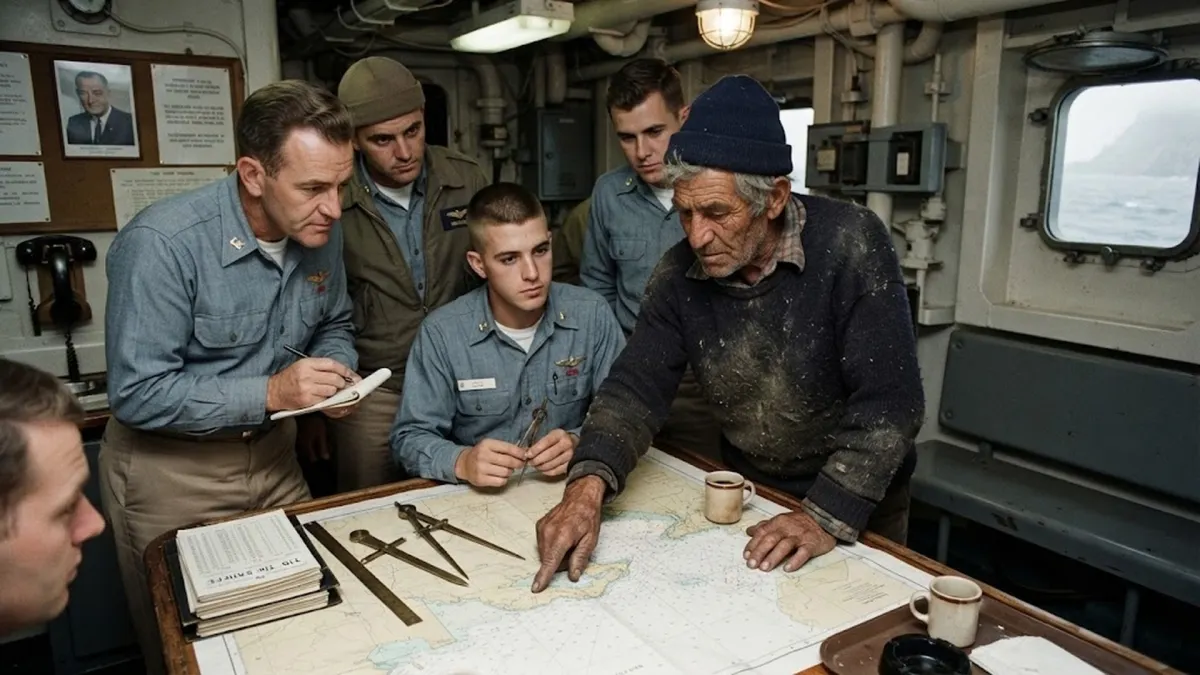
The naval searchers were hunting blindly across hundreds of square miles of jagged undersea canyons until they interviewed an impoverished local fisherman named Francisco Simó Orts, known along the docks as "Paco the Sailor." Simó Orts had been hauling sardines in his wooden boat when he watched a white parachute drift down out of the clouds and splash into the water two miles offshore.
"Paco pointed his finger at a naval hydrographic chart and gave the exact nautical coordinates where he saw the parachute disappear," naval recovery archivist James Vance explained. "Naval commanders were skeptical of an uneducated fisherman, but Paco knew every current and seabed trench along that coast better than the Navy's electronic sonars."
| Search Asset | Operational Depth | Technology / Capability | Role in Palomares Search |
|---|---|---|---|
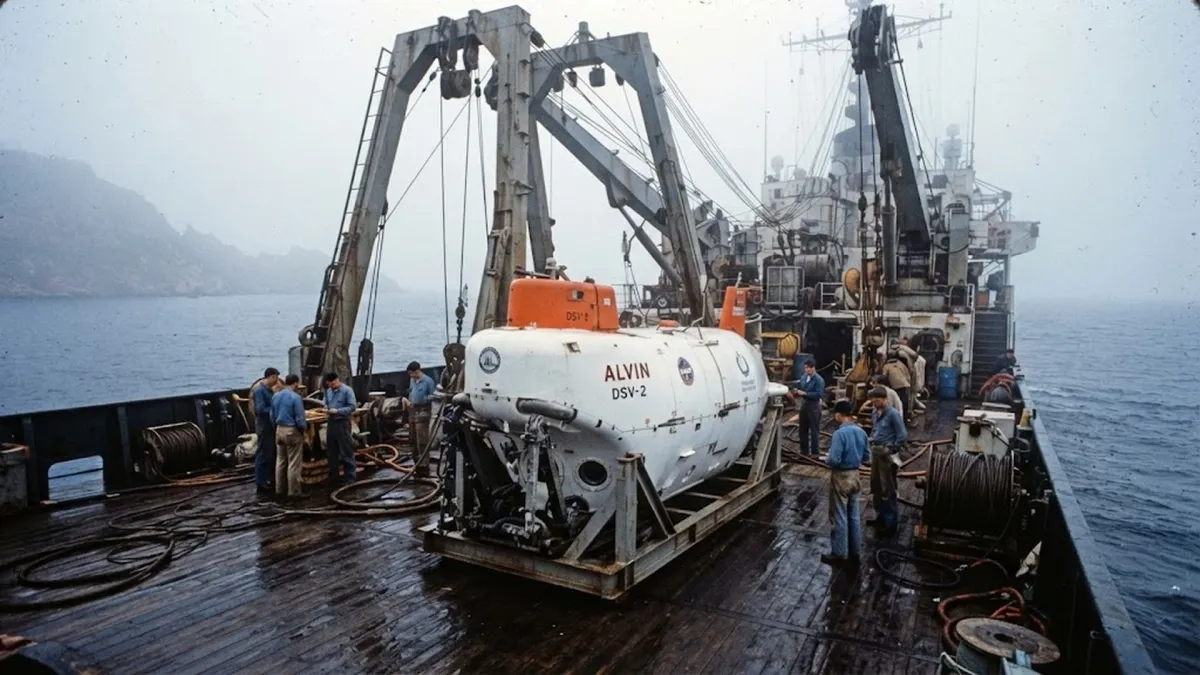
| DSV-2 Alvin (Submersible) | Up to 6,000 feet | Three-man titanium crew sphere & mechanical arm | Located bomb on 70° undersea slope |
| Aluminaut (Reynolds) | Up to 15,000 feet | Thick aluminum forged hull | Supported visual tracking and bottom mapping |
| CURV-I (US Navy) | Up to 3,000 feet | Unmanned tethered remote recovery vehicle | Attached lifting cables directly to weapon parachute |
| Local Fishing Boat (Paco) | Surface eye witness | Visual bearing triangulation | Identified true search sector; saved months of sweeping |
Alvin Finds the Parachute in the Canyon
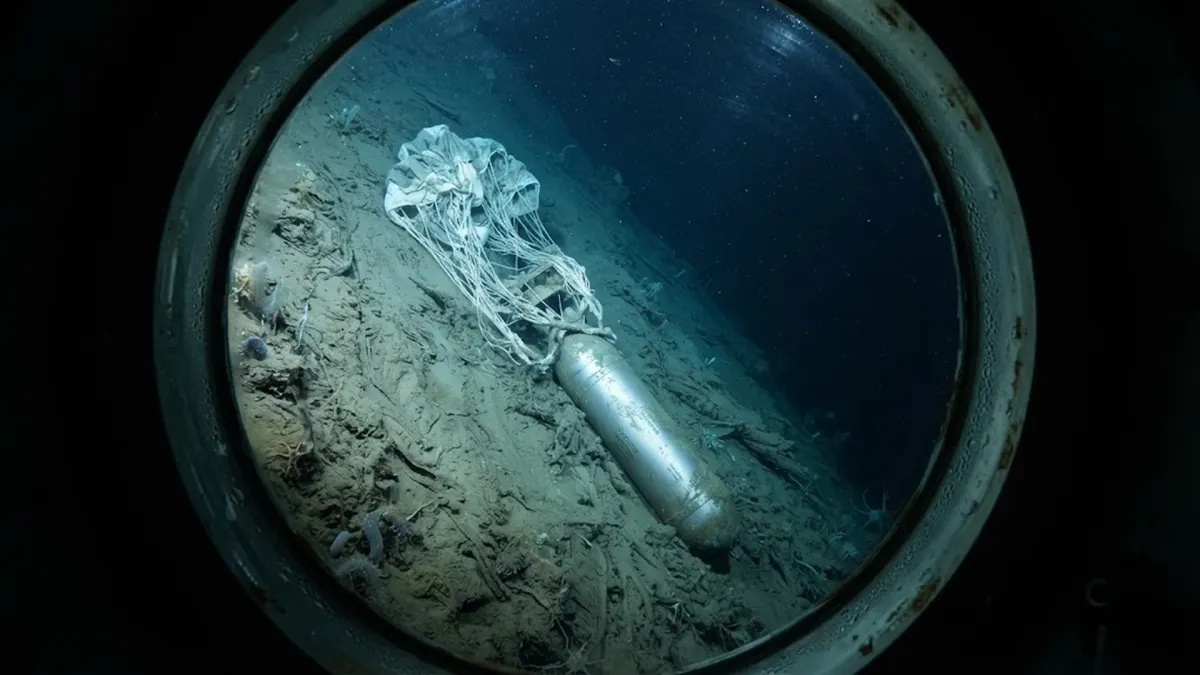
The Navy lowered the two-man research submarine Alvin into the water. Creeping along a muddy undersea ridge twenty-eight hundred feet down in total blackness, Alvin's pilots spotted a deep track cut into the ocean silt. They followed the gouge along the slope until their high-intensity mercury floodlights caught a bundle of white fabric. It was the bomb's main parachute, wrapped around the dented metal cylinder of the weapon.
Bringing the bomb up proved terrifyingly treacherous. The bomb lay perched right on the rim of a deep trench that dropped thousands of feet further down. During the first lift attempt, a steel cable parted with a loud snap, sending the bomb sliding deeper into the darkness.
The Navy brought in an unmanned cable-controlled underwater recovery vehicle called CURV-I. While attempting to wrap synthetic lines around the weapon, CURV's propellers became hopelessly entangled in the bomb's nylon parachute shroud lines. In a desperate gamble, commanders ordered the ship above to hoist both CURV and the nuclear bomb together in a single continuous lift.
The Cold War Recovery
On April 7, 1966—eighty days after the mid-air collision—the nuclear weapon was hoisted aboard the USS Petrel. Under global press scrutiny, the Pentagon publicly displayed the dented silver casing to prove to the world that the Mediterranean was safe and free of missing nuclear warheads.
The Legal War of Paco the Sailor
Following the recovery, Francisco Simó Orts became an international celebrity nicknamed "El Bombero de Palomares." Under ancient international maritime salvage law, a civilian who assists in the recovery of abandoned maritime property is entitled to a salvage award.
Simó Orts filed a formal maritime claim for five million dollars against the United States Air Force. The Pentagon initially offered him a nominal cash settlement of a few hundred dollars. After three years of tense legal battles in federal court, the US government quietly settled out of court for an undisclosed sum, ensuring the fisherman who found a hydrogen bomb could live out his days in comfort.
Historical Significance
The Palomares search proved the viability of deep-sea human submersibles, leading directly to the development of modern robotic deep-ocean exploration systems used to locate the Titanic and declassified naval wrecks.