
 11 November 2026
What if some of the world's most important inventions and discoveries were never part of the original plan?
Believe it or not, several everyday products began with unexpected observations, laboratory surprises, or simple mistakes.
Discoveries Made by Accident That Changed Everything!
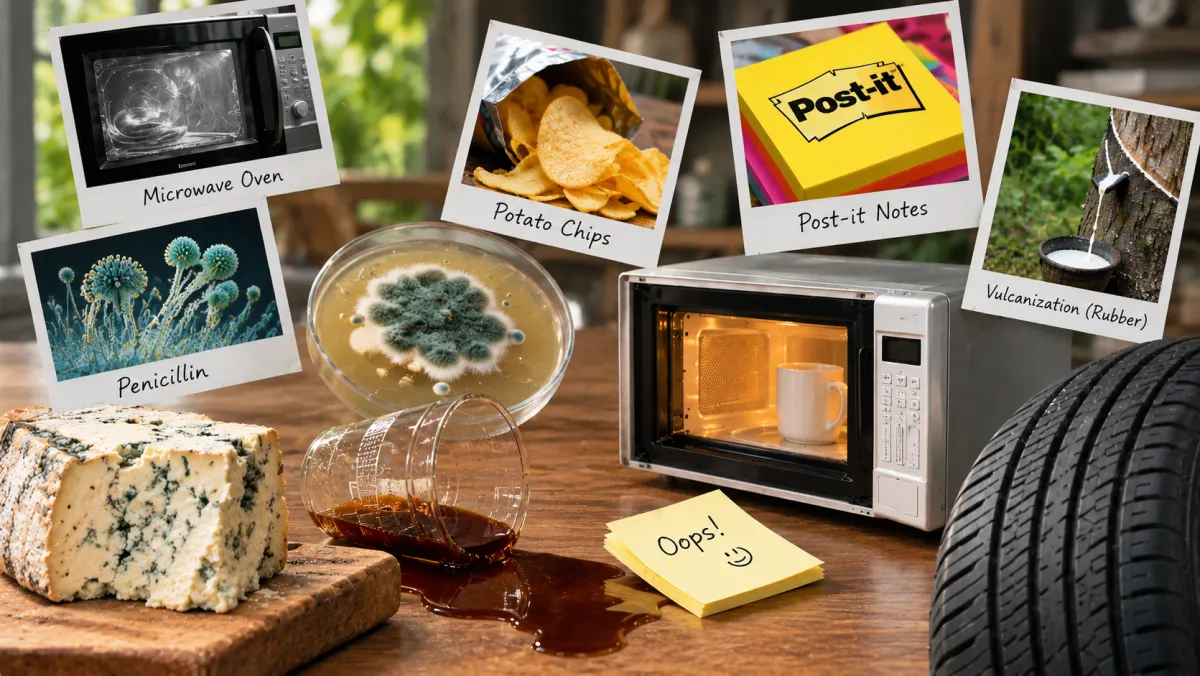
From the discovery of penicillin to the invention of the microwave oven, these stories prove that sometimes the biggest breakthroughs happen when things don't go according to plan.
Can Astronauts Smoke in Space? A Veteran Cosmonaut’s Answer Might Surprise You
Detailed Reviews
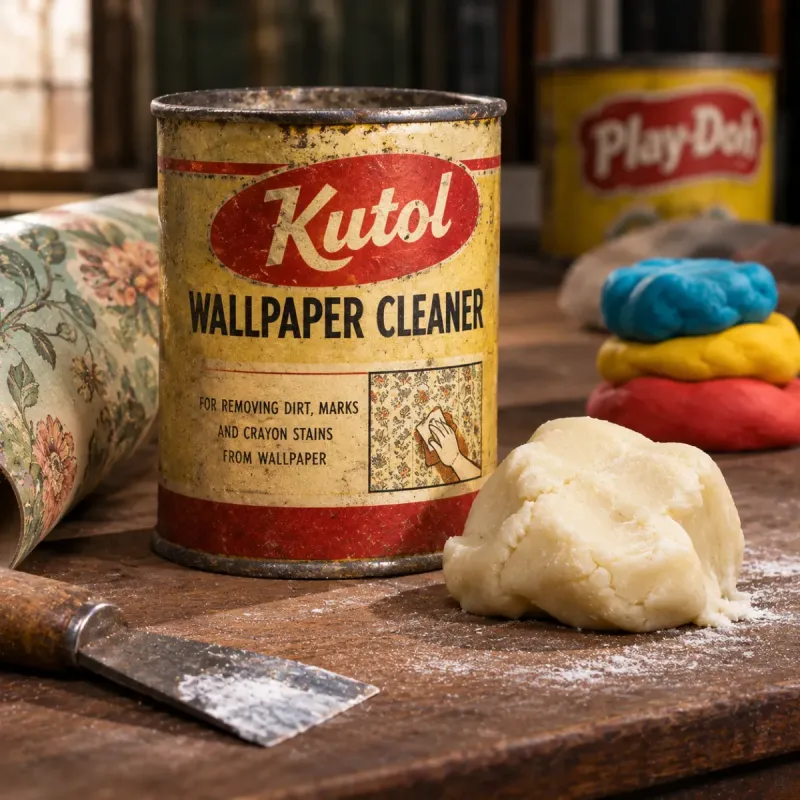
Play-Doh
The Wallpaper Cleaner That Became a Beloved Toy
Before becoming a children's toy, the soft compound was sold as wallpaper cleaner. As demand for the cleaning product declined, teacher Kay Zufall recognized that children could use it for creative projects. The company adapted and Play-Doh became a household favorite.
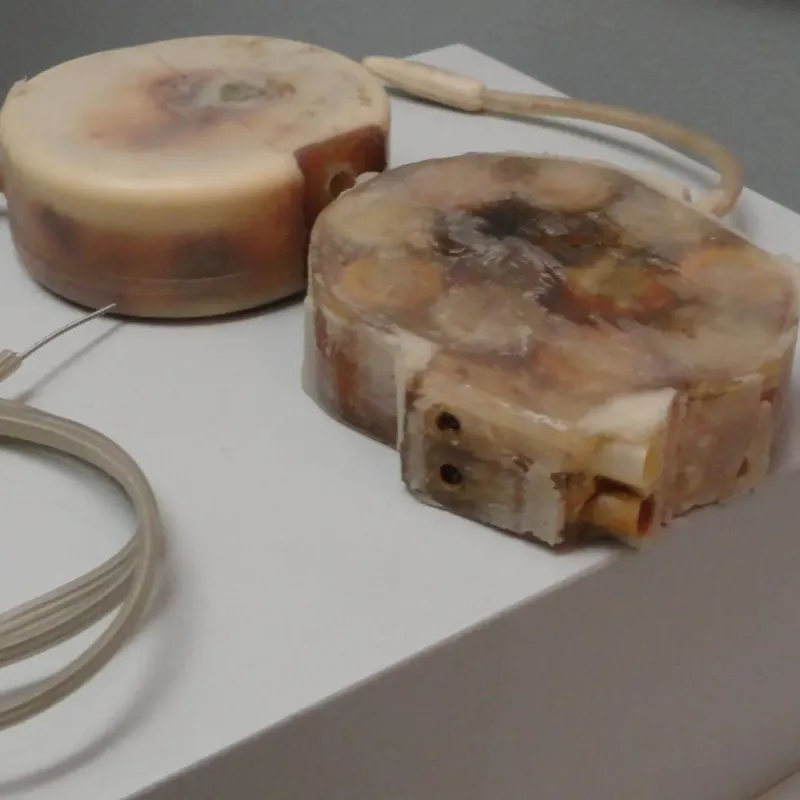
The Pacemaker
A Mistake That Helped Inspire a Life-Saving Device
American engineer Wilson Greatbatch was building an electronic device to record heart sounds when he accidentally installed a resistor with the wrong electrical value. The circuit produced regular pulses instead. He recognized that this pattern could help regulate heartbeats.
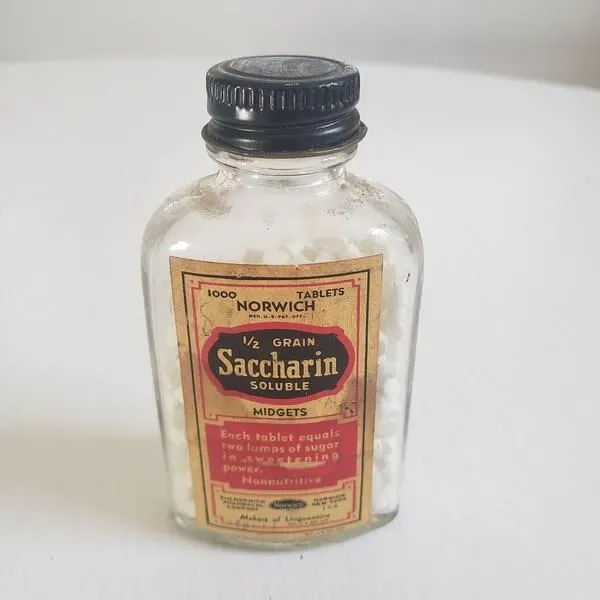
Saccharin
The Sweet Discovery Nobody Was Looking For
Chemist Constantin Fahlberg was working with Ira Remsen on chemical research when he noticed an unusually sweet taste in the lab. Tracing the source led to saccharin, one of the earliest widely used artificial sweeteners.
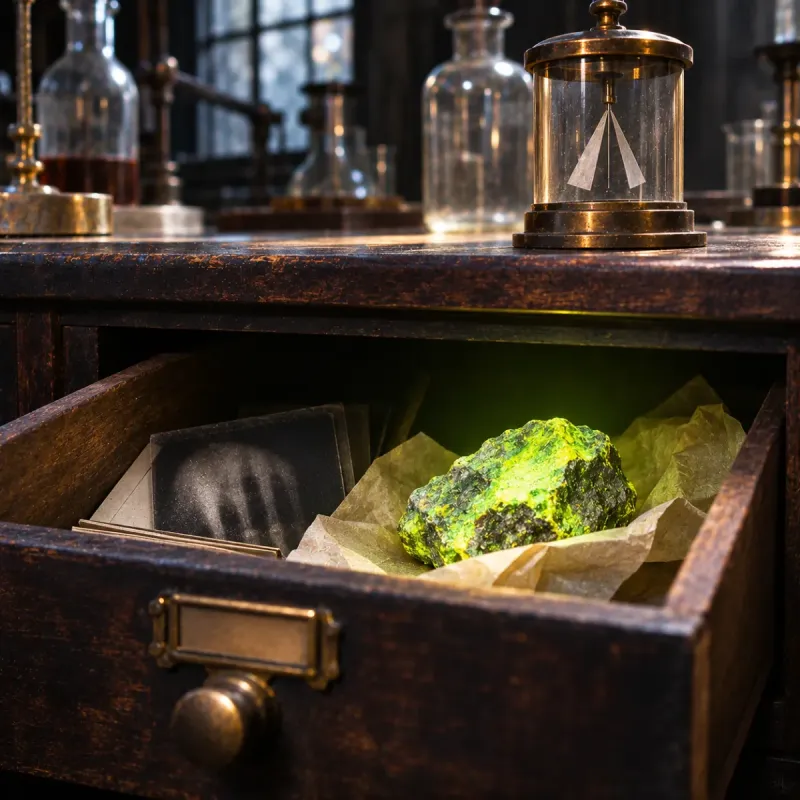
Radioactivity
A Discovery Hidden in a Dark Drawer
French physicist Henri Becquerel was investigating uranium compounds and their relationship with radiation. He stored photographic materials and uranium salts in a drawer. Later, he found that the photographic plates had been affected anyway, revealing a previously unknown phenomenon.
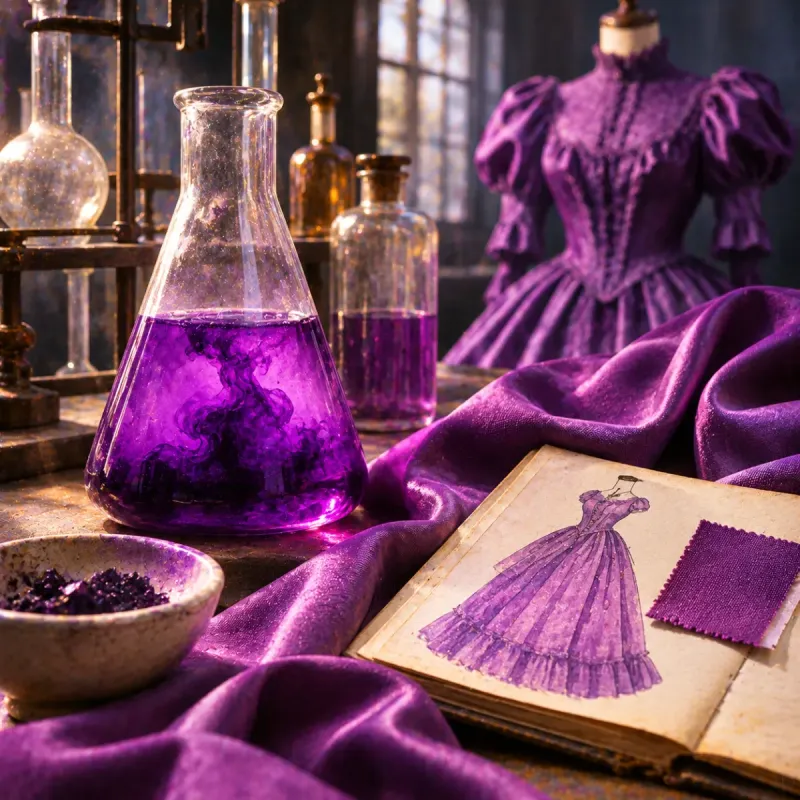
Mauveine
The Accidental Discovery That Made Purple Fashionable
British chemist William Henry Perkin was trying to synthesize quinine, a medicine used to treat malaria. Instead, his experiment produced a vivid purple substance. He developed it into mauveine, helping launch the modern synthetic dye industry.
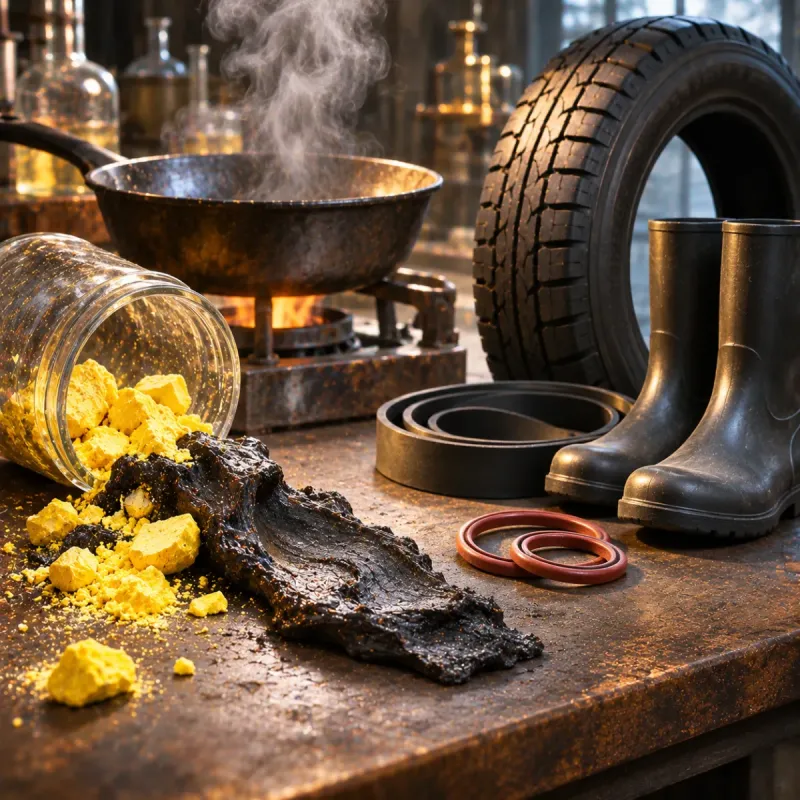
Vulcanized Rubber
A Kitchen Accident Transformed an Industry
American inventor Charles Goodyear spent years trying to improve natural rubber. An accidental heating incident involving rubber and sulfur revealed a process that made the material more stable and useful.
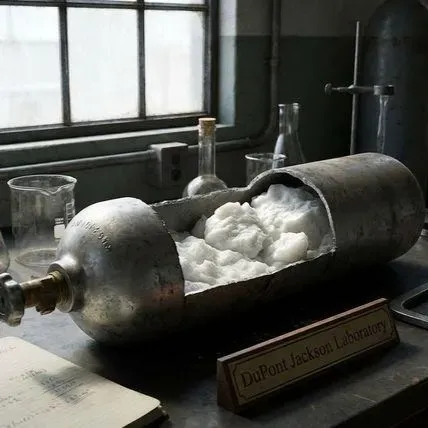
Teflon
The Strange White Substance Found Inside a Cylinder
Chemist Roy Plunkett was researching gases for refrigeration when a stored sample transformed into a white, waxy solid. The substance was PTFE. It later became widely known through its use in nonstick cookware and industrial applications.
Post-it Notes
The Glue That Wasn't Sticky Enough
3M scientist Spencer Silver was trying to develop a stronger adhesive when he created one that stuck lightly but could be removed easily. Years later, colleague Art Fry found a practical use for it .The idea eventually became Post-it Notes.
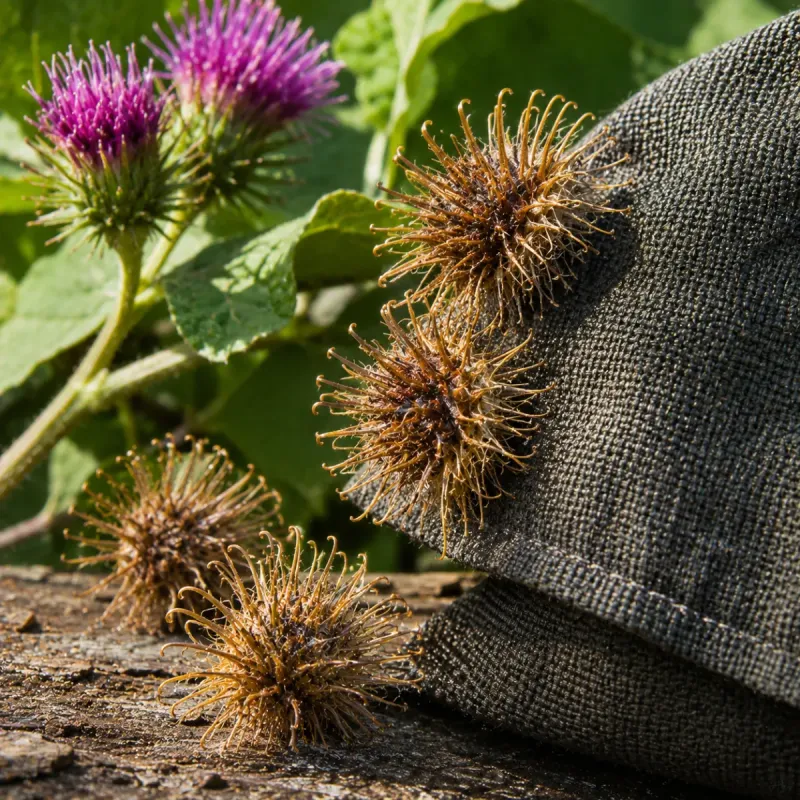
Velcro
A Dog Walk Inspired a Worldwide Invention
Swiss engineer George de Mestral became curious when burrs kept sticking to his clothes and his dog's fur during a walk. He discovered tiny hooks that inspired a reusable fastening system. Years of development turned that observation into Velcro.
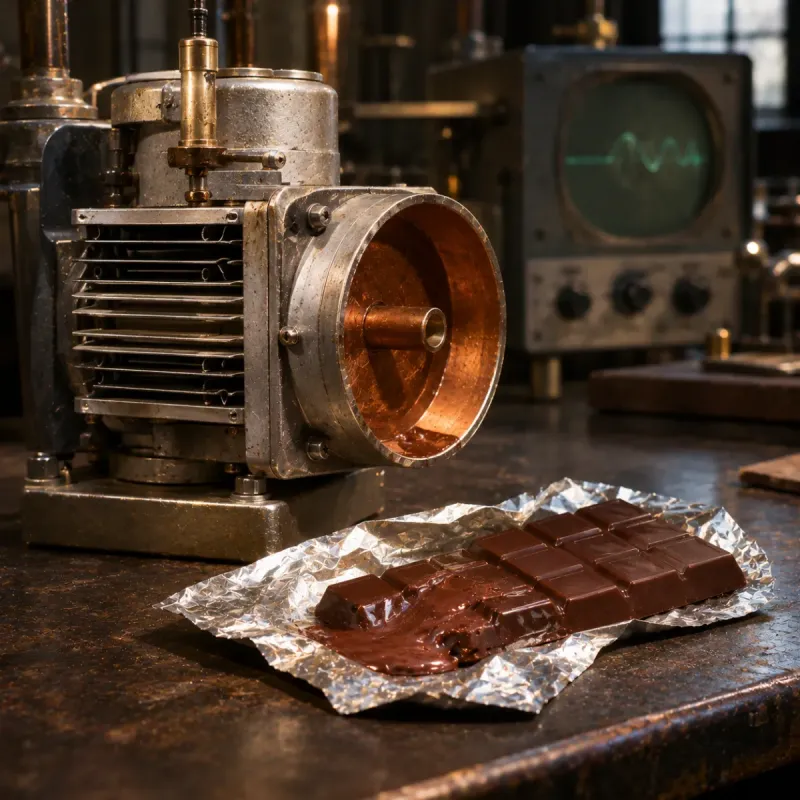
The Microwave Oven
A Melted Chocolate Bar Started It All
American engineer Percy Spencer was working with radar equipment when he noticed that a chocolate bar in his pocket had melted. He investigated how the equipment's microwaves heated food. His experiments led to the development of the microwave oven.
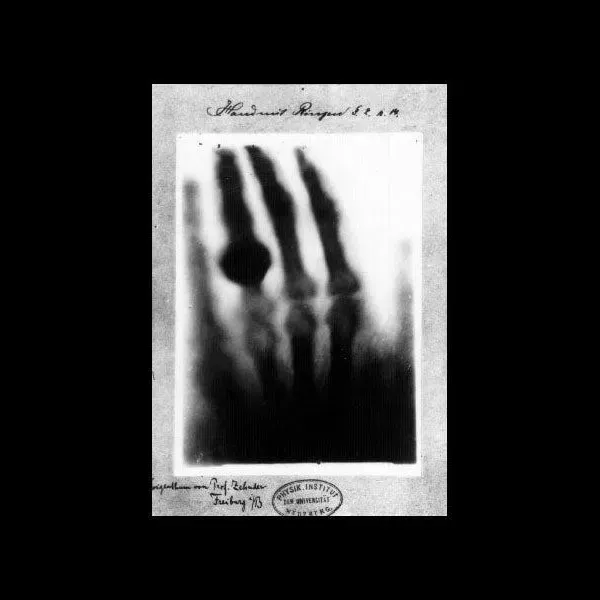
X-Rays
The Invisible Rays That Revealed the Human Body
German physicist Wilhelm Conrad Röntgen noticed an unexpected glow on a nearby fluorescent screen. Further investigation revealed a previously unknown type of radiation that could pass through soft tissue and produce images of bones.
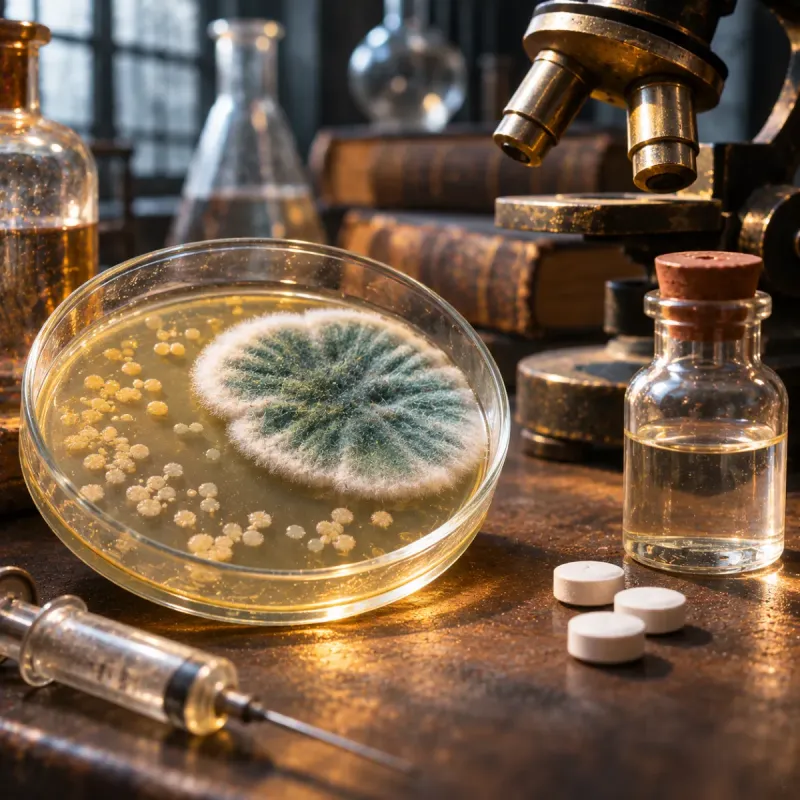
Penicillin
The Mold That Changed Modern Medicine
While studying bacteria, Scottish scientist Alexander Fleming noticed that mold had contaminated one of his laboratory dishes. His observation led to the discovery of penicillin, which later became one of the world's most important antibiotics.