
 15 November 2026
The ocean holds discoveries that sound like something from a science-fiction movie. Scientists have found mysterious golden objects, underwater lakes, enormous sea creatures, and animals that produce their own light.
20 Most Ruthless Animals on Earth: The Secrets Behind Nature's Most Relentless Predators
Best of all, these are real discoveries backed by scientific research. Here are 12 bizarre ocean discoveries that show just how strange the underwater world can be!
Extraordinary Finds Beneath the Waves That Defy Imagination!
Detailed Reviews
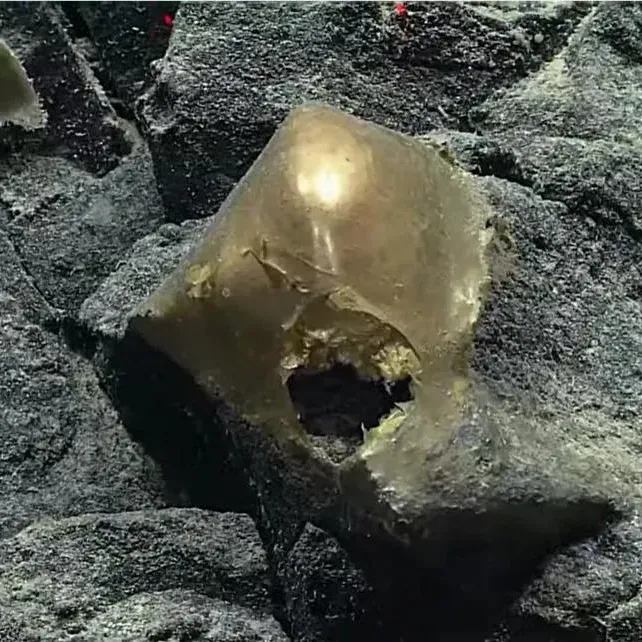
The Mysterious Golden Orb
A Golden Mystery Hidden Deep Beneath the Sea
This strange golden object turned out to be part of a giant deep-sea anemone.

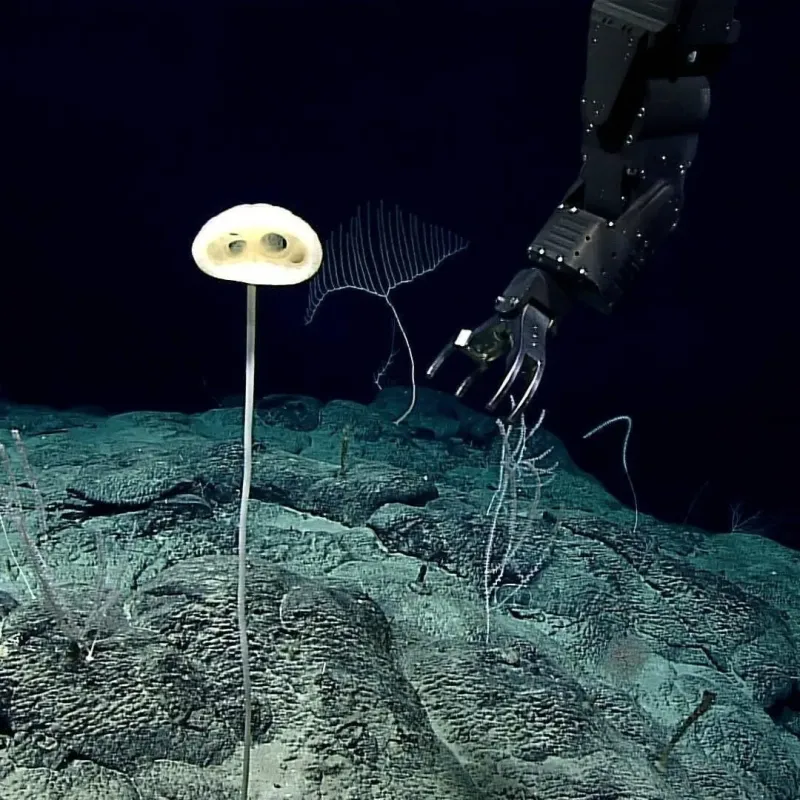
The Alien-Looking E.T. Sponge
A Sea Creature with an Otherworldly Appearance
This unusual glass sponge earned its nickname because its shape resembles an alien face.
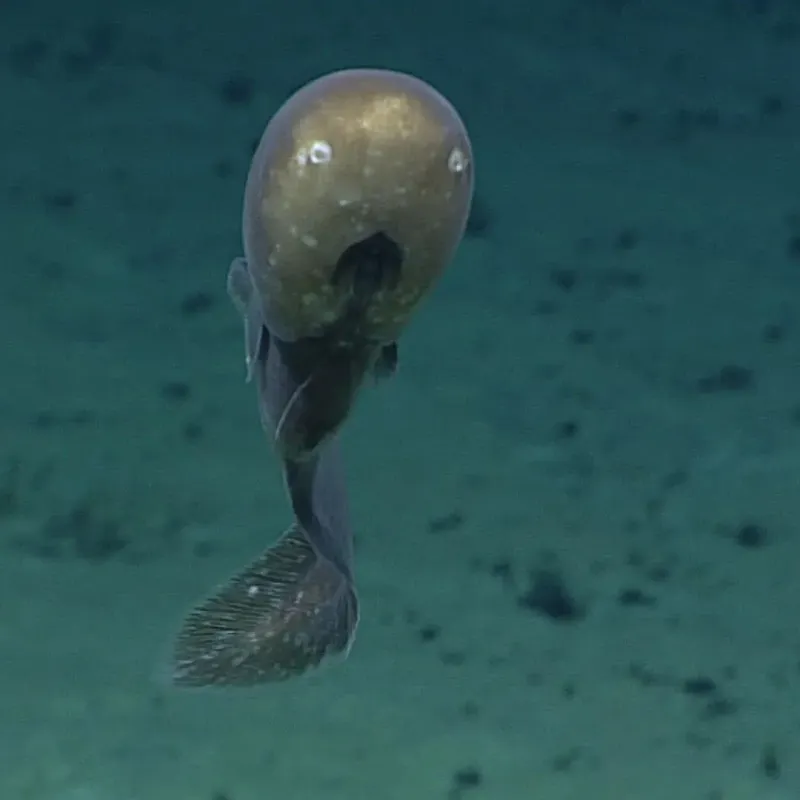
The Nearly Faceless Fish
A Fish That Looks Almost Featureless
This deep-sea fish has tiny eyes and a barely visible mouth, giving it an unusual appearance.
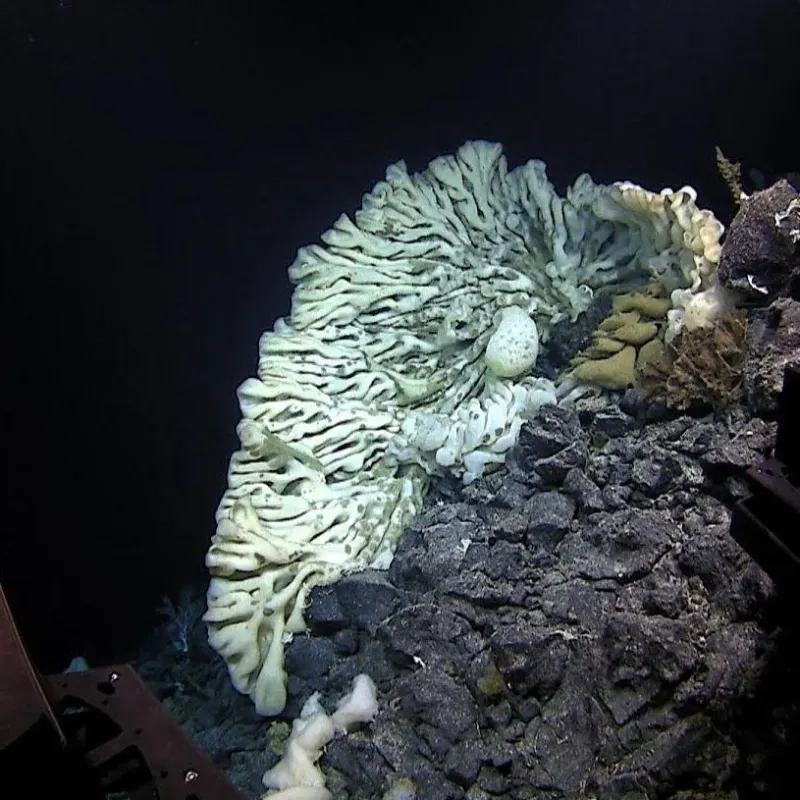
A Sponge as Big as a Minivan
One of the Biggest Sponges Ever Found Underwater
Scientists discovered a massive deep-sea sponge measuring roughly the size of a minivan.
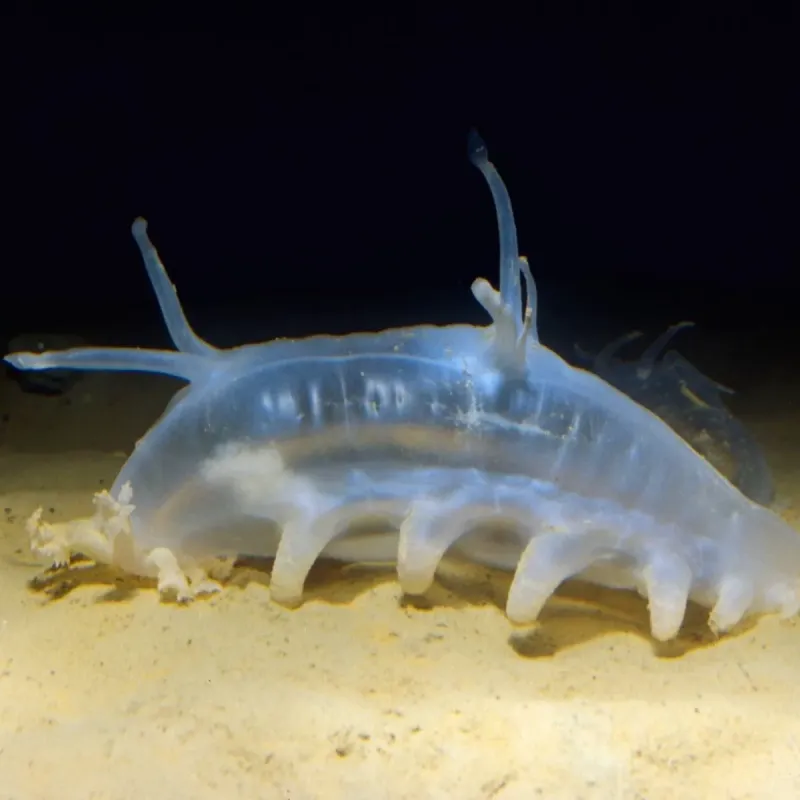
The Strange Sea Pigs
Tiny Creatures Walking Across the Seafloor
These unusual sea cucumbers use leg-like tube feet to move across the ocean floor.
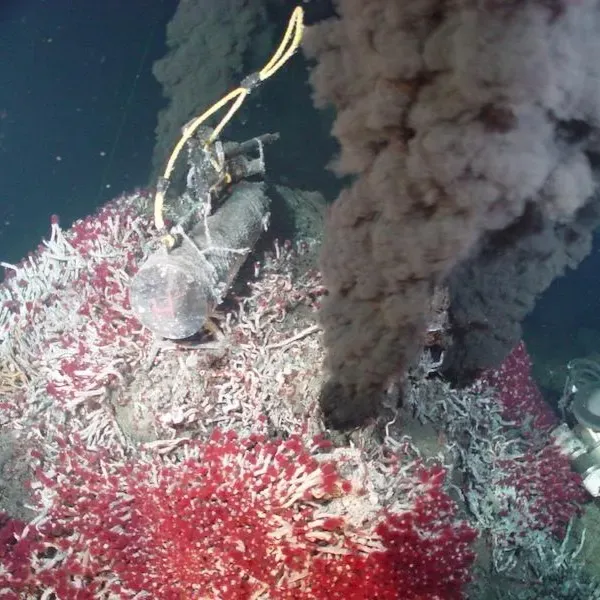
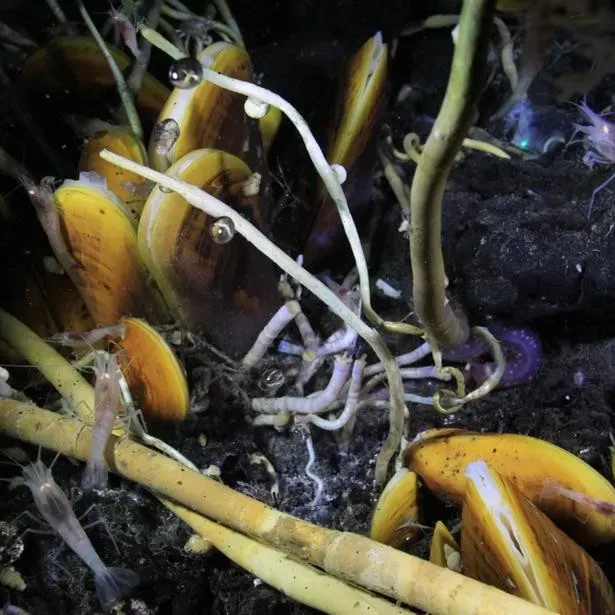
Life Thriving Without Sunlight
An Ecosystem Living in Complete Darkness
Hydrothermal vents support remarkable marine communities through chemical energy instead of sunlight.
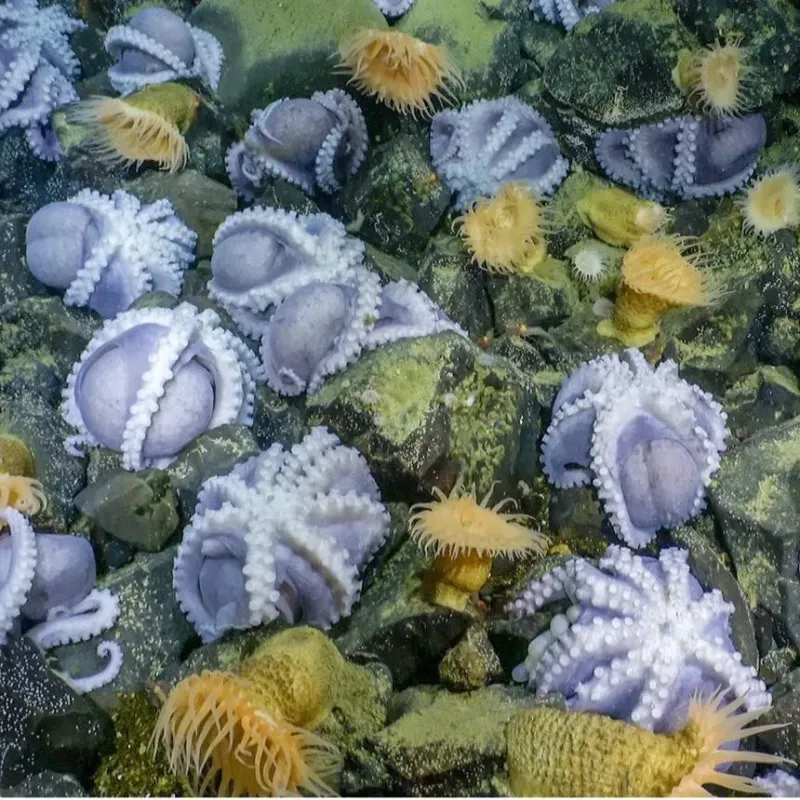
The Mysterious Octopus Garden
Thousands of Octopuses in One Place
This deep-sea nursery provides a nesting ground for thousands of pearl octopuses.
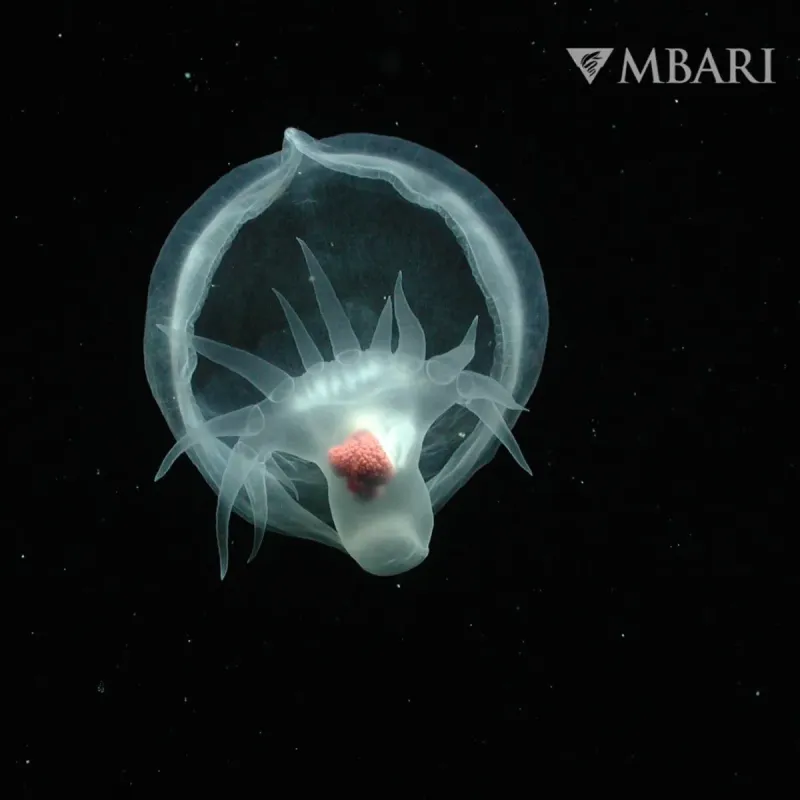
The Mystery Mollusc That Glows in the Dark
A Glowing Sea Slug from the Deep Ocean
This unusual nudibranch has a transparent body, a distinctive tail, and the ability to produce light.
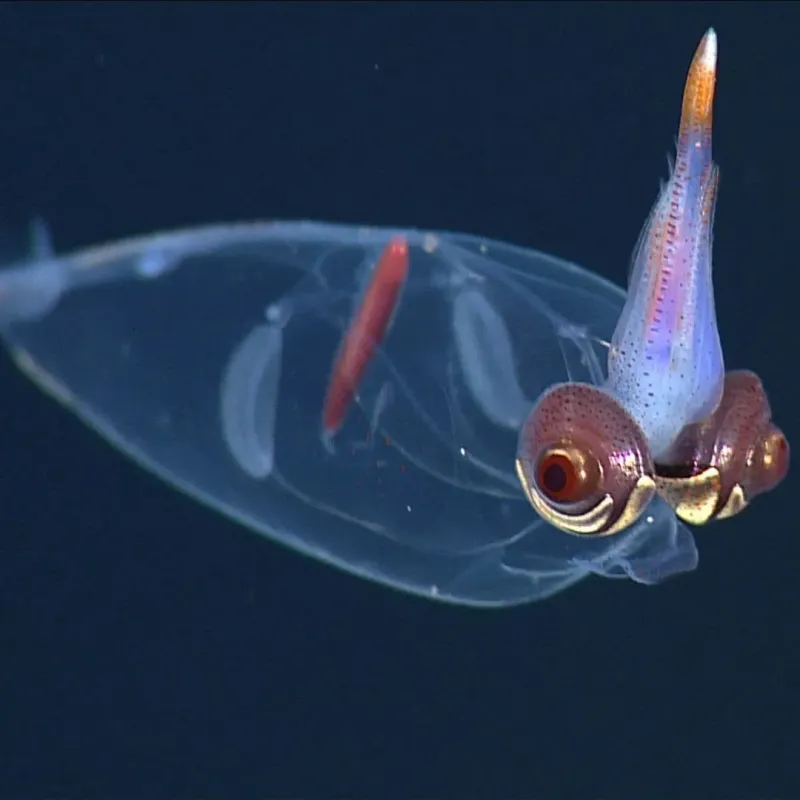
The Nearly Invisible Glass Squid
A Squid That Almost Disappears Underwater
Its transparent body helps this deep-sea squid blend into the surrounding water.
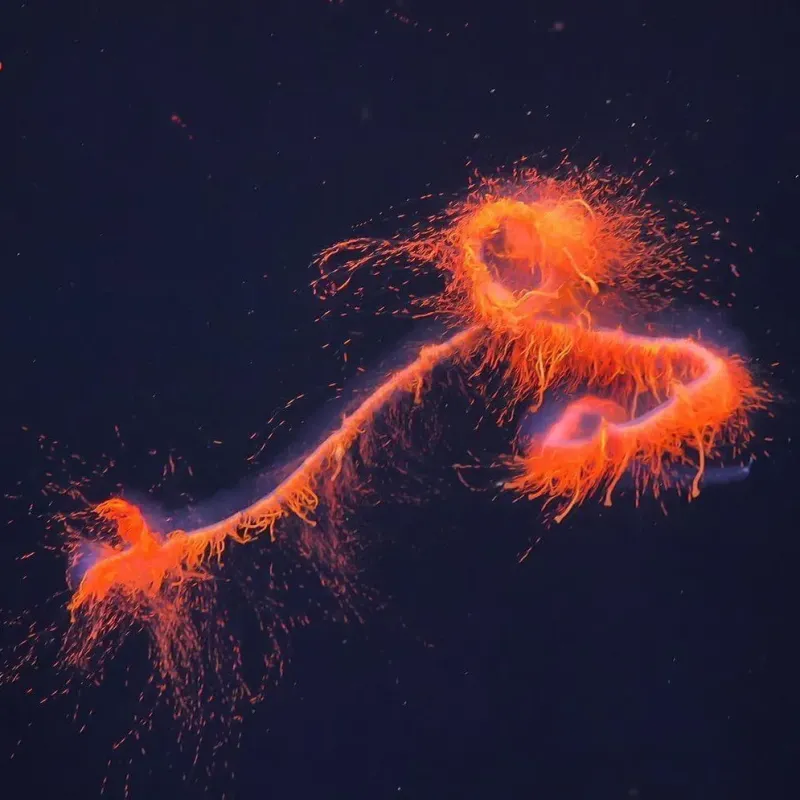
Two New Siphonophore Species Discovered in 2026
Strange Species Recently Identified
Researchers described two new deep-sea siphonophore species with remarkably unusual shapes and colors.