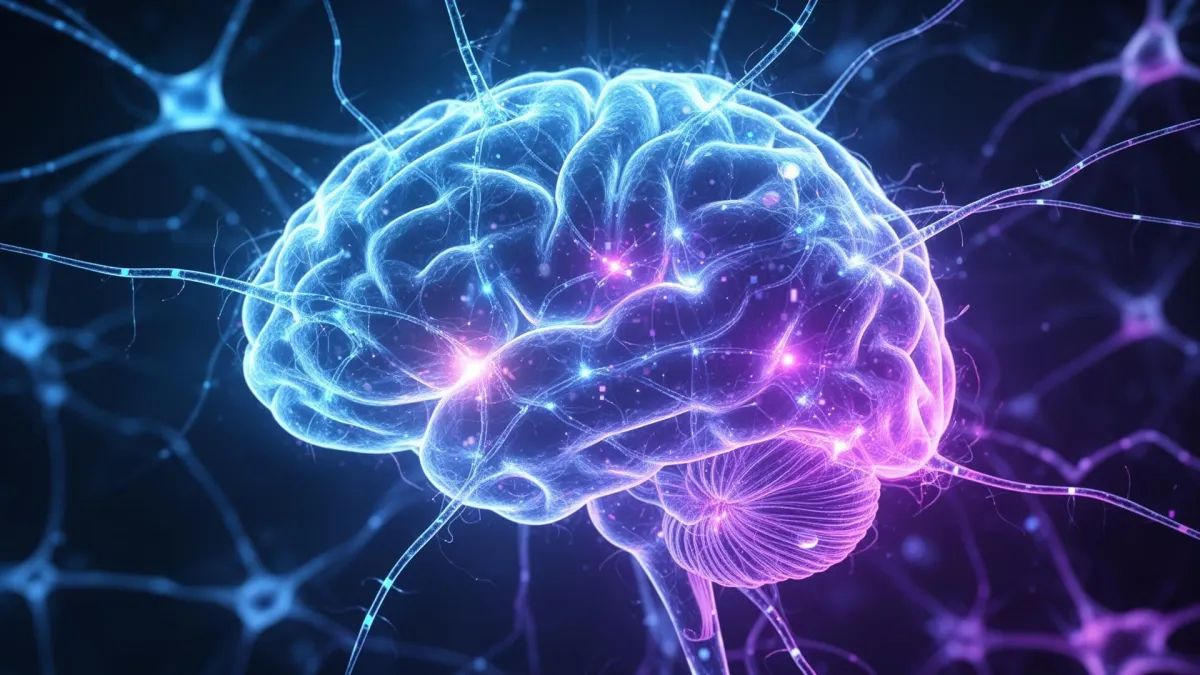

Your brain is constantly working, even when you are sleeping. It helps you remember experiences, recognize faces, control movement, and respond to the world around you. But some of its most interesting abilities are less obvious.
Amazing Things You Never Knew About Your Brain
From its enormous network of neurons to its ability to adapt throughout life, here are 13 fascinating facts that reveal what makes the human brain so extraordinary.
Detailed Reviews
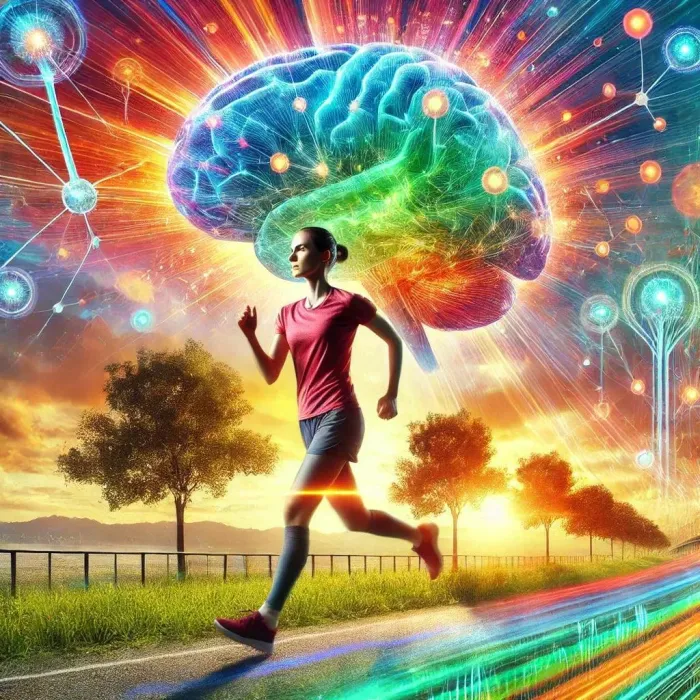
Physical Exercise Support Brain Health
Movement can benefit your brain, too.
Regular movement benefits more than your muscles and heart; it can also support important aspects of brain function.

Recognizing Faces
Brain uses specialized networks to recognize faces.
Your brain relies on connected regions that help you identify familiar faces and interpret facial information.
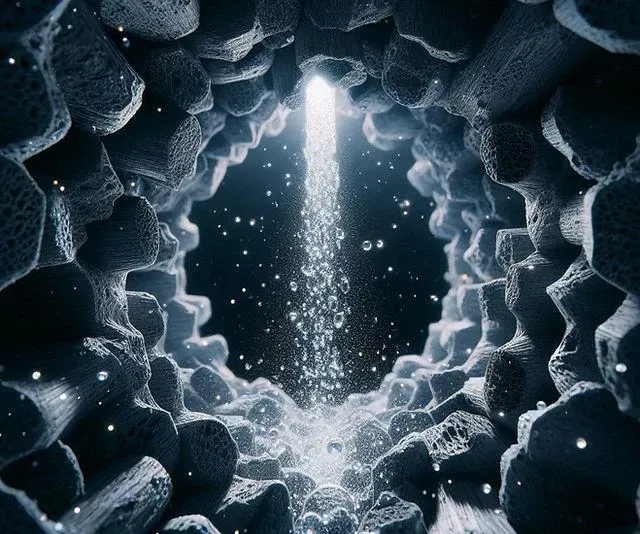
Has a Waste-Clearance System
Your brain has its own cleanup process.
Specialized fluid pathways help move waste products away from brain tissue.
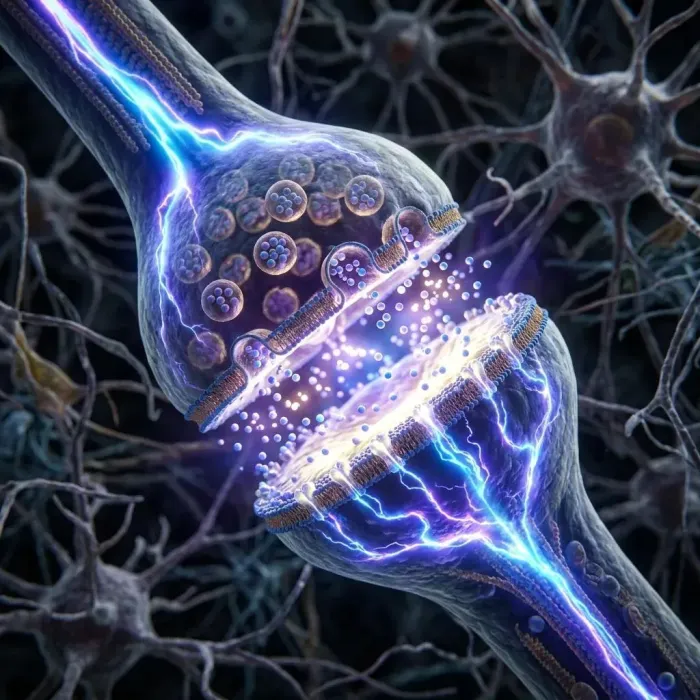
Communicate Through Electrical and Chemical Signals
Neurons use two systems to send messages.
Your brain combines electrical activity with chemical messaging to coordinate everything from movement to thought.
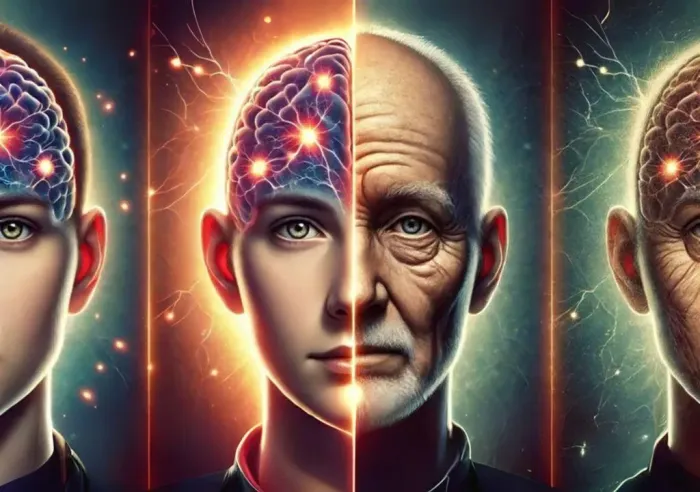
Continues Developing Into Young Adulthood
Brain keeps developing ...
Brain development does not stop during childhood, and some important changes continue well into the twenties.
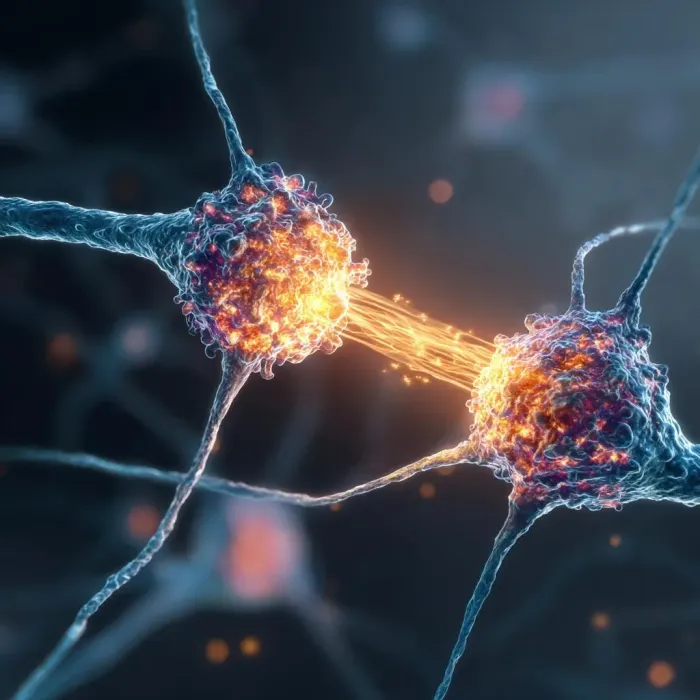
Learning Can Strengthen
Practice reshape connections between cells.
Practicing a skill repeatedly can change how efficiently connected brain cells communicate.
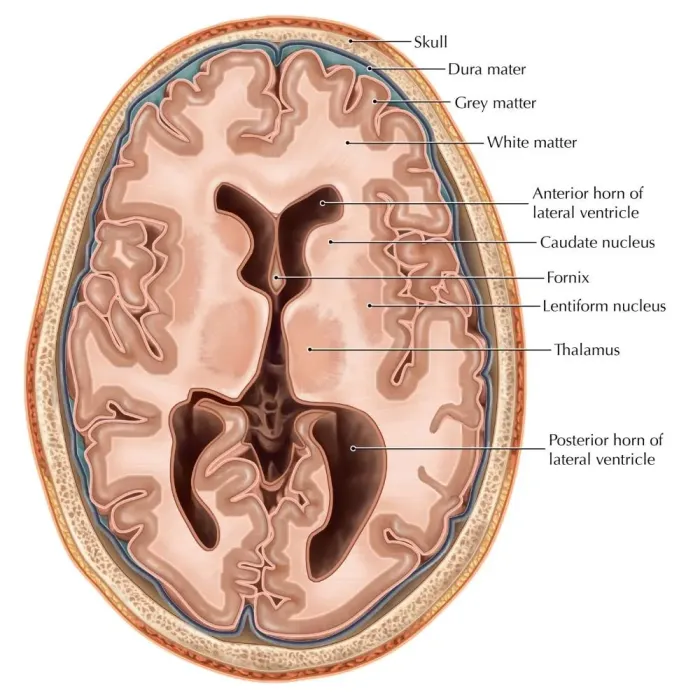
No Pain Receptors
Your brain processes pain but cannot feel it directly.
The brain processes pain, but the brain tissue itself cannot directly sense pain in the same way as many other body tissues.
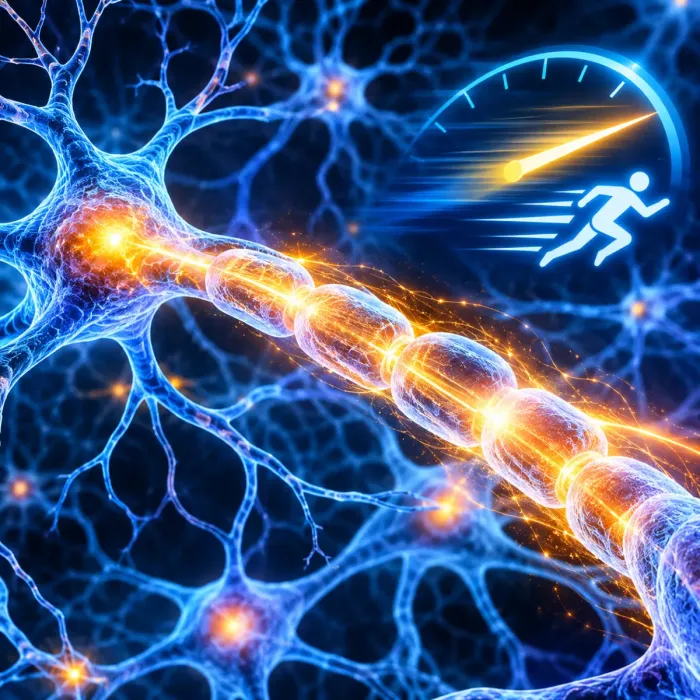
Nerve Signals Travel Extremely Fast
Some signals move at remarkable speeds.
Certain nerve fibers transmit information at speeds that can exceed 100 meters per second.
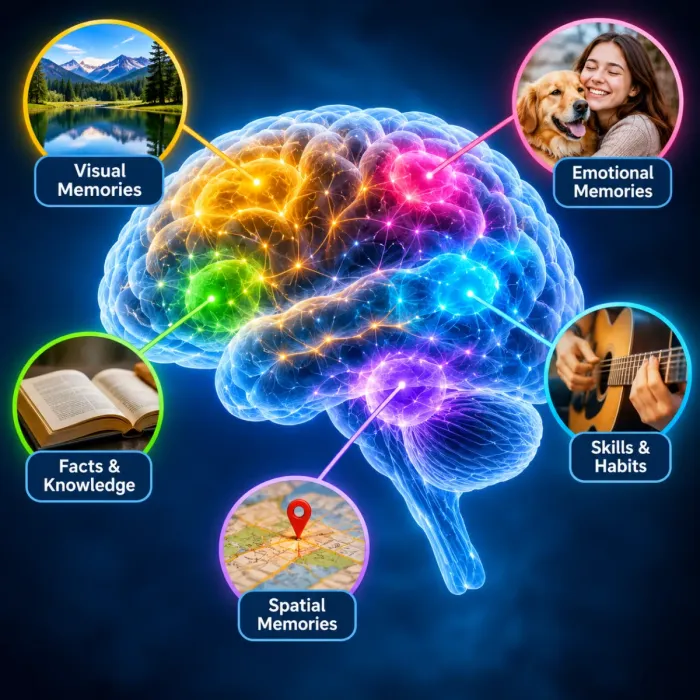
Memories Are Not Stored in One Location
Memory relies on several connected brain regions.
Remembering an experience involves networks of brain regions rather than one isolated storage area.

Sleep Helps Your Brain Process Memories
Sleep helps organize what you learn.
Your brain remains active during sleep, supporting important processes involved in learning and memory.
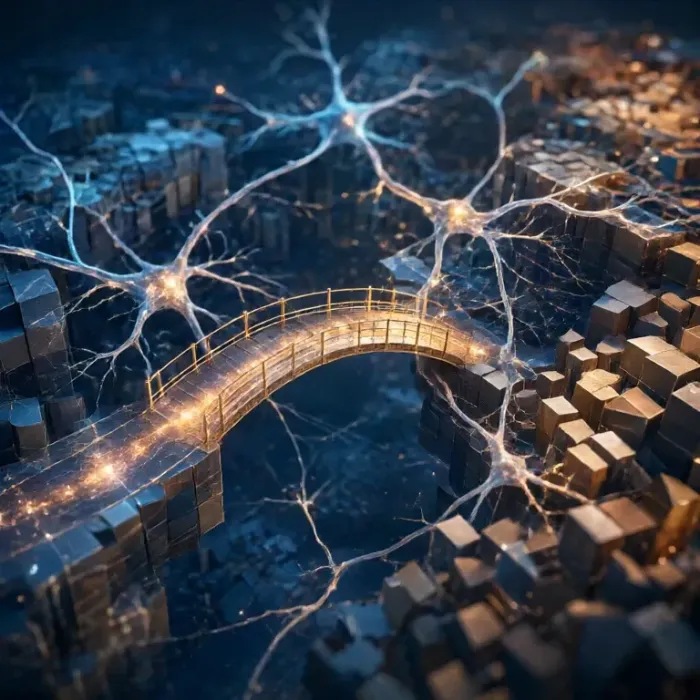
It Can Change Throughout Your Life
Your brain keeps adapting as you learn.
Learning and experience can reshape the connections between neurons, helping your brain adapt to new challenges.
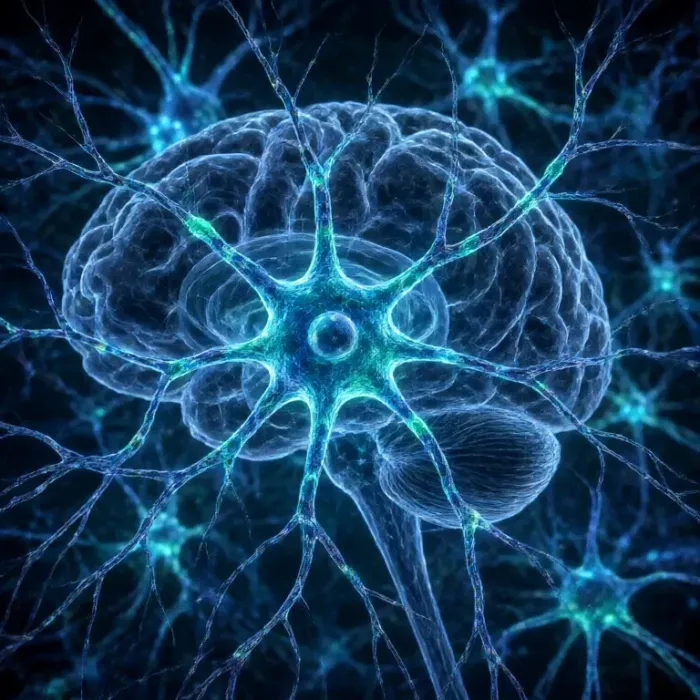
Your Brain Contains Around 86 Billion Neurons
An incredible network of cells powers your brain.
An enormous network of nerve cells helps your brain process information and coordinate your body.
Brain Uses a Large Share of Your Energy
Your brain needs energy around the clock.
Even though it represents a small portion of your body weight, your brain has substantial energy demands.