
Beneath the Sidewalks of Southern California: A Thirty-Year Trench War
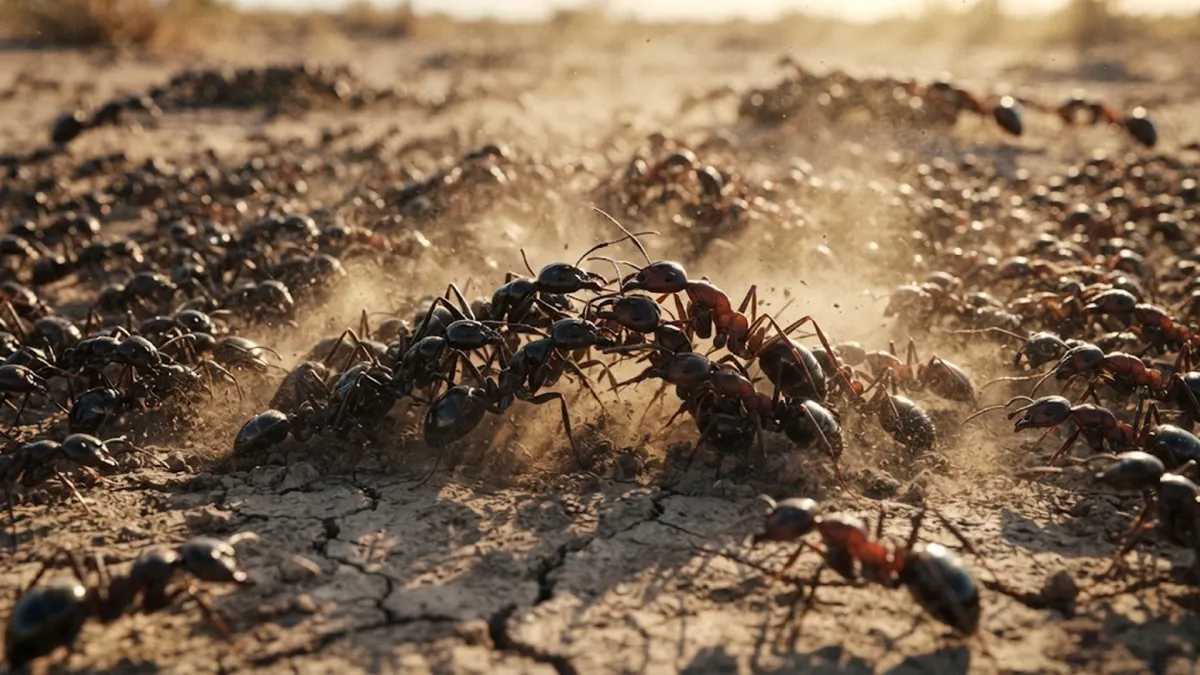
Underneath the sun-baked soil and suburban cul-de-sacs of San Diego, two colossal armies are locked in the largest continuous military engagement on planet Earth. Every single month, millions of combatants slaughter each other along a border that barely moves an inch. There are no peace treaties, no tactical retreats, and no surrender. This is the brutal forever war of the California Argentine ant supercolonies.
1859 Australia Rabbit Disaster: How 24 European Hares Overran an Entire Continent
1. The Invasive Clone That Conquered Six Hundred Miles

The Argentine ant (Linepithema humile) was never supposed to be in North America. Sometime in the late 19th century, a tiny population hitched a ride aboard coffee and sugar cargo ships departing South America. Because this pioneer population was small, the invading ants shared nearly identical genetics. Back in Argentina, neighboring ant nests fight constantly over territory. But in California, because all the ants carried the same chemical scent, nests treated each other as family instead of rivals.
Instead of slaughtering their neighbors, thousands of separate nests joined forces. They formed the “Very Large Colony”—a single monolithic cooperative supercolony that now stretches over 600 miles (1,000 kilometers) from the Mexican border all the way up through Northern California.
Supercolony Scale
600+ Miles of Continuous Cooperative Nests Across Coastal California
2. The Lake Hodges Frontline: Fifteen Million Casualties
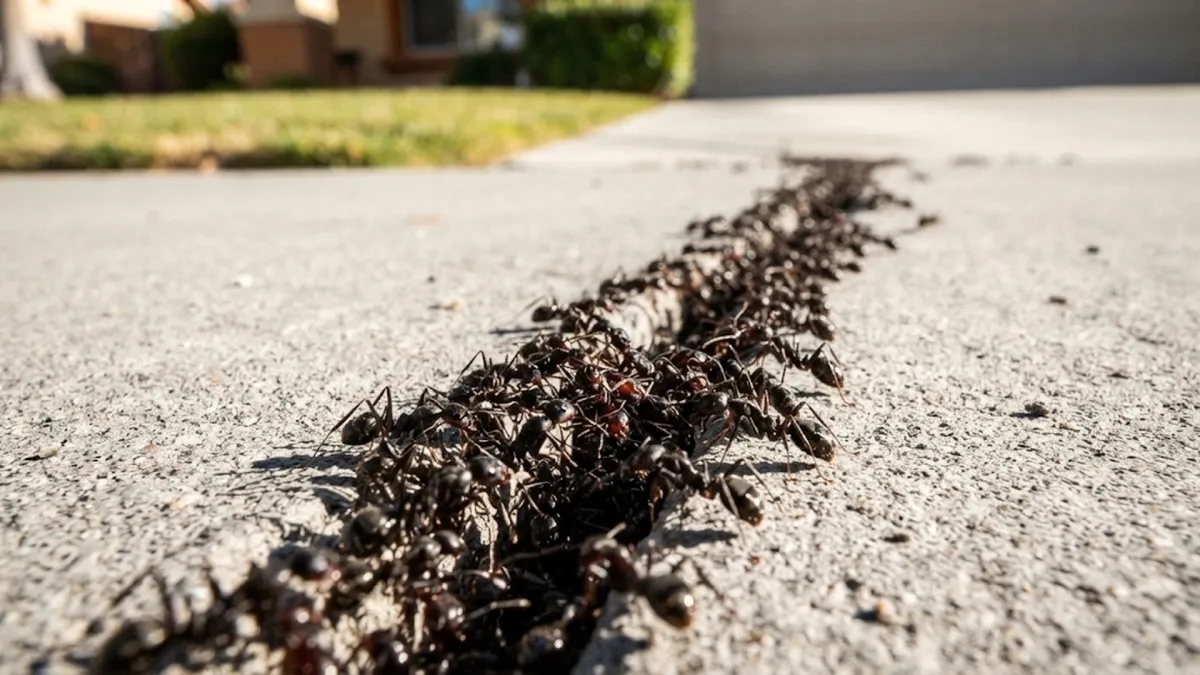
The mega-colony does not own all of California. Trapped inside its massive territory are small, rebellious enclave supercolonies seeded by separate ship cargo arrivals decades later. One of the bloodiest borders sits right near Lake Hodges in northern San Diego County, where the giant colony borders a smaller local rival known as the Lake Hodges Colony.
Biologists from UC San Diego who monitored this microscopic battleground discovered a permanent trench war. Whenever workers from the two colonies stumble across each other, they lock mandibles and spray toxic formic acid until both die. Over a single six-month research period, scientists counted more than fifteen million dead worker ants along one small creek bed. An average skirmish claims fifteen thousand lives in a matter of hours.
Casualty Rate
15,000 Deaths Per Border Battle • 15,000,000 Dead Over Six Months
3. The Chemical Password: Why Peace Is Impossible
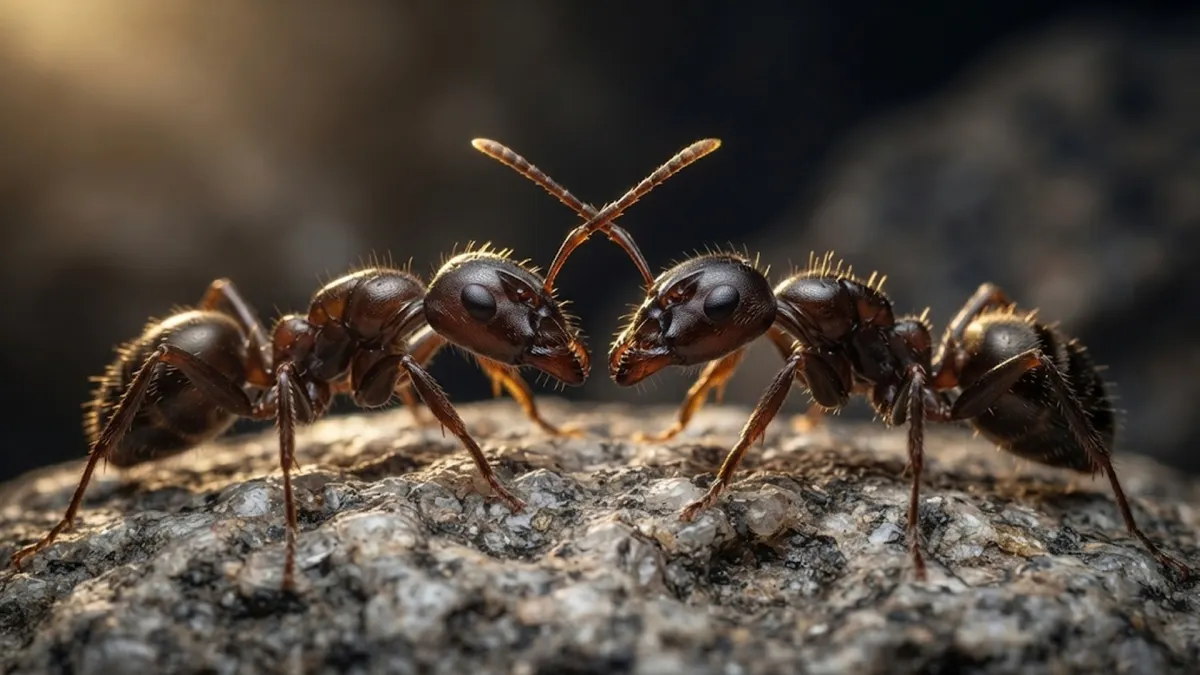
Most territorial animals in nature eventually calm down after fighting long border wars. Biologists call this the “dear enemy” effect. Over time, neighboring packs of wolves or colonies of native ants recognize their rivals' boundaries and create an unwritten buffer zone where fighting stops to save energy.
Argentine ants lack the dear-enemy switch completely. Every ant identifies friend from foe by touching its antennae to read cuticular hydrocarbons—a waxy chemical password coated on the exoskeleton. If even one chemical hydrocarbon molecule smells slightly off, the ant attacks instantly on biological autopilot. In their native South American floodplains, seasonal river floods wash away nests before wars ever reach a conclusion. Because California dry soil never floods, their genetic programming tells them to throw millions of fresh reinforcements into the meat-grinder week after week.
Biological Mechanism
Zero “Dear Enemy” Inhibition + Cuticular Hydrocarbon Antagonism
The Western Front in Your Backyard
Scientists compare the San Diego ant border to the Western Front of World War I. Despite millions of casualties every single year, the battle lines have barely shifted more than a few feet over decades. Both supercolonies simply pump out fresh millions of worker ants from underground nurseries, sustaining a perpetual war of attrition that will likely outlast human civilization.